The Vancouver to Victoria ferry is the BC Ferries crossing from Tsawwassen to Swartz Bay, which takes about 1 hour 35 minutes on the water. Door to door, with terminal transfers at both ends, plan on 3.5 to 4.5 hours. Sailings run roughly every one to two hours, with reservations strongly advised in summer and on long weekends. Neither terminal is in a city centre, so the bus links matter as much as the boat. As of 2026, check current timetables before you travel.
Vancouver to Victoria ferry: your route options
Victoria is on Vancouver Island, across the Strait of Georgia, about 100 km west of Vancouver in a straight line. Three types of journey cover the trip, and they trade time against cost and weather risk.
- Car ferry, Tsawwassen to Swartz Bay: the main crossing, operated by BC Ferries. Cars and foot passengers both travel. This is the best-value, most frequent route.
- Coach and ferry combination: through-services run bus from downtown Vancouver, on the ferry and on to downtown Victoria. Fewer transfers, since one ticket covers the bus and the crossing.
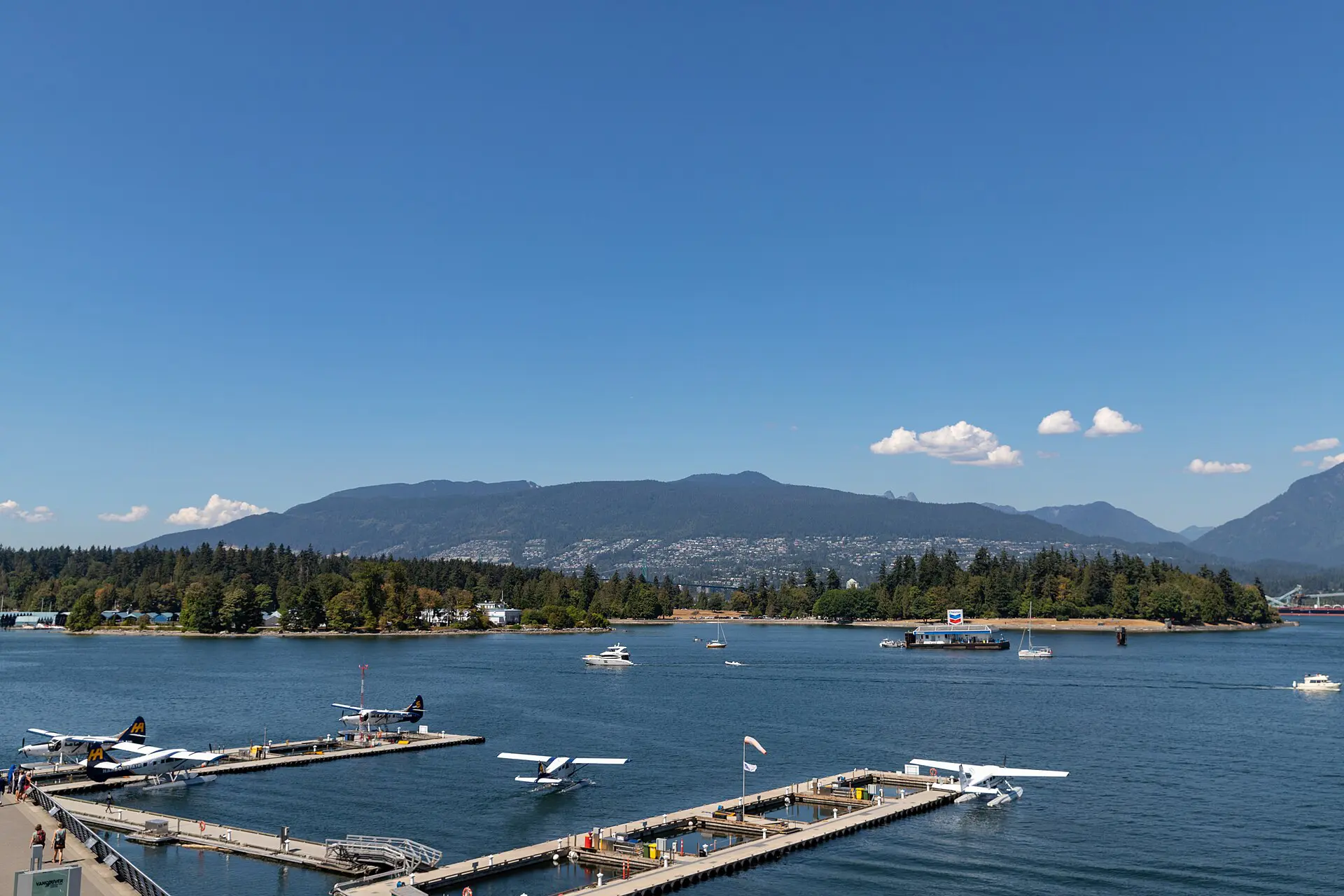
- Seaplane or helicopter: flights between the Vancouver and Victoria harbours take about 35 minutes. They are fast and the most expensive, and visibility and wind can stop them.
I would take the ferry unless a tight connection makes the flight worth the price.
Vancouver to Victoria ferry times, frequency and cancellations
| Route | Typical crossing | Frequency by season | What cancels it |
|---|---|---|---|
| Tsawwassen to Swartz Bay, ferry | About 1 hour 35 minutes | Roughly every 1 to 2 hours, more in summer | High wind, dense fog, technical faults, rare |
| Downtown Vancouver to Victoria, coach with ferry | About 4 to 4.5 hours | Several daily, by season | Ferry delays, bridge or tunnel traffic |
| Horseshoe Bay to Nanaimo, then drive | About 1 hour 40 minutes by ferry, then 1.5 hours or more by road | Several daily | Weather, summer car queues |
| Seaplane or helicopter | About 35 minutes | Many daily in summer, fewer in winter | Low cloud, wind, fog |
These are typical ranges. The BC Ferries website shows live departures and how full each sailing is.
How sailings get cancelled or delayed
The crossing is sheltered by islands and rarely cancelled, but fog and high winds do cause delays. Winter storms between November and February are the most likely cause. A summer long weekend is the other trouble spot, because a full sailing leaves cars and walk-on passengers waiting for the next one.
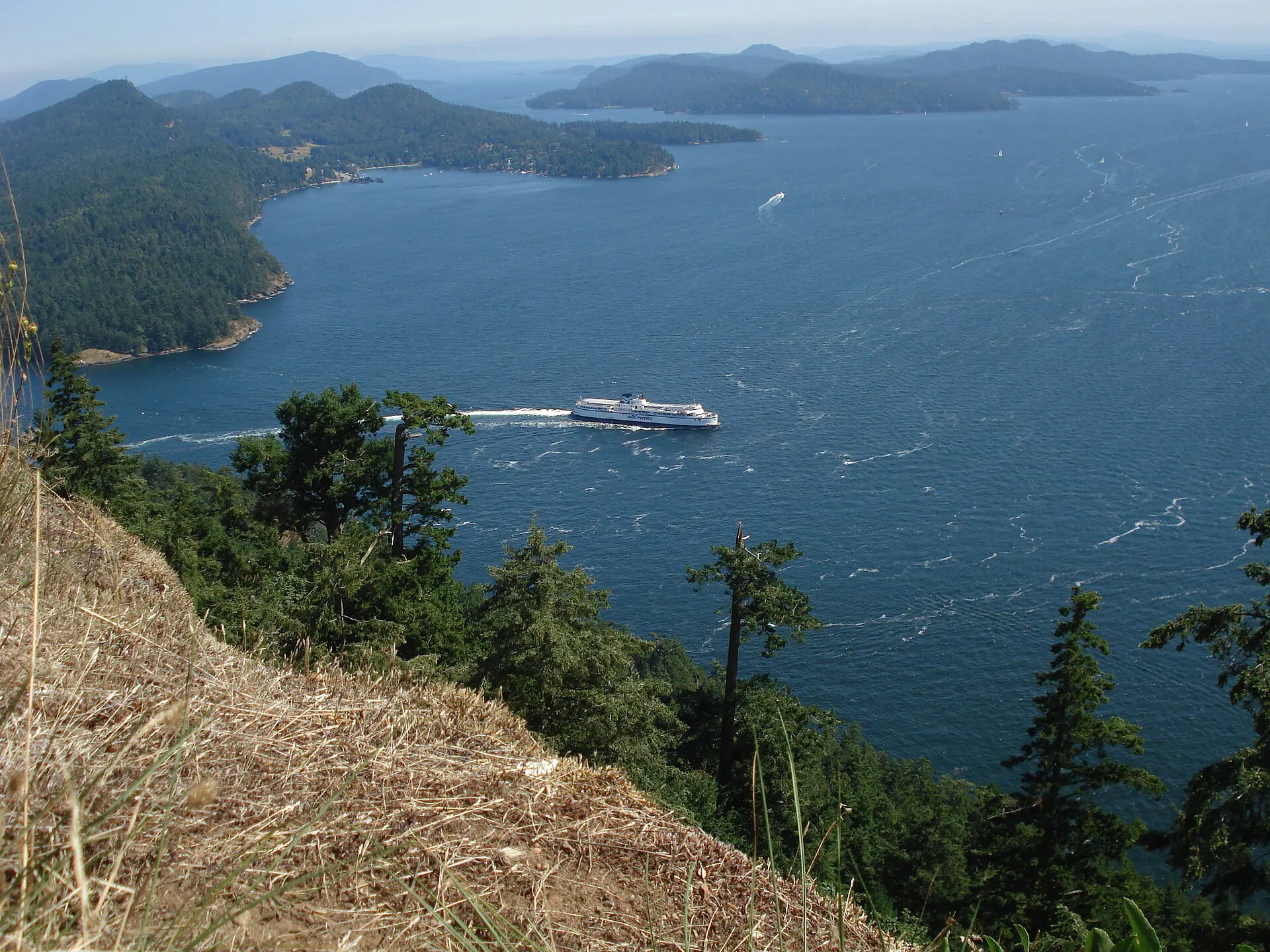
When a vessel is out of service, BC Ferries can swap boats or cancel individual departures. Expect a wait of one to several hours rather than a lost day. Sign up for service notices and check the live status on the morning you travel.
Terminals and getting to them
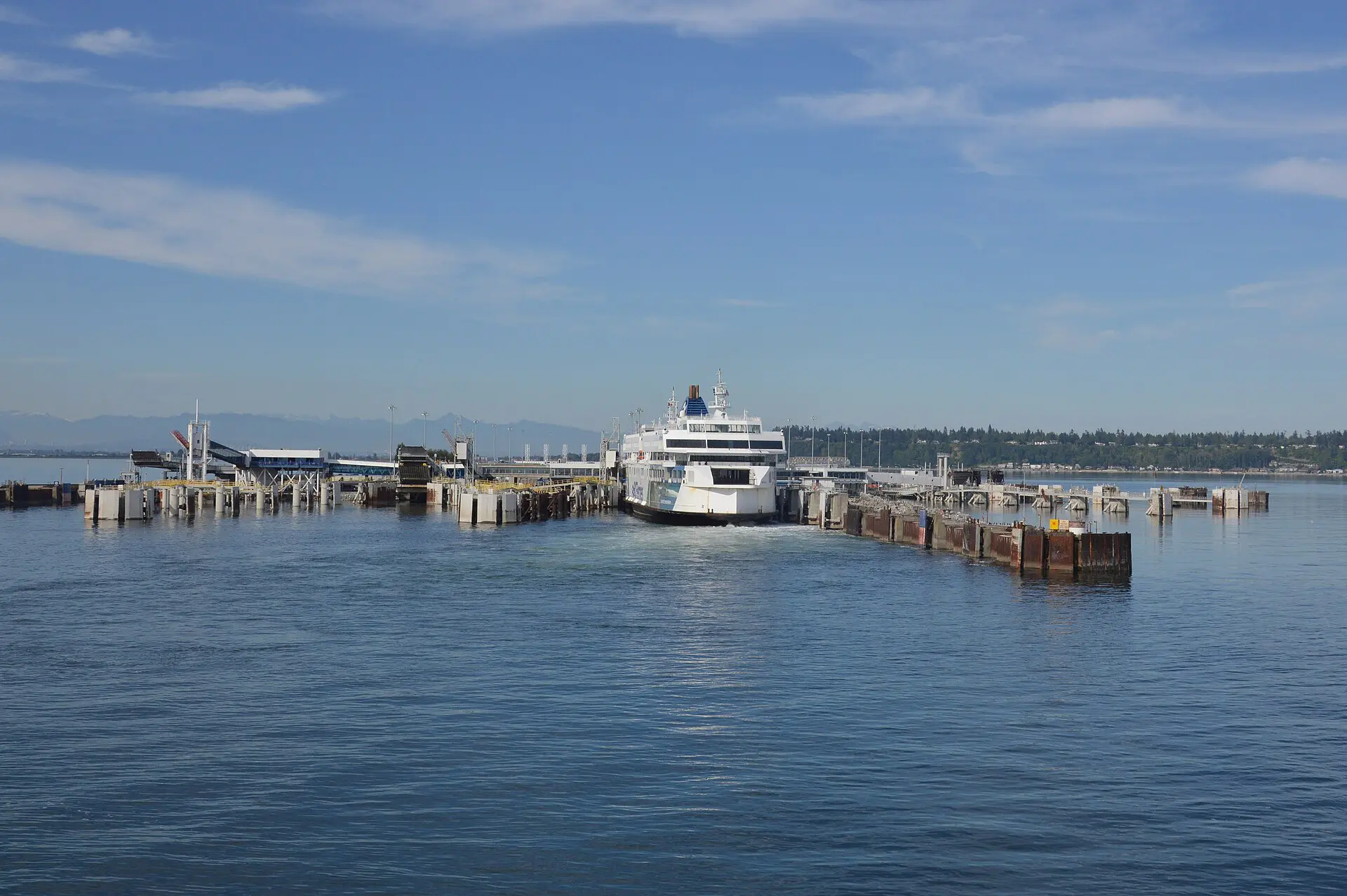
Tsawwassen is about 35 km south of downtown Vancouver, on a causeway. There is no walking access: foot passengers use the bus, a taxi or a shuttle. On public transport, take the Canada Line to a station where an onward bus to the terminal departs, and allow 1.5 hours, including the wait. By car, allow 45 to 60 minutes in normal traffic, and more at rush hour.
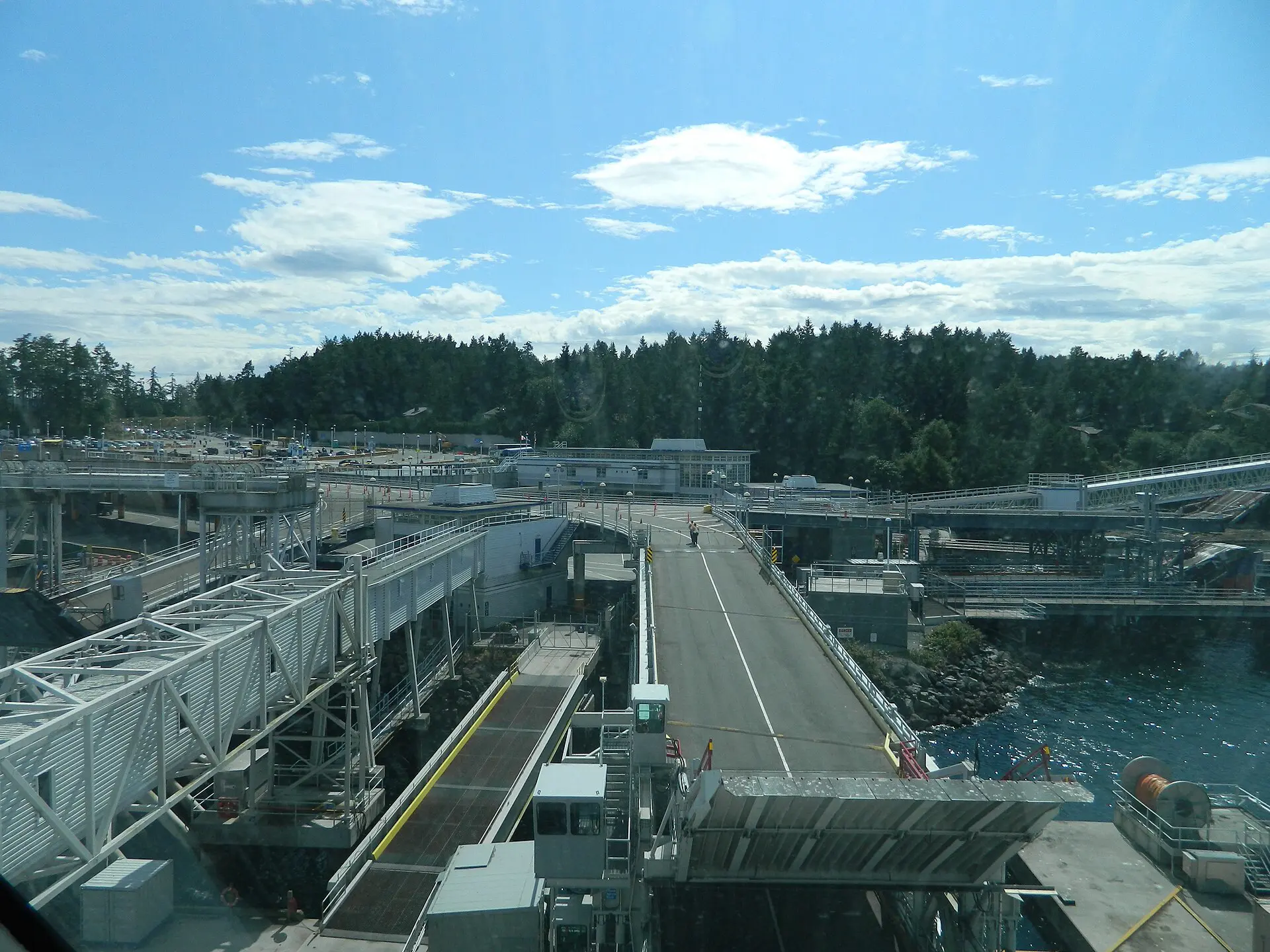
Swartz Bay is about 32 km north of central Victoria. A regular transit bus links the terminal and downtown in roughly an hour, with more services in summer. Taxis cost much more. Bring water and a snack, because the ferry cafeteria is pricey and queues form after arrival. Rental cars and long luggage need extra time at both ends.
Buffer days and what to book flexible
- Book a reservation for car or walk-on on summer weekends, holidays and Friday afternoons.
- Arrive at the terminal at least 30 to 60 minutes before sailing for a vehicle reservation, as the terminal advises.
- If you miss the sailing, a reservation fee may be lost. Read the change terms.
- Do not schedule a flight out of Victoria or Vancouver on the same day without 4 hours of slack.
- Prefer morning sailings in winter and fog-prone seasons, because they leave room for a rebooking.
Fallbacks if the Vancouver to Victoria ferry is full or off
1. Take the next sailing
In most cases, the plan is to wait one to two hours. Foot passengers usually get aboard sooner than vehicles in peak season.
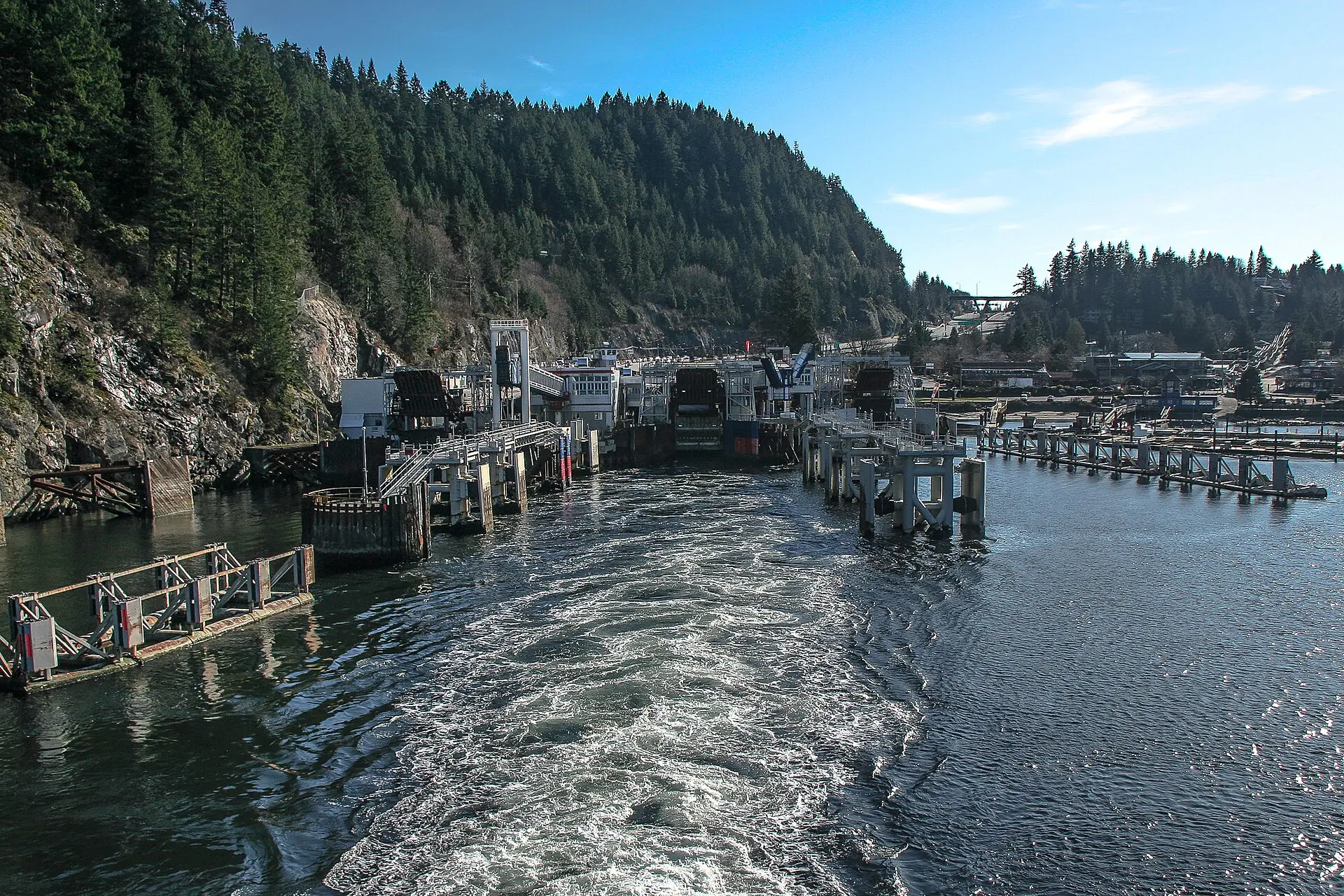
2. Use the Nanaimo route
Horseshoe Bay in West Vancouver to Departure Bay in Nanaimo is an alternative crossing. From Nanaimo, Victoria is about 110 km south by road, so allow 1.5 to 2 hours more.
3. Fly by scheduled plane
Short scheduled flights link Vancouver International Airport and Victoria International Airport, around 25 minutes in the air. Check-in, security and transfers add hours, so the saving is smaller than it looks.
4. Seaplane or helicopter
This is the fast fallback and the costly one. It suits a time-critical trip. In low cloud or fog, it may be grounded when the ferry still runs.
5. Delay the trip a day
If a storm halts sailings, a flexible hotel in Vancouver costs less than a stranded arrival on the island.
Skip the Vancouver to Victoria ferry if
- You need to reach Victoria in under 2 hours. Fly or take the seaplane.
- You arrive in Vancouver late at night, as bus links thin out in the evening.
- You travel on a long summer weekend without a reservation and cannot absorb a one to two hour wait.
- You carry heavy luggage and have no pickup at Swartz Bay.
To plan your time in the city, see the Victoria guide and the Canada travel guide. For a trip that continues to Tofino, allow a long day by road after you land on the island.
FAQ about the Vancouver to Victoria ferry
How long is the ferry from Vancouver to Victoria?
The sailing from Tsawwassen to Swartz Bay takes about 1 hour 35 minutes. Including terminal transfers at both ends, expect 3.5 to 4.5 hours from downtown Vancouver to downtown Victoria. Add time in peak season.
Do you need a reservation for the ferry?
Not always for foot passengers, but reservations are strongly advised for vehicles and on busy summer and holiday sailings. Without one, you may wait for a later boat. Check the operator’s current rules and fees.
Can you walk onto the ferry in Vancouver?
The terminal is not in downtown, so you cannot walk there. Foot passengers reach Tsawwassen by bus, shuttle or taxi, and board at the terminal. Plan for the transfer, which can take as long as the sailing.
Is there a bus from Vancouver to Victoria?
Yes, a coach and ferry service links downtown Vancouver with Victoria, and local transit buses connect the terminals to the cities as well. Schedules change by season, so check current times and book ahead for peak days.
Is the ferry or the seaplane better?
The ferry is cheaper and more reliable in fog, but takes hours. The seaplane takes about 35 minutes between harbours and costs far more. Choose it only when time is tight and the forecast is clear.