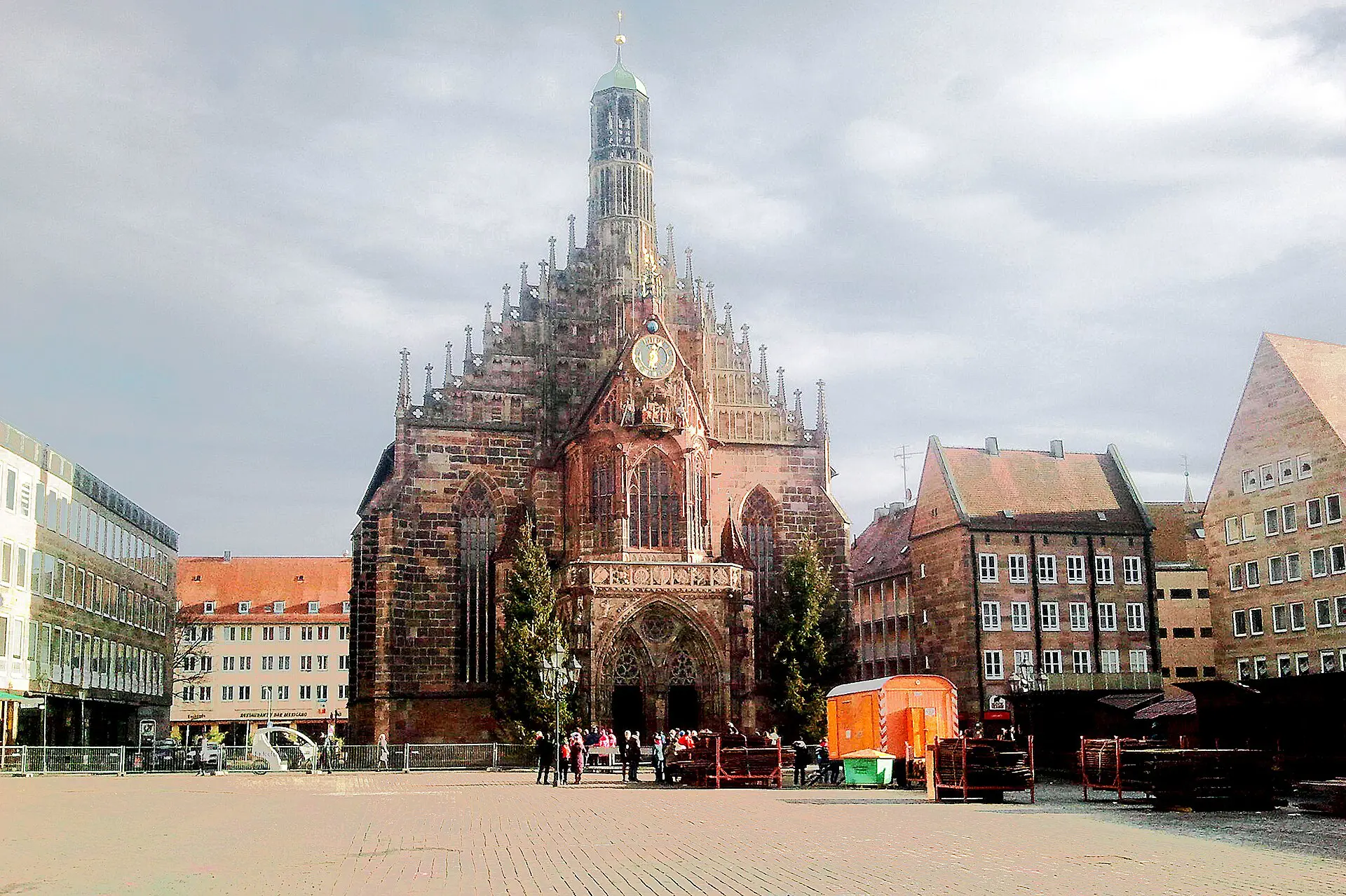
Traditional German food is regional first and national second. Order Weißwurst and a pretzel in Bavaria before noon, Käsespätzle in the south-west, Sauerbraten in the Rhineland, a Fischbrötchen on the north coast and a Currywurst in Berlin. Lunch is the main hot meal, evening can be cold bread and cheese, and most Gasthaus mains cost roughly 14-25 EUR as of 2026. Below: what to order, when, how much it costs and how the table works in Germany.
How meals are structured and timed in Germany
The traditional day has five anchors. Breakfast is bread rolls, cold cuts, cheese, jam and coffee. Many bakeries open early, so a roll with butter and ham is the fastest local breakfast. Lunch, called Mittagessen, was historically the main hot meal, and many places still offer a cheaper set lunch on weekdays. Mid-afternoon brings Kaffee und Kuchen, coffee with a slice of cake, which is a real ritual and not a tourist invention.
Evening, or Abendbrot, literally means evening bread. Traditionally it is a plate of dark bread, sausage, cheese and pickles, and many households still eat this way, though restaurants serve full dinners. In smaller towns the hot kitchen, the warme Küche, may stop around 21:00 or 22:00, so eat earlier than you would in southern Europe.
The system behind it is regional farming and the butcher. Germany has 16 states, and Wikivoyage notes that the country is far less uniform than outsiders assume. Pork, potatoes, cabbage, rye and wheat bread, and sausages that differ town by town, form the base. Sunday is quiet: most shops are closed, so plan groceries on Saturday.
8 traditional German food dishes to order first in Germany
1. Weißwurst and a soft pretzel (Bavaria)
Weißwurst is a pale veal and pork sausage seasoned with parsley and lemon, simmered rather than fried, and served in its hot water with sweet mustard and a Brezel. The old rule says it should be eaten before midday, as it was once made fresh each morning. Many people squeeze the filling out of the skin, though you may cut it. Expect around 4-8 EUR for a pair with a pretzel.
2. Bratwurst with mustard
Bratwurst is the grilled sausage of every market square, and each region has its own: slim and marjoram-scented in Nuremberg, longer and coarser in Thuringia. It is served in a roll or on a paper plate with mustard, and sometimes sauerkraut. It is the cheapest hot meal in most towns, roughly 3-6 EUR. Ask for “mit Senf” and eat it standing.
3. Schnitzel
A thin cutlet, usually pork in Germany, breaded and fried until golden. Pork versions are often just called Schnitzel, while veal is the Wiener Schnitzel. It comes with fried potatoes or potato salad, a slice of lemon, and in some regions a creamy mushroom sauce called Jägerschnitzel. Portions are large. A plate is typically 12-20 EUR in a Gasthaus.
4. Käsespätzle (south-west and Allgäu)
Spätzle are soft egg noodles made by pressing batter through a sieve or scraping it off a board into boiling water. For Käsespätzle they are layered with grated mountain cheese and topped with crisp fried onions. It is the meat-free choice and a good first stop for vegetarians. Swabia and the Allgäu claim it. A plate is roughly 10-16 EUR.
5. Sauerbraten (Rhineland)
Beef is marinated for days in vinegar, wine and spices, then braised until tender, and the gravy is sweet and sour. It is served with red cabbage and potato dumplings. The slow marinade explains the dish: it was a way to tenderise tough cuts and keep meat. It is a main course for a cool evening. Prices are often 16-25 EUR.
6. Currywurst (Berlin and the Ruhr)
Sliced, fried pork sausage covered in a warm tomato-curry sauce, dusted with curry powder, and served with chips or a roll. It is commonly traced to Berlin in 1949 and is now eaten across Germany, in kiosks and fast-food stands. It is a snack for a quick bite between sights, around 4-8 EUR. Order it “mit Pommes” for a full plate.
7. Fischbrötchen (north coast)
A roll filled with pickled herring (Matjes), smoked mackerel, or fried fish, with onions and a remoulade sauce. It is the standard harbour snack in Hamburg, Bremen and along the Baltic and North Sea coasts. It tastes best in the open air beside the water. A roll is generally 4-7 EUR. The herring tastes salty and sharp, so try the fried fish version first.
8. Schweinshaxe (Bavaria)
A roast pork knuckle with crackling skin, served with a dumpling (Knödel) and sauerkraut or cabbage salad. It is a shared-appetite dish, large enough for one hungry eater or two sharing. The skin should crack and the meat should fall from the bone. It belongs in a beer hall or Gasthaus rather than a snack stall. Expect roughly 15-24 EUR.
Traditional German food market timing in Germany
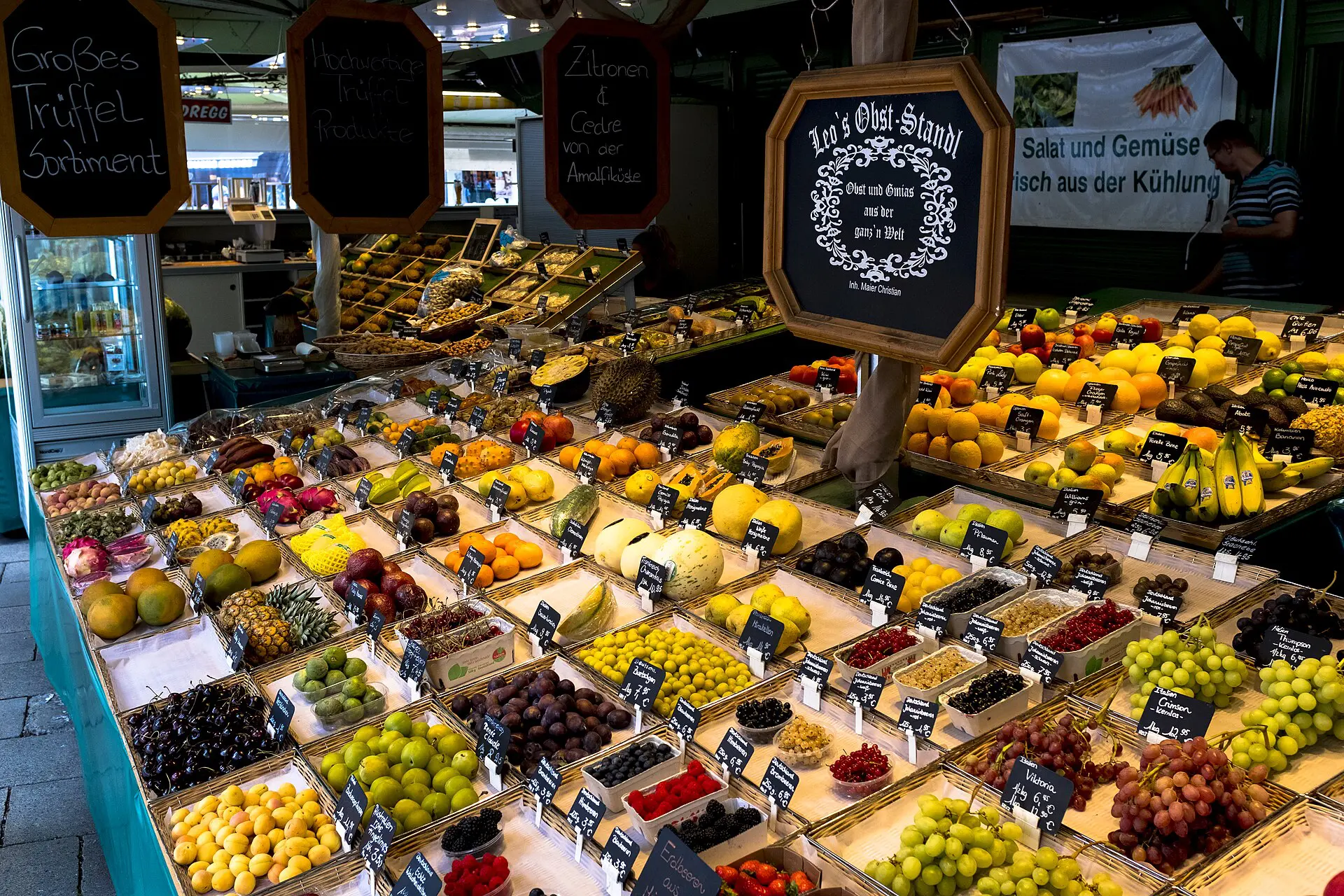
Weekly markets, called Wochenmarkt, are the best place to see ingredients and eat on the move. Most run in the morning and shut by early afternoon, with Saturday the busiest day. Sunday markets are rare, and Sunday is the day for a long lunch in a Gasthaus.
- Bakeries: open early and often sell out of the best rolls by mid-morning.
- Butcher counters: many serve a hot lunch plate or sausage in a roll from late morning.
- Asparagus season: white asparagus (Spargel) is served from roughly April until late June, with butter or hollandaise and ham.
- Christmas markets: usually open from late November until around 23 December, with Glühwein and roasted almonds.
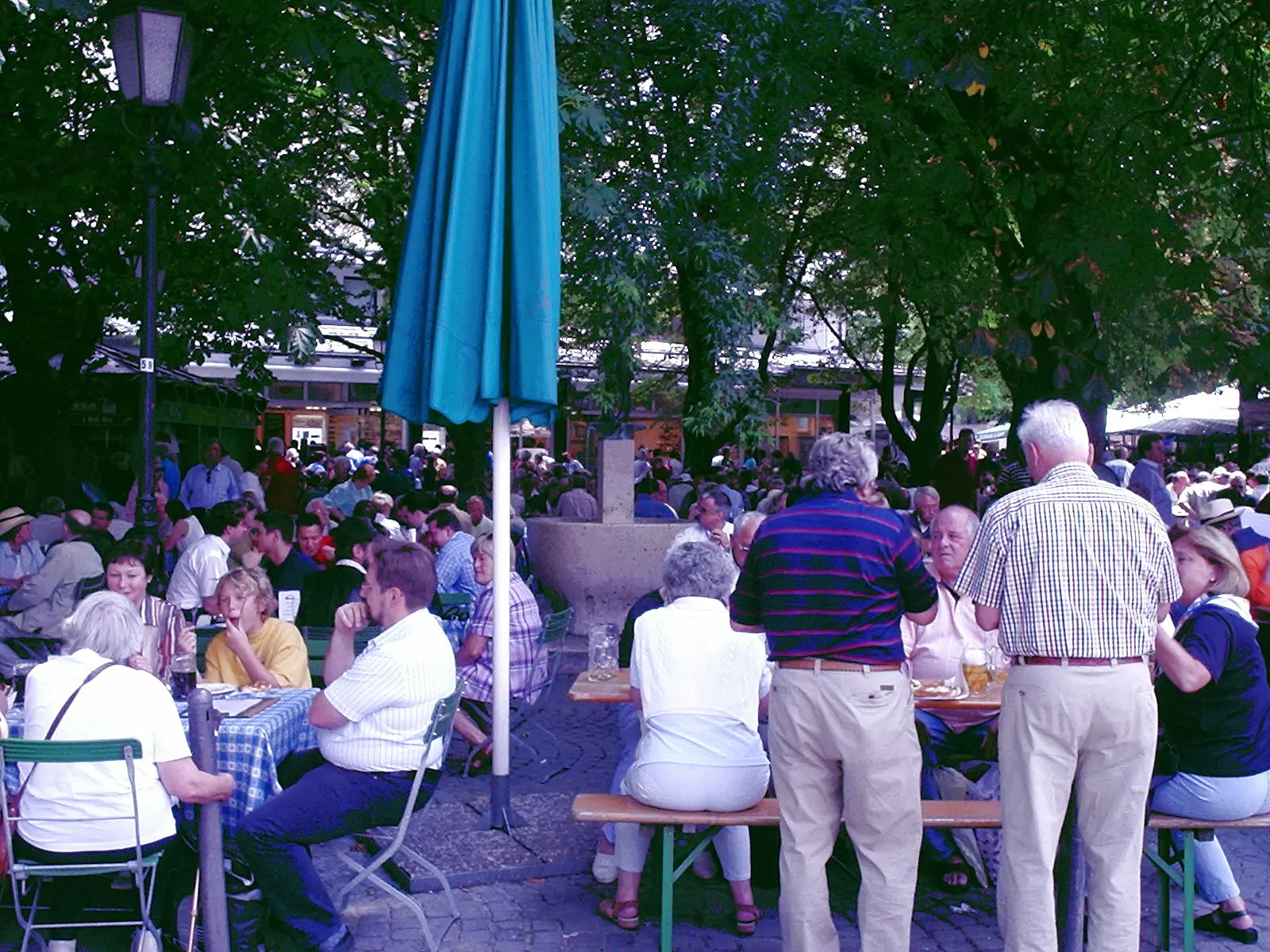
- Beer gardens: mostly open in the warmer months, from mid-afternoon into the evening.
Dates and hours change by city, so check the local market page before you go.
Traditional German food price bands in Germany
Prices are hedged ranges as of 2026, and big cities and tourist centres cost more.

| Meal type | Typical price (EUR) | What you get |
|---|---|---|
| Bakery breakfast | 3-7 | Roll with filling and coffee |
| Sausage stand | 3-8 | Bratwurst or Currywurst |
| Weekday lunch special | 9-15 | Main dish, sometimes soup |
| Gasthaus main course | 14-25 | Schnitzel, Sauerbraten, Haxe |
| Beer, 0.5 litre | 4-7 | Local lager or wheat beer |
Most visitors eating one hot meal and a few snacks spend roughly 25-50 EUR a day on food. For hotels and transport, see the Germany travel guide.
Table etiquette for traditional German food in Germany

- Seating: in a traditional Gasthaus, you may be asked to share a long table. Ask “Ist hier noch frei?” before sitting.
- Toasts: say “Prost” and make eye contact as you clink glasses. Say “Guten Appetit” before eating.
- Dumplings: traditionally cut with the side of the fork, not a knife, as a compliment to the cook.
- Paying: bills are usually split at the table. Tell the server how much each person pays.
- Tipping: service is included, but rounding up or adding around 5-10% is normal. Say the total you want when you pay, rather than leaving coins.
- Cash: some small places take cash only, so carry some.
How to read a German menu without speaking German
Menus are organised by course. “Vorspeisen” are starters, “Hauptgerichte” are mains, “Beilagen” are sides and “Nachspeisen” are desserts. “Tagesgericht” is the dish of the day, and “Mittagstisch” is the weekday lunch deal. Sides are often listed separately, so a plate can come without potatoes unless you order them.
A few words unlock the rest. “Gebraten” is fried or roasted, “gekocht” is boiled, “geräuchert” is smoked, and “vom Grill” is grilled. “Schwein” is pork, “Rind” is beef, “Kalb” is veal, “Hähnchen” is chicken and “Fisch” is fish. Look for “vegetarisch” or “ohne Fleisch” for meat-free dishes. Water is “Wasser”: ask for “still” (without bubbles) or “mit Kohlensäure” (sparkling).
What to skip in Germany
- Restaurants with plastic-covered, multilingual photo menus on the main tourist square. Walk a few streets away.
- Beer-hall prices for Oktoberfest food. Festival rates run well above everyday ones.
- Sauerkraut and sausage as a daily diet. Regional variety is the point.
- Arriving at a rural Gasthaus after 21:30 and expecting a hot kitchen.
- Assuming shops are open on Sunday. They are mostly closed.
For background on the country and its regions, see the Wikivoyage Germany guide.
FAQ about traditional German food in Germany
What is the national dish of Germany?
There is no official national dish, because regional cooking is stronger than a single national cuisine. Schnitzel, bratwurst, sauerbraten and potato dishes are the usual answers. If you want one place to start, order the regional plate that the local Gasthaus lists first on its menu.
What do Germans eat for breakfast?
Typically bread rolls with butter, cheese, cold cuts, jam or honey, plus coffee or tea. Boiled eggs and muesli are common too. In Bavaria, Weißwurst with a pretzel and wheat beer is a traditional late-morning breakfast. Hotels usually serve a buffet version of all of this.
Is traditional German food vegetarian friendly?
It is meat-heavy, but there are good options. Käsespätzle, potato pancakes with apple sauce, asparagus in season, and pretzels with cheese spread are all meat-free. Ask for “vegetarisch” on the menu. Check that soups and sauces are not made with meat stock, as that is common.
How much should I tip in Germany?
Service is included in menu prices, so a tip is a small extra. Rounding up to the next euro or adding about 5-10% for good service is normal. Tell the server the total when paying, for example “Machen Sie 20”, rather than leaving coins on the table.
Can I drink tap water in Germany?
Tap water is generally safe and well regulated. Restaurants usually sell bottled still or sparkling water and may not serve free tap water, so ask politely if you prefer it. Check your own health advice if you have particular needs. Beer is a standard drink with meals, and a half litre is the usual size.