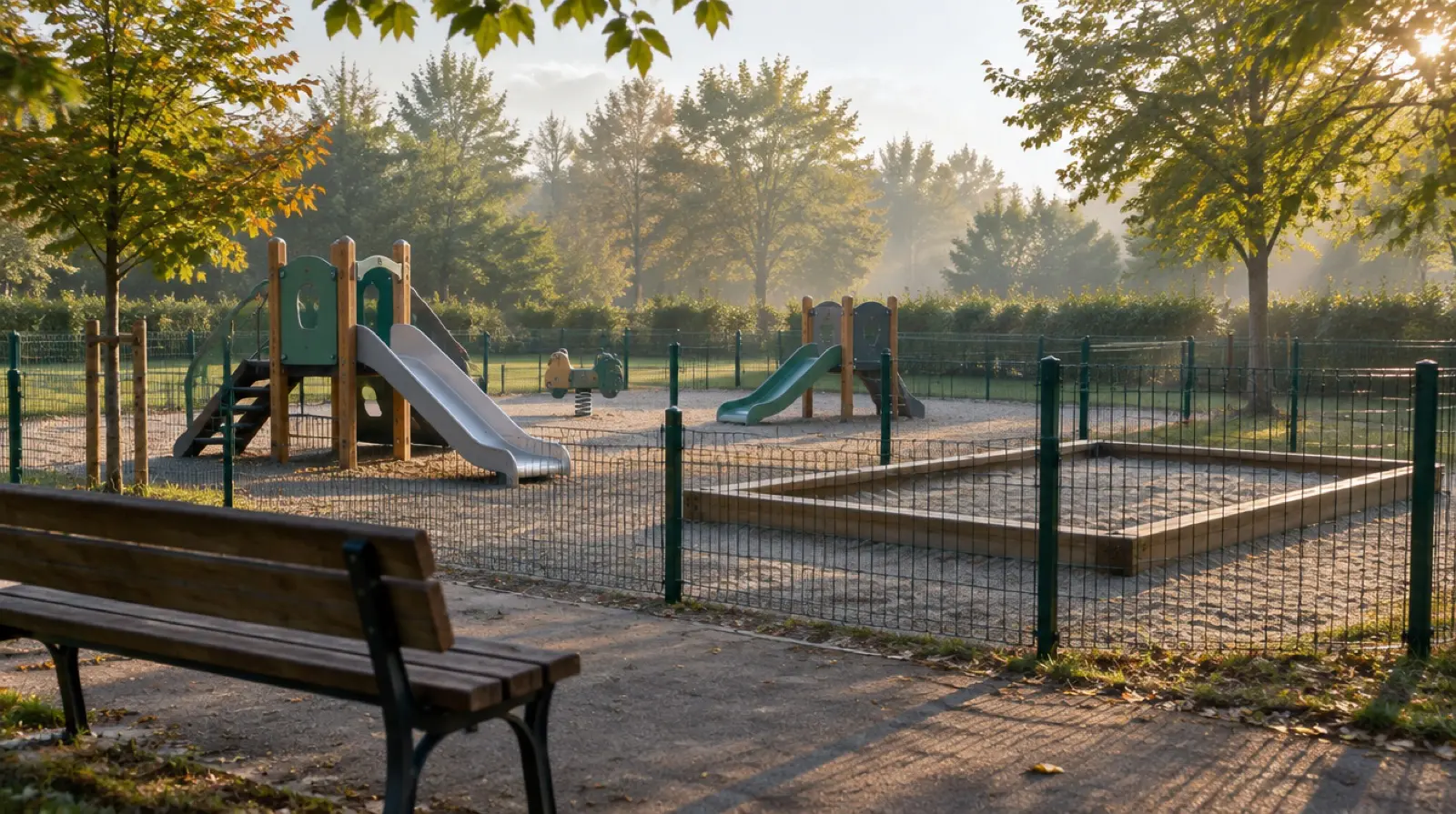
The best things to do with toddlers on a trip are short, close to your base and easy to leave: a playground, a beach or park, a small zoo or farm, a splash area and a slow walk with a snack. Plan one outing of 60 to 90 minutes in the morning and one in the late afternoon, with a nap between them. Everything else is optional.
How to choose things to do with toddlers
A toddler, here, means a child of about one to three. At that age the activity matters less than its length, its distance and whether you can leave without a fuss. A good plan is built from small blocks around fixed anchors: nap, lunch, snack and an early evening.
Three rules apply to nearly every choice. Stay within about 20 minutes of the room. Keep each block under 90 minutes. Pick places with a bathroom, shade and somewhere to sit. If an option fails any of the three, drop it, or move it to a day when a grandparent or a partner can share the load.
Things to do with toddlers: activity types and block lengths
Use this table to match an activity to the part of the day it fits. Lengths are planning guides for a child of about two, and every child is different.

| Activity type | Block length | Best time | Rest or food anchor |
|---|---|---|---|
| Playground or park | 45 to 75 minutes | Morning or late afternoon | Snack on a bench |
| Beach or shallow water | 60 to 90 minutes | Before 11:00 | Lunch in shade, then nap |
| Small zoo, farm or aquarium | 60 to 90 minutes | Opening hour | Lunch on site |
| Splash pad or hotel pool | 30 to 60 minutes | Late morning | Warm towel and snack |
| Children’s museum | 60 to 90 minutes | Rainy day, mid-morning | Café break halfway |
| Short train, tram or boat ride | 20 to 45 minutes | Any, before a nap | None needed |
| Slow walk and a market | 30 to 60 minutes | Late afternoon | Early dinner |
The column that matters most is the last. An activity that ends at a place you can eat or sleep is easier than one that ends in a queue.
Seven things to do with toddlers on a trip
Each item has a stamina note and a way to cut it short. None of them needs a booking or an expensive ticket.
1. A playground near where you are staying
It is the most reliable block in any city. Look for a fenced area with shade and equipment for under-fives, and a bench for a snack. A playground also lets the child meet others, and costs nothing. Stamina note: 45 to 75 minutes is plenty. Leave when interest drops, not when the clock says so.
2. A beach or a shallow lake edge
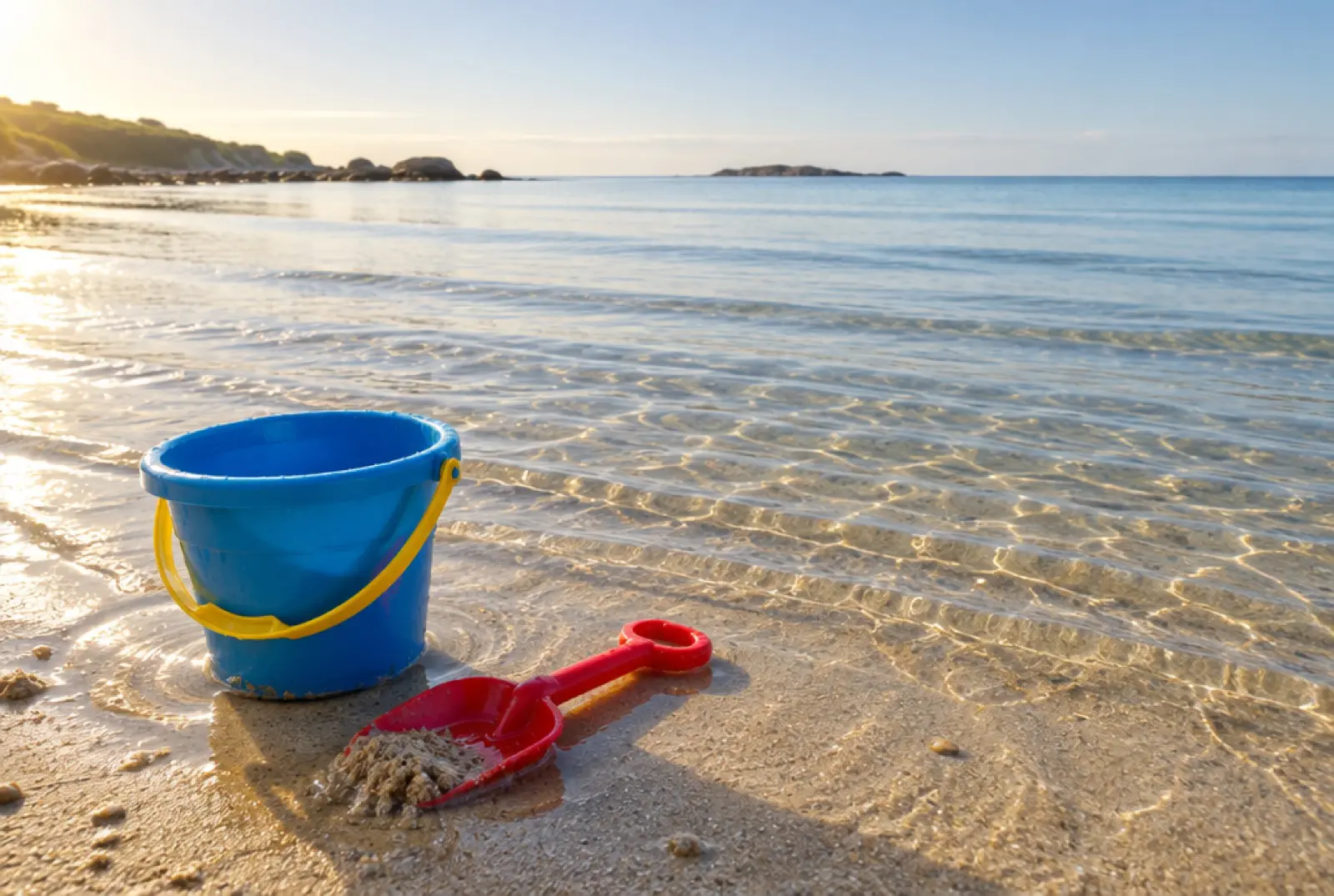
Sand and shallow water keep a toddler occupied for an hour with a bucket and a spade. Choose a beach with calm water, shade and a place to rinse off. Stay within arm’s reach of the child at all times, and use sun protection and a hat. Rest anchor: go early, eat lunch in the shade and nap in a cool room.
3. A small zoo, farm or aquarium
Smaller places are better than large ones, because a toddler cannot cover a big site. Animals at eye level, short paths and a place to eat on site help. Check opening hours and any age-based pricing, as both vary. Go at opening for fewer crowds and cooler air, and leave before the child is overtired.
4. A splash pad or a shallow hotel pool
Water play in a safe, shallow setting is easy to run, easy to shorten and works in a heat wave. Bring a swim nappy where required, and check the pool rules for under-threes. Warm towels and a snack at the end help the transition back to dry clothes.
5. A children’s museum or indoor play space
This is the main wet-day option. Many cities have a hands-on museum for under-sevens, with a toddler area. Check the age range, the opening hours and whether you need to book. Tired-day fallback: go in the morning, eat lunch at the café, and be home for the nap.
6. A short ride on a train, tram, ferry or bus
Toddlers often like the ride more than the destination. A 20 to 45 minute loop on a tram or a ferry is a rest for the adults and a treat for the child. Take a snack and avoid peak hours. A stroller or carrier that folds is useful on public transport.
7. A slow walk with a market or a bakery stop
A walk of 30 to 60 minutes with a stop for something to eat is a calm block for late afternoon. Use a carrier or a light stroller, and choose a flat route. The goal is to be seated with food before the child gets hungry. An early dinner often follows.
A sample day for a toddler on a trip
| Time | Block | Notes |
|---|---|---|
| 7:00 to 8:30 | Breakfast, get ready | Slow start; no rush |
| 9:00 to 10:30 | Outing 1: playground, beach or small zoo | Snack on site |
| 11:30 to 12:30 | Lunch | Near the outing or the base |
| 13:00 to 15:00 | Nap or quiet time | Fixed; plan around it |
| 15:30 to 17:00 | Outing 2: short and flexible | Walk, ride or pool |
| 17:30 | Dinner | Early, simple |
| 19:00 | Bath and bed | Protect it |
This is a template, not a rule. If the child naps in a stroller or a carrier, the second outing can be folded into the nap, which gives adults a seat and a coffee. If the child skips the nap, bring dinner forward and bed earlier.
Choosing a base that makes the blocks easy
Where you sleep decides how many of these blocks are realistic. A base within a ten-minute walk of a playground, a park or a shallow beach makes a 60-minute outing easy to start and easy to end. A base that needs a 30-minute taxi to every activity turns each block into a half day.
- Kitchen or fridge: snacks and milk on demand matter more than a breakfast buffet.
- Separate sleeping space: a bedroom door, a balcony or a bathroom with a closing door lets adults stay up after bedtime.
- Lift and street access: stairs with a stroller and a sleeping child are a real obstacle.
- Laundry: a washing machine halves the clothes you carry.
Common mistakes and edge cases
- Booking a long day tour. A day trip of eight hours with a toddler is rarely a good idea. Try a half-day outing at most, with a flexible return.
- Skipping the nap. One missed nap can cost the whole evening. Plan the nap first and build the day around it.
- Packing the day. Two outings are enough. A third is usually a cost, not a bonus.
- Underestimating transfers. Getting there can take as long as the activity. Keep trips within 20 minutes of the base.
- Forgetting the time change. A first day after a flight should be nearly empty. Let the body clock catch up for two or three days.
- Ignoring the weather. Heat and rain end an outing fast. Have an indoor option ready.
What to verify before you rely on it
Details change from place to place and year to year, so check a few things before leaving the room.
- Opening hours and any age-based rules or prices for the place you chose.
- Whether strollers are allowed, and whether the site has step-free access.
- Bathroom, changing facilities and shade at the location.
- Weather and the heat index, and whether the water is safe for swimming that day.
- Your own accommodation’s cot, high chair and kitchen options.
Where to go next
If you are choosing where to stay with a toddler, the guide to family vacation packages compares bundled and self-planned trips. For city options, see things to do in San Diego with kids and Milan with kids. A resort stay can also work well at this age, and family hotels in Orlando covers one big family hub.
FAQ about things to do with toddlers
What are the best things to do with a toddler on holiday?
Playgrounds, beaches, small zoos or farms, splash pads and short rides on a tram or boat. Keep each block under 90 minutes, stay near your base and plan around the nap. Choose places with shade, a toilet and somewhere to eat.
How many activities should you plan per day with a toddler?
Two short outings are plenty: one in the morning and one in the late afternoon, with lunch and a nap between them. Many families do better with one outing and a long rest. Treat any third activity as optional.
What can you do with a toddler on a rainy day?
Try a children’s museum, an indoor play centre, a library story session, an aquarium or a covered market. A short tram or train ride also works. Keep the lunch and nap times the same, and go out in the morning when energy is highest.
Is it worth taking a toddler on a long trip abroad?
Many families find it manageable with a slow pace, a base with a kitchen and a first day with no plans. Long flights and time changes are the harder part. Choose a short transfer and a destination with a calm daily rhythm, and check medical access.
How long can a toddler walk in a day?
It varies by child. Many toddlers walk comfortably for 20 to 30 minutes at a stretch and then want to be carried or ride in a stroller. Bring a carrier or a light stroller, plan seated breaks and let the child set the pace.