The best things to do in Hobart are close together: a waterfront, a famous Saturday market, a mountain you can see from your desk and one of the strangest art museums in the Southern Hemisphere. It is a small city of about 255,000 people on the Derwent estuary, so we can fit a real workday around a walk, a ferry or a lookout. Here are ten ideas, the best areas to stay, how to get around and what a month costs.
Best time to visit Hobart
Hobart is cool all year. Summer highs average around 21 degrees Celsius, winter nights sit near 5, and locals will tell you to carry a jumper in every month. Rain is fairly even, around 50 mm a month. Daylight is the big swing: about 15 hours in midsummer and under 10 in winter.
| Season | Weather | Crowds and prices | Good for |
|---|---|---|---|
| Summer (Dec to Feb) | Mild, around 21 C, light until about 8:45 PM | Busiest, highest rents | Waterfront, mountain walks, day trips |
| Autumn (Mar to May) | Cooler, settled | Quieter, easier bookings | Month-long stays, markets, food |
| Winter (Jun to Aug) | Cold, short days, snow on the mountain | Lower prices outside festival dates | Museums, cosy cafes, focused work |
| Spring (Sep to Nov) | Changeable, breezy | Moderate | Gardens, shoulder-season value |
For a working month, we would pick March or April. Check dates for winter festivals, because they can raise prices.
Top things to do in Hobart
1. Take the ferry to MONA
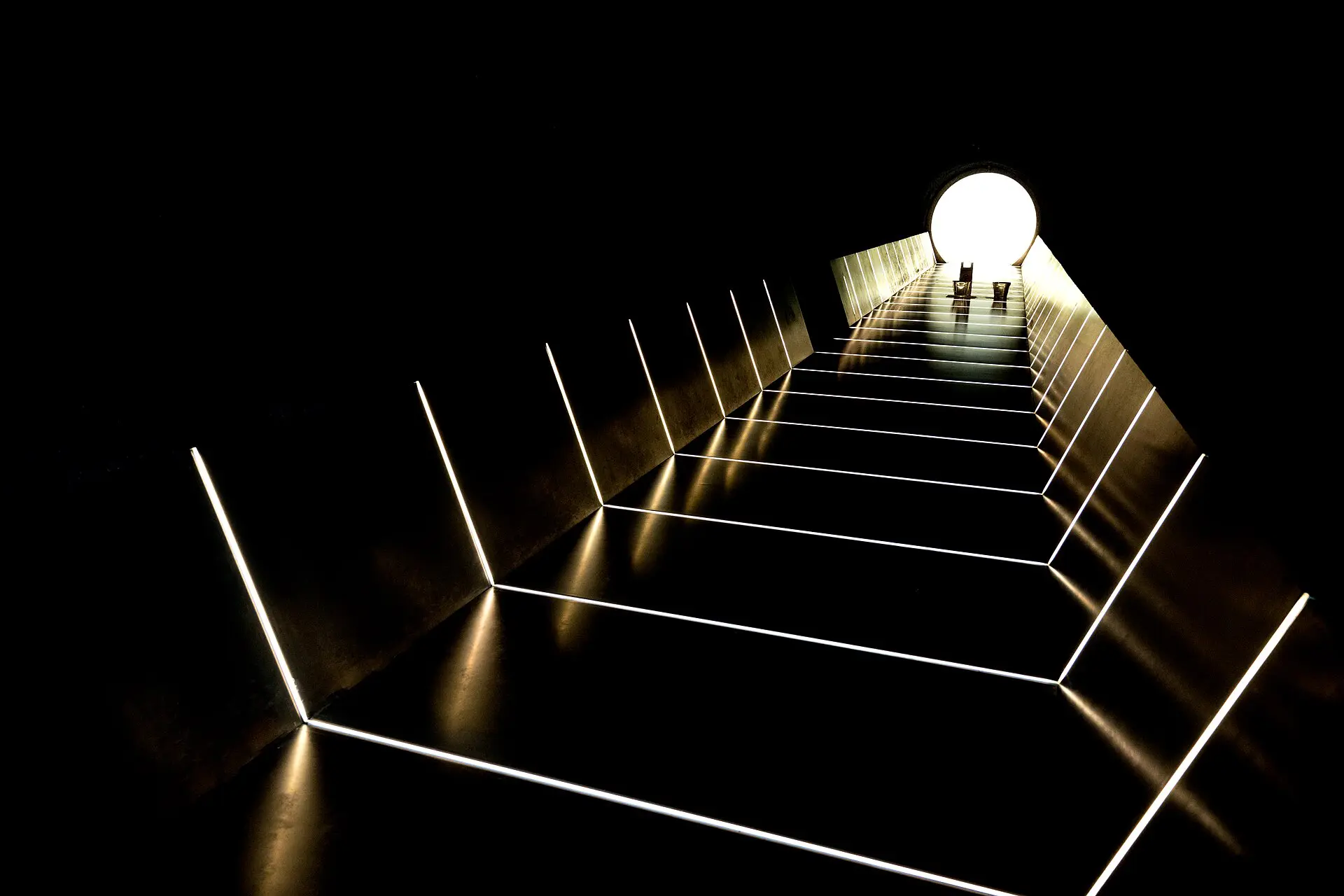
The Museum of Old and New Art is the Southern Hemisphere’s largest private museum, and the city’s biggest drawcard. It is on the Derwent, and the usual way to arrive is by ferry from the waterfront. Tickets, ferry times and local discounts change, so check before booking. Give it at least half a day, and leave work for another time.
2. Browse Salamanca Place and the Saturday market
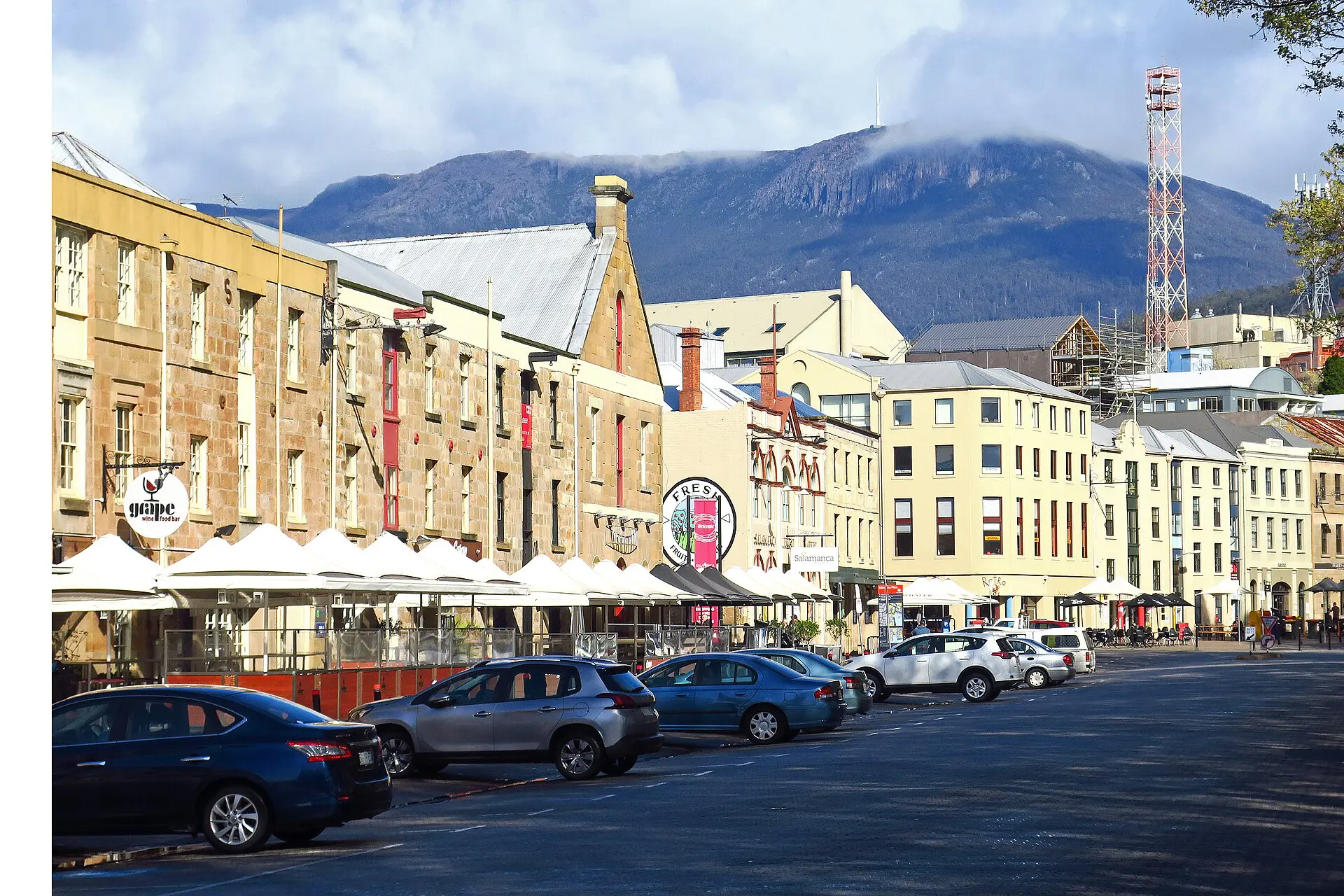
Salamanca Place is a row of old sandstone warehouses along the harbour, now full of galleries and cafes. The Salamanca Market runs on Saturdays and fills the street with stalls, so arrive early if you dislike crowds. On weekdays the precinct is quiet and good for a long coffee and a laptop session.
3. Go up kunanyi / Mount Wellington
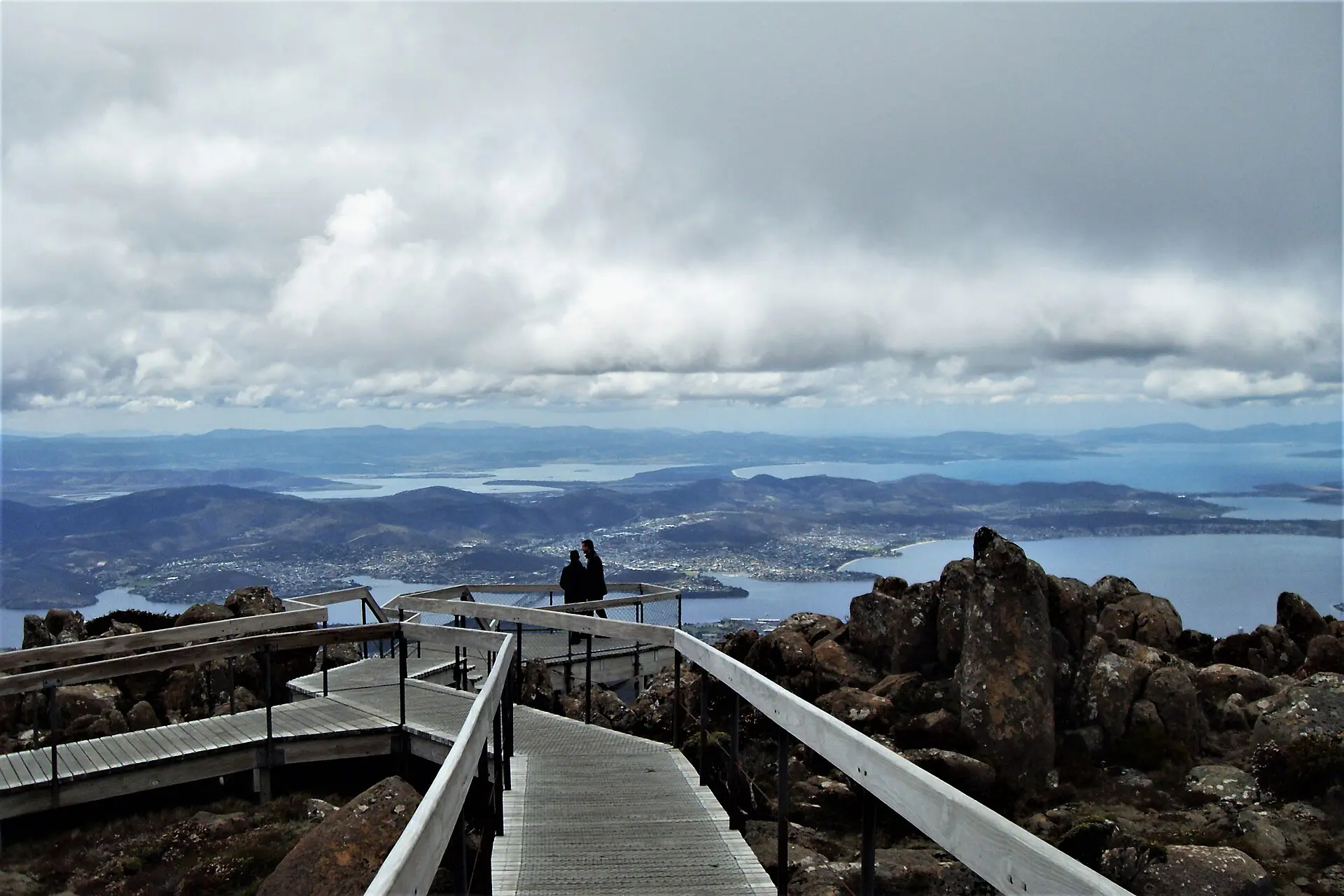
The 1,271 m mountain dominates the skyline, and the summit road gives a wide view over the city and the estuary. It is often about 10 degrees colder at the top and can be snowy in winter, so bring layers and a windproof jacket even in summer. Roads can close in bad weather, so check conditions first. It is the best free outing in town.
4. Wander Battery Point
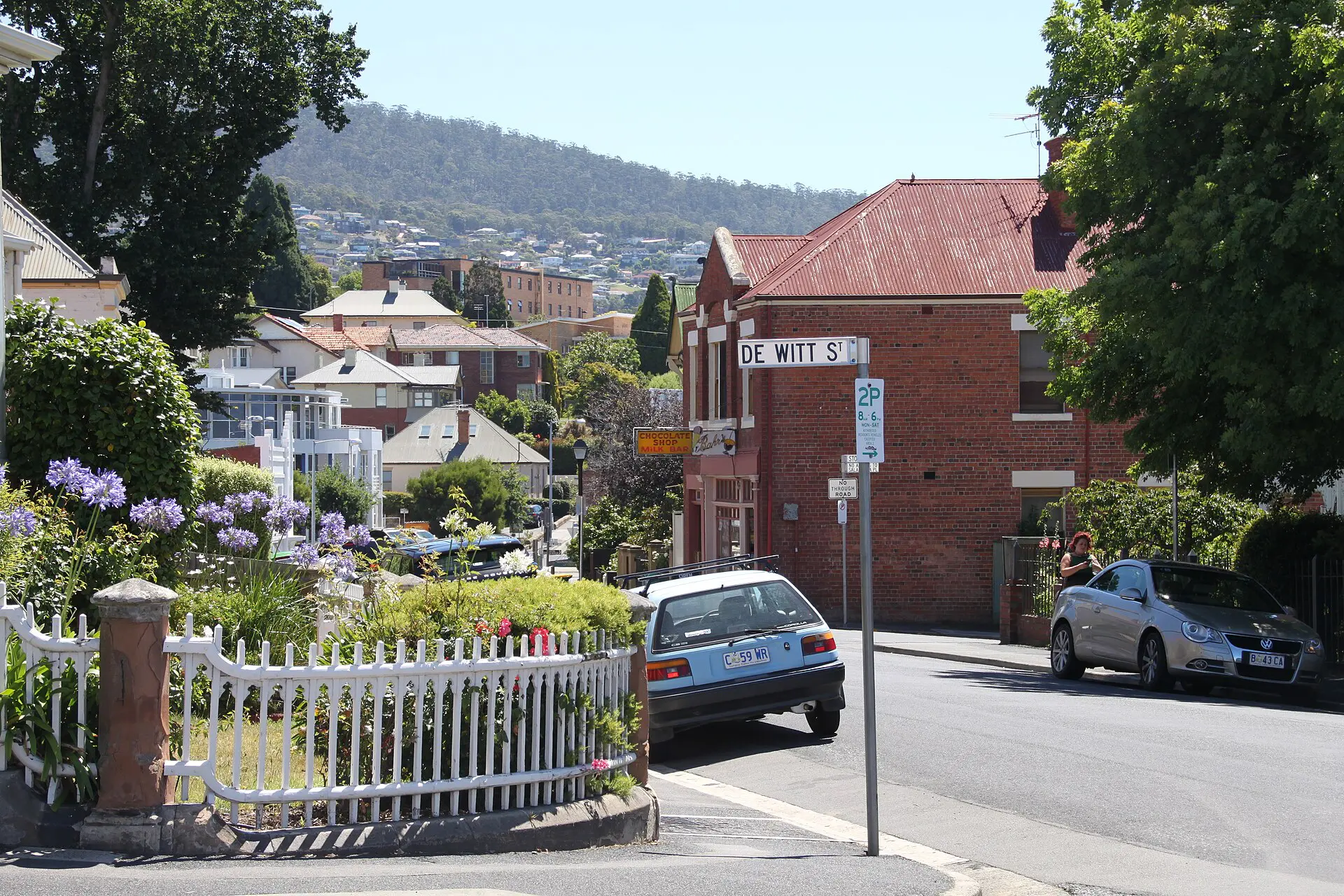
Battery Point is a compact historic area of narrow lanes and small cottages just above the harbour. It is walkable from Salamanca in about ten minutes, and it is a pleasant lunchtime loop. We would treat it as a calm residential retreat between work blocks.
5. Walk Sullivans Cove and the docks
The waterfront at Sullivans Cove is where Hobart began in 1804. Fishing boats, yachts and Antarctic ships tie up here, and the city has served as a gateway to Antarctica for more than a century. It is flat, free and easy to walk at any hour, which makes it a good daily routine.
6. Visit the Tasmanian Museum and Art Gallery
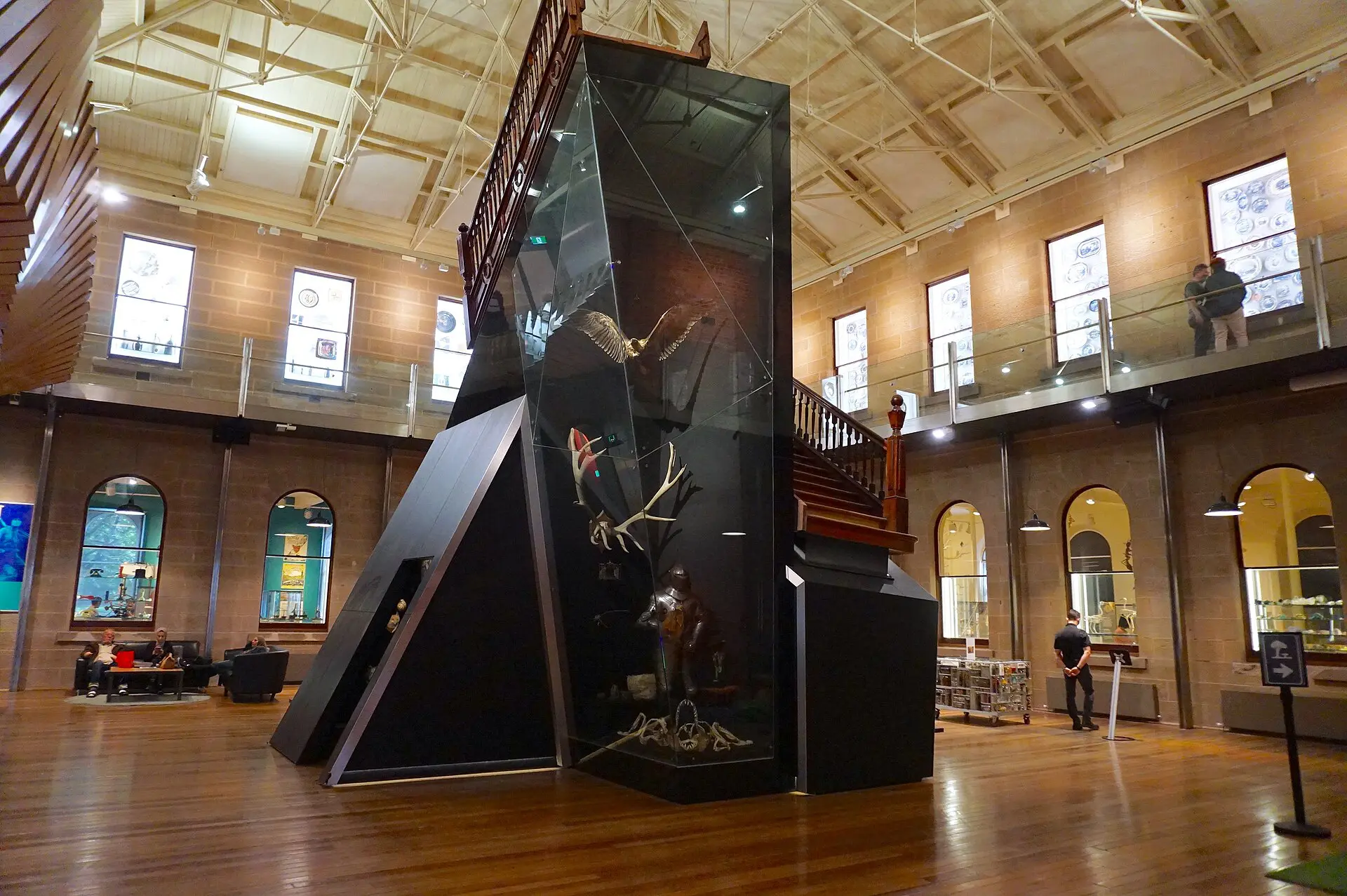
TMAG sits close to the waterfront and covers the island’s art, natural history and colonial and Aboriginal history. General entry has typically been free, but confirm before you go. It is a good option for a wet afternoon and a useful way to learn the history of the place and its Aboriginal name, nipaluna.
7. Do a brewery tour at Cascade
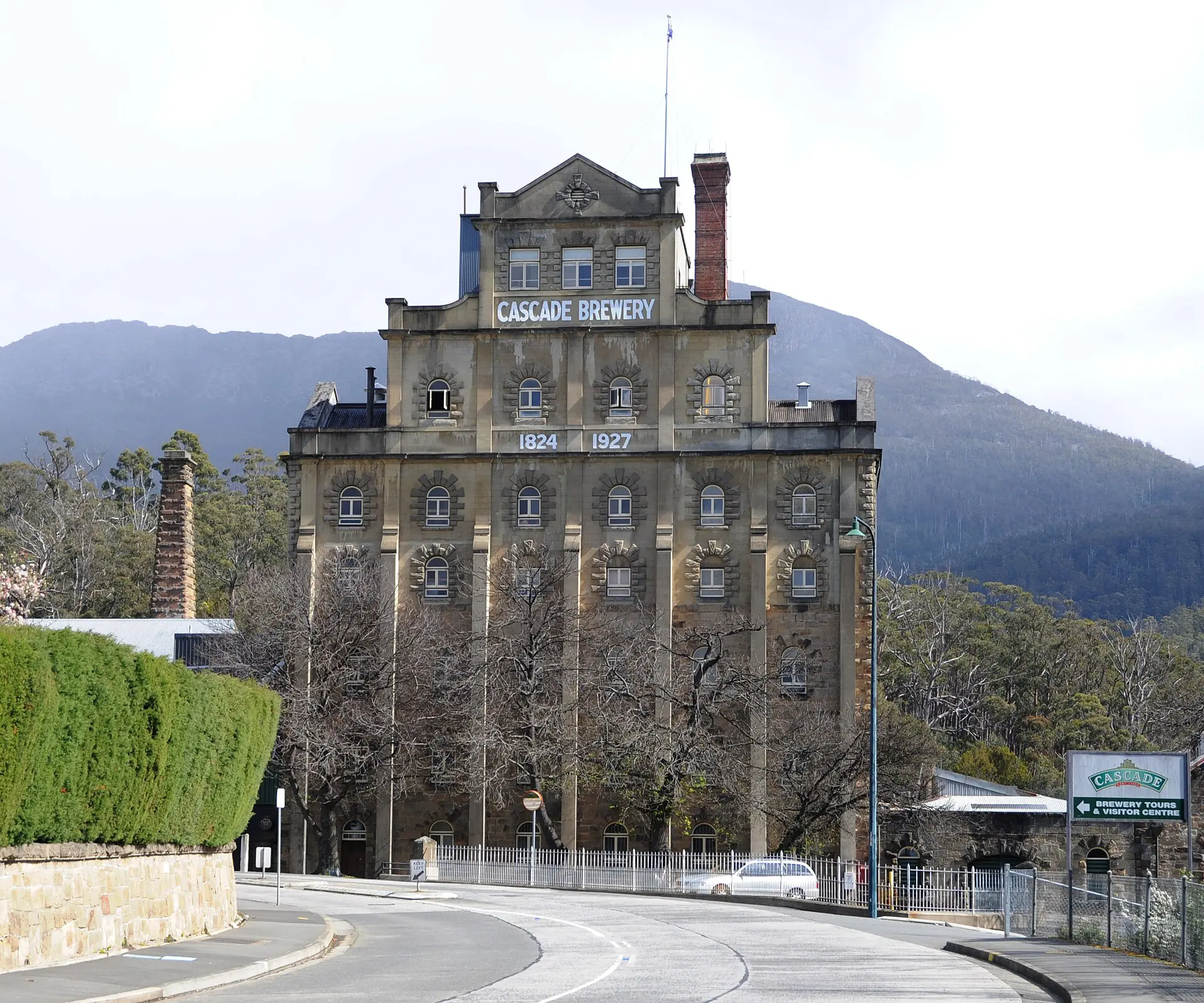
Cascade Brewery is one of the city’s historic industrial sites, set on the slopes below the mountain. Tours and tastings are usually available, but book ahead and check the current schedule. It is a solid social outing if you are traveling with other remote workers.
8. Take a day trip to Bruny Island
Bruny Island is a short drive south and a ferry crossing from Hobart, with coastal scenery and local produce. Ferry queues can be long in peak season, so go early, and check sailing times. A car makes the trip much easier, so it is worth a rental for the day.
9. Explore the Royal Tasmanian Botanical Gardens
The gardens are on the Queens Domain, close to the city, and offer a quiet green space for a lunch break. The Domain also has walking tracks and views over the river. It is one of the easiest ways to keep a long working month from feeling too indoors.
10. Drive out to Richmond
Richmond is a small historic village within easy reach of Hobart by car, known for its colonial-era architecture. It is a good half-day when you want a change of scene. Public transport is limited, so a car or a tour is the practical option.
Where to stay in Hobart
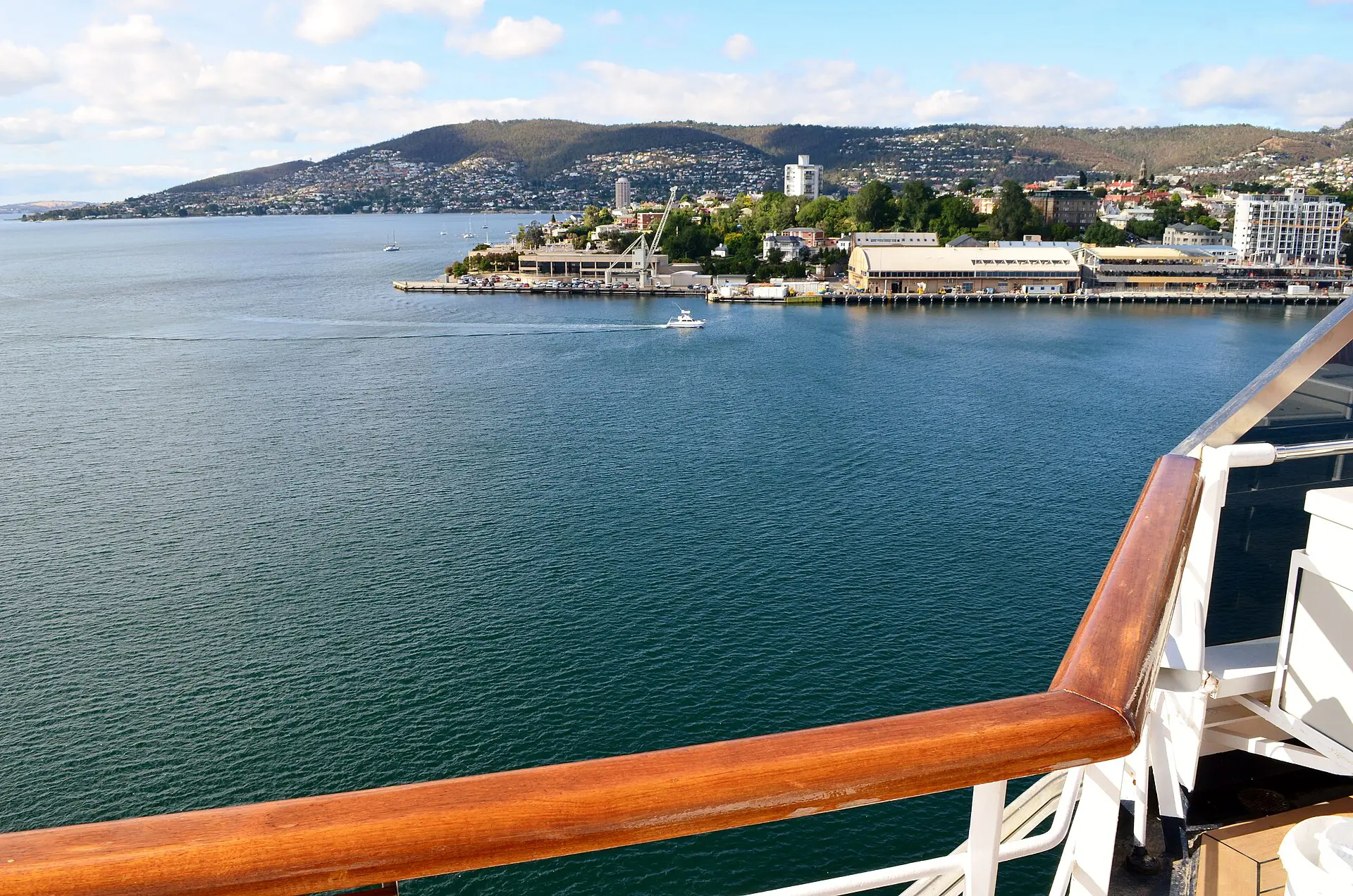
- Central Hobart and the waterfront: best for first-time visitors. Walkable to cafes, the market and the ferry, but rents are higher.
- Battery Point: quiet, historic and close to Salamanca. Good for people who want a calm base without losing walking access.
- Sandy Bay: a residential suburb south of the centre with a university nearby. More affordable, and suits a month or longer.
- North Hobart: known for its restaurant strip and a local feel. A good pick for evening food and a short bus ride into town.
Getting around Hobart
The central district is compact, and most of the sights above are walkable. Buses connect the suburbs, and the MONA ferry crosses the river from the waterfront. The airport is in Cambridge, about 15 km north-east, and an airport shuttle bus and taxis run into town in roughly 20 to 25 minutes. Fares change, so check the current rate. If you want Bruny Island, Richmond or the east coast, hire a car, but plan parking in the centre.
How much does a trip to Hobart cost?
These are rough daily ranges in US dollars for a remote worker staying a month, excluding flights. Check current prices before you commit.
- Budget: roughly 70 to 100 USD a day with a room in a shared house, supermarket meals and public transport.
- Mid-range: roughly 110 to 170 USD a day with a private apartment, cafe work and a few restaurant meals a week.
- High: 190 USD and up with a waterfront apartment, regular dining and day trips.
As a monthly band, 2,200 to 3,200 USD is lean and 3,500 to 5,000 USD is comfortable, with rent as the main variable. Entry rules and visa conditions change and remote work may be treated differently from tourism, so confirm the current Australian rules for your passport before booking a longer stay.
Is Hobart worth visiting?
Yes, if you want a small, calm city with strong food, striking scenery and a gentle pace. It is easy to settle into a routine here. It is not for everyone, though. Skip it if you want a large nightlife scene, warm beach weather or fast, frequent public transport. Winter is dark and cold, and the island is a long flight from most places. For background reading, see the Wikivoyage guide to Hobart or the Wikipedia page for Hobart.
FAQ about Hobart
How many days do you need in Hobart?
Two or three days covers MONA, Salamanca, the waterfront and the mountain. Add a day for Bruny Island or Richmond. A month lets you work through a normal routine and see the region at a slower pace.
Is Hobart good for remote workers?
Generally, yes. It is small, walkable and full of cafes. We cannot vouch for any particular connection, so test the wifi before booking a long stay and keep a mobile hotspot as a backup.
What is the weather like in Hobart?
Mild and changeable. Summer highs are around 21 degrees Celsius, winters are cold, and the mountain can be snowy. Carry a jumper and a rain layer in any season, and check the forecast before heading up the mountain.
Do you need a car in Hobart?
Not for the city itself. You can walk or use buses and the ferry. A car is useful for Bruny Island, Richmond and the wider region, and a rental for a day or two can be cheaper than a tour.
Is Hobart expensive?
It is moderate by Australian standards, with housing as the main cost. Many highlights, including the mountain, the waterfront and the gardens, cost nothing. Cook some of your own meals and book a month-long rental to keep costs down.