The cost of living in Australia for one remote worker typically runs about A$3,500 to A$6,500 a month, which is roughly US$2,300 to US$4,300, with rent as the swing factor. Sydney and Melbourne sit at the top, while Adelaide, Perth, Brisbane and smaller regional cities usually cost less. These are rough ranges as of 2026 and exchange rates move, so verify current rents, visa terms and prices before you commit to a booking.
Cost of living in Australia: the monthly budget box
Australia is not a budget base. Wages and prices are both high, so a visitor earning in a stronger currency has more room than one on a local salary. The table uses Australian dollars, because that is what you will pay in, and converts to ten days and a month. Treat every cell as an estimate. Season, city and exchange rate can shift it by a fifth either way.
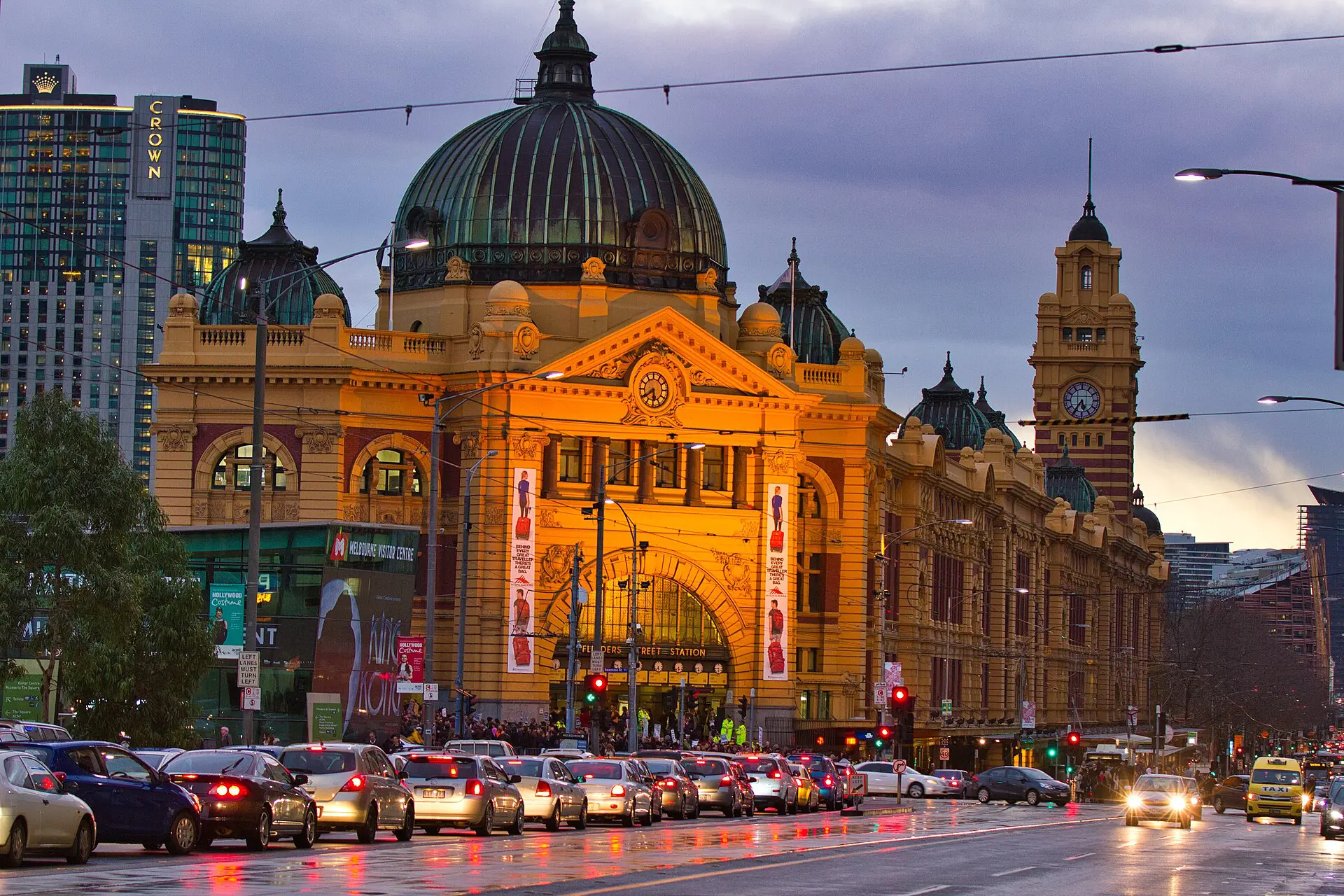
| Budget level | Daily range (A$) | 10-day total (A$) | What it covers |
|---|---|---|---|
| Lean | about 110 to 150 | about 1,100 to 1,500 | Room in a shared house or small studio outside the centre, cooking at home, public transport, cafe working |
| Comfortable | about 170 to 260 | about 1,700 to 2,600 | Furnished one-bedroom with a desk, mixed cooking and dining out, transit pass, occasional coworking |
| Generous | about 300 to 450 | about 3,000 to 4,500 | Central apartment in Sydney or Melbourne, regular dining out, a short-term car hire, weekend trips |
That gives a one-month band of roughly A$3,300 to 4,500 for lean, A$5,000 to 7,800 for comfortable and A$9,000 and above for generous. Cheaper cities sit at the lower end of each band.
Where to base yourself in Australia by work style
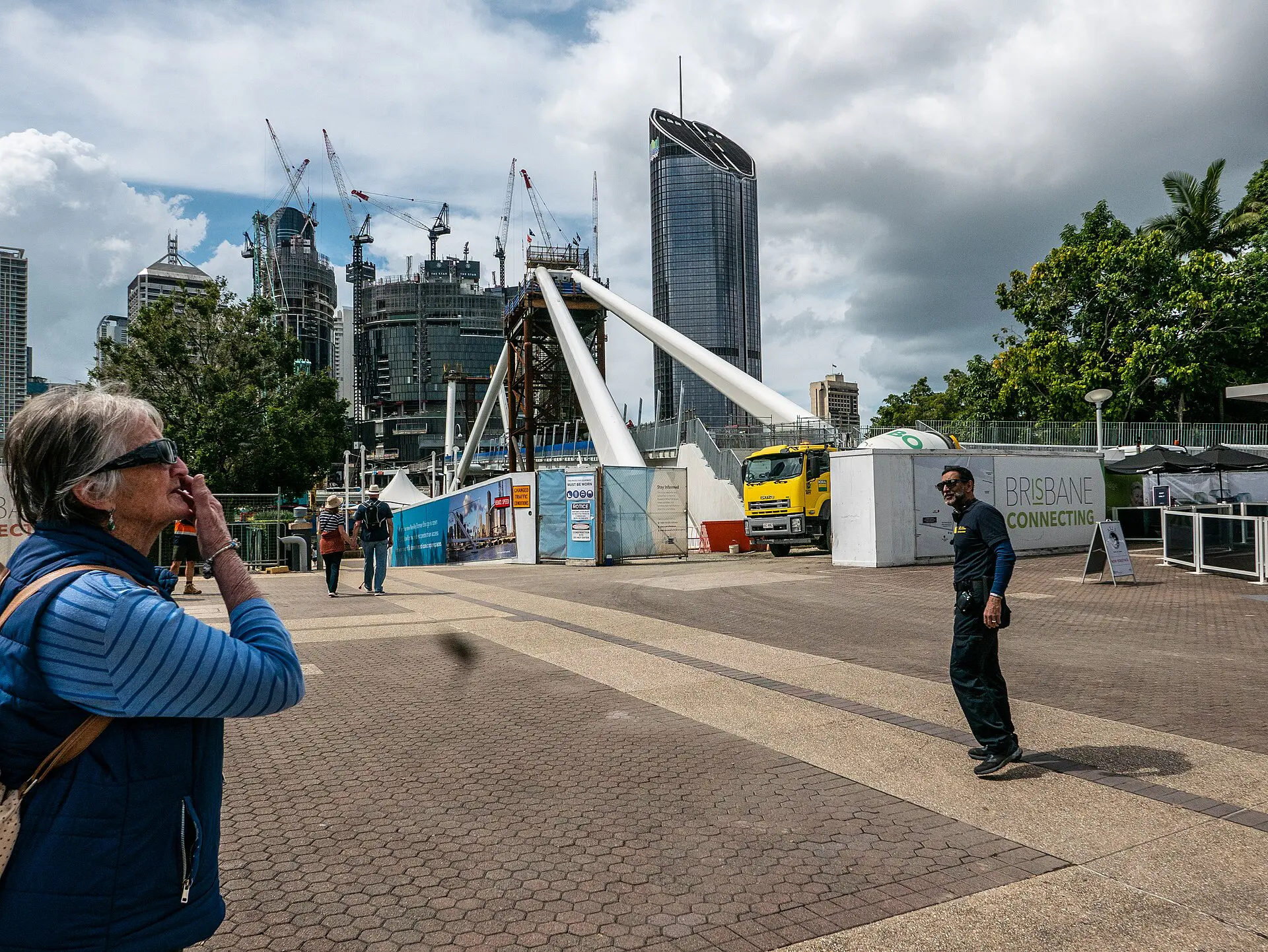
Australia is huge. Wikivoyage notes that nearly 5,000 km separates Brisbane and Shark Bay, so base choice matters more here than in most places.
- Calls with Europe or the US: time zones are the main problem. Perth is closer to Asia and a little closer to Europe than the east coast, but evening or early-morning calls are normal in any city.
- Big-city infrastructure: Sydney and Melbourne have the widest choice of coworking and transport, with the highest rents.
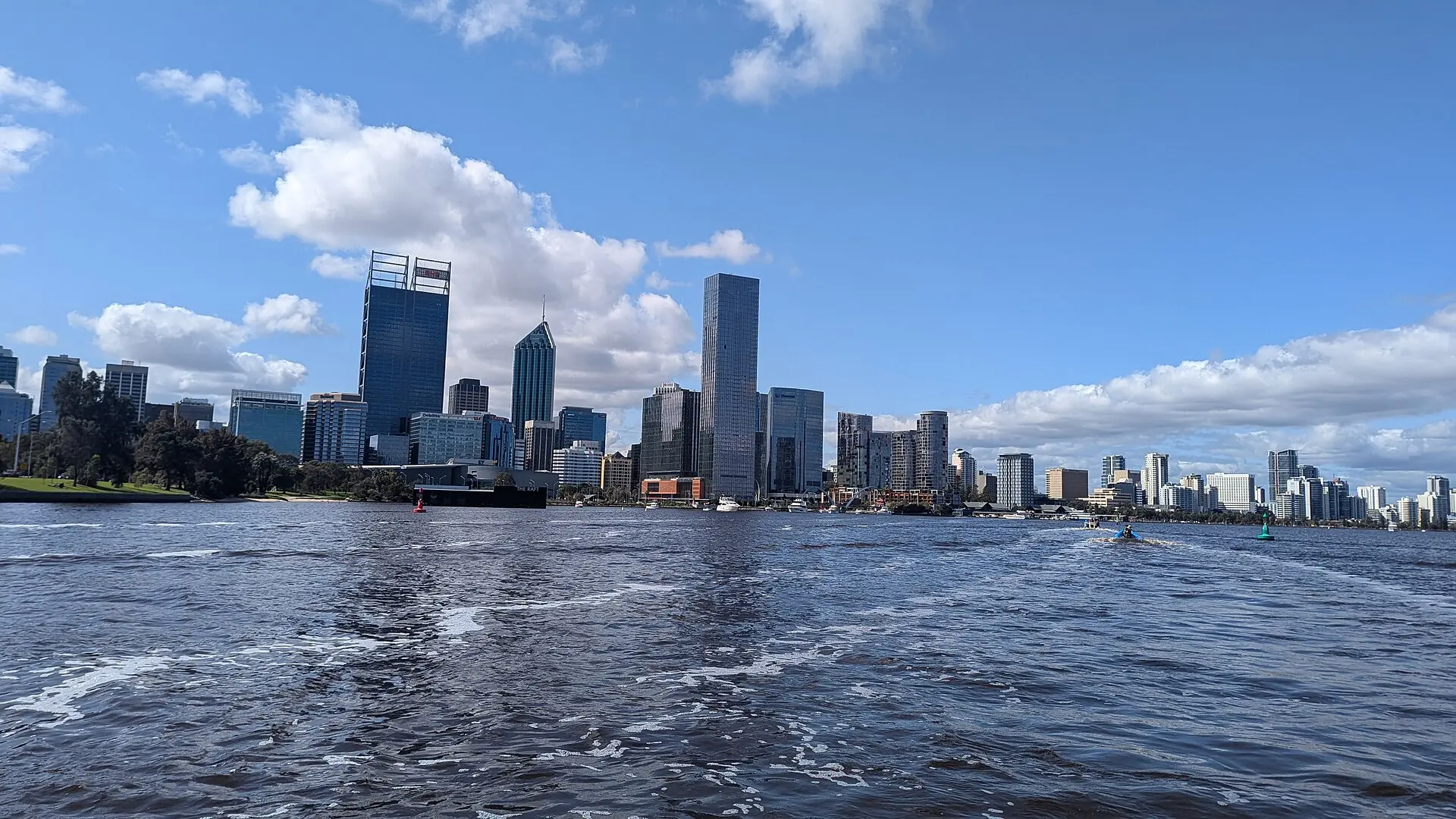
- Value with a city feel: Brisbane, Adelaide, Perth and Newcastle are generally cheaper while still offering cafes and transit.
- Small-city quiet and nature: Hobart, Darwin and regional towns such as Margaret River or Noosa suit slower routines. Rents can be high in popular holiday towns, and internet quality varies.
Where paying more pays off in Australia
Three costs tend to be worth it.
1. A furnished place with a real desk
Furnished rentals cost more per week, but a short lease on an unfurnished flat is rarely an option for a visitor, and buying furniture for a month makes no sense. Look for a listing that explicitly shows a desk and chair, and check the minimum stay.
2. A decent mobile data plan
Mobile coverage is strong in cities and thinner outside them. A larger data plan from a major network is worth the extra cost if you work on the road. Coverage differs by provider outside metro areas, so check the maps before you pay for a long plan.
3. Living near a transit line
Car ownership is expensive, and rental cars add insurance, fuel and parking. A place within walking distance of a train, tram or bus line in Sydney, Melbourne, Brisbane or Perth can save hundreds of dollars a month compared with a cheaper suburb that needs a car.
Where to save in Australia
Four categories are the easiest to trim.

4. Choose a shared house or a granny flat
Rent is the biggest line. Sharing a house or renting a small separate unit is typically far cheaper than a one-bedroom in the same suburb. Check the listing on a reputable platform and never send a deposit before you have inspected or verified the landlord.
5. Cook at home and shop at supermarkets
Dining out is expensive, with tipping not expected as a rule. Supermarket cooking is the single biggest food saving, and markets can help on produce. Alcohol and takeaway coffee are priced high, so a home espresso setup pays off over a month.
6. Use public transport passes
Each state has its own transit card system, with daily and weekly price caps in many cities. Check the cap in your city before buying single fares. Inter-city travel by coach or train is cheaper than flying for short hops, though slower.
7. Pick a cheaper city
Moving a month’s base from Sydney to Adelaide or Brisbane can cut rent noticeably. Regional bases are cheaper still, but they bring fewer flights, fewer coworking options and more dependence on a car. I would pick a mid-sized capital for a first month.
Transport and booking windows for Australia
International flights usually arrive in Sydney, Melbourne, Brisbane or Perth, and long-haul fares are highest around the southern-hemisphere summer holidays. Book flights a few months ahead for December and January. Domestic flights between capitals are frequent and often cheap if booked early, but baggage and seat fees apply.
Accommodation prices rise in school holidays, over the Christmas to New Year period and during big events. Book those weeks well ahead, and plan arrival on a weekday when you can. Check airport transfer options in advance, since taxis from the airport can be expensive.
Visa and stay length in Australia, hedged
Australia does not run a dedicated digital nomad visa as far as we know, and most visitors enter on an electronic travel authority or a visitor visa. Allowed stays and conditions depend on your passport and the visa type. Working for a local employer on a visitor visa is not permitted. Whether remote work for a foreign employer is acceptable is a grey area that depends on your case. Verify with the official Department of Home Affairs source.
Some younger travellers use a working holiday visa, which is a different route with its own conditions and age limits. Tax residency can start sooner than people expect, so take advice before a long stay.
Best months for value in Australia
Seasons are reversed. December to February is summer, school holidays and peak prices on most beaches. March to May and September to November are the shoulder months, which usually give the best mix of price and weather. June to August is winter, cheaper in the south and often the best value in the tropical north, where it is the dry season.
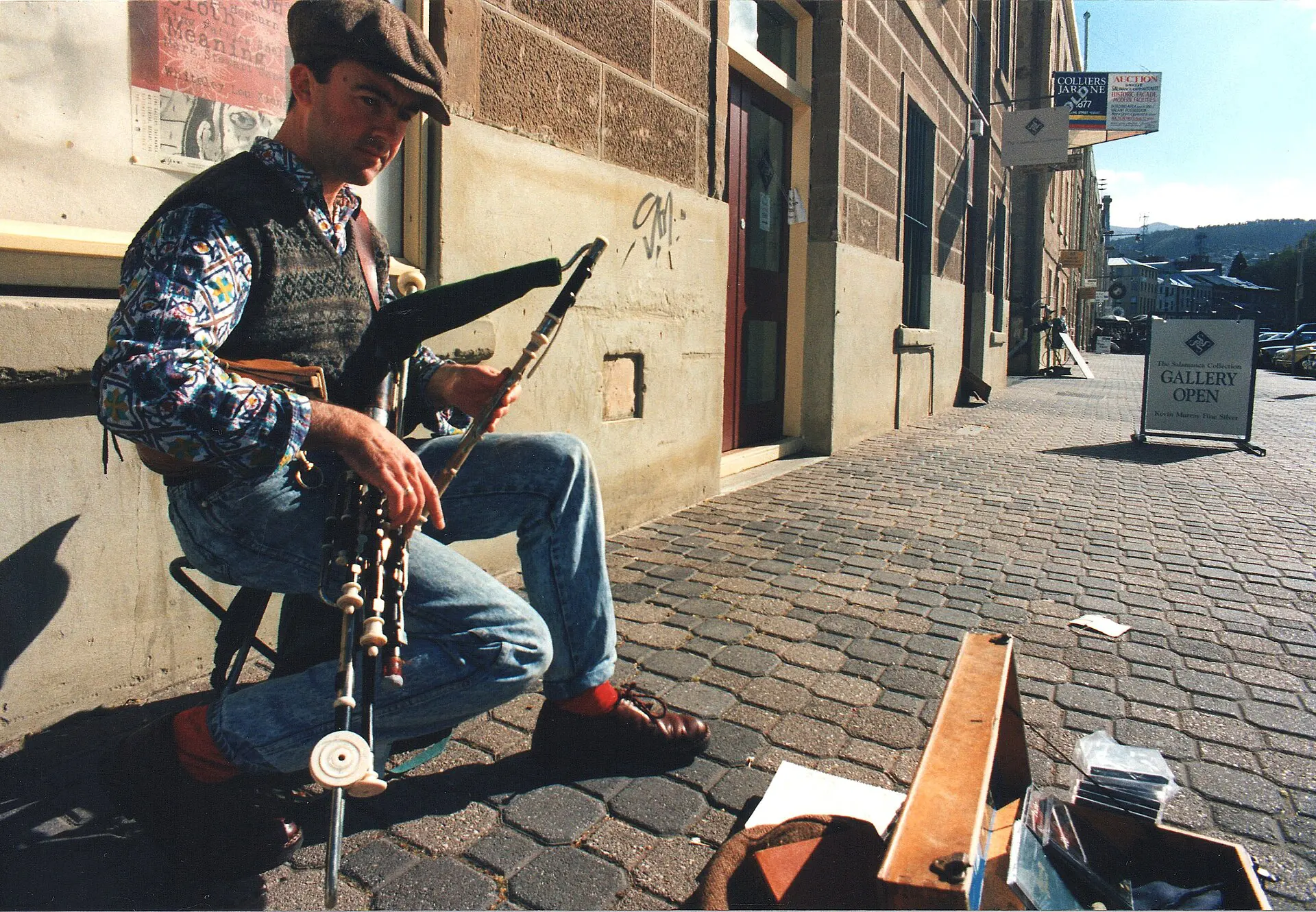
If you want warm weather and fair rent, northern cities such as Darwin and Cairns are strongest in the dry months, roughly May to October. Hobart and Melbourne are at their best in the warm shoulder months. Check cyclone and bushfire advisories before booking a summer stay.
Test-it-yourself checklist for a month in Australia
We cannot tell you that any specific connection or cafe works. Run a short test on your first days instead.
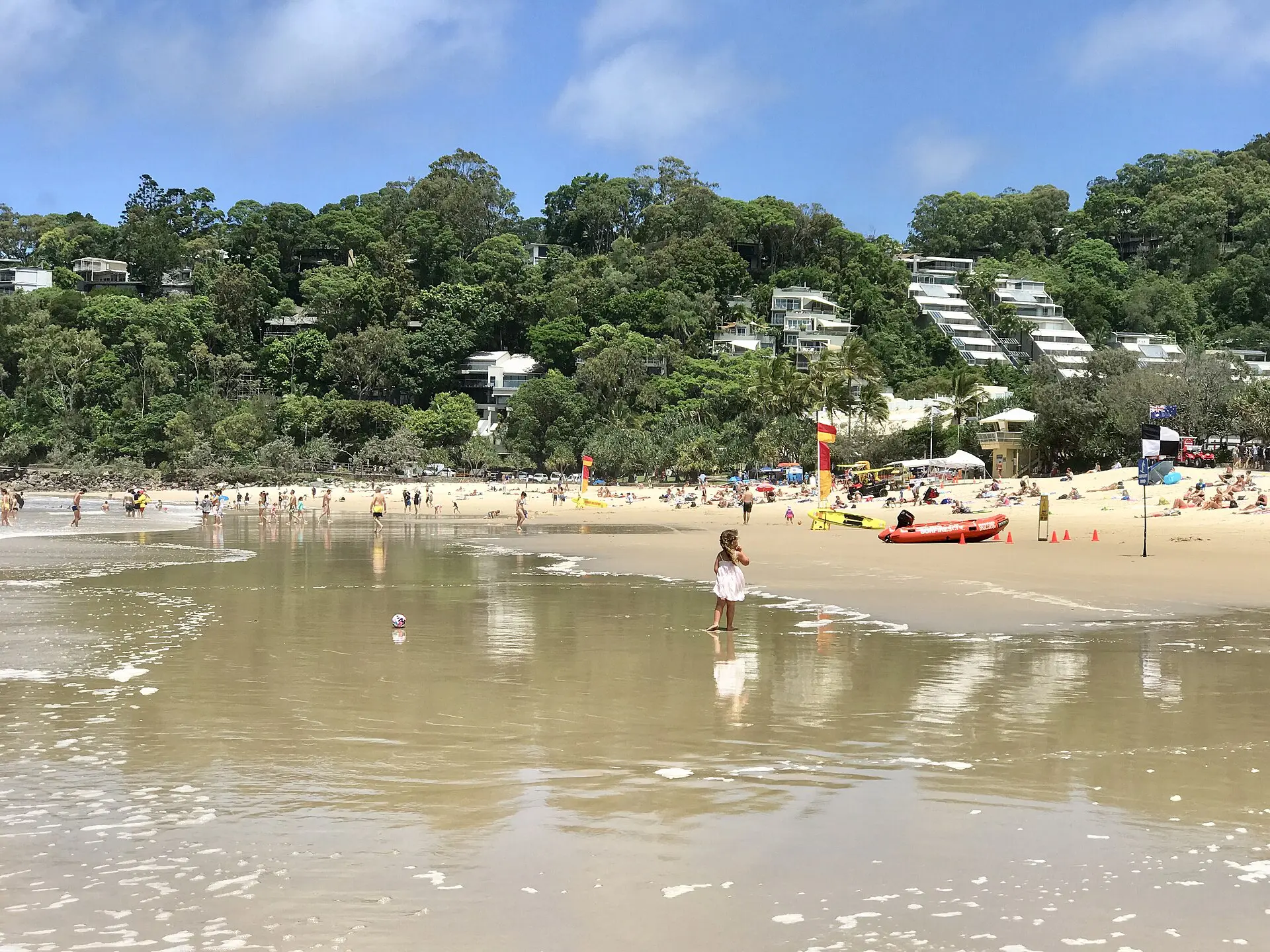
- Run a speed test at your desk at morning, afternoon and evening, and note upload speed.
- Join a video call at the time of day you will actually work.
- Compare how long calls with your main time zone take out of your day.
- Check the walk to the nearest transit stop and a supermarket.
- Try a cafe, a coworking day pass and your own desk for a day each.
- Track a full week of real spending and multiply by four.
Work-friendly spots come in four types: cafes, coworking spaces, public libraries and your own rental. Confirm hours and Wi-Fi in person.
Is Australia worth it?
For a working stay, yes if you value safety, outdoor life and English-language admin, and can accept high rents. It is a poor choice if you want the cheapest possible month. For background see Australia on Wikipedia, Wikivoyage and our Australia travel guide.
FAQ about the cost of living in Australia
How much does it cost to live in Australia per month?
A single remote worker can plan on roughly A$3,500 to 6,500 a month, depending on city and housing. Sydney and Melbourne sit higher, and mid-sized capitals are generally cheaper. Rent is the largest part. Treat these as ranges and check current prices before you commit.
Which Australian city is cheapest to live in?
Adelaide, Perth, Brisbane and Newcastle are usually cheaper than Sydney and Melbourne, though prices have risen in recent years. Regional towns can be cheaper again, but with fewer services. Compare real listings in your price range rather than relying on rankings.
Is Australia more expensive than the US?
For many everyday items, such as eating out and rent in the big cities, it is broadly comparable or higher. Groceries and alcohol can cost more, while healthcare for residents is cheaper. For a visitor, the exchange rate and private insurance matter most.
Can you work remotely in Australia on a tourist visa?
Visitor conditions generally do not allow you to work for an Australian employer. Remote work for a foreign employer is a grey area that depends on your case. Verify with the official Department of Home Affairs source and consider professional advice for stays beyond a few weeks.
When is the cheapest time to stay in Australia?
June to August is generally cheaper in southern cities, and the shoulder months of March to May and September to November balance price and weather. December and January are the most expensive. In the tropical north, winter is the dry and busy season, so rates differ by region.