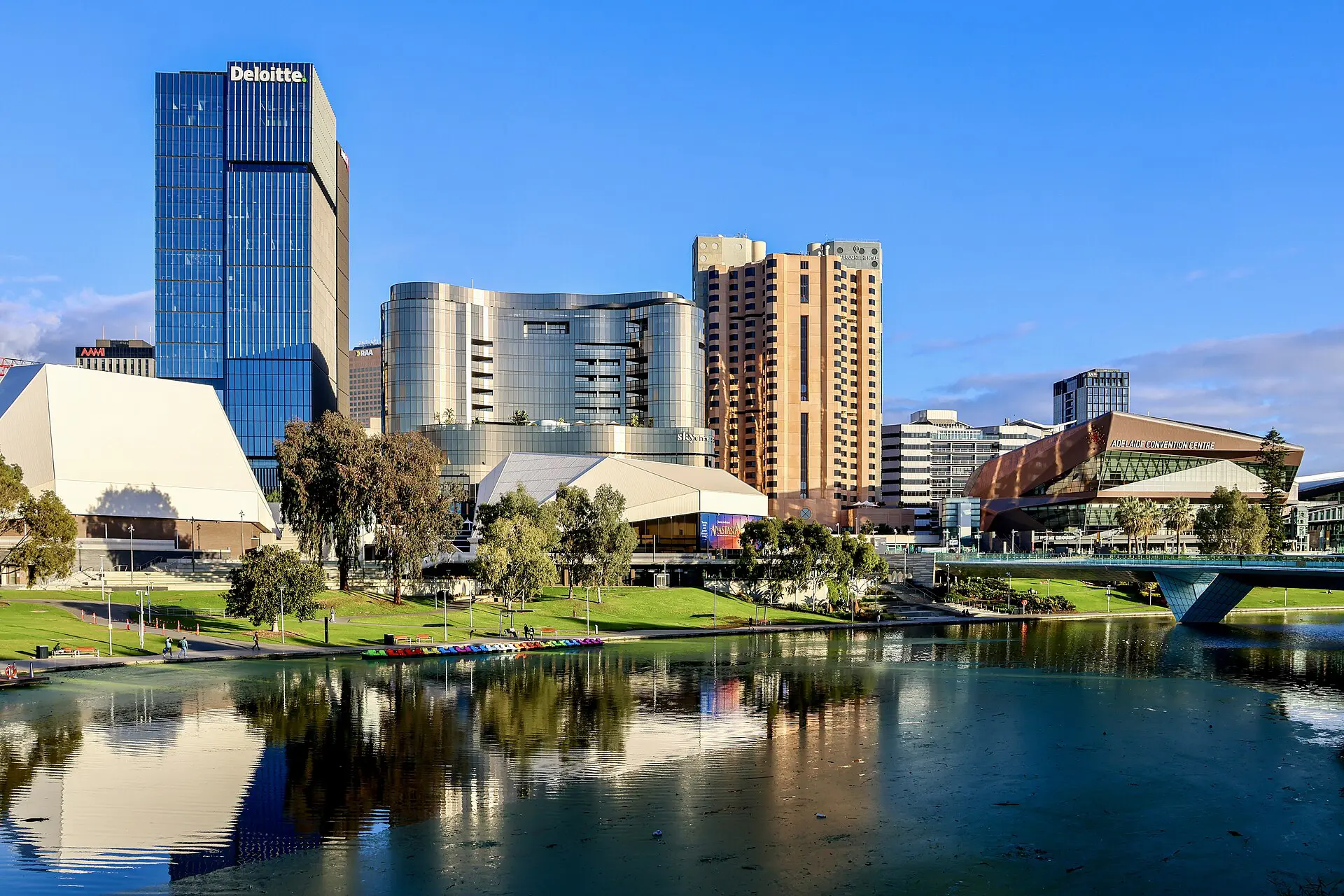
The best things to do in Adelaide sit within a few hundred metres of each other: a covered market, a gallery boulevard and a riverside park. That density is the point. Adelaide is a planned grid city of roughly 1.4 million people, and you can cover its cultural core on foot in a day. If you only have one day, do the Central Market at breakfast, North Terrace’s museums until mid-afternoon and the Glenelg tram at sunset. Two or three days add wine country.
Best time to visit Adelaide
Adelaide has a Mediterranean-type climate: dry, sunny summers and mild, damp winters. The festival season in February and March is the busiest and most expensive stretch, so book beds early.
| Season | Weather | Crowds and prices | Good for |
|---|---|---|---|
| Summer (Dec-Feb) | Hot and dry; heatwaves above 40C happen | Busy around festivals and cricket; higher prices | Beaches, night events, early-morning sightseeing |
| Autumn (Mar-May) | Warm days, cooler nights | Festivals peak early March, then it quiets | Arts programme, wine harvest, walking |
| Winter (Jun-Aug) | Cool, some rain | Quietest; best rates | Museums, markets, Australian rules football |
| Spring (Sep-Nov) | Mild and mostly bright | Moderate | Gardens, day trips, cellar doors |
Top things to do in Adelaide
Listed in a sensible order for a first day: morning, midday, afternoon, evening. Opening hours change, especially on public holidays, so check each venue’s site before you go.
1. Adelaide Central Market
Go first, and go early. This covered market, one of the largest of its kind in the southern hemisphere, runs on a fixed trading week that is shorter than you expect: it is closed on some days, so confirm before you plan around it. Arrive near opening to beat the lunchtime crush. Walk the aisles once for cheese, produce and Asian grocers, then buy breakfast. Chinatown and Gouger Street sit on its doorstep, which makes this the efficient anchor for the morning.

2. Art Gallery of South Australia
The gallery is the first stop on North Terrace, the city’s cultural boulevard, and it is free to enter for the permanent collection. Plan 90 minutes. Its Australian collection is the strongest reason to visit: you get Aboriginal and Torres Strait Islander art alongside colonial and contemporary work. Special exhibitions are usually ticketed and can be busy at weekends. Weekday mornings are calmer. Pick two rooms and do them properly rather than skimming the lot.
3. South Australian Museum
Next door, and also free for general entry. Its Aboriginal Cultures Gallery is among the most significant collections of its kind, and it is worth the entire visit on its own. Allow about 90 minutes and start there, before school groups arrive in the late morning. The natural history halls are fine but you can skip them if time is tight. Check the museum site for any gallery closures, since displays are rotated and refurbished.
4. Migration Museum
A short walk from North Terrace, this small museum explains who built the city and why. South Australia was founded as a freely settled colony, not a convict one, and later waves of settlers came from Germany, Italy, Greece, Vietnam and elsewhere. It rewards an hour and works well as a quiet counterweight to the larger institutions. Opening days are limited, so verify them first. Combine it with a stroll to the nearby heritage precinct.
5. Adelaide Botanic Garden
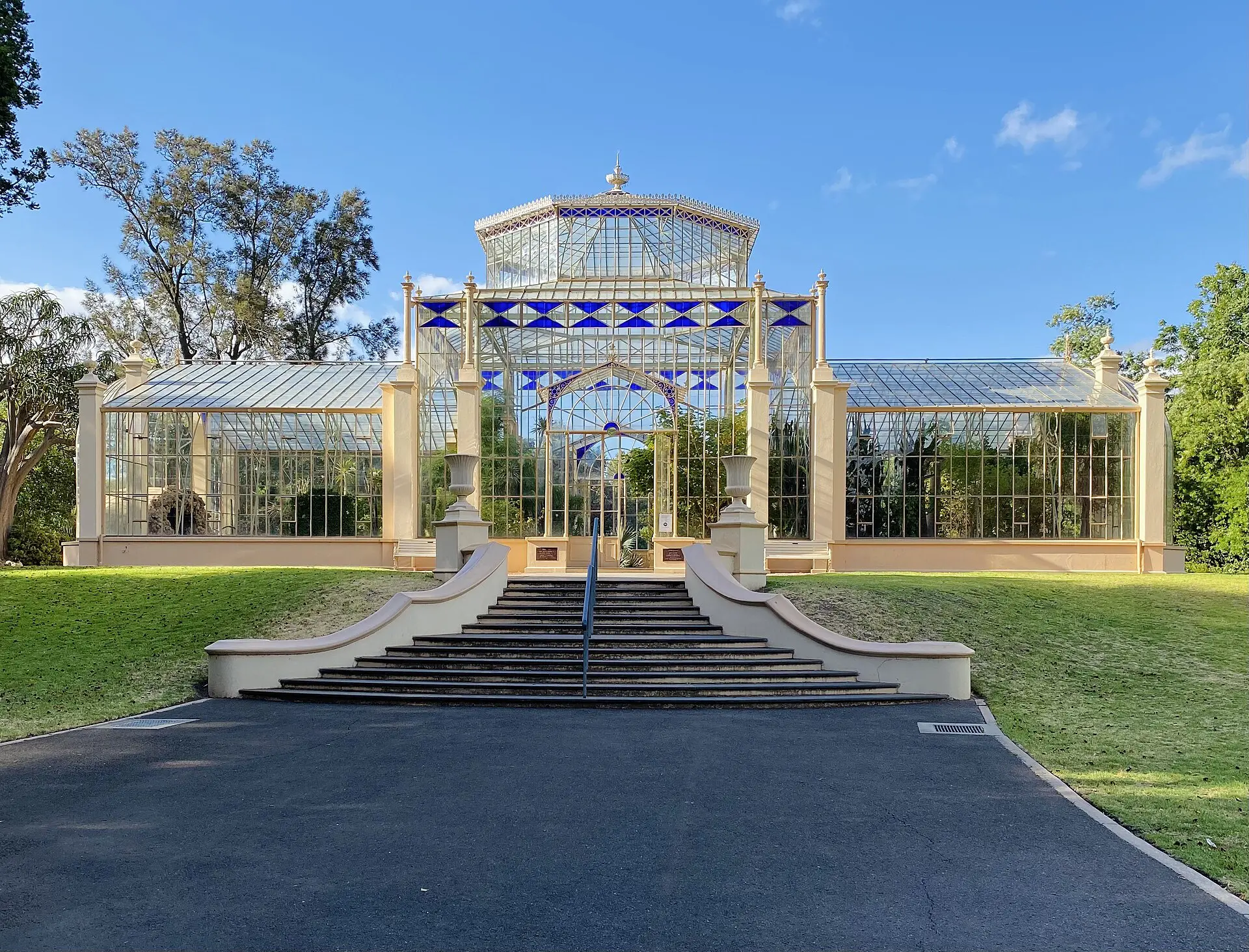
The garden is free and sits at the eastern end of North Terrace, so it closes the cultural loop. Allow 60 to 90 minutes. The glasshouses and the Palm House, a restored Victorian-era structure, are the architectural draw, and the Garden also gives you shade on hot afternoons. Gates open early and close at dusk, with hours that vary by season. Come in the late afternoon in summer, once the heat eases.
6. Gouger Street and Chinatown
This is the dinner-and-lunch strip, built from the city’s waves of Chinese, Malaysian, Vietnamese and Italian cooking. These migrations shaped the cafe and food culture, and the street shows it. The practical tip: busy restaurants fill by 7pm on Fridays and Saturdays. Book, or eat at 6pm. For a cheaper plan, take lunch from the Central Market stalls next door and keep dinner for the sit-down meal.
7. Glenelg beach and the tram
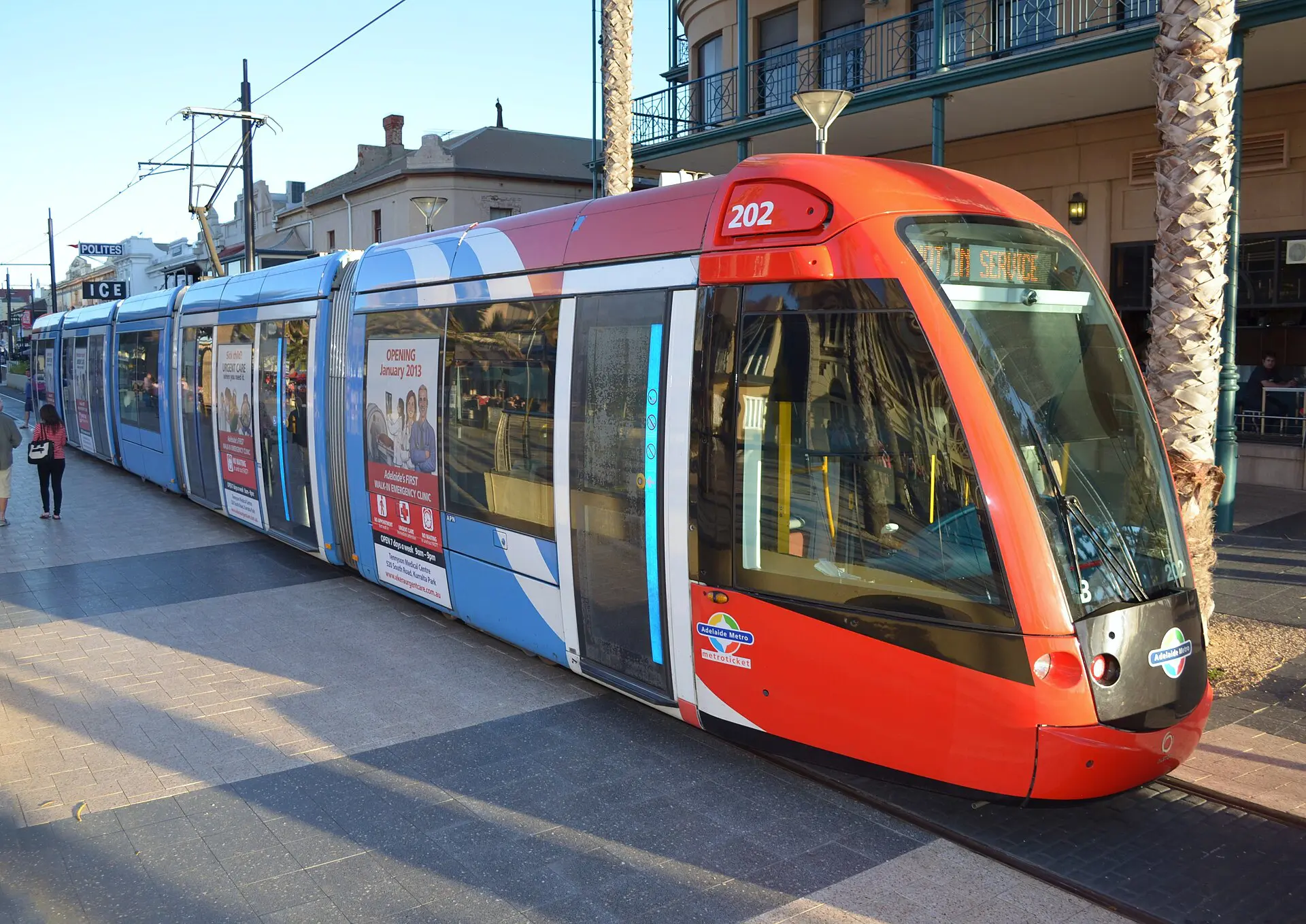
Take the tram from the city to Glenelg, the bayside suburb. The ride takes around 30 minutes, and the arrival is the point: a long jetty, a wide beach and the gulf facing west, so sunsets are reliable. Swim in summer, walk the jetty in any season. Allow two to three hours, including the return. Trams are busiest on hot Sundays and after events at the Oval, so avoid those windows if you dislike crowds.
8. Adelaide Oval
Cricket’s most picturesque ground, and in winter the home of Australian rules football. Match days transform the riverside, and the stadium offers tours on non-event days; the rooftop experience is a separate booking, so check availability. If you are visiting in winter, a football match is the fastest way to see local life. Walk there along the River Torrens from the city, which takes around 15 minutes.
9. The Festival season
The Adelaide Festival and the Adelaide Fringe run in February and March, and the Fringe is the second-largest of its kind after Edinburgh. Venues pop up across the city and the Park Lands. Expect late nights and dense programmes. Tickets for headline shows sell out, so book the anchor event first and leave the rest of the evening loose. Accommodation costs rise sharply in this window. Verify dates on the official sites.
10. Light’s Vision and the Park Lands walk
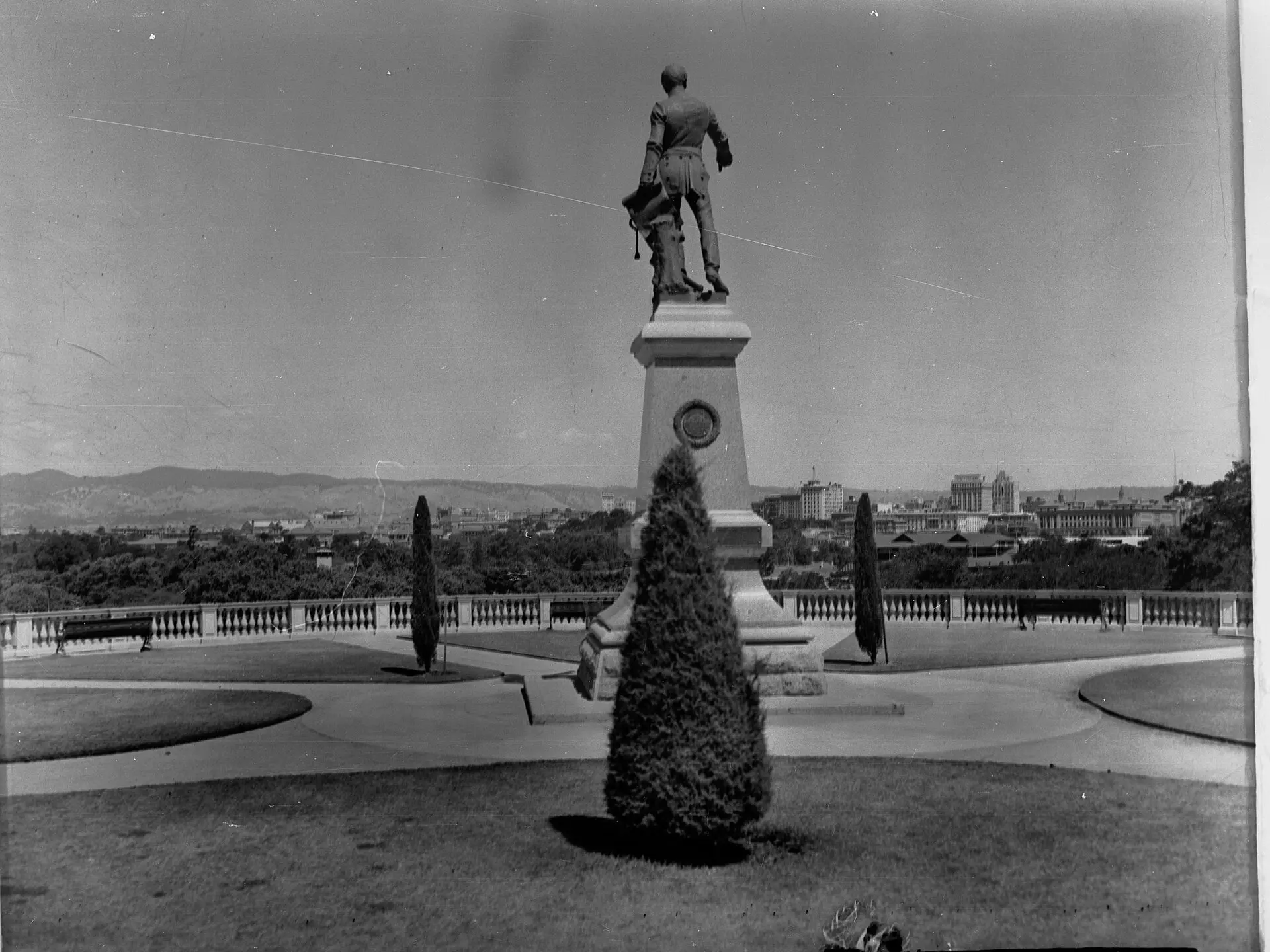
William Light laid out the city in a grid surrounded by a ring of parks. For the clearest view of the plan, walk up to Montefiore Hill, where a statue of Colonel Light looks over the city, and take the short stroll back down by the river. Thirty minutes is enough. It costs nothing, suits early morning or late afternoon, and explains why Adelaide feels so unhurried compared with other Australian capitals.
Day trips from Adelaide
Barossa Valley
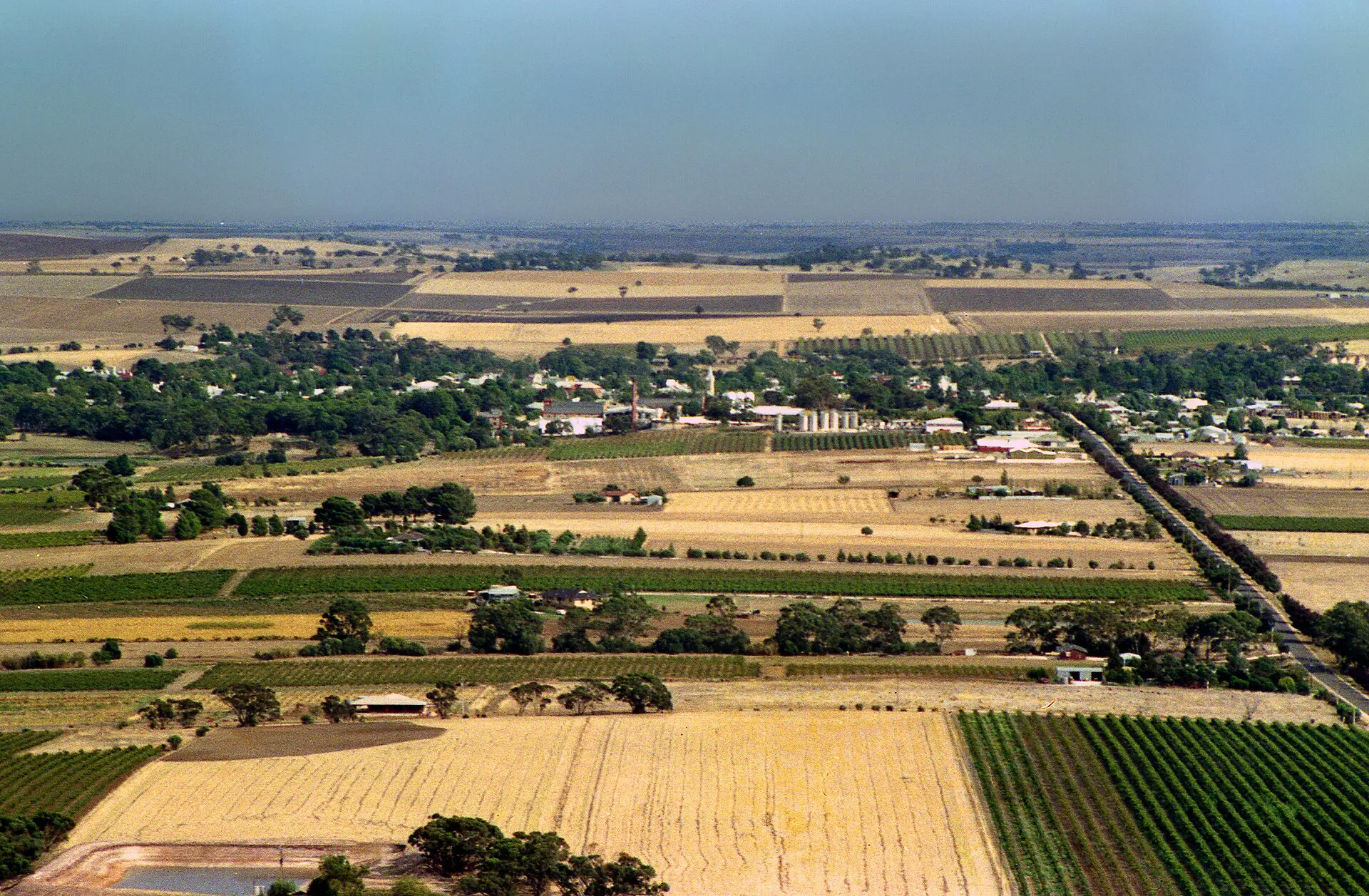
The Barossa, around an hour north by car, is the classic wine day: German-heritage towns, bakeries, and big reds. A guided tour removes the drink-driving problem. Cellar doors keep their own hours, and some need appointments, so check ahead. Pick three producers at most.
McLaren Vale
South of the city, roughly 45 minutes by car, with vineyards close to the coast. It suits a shorter day than the Barossa, and it can be paired with a beach stop on the Fleurieu Peninsula.
Adelaide Hills and Hahndorf
The cooler hill region to the east is the quickest escape, about 30 minutes out. Hahndorf is a German-settled village with bakeries and craft shops. It is touristy at weekends, so go on a weekday if you can.
Kangaroo Island
This is a two-day trip, not a day trip. A ferry from Cape Jervis or a short flight gets you there, and wildlife is the draw. If your schedule is tight, leave it for another visit.
Where to stay in Adelaide
- Central Business District near North Terrace: the best choice for a short city break; museums, the market and trams are within walking distance.
- Gouger Street area: good for food and nightlife, slightly noisier at weekends.
- Glenelg: a beach base with a tram into the city; better for longer stays in summer, but you lose evenings in town.
- Norwood and the east: cafe streets and a residential feel, a short bus ride from the centre.
Getting around Adelaide
The centre is compact and flat. Walk. The Adelaide Metro network covers buses, trains and trams, and the tram to Glenelg is the one line you will probably use. Central-area services have been free or discounted in the past; check the current fare rules before you travel. The airport is a short drive from the centre, with bus and taxi links. A car only makes sense for the wine regions, and a tour does the same job without the designated-driver problem.
How much does a trip to Adelaide cost?
Costs below are rough daily estimates per person in USD, as of 2026, and swing with the festival calendar.
- Budget: around $70 to $110 for a hostel bed, market food, free museums and public transport.
- Mid-range: around $150 to $250 for a central hotel, restaurant dinners and one paid attraction.
- High-end: $300 and up for a boutique hotel, a guided wine day and fine dining.
The cultural core is cheap because the big museums and the Botanic Garden are free.
Is Adelaide worth visiting?
Yes, for a compact, calm city with a strong arts programme and easy access to wine country. Adelaide is often called Australia’s largest country town, and that is both its charm and its limit. Skip it if you want skyscrapers, big-city nightlife or world-famous landmarks. If you are comparing capitals on a tight schedule, give it two days, or three with the wine regions.
For background, see the Wikivoyage Adelaide guide and the Wikipedia entry.
FAQ about Adelaide
How many days do you need in Adelaide?
Two days covers the city: market, North Terrace museums, the Botanic Garden and Glenelg. Add a third for the Barossa or McLaren Vale. One day is workable if you stay on North Terrace and take the tram out at sunset.
What is the best month to visit Adelaide?
March suits culture seekers, with the Festival and Fringe wrapping up, but prices are high. October and November are milder, quieter and good for gardens and wine. Avoid peak summer afternoons, which can be very hot.
Are the museums in Adelaide free?
The permanent collections of the Art Gallery of South Australia and the South Australian Museum have been free to enter, though special exhibitions are ticketed. Confirm on each website, as policies and hours can change.
Is Adelaide walkable?
Yes. The centre is a flat grid surrounded by parks, and most sights are within 20 minutes on foot. Use the tram for Glenelg and trains or buses for the suburbs and the hills.
Can you visit wine regions without a car?
Yes. Guided day tours run from the city to the Barossa, McLaren Vale and the Adelaide Hills. They cost more than driving yourself but remove the parking, driving and booking problems. Reserve ahead in busy seasons.