Syracuse Sicily 2 days is a split between two ancient cores: the island of Ortigia, best by morning, and the Neapolis archaeological park, best in late afternoon when the heat eases. Both are about 20 minutes on foot from the station. If you only have one day, take Ortigia and its market until 13:00, rest through the heat, then see the Greek theatre in the last open hours.
How to spend 2 days in Syracuse
Most of the interest sits in two areas. Ortigia reflects the early modern and baroque period, while Neapolis, the “new town”, is about 2,000 years older. Cicero called Syracuse the greatest of the Greek cities, and Archimedes lived and worked here. That layering gives the days their order.
The rule is heat management. Sicily is hot from June to September, and the open archaeological park has little shade. Use the cool morning for Ortigia’s streets and indoor sights, then the late afternoon for Neapolis, when light is soft and crowds are thinner. For wider context see the Italy travel guide.
Syracuse Sicily 2 days: the time-blocked plan
Day 1, 8:30: Piazza Duomo and the Cathedral
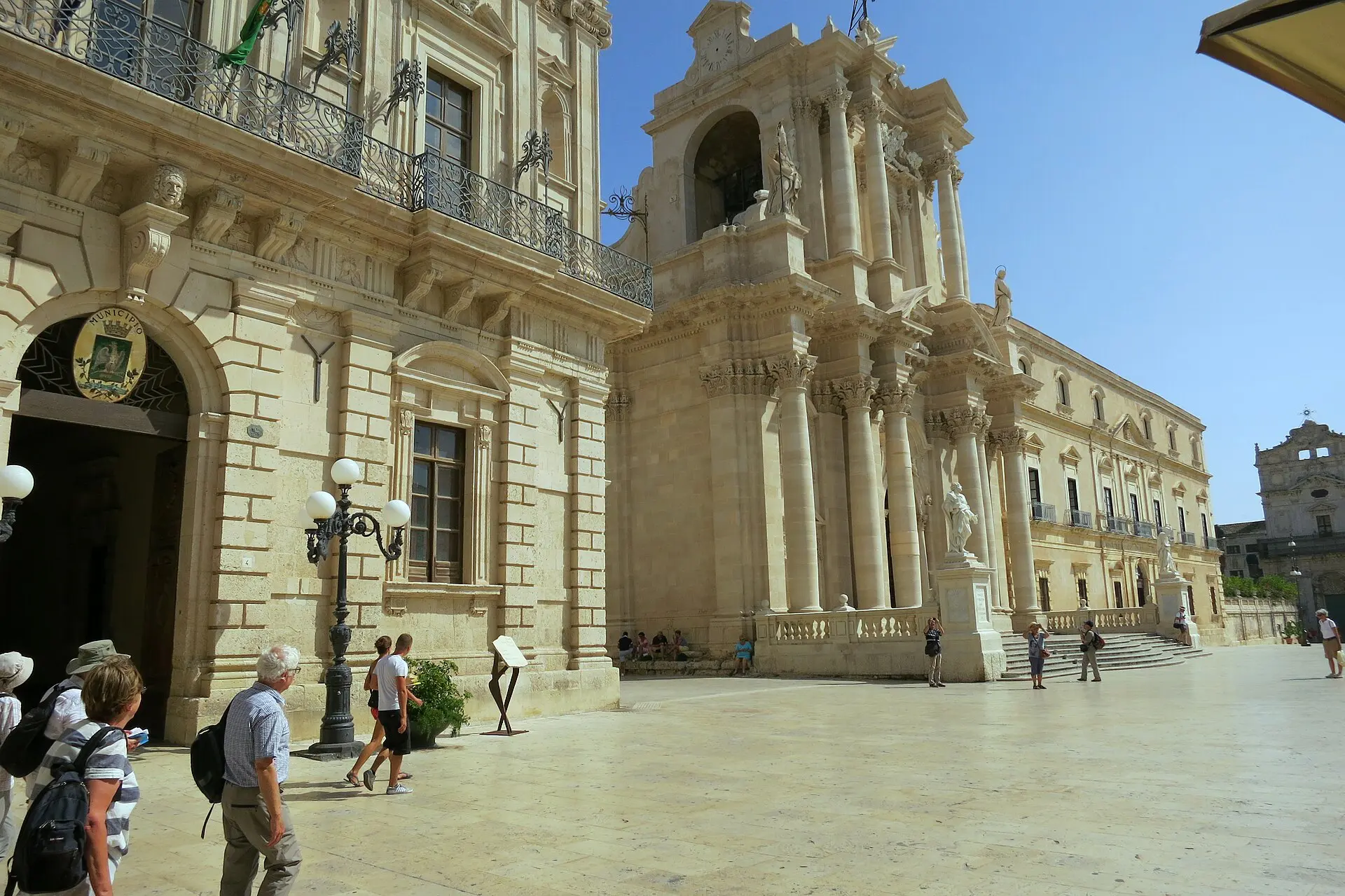
The anchor is the cathedral. It began as a Greek temple of Athena in the 5th century BC, and its Doric columns are still built into the walls. It later served as a church, a mosque and a church again, and was rebuilt in baroque style after the 1693 earthquake. Entry has been charged at a small fee, so check. Allow 45 minutes, and pause on the piazza, which is at its best before 10:00.
Next door, the church of Santa Lucia alla Badia is associated with Caravaggio’s Burial of Saint Lucy. The painting was returned to the church of Santa Lucia al Sepolcro, outside the island, so confirm where it hangs before you plan around it. The Piazza Archimedes, with its 1907 Fountain of Diana, is a short walk away and costs nothing.
Day 1, 10:30: Ortigia market and the Fountain of Arethusa
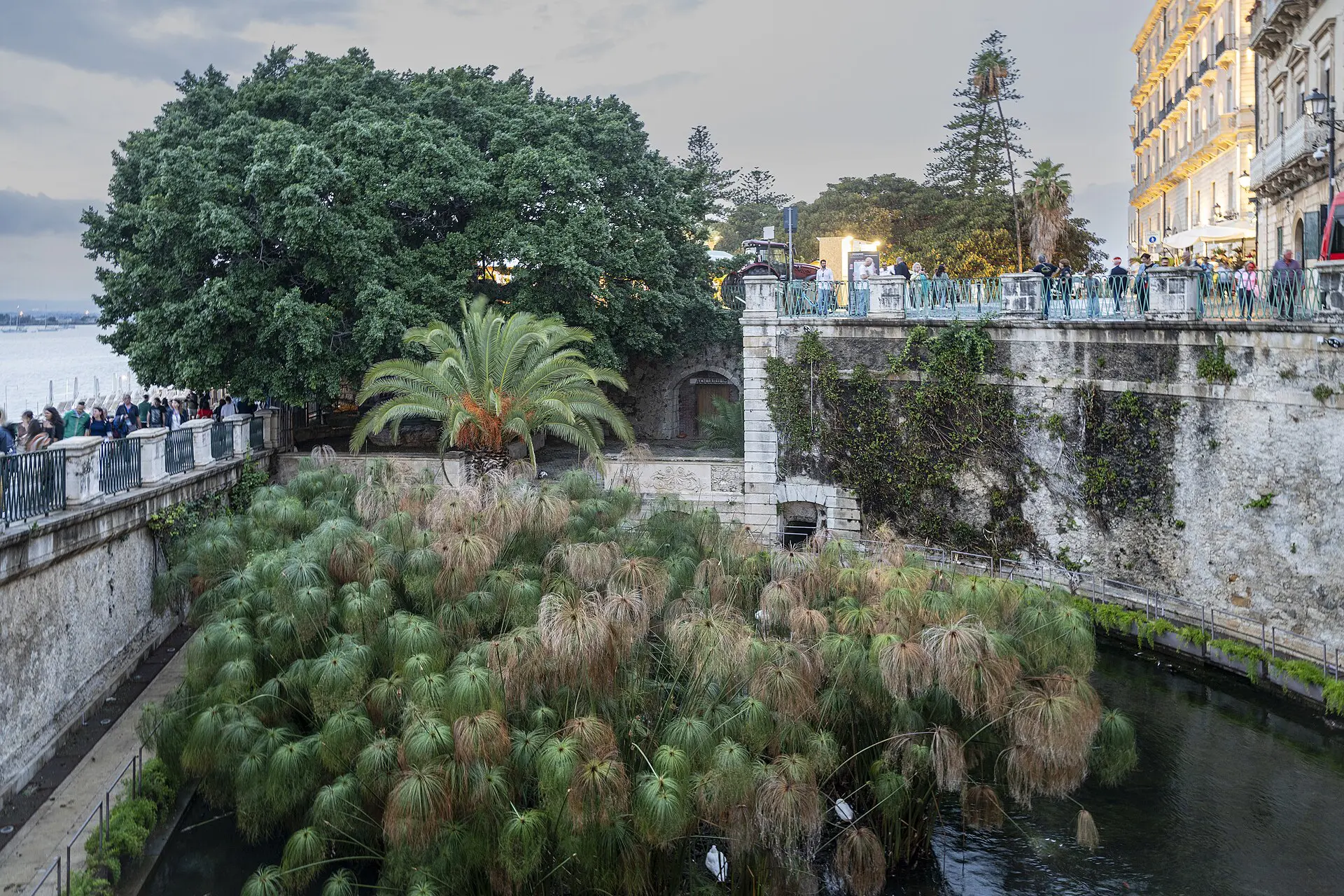
Pair the cathedral with the morning market. Ortigia’s food market sells produce, cheese, fish and street snacks, and runs in the morning only. Go before noon, since many stalls pack up around 13:00. From there, walk to the Fountain of Arethusa, a freshwater spring ringed by papyrus on the sea edge. Ortigia has its own water source from limestone aquifers, which helps explain why the island was settled.
Day 1, 12:30: Temple of Apollo and a long lunch
The ruins of the Temple of Apollo, the first sight you reach crossing the bridge, are visible from the railings and need only 10 minutes. After that, use the midday for lunch and rest. Churches and many shops close from about 13:00 to 16:00 in Italy, so this is the dead window anyway. Plan a siesta and avoid walking the island between 13:00 and 16:00 in summer. Order the local fish or a simple pasta, and expect lunch service to wind down by 15:00.
Day 1, 17:00: Neapolis archaeological park
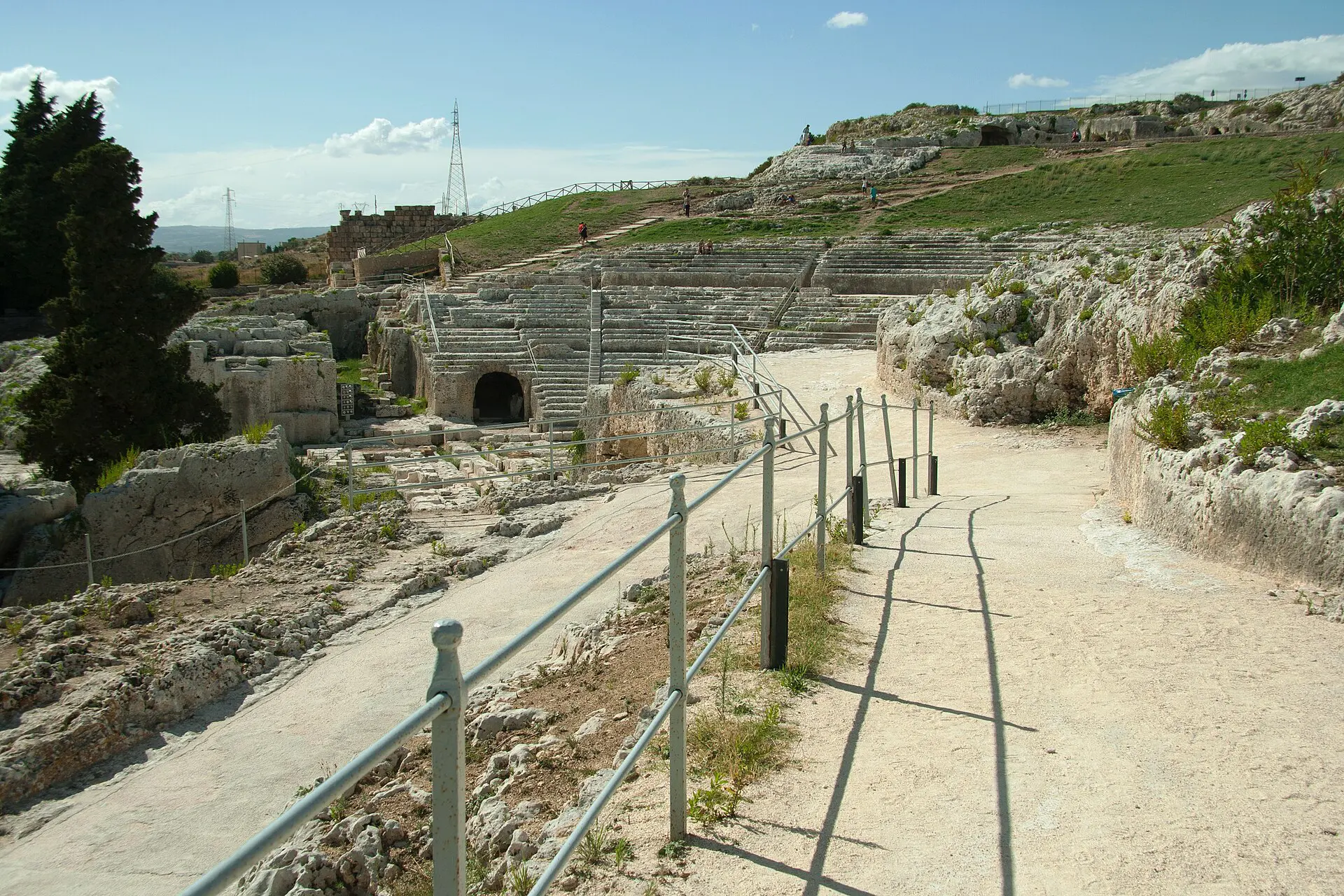
The anchor for the afternoon. The park holds the Greek theatre, the Roman amphitheatre and the quarry gardens, including the cave known as the Ear of Dionysius. Opening hours vary, and many state sites close an hour before sunset, so check the last entry. Combined tickets often cover the park and the regional archaeological museum, so ask whether a shared ticket fits your plan. Allow two hours, and carry water. The theatre is the visual centrepiece, and the quarries are cooler than the open terraces.
The Roman amphitheatre is a short walk away and quicker to see, about 20 minutes. Wear shoes with grip, since the stone steps are worn and uneven. A hat and 1 litre of water per person are reasonable in July and August, and the park’s gates and ticket office usually stop admitting visitors before the listed closing time.
Day 2, 9:30: Paolo Orsi Archaeological Museum
The museum is the best indoor anchor, and it is air-conditioned, which is useful on a hot day. It holds finds from across eastern Sicily and is close to the park. Weekly closing days and shorter Sunday hours are common at state museums, so check before you commit. Allow two hours, and use the museum to put the park’s monuments in context. If a combined ticket applies, use it here and in Neapolis on the same day, since some are valid for a limited period only.
Day 2, 17:30: Castello Maniace and the Ortigia seafront
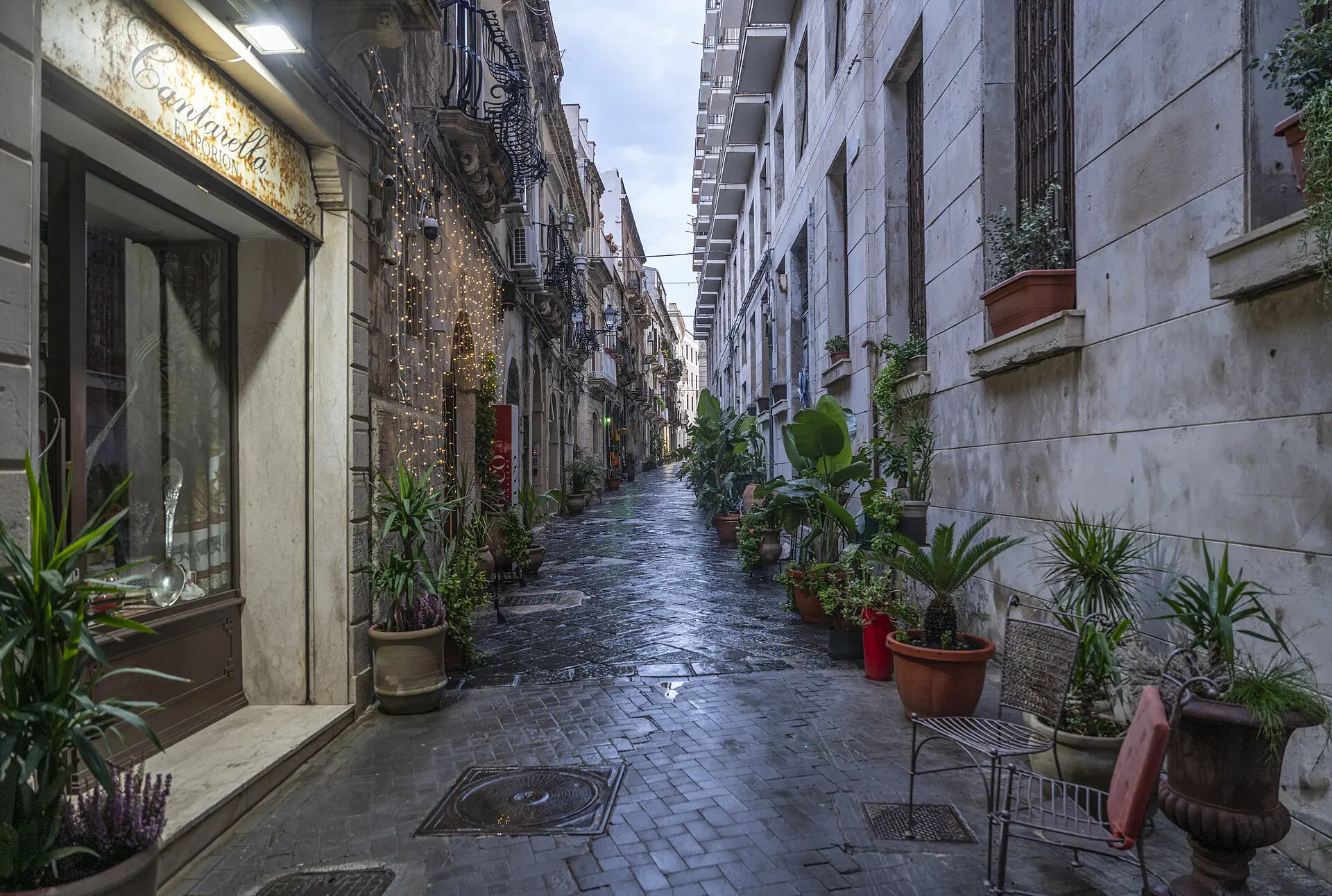
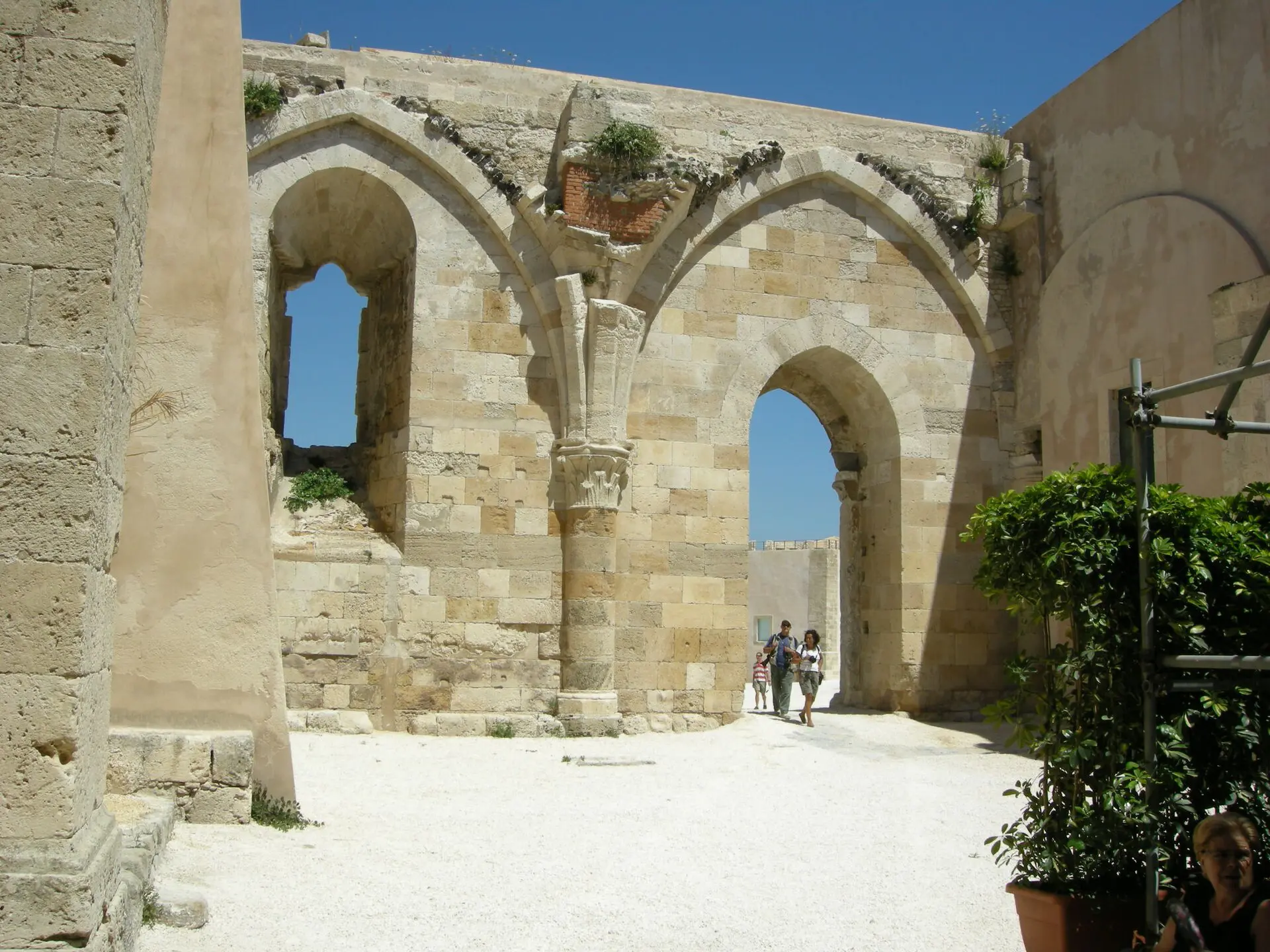
The closing block returns to the island. The castle sits at the southern tip, and opening times can vary or change, so check them. Even without entry, the seafront promenade is the standard evening walk, with the sea on three sides. Walk it north from the castle at golden hour, then settle for dinner in the lanes near the cathedral, where tables fill after 20:00. Italian dinner starts late, so a 19:30 booking is easy and a 21:00 one may be hard in August.
How to avoid queues in Syracuse
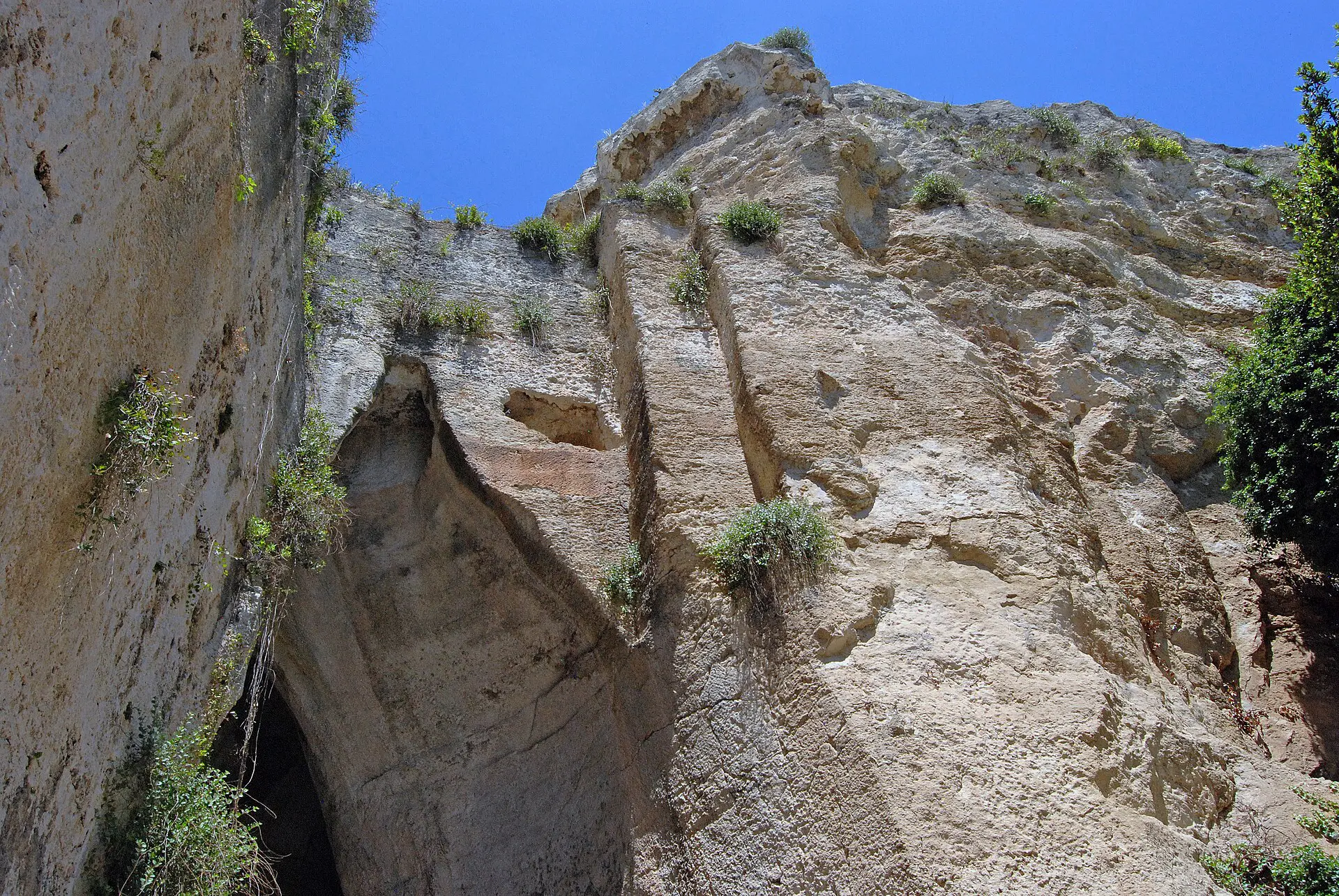
- Neapolis: the first hour after opening or the last two hours before closing. Midday is hot and busy with tours.
- Cathedral: go at opening. Services take priority and groups arrive from mid-morning.
- Market: arrive before 11:00 for the best choice.
- Summer evenings: the seafront is crowded after 20:00, so eat before or after that.
- Ticket desks: buy online where an official option exists, to avoid queues in July and August.
Getting around Syracuse
Walk. Both areas are about 20 minutes from the station, and Ortigia is compact. Small electric shuttle buses serve the centre and the archaeological area, with day passes costing a few euros, so check the current fare. The whole of Ortigia is a limited traffic zone, so a car is a liability. Park outside and walk in.
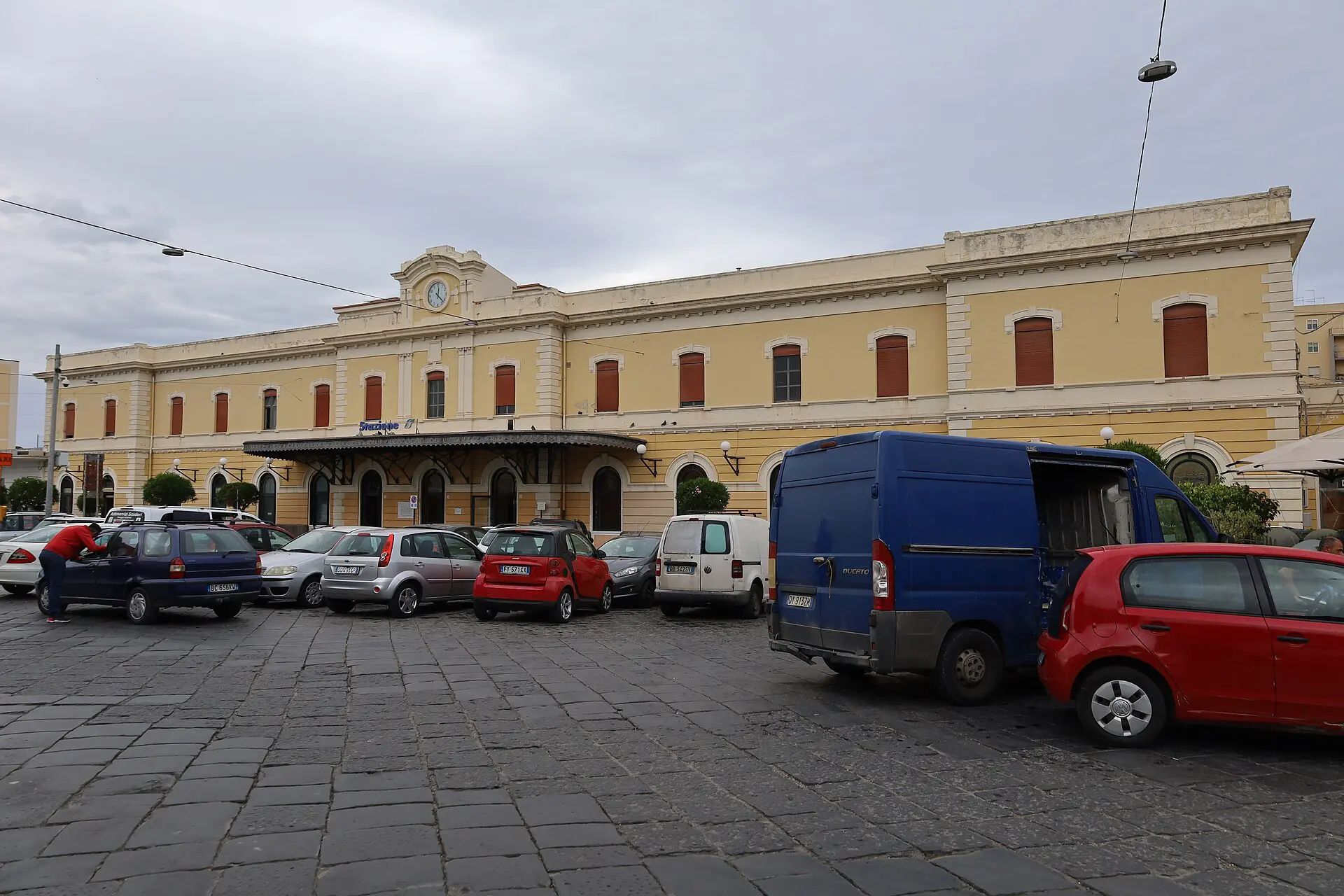
Catania-Fontanarossa airport is about 50 km north, and intercity buses reach Syracuse in just over an hour. Trains also run along the coast. Regional rail has no Sunday service on some lines towards Noto and Ragusa, so check before a day trip.
Where to stay in Syracuse
- Ortigia: the best base for two nights. It is walkable, atmospheric and costs more, and some streets are noisy on summer nights.
- Near the station and Corso Umberto: cheaper and practical, with a 15 to 20-minute walk to the island.
- Near Neapolis: quiet and good for an early start at the park, but few evening options.
What to skip in Syracuse if time is short
Skip the Temple of Apollo stop first, then the museum if you can accept reading the park’s signs. If the heat is above 35 C, I would shorten Neapolis to the theatre and quarry only. A Syracuse Sicily 2 days plan loses little by dropping Maniace, but should keep the Ortigia seafront at dusk. Day trips to Noto need a third day.
FAQ about Syracuse
Is 2 days enough for Syracuse?
Yes. Two days cover Ortigia, the market, the cathedral, the Greek theatre and the amphitheatre, and a museum. Add a third if you want a day trip to Noto or a coastal stop. Plan around the heat rather than around a checklist.
What is the best time of day for the Neapolis park?
Late afternoon, one to two hours before closing, or the first hour after opening. Midday is hot and has little shade. Check the seasonal closing time, since last entry is usually an hour before it.
Is Syracuse walkable?
Yes. Ortigia is small and largely pedestrian, and Neapolis is about 20 minutes on foot from the station. In summer, use the electric shuttles or a taxi for the park, and keep the walk for the cooler hours.
Do I need a car in Syracuse?
No, for these two days. Ortigia has restricted traffic, and parking is difficult. A car helps only for day trips to Noto and the surrounding Baroque towns, and trains and buses also cover those.
Further reading: Wikivoyage on Syracuse and Wikipedia on Syracuse.