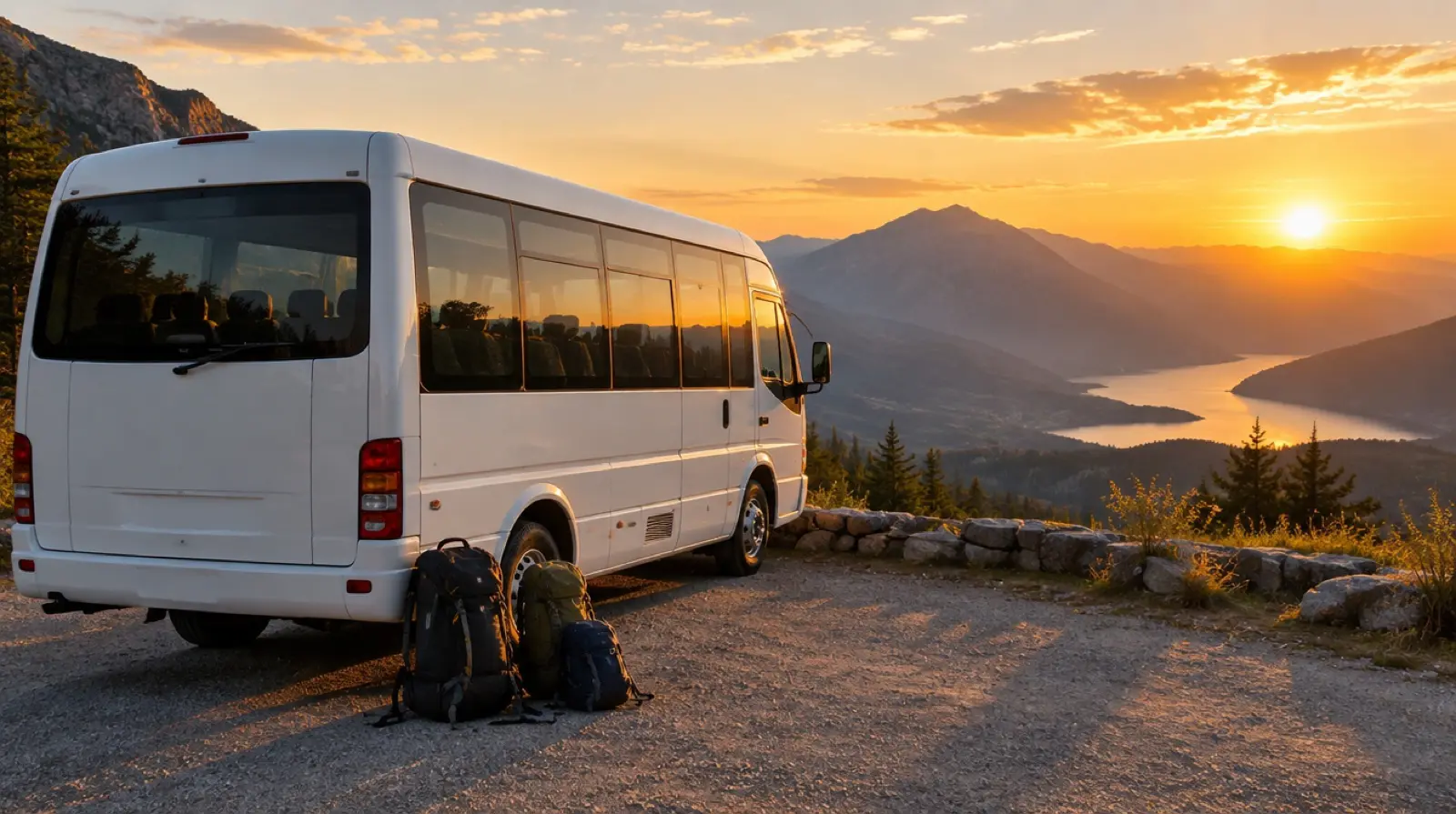
Are solo travel tours worth it? For many first-time solo travelers, yes, in part. A small-group tour takes care of transport, bookings and company in one payment, and it is a strong choice for your first trip, for harder destinations and for days that need a guide. Going independent costs less, gives you more freedom and teaches you faster. The best answer is usually a mix: tours for the tricky stretches, your own plan for the rest.
Solo travel tours vs independent: cost side by side
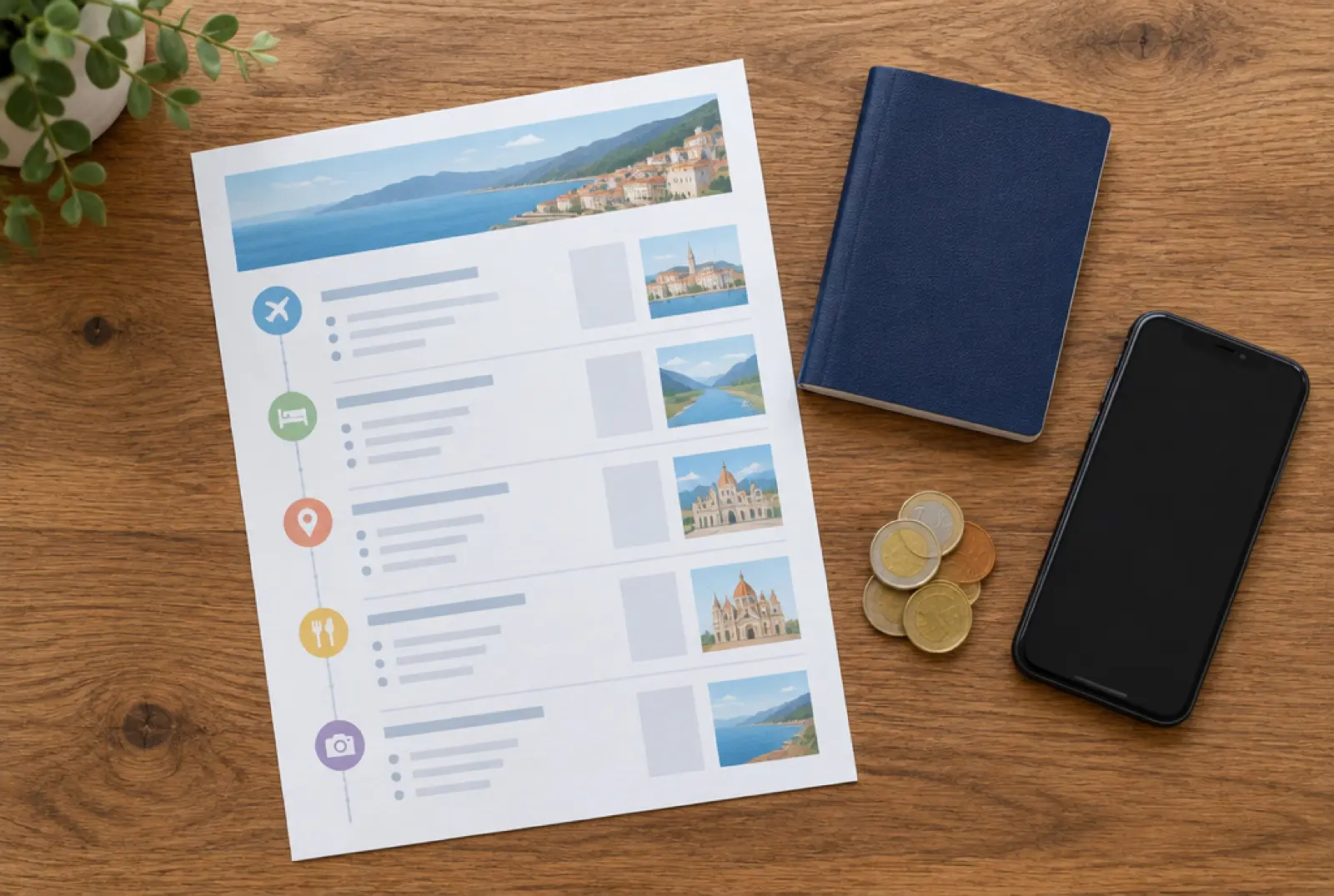
These are rough bands for 2026 and they change by destination, season and group size. Check live prices on the dates you want.
| Style | Typical cost per day (one person) | What is included | Main extra cost |
|---|---|---|---|
| Budget small-group tour (8 to 16 people) | Roughly 60 to 150 USD | Guide, transport, most hotels, some meals | Single supplement, tips, optional activities |
| Mid-range small-group tour | Roughly 150 to 350 USD | Guide, transport, better hotels, many meals and entries | Flights, single supplement, tips |
| Day tour or class booked locally | Roughly 30 to 150 USD per day | One activity, often with transport | Your own lodging and meals |
| Independent, budget (hostels, buses) | Roughly 40 to 100 USD | Whatever you book | Your time and planning |
| Independent, mid-range (hotels, trains) | Roughly 100 to 250 USD | Whatever you book | Private transfers and guides |
The gap between a tour and independent travel is largest in cheap regions, where independent travel costs very little, and smallest in expensive ones, where group transport and a guide are hard to match on your own.
Where solo travel tours cost more or less
Seven situations change the maths. Compare the ones that match your trip.
The single supplement
Many tours price a room for two. If you want a room to yourself, you may pay a supplement of anywhere from 10 percent to nearly double the room share. Look for tours with no supplement, or ones that match you with a roommate of the same gender.

Remote or hard-to-reach places
On a trek in Nepal, a safari in Tanzania or in a country with little public transport, a tour can be cheaper than hiring drivers and guides alone. Splitting a vehicle and guide among ten people is hard to match.
Cheap, well-connected countries
In places with good buses, trains and hostels, such as Vietnam, Thailand, Portugal and Mexico, independent travel is usually much cheaper than a package. Day tours let you add structure without paying for a whole trip.
Expensive countries
In Iceland, Norway or Japan, a tour can offset high food and transport costs, especially when meals and car hire are bundled. Compare with a rental and a few day tours before you decide.
Peak season
Popular departures sell out months ahead, and last-minute prices climb. If you want a tour in July or August, book early. Shoulder seasons such as April to May and September to October are cheaper and the groups are often smaller.
Age and group style
Some tours are aimed at travelers in their 20s and 30s, with hostels and a social pace. Others skew older and slower, with hotels and fewer nights out. Check the age range and the style listed, and read recent reviews.
Extras that are not included
Tips for guides and drivers, optional activities, some meals and airport transfers are often extra. Add 10 to 20 percent to the headline price for a realistic budget.
Transport and lodging deltas on a group tour
A tour changes what you pay for and what you skip. These are the practical differences for a solo traveler.
- Arrival. Most tours begin at a fixed hotel on a fixed day. Arrive a day early in daylight, and you will not be rushing a late-night transfer on day one.
- Where you sleep. The operator picks the hotels, usually in practical central areas. Ask whether the rooms are in the old town or on a ring road, and whether the hotels are within walking distance of food.
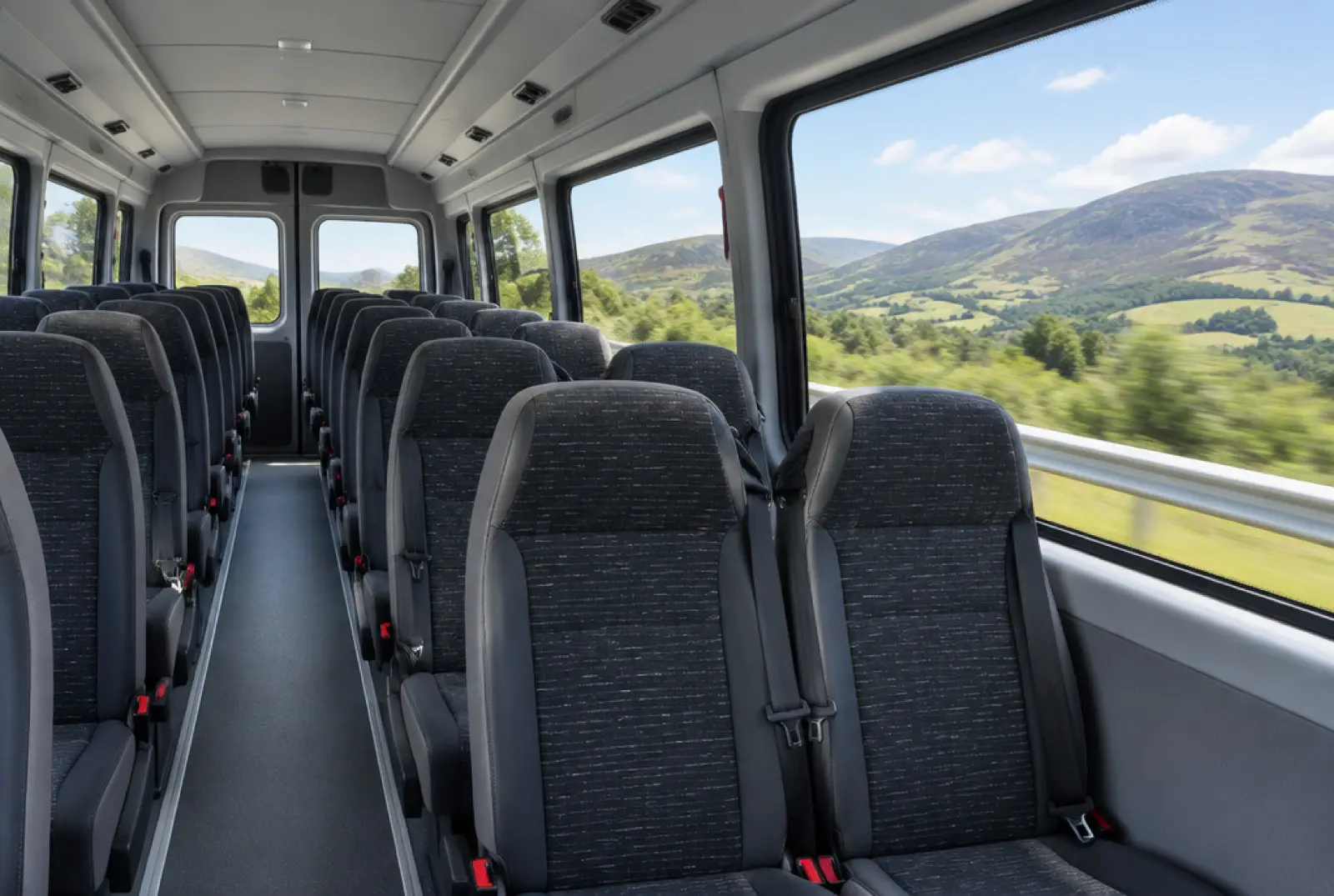
- Getting around. A minibus or train pass is included, so you skip the cost and stress of working out transport. You also lose the option of changing plans.
- Free evenings. Most itineraries leave evenings open. Ask the guide for restaurant ideas close to the hotel, and eat with others in the group if you want company.
- Departure. Check when the tour ends and whether you can get your flight the same day. Add a night if the last day finishes late.
Which solo travel tours suit which traveler
Pick the priority that matters most, then read the verdict.
If you want company: a small-group tour, a hostel-based day tour or a class. You meet people over several days and have a built-in dinner crowd.
If you want comfort: a mid-range tour with a private room and a guide handling logistics. You trade freedom for ease, and that is a good trade on a first trip.
If you want flexibility: travel independently and add day tours. You can change cities or stay longer without losing a payment.
If you want to save money: go independent in cheap countries and join one or two tours only where the cost per day is lower than doing it alone.
If you are anxious about a destination: use a tour for the first few days, or the first country in a multi-country trip. You get orientation and company, then you can go independent for the rest.
If you hate schedules: skip multi-week tours. Choose short departures of 5 to 8 days, or day tours, where you can reclaim your time at the end.
Meeting people, and what to do after dark
The strongest argument for solo travel tours is company. In a group of ten or twelve, you will probably find two or three people you like. Meals, long drives and shared activities do the work for you, and you never need to walk into a bar to start a conversation.
You can build the same effect without a full tour. Book a walking tour on day one, a cooking class in Hanoi, Lisbon or Oaxaca on day two and a day trip on day three. Stay in a social hostel and use the common room. These are low-pressure ways to meet people and they keep your plans flexible.
After dark, a tour group gives you people to eat with, and the guide knows which places are comfortable. If you are independent, ask your accommodation where to eat nearby, finish dinner before it is late and take a registered taxi or an app ride back. You do not have to join every evening plan, and you can say, “I am going to rest tonight, see you in the morning.” Nobody needs a longer explanation.
What the cheaper option costs you
Going independent is usually cheaper, but you pay in time, effort and risk of a flat day. You make every booking, work out every route and handle every delay alone. When a train is cancelled or a hostel is full, you need to fix it yourself. That is a skill, and many solo travelers enjoy learning it, but it is tiring in the first week.
Tours cost more, and the trade-offs are different. You may be stuck with people you do not click with, a pace that is too fast and fixed meal stops. Check the group size (12 or fewer is comfortable), the hours on the road each day (4 to 5 is a lot) and the free time. Read the reviews for mention of a good guide, as that single factor shapes the trip more than the hotel.
If you do join a group, a few lines help. If someone asks to share a room to save money, you can say “I would rather keep my own room.” If a person monopolises you at dinner, say “I am going to sit with the others for a bit.” If you want to skip an activity, tell the guide the night before.
Solo travel tours: FAQ
Are solo travel tours worth it?
Often, for a first solo trip, a tricky destination or days that need a guide. They save planning time, include company and can lower the cost of transport in remote places. They cost more per day than independent travel in cheap regions, so many people mix a tour with their own plans.
Do solo travel tours charge a single supplement?
Many do, because rooms are priced for two. The supplement varies widely, from a small fee to almost the cost of a second person. Look for tours that offer shared rooms with a same-gender roommate or waive the supplement on certain dates, and compare the total price.
Are group tours safe for solo female travelers?
Small-group tours are a popular choice for women travelling alone because transport, hotels and routes are planned. Choose an operator with recent reviews, ask about the group size and gender mix, and check how the guide handles free evenings. As on any trip, share your itinerary with someone at home.
What age are most solo tour groups?
It varies by operator and by trip style. Budget and active trips often attract travelers in their 20s and 30s, while comfort-focused tours tend to skew older. Read the description and recent reviews, and email the operator and ask about the usual age range.
Can I join just one tour on an independent trip?
Yes, and it is a popular way to travel. Book a day tour, a multi-day trek or a short group departure for the parts that are hard to do alone, and travel independently for the rest. You get company where it matters and keep the freedom everywhere else.


