Solo female travel Croatia works well as a first big trip. The coast is compact, buses and ferries link the main towns, English is widely spoken in tourist areas, and the old towns are walkable and busy in the evening. The catch is logistics and cost in July and August. Below you get an arrival plan, eight bases with where to sleep and why, ferry and bus rules, and the cheapest months to go.
Is Croatia good for a first solo trip?
Yes, for most people, especially between May and early October. Croatia is part of the Schengen Area and uses the euro, which removes currency and border hassle for many visitors; check the entry rules for your passport before you book. Violent crime against tourists is uncommon, and the main problems are petty theft in crowded spots, overpriced summer beds and missed ferries.
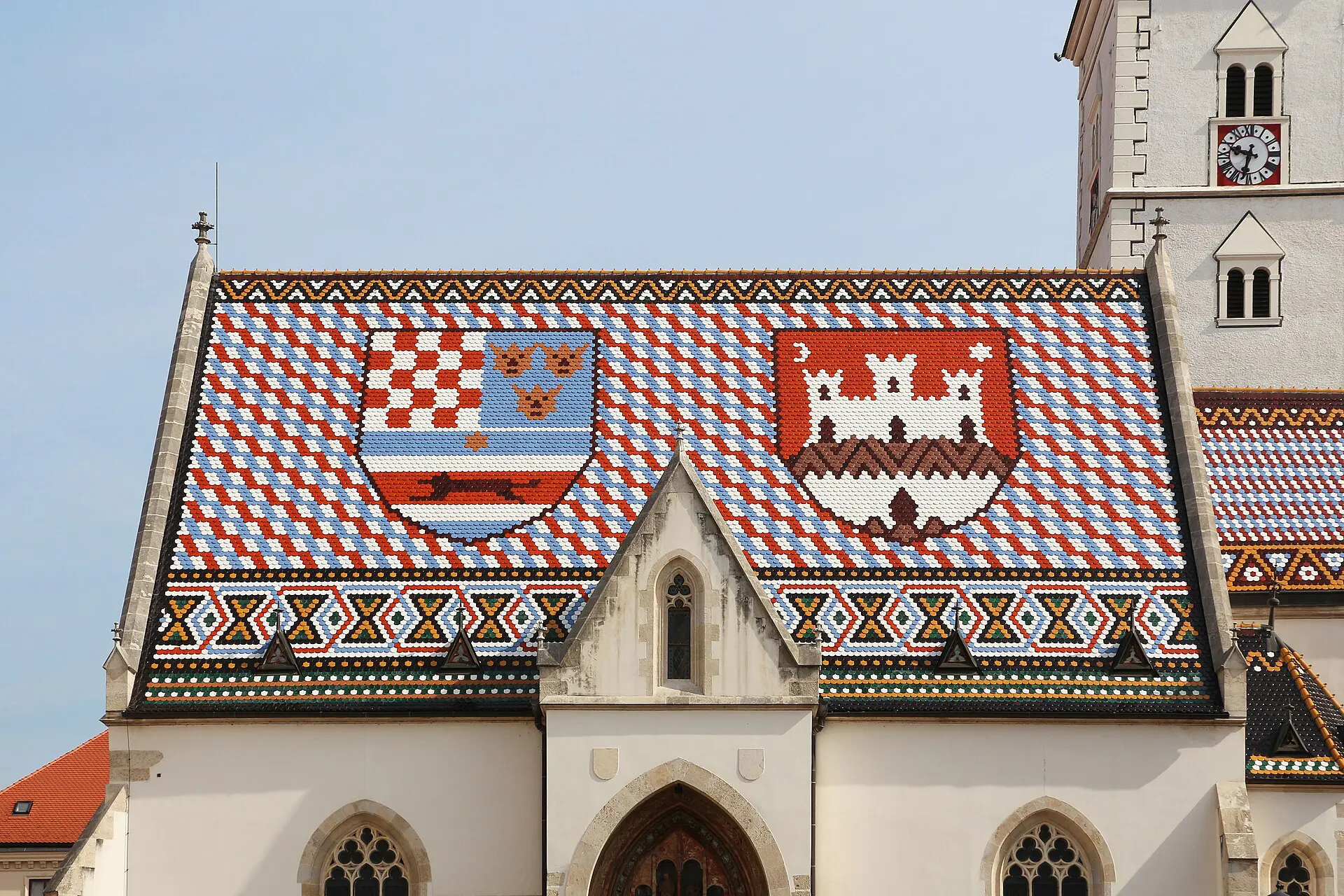
It suits you if you like swimming, walking old towns and island hopping at your own pace. It suits you less if you want cheap nightlife in peak season, since prices on Hvar and in Dubrovnik climb fast. The Croatia travel guide gives the wider background.
Arriving alone in Croatia: your arrival card
Most solo visitors arrive by air in Zagreb, Split, Dubrovnik or Zadar, or by bus from a neighbouring country. Pick a first stop that matches your landing time rather than the one that looks best on a map.
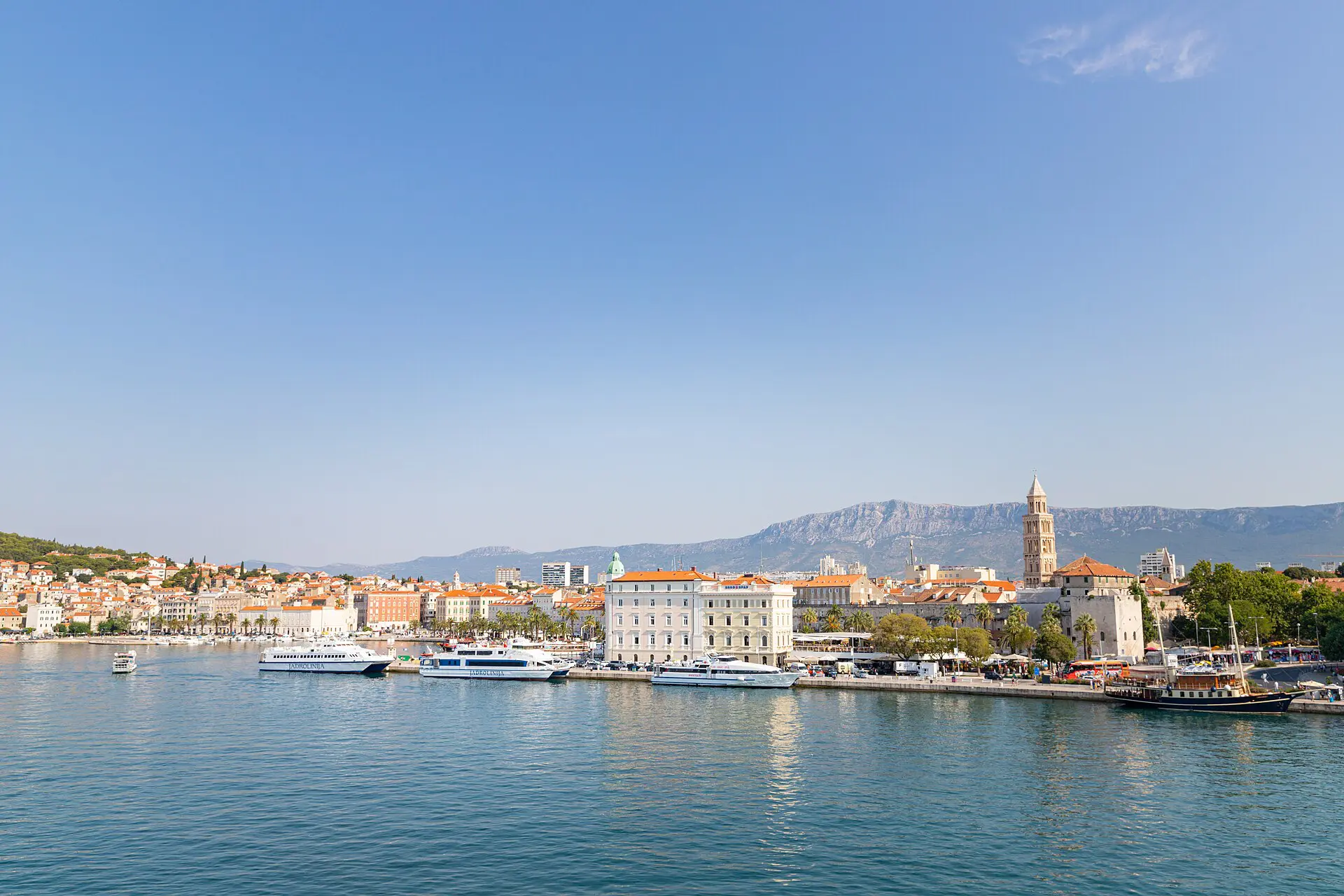
- Best arrival window: daytime. Ferries and buses to islands run mostly in daylight, and the last departure can be early in the evening, especially outside summer.
- Late landing: sleep one night in the arrival city and move on in the morning. Pre-book the bed and a ride from the airport.
- Airport to centre: airports at Split, Dubrovnik and Zadar are roughly 10 to 25 km from town, with airport buses, taxis and ride-hail. Fares change by season, so check before you travel.
- Bus and ferry hubs: in Split the bus station, rail station and ferry port sit side by side, which makes it the easiest big transfer point.
- First night: choose a bed inside or beside the old town, so you can walk with your bag in daylight.
Solo female travel Croatia route: 8 places to base yourself
This route runs roughly from the capital to the south. You can cut stops, or reverse the order if you fly into Dubrovnik. Each stop gives a sleeping suggestion.
1. Zagreb: a calm, cheaper start
The capital has a fine old city, many cafes and far fewer crowds than the coast. Stay in or near the Upper and Lower Town, within walking distance of the main square, trams and the bus station. It is a good place to recover from a flight, and prices are usually lower than on the coast.
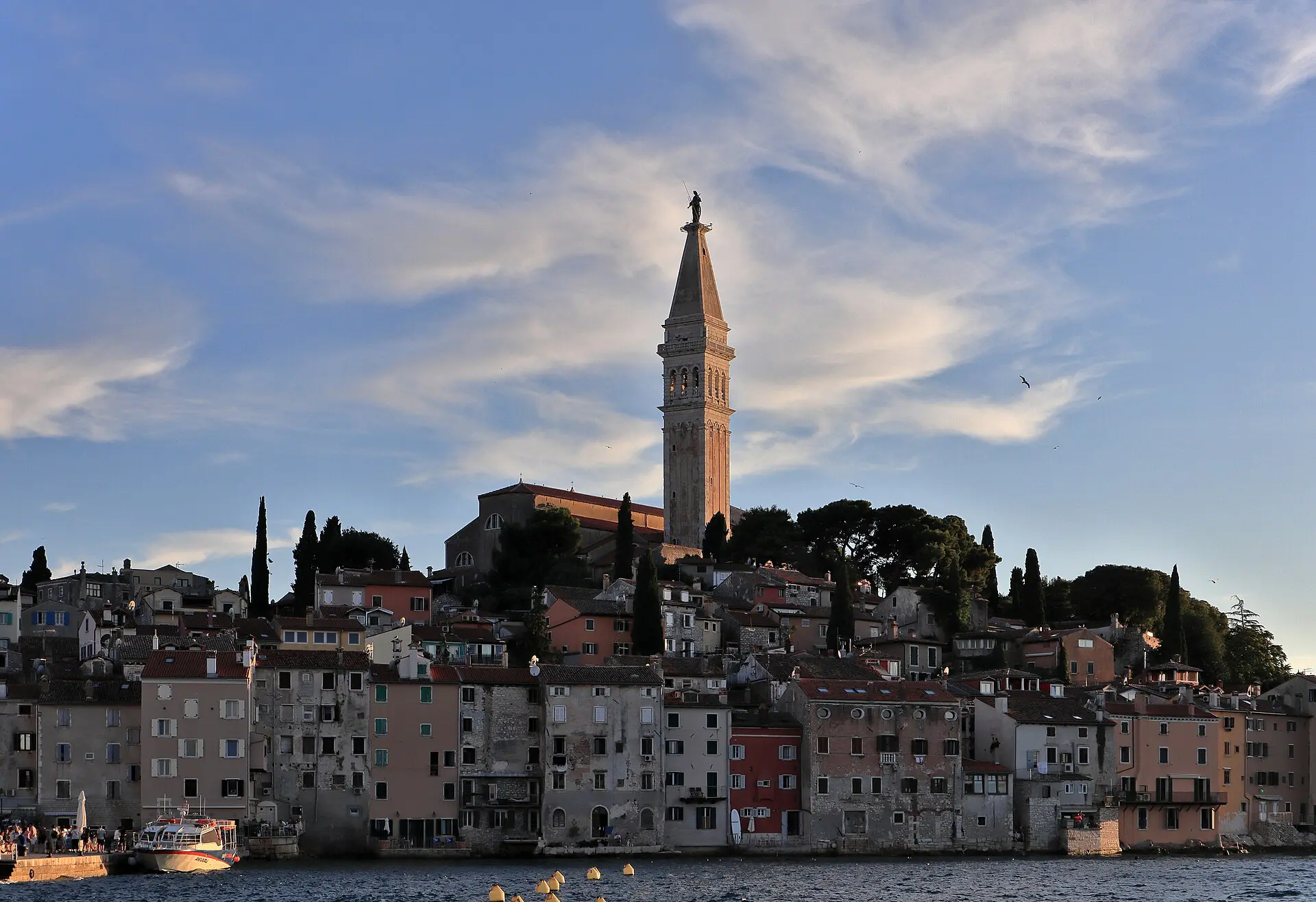
2. Rovinj: Istria’s harbour town
Rovinj is a small harbour town in Istria with a compact old centre on a hill. Stay in a guesthouse or hostel a short walk from the old town, because rooms inside it can be pricey and the cobbles are tough with a suitcase. Buses connect it to Pula and the rest of Istria, but you should check how late the last one runs.
3. Zadar: overlooked and easy
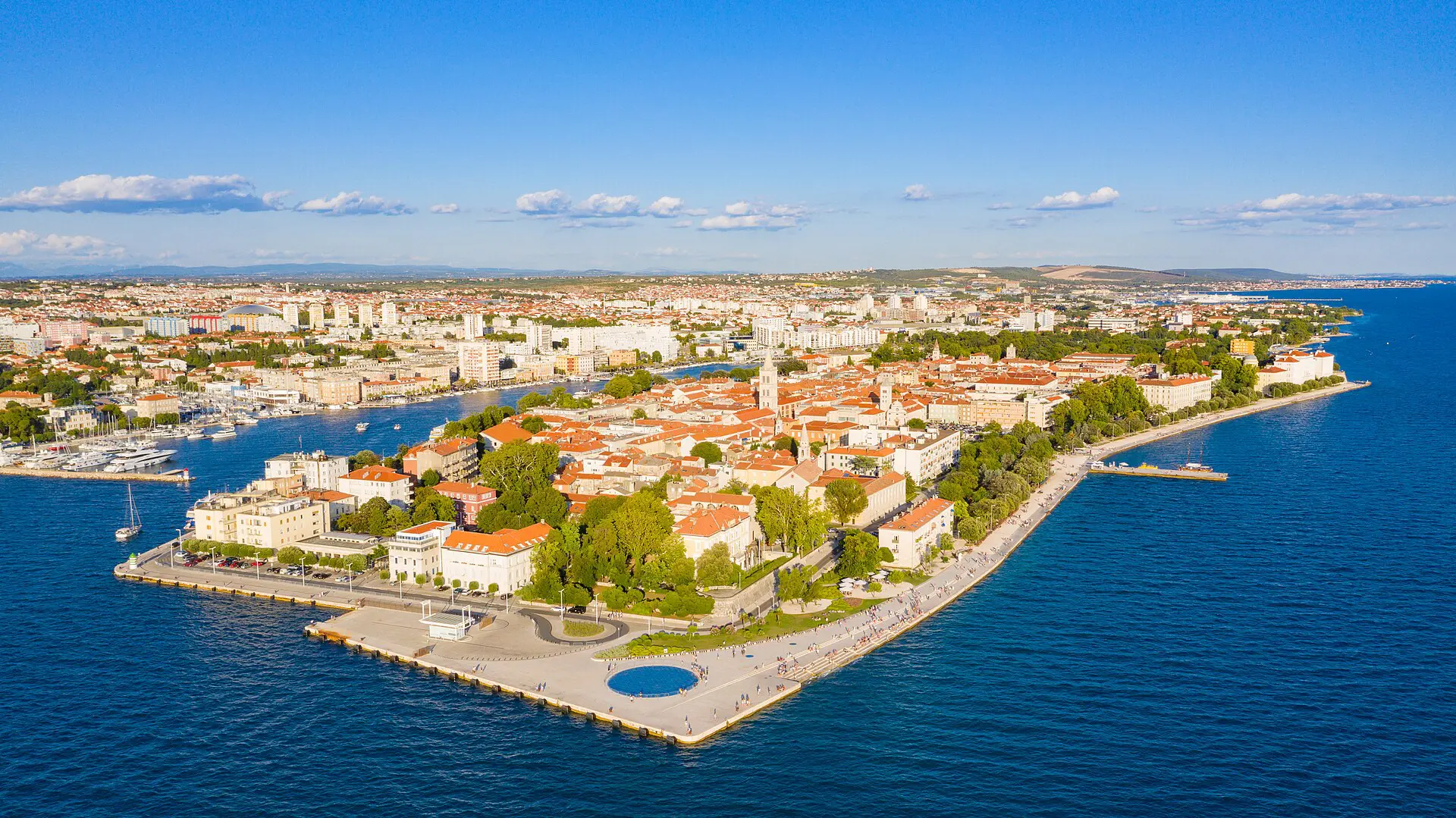
Zadar has a rich history, a scenic coast and fewer crowds than Split or Dubrovnik. Stay on the old-town peninsula or just across the bridge. It is a smart base for day trips to islands and the national parks by bus or boat, and a good first stop for a first island by ferry.
4. Split: the transport hub
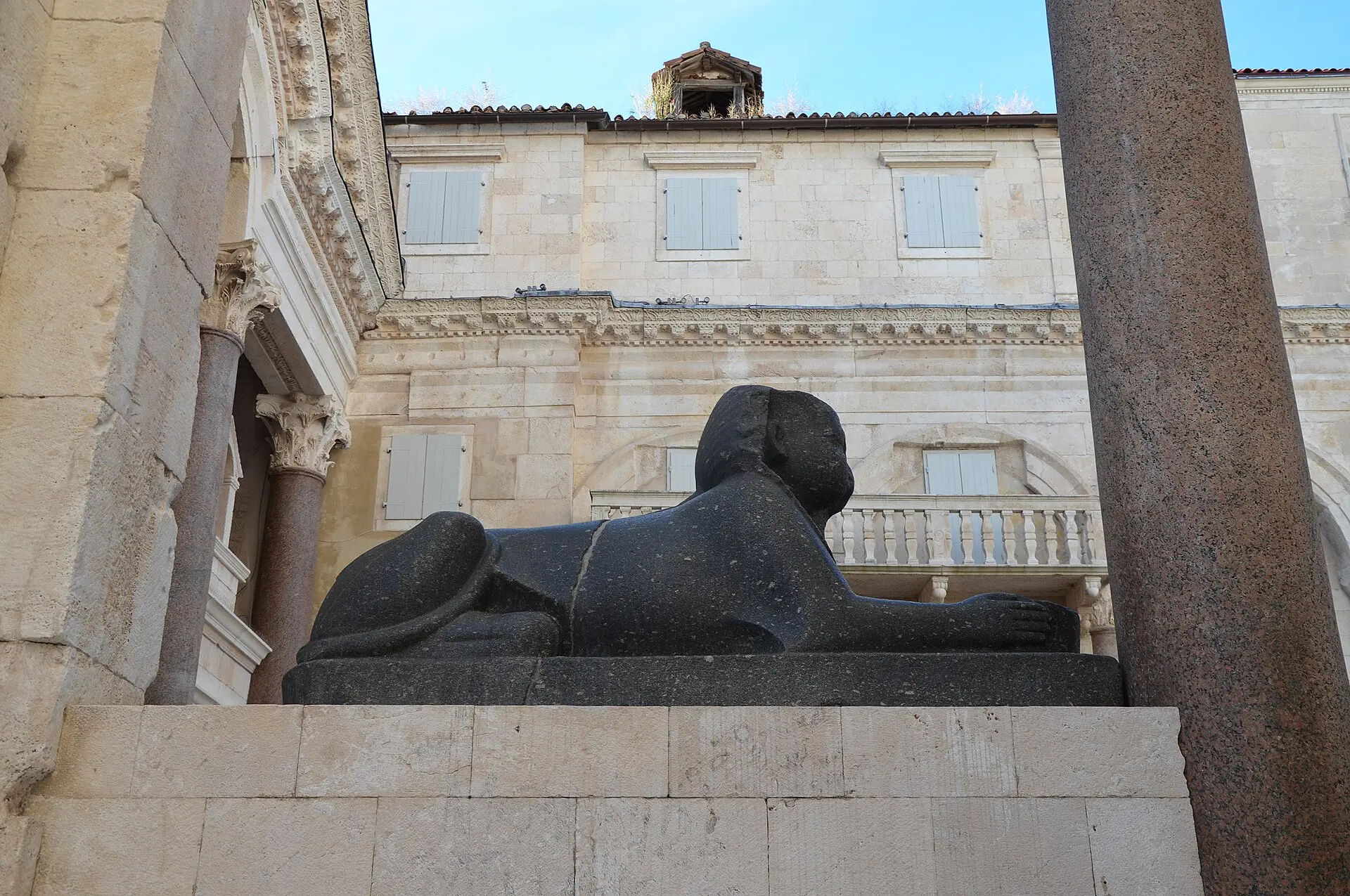
Split has an entire ancient city built into a Roman palace, and it is the main junction for ferries to the islands. Stay within walking distance of the old town and the port, such as the Varos neighbourhood or near the seafront promenade. Social hostels here make meeting people easy. Pre-book any ferry in summer.
5. Hvar: the island with a party reputation
Hvar Town is beautiful, loud and expensive in high season. For a quieter, cheaper base, look at Stari Grad on the same island, which has its own ferry link and a calmer harbour. Stay a short walk from the waterfront rather than above a bar. Out of season, Hvar Town is peaceful and much better value.
6. Korcula: a quieter island
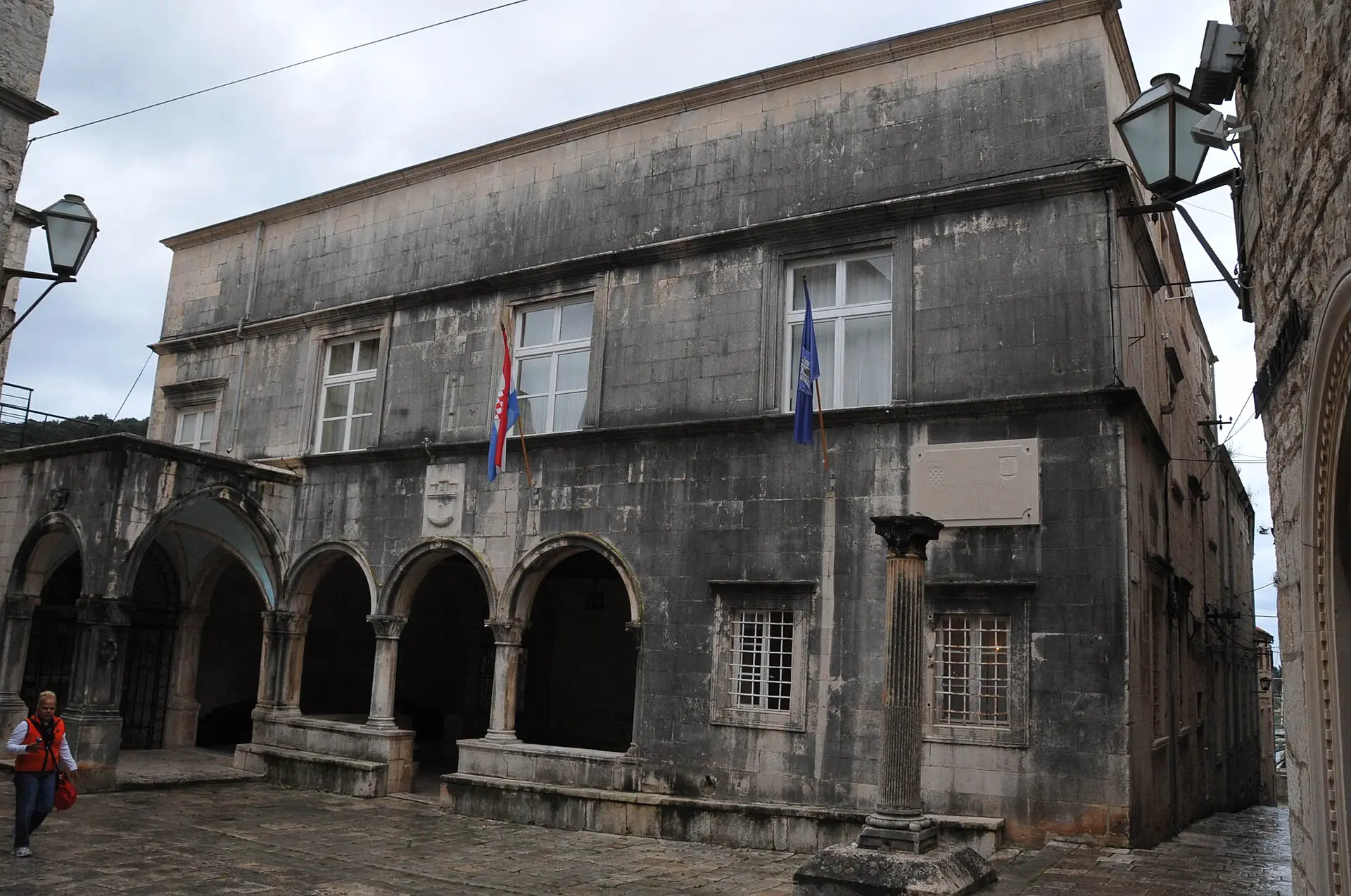
Korcula Town is a walled old town on a small peninsula, with narrow lanes, swimming from rocks and boat links to the mainland. Stay inside or near the walls so you can walk back from dinner. It is a good choice if you want an island without the party scene.
7. Dubrovnik: the walled city
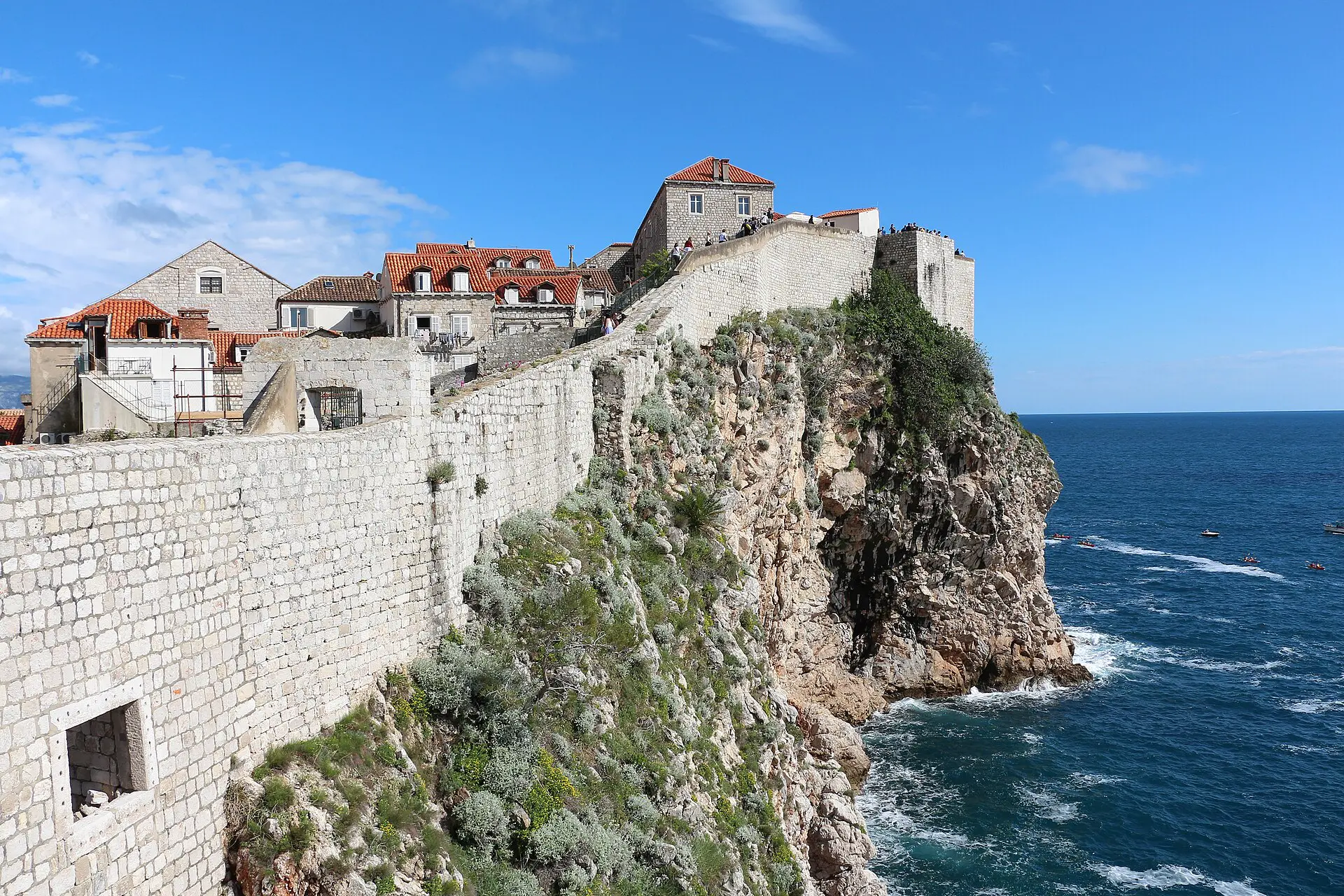
Dubrovnik is a UNESCO World Heritage walled city, and it is crowded and expensive in July and August. Staying inside the walls means stairs and noise, so many solo travelers choose Lapad or a quiet street a short bus ride away. Walk the city walls early, before the heat and cruise-ship groups arrive.
8. Pula: Roman ruins and a calm finish
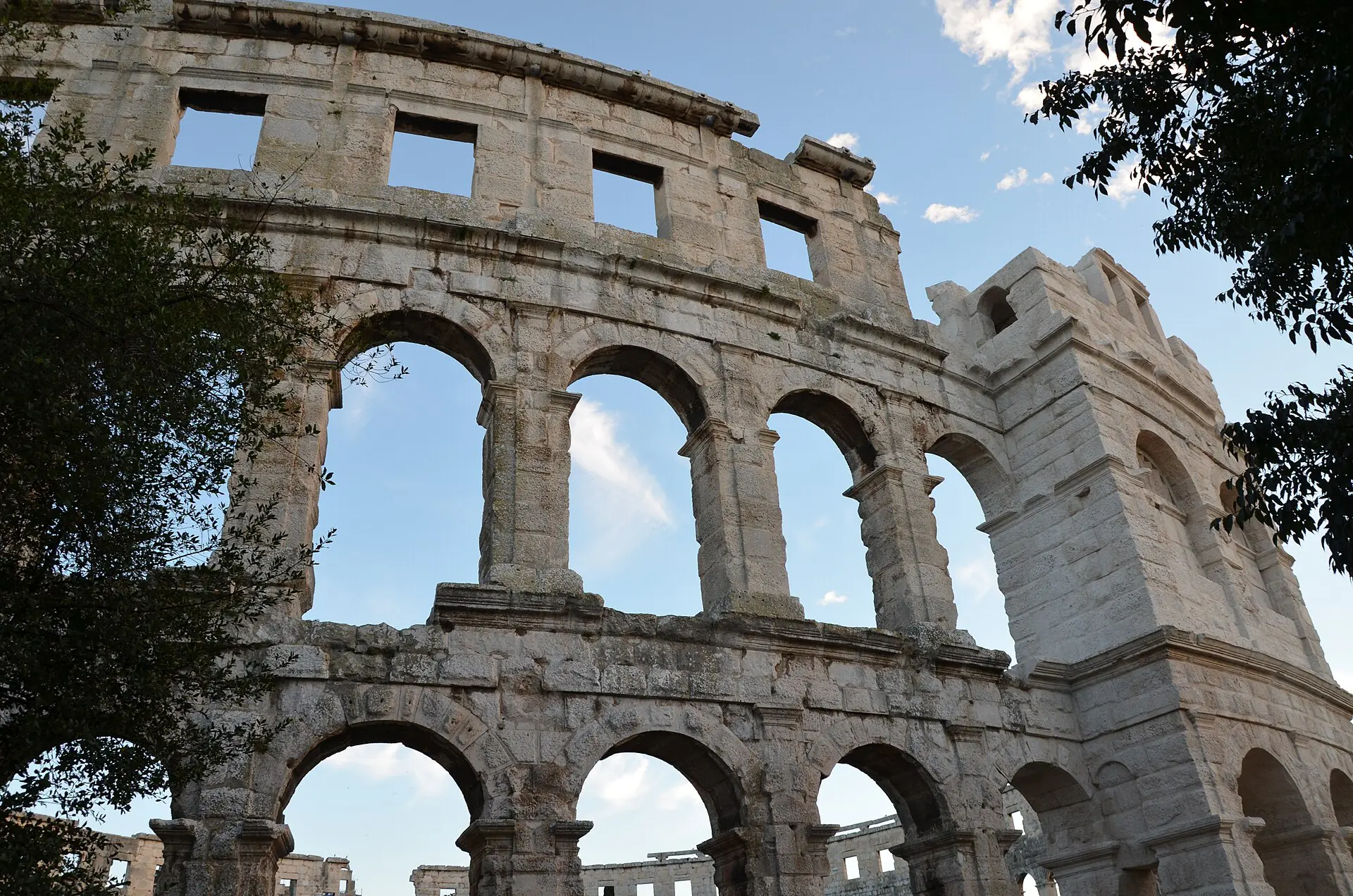
Pula is the main town of Istria, with a well-preserved Roman amphitheatre, a working port and a lived-in feel that is less touristy than Dubrovnik. Stay near the centre, within walking distance of the bus station and the sea. It works as an end point if you fly home from Istria.
Getting around Croatia alone: ferries and buses
Coastal buses and car ferries do most of the work. The national ferry company and private catamaran operators run the island links, and schedules differ sharply between summer and winter. As of 2026, plan on fewer departures from October to April, and check timetables a day before you travel.
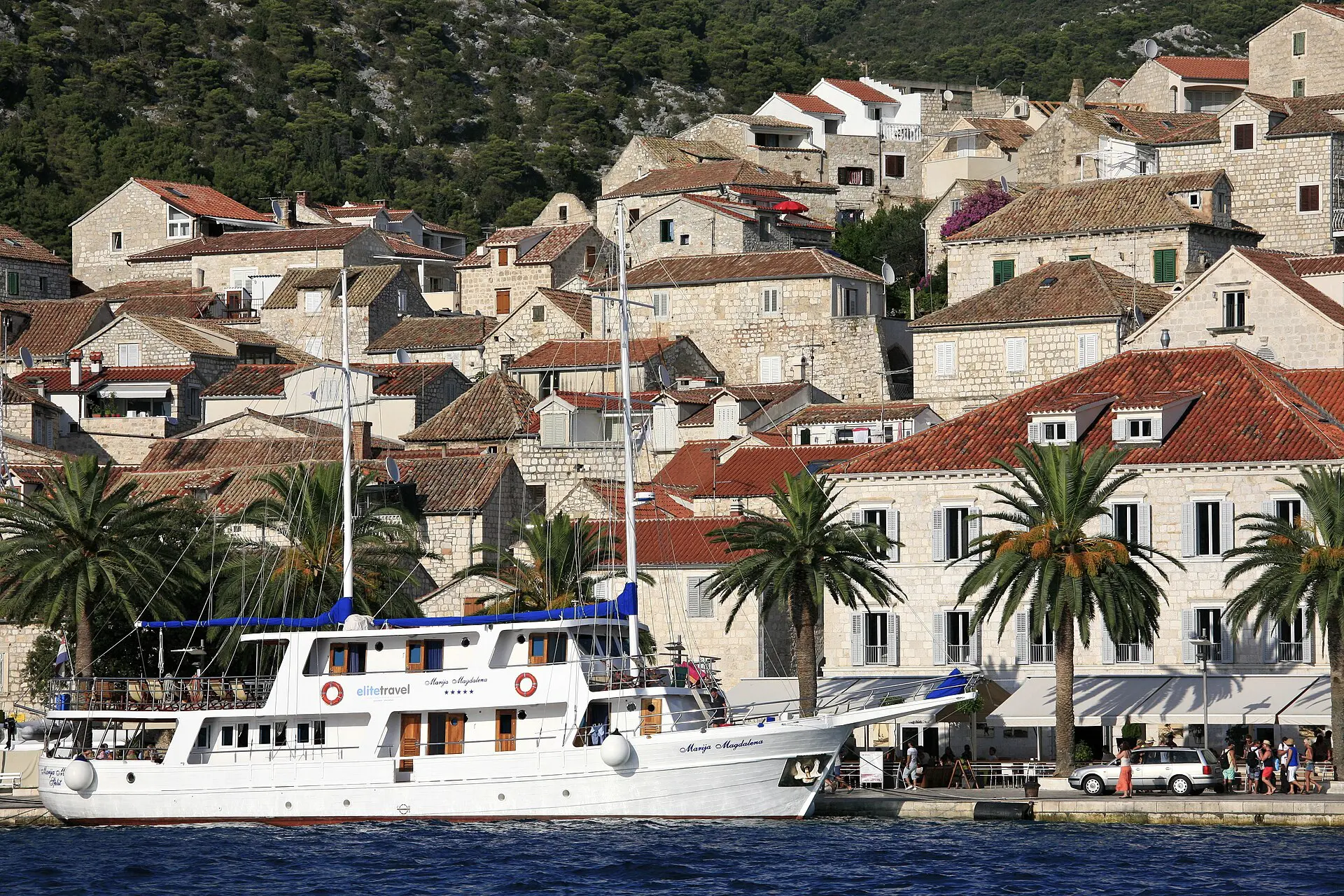
Day rules. Buy bus and ferry tickets in advance in July and August, and arrive early. Foot passengers usually board without trouble, but popular sailings fill. Keep your bag with you rather than in a ferry hold when you can.
Night rules. Do not plan to arrive by ferry or bus on an island late in the evening unless your bed is booked and someone has confirmed pick-up. Evening services are limited, and some quay areas are dark and quiet. If you arrive late, use a licensed taxi from the official rank or ask your host to collect you.
Driving. A car is useful on islands but adds cost and parking stress. Many solo travelers skip it, and use buses, ferries and walking instead.
How to meet people when travelling alone in Croatia
- Hostel terraces and common rooms. Split, Zadar and Dubrovnik have social hostels where the kitchen or roof is the meeting point.
- Ferry decks. Sailings are slow, and conversation starts easily. Ask someone what they have planned.
- Day boat trips. A group excursion to nearby islands or caves gives you a fixed time, shared cost and an easy exit.
- Walking tours. Old-town tours in Zagreb, Split and Dubrovnik are an easy way to find company for dinner.
- Kayak, sailing and cooking classes. Smaller groups mean longer conversations.
Boundary scripts help in crowded summer hostels. If someone presses for a drink: “No thanks, I am calling it a night.” If someone asks where you are staying: “Somewhere close, thanks,” then leave. If a taxi driver or touter will not stop: say “No, thank you,” keep walking and go into a cafe or shop.
What to do after dark in Croatia
Summer evenings are long and social. Seafront promenades fill from about 8 pm, and restaurants serve dinner late. The sunset walk along the harbour is the standard solo evening plan, and it feels natural to do alone.
- Promenades and squares: stay on lit, busy ones. Old-town side lanes can be dark and empty after midnight.
- Dinner: sit at the bar or a small table outside, and take a book. Waiters are used to guests dining alone.
- Beach bars and clubs: go with people from your hostel, watch your drink, and agree how you will get home.
- Walking back: keep to the main road and avoid shortcuts through unlit stairs.
- Quiet-night option: a sunset boat or wine tasting gives you an evening with company and a ride back.
Solo female travel Croatia budget and shoulder-season value
July and August are the most expensive months. Shoulder season, roughly May to June and September to early October, offers warm sea, thinner crowds and noticeably cheaper beds. These are rough 2026 bands in euros per day, so check current prices.
| Style | Peak (July to August) | Shoulder (May, June, Sept) |
|---|---|---|
| Lean (dorm, bakery and market food, buses) | EUR 60 to 100 | EUR 40 to 70 |
| Middle (private room, restaurant dinners, one tour) | EUR 110 to 180 | EUR 75 to 130 |
Cheaper habits: eat at bakeries and markets, take local buses rather than tours, and book the second week of a trip in a smaller town. Beach days cost nothing, and city walls and attractions are the main paid extras. In Dubrovnik, ticket prices and rules change, so check ahead.
Staying safe solo in Croatia: practical rules
- Bags and phones: pickpockets work crowded ferries, markets and old-town gates. Use a zipped cross-body bag and keep your phone out of back pockets.
- Heat: summer afternoons are hot. Carry water, wear a hat and do big walks in the morning.
- Sea: swim near other people, check for sea-urchin rocks and wear water shoes. Do not swim alone far from shore.
- Taxis: use apps or official ranks and agree the fare first. Overcharging is more likely than anything worse.
- Accommodation: read recent reviews for noise, locks and host responsiveness, and choose a place with a reception or a locked door.
- Emergencies: call 112 for police, ambulance or fire.
Hiking in the interior or Dinaric ranges calls for a map and weather check, and some inland areas still carry mine warnings. Stay on marked paths. For more background, see the Wikivoyage guide to Croatia or the Wikipedia article on Croatia.
Solo female travel Croatia FAQ
Is Croatia safe for solo female travelers?
Generally yes. Many women travel alone along the coast and islands. Petty theft and overcharging are the usual problems, so keep valuables close, use licensed taxis, and plan late arrivals. Stick to busy streets at night, and tell your host or hostel where you are going.
What is the best month for solo travel in Croatia?
June and September are strong choices: the sea is warm, daylight is long, and prices and crowds are lower than in July and August. May can be cooler for swimming, and October brings reduced ferry timetables. Check timetables for the month you choose.
Can you island hop in Croatia without a car?
Yes. Buses link coastal towns, and ferries or catamarans connect Split, Zadar, Dubrovnik and other ports to the main islands. Book ahead in summer and check the last sailing. On islands, local buses, taxis and walking cover most needs.
Is Croatia cheap for backpackers?
It is cheaper than Western Europe’s big cities in shoulder season, but peak summer prices are high, especially in Dubrovnik and Hvar. You can keep costs down with hostels, bakery meals, buses, free beaches and a visit in May, June or September.
Is Rovinj worth visiting alone?
Yes. Rovinj is small, walkable and pretty, with a harbour and an old town that are easy to explore alone. Stay just outside the old centre to save money, and plan around buses from Pula. Summer weekends are busy, so shoulder season suits it best.