Seattle to Olympic National Park is about 2.5 to 3 hours to Port Angeles by ferry and road, and 4 to 5 hours to the Hoh Rain Forest. The ferry saves little distance but gives a fixed sailing and a wait. The Tacoma bridge route avoids the sailing. Budget the park gates, not Seattle, as the finish line, and add a buffer on weekends and in July and August.
Getting from Seattle to Olympic National Park
The park has no single entrance. It is a ring of road ends around a mountain interior. Port Angeles is the northern gateway for Hurricane Ridge and Lake Crescent. The Hoh Rain Forest and the coast are on the west side, a further 1.5 to 2 hours by road.
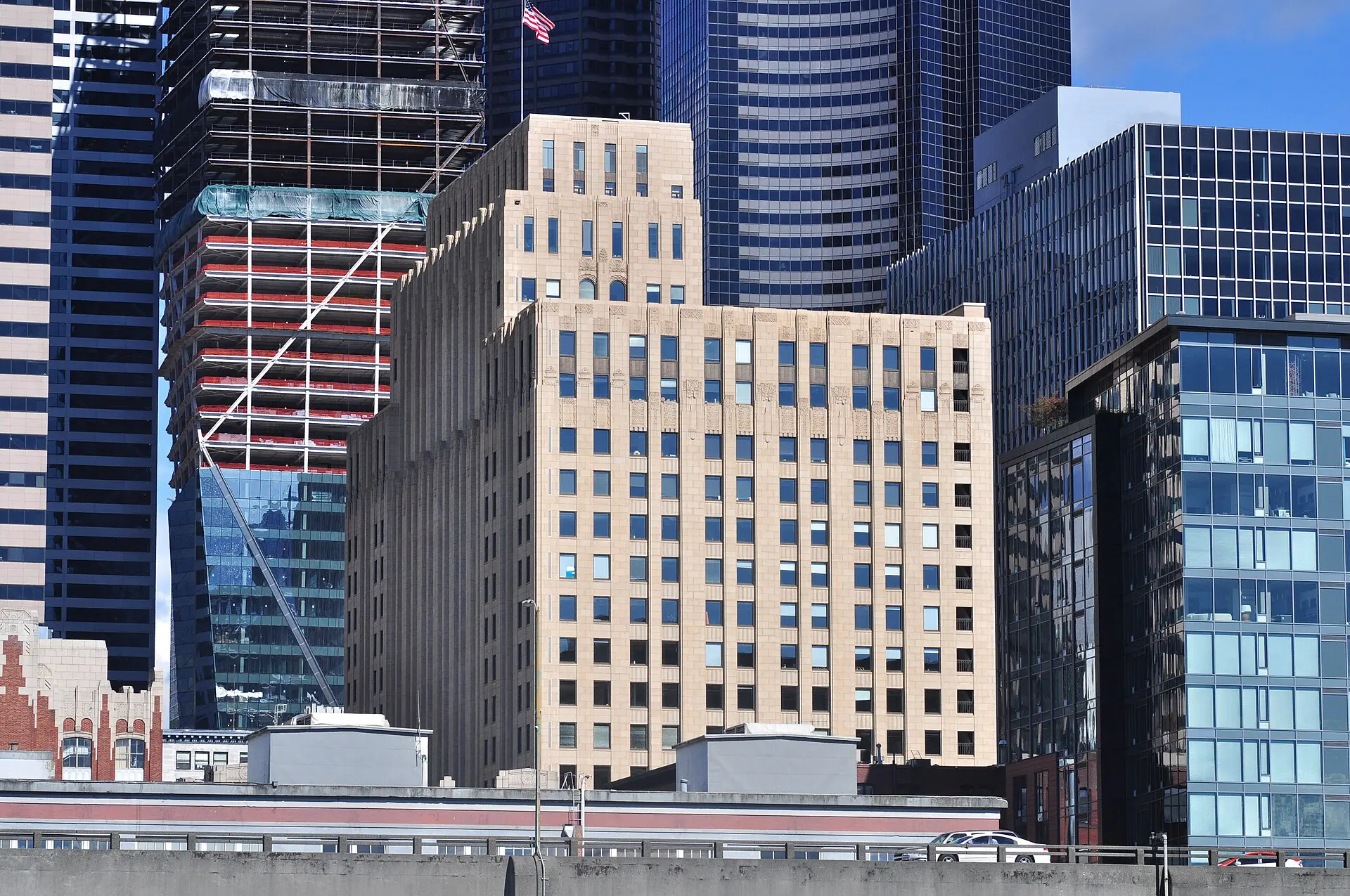
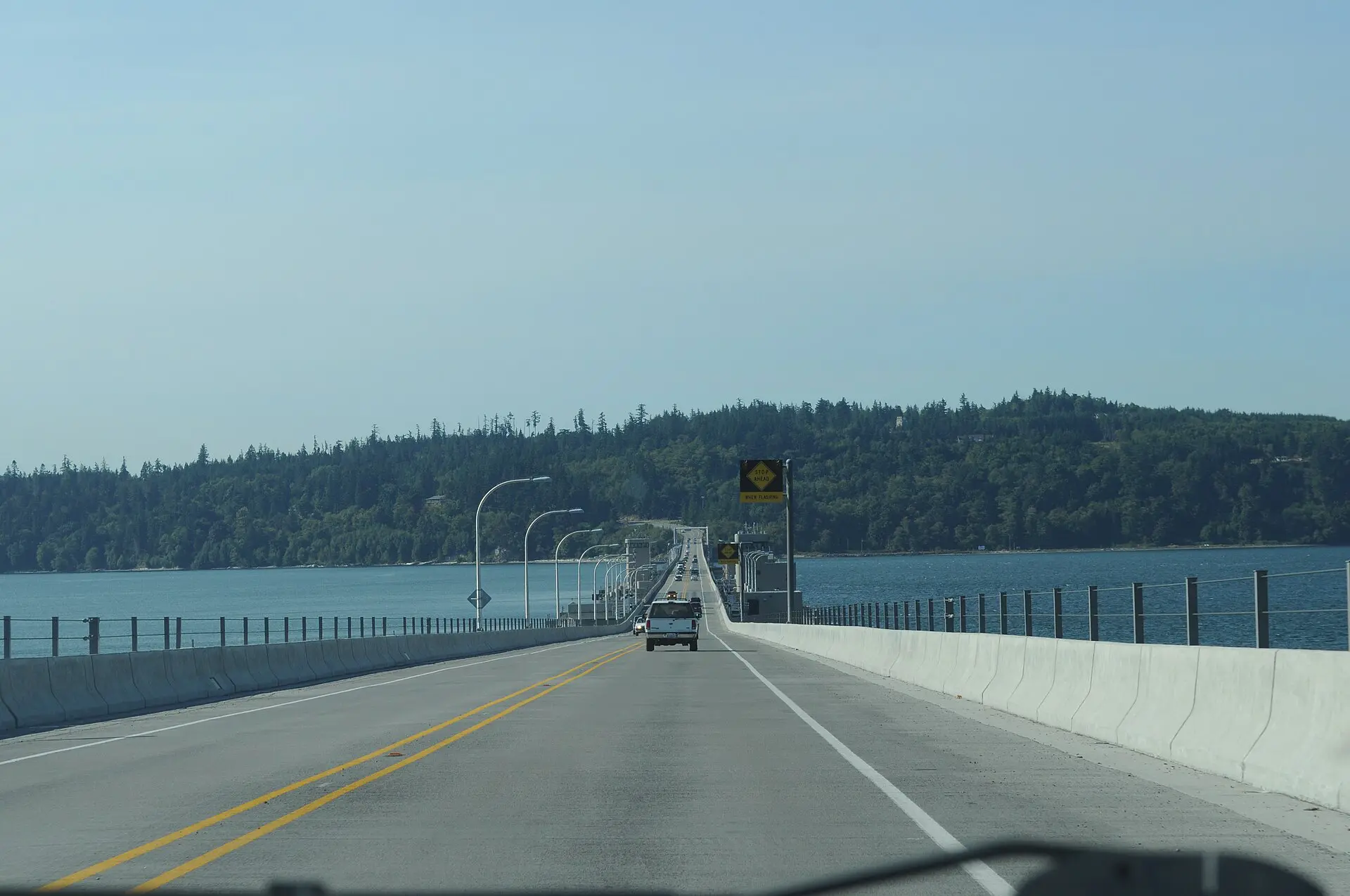
Two routes work. Take the Washington State Ferries boat from downtown Seattle to Bainbridge Island (about 35 minutes), then drive north across the Hood Canal Bridge and west on US-101. Or drive south through Tacoma and cross the Tacoma Narrows Bridge, then north on the peninsula. Without queues, both land at Port Angeles in roughly 2.5 to 3 hours. The Edmonds to Kingston ferry is a third option for those starting north of Seattle. Without a car, bus links to Port Angeles exist, but rural services are thin and seasonal; check current timetables.
Ferry vs road: the transport and terrain table
Times are approximate, in good conditions. Add the buffers in the last column on busy days. Ferry sailings are fixed, so missing one costs the length of the gap to the next, often 1 to 2 hours in peak season. Arrive early, and check the operator’s status page on the morning of travel.
| Option | Distance | Time to Port Angeles | Reliability | Buffer to add |
|---|---|---|---|---|
| Seattle to Bainbridge ferry, then road | about 145 km incl. crossing | 2.5 to 3 h | Good; delays from wait lines, weather and staffing | 1 to 2 h on summer Fridays and Sundays |
| Drive via Tacoma Narrows | about 200 km | 2.75 to 3.5 h | Good; traffic around Tacoma is the risk | 1 h for rush hours |
| Edmonds to Kingston ferry, then road | about 170 km incl. crossing | 2.75 to 3.25 h | Good; lines on holiday weekends | 1 to 2 h in peak season |
| Port Angeles to Hurricane Ridge | about 27 km | 45 min | Seasonal: snow, closures and slides | Allow for a check on road status |
| Port Angeles to Hoh Rain Forest | about 130 km | 2 to 2.25 h | Good; slow road for the last 30 km | 30 min for the park road |
Day plans from Seattle to Olympic National Park
1. One day: Hurricane Ridge from Port Angeles
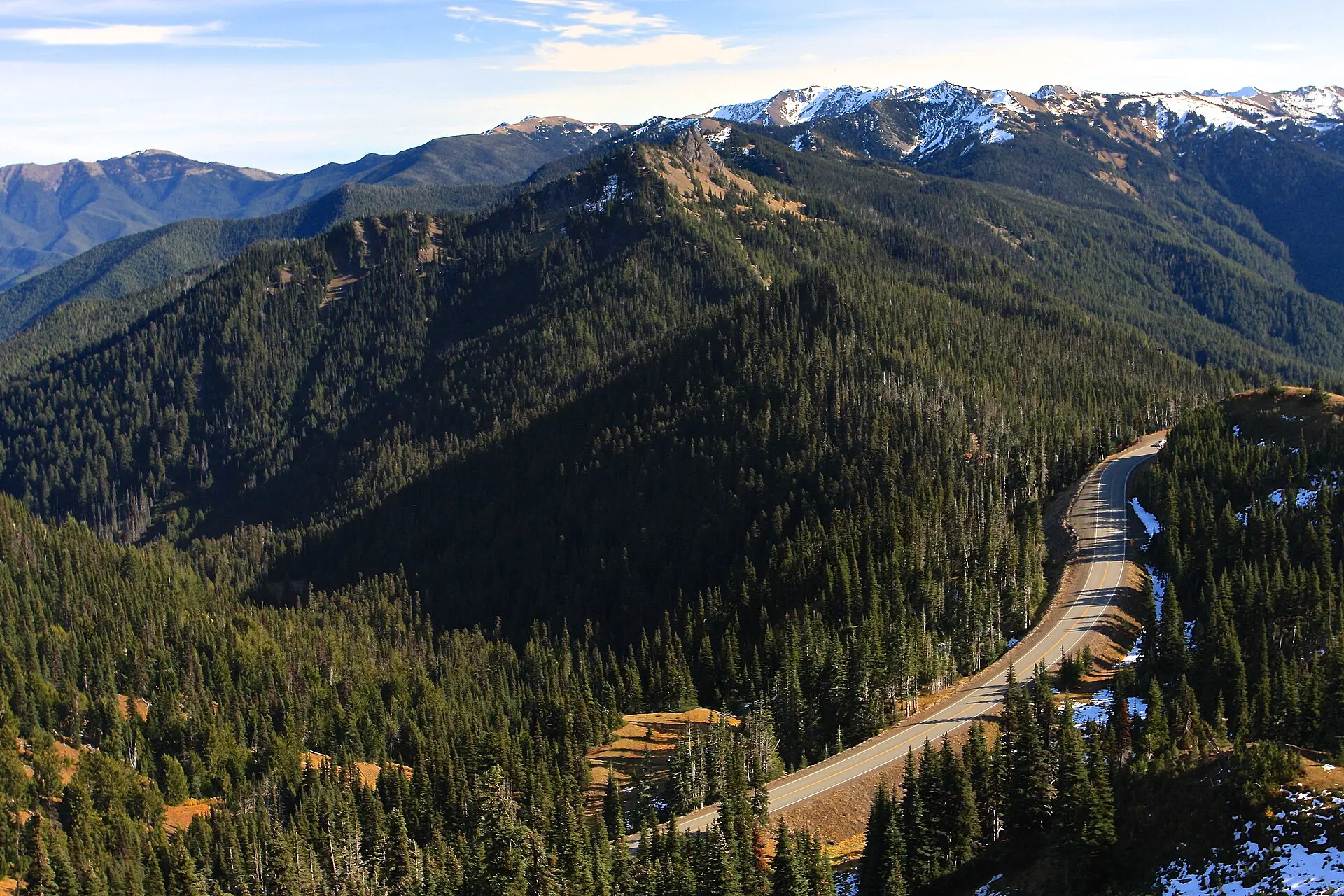
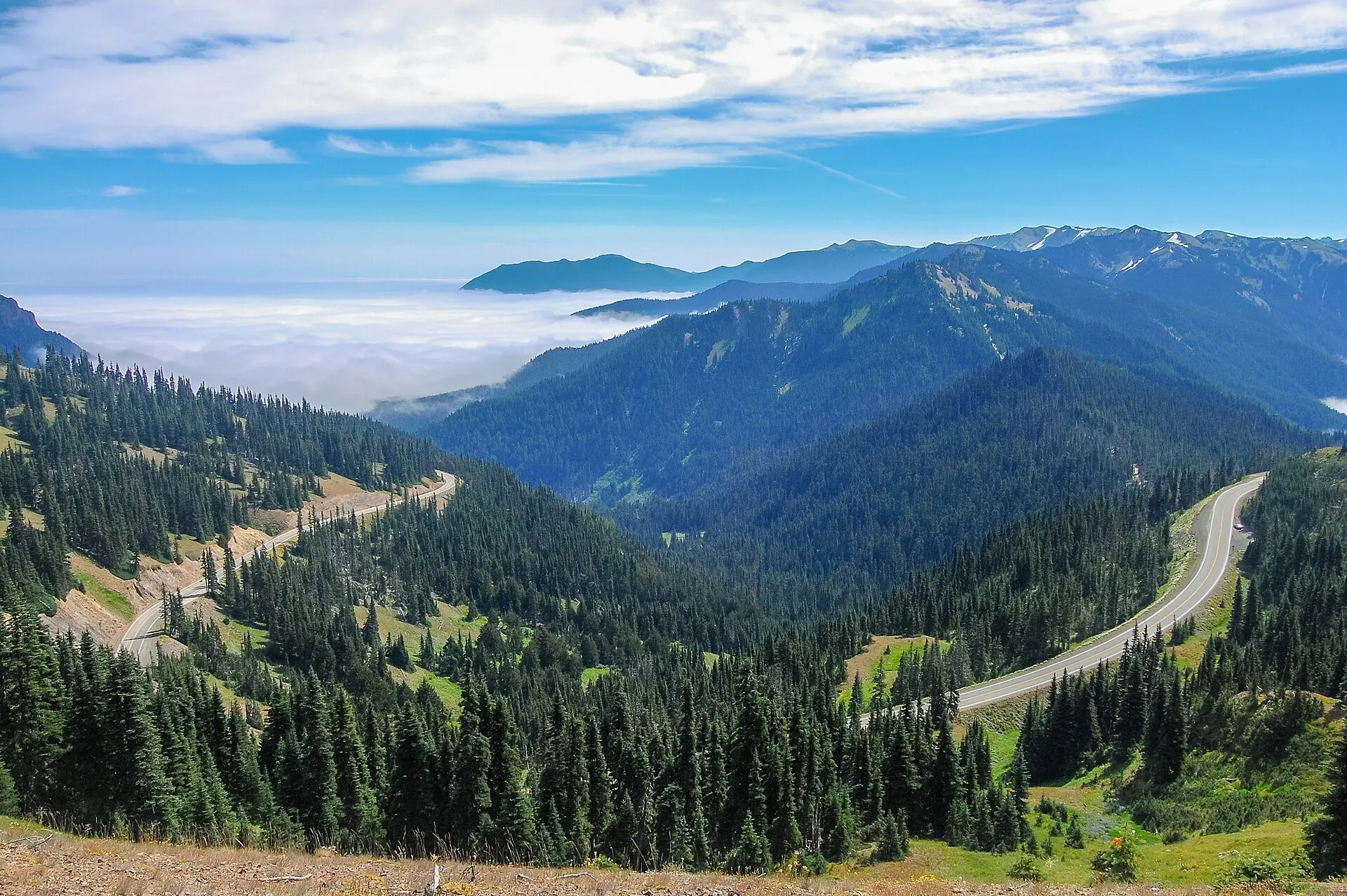
This is the only plan that works as a day from Seattle. Leave early, take the ferry, and reach Port Angeles by late morning. The ridge road climbs about 27 km to alpine meadows and views. It is a long day, about 6 hours of travel for 3 to 4 hours on site. Check the road status before leaving.
2. Two days: Lake Crescent and Sol Duc
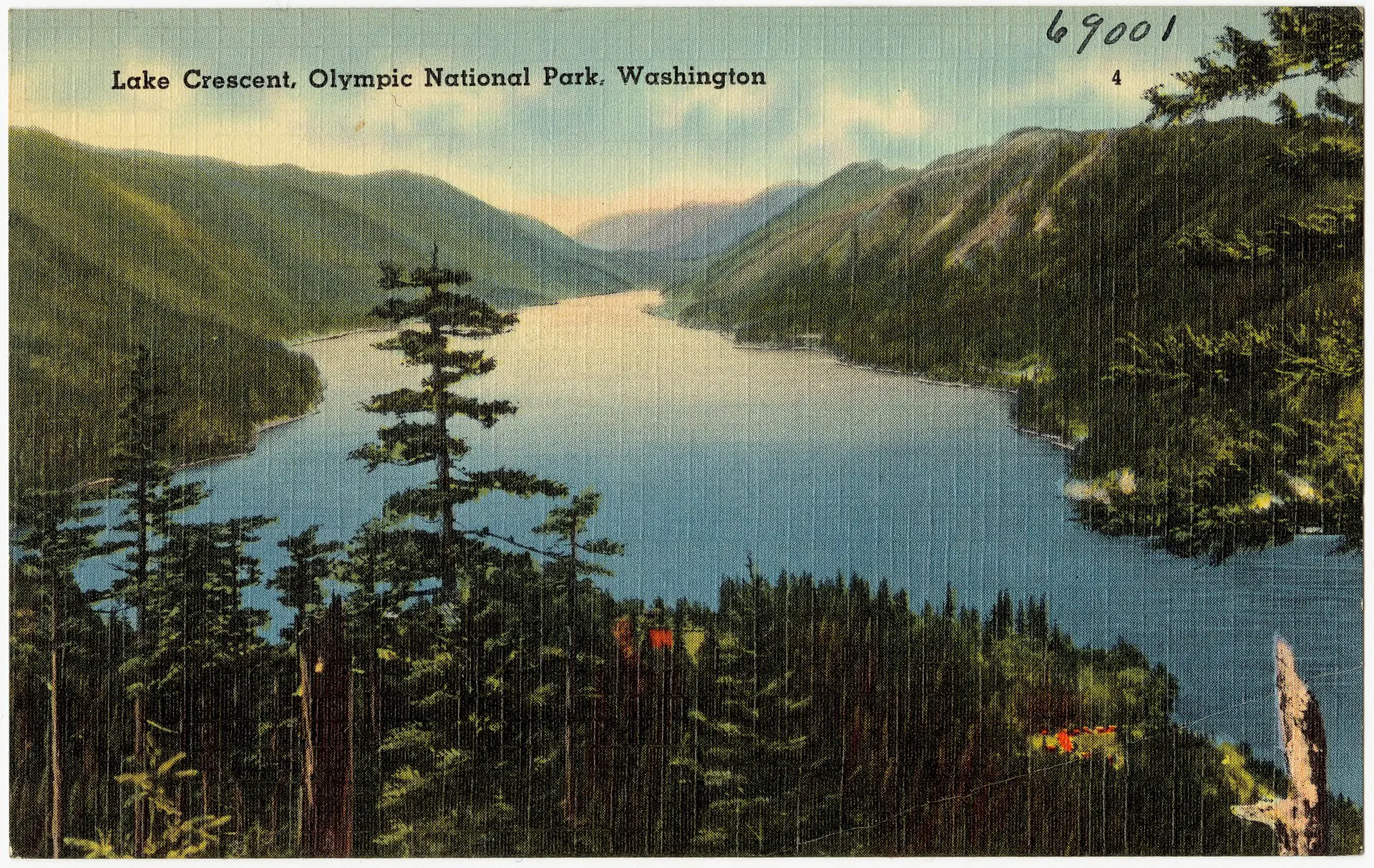
Lake Crescent lies about 30 km west of Port Angeles, and Sol Duc is a further 20 km or so up its own valley. Short walks lead to a waterfall and forest trails. Staying one night near the lake makes the route calm instead of rushed.
3. Three days: the Hoh Rain Forest
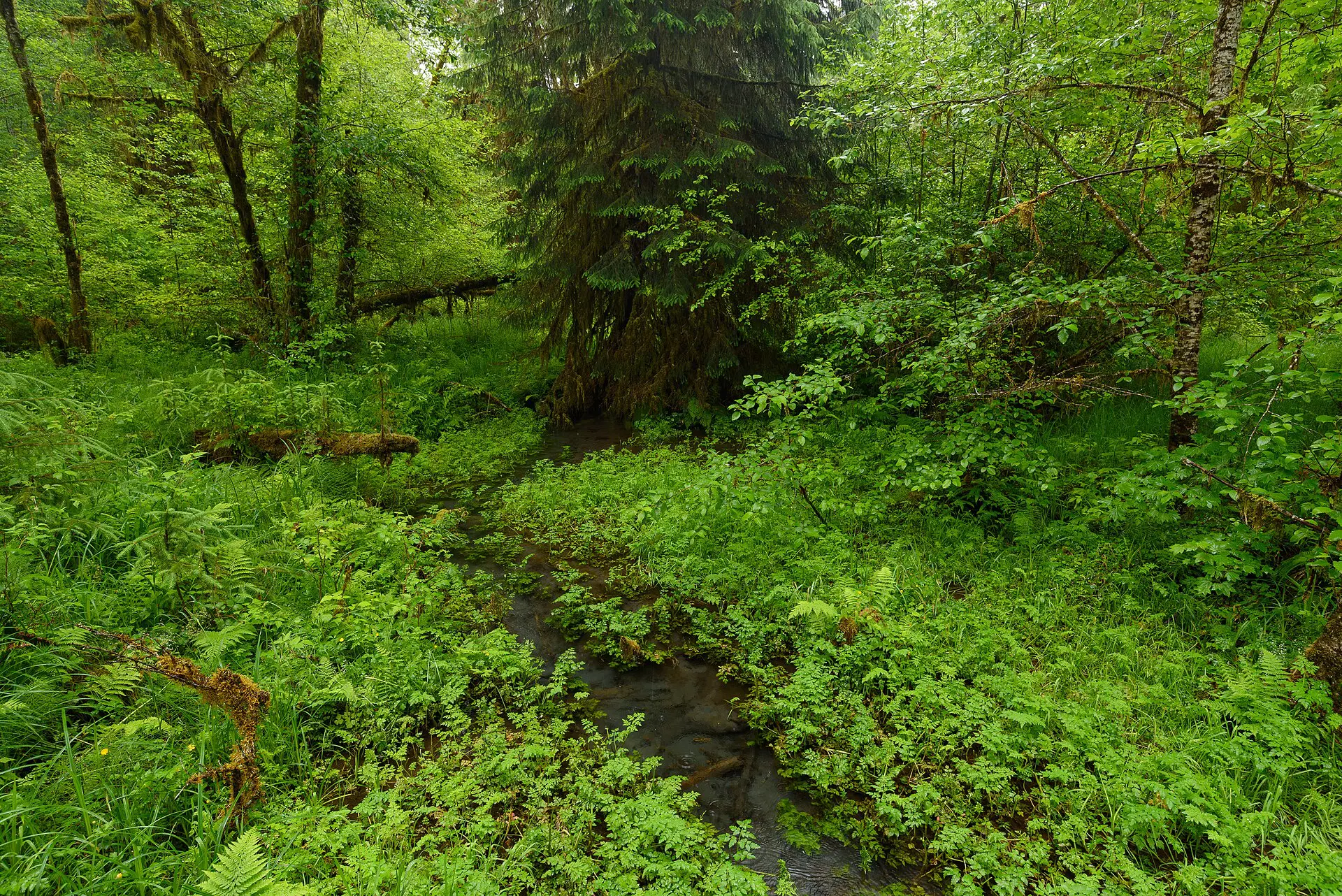
The Hoh is the wettest, most distant of the common stops. The park road ends in a visitor centre and short loops of mossy forest. Give it a full day and do not drive in late. For detail on the walks, see the Hoh Rain Forest guide.
4. The Pacific coast: Ruby Beach and Kalaloch
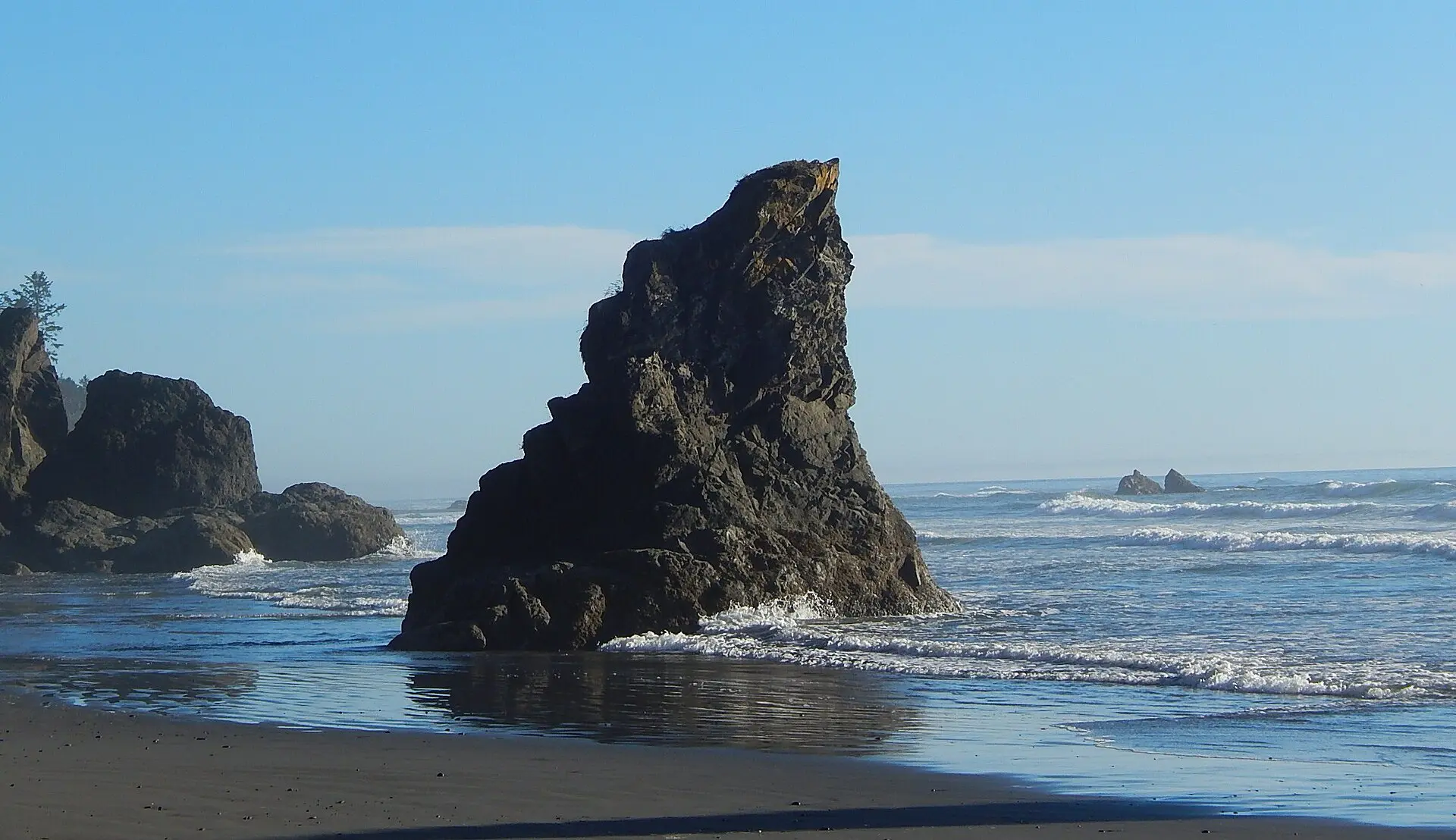
The coast is south of the Hoh turn-off along US-101. Walks reach driftwood and sea stacks. Tides decide access to some beaches, so check a tide table. Fog and wind are common, even in summer.
5. Without a car
Public transport can reach Port Angeles, and local buses run on the peninsula, but links to trailheads are limited and seasonal. If you cannot drive, base in Port Angeles and use a guided day trip or a rental for one day only. Verify schedules the week before.
6. Loop back via the east side
Return by the Hood Canal side to see the quieter eastern edge, with forest trails and river valleys. It is the slowest link, so use it only if you have a full second day. Fuel is limited on rural stretches; fill up in town.
Best time to visit Olympic National Park
- July to September: the driest, clearest window, and the most crowded. Hurricane Ridge road is open daily and ferry lines are longest.
- May, June and October: fewer people, changeable weather. Higher roads may have snow in spring.
- November to March: the rainforest is at its wettest. The Hurricane Ridge road is often limited in winter, with access depending on snow and staffing. Rivers can flood roads on the west side.
Weather on the coast and on the ridge can differ by 10 degrees and a full season. Pack for both: a waterproof shell, warm mid-layer and shoes that handle wet roots. Coastal and rainforest trails turn to mud after rain, and mobile signal is patchy across the peninsula, so download maps and ferry information before you leave Seattle.
Olympic National Park fallbacks for each plan
- Ferry line too long: if the queue exceeds your slack, drive via Tacoma instead.
- Hurricane Ridge closed: go to Lake Crescent, or walk a lowland trail near Port Angeles.
- Hoh road or trail shut by weather: go to the coast at Ruby Beach, or stay on the north side.
- Running late: drop the second stop. Driving after dark on rural, wet roads with wildlife is the worst trade.
Where to sleep near Olympic National Park
Base by the stop. Port Angeles has the most beds and food, so it suits the north side. Forks is the practical base for the Hoh and the west coast. Lodges and campgrounds inside the park fill early in summer; book as soon as dates are fixed. Rates vary by season, and some lodges close in winter. For the wider country, see the United States travel guide.
Skip Olympic National Park if
- You have only a single day and want the Hoh. It is too far; pick Hurricane Ridge or a different trip.
- You dislike long drives on winding roads.
- You plan a summer Friday or Sunday ferry with no slack in the schedule.
- You expect one park gate to cover everything. Each area has its own entry road.
For reference, see the Olympic National Park guide on Wikivoyage.
FAQ about Seattle to Olympic National Park
How far is Seattle from Olympic National Park?
Port Angeles, the northern gateway, is about 145 to 200 km by road depending on the route, and 2.5 to 3 hours with a ferry. The Hoh Rain Forest is about 4 to 5 hours from Seattle. Add buffers on busy days.
Should you take the ferry or drive around?
The ferry is usually quicker and pleasant, but it brings queues in summer and on weekends. Driving via Tacoma has no sailing and roughly similar time, with traffic risk. Check ferry status before you leave, and keep the other route in reserve.
Can you visit Olympic National Park in one day from Seattle?
Yes, but only one area. Hurricane Ridge fits a long day. The Hoh Rain Forest and the coast need an overnight. Trying to cover several areas in a day mostly means sitting in the car.
Do you need a car?
Yes, for almost every plan. Buses reach Port Angeles and some towns, but trailheads are far apart and services are limited. If you cannot drive, base in Port Angeles and book a guided trip, and check timetables.
When is the best time to go?
July to September is the driest and clearest, but busiest. May, June and October are quieter with more rain. Winter suits the rainforest but limits the high roads. Check road conditions before any trip.