The Olympic National Park Hoh Rain Forest is a 30 km spur off US-101 on the park’s wet west side, ending at a visitor centre and two short loops, the Hall of Mosses and the Spruce Nature Trail. Most people see it in 2 to 3 hours. It is remote: from Seattle expect roughly 4.5 to 5 hours of driving each way, no fuel past the highway and thin phone signal. Go with a full tank, rain gear and a plan for the return.
Getting to Olympic National Park
There is no public transport to the Hoh. You drive. From Seattle, take a ferry across Puget Sound or drive around via Olympia, then continue west on US-101 past Forks. From Port Angeles the drive is about 2 hours. The turn-off is south of Forks, and the Upper Hoh Road runs roughly 30 km to the end, passing farms, then forest.
The ferry adds a fare and queue time. Check the schedule and expect delays on summer weekends. Fuel up in Forks or Port Angeles; there is no station beyond the highway turn-off. The park charges an entrance fee, around 30 USD per vehicle for several days as of 2026, or an annual pass can be used. Check the Wikivoyage Olympic National Park guide for gateway towns and road conditions.
What it is like there
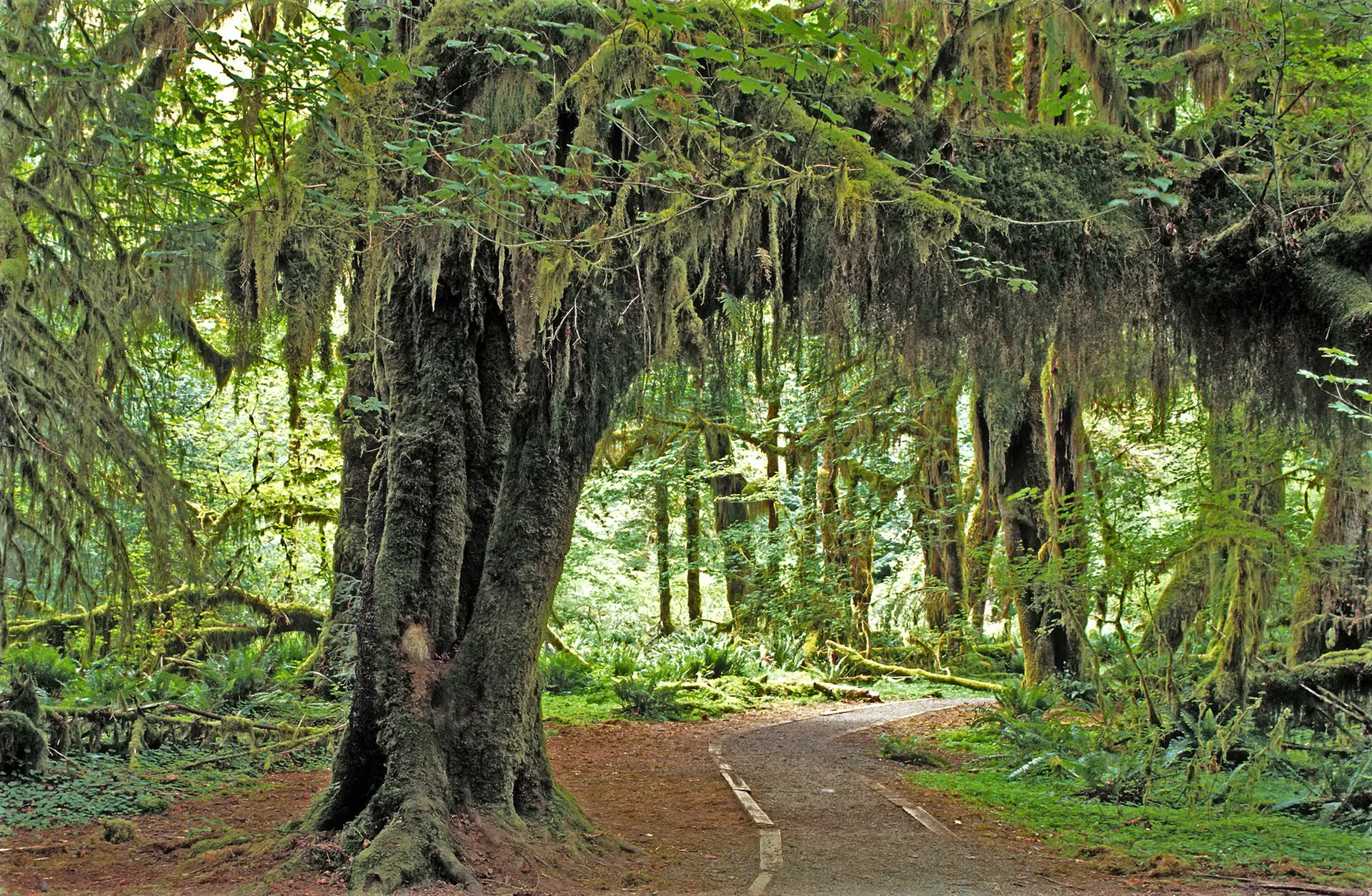
This is a temperate rain forest. Annual rainfall reaches about 3.5 m, and it feels it: moss hangs from bigleaf maples, ferns cover the ground and Sitka spruce and western hemlock grow very large. The paths are flat, well kept and short, which is why the area is so busy. Light is dim even at noon.
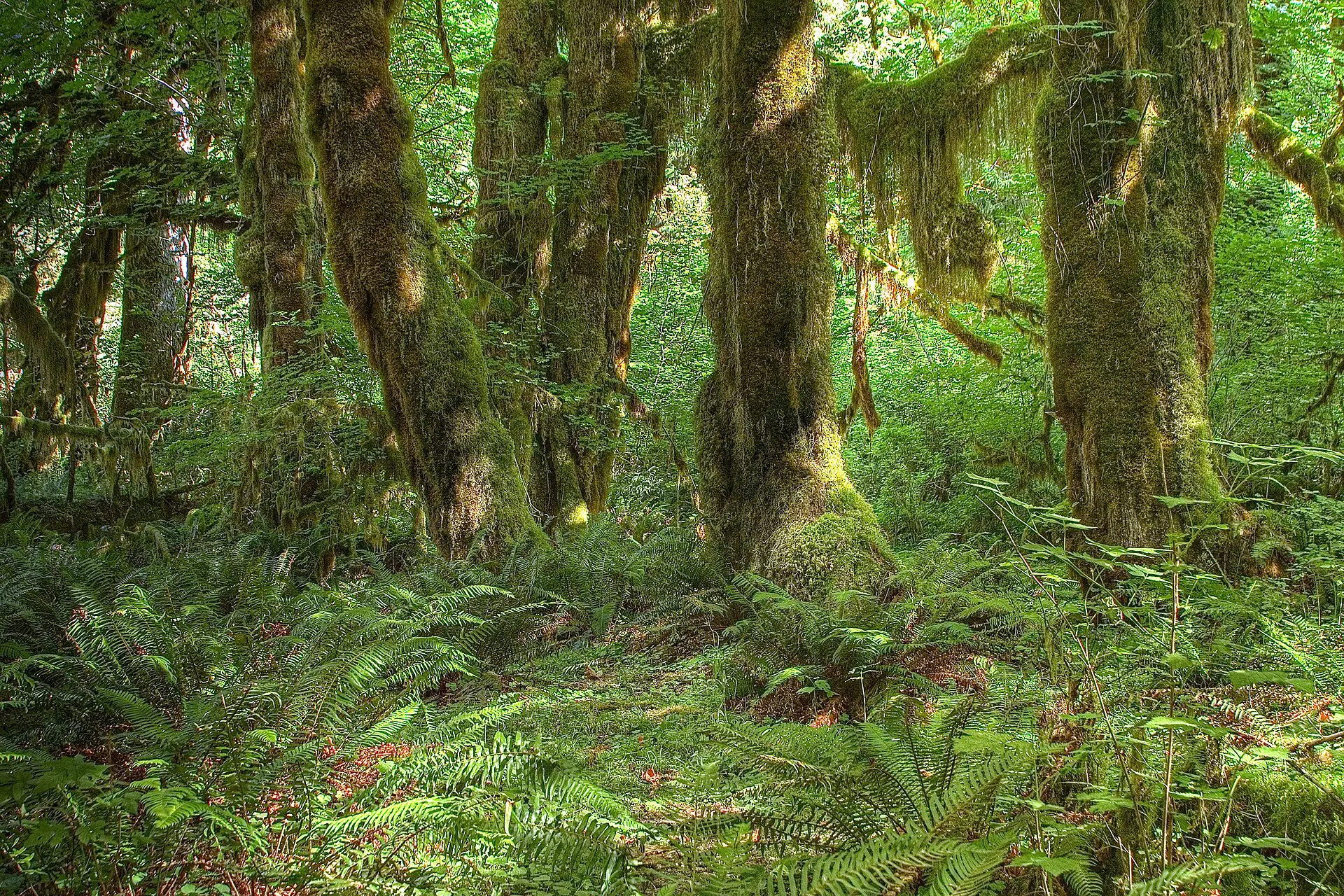
The visitor centre has toilets, basic information and a campground nearby, but no shop and no reliable cell coverage. Summer afternoons see full car parks. Elk, black bears and, rarely, cougars live here. Flooding and storms can close the road without notice. More on the ecosystem is on Wikipedia’s Hoh Rainforest page.
Best time to go
July to September is the driest period and the best weather. It is also the busiest. Arrive before 10 am or after 4 pm to find parking. May and June are quieter with lush green, though rain is likely. Winter is wet, dark and windy; storms can bring down trees and close the road, but elk are often near the trail. Autumn rain brings colour from the maples and salmon in the river, with fewer visitors.
What to do and see
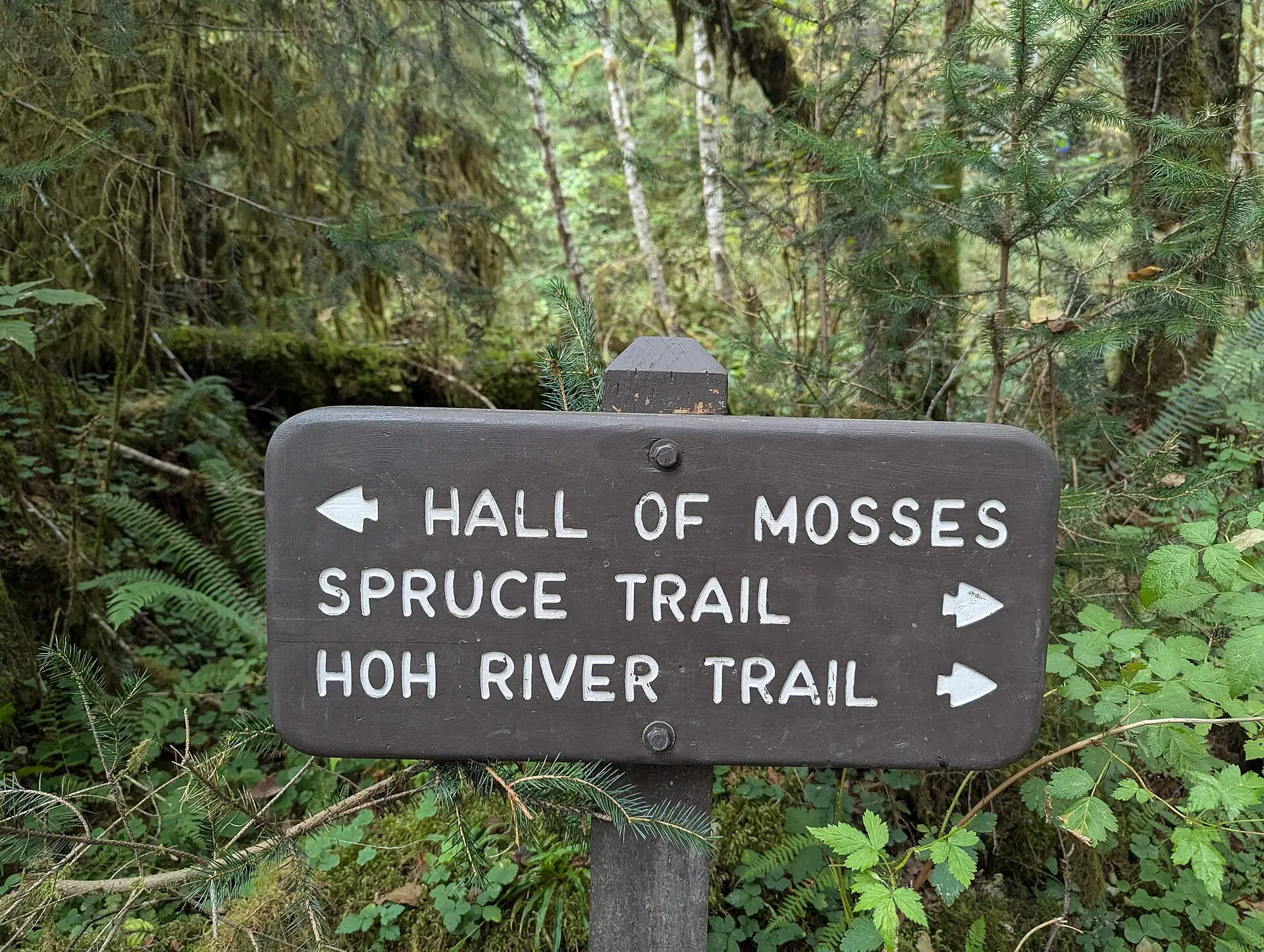
1. Walk the Hall of Mosses
A loop of about 1.3 km, with a few gentle rises. Mossy maples form a corridor of green, and the trail is wide and mostly level. Allow 30 to 45 minutes. It is the most crowded part of the park, so go early. Stay on the path; the ground cover is fragile and root zones are easy to damage. Suitable for most abilities.
2. Walk the Spruce Nature Trail
A loop of about 2 km that passes old spruces, a river channel and quiet side creeks. It is less busy than the Hall of Mosses, and the two together take about 1.5 hours. Boardwalks cross wet ground. If you are short of time, pick this trail over the Hall for fewer crowds and better chance of seeing wildlife.
3. Hike the Hoh River Trail to Five Mile Island
This is an easy, mostly flat path of roughly 8 km one way, with the river on one side and tall forest on the other. A round trip is 4 to 5 hours with stops. Gravel bars give views toward the mountains. Wildlife sightings are possible, so keep your distance from elk. Skip it if rain is heavy; the river can rise fast.
4. Go further up the Hoh River Trail
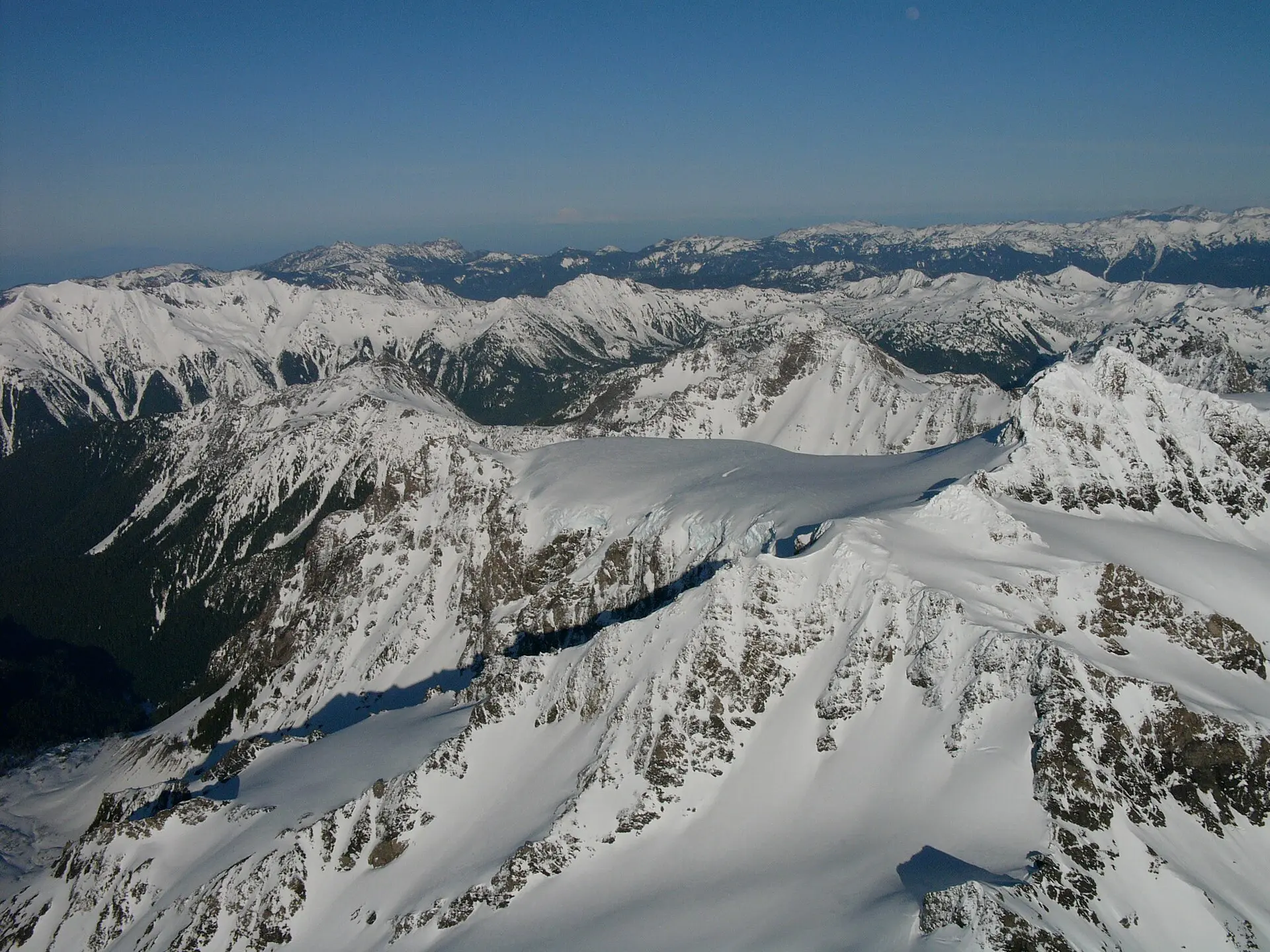
The trail continues about 28 km to Glacier Meadows and the Blue Glacier base area on Mount Olympus. This is a multi-day trip with a wilderness permit, river crossings and a steep final climb. Do not treat it as a day hike. Check current permit rules, bear canister requirements and bridge conditions with a ranger before committing. Turn around if rivers rise.
5. Spot Roosevelt elk
The valley holds one of the largest herds of Roosevelt elk. They are most often seen early and late in the day near meadows and the river. Stay at least 25 m away; cows with calves and bulls in autumn can be aggressive. Never feed them. If an animal is on the trail, wait or turn back rather than trying to pass.
6. Visit the Hoh visitor centre
Staffed seasonally, it has maps, exhibits and information on conditions and closures. Opening hours vary through the year, so check before you rely on them. Rangers can tell you which trails are flooded or blocked. A useful stop if the weather has been bad, and your best source of up-to-date information since your phone will not work.
7. Walk Ruby Beach on the coast
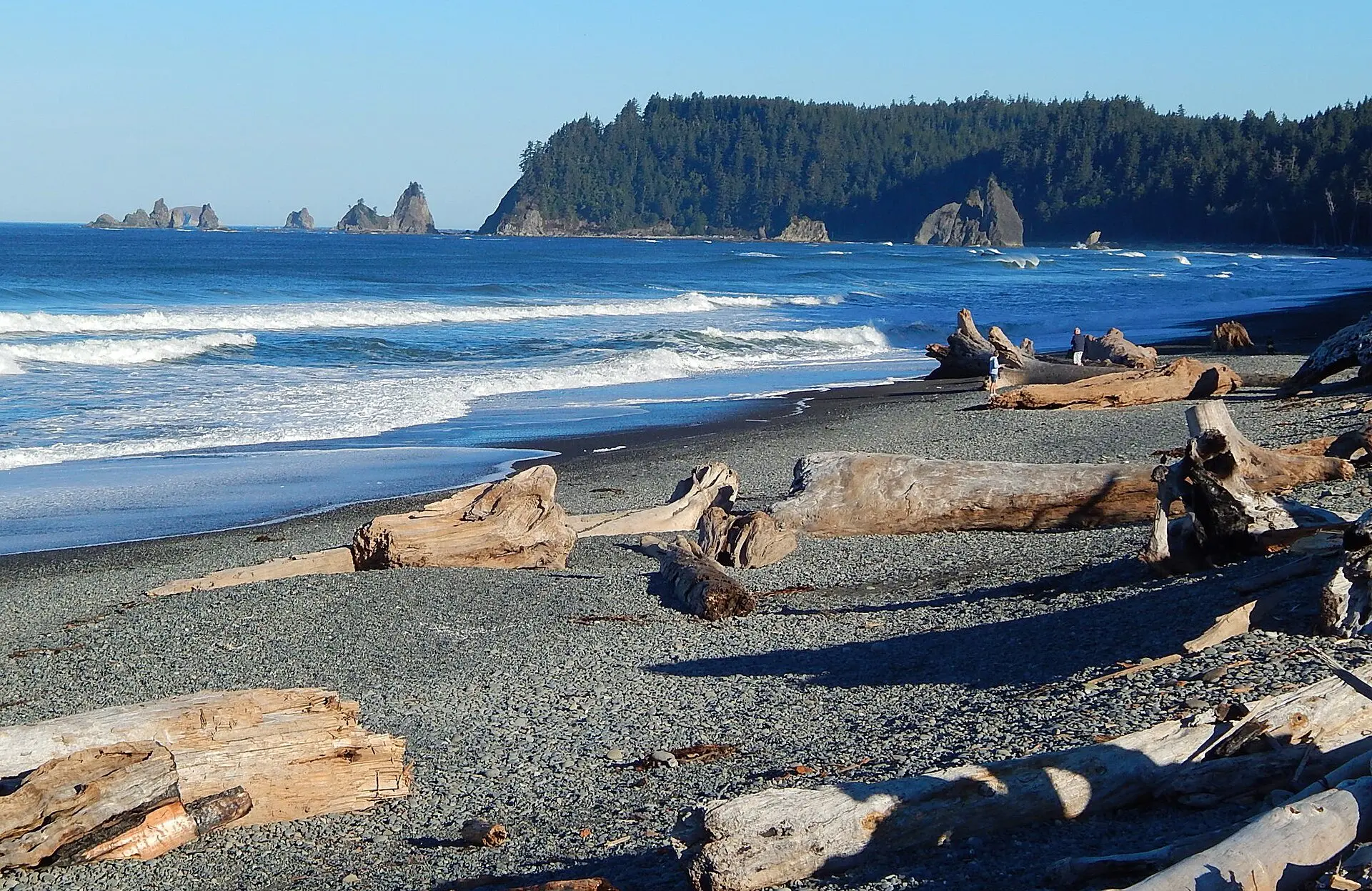
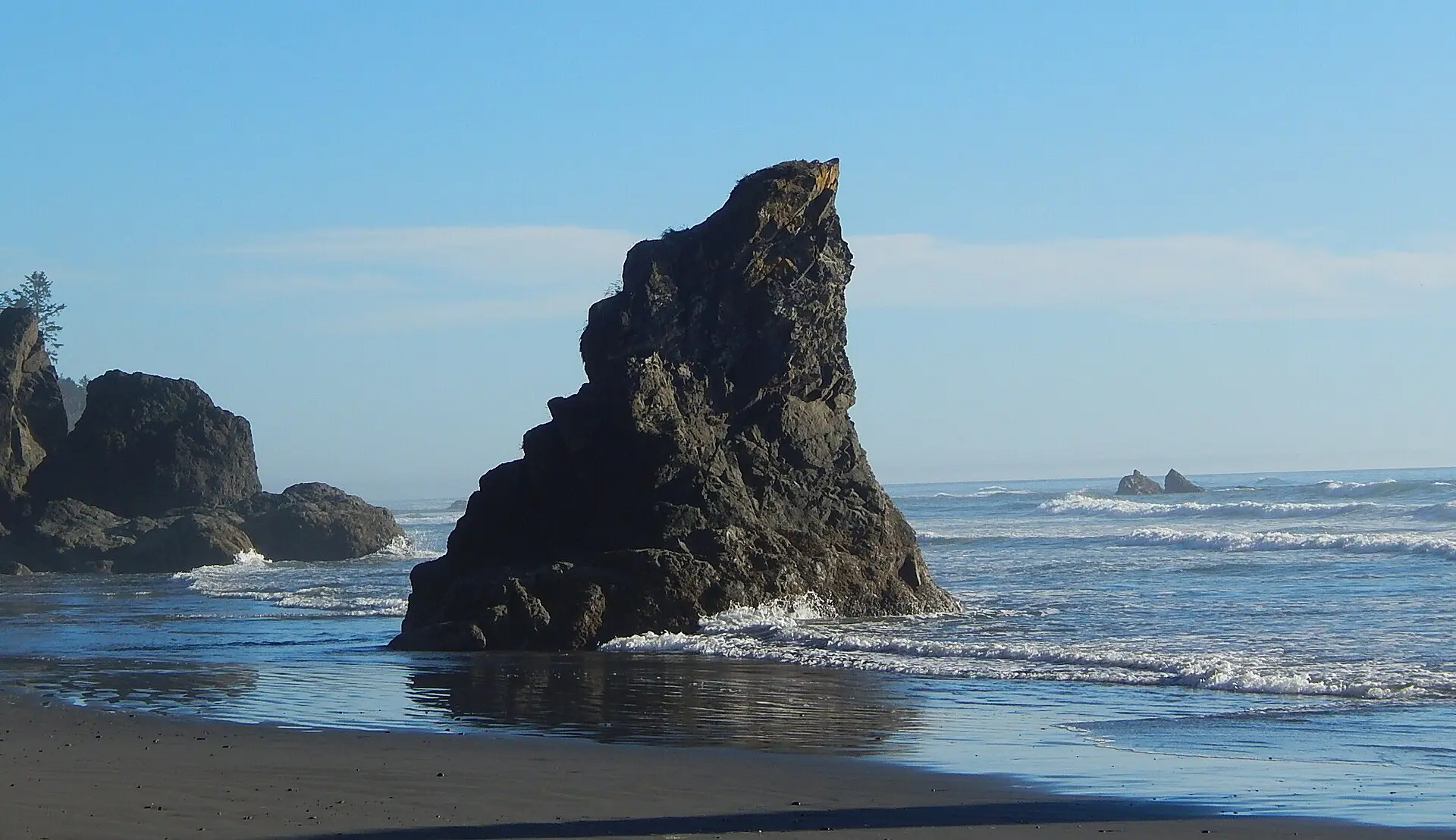
Ruby Beach is about 45 minutes to an hour from the Hoh road end, on the park’s wild Pacific coast. It has driftwood, sea stacks and tide pools. Check the tide table before you go: beach walks cut off at high tide and logs can roll in surf. Do not turn your back to the sea. It is a good wet-weather contrast, because the coast is often clearer than the forest.
8. Visit Rialto Beach and Hole in the Wall
Rialto Beach is north of Forks, about an hour away. A walk of about 2.5 km along the shore leads to a sea arch known as Hole in the Wall, reached only at low tide. Check tide times and allow margin. Driftwood piles are heavy and move in surf. It makes a long day combined with the Hoh, so treat it as a separate trip if time is short.
9. Camp at Hoh Campground
A basic campground near the visitor centre with road access, water and toilets, open most of the year. It fills in summer, so arrive early or check booking rules. Nights are damp and cool even in August. Store food in your vehicle or in the provided boxes. A good base if you want the forest at dawn without a long drive.
10. Take the Mount Tom Creek or Hoh river short walks
Beyond the main loops, short spurs reach the river bank and quieter creeks. They add distance without adding difficulty and are a good place to see the forest with fewer people. Stay on marked paths, and keep clear of undercut river banks, where soil can collapse. Treat them as extras once the two main loops are done.
Safety, rules and practical tips
- Fill the tank before leaving the highway. Do not rely on phone navigation; download offline maps.
- Wear waterproof shoes and a rain jacket. Cotton clothing stays wet and cold.
- Rivers can change quickly after heavy rain. Do not cross swollen streams.
- Keep 25 m from elk and 100 m from bears. Store food properly.
- Stay on trails to protect moss and tree roots. Pack out all rubbish.
- Do not leave valuables visible in parked cars; break-ins occur at some trailheads.
- Check the park website for road closures before the drive.
Nearby alternatives
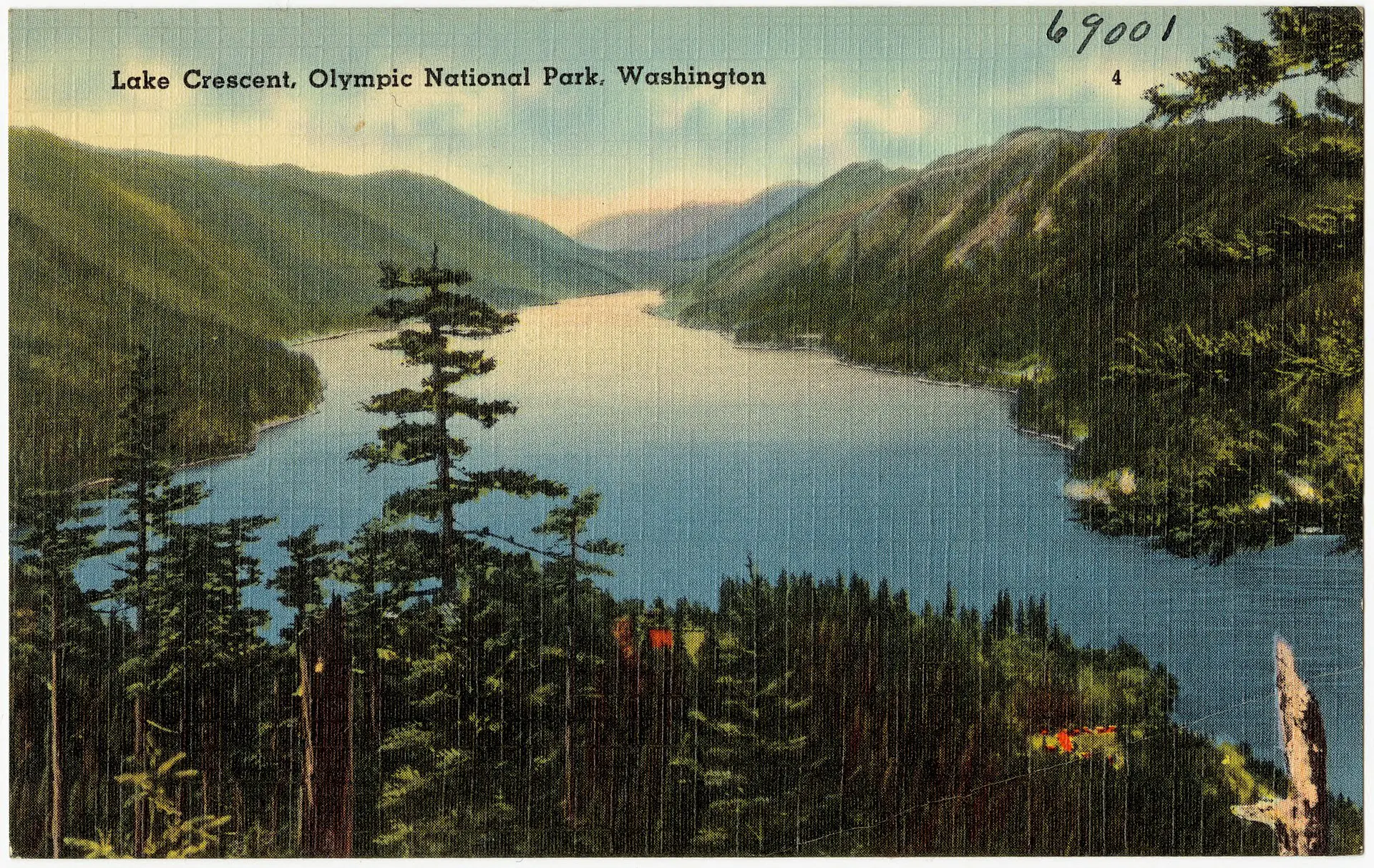
If the Hoh road is closed or full, skip the Olympic National Park Hoh Rain Forest for the day and try the Quinault Rain Forest on the south side of the park, which has a loop road and short trails. Lake Crescent and Sol Duc are on the north side, with lake walks and a waterfall trail. Hurricane Ridge gives alpine views on clear days but depends on weather and road status. Check conditions at each before you commit to the drive.
Costs
A visit to the Olympic National Park Hoh Rain Forest has three main costs: fuel, ferry fares and park entry. Park entry is around 30 USD per vehicle as of 2026, and national park passes cover it. Camping at park campgrounds is roughly 20 to 30 USD per night. Motels in Forks and Port Angeles vary by season and rise in summer. Food options are limited near the Hoh, so bring a packed lunch. A day trip from Seattle runs roughly 100 to 200 USD per car all in.
FAQ
How long do you need at the Hoh Rain Forest?
For the Olympic National Park Hoh Rain Forest, two to three hours covers the visitor centre and both short loops. Add 4 to 5 hours if you hike to Five Mile Island. Allow extra for the long drive in and out, which takes about an hour each way from the highway.
Can you visit the Hoh Rain Forest as a day trip from Seattle?
You can, but it is long: roughly 9 to 10 hours of driving round trip, plus time on the trails. Staying a night in Forks or Port Angeles is safer and more relaxed, especially in winter, when daylight is short.
Is the Hoh Rain Forest open in winter?
The road and the main trails usually stay open, but storms and flooding can close sections. Check the park website before you go. Winter is wet and dark by late afternoon, so start early and carry a headlamp.
What should I wear in the Hoh Rain Forest?
Wear waterproof shoes, a rain jacket and synthetic layers. Carry a hat, gloves in cooler months and a dry change in the car. Bring water and snacks, because nothing is sold beyond the highway.
Do I need a reservation for the Hoh Rain Forest?
Day visits normally do not need a reservation, but rules can change, so check the park website. Overnight wilderness trips need a permit, and some campgrounds take bookings. Arrive early on summer weekends to secure parking.