The museums in Mexico City are among the densest in the Americas, and two days is enough for the core: the National Museum of Anthropology, the Palacio de Bellas Artes and the Zócalo district. Add a third morning for the Frida Kahlo Museum in Coyoacán. If you only have one day, do Anthropology in the morning and Bellas Artes with the Centro Histórico in the afternoon. Many museums close on Mondays, so build the trip around that gap.
How to use your days in Mexico City
The city sits at about 2,240 metres, spreads across 16 boroughs and has real traffic. Group museums by district and do not zigzag. Chapultepec Park holds several major museums in one green block. The Centro Histórico packs the Zócalo, Templo Mayor and Bellas Artes within walking distance. Coyoacán is a separate trip, south of the centre.
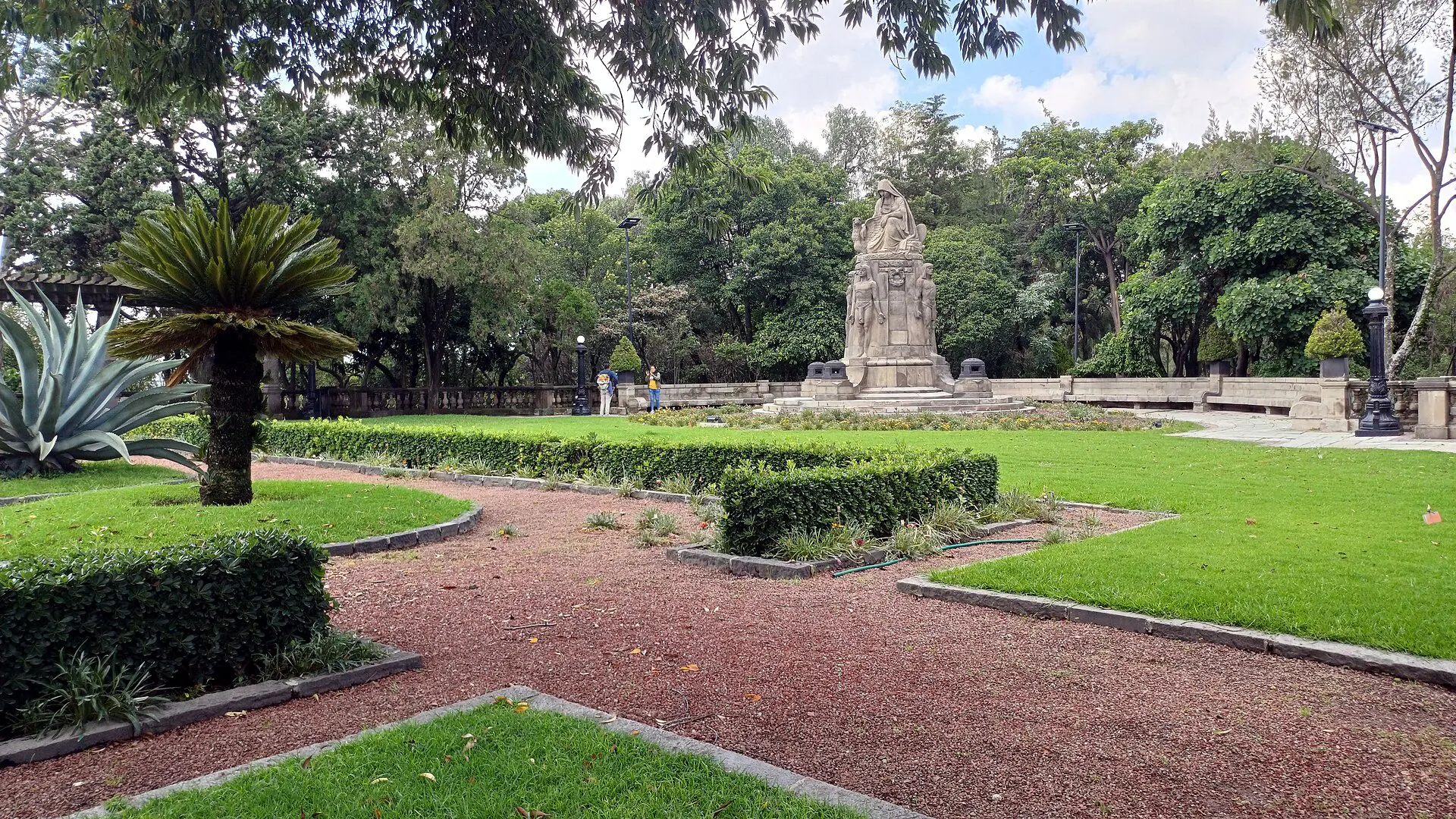
Anchor plus street works well here: a large museum in the morning, then a market or plaza lunch before a second stop. Pace yourself on day one, as altitude and long galleries tire you faster than expected. For background, the Mexico City guide covers the rest of the city, and the Mexico travel guide covers the country.
Time-blocked plan for the museums in Mexico City
Six blocks across three days, with the first two as the core for a two-day trip. Opening hours and prices change, so confirm each museum’s current schedule before you go.
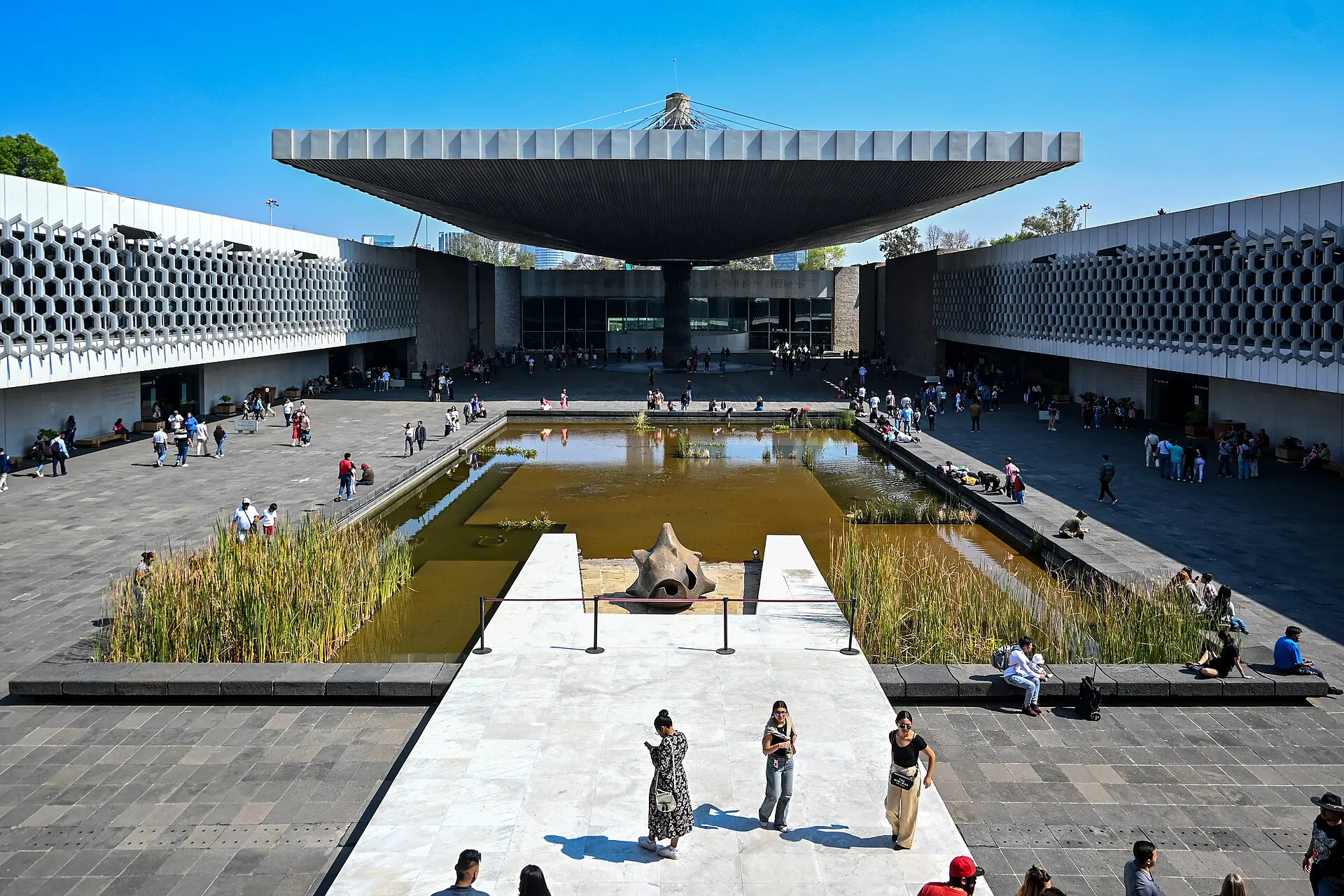
1. Day 1 morning: National Museum of Anthropology
The anchor. Its halls cover the pre-Hispanic cultures of Mexico, from the Olmec to the Mexica, around a large central courtyard. Go on a weekday at opening, head for the Mexica room with the Sun Stone first, then work outward. Allow three hours and do not try for every hall. It is normally closed on Mondays. Chapultepec Park is the setting, so walk out through the trees for a break afterwards.
2. Day 1 afternoon: Chapultepec Castle or Museo Tamayo
Two good options, both inside or beside the park. The castle holds the National Museum of History, with period rooms and long views across the city from the terraces. The Museo Tamayo is the contemporary choice, in a modern building facing the park. Pick one, not both, and allow 90 minutes. Check closing days before walking uphill to the castle, since it is a climb.
3. Day 2 morning: Templo Mayor and the Zócalo
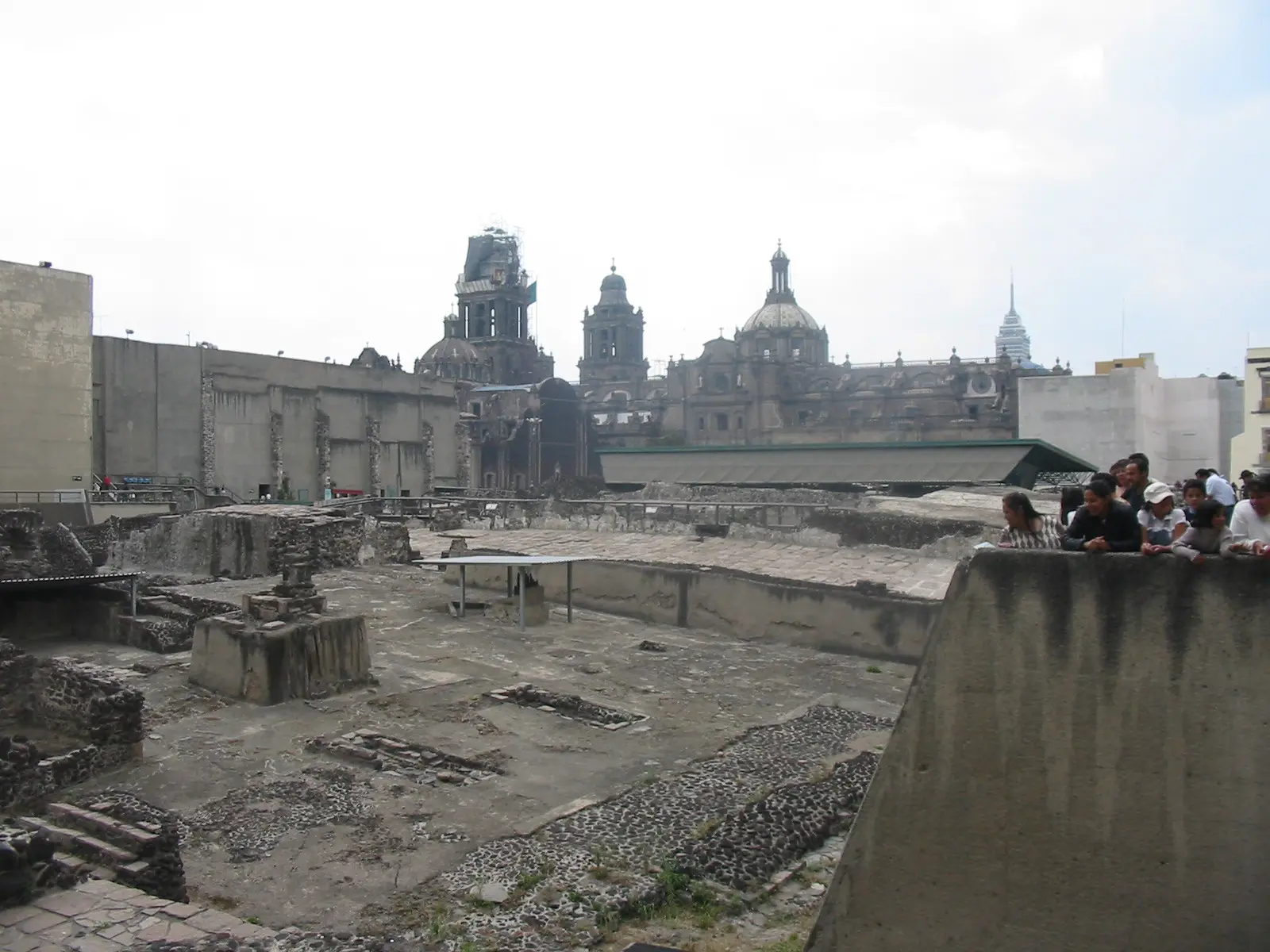
The Templo Mayor was the main temple of Tenochtitlan, and its excavated ruins and museum sit beside the cathedral, one block from the Zócalo. This is the best place to see how the Mexica city lies beneath the Spanish one. Allow two hours. Go early, since tour groups arrive by late morning, and check the weekly closing day, which is commonly Monday. Then cross the square for a walk through the Centro Histórico.
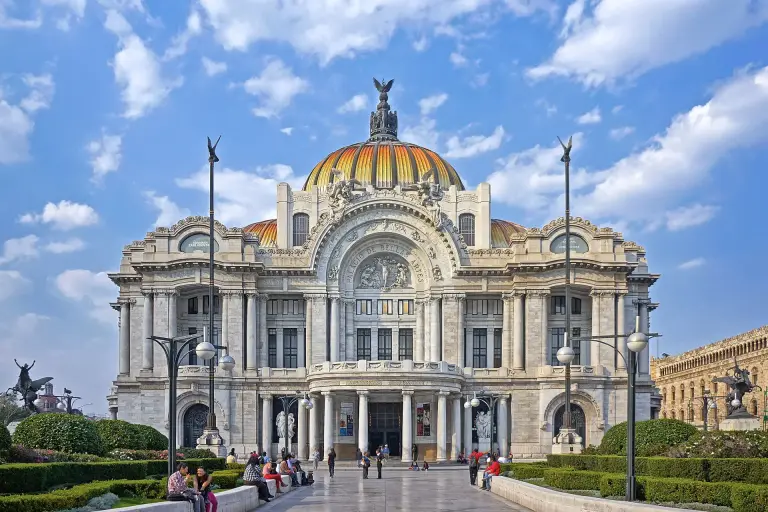
4. Day 2 afternoon: Palacio de Bellas Artes and Diego Rivera murals
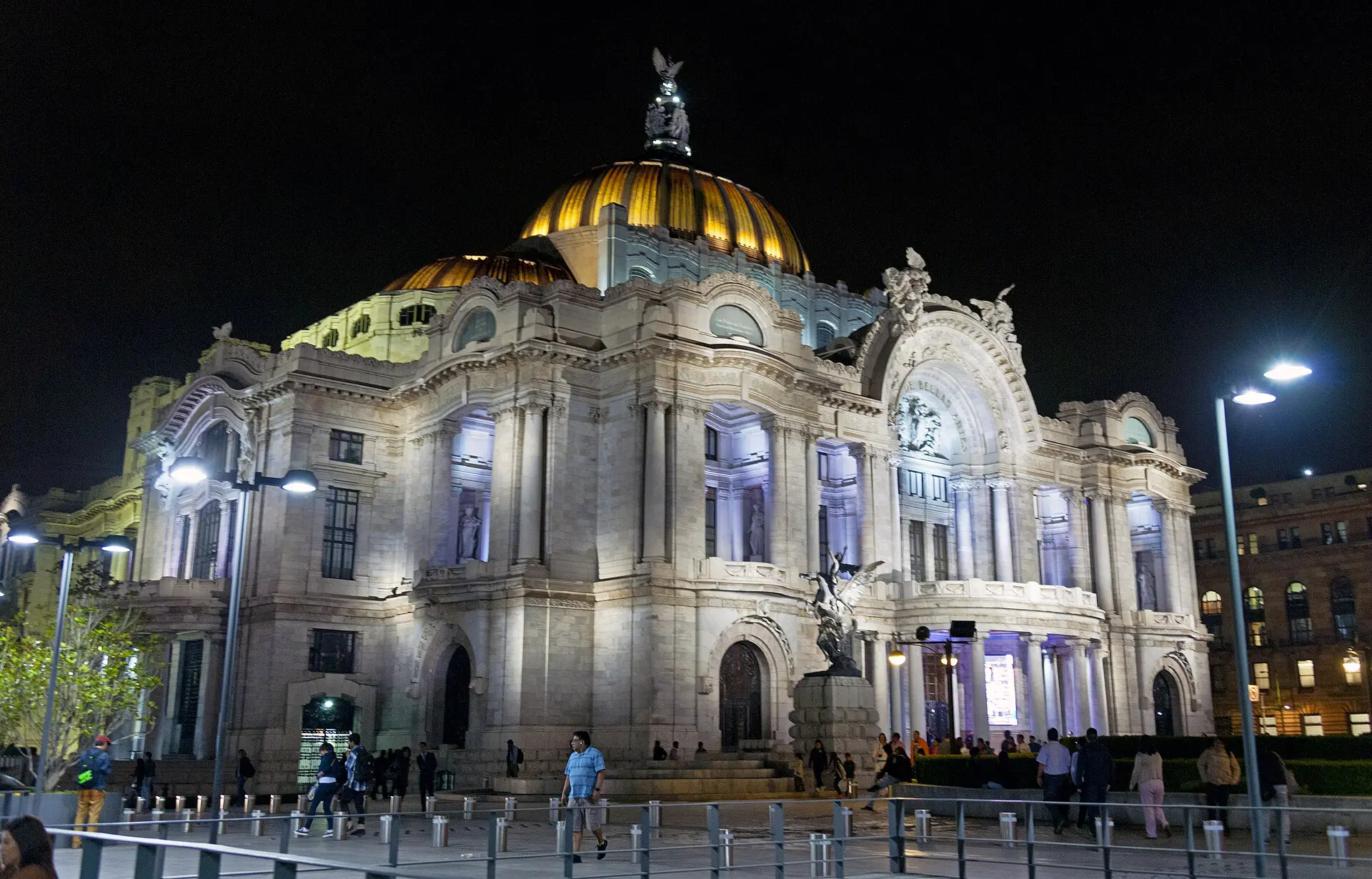
The Palacio de Bellas Artes is a marble landmark with large murals by Rivera, Orozco and Siqueiros on its upper floors. Allow 90 minutes, and check whether the Rivera mural room is open on the day. A short walk away, the Alameda Central park has benches and a good cup of coffee. The Museo Mural Diego Rivera on the park houses Rivera’s Alameda Park mural, and takes 30 to 45 minutes.
5. Day 3 morning: Frida Kahlo Museum and Coyoacán
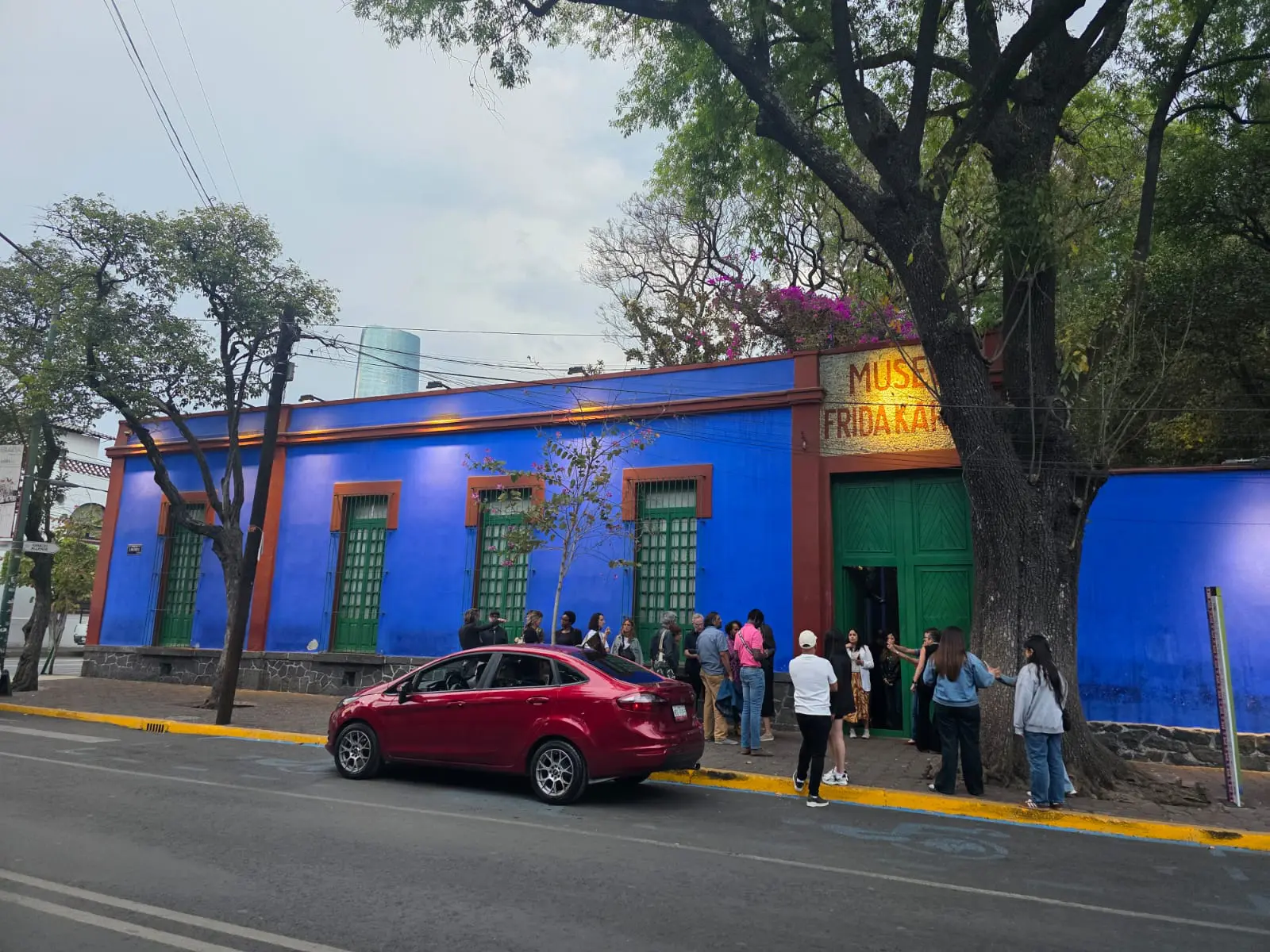
The Casa Azul is small and popular, and it sells out. Book a timed ticket online well ahead, then arrive at your slot. Allow about 90 minutes. It is usually closed on Mondays. Afterwards, walk to Coyoacán’s central plazas and the covered Mercado de Coyoacán for lunch, which keeps the day efficient. Coyoacán is leafy and slower than the centre, so keep the afternoon loose.
The Frida Kahlo Museum has strict bag and camera rules, and the line for walk-up tickets, when there is one, can run to an hour or more, which is why booking ahead is the efficient choice.
6. Day 3 afternoon: Soumaya, Jumex or MUAC
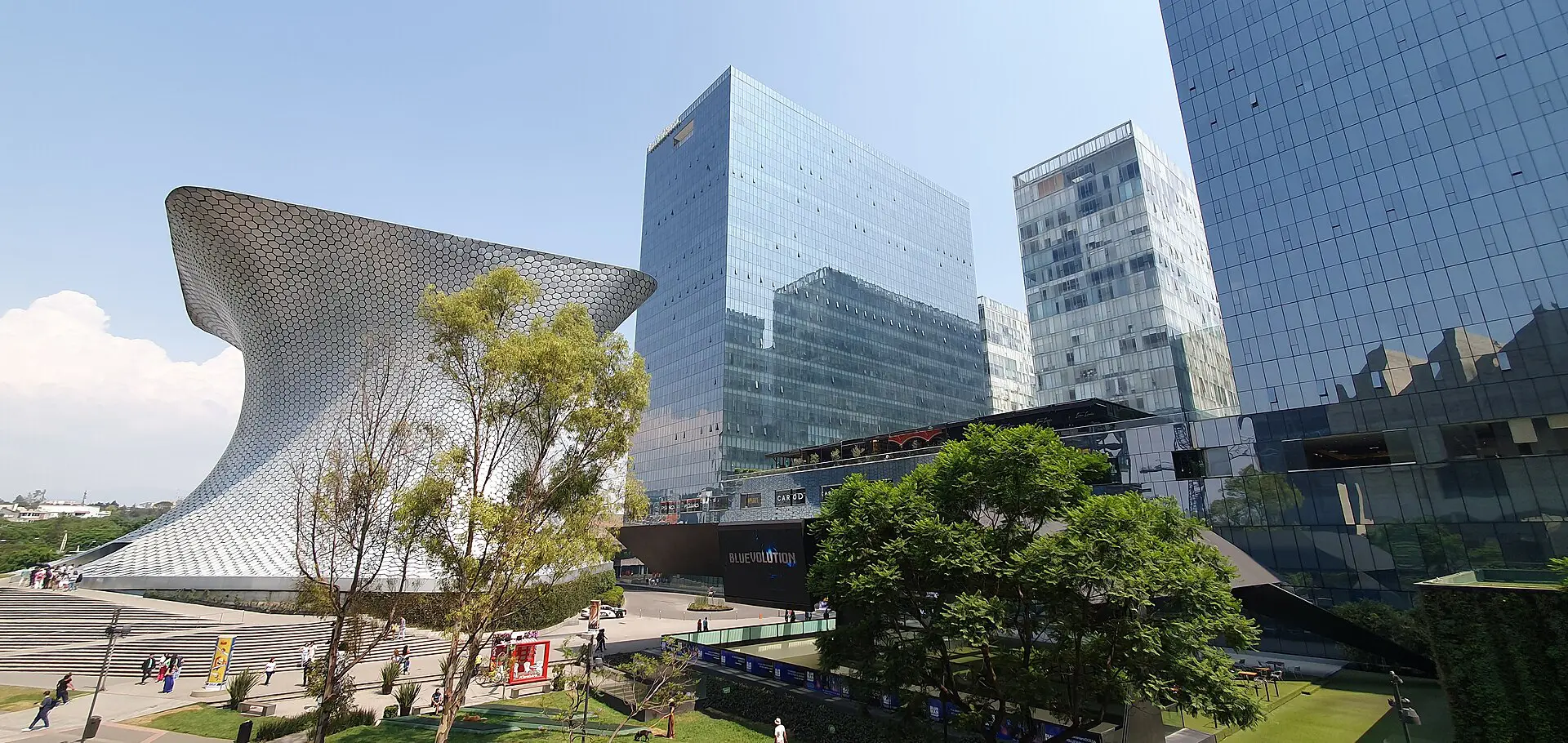
Plaza Carso, in the Polanco area, houses the Museo Soumaya, a private collection that has offered free entry (check current terms), and the Museo Jumex, a contemporary art space, nearby. If you prefer university architecture, MUAC at the UNAM campus in the south is the modern art choice. Pick one by interest and check each museum’s opening days.
Soumaya’s gallery rooms spiral up through the building, so take the lift to the top and walk down, which saves your legs and avoids doubling back. Polanco has good places to sit and eat afterwards, and the area is easy to reach by Metrobús or ride-hailing.
Opening patterns for museums in Mexico City
Most large museums run roughly 9am or 10am to 5pm or 6pm, with the last entry an hour or so before closing. Monday is the common closing day, which is why the first block of the plan sits on a weekday that is not Monday. Public holidays, long weekends and the rainy season (roughly June to September, with storms most afternoons) change how crowded the city is. Do the outdoor parts in the morning and keep the afternoon for galleries.
Queue avoidance for Mexico City museums
- Weekdays at opening are best for Anthropology and Templo Mayor.
- Sunday is the day when many museums offer free entry to Mexican citizens and residents, which fills them with local families. Visitors from abroad usually still pay, and the crowd is thick, so avoid it for the big sites.
- Book the Frida Kahlo Museum days or weeks ahead, depending on the season.
- Check Monday closures before you plan the first day.
- Use a small bag. Large bags and backpacks often go to the cloakroom.
Getting around between Mexico City’s museums
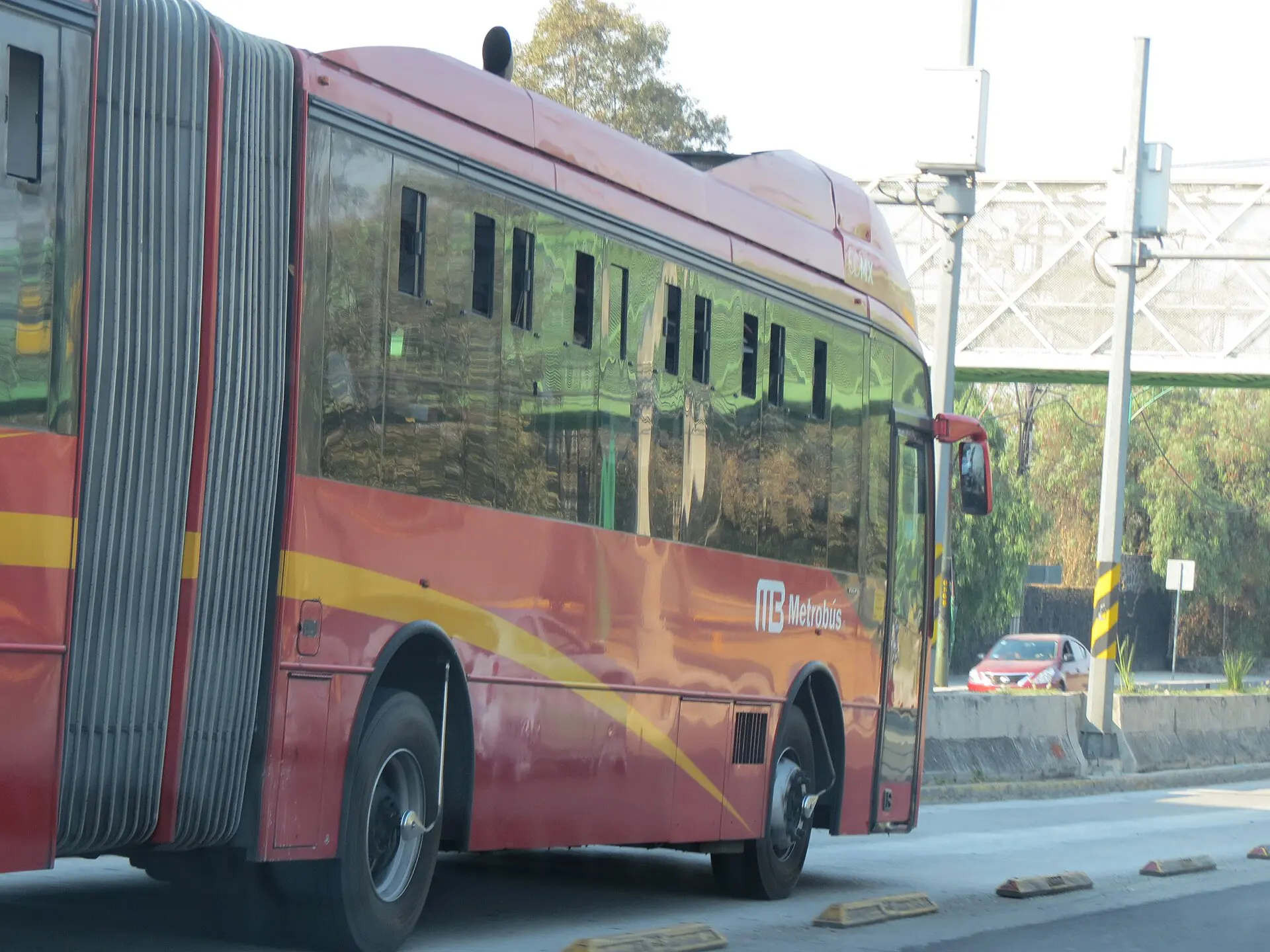
The Metro is fast and cheap but crowded at rush hours, so avoid it with luggage. Metrobús lines cover the main avenues, and ride-hailing is practical for the longer hops, especially from the centre to Coyoacán. Walking works inside the Centro Histórico and in Chapultepec. Plan each day as one cluster and avoid cross-city transfers at about 8am and 6pm, when traffic is heaviest. At altitude, take water and a hat on sunny days.
Where to stay in Mexico City for museums
For the best neighbourhood choice, see our guide to where to stay in Mexico City. In short:
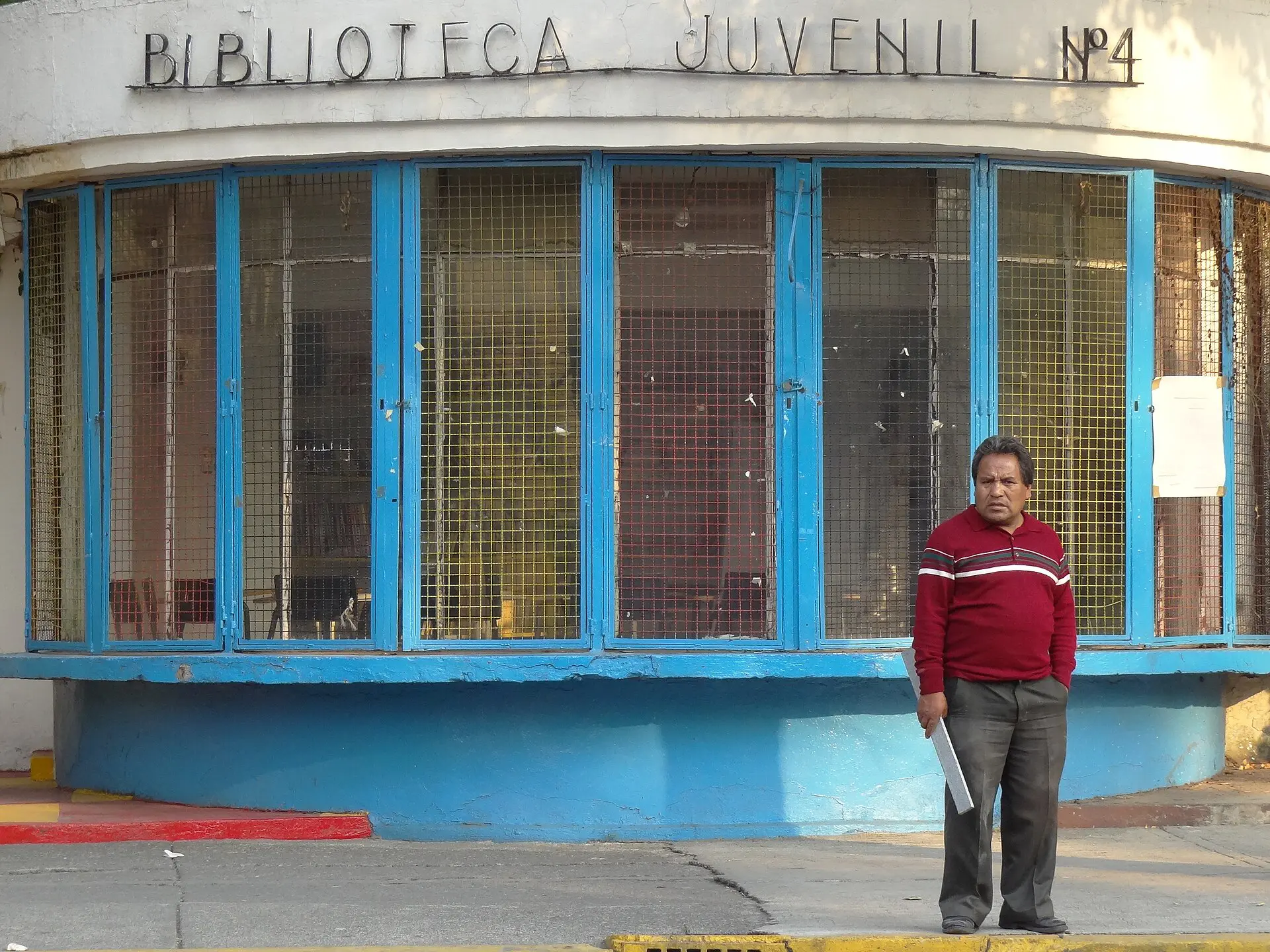
- Roma and Condesa: tree-lined, walkable, with cafés. A ride or Metrobús takes you to Chapultepec in 10 to 20 minutes.
- Centro Histórico: the best base for Templo Mayor and Bellas Artes. It is lively and can be noisy at night.
- Polanco: close to Chapultepec and Soumaya, polished and pricier.
- Coyoacán: quiet and charming, but far from the central sites.
What to skip if you are short on time in Mexico City
With one day, skip the second museum at Chapultepec, Coyoacán and the contemporary spaces. The Anthropology museum and the Centro Histórico offer the largest payoff per hour. I would also skip trying to see both the Frida Kahlo Museum and Plaza Carso on the same day, since the journey between them takes up the afternoon. A fuller background is on the Wikivoyage page for Mexico City.
FAQ about museums in Mexico City
Which museums in Mexico City are most worth visiting?
Start with the National Museum of Anthropology, then add the Templo Mayor, the Palacio de Bellas Artes and the Frida Kahlo Museum. These four cover pre-Hispanic history, Mexica ruins, murals and a single artist’s house, in a workable order across two days and a third morning.
Are museums in Mexico City closed on Mondays?
Many are, including several of the largest, such as Anthropology and the Frida Kahlo Museum. Some close on other days instead. Check each museum’s official site for the current schedule, and use Monday for markets, parks and walking the Centro Histórico.
How many days do you need for museums in Mexico City?
Two days is enough for the main four, with one large museum each morning and a smaller stop each afternoon. Three days lets you add Coyoacán or a contemporary museum without rushing. One day covers Anthropology and Bellas Artes only.
Are Mexico City museums free?
Some are, such as the Soumaya, and others have free days for Mexican citizens and residents, usually Sundays. Visitors from abroad often still pay. Rules and prices change, so check each museum’s site before you go.