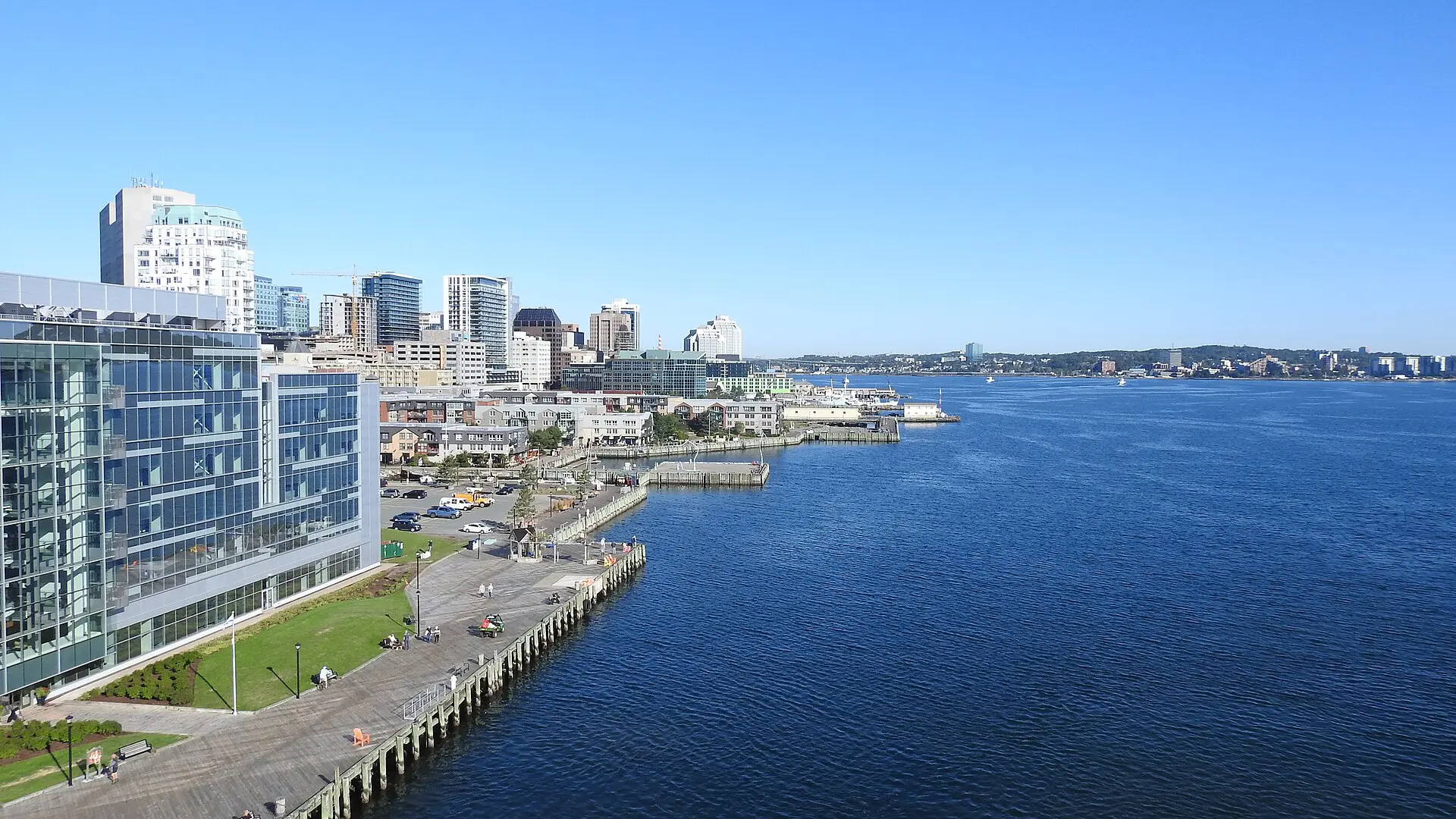
Halifax in 2 days is enough to cover the harbour, the hill and the history. The city is small by North American standards, and the downtown core sits between the Citadel and the sea, which makes navigation easy. Day one is the hill and the waterfront. Day two is the market, the immigration museum and one green or harbour-side finish. If you only have one day, do the Citadel, the boardwalk and Pier 21, in that order.
How to use two days in Halifax
Halifax is a city on a peninsula, with Dartmouth across the harbour and the Citadel on a high hill that divides the city into the South End, the North End and the West End. The downtown is compact. For Halifax in 2 days, the plan pairs one anchor per block with one street or stretch of waterfront, and it ends each day with a harbour view.

The key variable is the season. Many Halifax sights, including the Citadel interior and the public gardens, run reduced schedules outside summer. Daylight in winter runs from roughly 7:45 to 16:45, so put the outdoor blocks first and the museums in the dark hours. Check each site’s current hours before you commit.
Halifax time-blocked plan: two days
Day 1, 9:30 to 12:00: Halifax Citadel
The star-shaped fort on the hill is the anchor. It was part of the British military base from the city’s founding in 1749 and now holds costumed interpretation in the main season. Winter hours are limited, and the buildings may be closed, so confirm opening dates. Arrive when it opens, ahead of the tour groups, and be on the ramparts for the midday gun if it is firing. The harbour view alone justifies the climb.

If the interior is shut, the grounds and the walk around the earthworks are still worth an hour, and the view of the harbour does not depend on a ticket. Wear a windproof layer, because the hilltop is exposed in every season and the wind off the water can be sharp.
Day 1, 12:00 to 14:00: downtown streets and lunch
Walk downhill into the grid between the Citadel and the water. Old stone and brick buildings line the streets, and the area has a café and pub culture that makes lunch easy. Because the downtown is short, you can see a fair slice of it in an hour. The Art Gallery of Nova Scotia is a quiet indoor option here, with seasonal hours, so check its open days.
The point of this block is to loosen the pace. After the fort, you want a long sit, not another monument. Choose one indoor stop at most, eat early, and keep the afternoon free for the water.
Day 1, 14:00 to 17:30: the harbour boardwalk and the Maritime Museum
Walk the waterfront boardwalk, which runs along the harbour for roughly four kilometres in all, though you need walk only as much as you like. The Maritime Museum of the Atlantic sits on the water, and it covers the Titanic recovery and the Halifax Explosion of 1917. The explosion killed more than 2,000 people and levelled the northern half of the city. Allow 90 minutes, and check closing days, which are often Mondays in winter.
The museum is the right anchor for this block, because the harbour explains everything else on the itinerary: the fort, the port, the explosion and the immigrant ships. Pair it with the boardwalk before it, not after, so you see the water in better light and the museum when your legs want a bench.
Day 2, 9:00 to 11:30: Seaport market and Pier 21
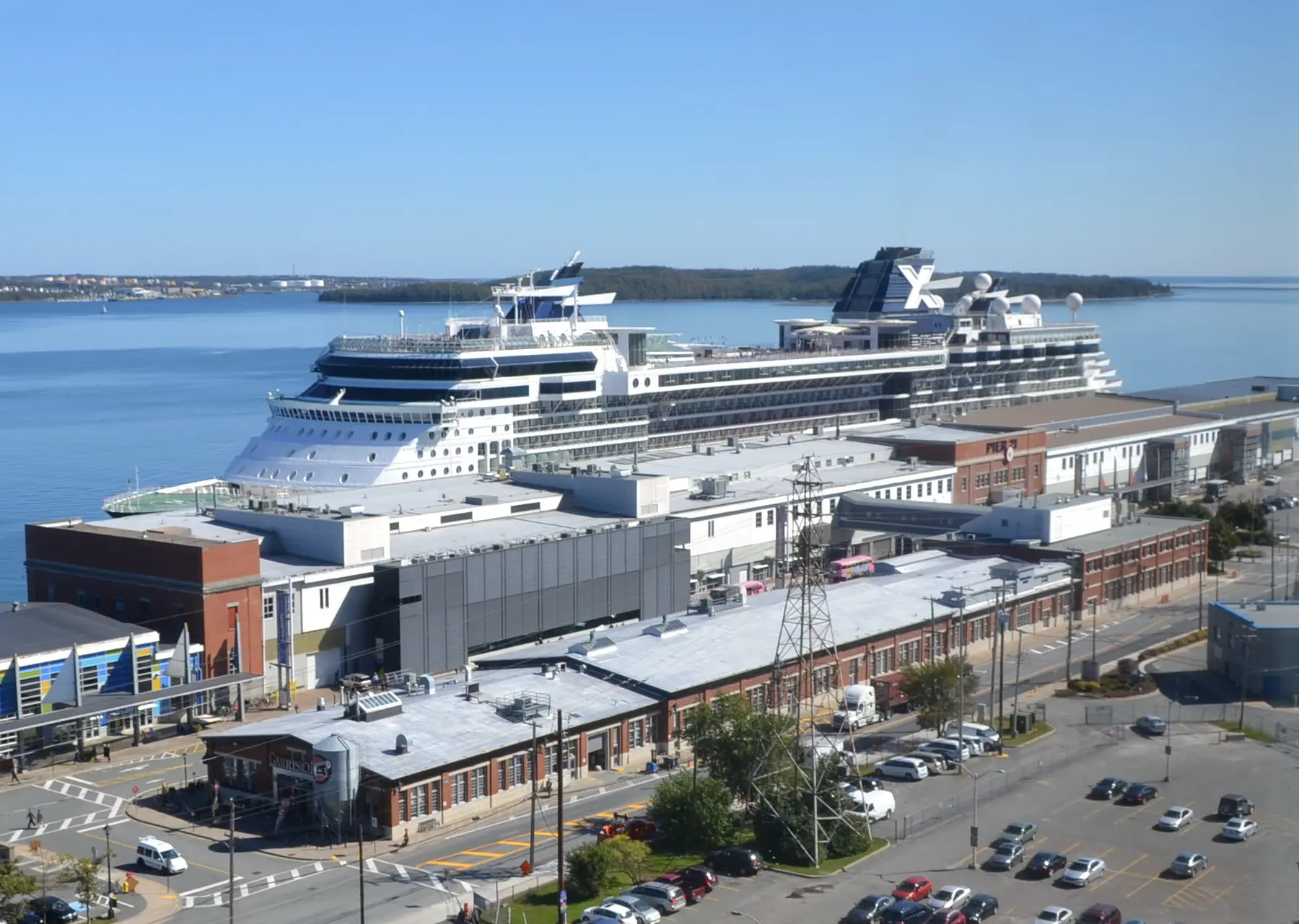
Start at the farmers’ market on the waterfront, which is the market stop of the trip. It is liveliest on Saturdays, and smaller on other days, so adjust your expectations to the weekday. Next door, the Canadian Museum of Immigration at Pier 21 tells the story of the ship-borne arrivals who landed here. Over a million immigrants passed through Halifax after the war. This is your second anchor. Allow 90 minutes.
Ask at the desk about timed entry or guided tours, and read the opening days before you plan around them, as the museum may close one weekday in the low season. Buy a coffee at the market first, and eat lunch afterwards on Spring Garden Road, not on the waterfront.
Day 2, 11:30 to 14:30: Halifax Public Garden and Spring Garden Road
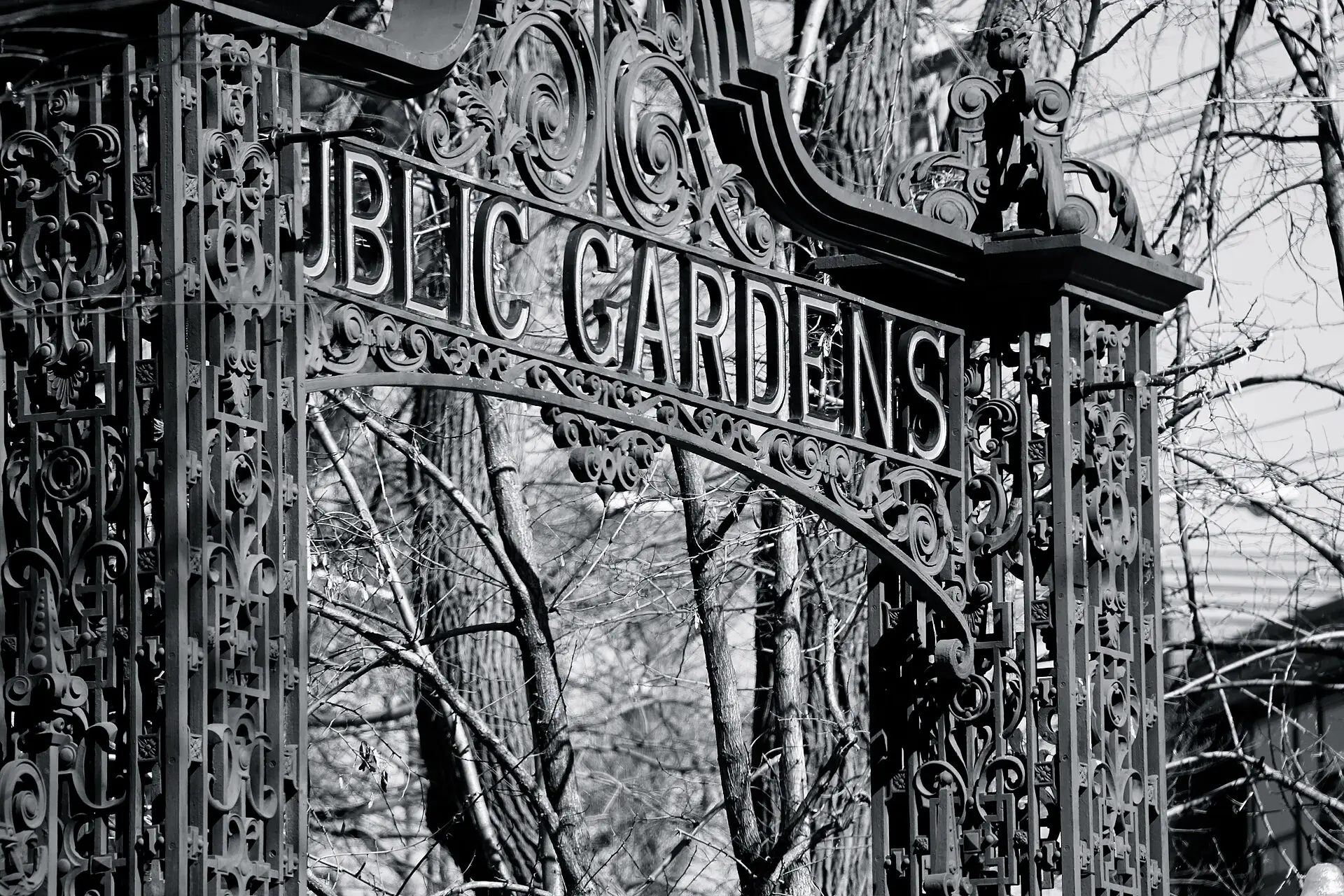
Walk uphill to the Victorian public garden, a formal park with bandstand and ponds. It is best in the warm months, and the gates and plantings follow the season. Beside it, Spring Garden Road has shops, cafés and bookstores for a late lunch. If the weather is bad, swap the garden for the Art Gallery or a long café stop. Do not spend more than an hour here.
The garden is the one block on day two where lingering is fine. Take the main path, sit by the pond for ten minutes, and then move on, because the afternoon block needs the daylight.
Day 2, 15:00 to 18:00: the North End memorial or the Dartmouth ferry
Two finishes work. For history, go north to the Halifax Explosion Memorial Bell Tower at Fort Needham, which is among the monuments to the disaster. It is a quiet, reflective stop with a view over the rebuilt North End. For the harbour, take the passenger ferry to Dartmouth and back, which takes about 15 minutes each way and gives you the city skyline from the water. Check ferry times before you go.
Halifax queue-avoidance timing and season watch
- Citadel: first slot of the day. Cruise-ship days bring crowds from late morning, so check the port schedule if you can.
- Pier 21: mornings, and weekday afternoons in the shoulder season.
- Boardwalk: best before 10:00 and after 16:00 in summer.
- Market: Saturday morning is busiest, so arrive at opening for the best choice.
Summer and early autumn are the best seasons, with daytime highs averaging around 23 C in summer. Hurricanes can occasionally reach the area in autumn.
Getting around Halifax
Downtown is walkable, and the Citadel is a steady climb. Buses and the harbour ferry cover the rest. The airport is about 35 km north of the city, so allow time for the transfer on arrival and departure. If you want to go beyond town, Peggy’s Cove is a common half-day trip by car or tour, but it will not fit in two days without cutting the market or the garden. See the Halifax guide and the Canada travel guide for more.

Where to stay in Halifax by area
- Downtown and the waterfront: the best base for two days, with every anchor on foot. It costs more.
- South End: older and quieter, near the garden and the university, a short walk from downtown.
- Dartmouth: cheaper, with a ferry commute that is part of the view.
What to skip in Halifax if you are short on time
If Halifax in 2 days becomes one, skip the art gallery, the garden and the North End. I would also leave Peggy’s Cove for a longer stay. Keep the Citadel, the boardwalk and Pier 21. Read more at Wikivoyage Halifax or the Wikipedia entry.

FAQ about Halifax in 2 days
Is 2 days enough for Halifax?
Yes. Two days cover the Citadel, the harbour boardwalk, the maritime and immigration museums, the market and a garden or memorial. A third day is useful for Peggy’s Cove or other trips outside the city.
What is the best time of year to visit Halifax?
Summer and early autumn are best, with milder weather and the full range of opening hours. Winter has shorter days, cold wind and reduced hours at seasonal sites, though the museums and cafés still work well for a short break.
Is Halifax walkable?
Downtown is compact and walkable, with the waterfront boardwalk and most museums close together. The Citadel hill is a steady climb. Use a bus or ferry for the North End and Dartmouth.
Is the Halifax Citadel open year-round?
The site is seasonal. The interior and costumed programme usually run in the warmer months, while winter access is more limited. Check the current dates with Parks Canada before you plan the block, and keep an indoor backup.