Guanajuato in 2 days is enough to cover the core of this silver-mining city, provided you plan around the slope. Day one is the market, the independence museum and the central plazas. Day two is the viewpoint, the mummies and a mining church. If you only have one day, do the Alhóndiga and market in the morning, the plazas and theatre by afternoon, and a hillside view at dusk.
How to use two days in Guanajuato
Guanajuato is a hilly colonial town on a slant, with a network of underground tunnels that work as roads. That one fact decides the plan. Distances on the map are short, but every walk includes a climb, and the streets turn into stairs. Treat each block as a downhill run or an uphill effort, and arrange the day so you never climb on a full stomach.
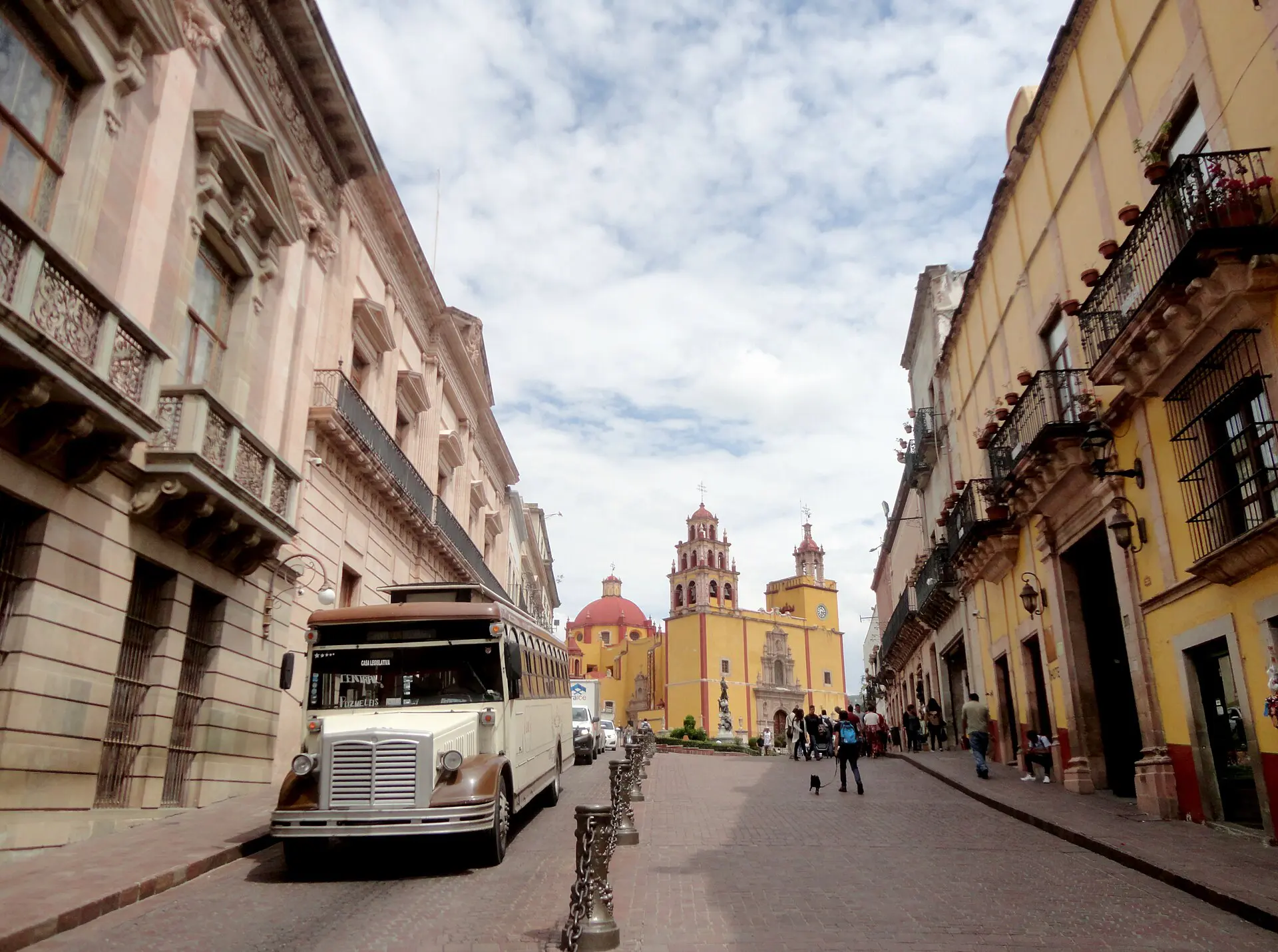
The historic town and the adjacent mines were given UNESCO World Heritage status in 1987. Silver made the city rich, and that wealth shows up in the churches, the theatre and the plazas. Pair one anchor with one street each block, and leave the rest.
The sequence below puts the two big museums in the mornings, when they are open and cool, and the plazas in the evenings, when the town fills with students and families. Guanajuato in 2 days is a tight fit only if you add side trips, so keep the day trips for another visit. Altitude is about 2,000 metres, so expect to tire sooner than the map suggests, and carry water.
Guanajuato time-blocked plan: two days
Day 1, 9:00 to 12:00: Mercado Hidalgo and the Alhóndiga de Granaditas
Start at the covered market, a large iron-and-stone hall from the early 20th century, for breakfast and a look at the produce and crafts. Then walk to the Alhóndiga, the former grain exchange and the site of an early battle in Mexico’s independence war in 1810, now a museum. Allow 90 minutes. This is your anchor museum for the trip.
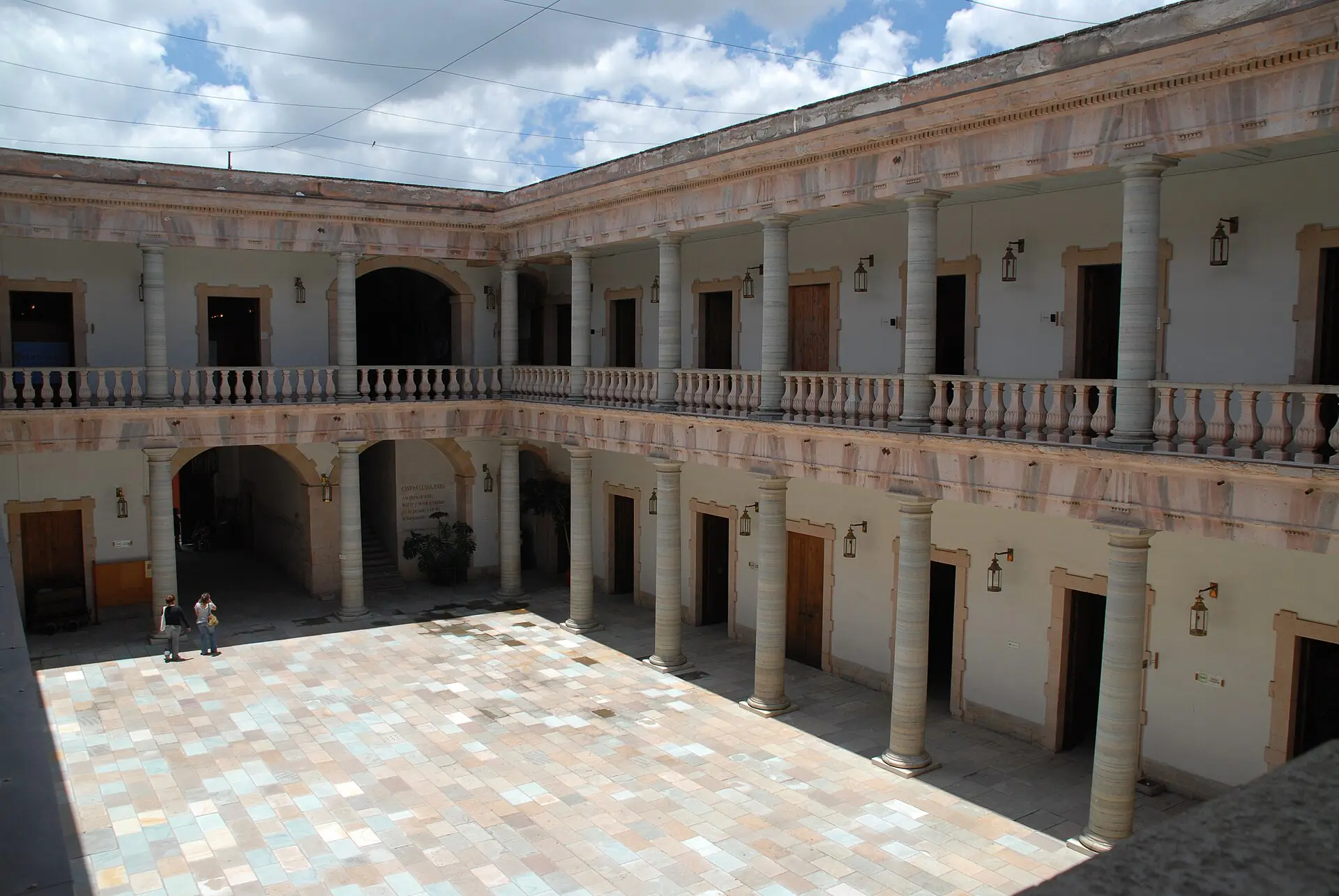
Many Mexican museums close on Mondays, and hours vary, so check the day before. Go in the morning, when the building is cool and school groups have not arrived. The market stalls open early and are best before 10:00, when the lanes around the hall are still free of delivery carts. If you buy a snack, eat it standing, then walk on.
Day 1, 12:00 to 15:00: the Basilica, Plaza de la Paz and the university
From the Alhóndiga, walk downhill into the centre. The yellow basilica sits on the Plaza de la Paz, ringed by old mansions from the mining boom. A short climb takes you to the university building, known for its wide stairway, which is also a good place to sit and watch the town. Lunch is easiest in the side streets, away from the main plaza.
The basilica is an active church, so keep visits short during services, and check the hours posted on the door. Between the basilica and the university is a run of small plazas, and the old town is at its calmest between 14:00 and 16:00, when many shops shut for the midday meal.
Day 1, 16:00 to 19:00: Teatro Juárez and Jardín de la Unión
This is the evening plaza block. The Teatro Juárez is a theatre from the turn of the 20th century with an ornate interior, and it is the second anchor of the trip. Visiting hours are limited and performances can close it, so confirm the day. Next door, the Jardín de la Unión is the town’s living room, with trees, benches and cafés. Arrive at around 17:30 and stay for the lamps.
If the theatre is shut, the exterior and the steps of the neighbouring church are a fair substitute. This is the one block where sitting down is the right call: order a drink, watch the evening walk, and let the plaza do the work.
Day 2, 8:30 to 11:00: the funicular, the viewpoint and Callejón del Beso
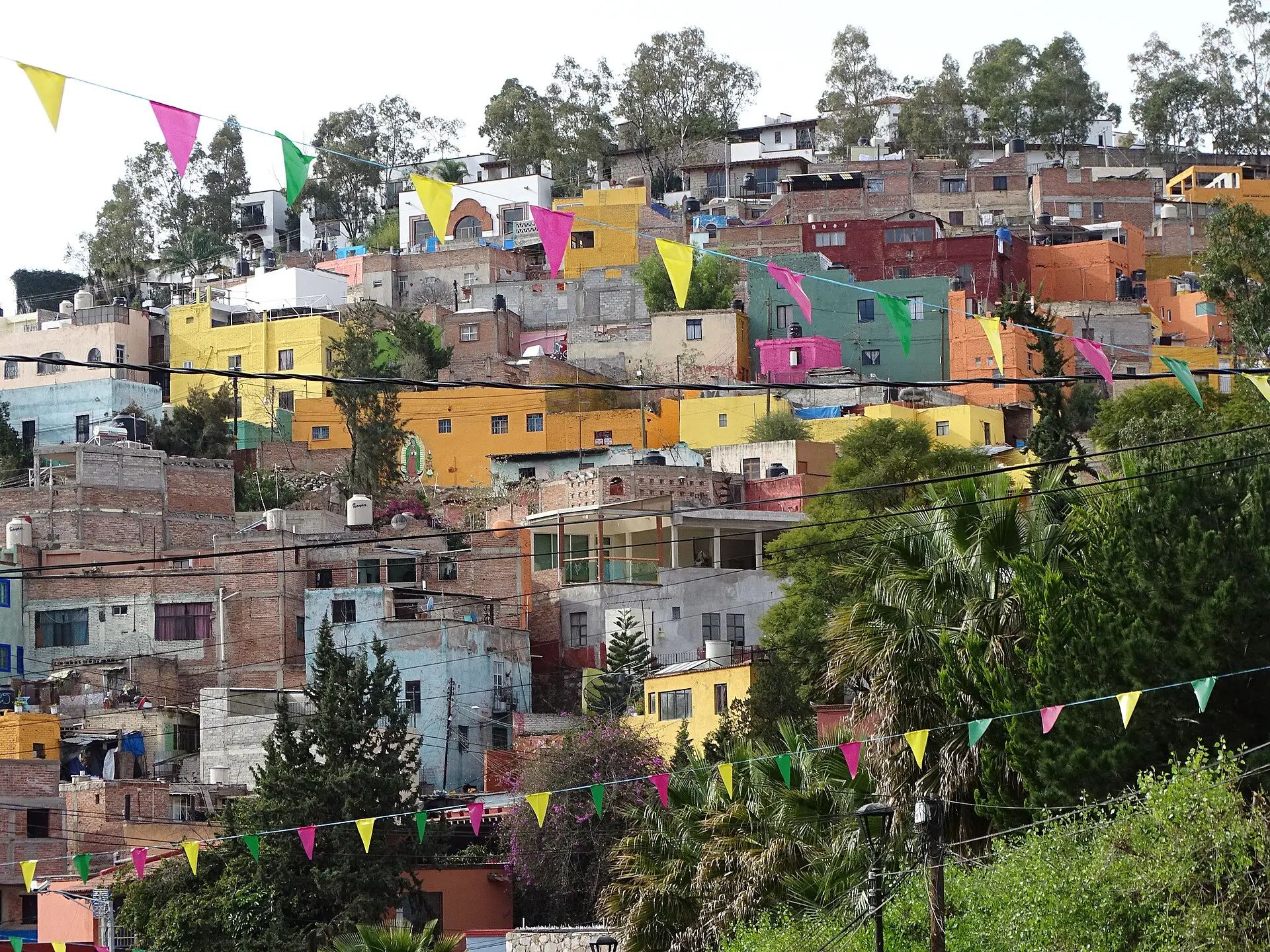
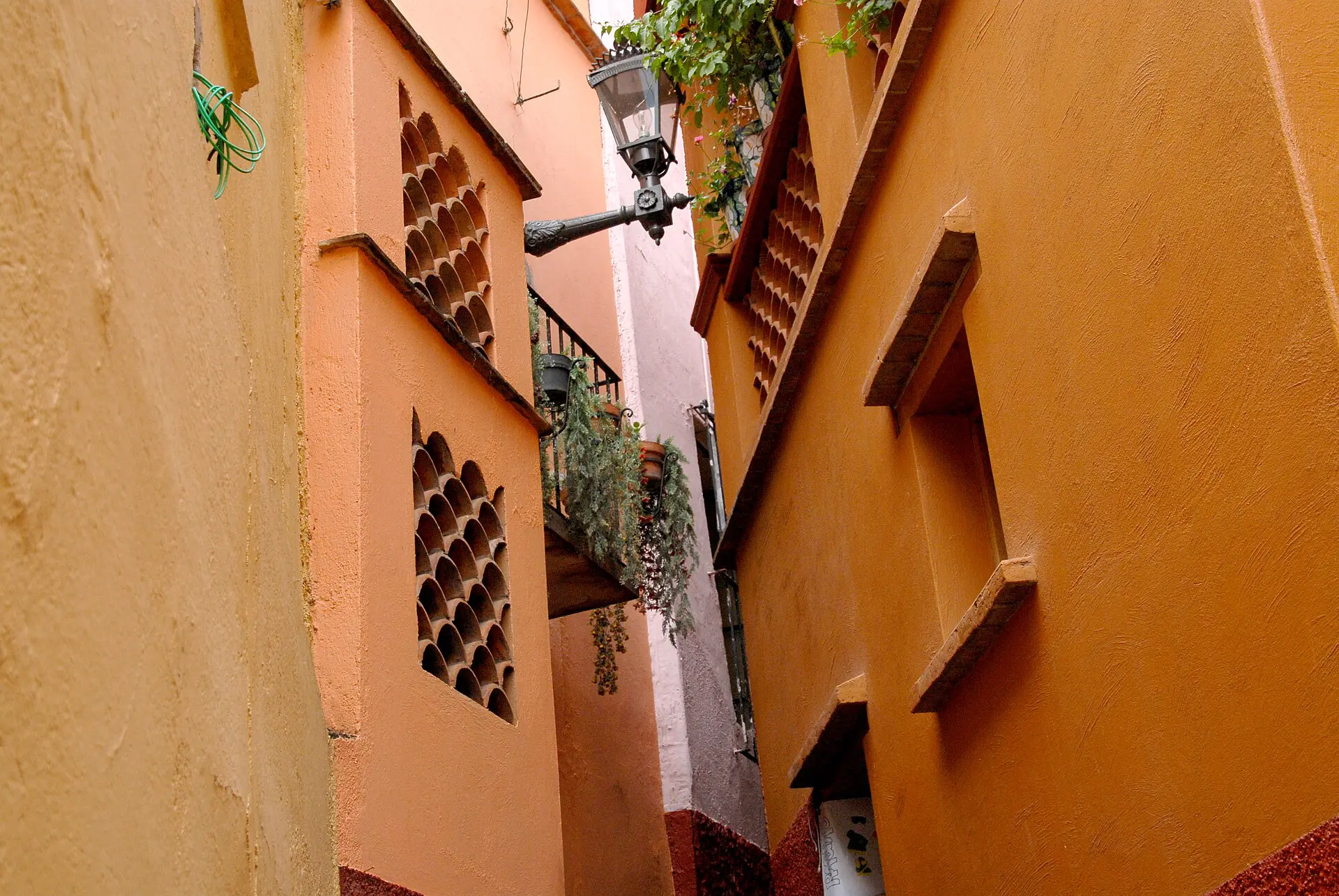
Ride the funicular to the viewpoint of El Pípila, which gives the postcard view over the colourful hillside. Go early, when it is cold and clear and the queue is short. Walk down on foot via the lanes. On the way, pass the Callejón del Beso, an alley so narrow that balconies nearly touch across it. Allow two and a half hours. The way down is steep, so wear shoes with grip.
Day 2, 11:00 to 14:30: the Museo de las Momias and the tunnels
The mummy museum shows naturally mummified bodies from the town’s cemetery. It is unsettling, and it is the most visited stop in Guanajuato, so go on arrival and not after lunch. It is some distance from the centre, so take a bus or taxi. Return through the underground streets, which are former channels turned into roads. Allow 90 minutes for the museum.
The tunnels have narrow pavements and heavy traffic, so walk them only where signs allow, and use a bus or taxi for the longer stretches. If the museum queue is long at midday, swap this block with the funicular and come back later.
Day 2, 15:00 to 18:00: La Valenciana
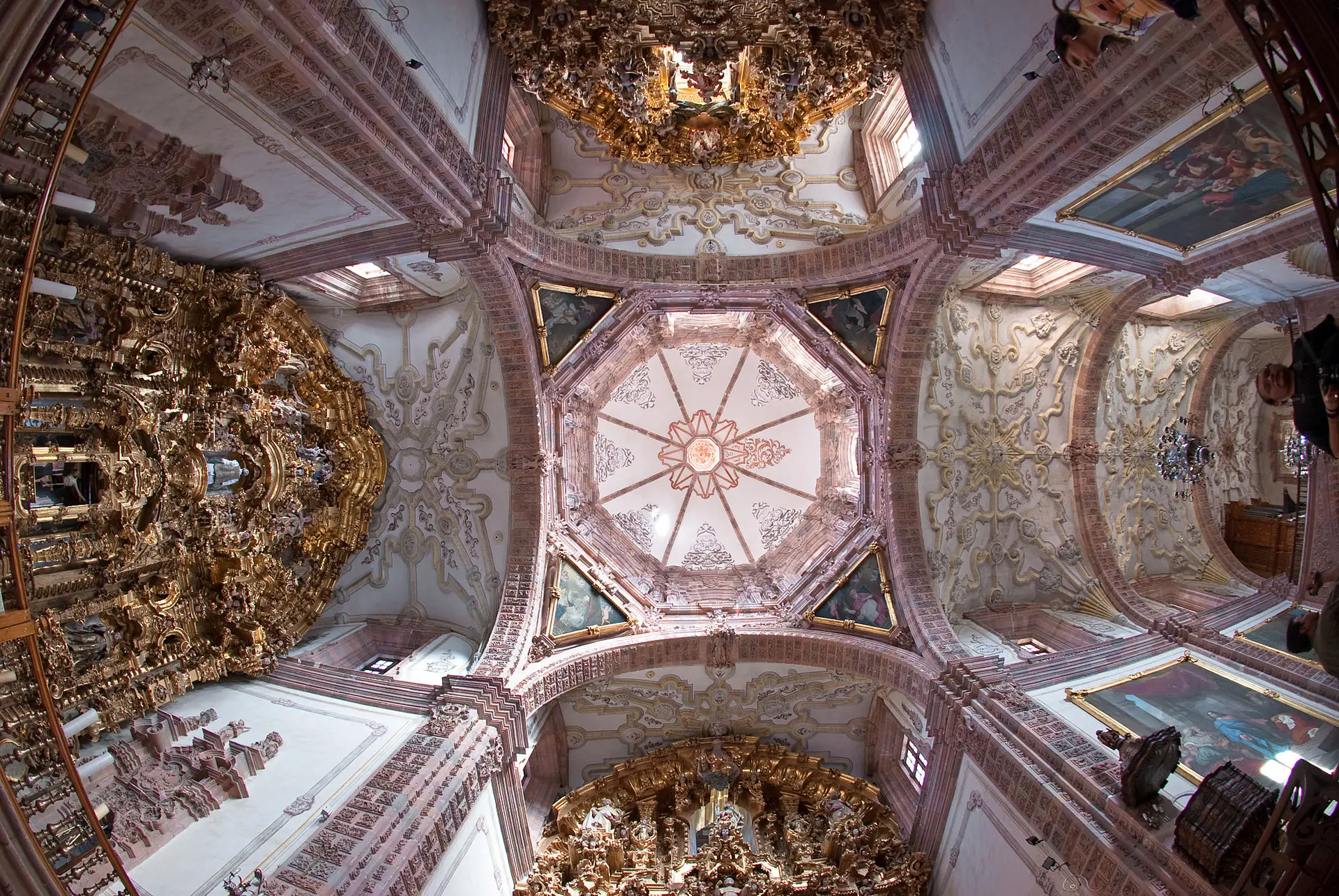
The church of La Valenciana and its mine sit on a hill outside the centre. The church is an exuberant Baroque building, funded by silver money, and the mine can be visited, subject to tour times. Go by taxi or bus and check closing times, since mining sites often end the last visit early. Allow two to three hours including the transfer. Come back for a last stroll on the plazas. A student-led evening walk with music, known as a callejoneada, is usually offered at night; book through a hotel or a licensed guide.
Guanajuato queue-avoidance timing
- Funicular and El Pípila: early morning, before tour groups.
- Mummy museum: as soon as it opens, or in the last hour before closing.
- Teatro Juárez: late afternoon, between daytime tours and evening shows.
- Plazas: weekday evenings are calmer. Weekends and festival periods, including the Cervantino festival in autumn, are packed and hotels fill early.
Book rooms well ahead for the festival, as prices rise in that period.

Getting around Guanajuato
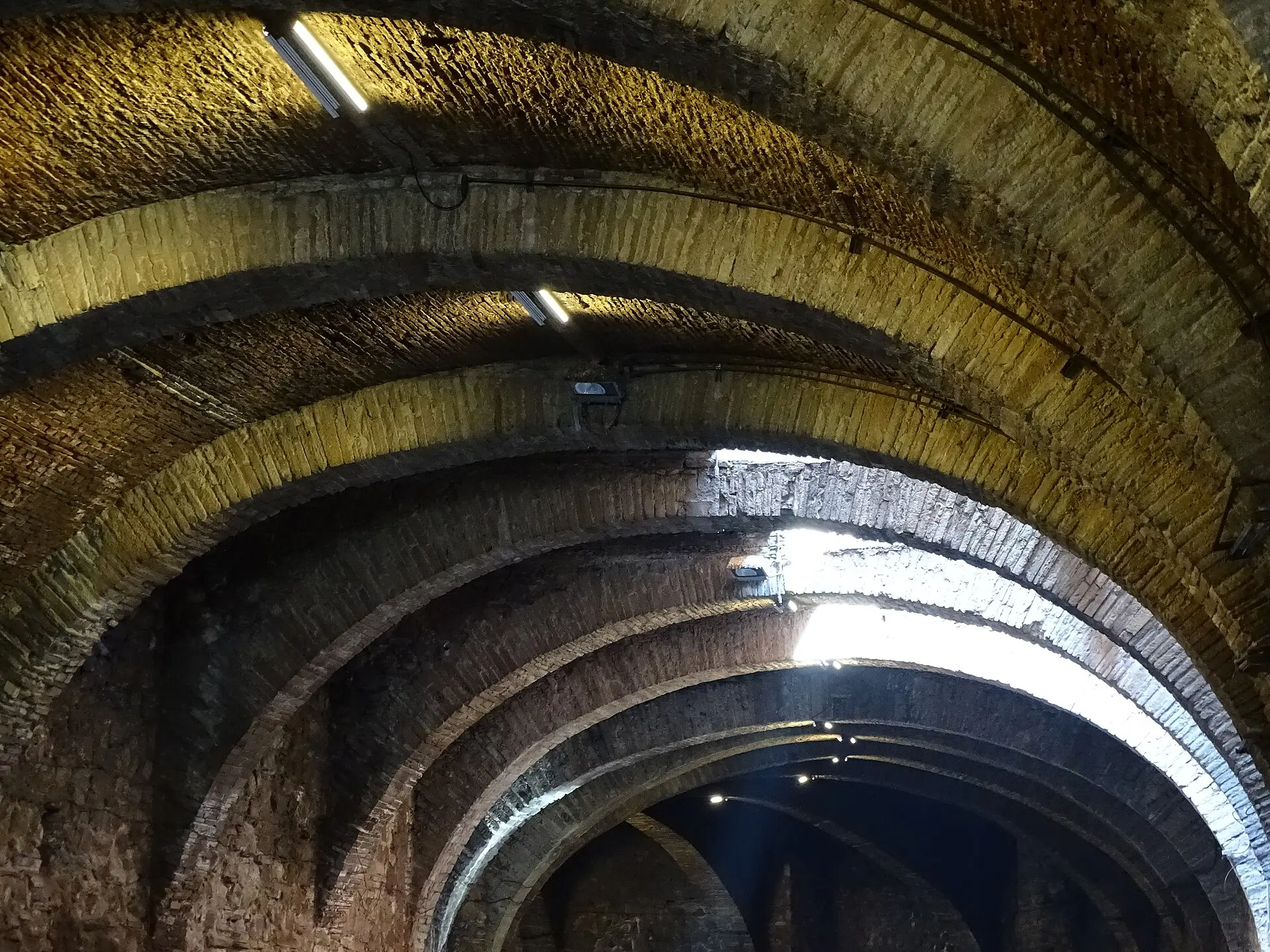
Walk the centre. It is compact, but it is steep, with stairs and cobbles. Taxis are cheap for the mummy museum and La Valenciana. Local buses run through the tunnels, and the tunnels are confusing for newcomers, so ask the driver where to get off. The airport is near León, about 48 km away, and the usual approach is by bus. Look for “León/Bajío” when you search flights. See the Guanajuato guide and the Mexico travel guide for the wider picture.
Where to stay in Guanajuato by area
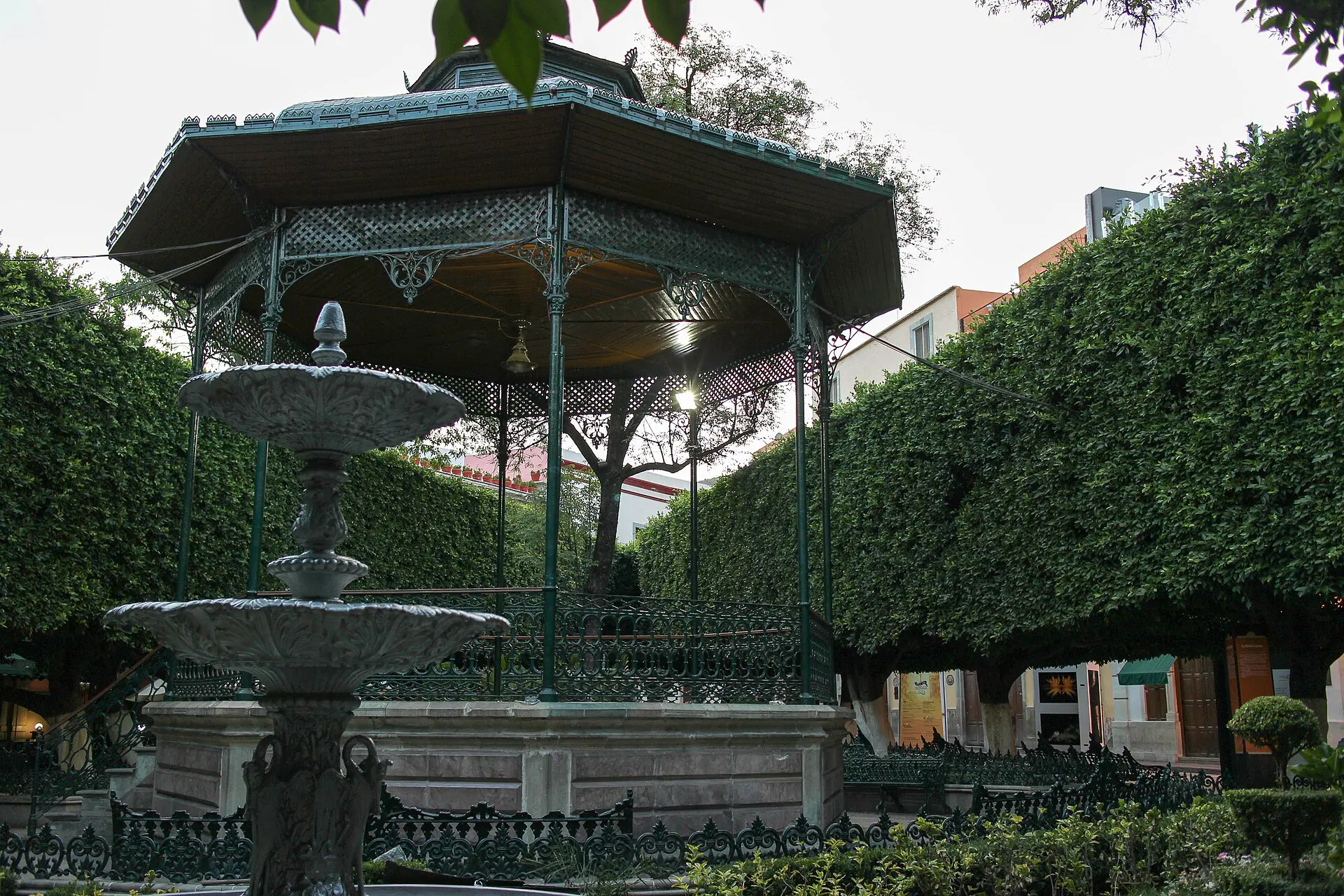
- Around the Jardín de la Unión: the most convenient base, with evening life at the door. It can be noisy.
- Near the Basilica and Plaza de la Paz: quieter, and a short walk to the museums.
- Hillside lanes toward El Pípila: views and low prices, with steep climbs home with luggage. Ask the hotel for the easiest route.
What to skip in Guanajuato if you are short on time
Skip La Valenciana on a very short trip, and skip a second museum if you are tired. I would also drop the mummy museum if you dislike the subject. Keep the market, the Alhóndiga, the theatre and the viewpoint. More background is at Wikivoyage.
FAQ about Guanajuato in 2 days
Is 2 days enough for Guanajuato?
Yes. Two days cover the market, the independence museum, the theatre, the central plazas, the viewpoint, the mummy museum and one mining church. A third day is useful only if you want to see the surrounding towns.
Is Guanajuato walkable?
The centre is walkable, though it is steep and full of stairs. Many streets are cobbled. Use taxis or buses for the mummy museum and La Valenciana, and plan downhill walks where you can.
What is the best time of day for the viewpoint?
Go early in the morning, when the air is clear and there are fewer people. Dusk is also popular, and the town lights come on, but the funicular queue is longer, so allow extra time.
Which museums close on Mondays?
Many Mexican museums close on Mondays, and hours change by season and by site. Check the opening days of the Alhóndiga, the theatre and any small museums before you travel, and keep an outdoor plan ready for a closed day.