Order oil down first. Grenada food starts with the national dish, a one-pot stew of breadfruit, salted meat, dumplings and callaloo simmered in coconut milk and turmeric, and everything else on the island makes more sense once you have eaten it. Fish, roti, nutmeg and cocoa fill in the rest. This guide gives the order to eat in, when the markets move, what a meal costs in hedged bands, and how to behave at the table. For wider planning see the Grenada travel guide.
How eating works in Grenada
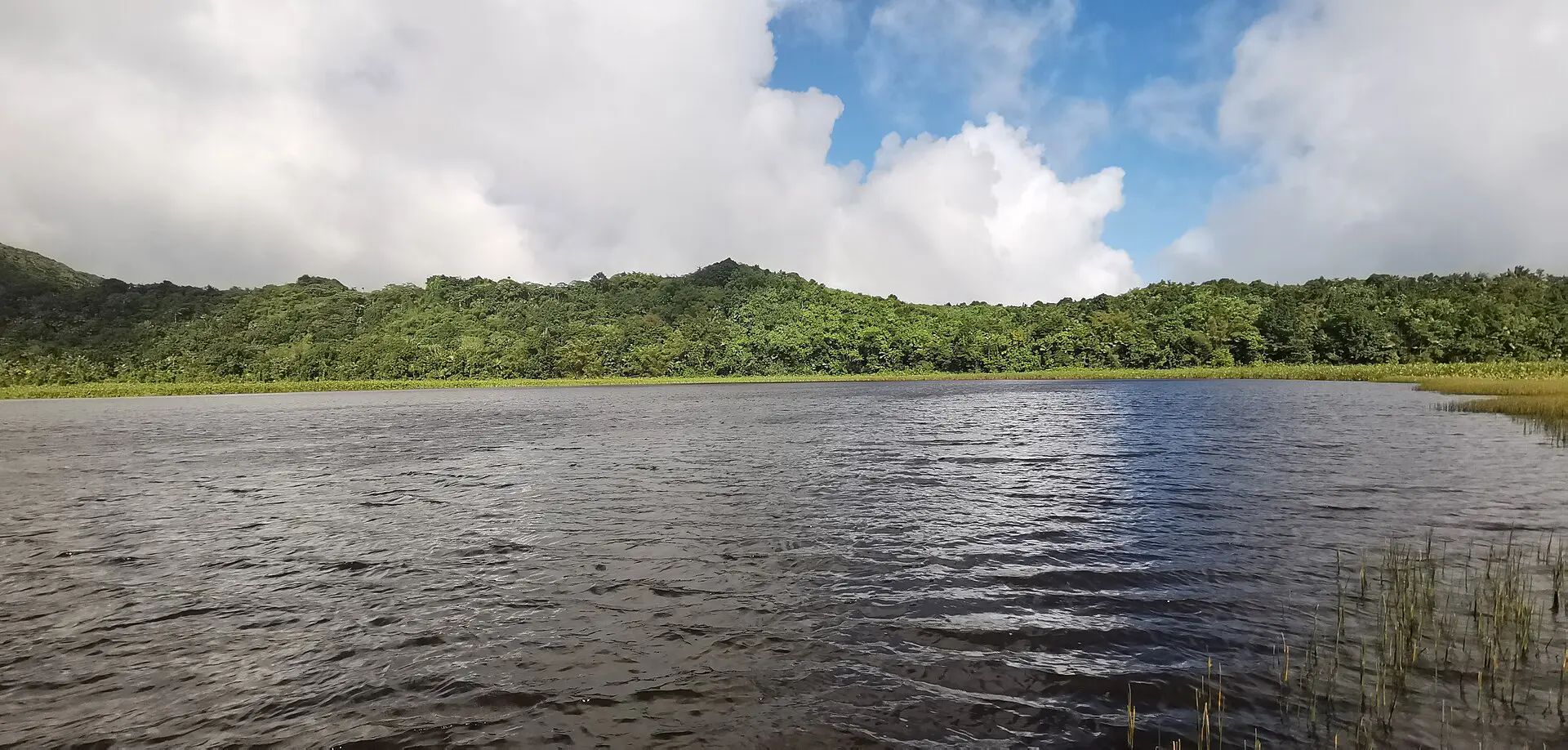
Grenada is called the Spice Isle because it grows nutmeg and mace, along with cloves, cinnamon, ginger and cocoa. Volcanic soil and steady rain on the mountainous interior feed a food system built on roots, tree crops and fish. Locals call the starchy staples provisions: yam, dasheen, sweet potato, green fig (banana) and breadfruit.
The day runs in a simple order. Breakfast is early and light, often bread, bakes or porridge with tea. The main meal is lunch, usually a plate of rice or provisions with stewed or grilled protein. Evening food leans to grills, fried fish and snacks. Most of the cooking is done at small kitchens and roadside stands, so what you eat depends on the hour.
Grenada market days and food timing
Markets here are morning institutions. Produce and fish are freshest early, and the best stock sells out. Schedules shift, so confirm days locally before building a plan around one.
| Time | Where | What to order or buy |
|---|---|---|
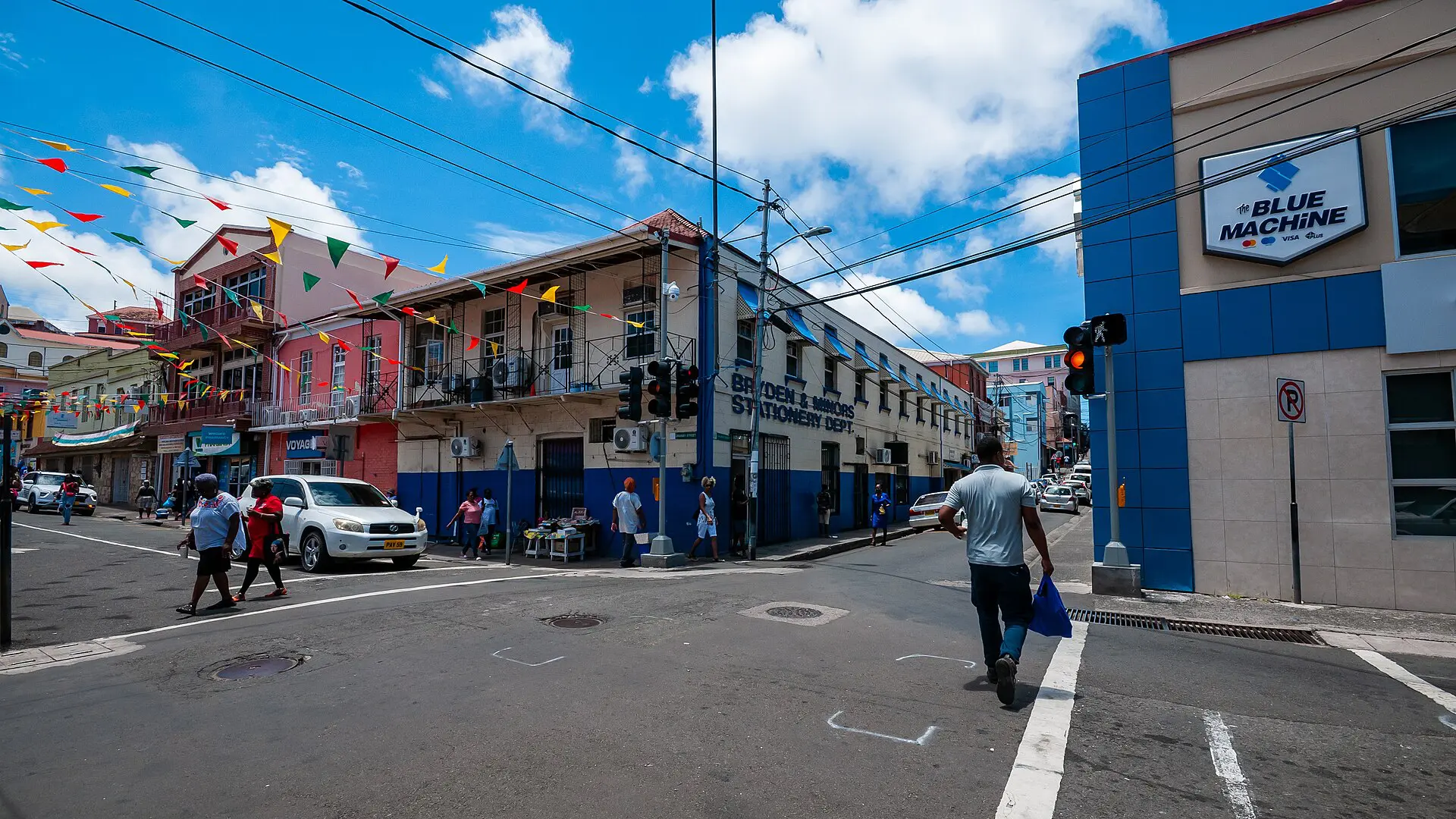
| Early morning | Town produce market, St. George’s | Fresh fruit, provisions, spices in small packets; Saturday is typically the busiest day |
| Mid-morning | Fish landing sites along the west coast | Whole fish bought by the pound, if you have a kitchen |
| Lunch | Roadside kitchens and bus-stop stands | Roti, stew chicken plates, oil down on the day it is cooked |
| Friday evening | Gouyave, on the west coast | Fried and grilled fish from a weekly street fish fry; check the current format |
| Weekend afternoon | Beachfront and roadside grills | Barbecued chicken, pork and fish with breadfruit or festival (sweet fried dough) |
What to eat in Grenada: seven dishes in order
1. Oil down
The one to eat first. Breadfruit, salted pigtail or chicken, dumplings and callaloo leaves cook slowly in coconut milk, flavoured with turmeric, thyme and celery, until the liquid is absorbed and the pot turns golden. It is heavy and best at lunch. Expect a meal-sized portion in the lower price band, and a group cook-up on weekends.
2. Fish and provisions
Grenada is surrounded by water, and the daily catch is usually red snapper, mahi-mahi, tuna or kingfish, depending on the season. It arrives fried, grilled or in a seasoned broth, with rice, plantain or boiled provisions. Look for plates that name the fish of the day and ask how it was caught. Lobster and conch are seasonal and cost noticeably more.
3. Roti
Roti arrived with Indian indentured labourers and is now an everyday lunch in the Caribbean. A soft flatbread wraps curried chicken, goat or chickpeas with potato. It is filling, portable and one of the better-value meals on the island. Ask about pepper sauce before adding it.
4. Callaloo soup
Callaloo is the leaf of the dasheen plant, simmered until silky with coconut milk, okra and often crab or salted meat. It is a starter or a light lunch and tastes green and mild rather than spicy. Vegetarian versions exist, but ask, since many are built on a meat stock.
5. Bake and saltfish
A bake is a fried or baked round of dough, split open and filled with salted cod cooked down with onions and peppers. Eat it for breakfast with tea or coffee. It is quick, salty and cheap, so it suits an early start before a market or a hike. Pair it with fresh juice from local fruit such as soursop, guava or passion fruit when it is in season.
6. Stew chicken and rice
Chicken is browned in caramelised sugar, then stewed with onion, garlic, thyme and sweet pepper until it falls from the bone. Plates are typically served with rice and peas, macaroni pie and a salad. This is the default local lunch and the dish by which cooks are judged.
7. Nutmeg, cocoa and ginger sweets
Spice is a dessert ingredient here. Nutmeg ice cream, cocoa tea (a hot drink from pressed local cocoa), ginger beer and rum punch flavoured with nutmeg are all common. Buy bars made from Grenadian cocoa and small packets of mace and nutmeg to carry home, and check that the packaging is sealed.
Grenada food prices: what a meal costs
Prices are in US dollars, as of 2026, and are rough bands only. The East Caribbean dollar is pegged to the US dollar, so many places quote either. Check before you order, as imports raise costs on a small island.
| Meal type | Typical band (USD) | Notes |
|---|---|---|
| Snack (bake, pastry, fruit) | 2-6 | Street stalls and market stands |
| Local lunch plate | 6-15 | Roti, stew chicken, oil down |
| Fresh fish plate | 12-25 | Depends on the fish and the sides |
| Sit-down dinner | 20-45 | Tourist areas such as Grand Anse sit higher |
| Lobster or conch | 30 and up | Seasonal; confirm the price per pound |
Etiquette when eating in Grenada
Greet people before you order: “good morning” or “good afternoon” is expected, and skipping it comes across as abrupt. Tipping is usually 10 to 15 percent in sit-down places, but check the bill, since some add a service charge. Cash in small notes helps at stands. Ask before photographing a cook or a stall.
Pepper sauce is strong, so add it a drop at a time. Eating on the move is common for snacks, but sit down for a full plate, and expect lunch service to be unhurried. Many small kitchens cook one or two dishes a day and close when the pot is empty, so go early rather than late. Tap water is generally treated, though many visitors prefer sealed water, and fruit should be peeled or washed.
Where to eat in Grenada, by type of place
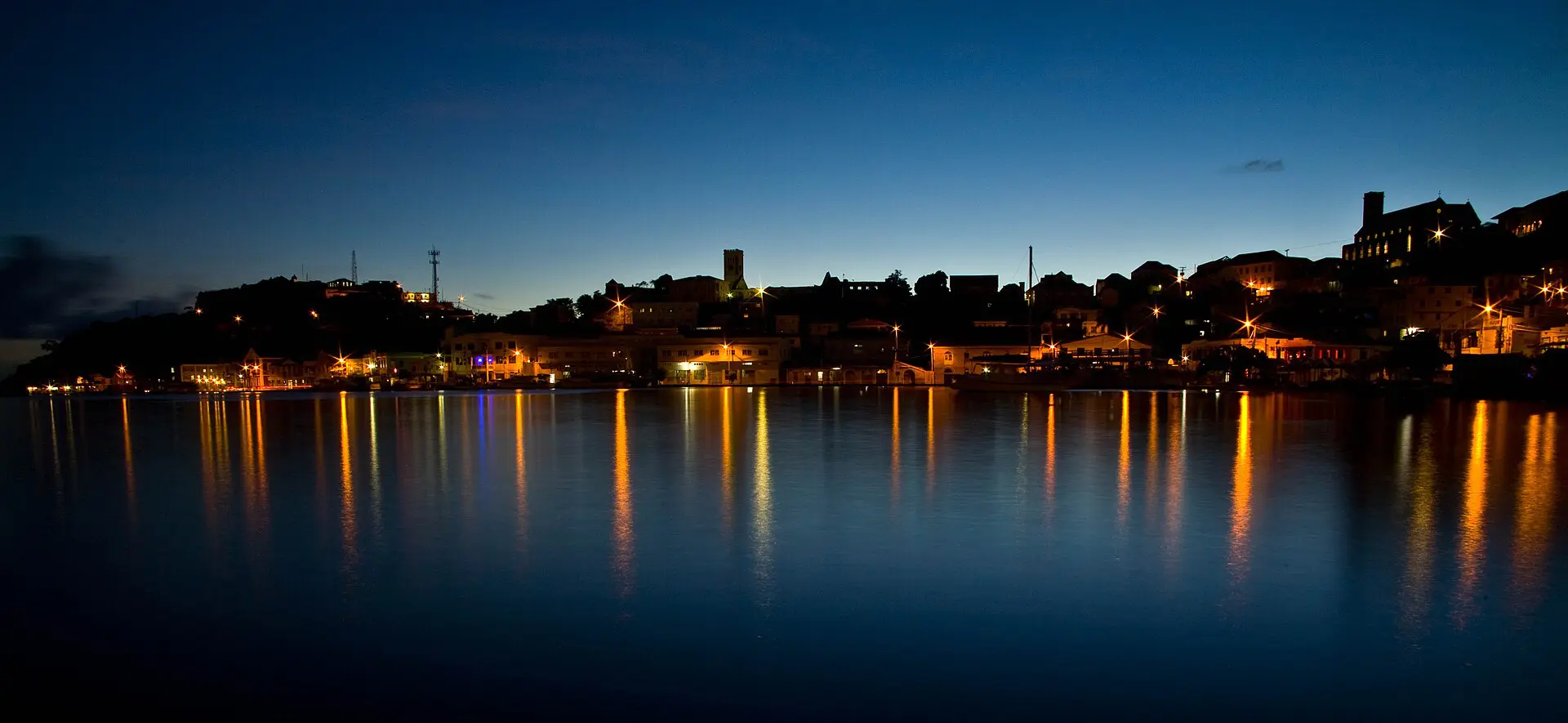
- St. George’s: market stalls, bakeries and lunch counters near the Carenage. Best for weekday lunches and for buying spices.
- Grand Anse and the south-west: beach grills and hotel dining rooms. Easy, more costly, good for fish and seafood.
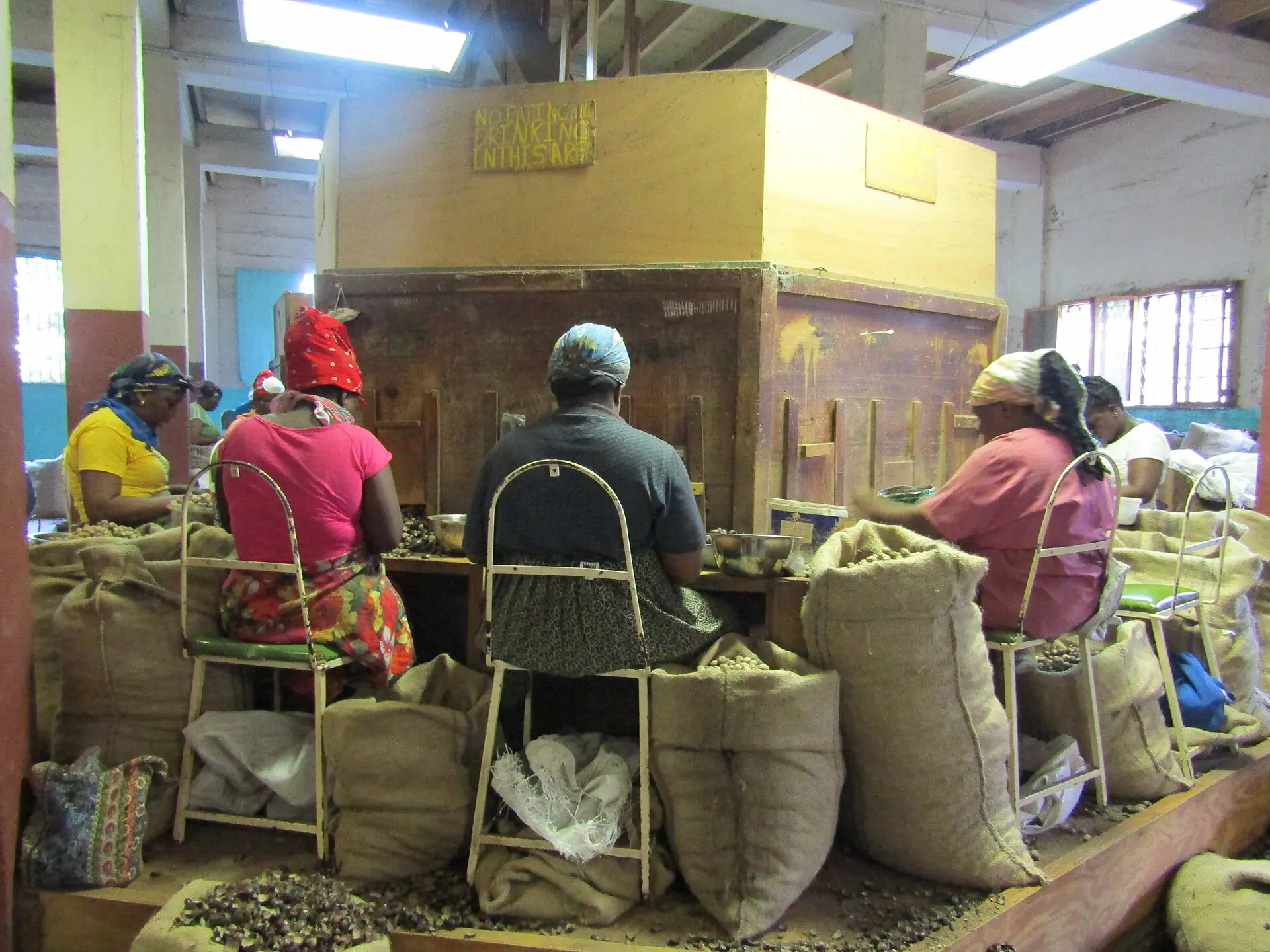
- Gouyave and the west coast: fishing villages with seafood stands, the Friday fish fry and a nutmeg processing story.
- Interior and east coast: small bars, rum shops and home kitchens. Bring cash and ask what is cooking.
- Carriacou: a small island with grilled fish, local stews and a slower pace.
What to skip when eating in Grenada
I would skip resort buffets for your first local meal, because they flatten the flavours. Skip bottled sauces sold as souvenirs without a label. Avoid ordering lobster out of season, and anything sold from a cooler with no ice. If a stand has no customers at lunchtime, move on. More on the island itself is in things to do in Grenada, and background facts are on Wikivoyage.
FAQ about Grenada food
What is the national dish of Grenada?
Oil down is the national dish. It is a slow-cooked pot of breadfruit, salted meat, dumplings, callaloo and coconut milk, coloured with turmeric. Cooks make it for gatherings and weekends, so ask locally which day a stand makes it.
Is Grenada food spicy?
The base cooking is aromatic rather than hot, built on thyme, nutmeg, garlic and sweet pepper. Heat comes from pepper sauce served on the side. Add it slowly, since local scotch bonnet sauces are strong.
Is it safe to eat street food in Grenada?
Most visitors eat from busy stands with food cooked hot and fresh, which is a sound rule anywhere. Choose places with steady local customers, avoid anything left to sit, and wash your hands first. Ask your doctor about travel health before you go.
Why is Grenada called the Spice Isle?
The island is a major source of nutmeg and mace and also grows cloves, cinnamon, ginger and cocoa. Volcanic soil and rain suit these tree crops. The facts are summarised on Wikipedia’s Grenada page.
How much should I budget for food in Grenada per day?
A rough range is 25 to 45 USD for a day of local meals and snacks, and 70 USD or more with restaurant dinners and seafood. Costs vary by area and season, so treat it as a planning figure and check menus.