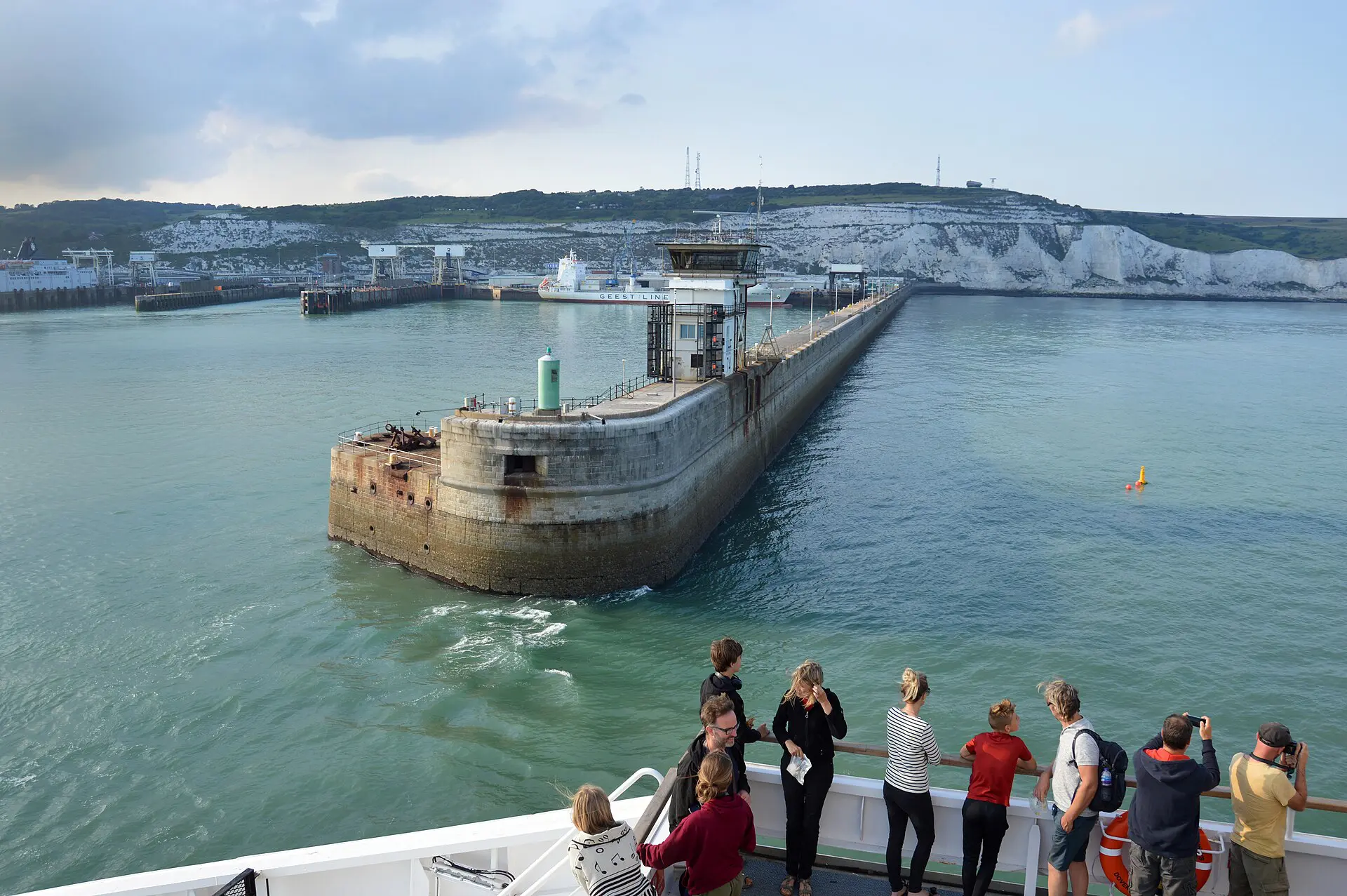
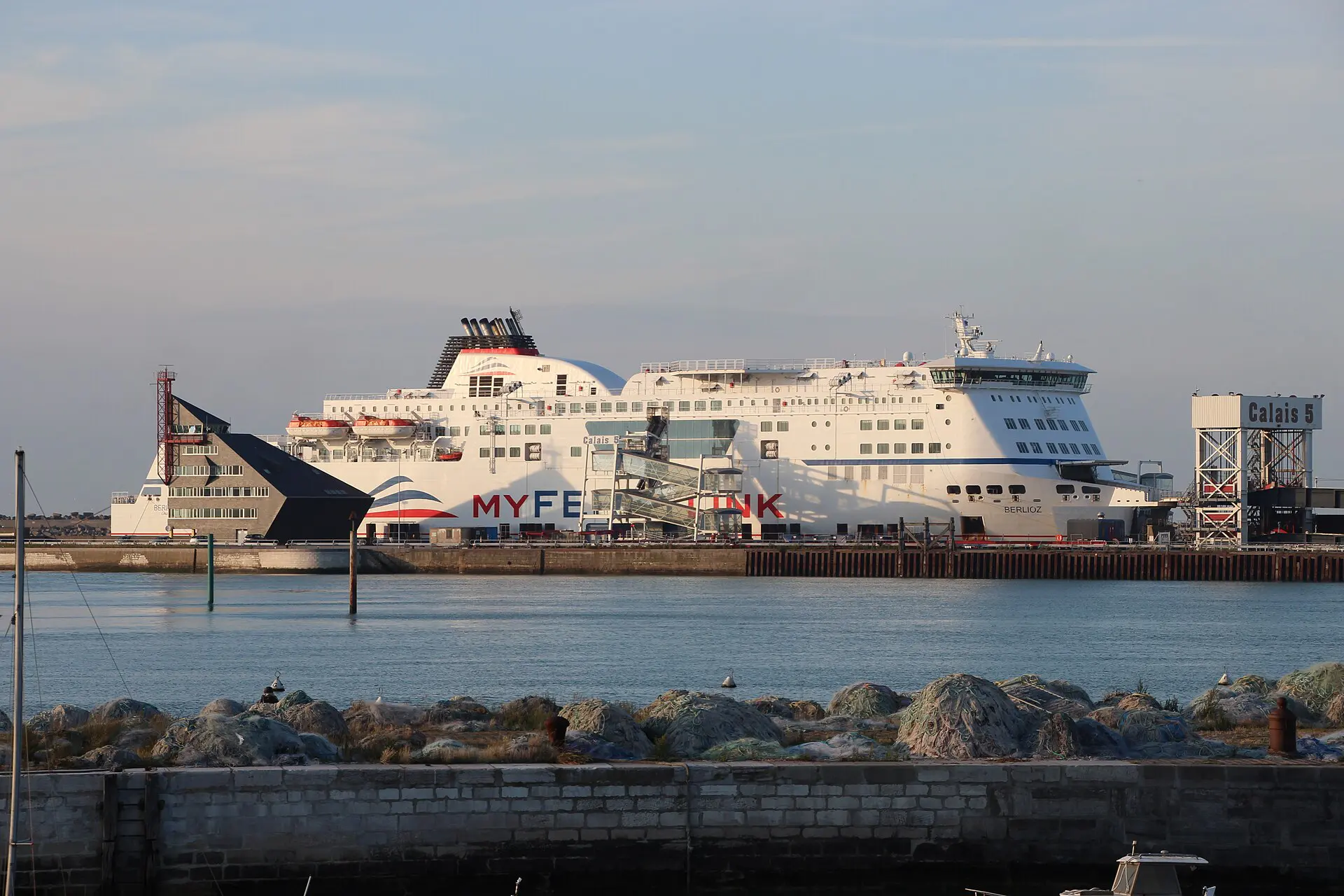
The shortest ferry to France from the UK is Dover to Calais, about 90 minutes. Longer routes run from Newhaven, Portsmouth, Poole and Plymouth to Dieppe, Caen, Le Havre, Cherbourg and Roscoff, from roughly 4 to 10 hours, many overnight. Most sailings run most days. Plan for the days they do not: wind, strikes and port queues cause the delays, so pick your route for the French end of the trip, and keep a spare day.
Ferry routes from the UK to France
Routes fall into three types. The first is the short Channel crossing from Kent: Dover to Calais or Dunkirk. It has the most sailings and the quickest turnaround, and it suits a drive to northern France, Paris, Belgium or Germany. The second is the mid-Channel crossing from the south coast: Newhaven to Dieppe, and Portsmouth to Caen or Le Havre. The third is the long western crossing: Poole to Cherbourg, Portsmouth to Cherbourg, and Plymouth to Roscoff, which put you in Normandy or Brittany.
Operator names and timetables change, and some routes have been suspended or moved between companies in recent years. Search by route on the booking sites, then confirm sailing times with the operator. Foot passengers, cars and bikes are handled differently, so check which your route accepts before you plan.
Ferry to France crossing times and what cancels them
All figures are typical and hedged for 2026. Check the live timetable before you book.
| Route | Typical crossing | Frequency by season | What cancels it |
|---|---|---|---|
| Dover to Calais | 1.5 to 2 hours | Many sailings a day all year | High winds, port strikes, border queues |
| Dover to Dunkirk | About 2 hours | Several a day | High winds, strikes |
| Newhaven to Dieppe | 4 to 4.5 hours | One to a few a day, fewer in winter | Swell and wind at Newhaven |
| Portsmouth to Caen | Around 6 hours by day, 7 to 8 overnight | Daily in season, reduced in winter | Strong wind, swell |
| Portsmouth to Le Havre | Around 5.5 to 8 hours | Daily, often overnight | Strong wind, strikes |
| Poole to Cherbourg | 4.5 to 5 hours | Daily in season, fewer outside it | Wind, swell |
| Plymouth to Roscoff | Around 6 to 8 hours | Daily in summer, a few a week in winter | Atlantic swell and gales |
How cancellations work on Channel routes
Weather is the main cause, and the Dover Strait is a wind funnel. Gales and big swell stop the longer routes more often than the short Channel crossing, because those cross open water. Industrial action at French ports and border checks can also stop sailings or add hours of queueing, and the effect usually shows up in the news a day or two ahead.
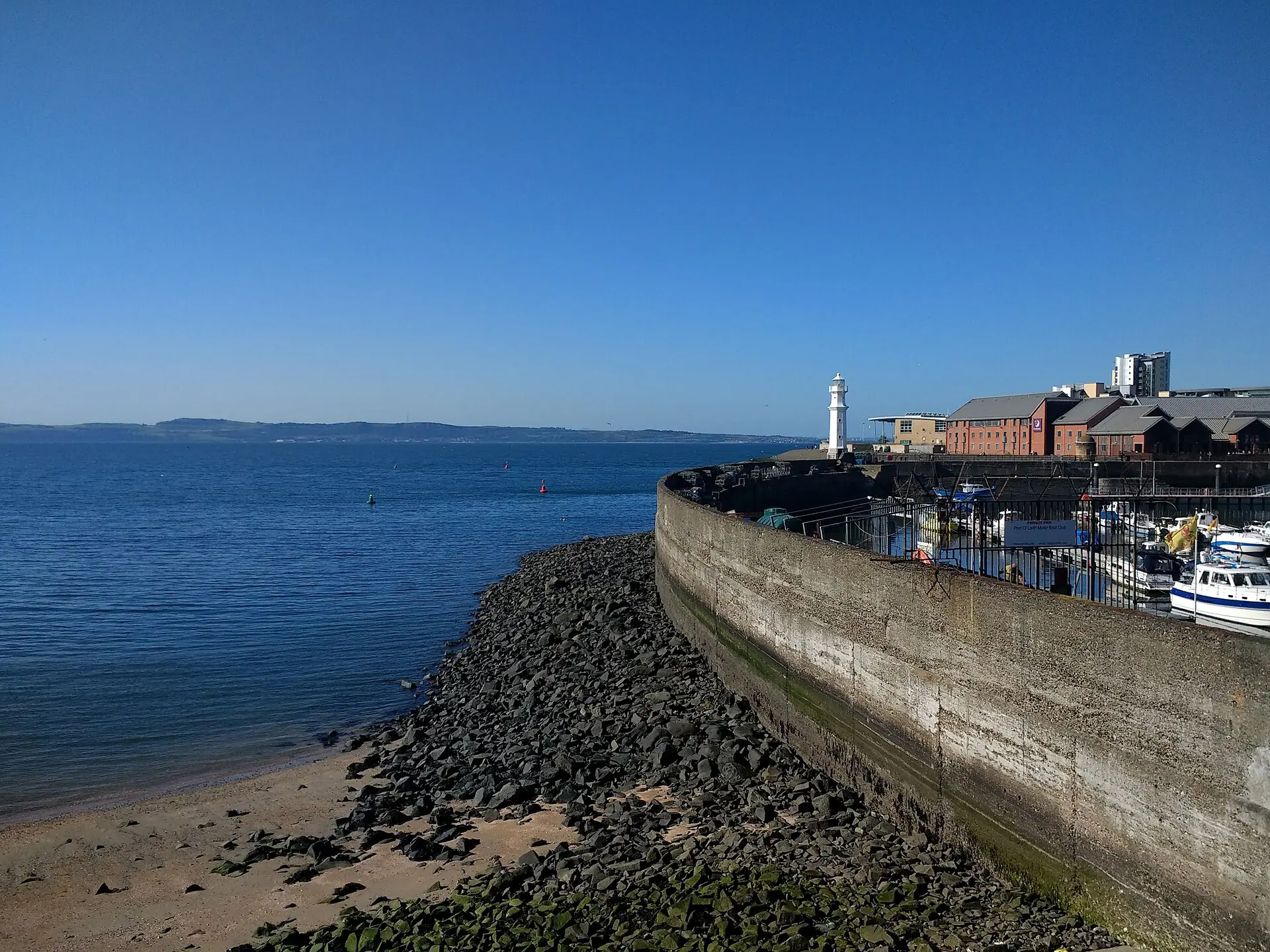
When a ferry is cancelled, the operator normally offers a refund or a place on another sailing. Ask what happens to a ticket that is missed through a delay on the road. Do not assume a flexible ticket covers a missed hotel, a rental car or a connecting train, so check your policy and travel insurance wording.
UK and French ports for a ferry to France
Dover is about 2 hours by road from London, and the town has a rail station about 2 km from the port, so a foot passenger needs a taxi or shuttle for the last stretch. Newhaven is about 1.5 hours from London by rail, then a short walk or taxi. Portsmouth, Poole and Plymouth are reached from London in roughly 2 to 4 hours by train or 2.5 to 4 hours by car, depending on traffic.
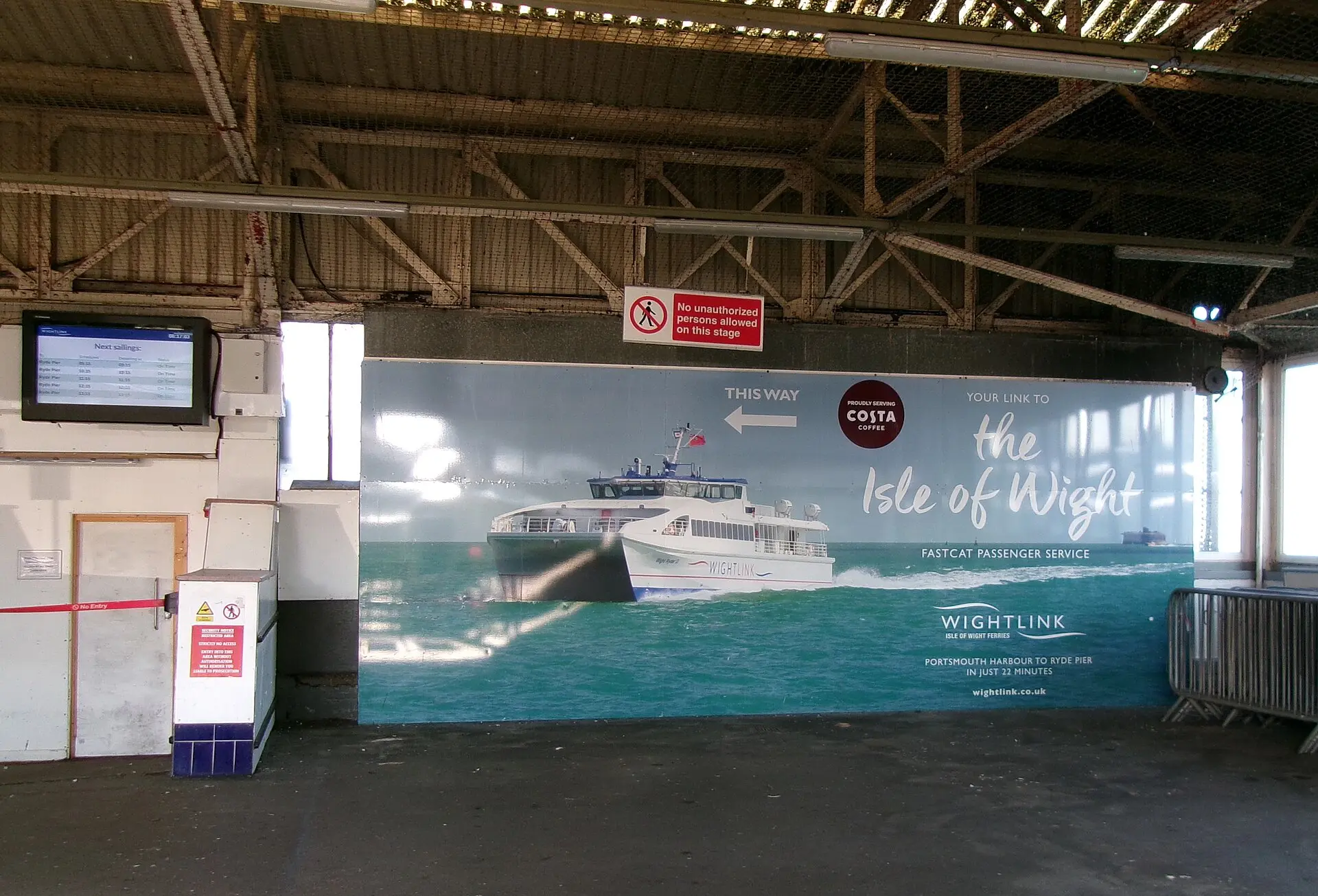
On the French side, onward travel matters. Calais and Dunkirk link to Lille, Paris and Brussels by train or road. Dieppe, Caen, Le Havre and Cherbourg have rail links to Paris, with longer and less frequent services than Calais. Roscoff is the most remote, with a rail connection from Morlaix and a long road to Paris. Check whether a late night arrival leaves you with transport at the other end.
Buffer days for France crossings and what to book flexible
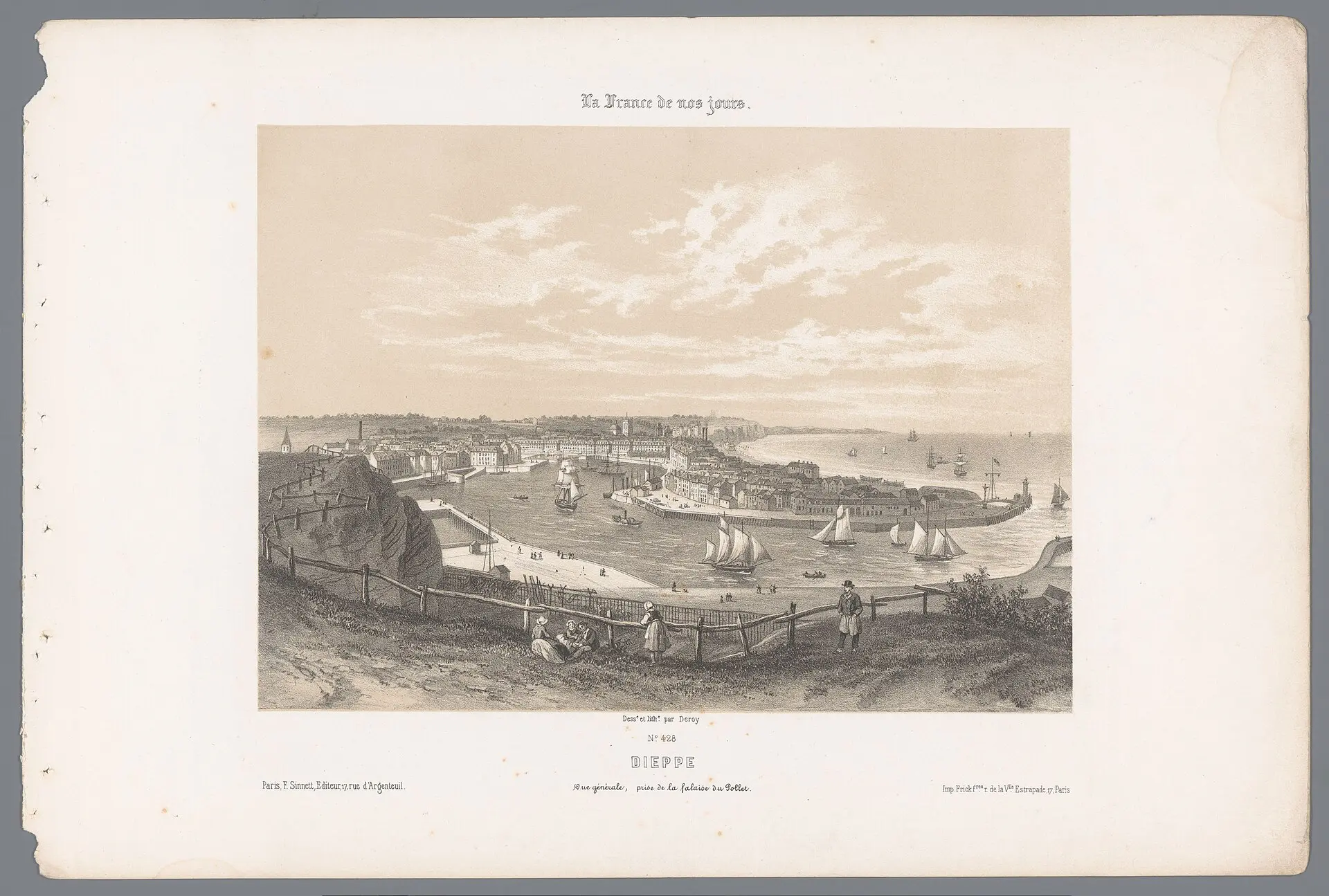
- Do not book a same-day train, flight or tour after an arrival in France. Leave a buffer of at least 24 hours for onward bookings that cannot be changed.
- Book the ferry itself on a flexible or changeable fare where the premium is small, especially for winter and long western crossings.
- Make the first and last hotel changeable; the middle nights can be firm.
- Arrive at the port for the time stated on your ticket. Border checks can be slow in school holidays, and a missed check-in is usually your risk.
- Before you go, check passport validity, the current rules for UK visitors and any biometric border registration in place as of 2026. Rules change, so use the official government sources.
Five fallback options if the ferry to France fails
1. Switch to a different port
If wind stops a western crossing, the Dover route is often still running. A longer drive in the UK is usually cheaper than a lost day. Do it by checking the status at dawn, not after you reach the port, and know the fare difference.
2. Take the tunnel
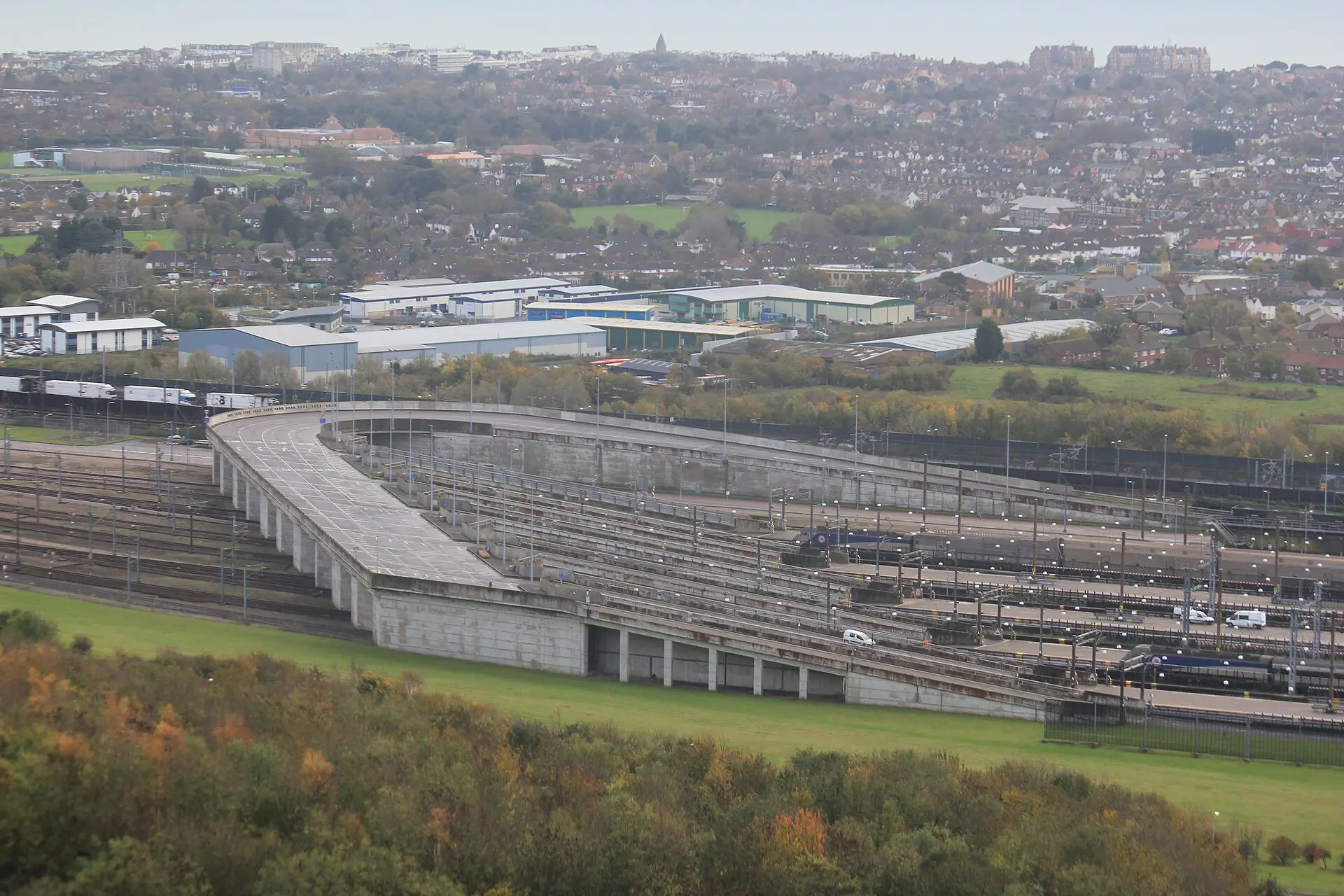
The vehicle shuttle between Folkestone and Calais takes about 35 minutes and runs through the Channel Tunnel, so wind matters less. It is a rail shuttle, not a ferry, and it can be fully booked or delayed by tunnel problems.
3. Go by train
For foot passengers, the high-speed train from London to Paris takes around 2.5 hours, and it is the most reliable route in bad weather. It needs a separate booking and is usually dearer than a foot passenger ferry ticket, so compare before you commit.
4. Fly
Short flights from London, Southampton, Bristol and other UK airports reach French cities in 1 to 1.5 hours. Flying breaks the car or bike plan. It is a last resort for trips tied to a fixed date, such as a wedding or a flight home.
5. Move the trip a day
For a long crossing with a booked cabin, ask the operator for the next sailing and rebook the French hotel. A full day lost is cheaper than a night spent in a port car park.
Skip the ferry if
Skip it if you are travelling on foot to Paris on a short break and the train costs about the same: the train is faster and less dependent on weather. Skip the long western crossings in winter if you cannot absorb a day’s delay. I would also skip the overnight routes if you need to drive on arrival without sleep. See the France travel guide to plan what follows the crossing, or read the France guide on Wikivoyage and the France article on Wikipedia for background.
FAQ about the ferry to France
How long is the ferry to France from the UK?
The quickest ferry to France, Dover to Calais, takes about 90 minutes to 2 hours. Western routes take longer: Newhaven to Dieppe is around 4 hours, Portsmouth to Caen about 6, and Plymouth to Roscoff up to 8 or more. Check the operator timetable for your date.
Which ferry port in the UK is best for France?
Dover is best for speed and frequency, and suits northern France, Belgium and Paris. Portsmouth, Poole and Plymouth suit Normandy and Brittany and save hours of driving in France. Newhaven suits a rail and ferry trip to Dieppe. Choose by where you want to be after you land.
Can you take a ferry to France without a car?
Yes, on most routes as a foot passenger, though a few routes carry vehicles only or restrict foot passengers. Dover to Calais has foot passenger access, but terminals sit some distance from the town centre. Check how you get from the port to the nearest station before you book.
What happens if my ferry is cancelled?
The operator usually offers a refund or a place on the next available sailing. You will need to rebook onward travel and hotels yourself. Keep receipts for extra costs and ask your travel insurer what is covered. A flexible fare and a spare day reduce the damage.
Is the ferry or the Channel Tunnel better?
The tunnel is faster, about 35 minutes from Folkestone, and less affected by weather. The ferry costs less on some dates, lets you leave the car and rest, and serves more destinations. Pick the tunnel for tight schedules and the ferry for a longer route, or for a cheaper fare.