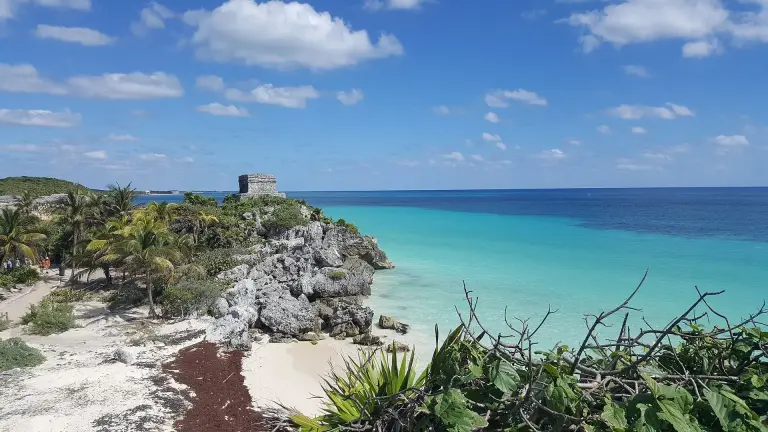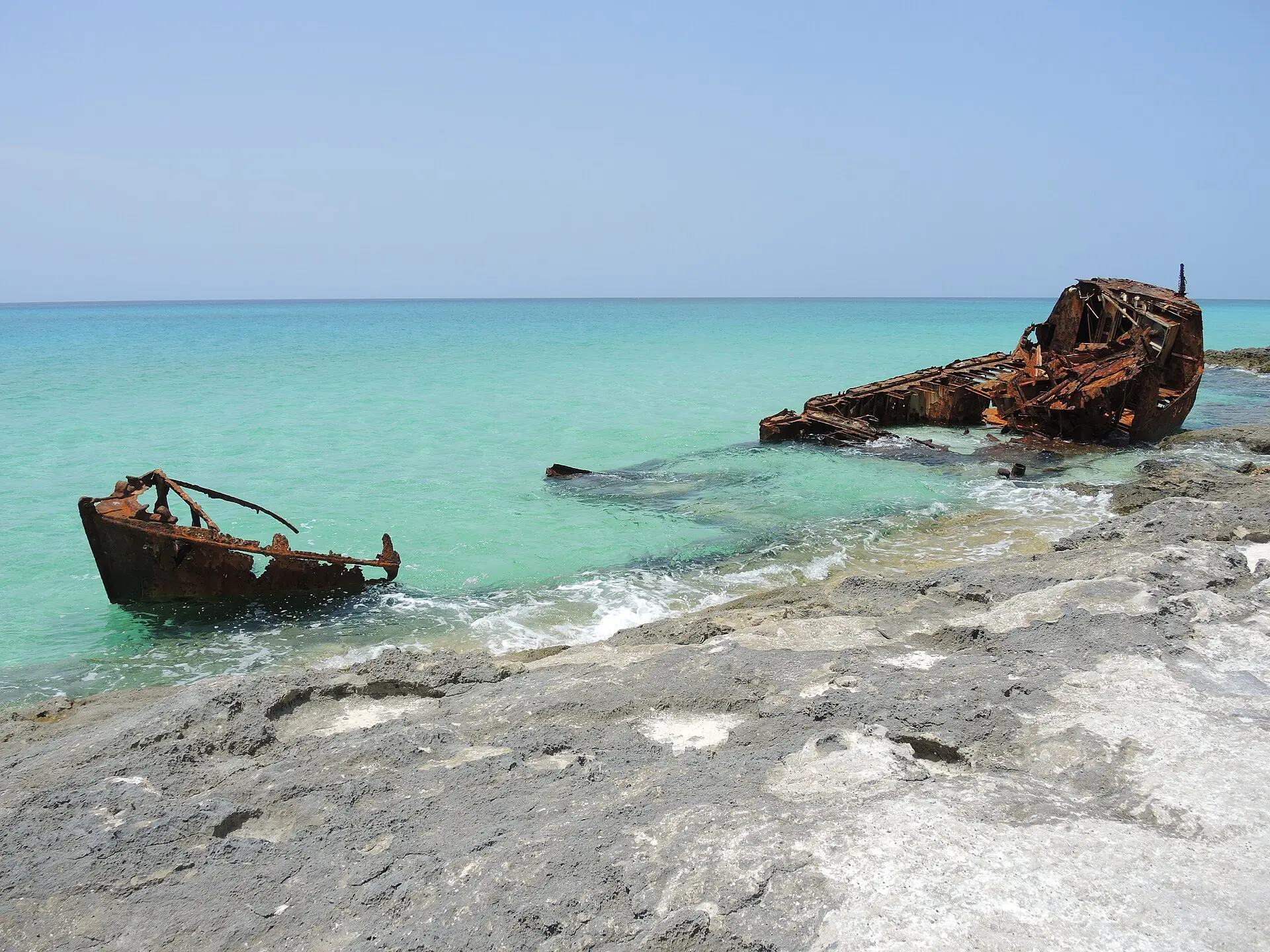
A ferry to Bimini covers about 80 km of open water from Miami and takes roughly 2 to 3 hours on a fast boat. As of 2026, services from Florida have been irregular: a fast passenger ferry has run in some seasons and stopped in others, so confirm a live timetable before you plan. The crossing crosses the Gulf Stream, where wind against current builds waves quickly. Keep a spare day, and have a flight or charter as a fallback.
Is there a ferry to Bimini?
Bimini is the westernmost district of the Bahamas and the closest point in the country to the United States. It is a chain of low islands, with North Bimini about 11 km long and 200 m wide. Alice Town, on North Bimini, is the main settlement, with a population of a few thousand across the district.
The honest answer is that the ferry exists when an operator is running it. Resort-linked fast ferries from Miami have operated for guests and the public, but sailing dates have changed, and pauses are common. Private boats and charters fill the gap. Before you book flights or a room, find a live timetable and a booking page that shows seats for your date. If none shows, switch to the fallbacks below.
Ferry to Bimini: crossing time, frequency and cancellations
| Route | Typical crossing | Frequency by season | What cancels it |
|---|---|---|---|
| Miami to Alice Town, fast ferry | About 2 to 3 hours, plus check-in and customs | Irregular; more in winter and spring, if running | Strong wind against the Gulf Stream, storms, low bookings |
| Flight Miami or Fort Lauderdale to South Bimini | About 20 to 30 minutes | Daily or several times weekly, by carrier | Weather, aircraft availability |
| Charter boat from Florida | About 2 to 3 hours | By arrangement | The captain’s call on sea state |
| Water taxi, South Bimini to North Bimini | About 5 to 10 minutes | Frequent in daylight | Rare: strong wind, late-night gaps |
Treat all times as ranges. The crossing is short, but the formalities on both sides take as long as the sea leg.
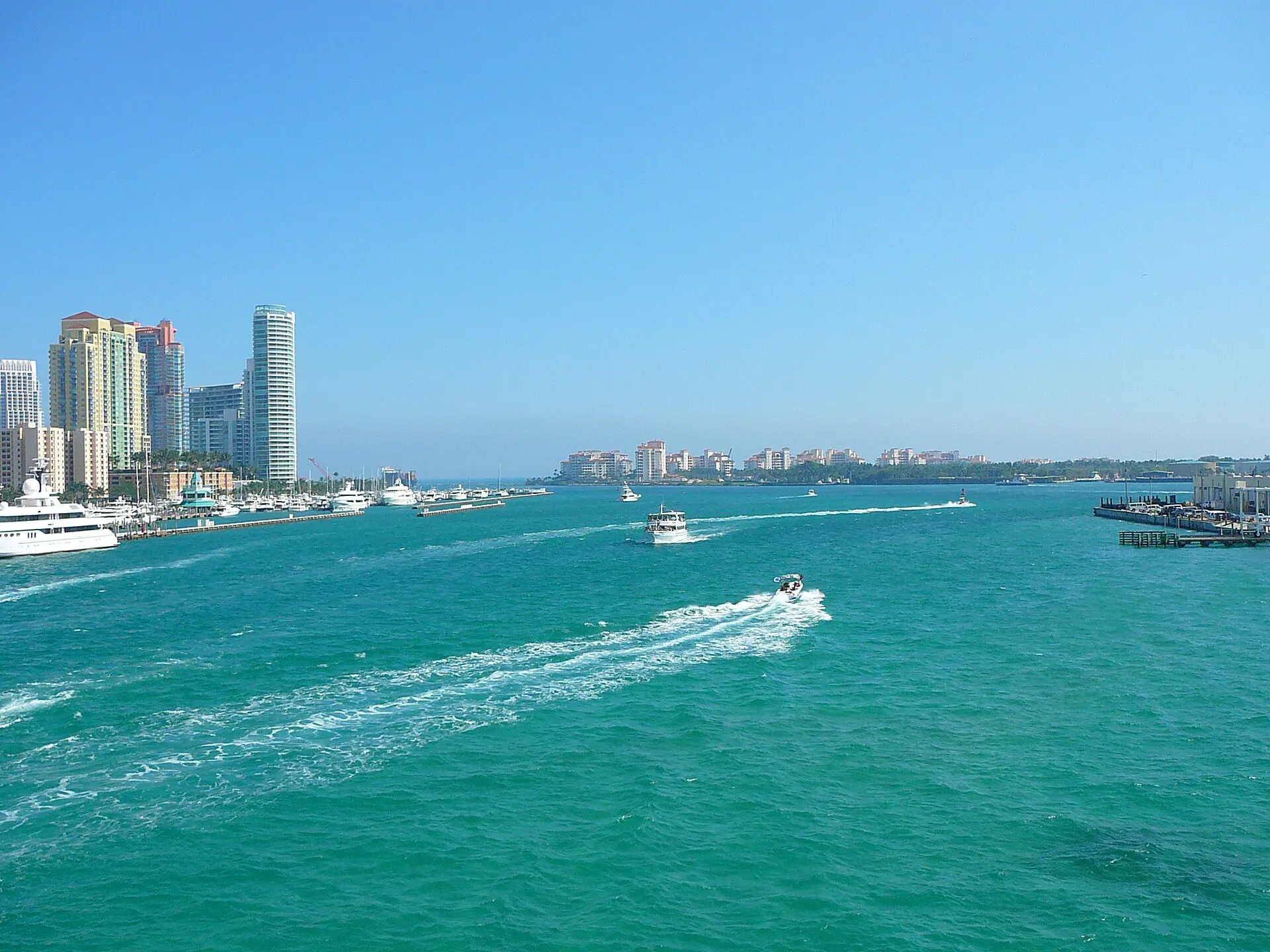
How ferry cancellations work on the Florida to Bimini run
West of Bimini, the Gulf Stream flows north through deep water, more than 1,800 m in places. When wind blows against that current, short steep waves form. Small fast boats cancel first, usually on the morning of the sailing. East and south of the islands the water is shallow, so the problem is on the Florida side of the crossing.
Hurricane season, June to November, brings the longest pauses. If a sailing is cancelled, ask for the next departure, a refund or a transfer to a flight, and get it in writing. Some operators run only on weekends, which makes one cancellation a full week lost.
Ports and getting to them
On the Florida side, check which port your service uses. Fast ferries have used Miami’s port area, which needs a taxi or ride-share and an early check-in, often 2 hours ahead. Bring a passport. You clear Bahamas immigration and customs in Alice Town, and US customs on your return.

Planes land at South Bimini, which has the airstrip. A short water taxi crosses to North Bimini, where Alice Town and most guesthouses are. Distances on the island are small: you can walk the main street or hire a golf cart, as cars are rare. Bring cash, water and sun cover, because shops are small and stock runs out.
Buffer days and what to book flexible
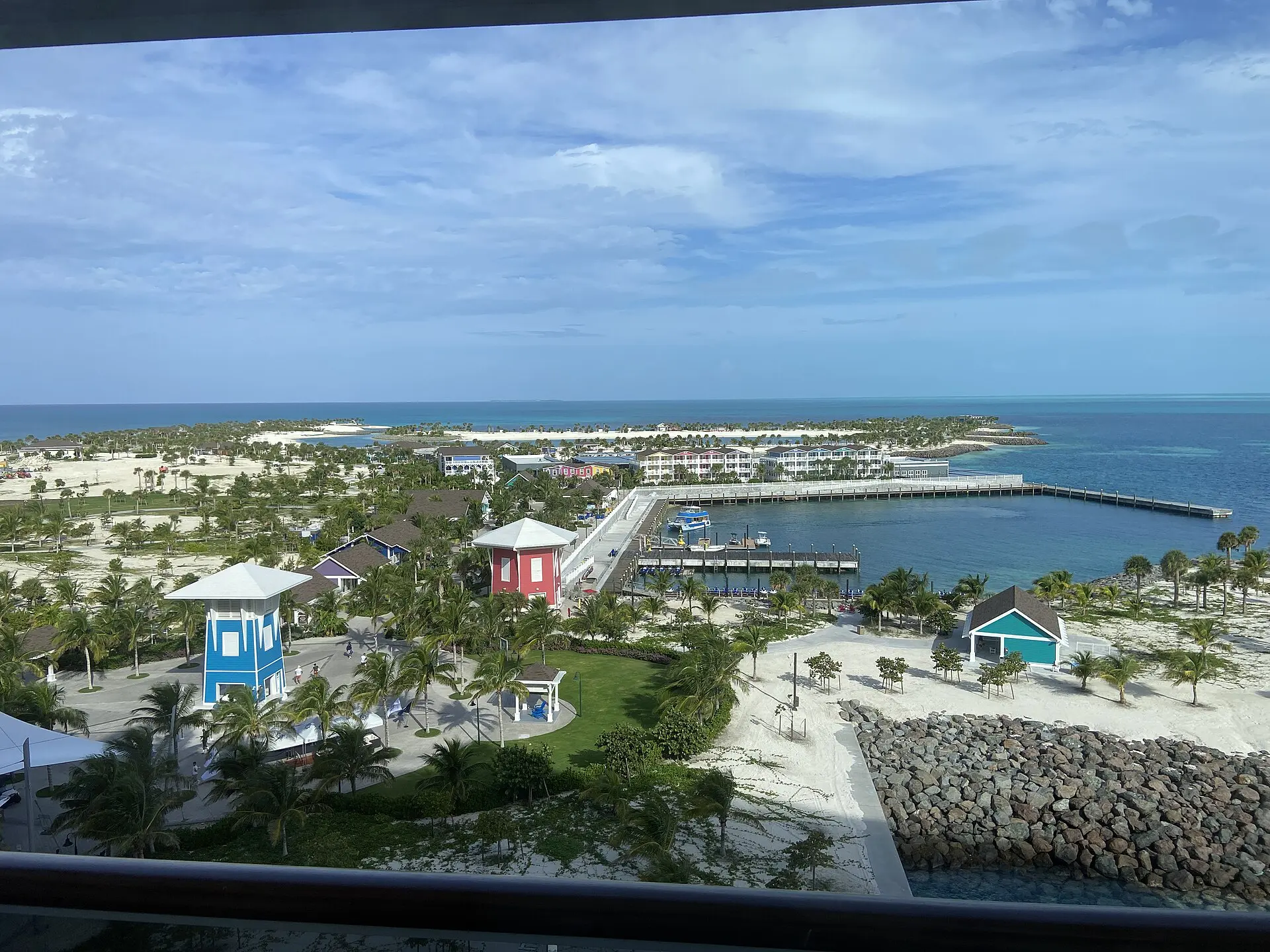
- Do not tie a ferry to a same-day flight from Miami. A spare day on the island costs less than a missed flight.
- Book the room with free cancellation, since it is the first thing to lose if the boat stops.
- Choose the earliest departure of the day. Wind tends to build in the afternoon.
- Check the marine forecast two days out, not the city forecast.
- Carry enough cash for a taxi, a water taxi and a spare night.
Fallback options if the ferry to Bimini is off
1. Fly to South Bimini
Small carriers connect Florida to South Bimini in about 20 to 30 minutes. Seats are few and baggage limits are tight, so book early and read the luggage rules.
2. Charter a boat
Many captains run day trips and one-way transfers from Florida marinas. Price depends on boat size, so ask for the total, including fuel and fees, in writing. Prefer a licensed captain with a clear cancellation rule.
3. Go through Nassau
Fly to Nassau, then take a small flight to Bimini. It is longer and costs more, but Nassau has frequent connections from the United States and gives you a second chance if one leg fails.
4. Cut the trip to a day
If the boat runs only in daylight and one-way, a day trip may be impossible. Check the return time before you book. If it does not fit, change your plan to an overnight stay.
5. Move the trip
If the forecast is bad for several days, change dates. A refundable room and a flexible ticket make this cheap. Without them, a pause costs far more than waiting.
Skip the ferry to Bimini if
- You get seasick. The crossing is short, but the swell in the Gulf Stream is steep.
- You have a fixed flight home within 24 hours of the sailing.
- You travel from June to November without a flexible booking.
- You want a long stay. A flight lets you bring more luggage.
For what to do once you arrive, see the Bimini guide. For the whole country, see the Bahamas travel guide. Reference reading: Bimini on Wikipedia and Wikivoyage on Bimini.
FAQ about the ferry to Bimini
How long is the ferry from Miami to Bimini?
About 2 to 3 hours on a fast boat, depending on sea state. Add check-in time and customs on both sides. The distance is about 80 km, so the sea leg is short, and the rest of the day goes on formalities.
Is there a daily ferry to Bimini?
Not reliably. Services from Florida have run in some seasons and stopped in others, and some sail only on certain days. Check a live timetable for your date, and keep a flight or charter as a backup.
How do you get from South Bimini to North Bimini?
A short water taxi crosses the channel in about 5 to 10 minutes. It runs in daylight and often meets flights. Ask your guesthouse to arrange it, and carry cash for the fare.
Do you need a passport for Bimini?
Yes. Bahamas immigration and customs apply on arrival, and US customs on return. Operators usually need passport details at booking. Entry rules and any online forms change, so check the official government source before you travel.
When is the best time for the crossing?
Winter and spring usually give calmer conditions and more sailings, though cold fronts bring wind. Summer is hot with afternoon storms, and hurricane season, June to November, brings the longest pauses. Allow a spare day in any month.