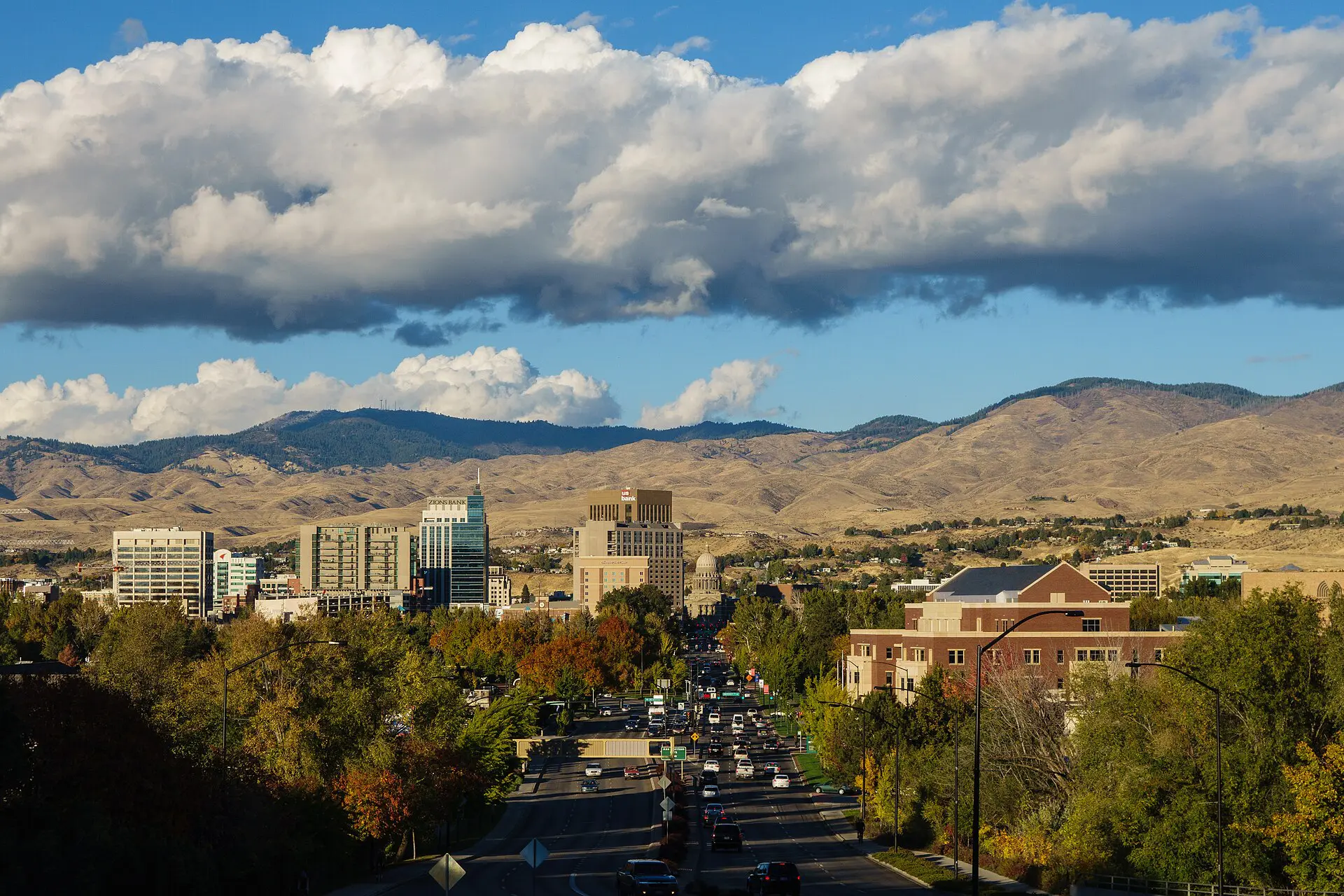
The cost of living in Boise ID sits well below San Francisco or Seattle but no longer qualifies as cheap, and a remote worker should plan on a one-month budget of roughly US$2,500 to 4,500. Boise suits people who want a safe, outdoorsy, mid-sized capital with a downtown, a river path and mountain trails close by. It is a poorer fit if you want public transit, big-city nightlife or winter sun. Below: a budget table, areas, internet checks and a first-week test.
Cost of living in Boise ID: a one-month budget band
These are planning ranges in US dollars, as of 2026, and estimates only. Housing is the main driver, and prices have risen in recent years as remote workers and others moved in. Treat every row as something to verify against current listings.
| Item | Range per month |
|---|---|
| Furnished one-bed or studio, medium-term let | US$1,400 to 2,600 |
| Groceries and some restaurant meals | US$500 to 900 |
| Car rental or ownership, fuel and insurance | US$450 to 900 |
| Coworking desk or cafe spend | US$0 to 250 |
| Internet, phone and utilities | US$150 to 300 |
| Health insurance (if you are not covered) | US$200 to 600 |
| Realistic total, single person | US$2,500 to 4,500 |
For a short stay, rent is often a premium on a month-to-month furnished lease. If your dates are flexible, a longer lease or a winter month lowers the total. Do not forget health cover, which matters more in the United States than almost anywhere else.
Is Boise good for remote workers?
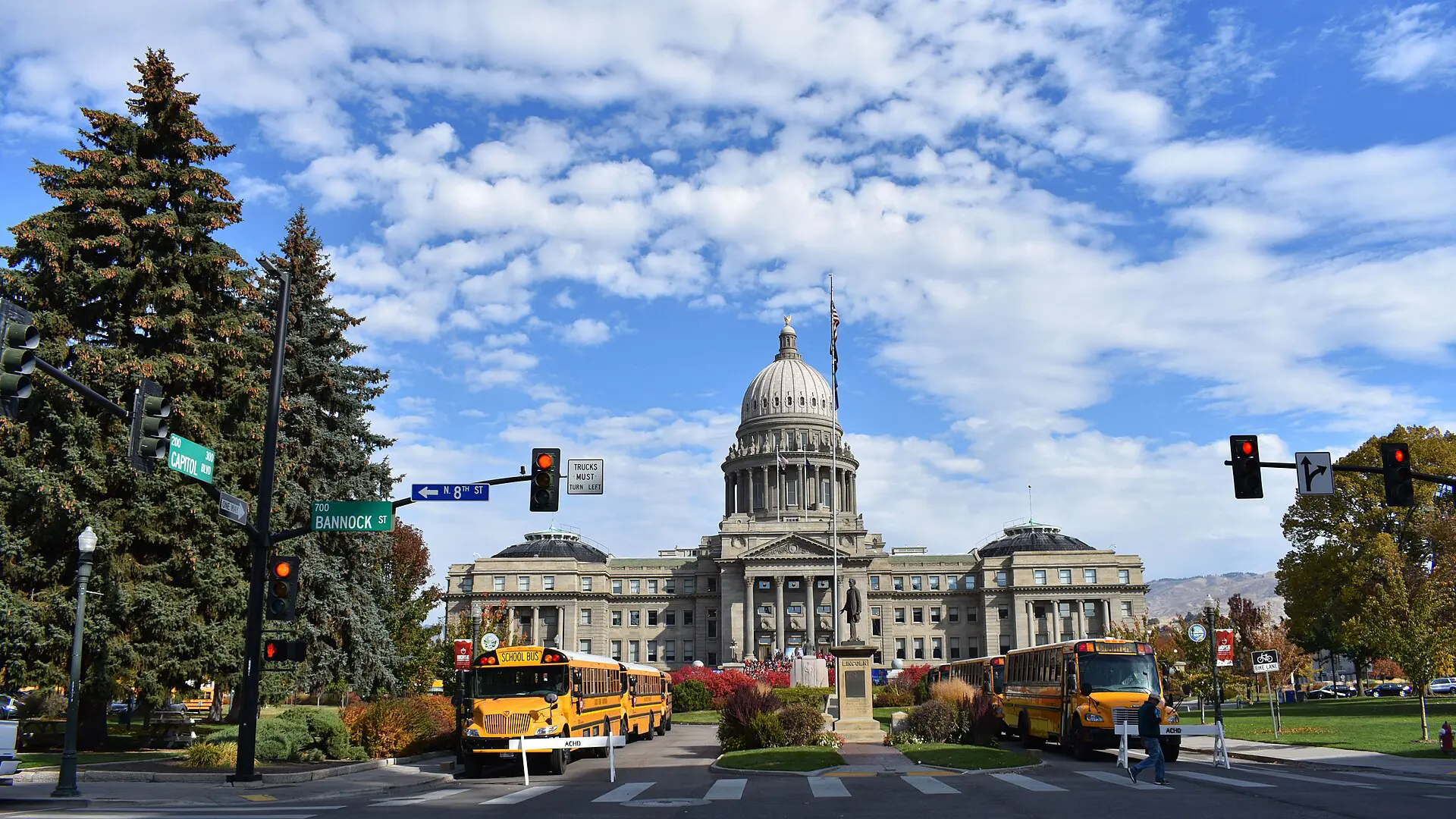
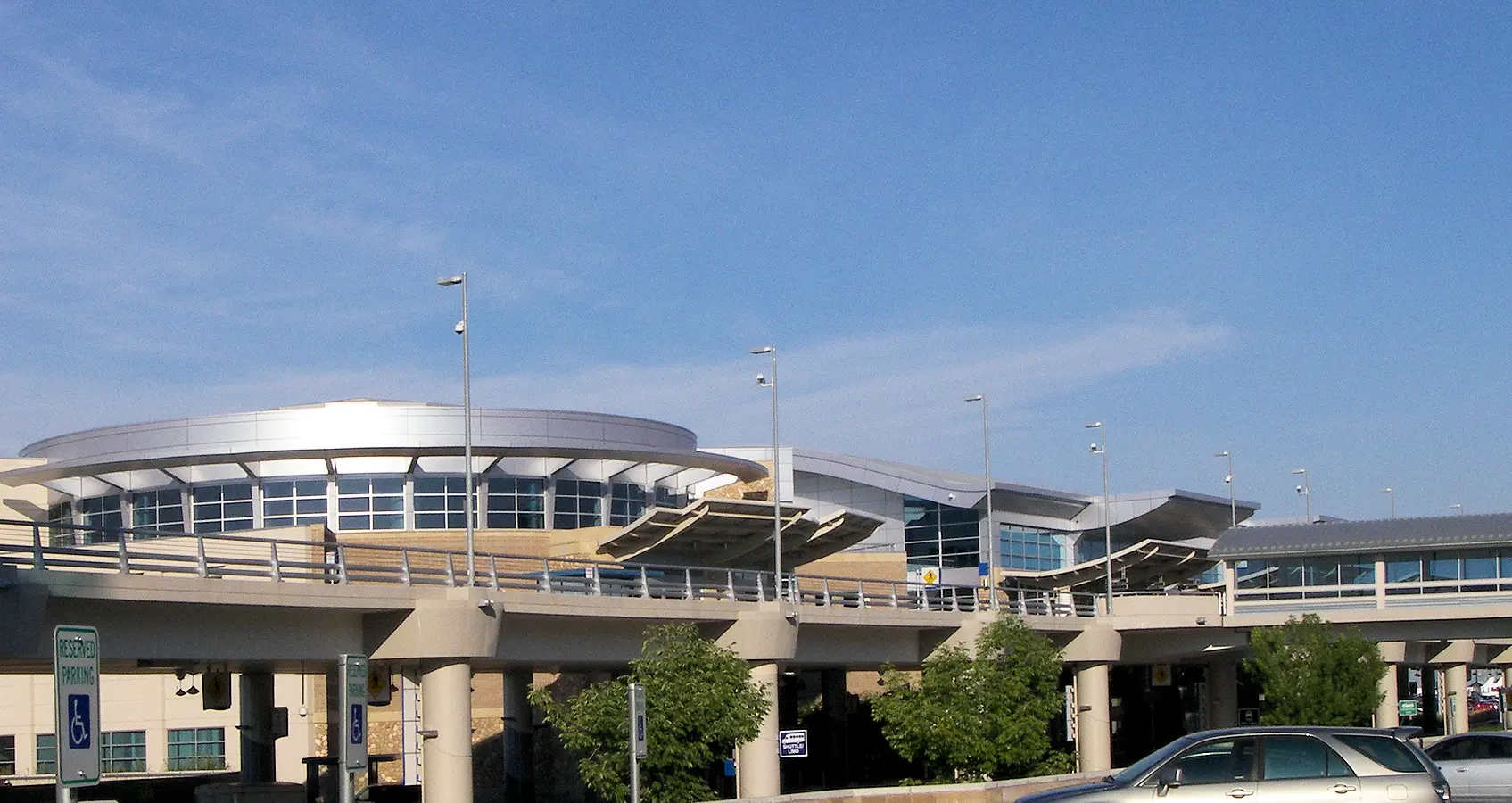
Wikivoyage describes Boise as the capital and largest city of Idaho, with hiking and biking in the foothills just north of downtown and a growing high-tech sector. It also notes a “City of Trees” identity along the Boise River. For a working month that means a manageable city with an easy outdoor break at lunchtime, plus a regional airport with direct flights to several large hubs, so you can leave easily.
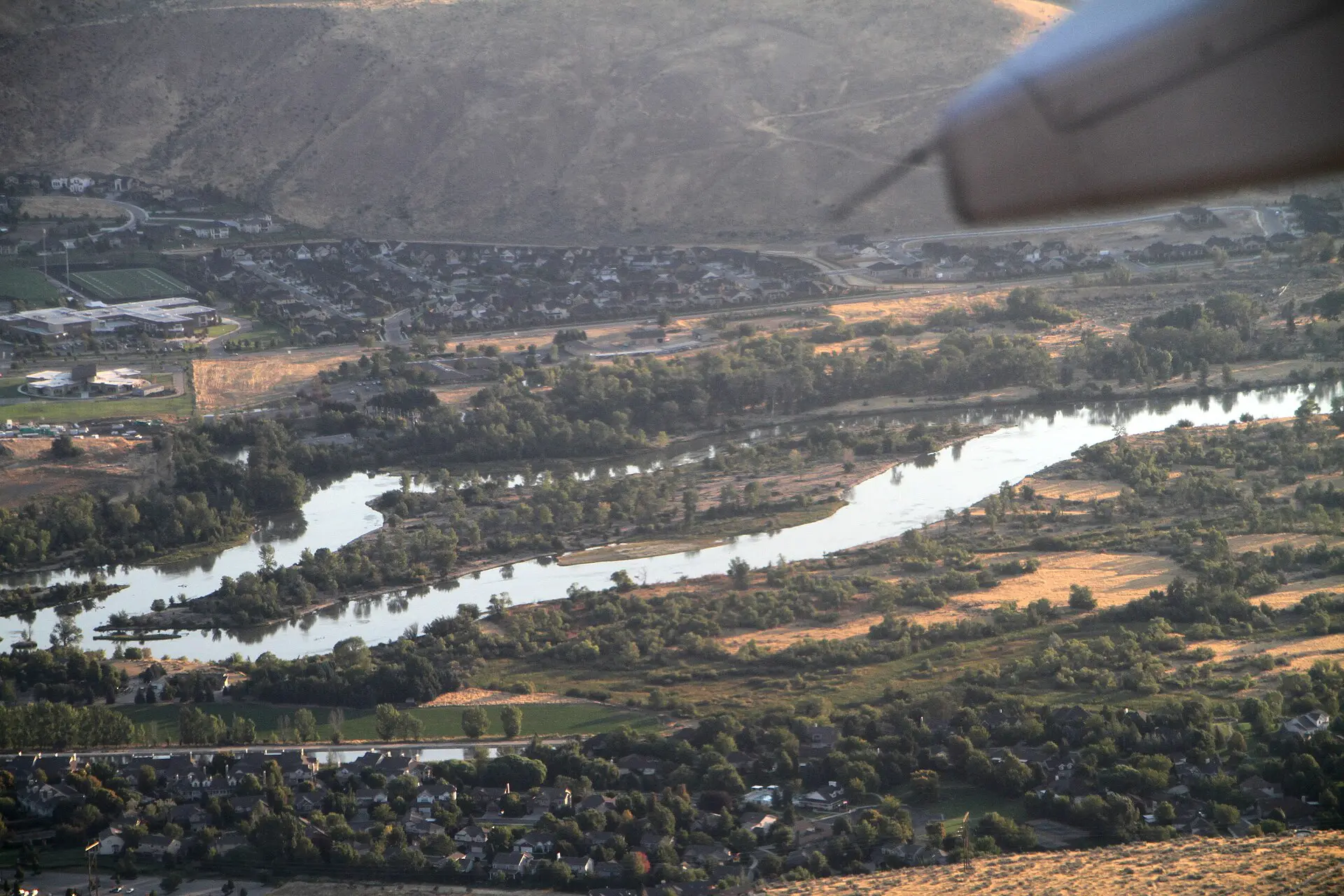
It is also an Intermountain West city: car-based, spread out and quiet in the evenings compared with the big coastal metros. Boise is in the Mountain time zone, which suits calls with both coasts, and that is a real advantage for many US-based remote workers.
Where to base yourself in Boise by work style
Boise’s areas are best distinguished by age of construction, with a downtown core that is mostly corporate and nightlife establishments, plus the walkable North End. The six types below are types of area, not endorsements, and you should check each street yourself.
1. Downtown Boise
The compact core, with restaurants, bars, offices and a river greenbelt close by. Best if you want to live without a car for most days. Expect higher rents, event noise at weekends and a limited stock of short-term apartments.
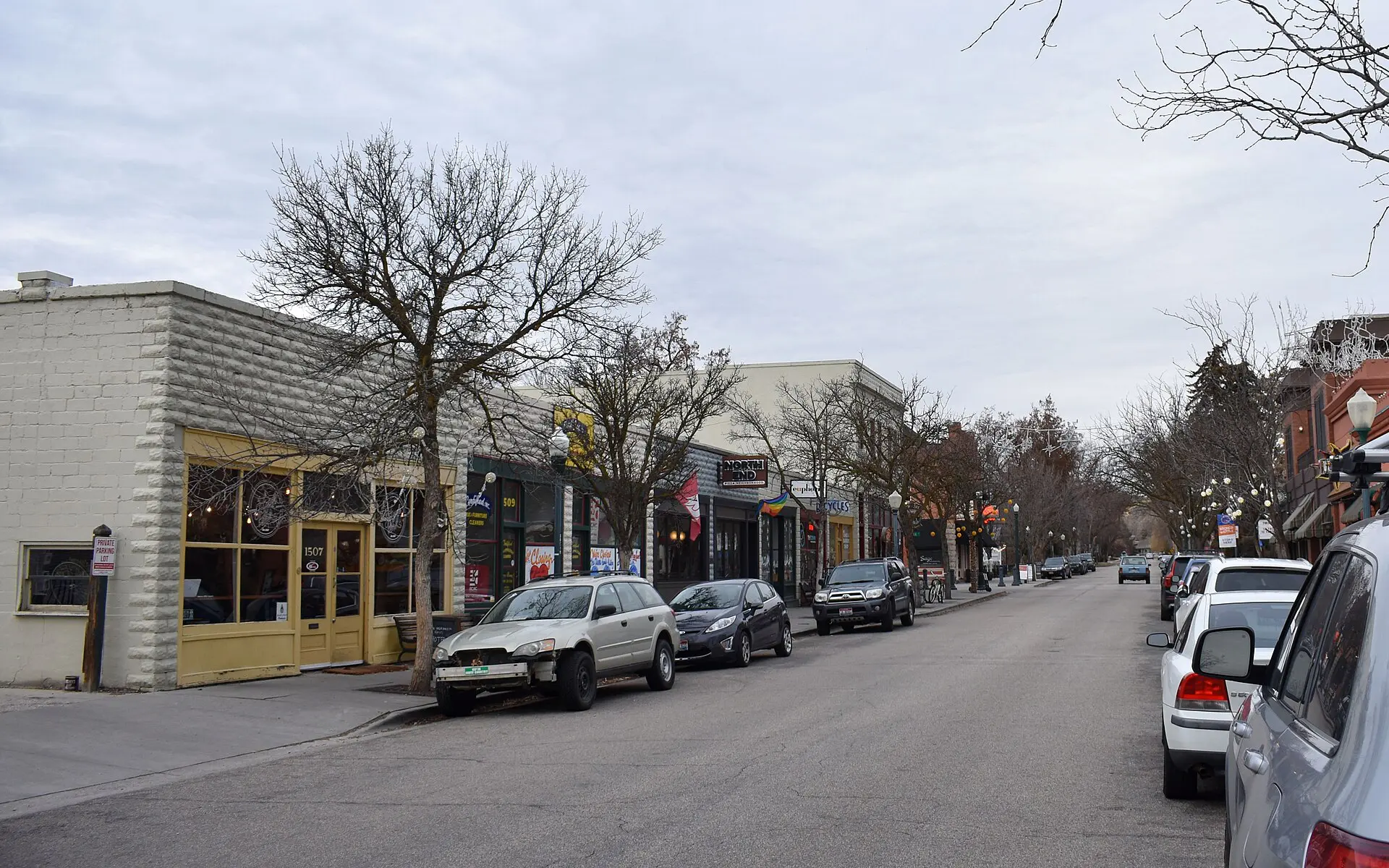
2. The North End
A grid of older, smaller houses with trees and amenities within walking distance. A popular choice for people who want a neighbourhood feel and the foothills on the doorstep. Furnished mid-term lets can be scarce and pricey.
3. The East End and Warm Springs side
A quieter residential area east of the centre, linked by the river path. Good for runners and cyclists, and generally calmer than downtown. A car or bike helps for daily errands.
4. Near Boise State University
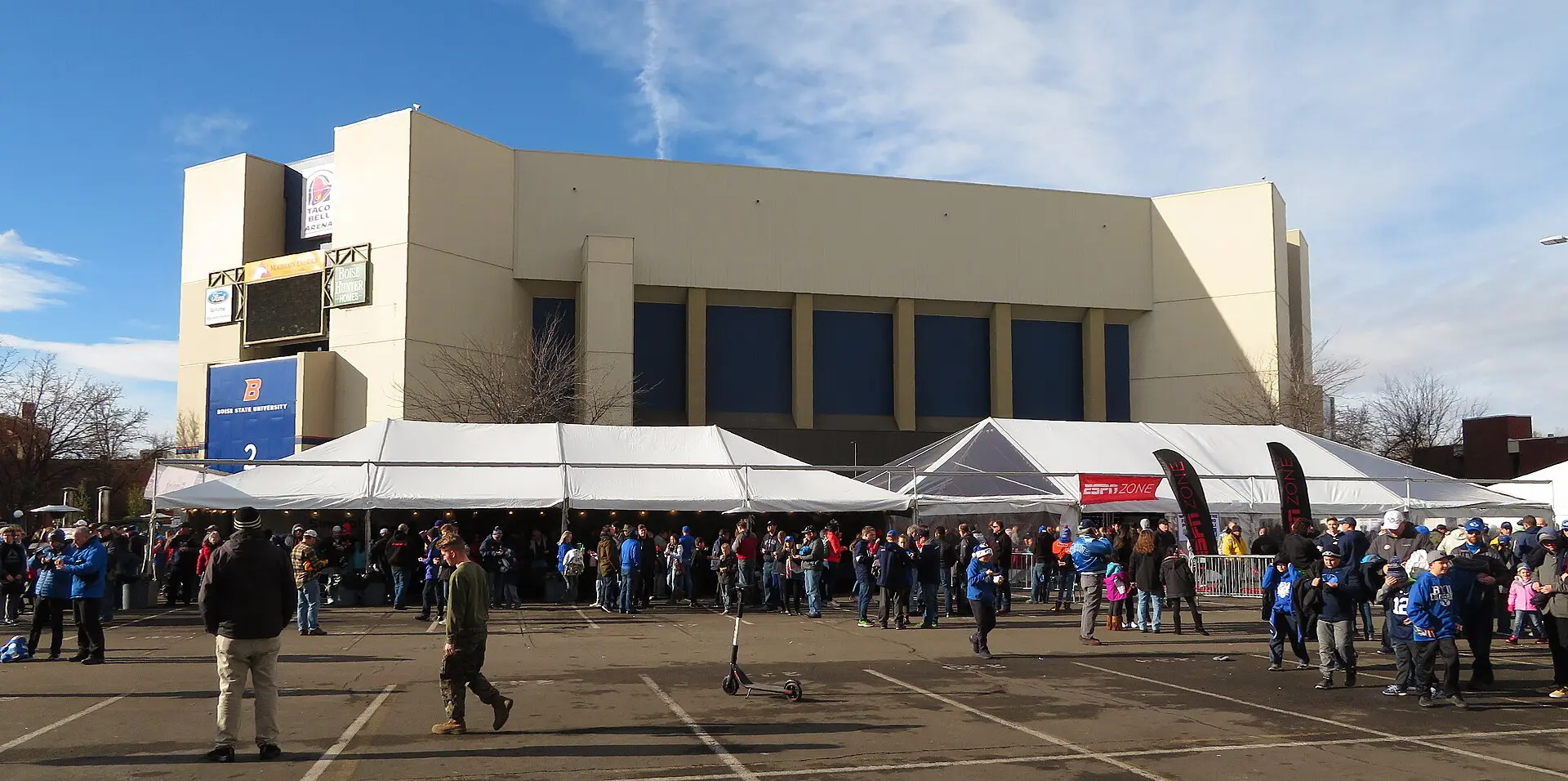
The area around the campus and the river has student housing, cafes and a youthful feel. It can be lively on game days, so check the sports schedule, and it is a handy base without a car if you stay close to the campus.
5. The Bench
The residential plateau south of downtown, with more varied housing and generally better value. You will want a car, so factor that into your total before you decide.
6. Suburbs such as Meridian and Eagle
Suburbs like Meridian and Nampa have a self-reliant Intermountain West character. They offer larger flats and new buildings for lower rents, but you will depend on a car for almost everything.
Work-friendly spots by type in Boise
We do not name places because we cannot vouch for any connection or seat. Look for these types and test them yourself.
- Coworking space: Boise has a growing set of shared offices. Ask for a day pass first, then a monthly membership, and check opening hours and meeting rooms.
- Cafe: good for a morning block. Look for sockets, ample seating and a policy on laptop use at busy hours, and buy something regularly.
- Apartment desk: the most reliable. Ask for a proper desk, a chair and a router before you sign.
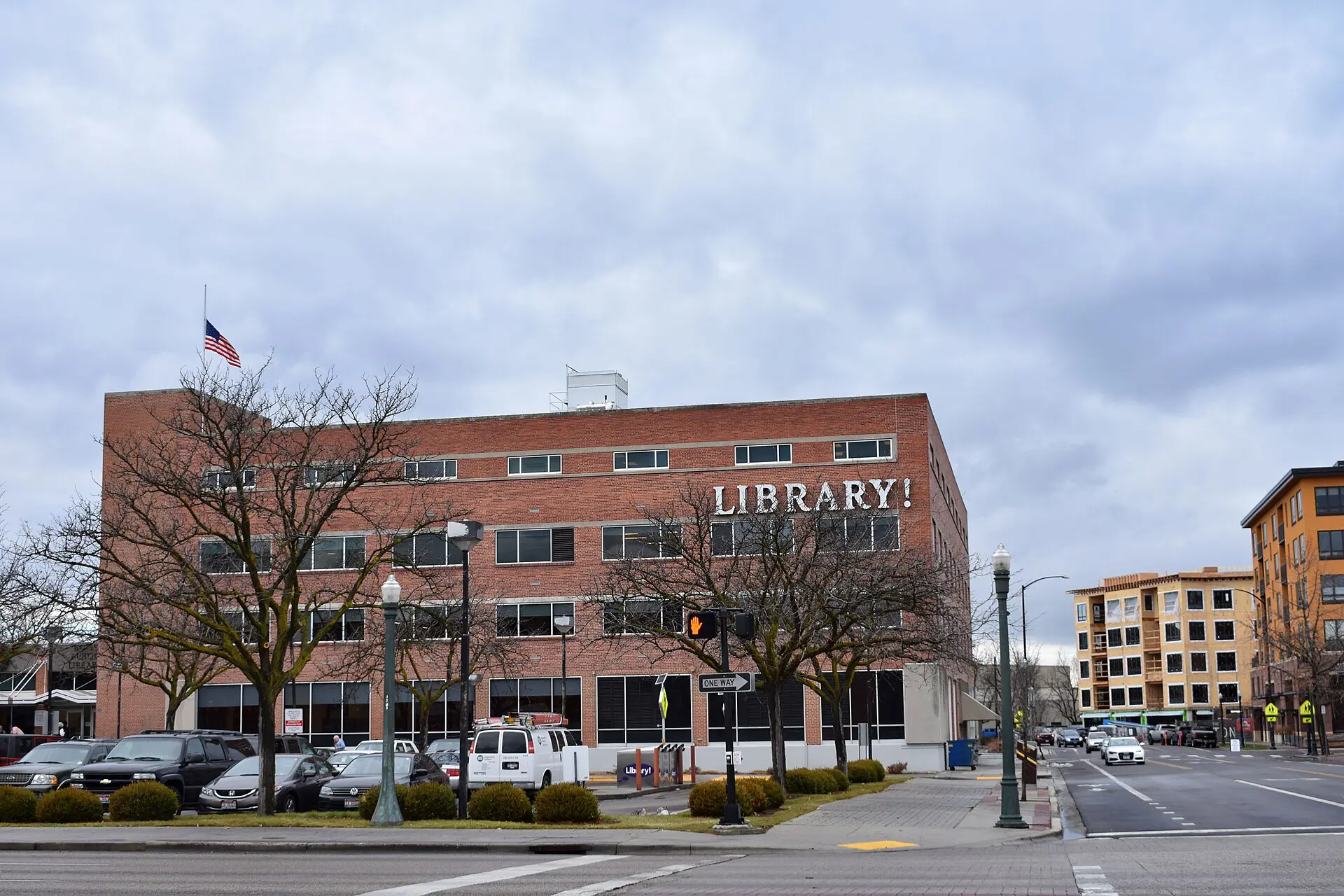
- Library or university space: public libraries often offer quiet desks and free wifi, though rules for non-residents vary.
Internet and power in Boise: what to check yourself
Fibre and cable broadband are available in much of the city, but availability varies by street and building, and mid-term landlords sometimes bundle a basic plan. Power is generally reliable, though summer heat and winter storms can cause local outages.
- Ask which providers serve the address and what speed the plan includes, then test it yourself.
- Run a speed test and a video call at your working hours, including the evening.
- Check upload speed as well as download if you do calls or large file transfers.
- Get a phone plan with a hotspot as a backup, and check coverage at the address.
- Ask about air conditioning, since summer highs can reach the high 30s Celsius.
Boise visa and stay length for remote workers
If you are a US citizen or resident, no visa is involved, but remember tax and residency rules if you stay long. If you are travelling from abroad, entry rules depend on your passport, and a short-visit status generally does not authorise working for a US employer or clients. Do not rely on a blog, including this one. Verify the current rules, the allowed activity and the maximum stay with the official US government sources or a qualified immigration adviser.
Routine and recovery in Boise
Boise’s seasons shape a working month. Summers are hot and dry, with highs averaging about 34 degrees Celsius, while winters bring frost and some snow. Late spring and September are pleasant in between. Winter can bring grey, cold spells, and hot summers can mean smoke from regional wildfires at times, so check air quality and forecasts.
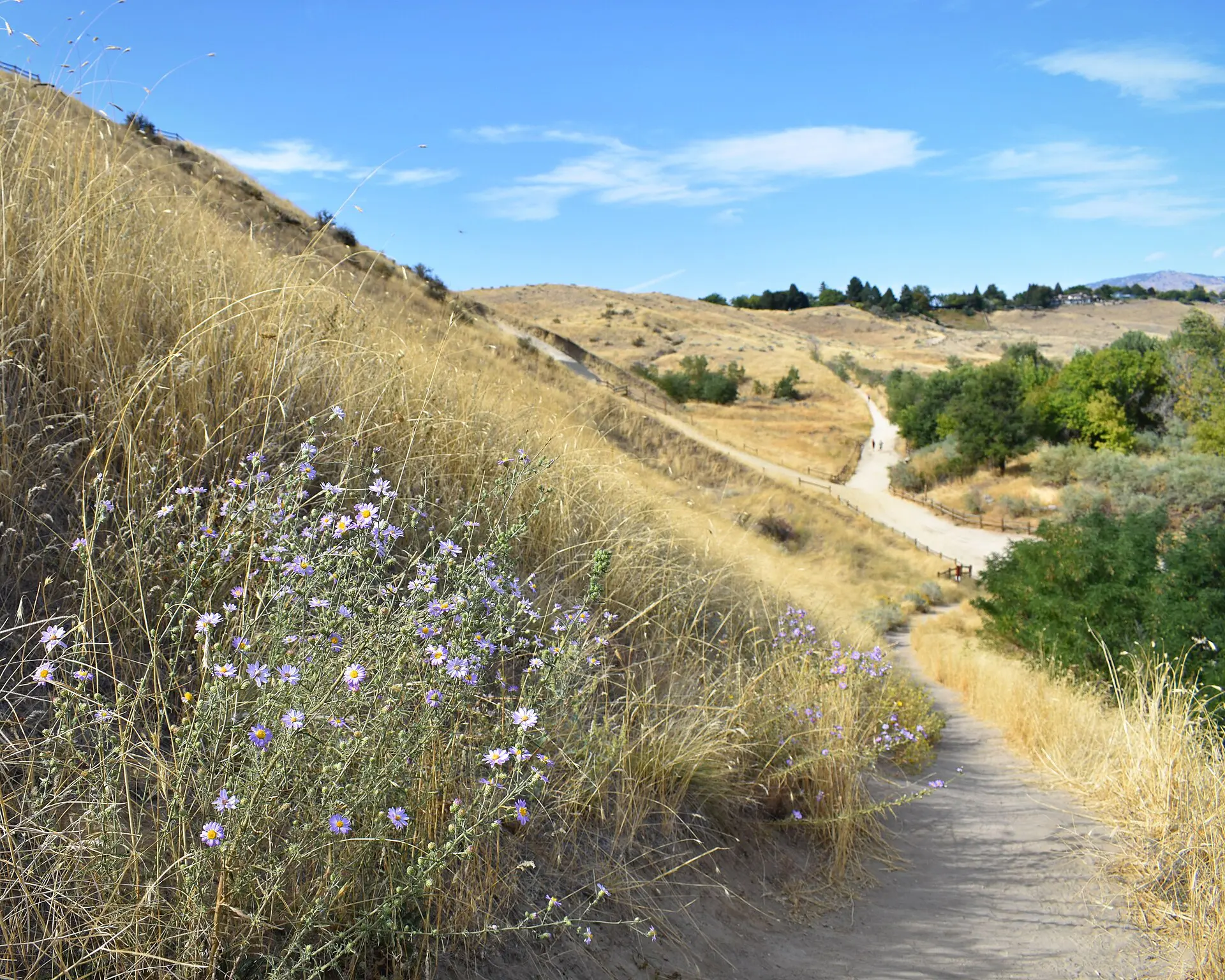
A good rhythm is a morning work block, a lunchtime walk or ride on the river path or foothills, and an afternoon block. For what to see and do, read our guide to what to do in Boise, Idaho, and see the United States travel guide for the wider country.
Test Boise in your first week
Book a short first stay, or a lease with flexible terms, and run this checklist.
- Speed-test your desk at morning, afternoon and evening, and join a real video call.
- Drive or ride the route to your main work spot, and to the supermarket.
- Check noise and air conditioning on a warm night, or heating in a cold one.
- Price a week of groceries and two restaurant meals against the budget above.
- Check car costs, parking and whether you can live without one.
- Confirm your allowed stay and work rights with an official source.
- Decide by day seven whether to extend, move areas or leave.
FAQ about the cost of living in Boise ID
How much does it cost to live in Boise for a month?
A single remote worker could plan on roughly US$2,500 to 4,500 a month in 2026, depending mostly on rent, a car and health insurance. Furnished short lets cost more than long ones. These are estimates, so check current listings before you decide.
Is Boise cheaper than Seattle or Portland?
The cost of living in Boise ID is generally lower, mainly because of housing, though the gap has narrowed in recent years. Groceries, fuel and insurance are not dramatically different. Compare current rents for the type of place you want rather than relying on averages.
Do you need a car in Boise?
For most people, yes. Downtown and the North End are walkable, and there are local buses, but the city is spread out and the Bench and suburbs depend on cars. Include rental or ownership costs in your budget, and check parking at your address.
What is the best time to live in Boise?
Late spring and September are mild. Summers are hot and dry, and winters bring frost and snow, so choose by whether you prefer heat or cold. Rents and prices can vary by season, so ask landlords for off-peak terms.