What to do in Boise Idaho comes down to water, trails and a walkable downtown: float or walk the Boise River, hike the foothills above the North End, eat at the Basque Block and visit a few good museums. We rate it as a working base because everything sits within a short ride of everything else. You can finish at five and be on a trail at 5:20. Here is what to see, where to stay and what a month costs.
Best time to visit Boise
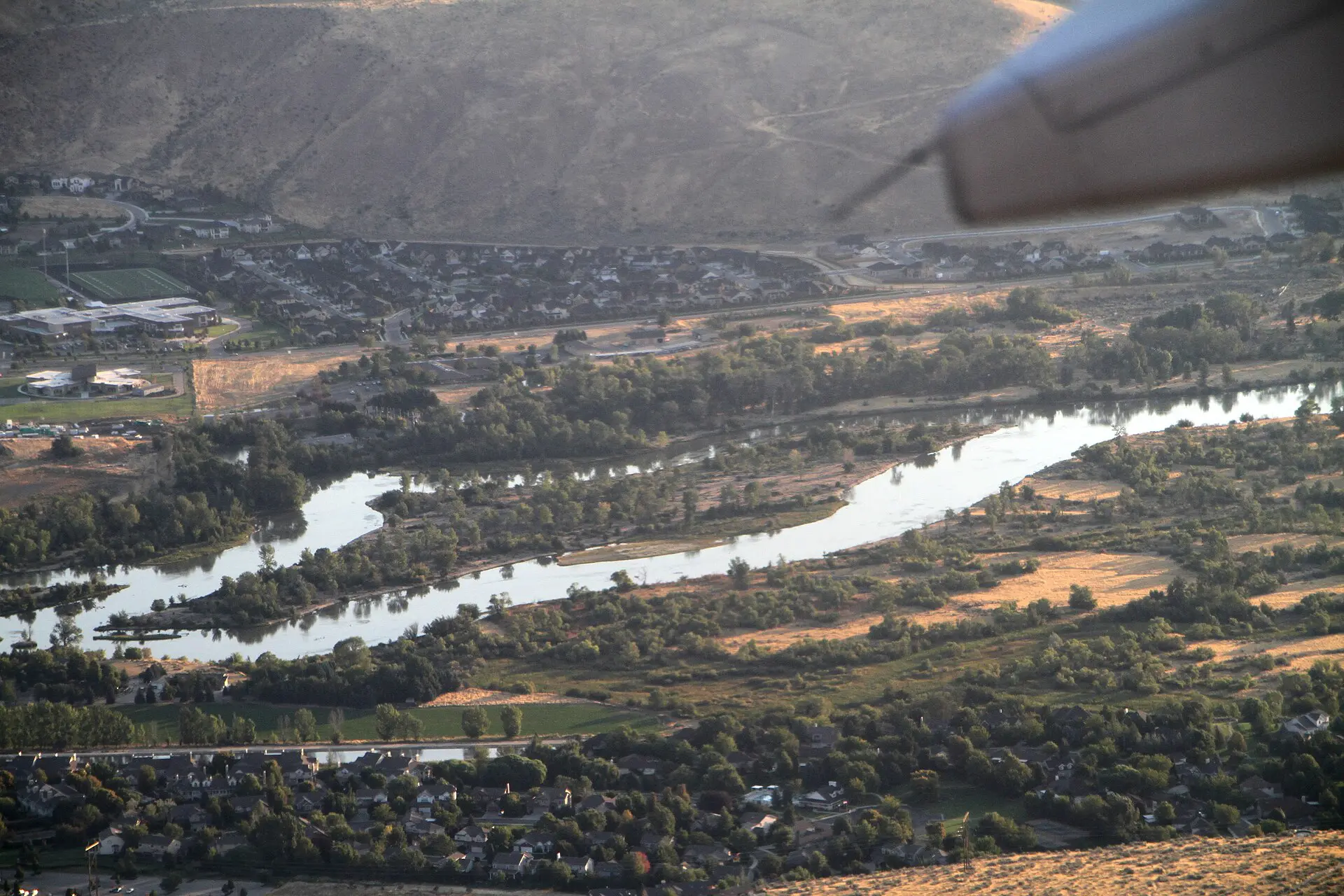
Boise sits at about 2,700 feet in a high-desert valley. It is dry for humidity and relatively dry for precipitation all year, with somewhat more snow than the average US city. Summers are hot and dry, winters cold and sometimes grey. Treat the figures below as rough guidance and check a forecast.
| Season | Weather | Crowds and prices | Good for |
|---|---|---|---|
| Spring (March to May) | Cool to mild, changeable | Moderate; Treefort Music Fest brings a busy week in March | Trails, festival, lower rates |
| Summer (June to August) | Hot, dry, long evenings | Busiest and priciest | River floating, patios, early-morning hikes |
| Autumn (September to November) | Warm days, cool nights | Football weekends spike hotel prices | Hiking, cycling, good value midweek |
| Winter (December to February) | Cold, some snow and inversion haze | Quiet, cheaper | Skiing at Bogus Basin, quiet work months |
If you are staying a month, September or early October is the sweet spot for what to do in Boise Idaho: summer heat is fading but the trails and patios are still in use. Avoid home football weekends unless you are going to the game.
What to do in Boise Idaho: the top 12
1. Walk or cycle the Boise River Greenbelt
The Greenbelt is a path system along the Boise River that runs through the middle of the city, passing parks, universities and downtown. It is flat, shaded in sections and used by walkers, runners and cyclists. For a remote worker it is the daily reset: an hour at lunch and your head clears. Cottonwoods line the banks, which fits the “City of Trees” nickname.
2. Hike the foothills from the North End
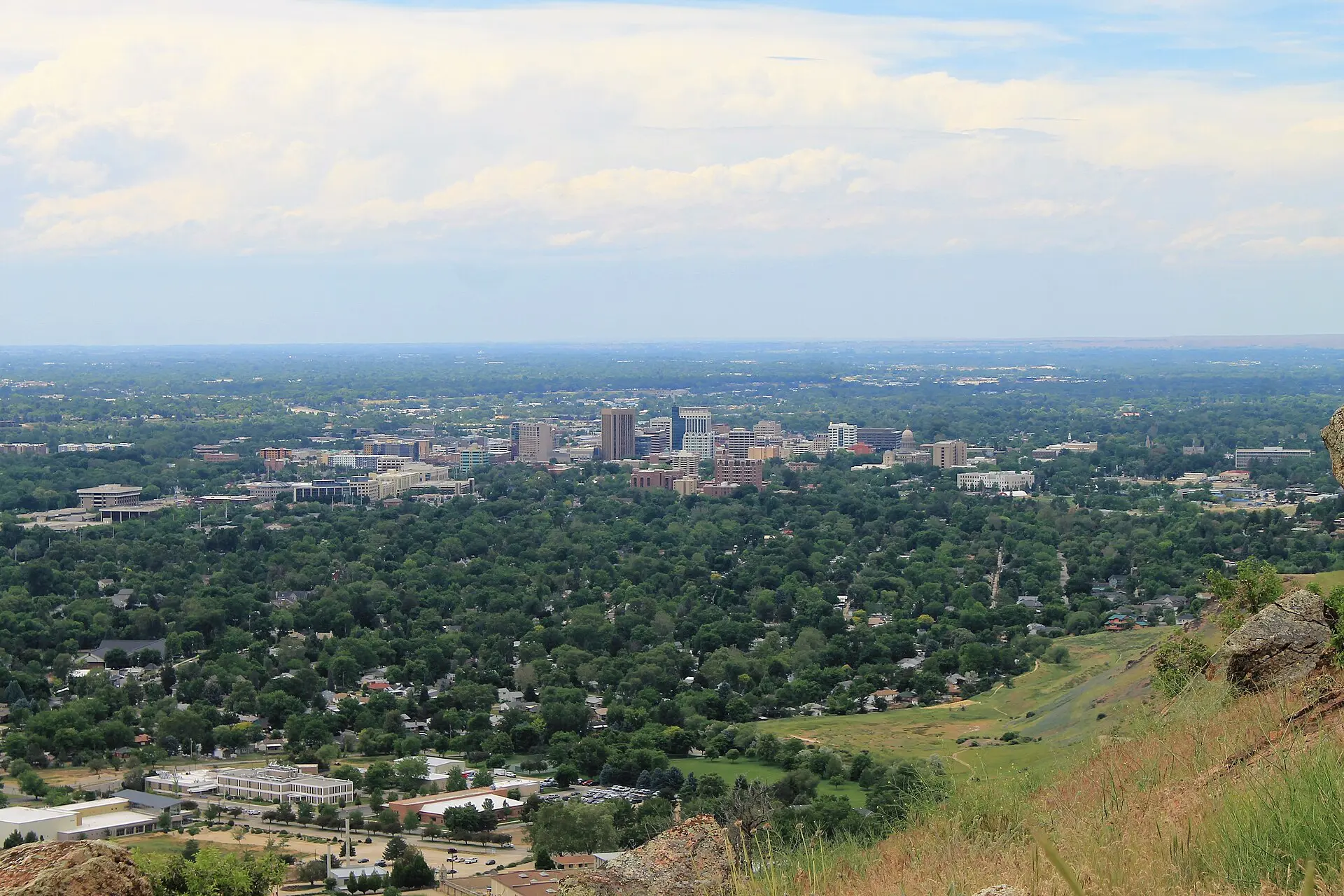
There is extensive hiking and biking in the foothills just north of downtown, and the trail network starts almost at the edge of the North End neighbourhood. Camel’s Back Park is the easy entry point, with a short climb and a view of the valley. Summer afternoons are hot and shadeless, so go early or near sunset, and stay on marked trails.
3. Eat at the Basque Block
Boise has one of the largest Basque communities in the United States, and the downtown Basque Block is where you notice it. The block holds a Basque museum and cultural centre, a few restaurants and bars, and a pelota court. It is a small area, so one visit covers it. Try croquetas and lamb dishes, and ask staff what the kitchen is proudest of. Check hours before you go because some venues open only for dinner or on set days.
4. See the Idaho State Capitol
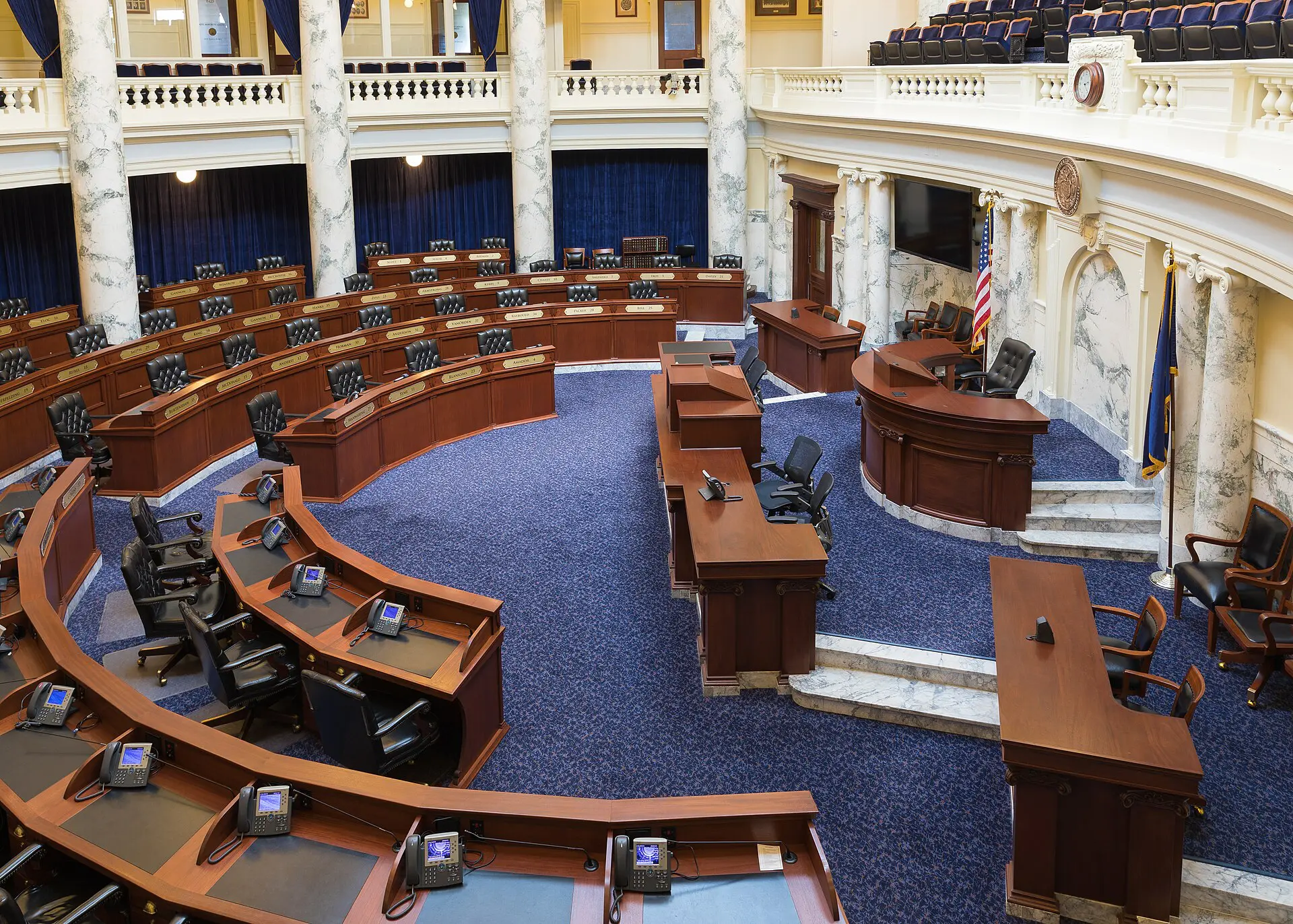
The capitol is a sandstone building with a dome, set on a wide boulevard in downtown. Entry is generally free, and you can walk inside to see the rotunda and legislative chambers when it is open. Twenty minutes is enough. Check security rules and hours first, since access varies when the legislature is in session in the early months of the year.
5. Tour the Old Idaho Penitentiary
The Old Idaho Penitentiary is a sandstone prison on the east side of the city that operated for about a century before it closed in 1973. You walk through cell blocks, solitary units and the yard. It suits a slow rainy-day afternoon and a mix of ages. Tickets are modest, but check the current price and hours, and give it an hour or two.
6. Spend an afternoon in Julia Davis Park
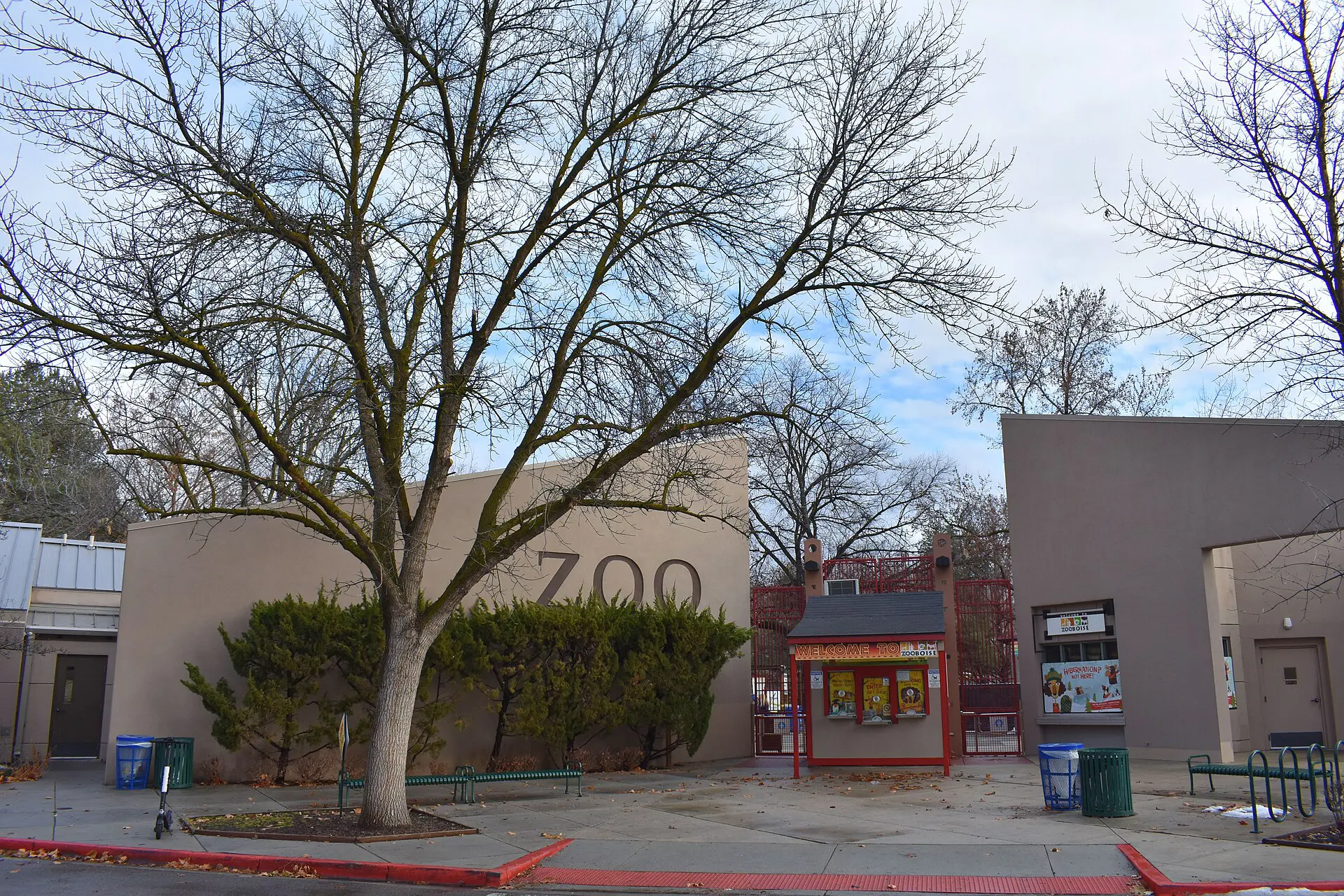
Julia Davis Park is the cultural cluster beside the Greenbelt. It holds the Boise Art Museum, the Idaho State Museum, a zoo and a rose garden, so you can choose by mood. Combine a museum with a riverside walk. Buy tickets for each separately and check which days are free or discounted.
7. Float the Boise River
In summer, floating is the signature local activity: you drift down the river on a tube or raft, usually from a put-in above downtown to a take-out in a park near the city centre. Water levels and safety depend on snowmelt, which can make the river fast and cold in spring and early summer, so wait for the season to be declared open and check conditions on the day. Wear a life jacket, bring sun cover and fix your plan for getting back.
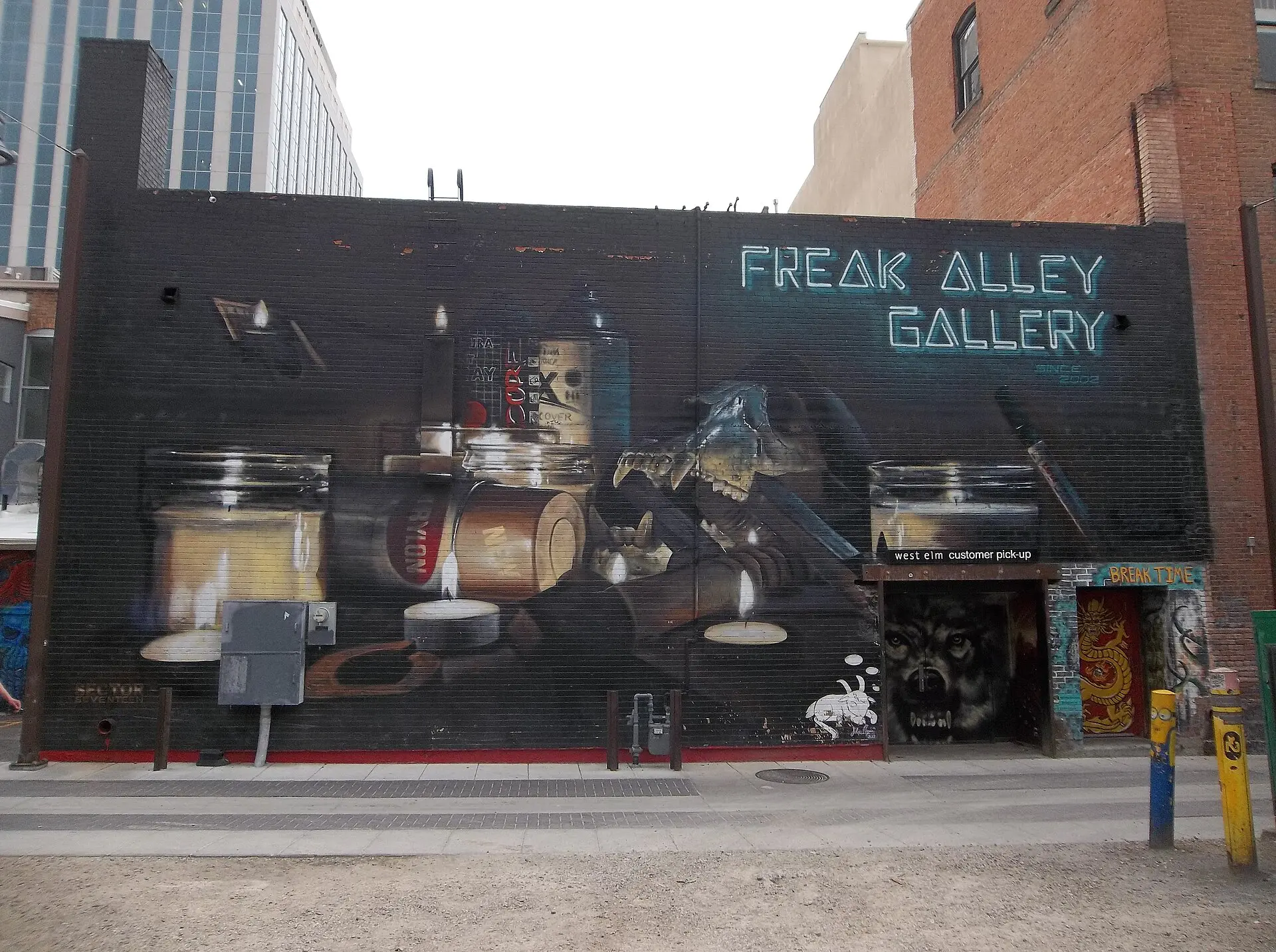
8. Look at the murals in Freak Alley
Freak Alley Gallery is a downtown alley covered in street art, and the work changes as artists paint over each other. It is free and takes ten minutes, but it is a pleasant addition to a lunch break. Daylight is best, and bring a camera.
9. Visit the Anne Frank Human Rights Memorial
This memorial sits by the river near the Boise library. Quotes about freedom and human rights are carved into stone walls, and the setting is quiet. Allow 20 to 30 minutes, which fits easily between meetings. It adds something thoughtful to a city better known for outdoor sports.
10. Go up to Table Rock
Table Rock is a sandstone plateau east of downtown with a cross on top and a wide view of the city and valley. The hike from the old penitentiary side takes a moderate amount of effort, and sunrise or sunset is best. Take water, wear grip shoes and avoid the hottest hours. Fire restrictions and trail closures can apply in dry weather, so check the current status.
11. Ski or bike at Bogus Basin
Bogus Basin is the local mountain resort, about an hour up the road. It runs ski and snowboard lifts in winter and bike and hiking options in warmer months, and the road climbs high enough that the weather can differ from town. Opening dates, tickets and conditions change, so look at the resort’s site.
12. Catch a Boise State game or the blue turf
Boise State is a college football powerhouse, and Boise is a sports town. The stadium is known for its blue field, and home games fill downtown with fans. Tickets can be pricey and hotels fill. The Idaho Steelheads hockey team offer easier seats in winter.
Day trips from Boise
Idaho City
Idaho City is a former mining town northeast of Boise, roughly an hour away, with wooden storefronts and a small museum scene. The road passes through forested hills. It is a straightforward half day with a meal.
Snake River Birds of Prey area
South of the valley, the Snake River canyon is known for raptors, which nest on the cliffs in spring. A visitor centre explains the area. Distances are modest, but roads can be rough in sections, so check conditions before you go.
McCall and Payette Lake
McCall is a lakeside mountain town north of Boise, about two to three hours by road depending on weather. It suits summer swimming and winter skiing. Make it an overnight if you can, as a day trip makes for a long drive.
Hot springs and the Sawtooths
Several natural hot springs lie in the mountains within a few hours of Boise. Access, fees and safety vary by site. Research each one, take a map because phone coverage fades, and respect closures after wildfire or floods.
Where to stay in Boise
For a working month, location decides your routine more than the hotel does.
- Downtown: best for first-timers and short stays. You can walk to the Greenbelt, restaurants, the Basque Block and the capitol. It is the busiest part, with some noise on weekends.
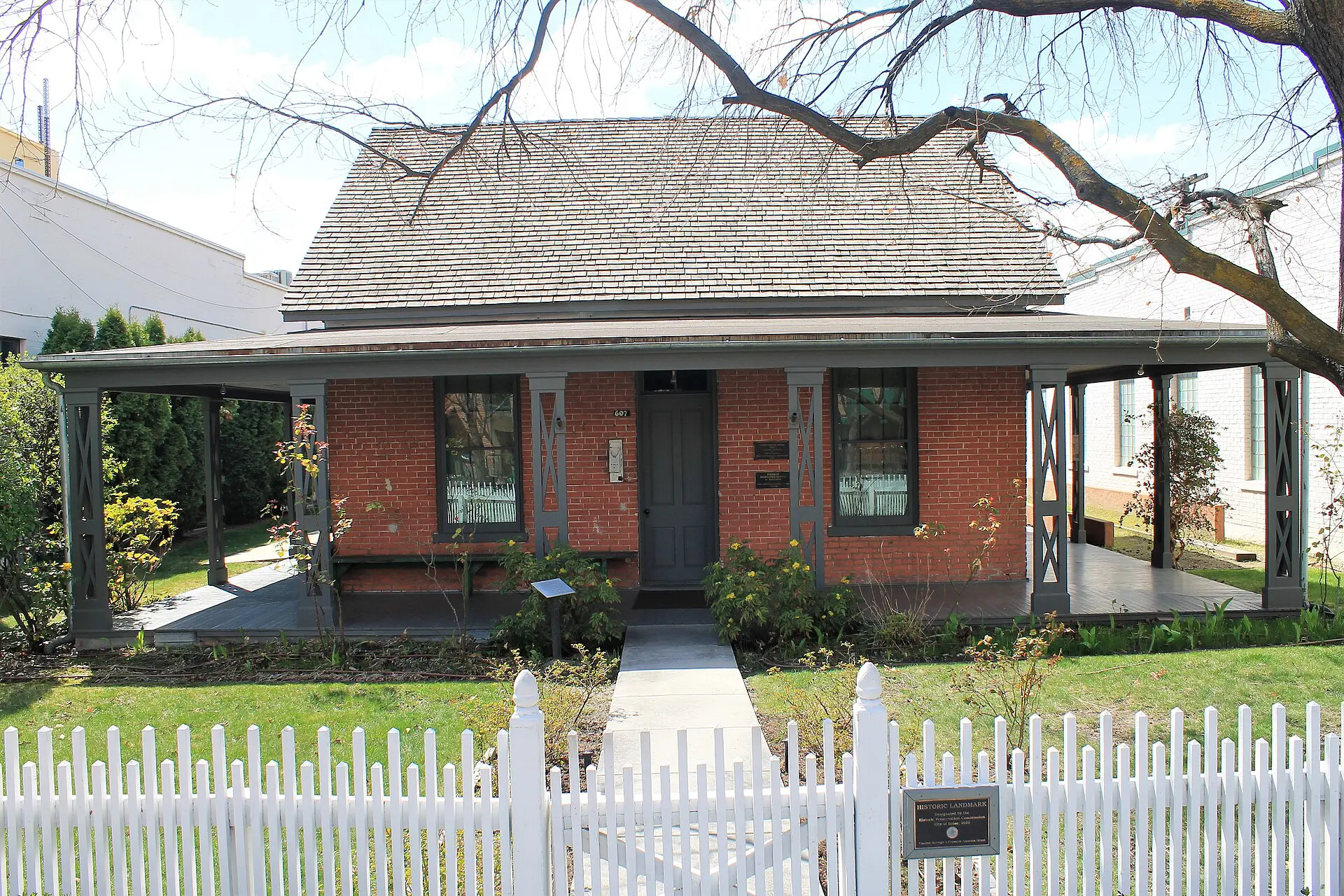
- North End: It is a distinct neighbourhood of older houses and mature trees with amenities within walking distance. Best for long stays with a Pacific Northwest feel and quick access to the foothills.
- Warm Springs and the east side: quieter streets, river paths and close to the penitentiary and Table Rock. Suits people who want calm.
- Near Boise State and the river: convenient for the Greenbelt, campus cafes and events. Prices dip in summer and rise on game weekends.
Short-term rentals and furnished apartments are common for monthly stays, and a monthly rate is usually cheaper than a nightly one. Ask about wifi before you book.
Getting around Boise
Boise is a car-friendly city, so the best things to do in Boise often start with a short drive. The airport is close to downtown and has a good spread of US flights. The Boise overview explains that the downtown core is mostly offices and nightlife.
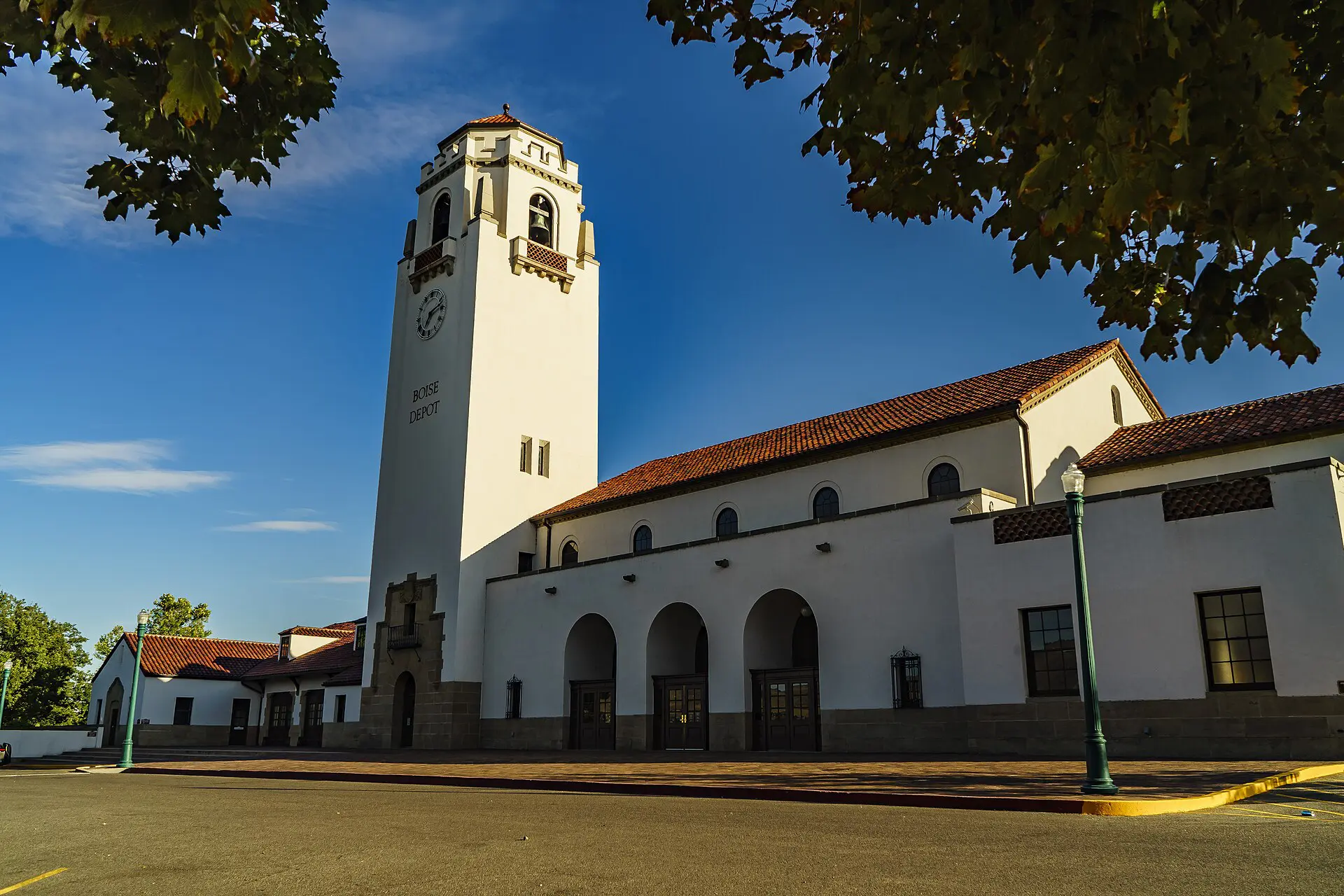
Within downtown and the North End you can walk or cycle, and the Greenbelt links a lot of it. Buses exist but are limited in frequency and reach, and a car gives you the foothills, Bogus Basin and day trips. Rideshare works for evenings. If you plan to base yourself downtown, you can often manage without a rental for several days.
How much does a trip to Boise cost?
These are rough daily figures in US dollars, hedged and as of 2026.
- Budget, around US$80 to 120 a day: a hostel or basic motel, cheap meals, free trails and the river.
- Mid-range, around US$150 to 250 a day: a decent hotel or rental, restaurants, museum tickets, a rental car.
- High, around US$300 and up: a downtown hotel on a game weekend, a car, guided activities.
For a one-month stay, we would plan a band of roughly US$2,800 to 4,500 for one person, mostly driven by rent and car costs. Boise is not the cheap city it was a decade ago. Rates jump on football weekends and in peak summer.
Is Boise worth visiting?
Yes, if what to do in Boise Idaho sounds like trails, a river and a modest-size city that is easy to run in. It rewards a week or more than a night. The Wikipedia page for Boise lists the Treasure Valley’s tech and manufacturing employers, and the city has the feel of a place where people work and then go outside.
Who should skip it? If you need big-city nightlife, famous landmarks or reliable public transport, look at Portland or Seattle. If you want mountains on the doorstep rather than at a distance, go to Sun Valley or McCall. If you travel in winter, expect cold and smoggy inversion days.
FAQ about Boise
How many days do you need in Boise?
For what to do in Boise Idaho, two days covers the Greenbelt, Basque Block, a museum and a trail. Three or four allow a river float, Table Rock and a day trip. For remote work, a week or more works well because the outdoor activities fit around a normal schedule.
How do you pronounce Boise?
Locals say BOY-see, with an s sound. Outsiders often say BOY-zee, and the pronunciation is sometimes treated as a local shibboleth. Using the s sound is an easy way to avoid a correction.
Is Boise good for remote workers?
Many people find it appealing for its trails, moderate pace and strong tech sector, which includes Micron Technology. Internet quality depends on the building, so ask your host about the provider and test speed on arrival. Coworking and cafe options exist downtown, but check what suits you.
What is the best time of year to go to Boise?
Late spring and early autumn are comfortable for hiking and outdoor dining, while summer suits river floats and winter suits Bogus Basin. Hotel prices spike on university football weekends, so avoid those dates unless you are attending a game.
Do you need a car in Boise?
Not for downtown or the North End, where walking, cycling and rideshare cover most needs. You will want a car for Bogus Basin, trailheads further out and day trips to Idaho City or McCall. Public transit is limited, so plan accordingly.