There is no single best place to live in the world, but for most remote workers the shortlist is short: Lisbon or Valencia for comfort and European time, Mexico City or Medellín for value in the Americas, and Chiang Mai, Da Nang or Tbilisi when the budget matters most. This guide ranks by what you need rather than by a score, and every cost figure is a rough, hedged range as of 2026.
How we weigh the best place to live in the world
Lists of the best place to live in the world usually rank on beaches and photos. We rank on the things that decide whether a base survives week three: connectivity, rent, time zone, how easy daily life is and what the visa situation looks like for your passport. Most of us learn that the hard way, so we use the same four questions for every place.
- Comfort: climate, healthcare, safety and how easy it is to get things done.
- Flexibility: visa options and how easy it is to leave or extend.
- Pace: big city energy or small-town calm.
- Savings: what a month costs against what you earn.
Nothing below comes from a stay we claim to have made. It is a comparison from public information, so use it to shortlist and then test any base yourself.
Best places to live: a cost table by month
These are rough monthly budgets in US dollars for one remote worker living comfortably in a mid-range apartment with a coworking or cafe habit. Real costs depend on the building, the season and the exchange rate, so treat the ranges as starting points and check live listings.
| Base | One-month band (US$) | Time zone fit | Visa note (verify) |
|---|---|---|---|
| Lisbon, Portugal | 2,200 to 3,500 | Europe; late afternoon overlap with the US East Coast | D8 remote-work visa exists; income threshold applies |
| Valencia, Spain | 1,900 to 3,000 | Europe | Remote-worker residence route; income and client rules |
| Mexico City, Mexico | 1,500 to 2,600 | Close to US Central time | Tourist stay at officer discretion; longer stays need a permit |
| Medellín, Colombia | 1,300 to 2,200 | Close to US Eastern time | Remote-worker visa exists; income threshold applies |
| Chiang Mai, Thailand | 1,000 to 1,800 | Asia; awkward for US hours | Long-stay Destination Thailand Visa; check conditions |
| Tbilisi, Georgia | 1,100 to 2,000 | Between Europe and Asia | Many passports get long visa-free stays; verify yours |
| Da Nang, Vietnam | 900 to 1,600 | Asia; awkward for US hours | E-visa stays are limited; check length |
Where each place costs more or less
1. Lisbon: comfort at a rising price
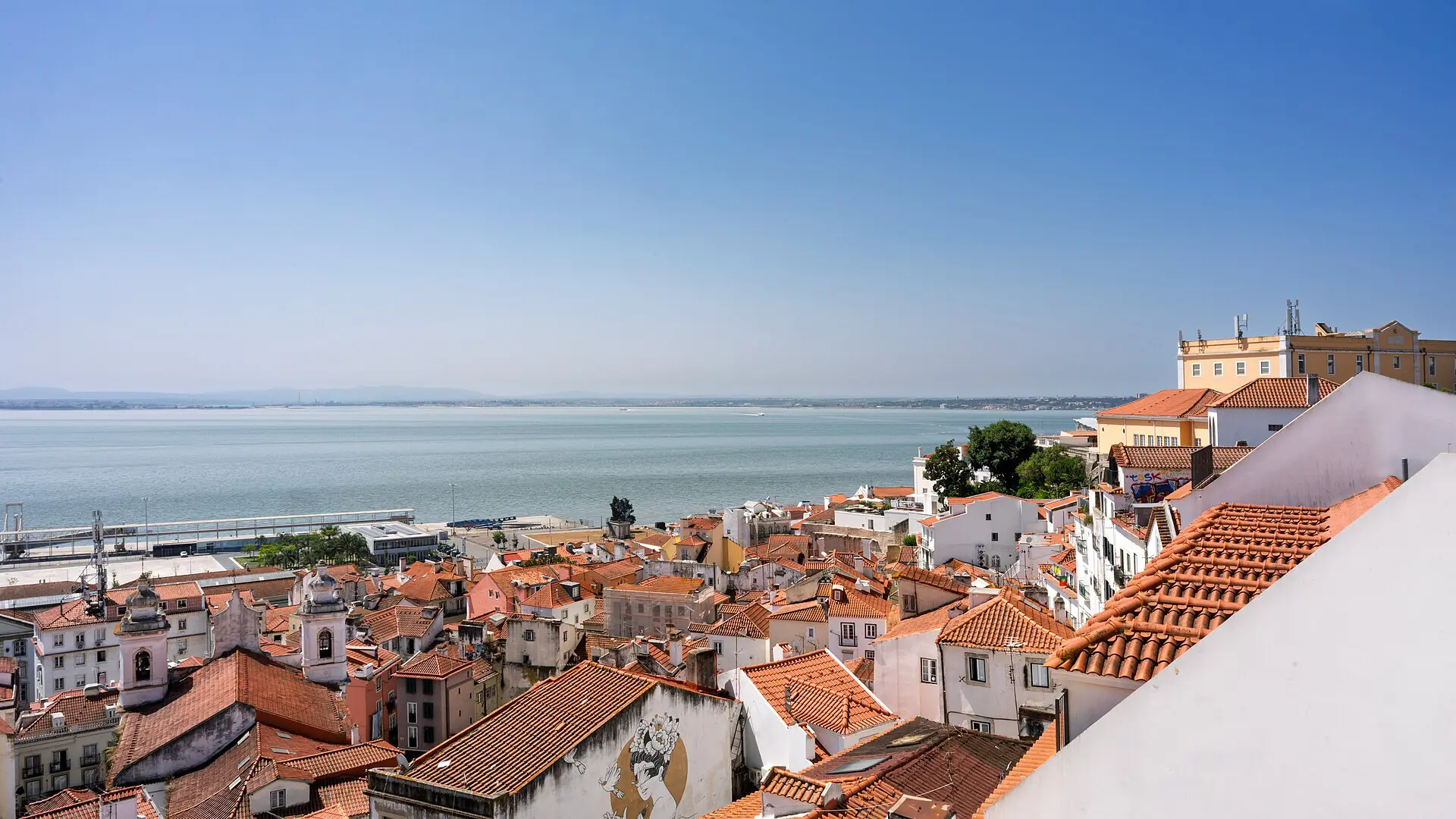
Lisbon is walkable, mild and well connected, with a large English-speaking remote community. Rents have climbed in recent years, so it is no longer the bargain it once was. Pay more here for a short commute and a reliable building. The hills are steep and many older buildings have no lift, so ask about floors before you sign.
2. Valencia: the balanced choice
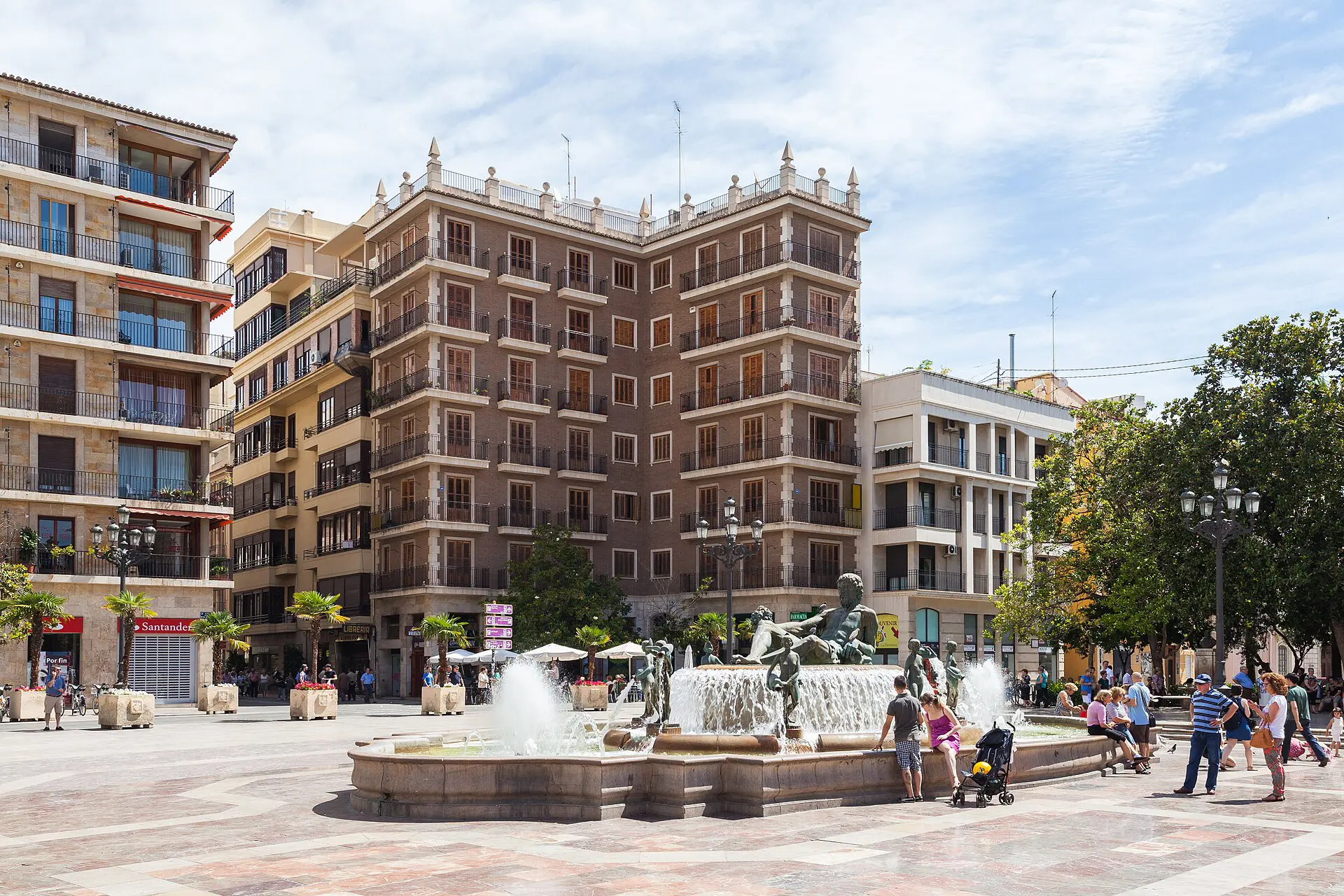
A big city with a beach, bikes and a manageable scale. It tends to cost less than Barcelona or Madrid, with the same time zone. Summer heat is real, so plan your cooling. Most remote workers choose between the area near the beach and the old centre, and the trade is quiet and sea air against nightlife and noise.
3. Mexico City: big-city value close to the US
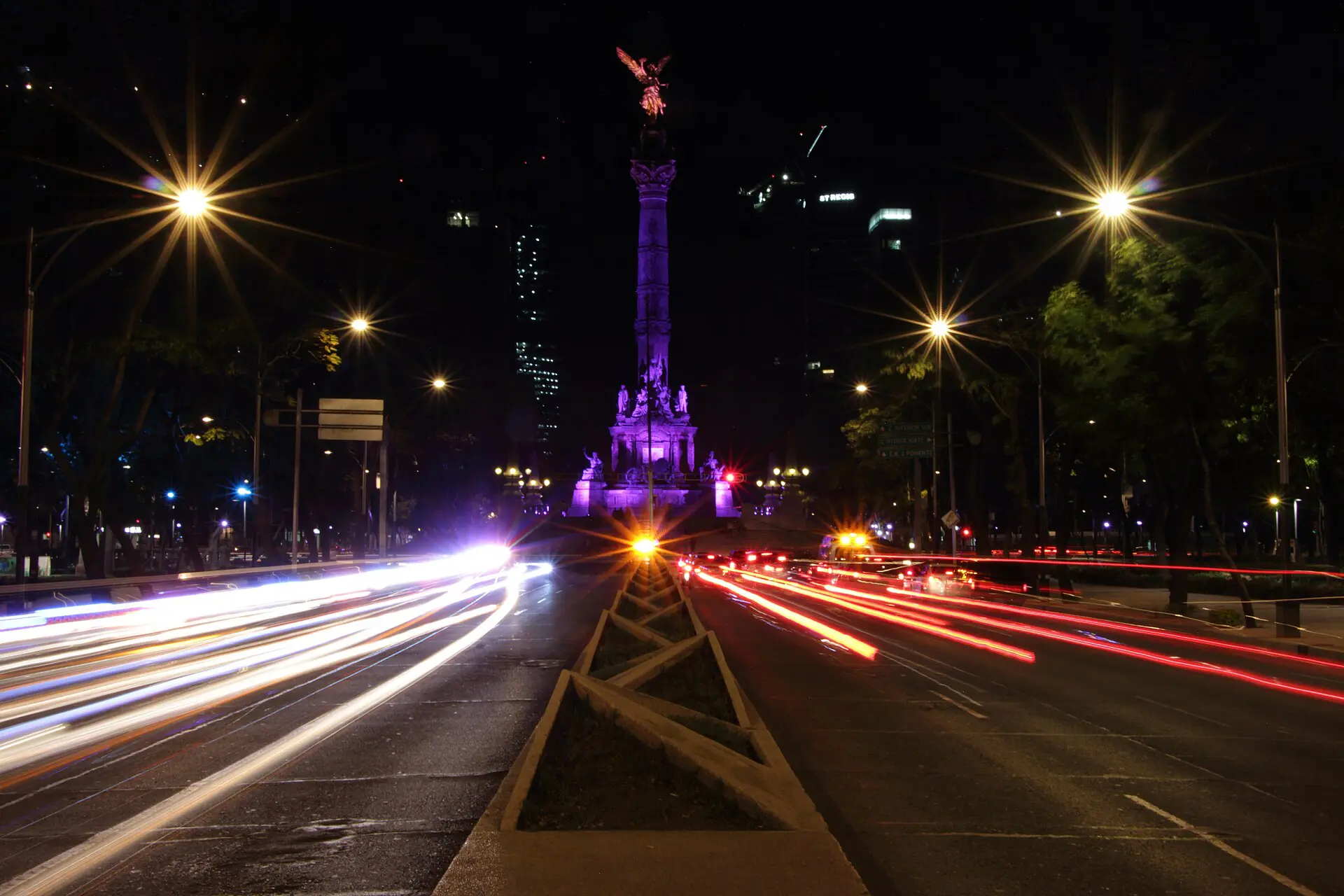
One of the largest cities in the world offers parks, food and a strong coworking scene. Altitude and air quality can affect sleep and exercise, and some areas cost much more than others. A US-friendly time zone is the main practical win. Mexico also offers short stays as a visitor, though the length is decided at the border, so do not plan a six-month stay around a promise.
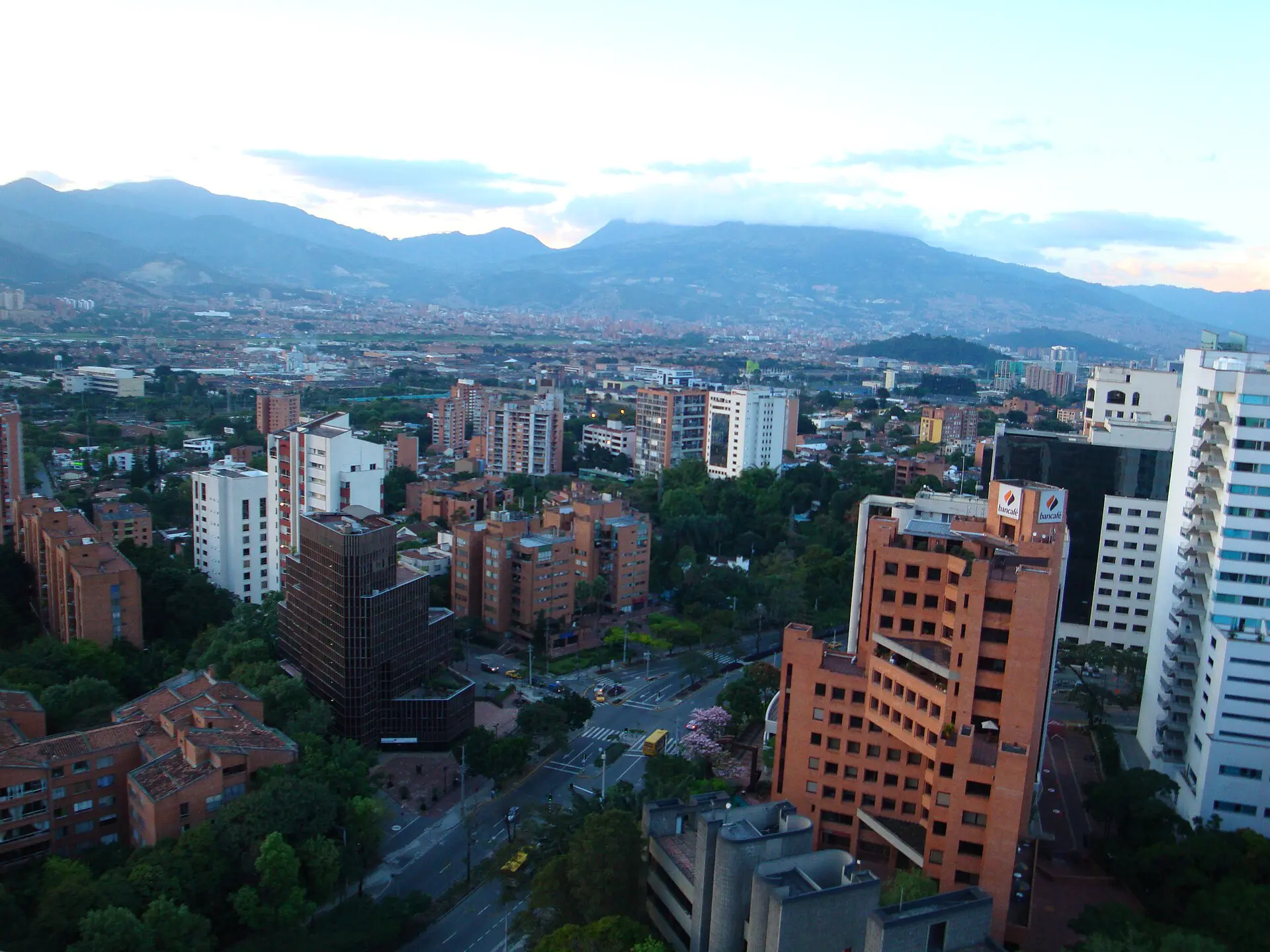
4. Medellín: mild climate, lower cost
Known for its spring-like weather year-round, it keeps costs below Mexico City for many apartments. Neighbourhood choice matters a lot for noise and commute. Spanish helps outside the main expat districts. Colombia has introduced a remote-worker visa, but the income threshold and paperwork have shifted, so verify the current terms.
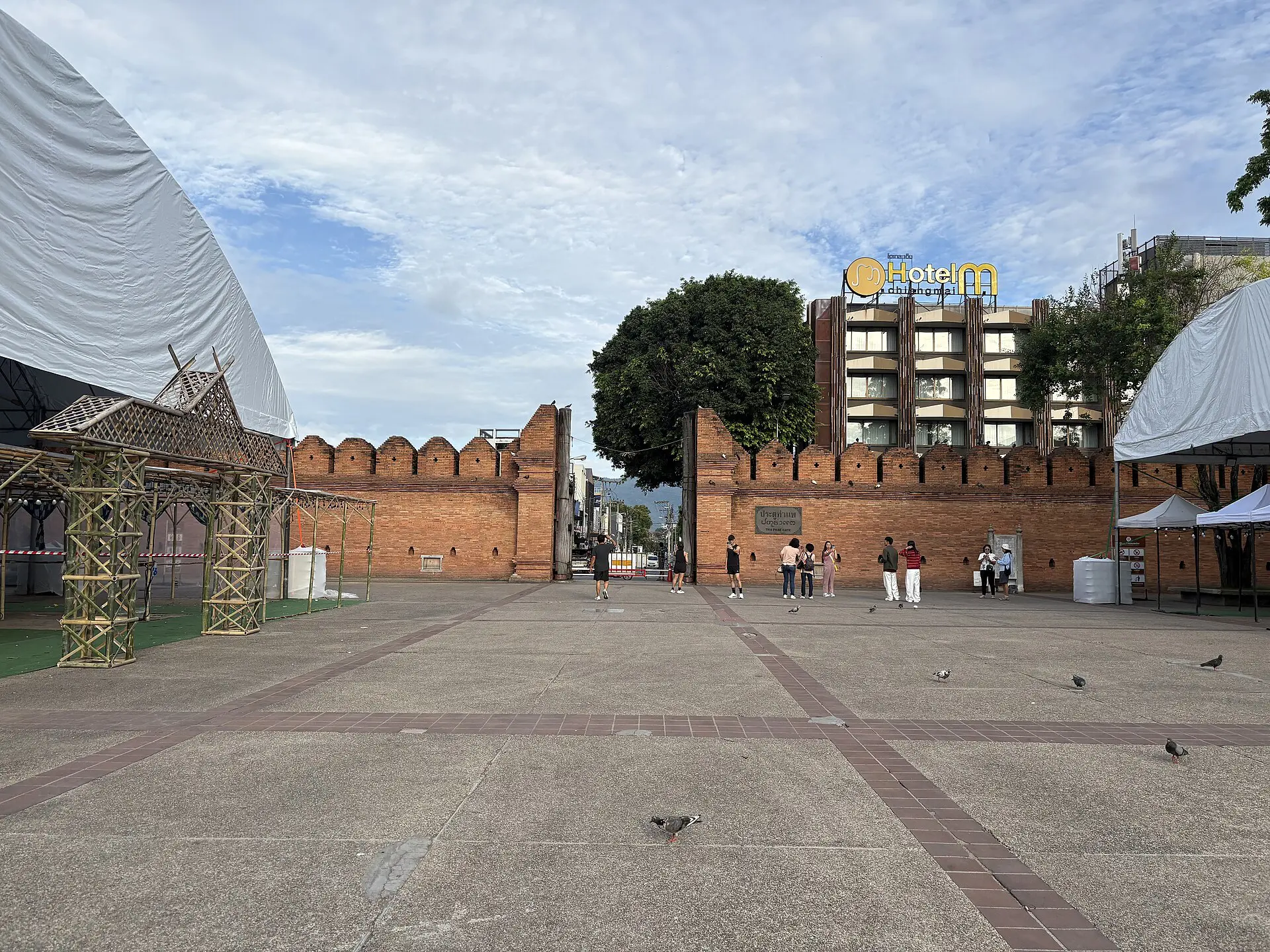
5. Chiang Mai: the long-running budget base
Chiang Mai has a mature nomad infrastructure and low costs. The burning season in the dry months brings poor air quality, so many people time their stay for the rest of the year or move to the coast. Thailand has introduced a long-stay visa aimed at remote workers, with conditions that are worth reading closely.
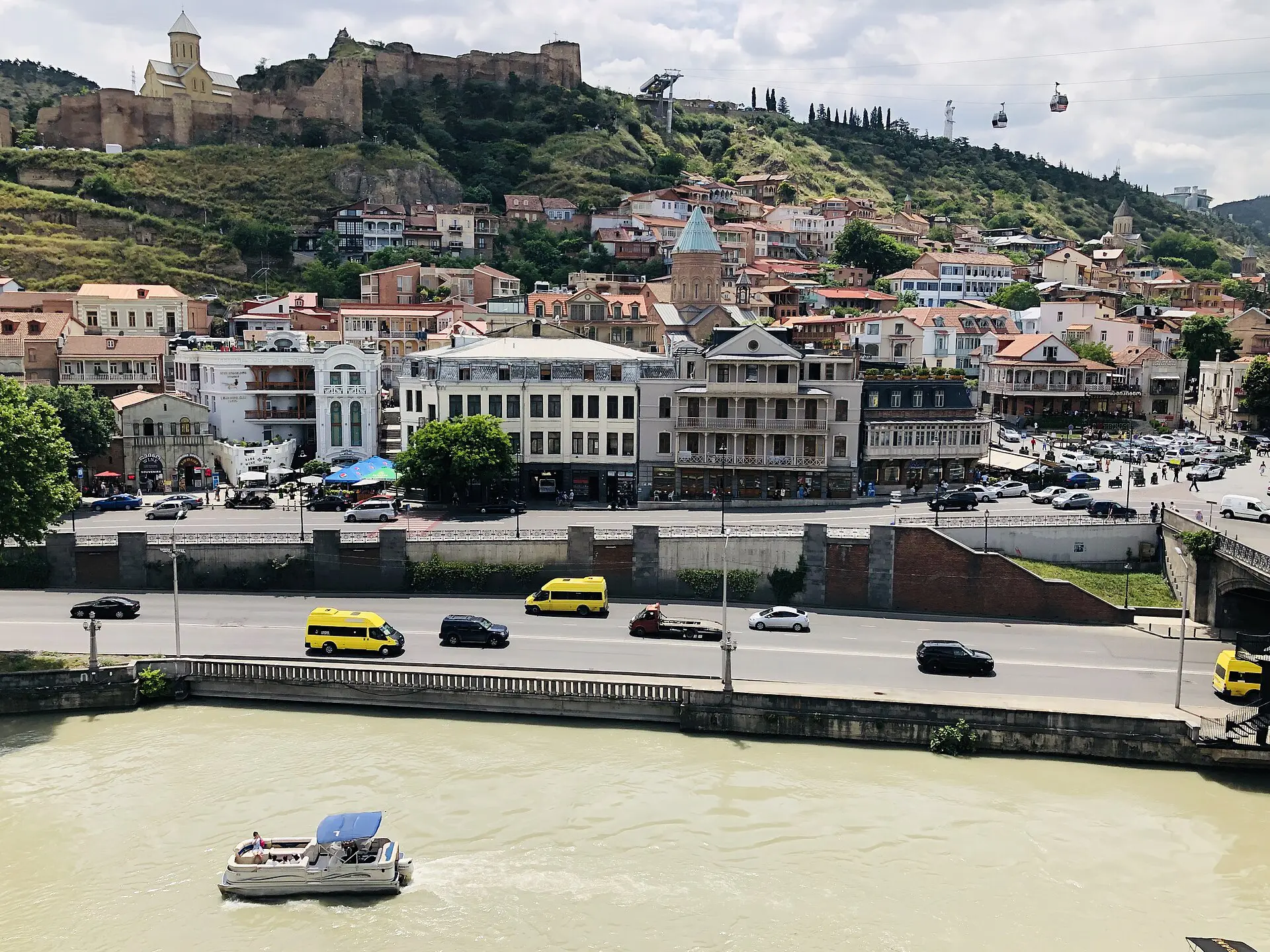
6. Tbilisi: a value base between Europe and Asia
Tbilisi offers lower rents, wine culture and an old town, plus a flexible entry regime for many passports. The time zone sits ahead of Europe, so late-evening calls with the US are a late night. Check your passport on the official Georgian site, because stay lengths differ by nationality and policy can change.
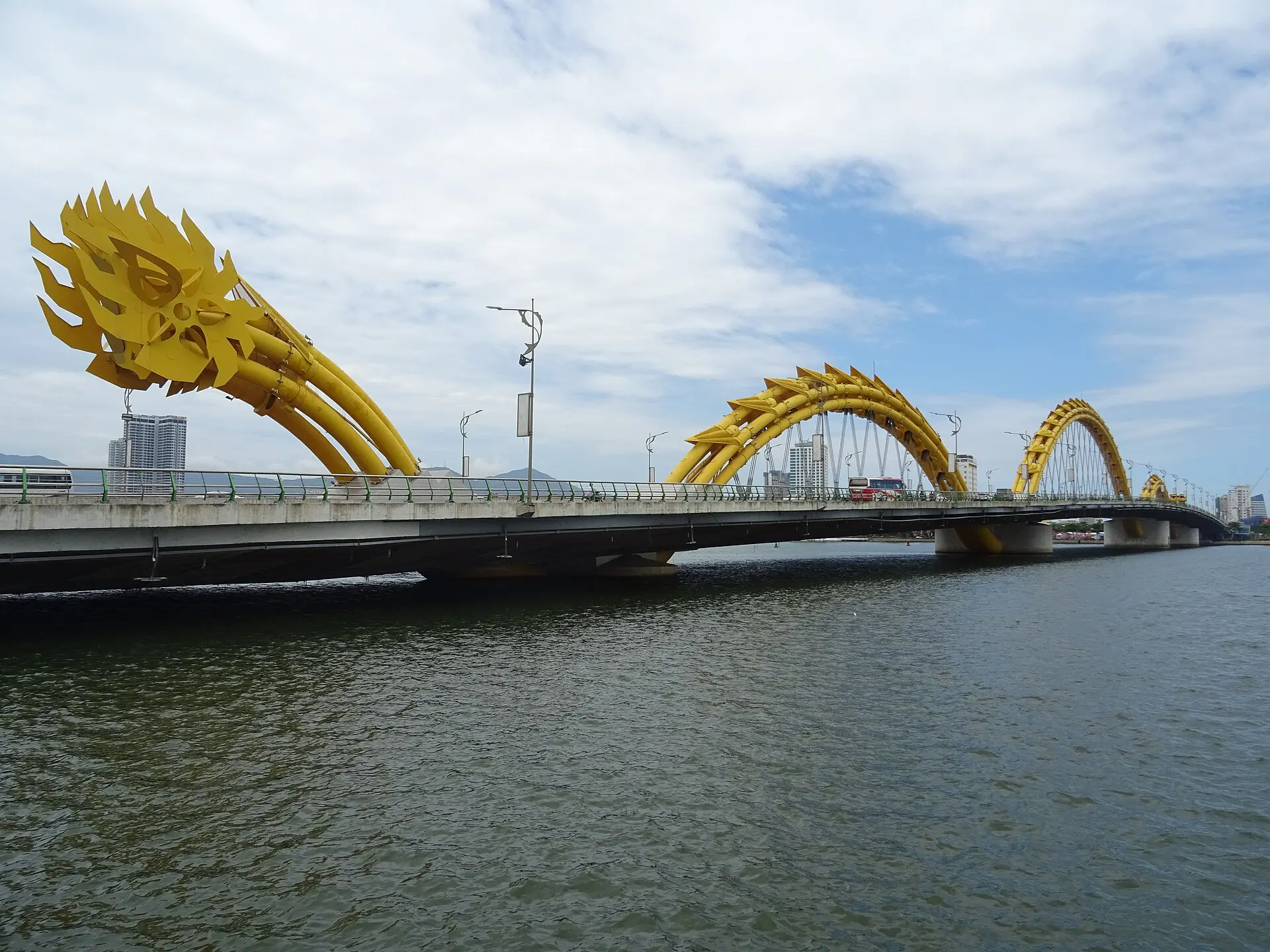
7. Da Nang: beach living at a low cost
A long beach, modern apartments and cheap daily meals make it a popular budget choice. Storms arrive in autumn, and the time difference to the Americas is large. Rules for e-visa length have changed, so confirm before you book.
Transport and lodging deltas
Cheaper bases usually mean longer and costlier trips home. A flight from Southeast Asia to North America can eat a few hundred dollars and a day or two of travel, while Lisbon and Mexico City sit closer to most of our readers. Lodging also differs by lease culture: Europe tends toward long leases and deposits, while Southeast Asia and Latin America offer monthly rates on furnished apartments with fewer formalities. Always ask for a monthly price rather than multiplying a nightly rate.
Where to base yourself by work style
If your day is mostly calls, pick a city with a few coworking spaces and a reliable airport, such as Lisbon, Valencia or Mexico City. If your work is long solo focus, a smaller or calmer city such as Da Nang or Chiang Mai gives you cheaper space and fewer interruptions. If you travel to client meetings, stay near the main rail or air hub. Whatever you pick, choose the neighbourhood before the city, because a twenty-minute difference in location changes noise, rent and your daily routine.
Which suits which remote worker
- Comfort first: Lisbon or Valencia. Strong healthcare, easy transport and a European rhythm.
- Flexibility first: Tbilisi or Mexico City, where entry is easy for many passports. Check yours.
- Pace first: Da Nang or Medellín for a mild, relaxed routine, Mexico City if you want city energy.
- Savings first: Chiang Mai, Da Nang or Tbilisi.
Work-friendly spots by type are broadly the same everywhere: coworking spaces for calls, cafes with sockets for short sessions, libraries for quiet hours and an apartment desk for the rest. We cannot vouch for any specific space, so use a day pass before you pay for a month.
What the cheaper option costs you
Cheaper rarely means free. A low rent in Asia can come with a time difference of 11 to 13 hours to US clients, which means late calls and broken sleep. A low rent in Latin America can mean altitude, noise or patchy power in some neighbourhoods. A low rent in Georgia can mean fewer direct flights. The savings are real, but so are the trade-offs, and the right balance depends on your clients and your tolerance.
Healthcare is another quiet cost: private cover or travel insurance is a must in any of these places, and quality of care varies by city, so price a policy before you decide.
Visa terms also change faster in cheaper places. Many programs have launched, paused and been renamed since 2022, so verify the stay length and the income test with the official source before you book flights or sign a lease. Test-it-yourself checklist for the first week: speed-test the Wi-Fi at your desk, hold a video call at your usual hours, walk to groceries, check street noise at night and price your actual month.
FAQ about the best place to live in the world
What is the best country to live in as a remote worker?
It depends on your priorities. Portugal and Spain suit people who want European comfort, Mexico and Colombia suit those who want US time zones and lower costs, and Thailand and Vietnam suit budget-first remote workers. Check visa rules for your passport.
What is the cheapest good place to live?
Southeast Asian cities such as Chiang Mai and Da Nang often come out cheapest for a comfortable month, with Tbilisi close behind. Costs vary with the apartment and exchange rates. Remember to count flights, visas and time-zone trade-offs, not just rent.
Is it better to live in one place or move often?
Many nomads settle on stays of about one to three months, and a longer stay spreads deposits, flights and setup time over more months. Moving constantly adds flights, deposits and the stress of finding a new routine. Staying longer usually lowers the monthly cost and makes work more consistent, but it reduces variety.
Which place has the best weather?
Medellín is known for steady, mild temperatures, while Lisbon and Valencia have warm summers and mild winters. Southeast Asia has distinct hot, wet and dry seasons. Check the forecast for the months you plan to stay, since weather is the easiest thing to look up and the hardest to ignore.
How do I choose where to live?
Start with your clients’ time zone, then your budget, then your passport’s visa options. Shortlist two or three places, book a trial month in the most likely one and run the first-week checks before signing a longer lease. A short test beats a long guess.