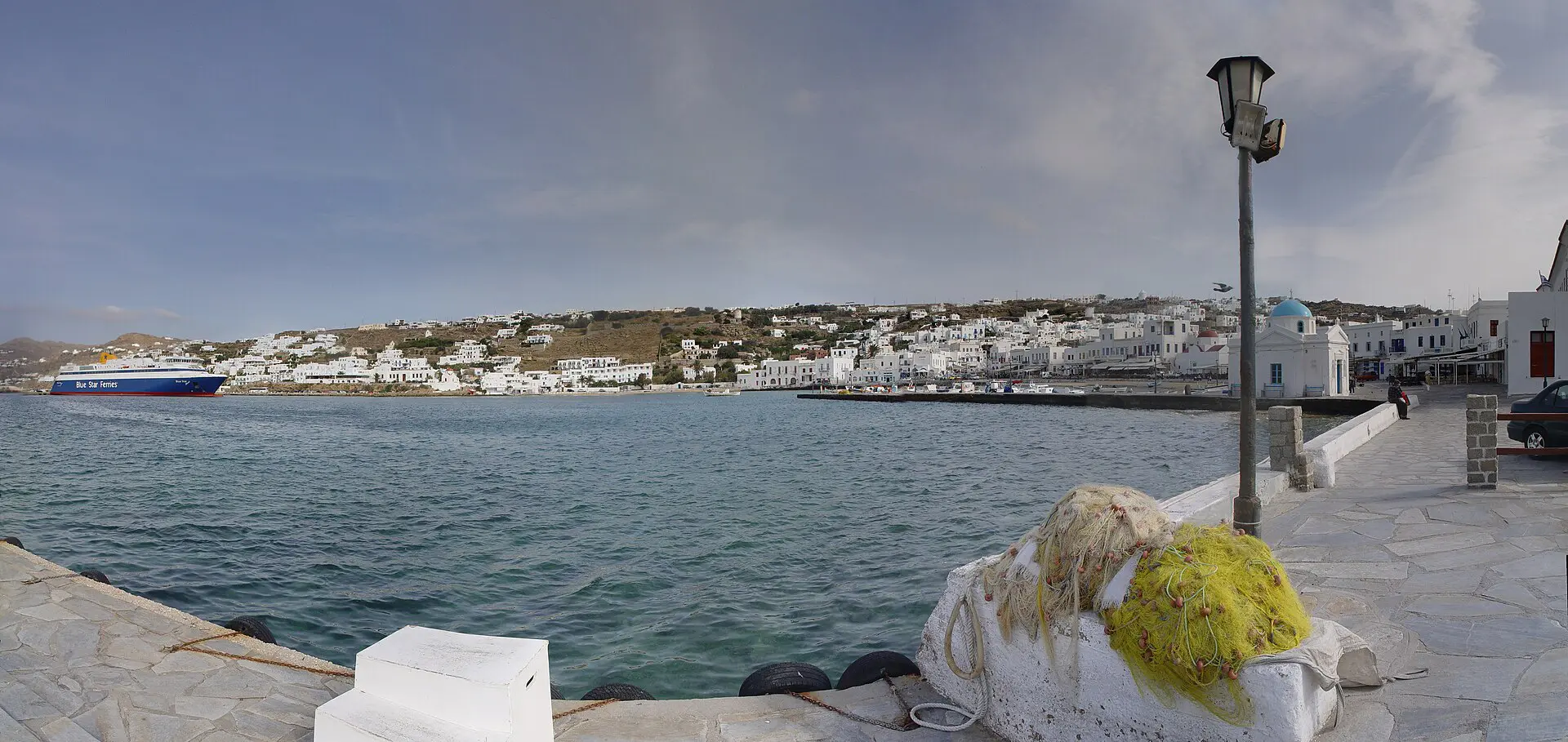
The Athens to Mykonos ferry leaves from Piraeus or Rafina and takes roughly 2 to 3 hours on a high-speed boat or 4 to 6 hours on a conventional ferry. Rafina is closer to the airport and has the shorter crossing. The main risk is wind: in summer, the north wind called the meltemi can cancel or delay sailings, so book flexible tickets and keep a spare day at both ends.
Athens to Mykonos ferry routes
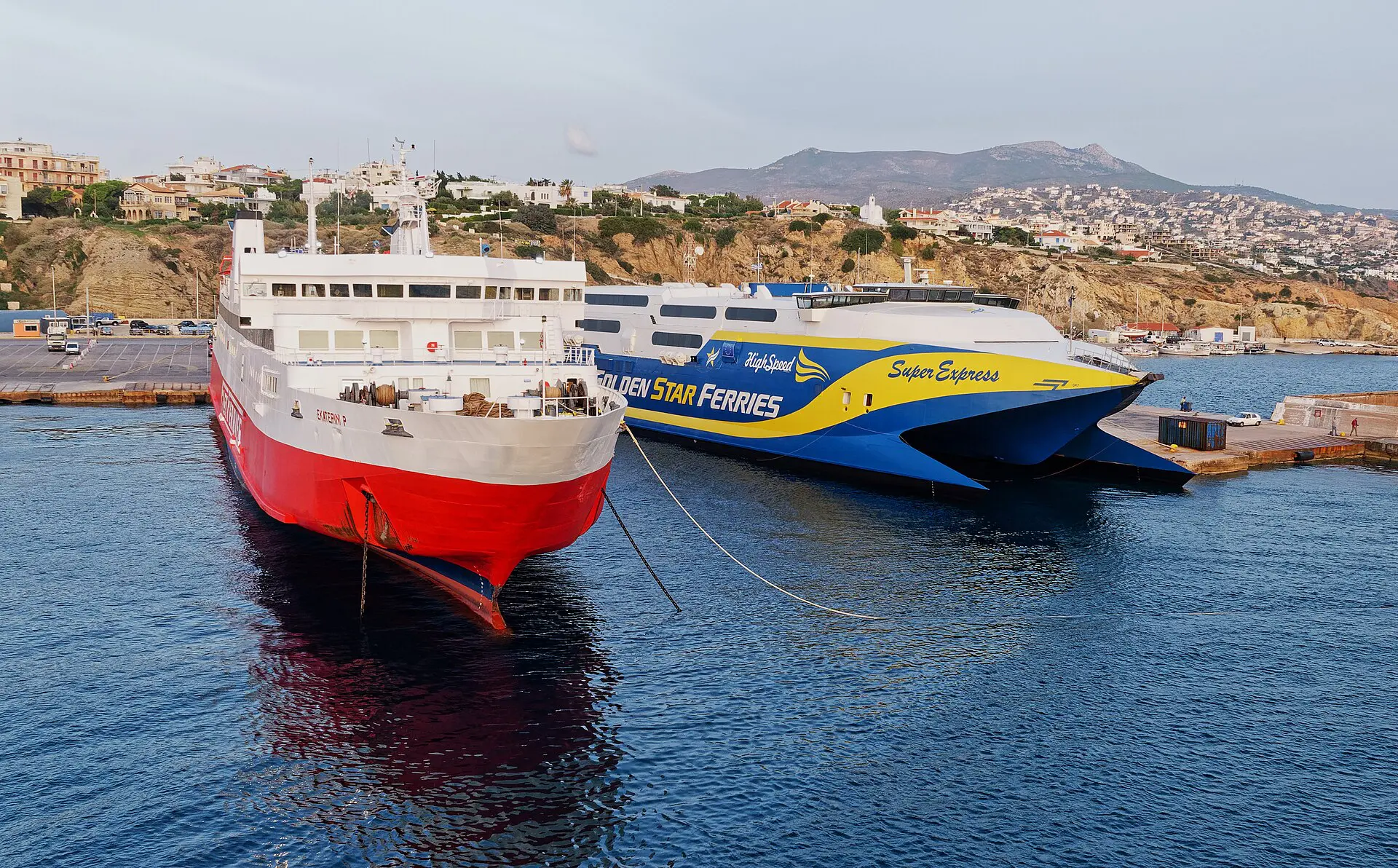
There are three kinds of boat on this route, and the type decides both the price and the cancellation risk. Conventional ferries are large, slow and the most stable in rough water. They carry cars and have indoor seating, with a cabin on night sailings. High-speed ferries and catamarans are faster, smaller and more affected by wind. Some routes have a fast boat only in season. A third option is a call at another island on the way, which adds time.
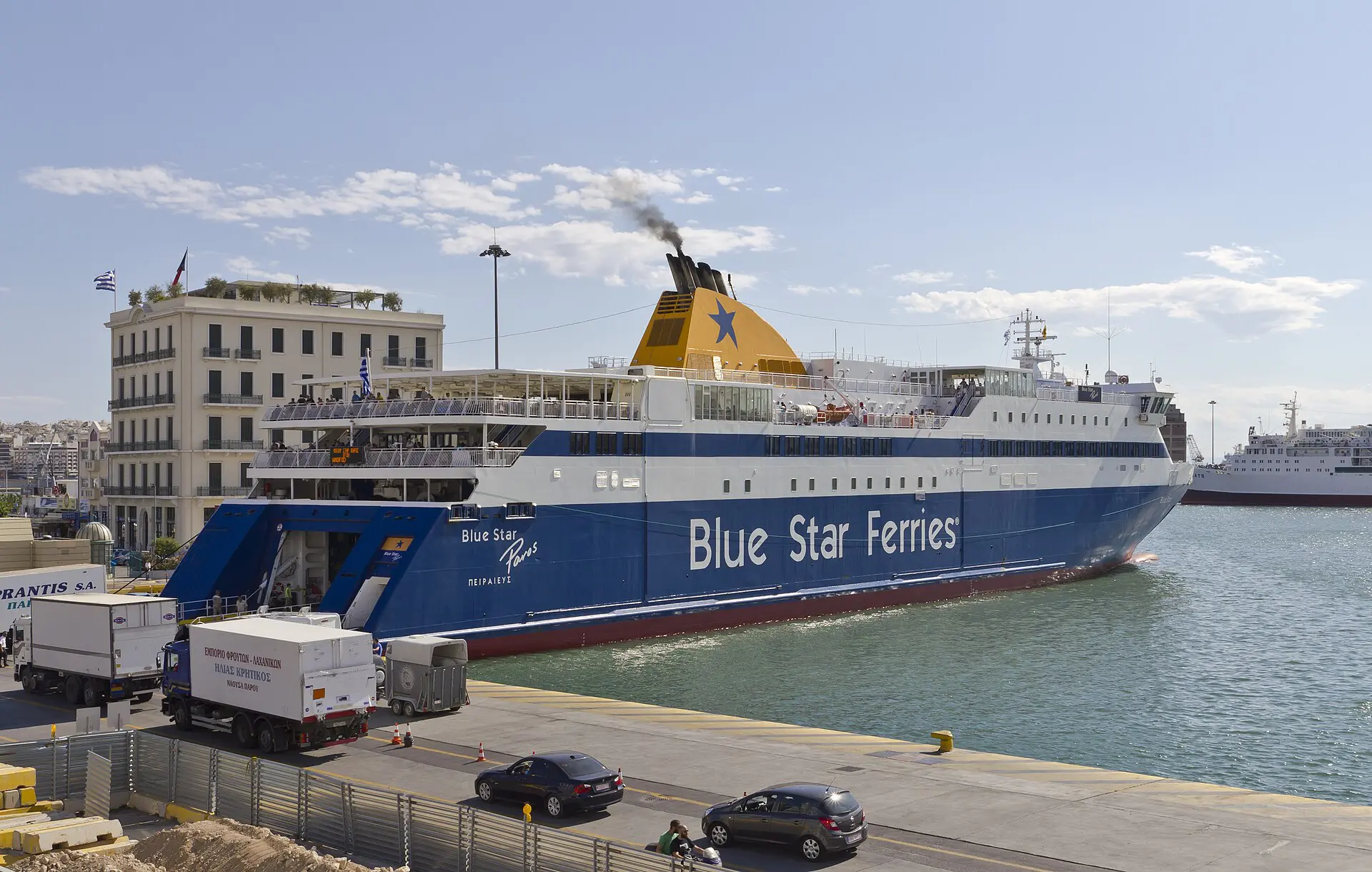
Operators, timetables and fares change every year, and some routes are not offered in winter. Search by route on a booking site and confirm with the operator. I would not trust a single list of operators, because it dates quickly. The Greek ministry and port authority sites publish official information on sailings and bans.
Athens to Mykonos crossing times and what cancels them
Figures are typical ranges, not promises. Check the timetable for your date.
| Route | Typical crossing | Frequency by season | What cancels it |
|---|---|---|---|
| Piraeus to Mykonos, conventional | About 5 to 6 hours | Daily in summer, fewer in winter | Gale-force wind, port strike |
| Piraeus to Mykonos, high-speed | About 3 to 4 hours | Daily in season, rare in winter | Wind above moderate, swell |
| Rafina to Mykonos, conventional | About 4 to 4.5 hours | Daily in season, reduced in winter | Strong wind, especially the meltemi |
| Rafina to Mykonos, high-speed | About 2 to 2.5 hours | Daily in summer | Wind and swell |
| Flight, Athens to Mykonos | About 40 minutes | Several a day in season | Strong wind, low visibility |
How wind cancellations work for Mykonos boats
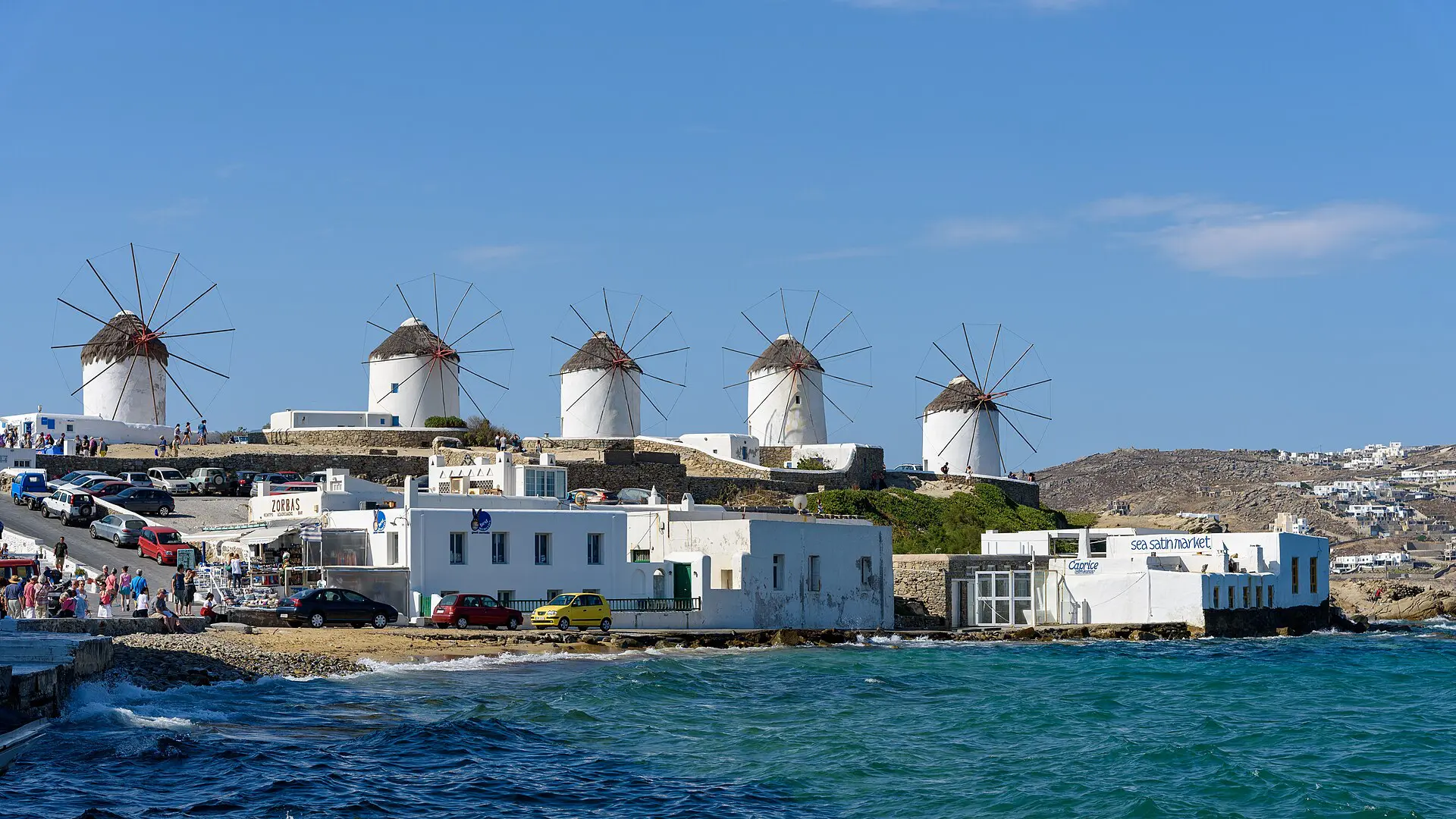
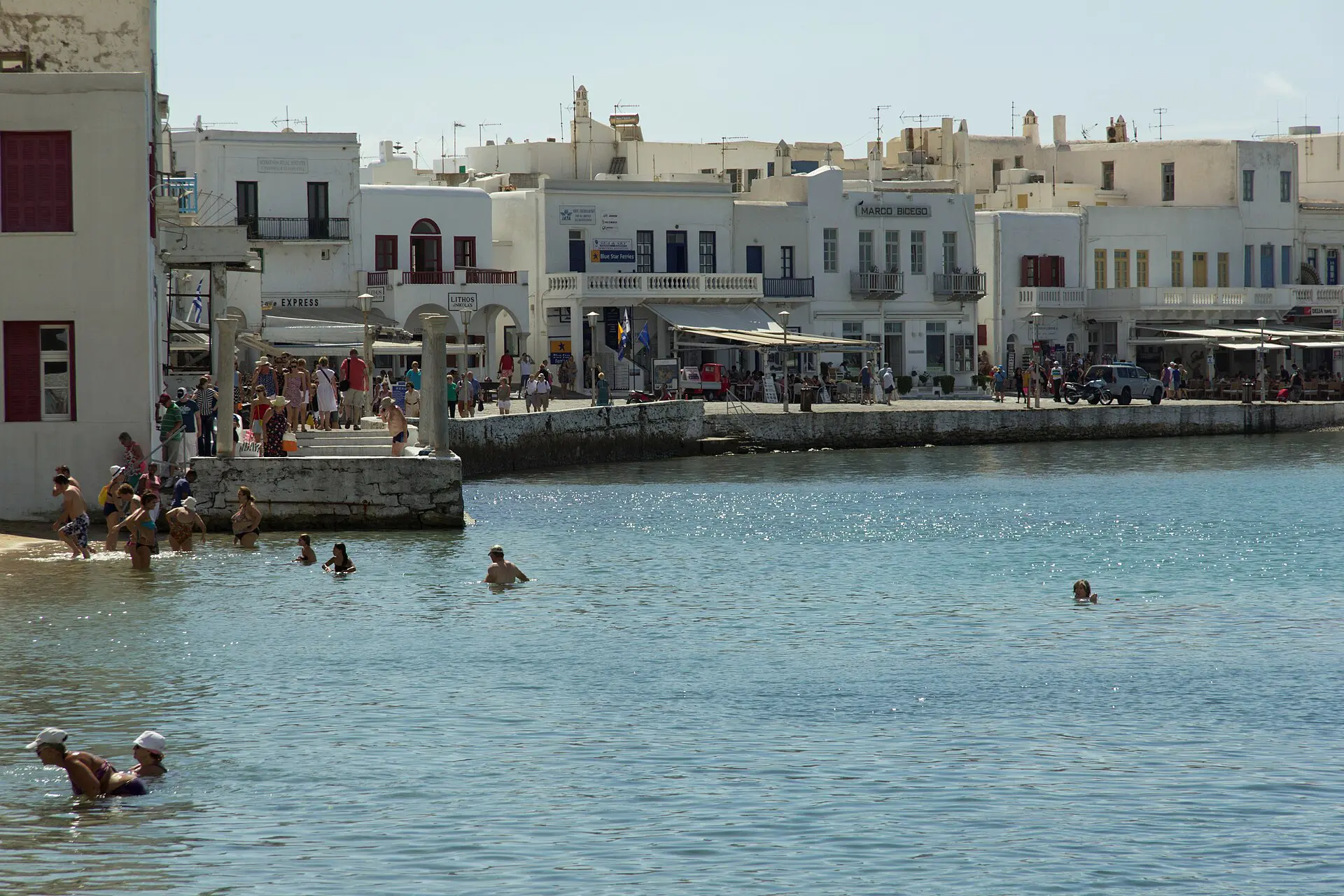
Mykonos is nicknamed the Island of the Winds. The meltemi blows mainly in July and August, with strong days in June and September as well. Greek port authorities can ban departures when winds reach a set strength, and the limit is lower for high-speed boats than for large conventional ferries. A ban is decided on the day, sometimes in the morning for an afternoon sailing.
When your boat is cancelled, the operator normally offers a refund or a seat on the next sailing, and the next boat may be full. Watch the forecast for the Aegean for several days ahead. If winds are forecast over about 6 on the Beaufort scale, treat the high-speed boat as doubtful and the conventional ferry as the safer choice.
Ports for the Athens to Mykonos ferry
Piraeus is the main port, about 12 km from central Athens. The metro (line 1) reaches it from the centre in around 25 to 35 minutes, and the airport metro line connects with a change in the centre. Rafina is about 30 km from Athens Airport, usually a 25 to 35 minute taxi, and about 1 hour from central Athens by road. KTEL buses serve it from the city and the airport. Check the current bus times, as they vary by season.
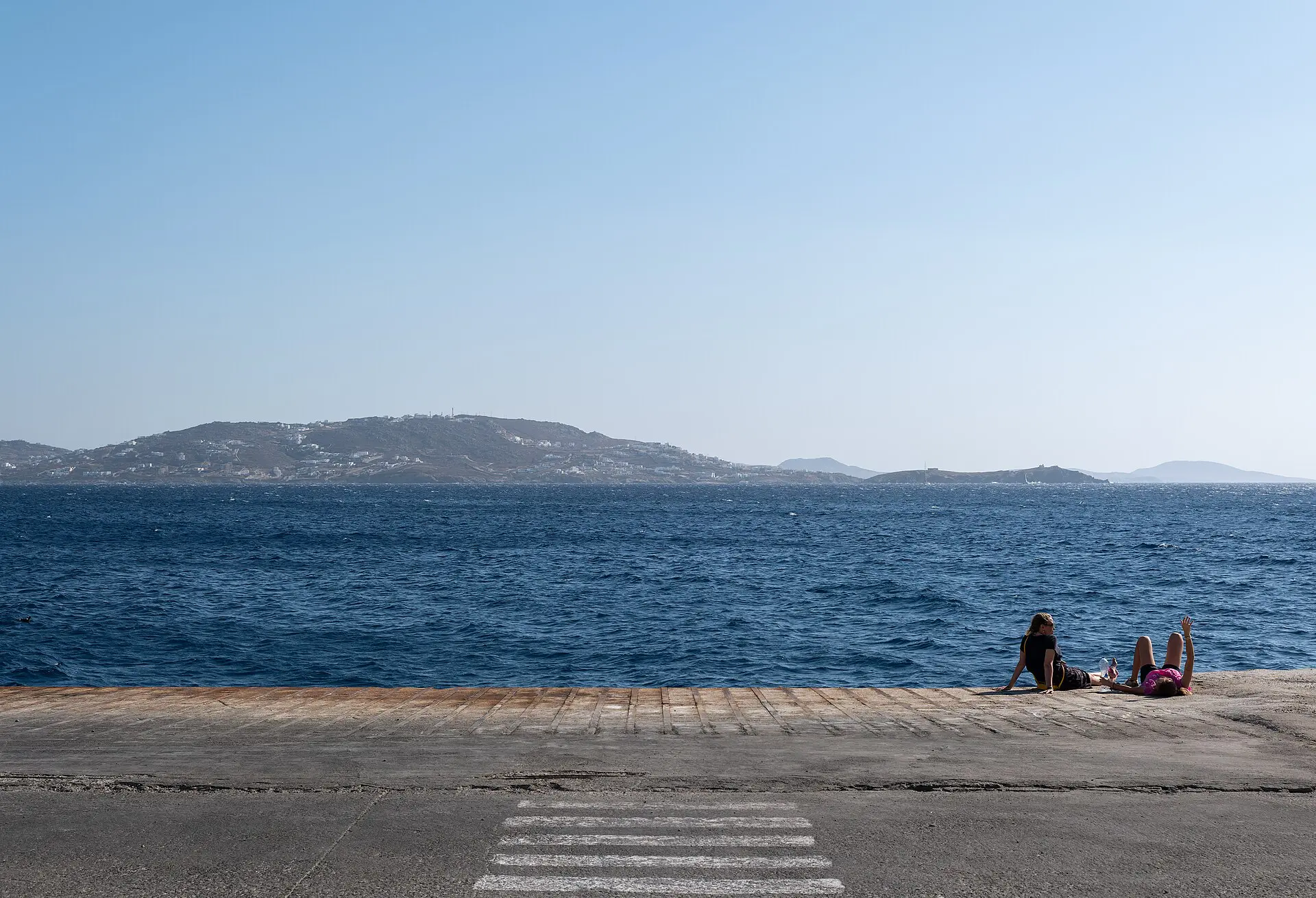
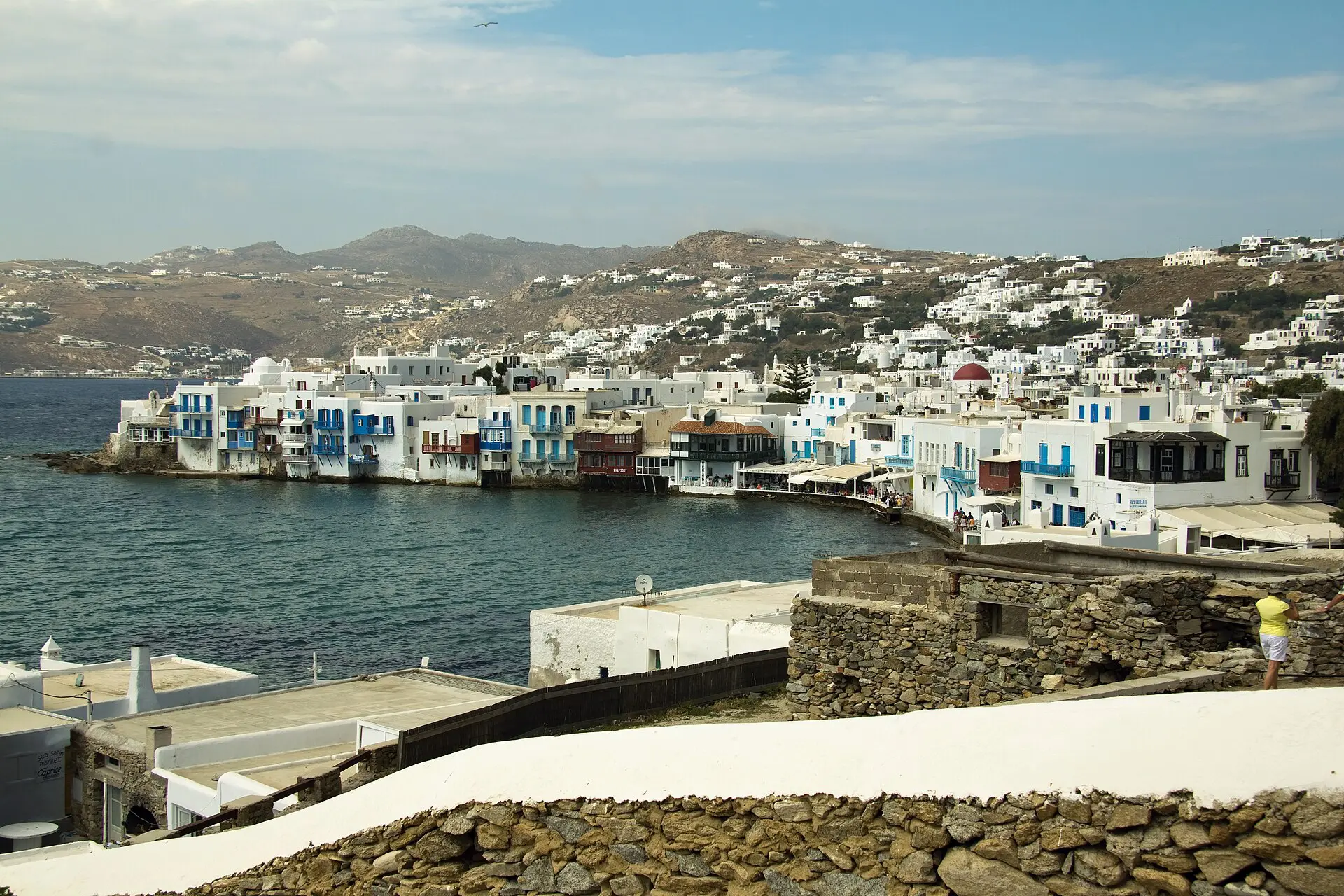
On Mykonos, ferries use the New Port at Tourlos, about 2 km north of the town of Chora, or the Old Port in the town. Check which port your ticket says. A short taxi or local bus takes you to the town. Taxis are scarce at peak arrival times, so book your hotel transfer or plan the walk.
Buffer days for Mykonos and what to book flexible
- Do not schedule a flight home on the day of your return ferry. Leave at least one full day between the last sailing and your flight from Athens.
- Prefer morning sailings. If the wind builds in the afternoon, a morning boat is more likely to leave and gives you an afternoon to fix problems.
- Book a changeable ticket for peak weeks, or one that can be refunded when a ban is announced. Read the cancellation rules before paying.
- Keep the first and last night in Athens flexible. Pay for fixed activities on Mykonos only after you have arrived.
- Check the weather for the route, not only the island. Winds at the port may be different from those at the beach.
Five fallback options if Mykonos boats stop
1. Switch from Piraeus to Rafina
If the Piraeus sailing is off, check the boats from Rafina. They may sail at a different time and the crossing is shorter. The two ports are about 1 hour apart by road, so plan a taxi if you can afford it.
2. Take the next conventional ferry
Large ferries keep sailing when fast boats are tied up. Accept the longer crossing and have a seat reserved if the line allows it. Pack food and water for the 5 to 6 hours.
3. Fly
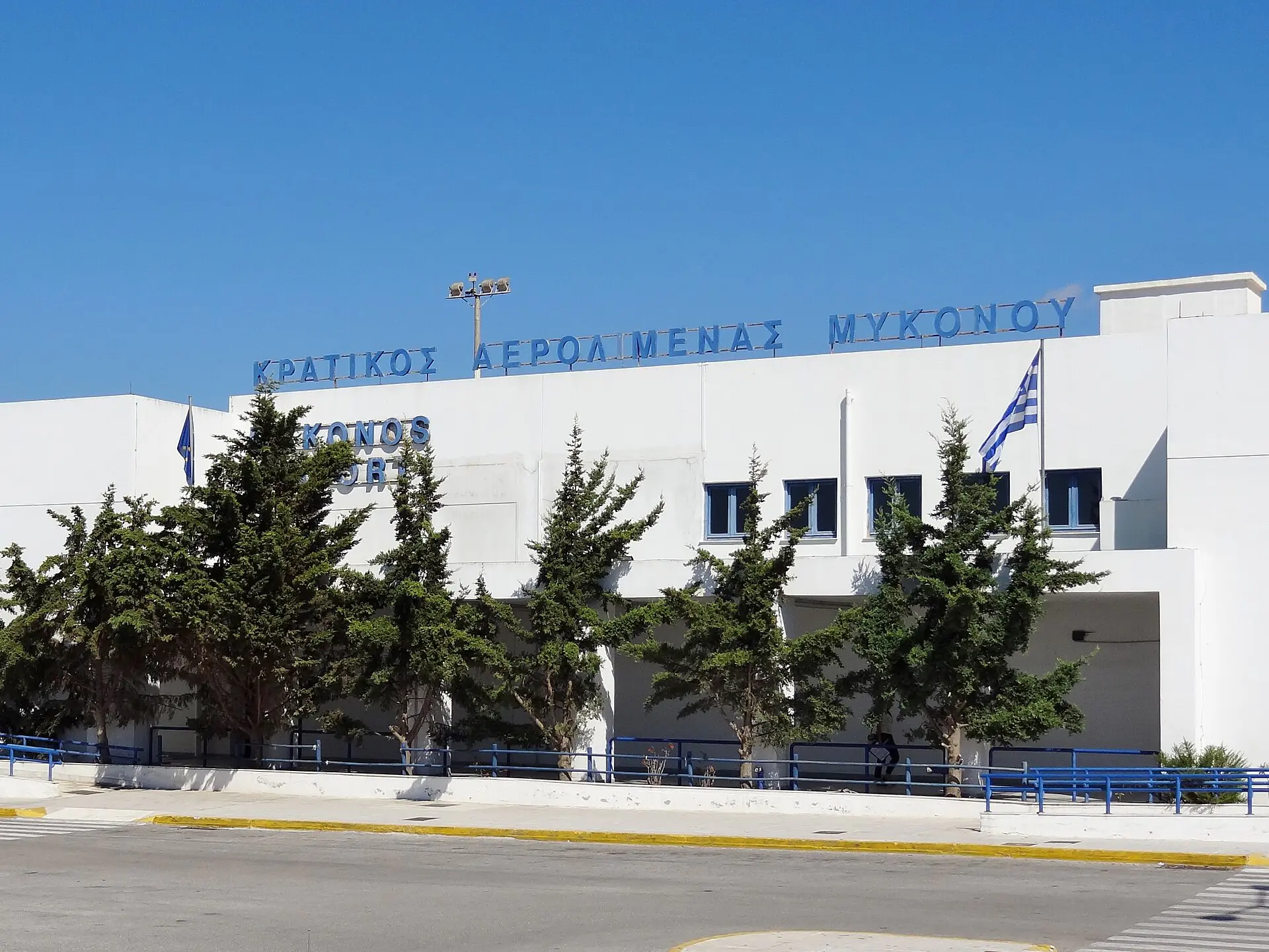
There are short flights from Athens in season, around 40 minutes. They fill up on cancellation days, and strong wind can stop flights too. Treat the plane as a plan B you book early, not on the dock.
4. Route through another island
Some boats link Mykonos with Syros, Tinos, Paros and Naxos. If direct sailings stop, a hop via one of those islands may still run. Check each leg, because a connection does not protect you from a later cancellation.
5. Wait a day
If wind is the cause, the sea often settles in 24 to 48 hours. Stay in Athens or the port town, move your accommodation by a night and take the first morning sailing. A lost day costs less than a rushed alternative.
Skip the Mykonos ferry if
Skip the high-speed boat in July and August if you cannot absorb a delay, and skip the island hop if you have a fixed flight within 24 hours. If you only have two days, fly. For the island itself, see the Mykonos guide, the Greece travel guide, and the Mykonos page on Wikivoyage for background. The Mykonos article on Wikipedia covers the island’s geography and history.
FAQ about the Athens to Mykonos ferry
How long is the Athens to Mykonos ferry?
It takes about 2 to 2.5 hours on a high-speed boat from Rafina, 3 to 4 hours from Piraeus on a fast boat, and 4 to 6 hours on a conventional ferry. Stops at other islands add time. Check the timetable for the exact sailing.
Which port is better, Piraeus or Rafina?
Rafina is quicker for the airport and has shorter crossings, so it suits an arrival day. Piraeus has more routes and a metro link into the city, so it suits those staying in Athens first. Compare the actual departure times and the transfer for your dates before choosing.
How far ahead should I book?
In July and August, book a few weeks ahead, and sooner for cars and cabins. In shoulder season you can often buy a few days ahead. Choose a changeable ticket for the return leg and check the cancellation terms before you pay.
Is there a Mykonos to Paros ferry?
Yes, Mykonos and Paros are linked by ferry, usually in the range of 1 to 2.5 hours depending on boat type and stops. Frequency varies by season. Check the current schedule, since it changes each year, and allow a buffer if you have a flight or onward ferry booked.
What happens if the meltemi stops the boats?
Sailings can be banned for a day or two. The operator will usually refund the ticket or move you to the next available sailing. Keep a spare day in the plan, and have a flight or conventional ferry as backup. Ask your accommodation about late check-in and extra nights.