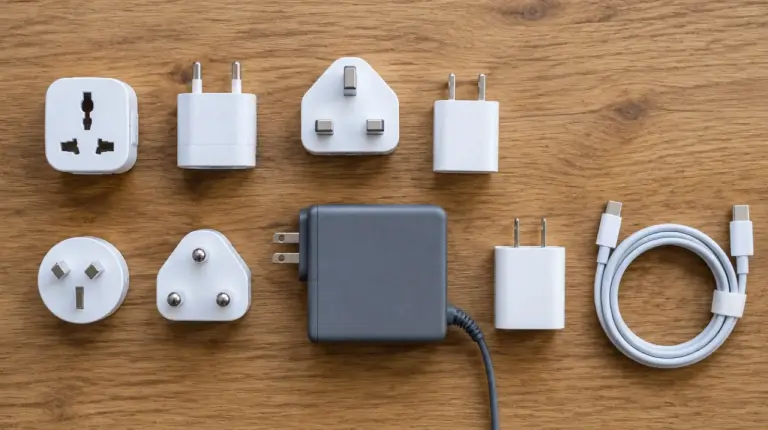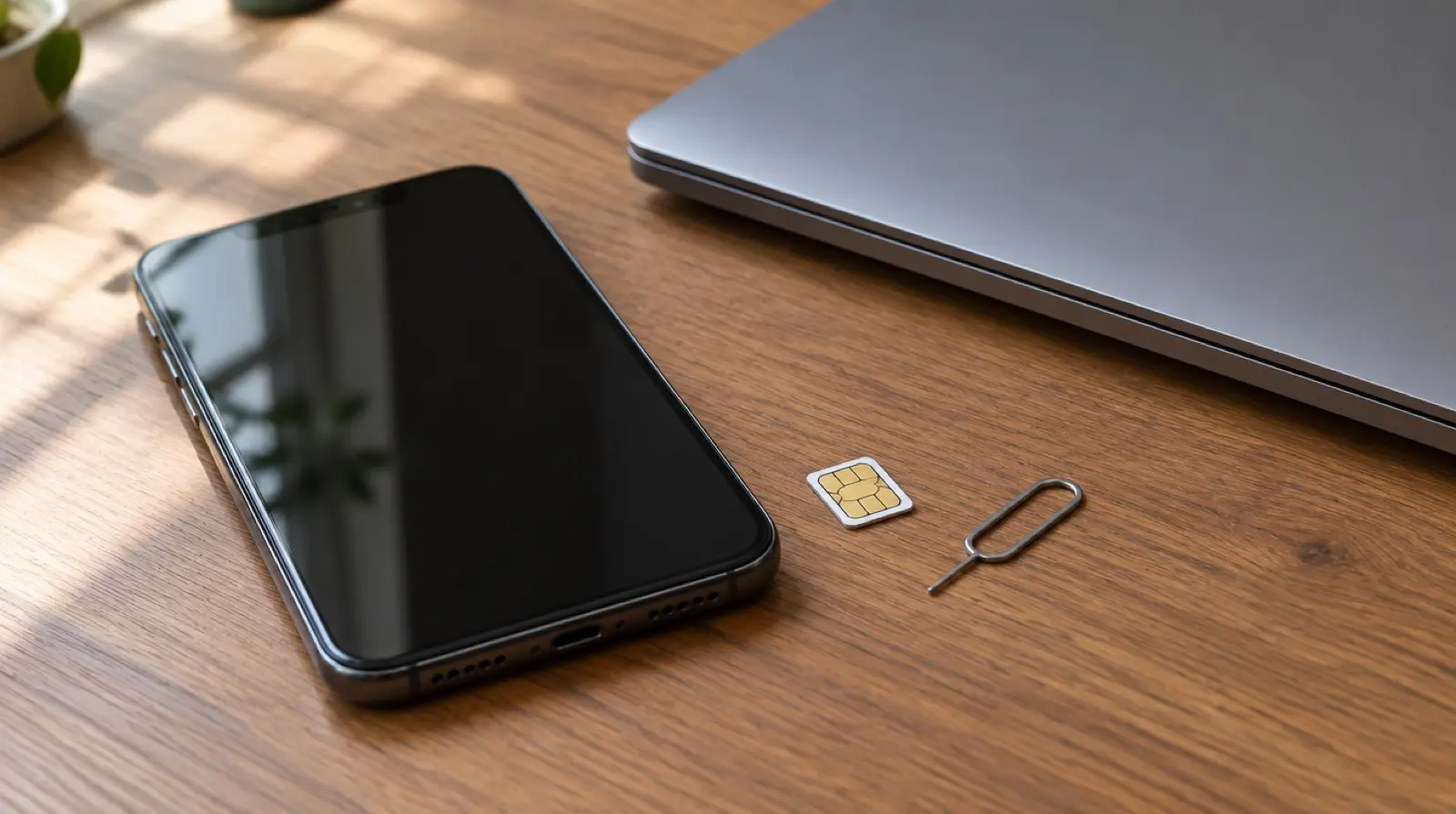
For esim vs local sim vs roaming, the short answer is this: use roaming for a weekend, an eSIM for most trips of a week to a few weeks, and a local SIM for a stay of a month or more. Work changes the maths, because a dropped call costs more than a few extra dollars. Here is how we decide.
eSIM vs local SIM vs roaming: the decision table
| Situation | Best choice | Why |
|---|---|---|
| Weekend trip, little data needed | Roaming | No setup, and a daily pass from your own carrier may be fine at that length |
| One to three weeks, phone is unlocked and eSIM-capable | Travel eSIM | Install before you fly, data works on landing |
| Month or longer in one country | Local SIM or local eSIM | Usually the best data per dollar and a local number for deliveries and banks |
| Phone is locked or has no eSIM | Local SIM or roaming | Physical SIM works with any unlocked handset |
| Several countries in one trip | Regional eSIM | One plan across borders, no swapping cards |
| You must stay reachable on your home number | Roaming, or a second eSIM alongside your own | Your main SIM stays active for calls and codes |
Treat the table as a starting point. Prices, coverage and rules differ by country and change often, so confirm details with the provider before you buy.
When each option wins
1. Roaming wins on a short, low-stakes trip
If you are away three or four days and mostly need maps and messages, roaming through your home carrier is the least effort. Nothing to install, and your number keeps working. The catch is cost: some plans include roaming in certain regions and charge heavily elsewhere. Read your carrier’s terms and set a data cap before you leave.
2. A travel eSIM wins when you want data on landing
An eSIM is a SIM profile you download rather than a card you insert. You can buy and install it at home on wifi, then switch it on at the airport. That removes the arrival queue and the language barrier at the shop. It needs a compatible, unlocked phone, and most plans are data only, so you will not get a local number.
3. A local SIM wins on a long stay
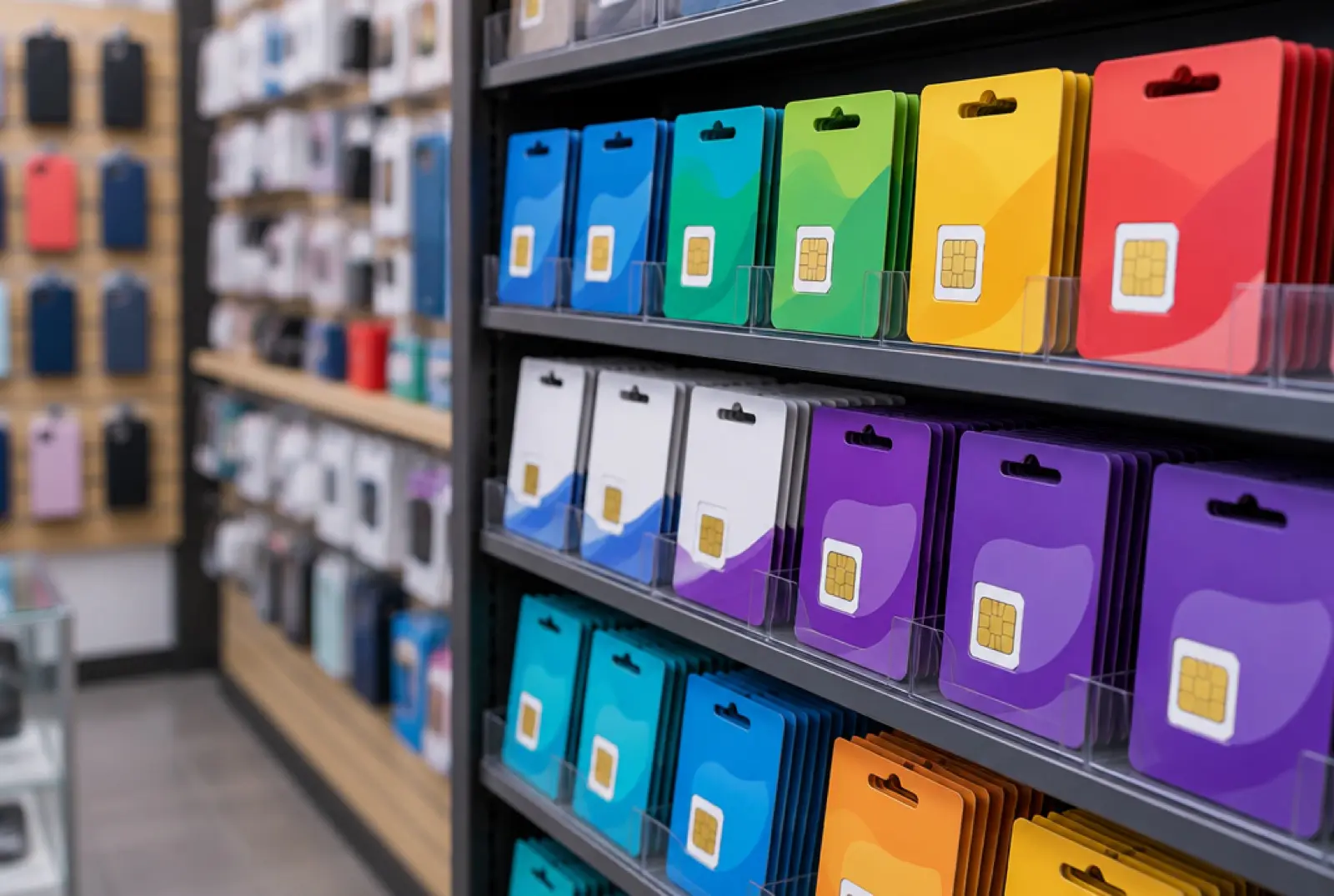
Past the first month, a local plan from a national carrier is typically the cheapest way to get a lot of data, and a local number helps with delivery apps and appointment bookings. The cost is time: you may need to visit a shop and show your passport, and some countries require registration. Check the rules for your destination.
4. A local eSIM is the middle route
Some local carriers now sell eSIMs directly, which gives you local pricing without the shop visit. Availability varies by country and by whether foreign visitors can buy one, so look at the carrier’s English page or ask at the airport. If it is offered, it often beats both a travel eSIM and a physical card for a month-long stay.
5. Dual SIM wins when you need both numbers
Most recent phones can hold a physical SIM and an eSIM, or two eSIMs, at once. We like this setup because your home number stays on for bank codes and calls while a data plan carries the traffic. Set the data line as default for mobile data, and turn off data roaming on the home line to avoid surprise charges.
6. Roaming wins as an emergency fallback
Even if you plan to buy a local plan, keep roaming switched on in the background, with data off, until the new line works. If the eSIM fails to activate or the shop is shut, a capped roaming pass can get you through the first day. Switch it off again once the plan is live.
Costs and trade-offs
In the esim vs local sim vs roaming comparison, cost is rarely the whole story, but as of 2026, a month of data on a local plan commonly runs from a few dollars to tens of dollars, depending on the country and allowance. Travel eSIMs typically cost more per gigabyte than local plans but save time. Roaming is the most variable: from nearly free inside some regional agreements to expensive elsewhere. Treat all of these as ranges, not quotes.
For a one-month budget band, mobile data is a small line next to rent and food. Many nomads set aside roughly $10 to $60 for it, and a bit more if they want a second line for backup. See our guide to how to choose a base city for remote work for the larger picture.
Where you base yourself matters for coverage too. A flat in the centre of a big city is usually well covered, while a surf town or a mountain village may have one strong carrier. Work-friendly spots by type, such as cafes, coworking and your own desk, each depend on a different kind of connection. We compare those in coworking vs cafe vs home office travel.
Mistakes to avoid
Most problems with esim vs local sim vs roaming choices come from setup, not the option itself.
- Buying before checking the phone. Confirm it supports eSIM and is carrier-unlocked. A locked phone will not accept a foreign plan.
- Forgetting to turn on data roaming for an eSIM. Many travel eSIMs need the roaming toggle on for that line only.
- Letting the home line roam. Switch roaming off on your own SIM if you are using another line for data.
- Assuming a data-only plan can receive texts. Banks and apps that send SMS codes will use your home number, so keep it reachable.
- Buying the biggest bundle. Start with a smaller plan, then top up once you know your usage.
What to verify before you go
Run through this test-it-yourself checklist at home, not at arrivals:
- Ask your carrier whether the phone is unlocked and whether it supports eSIM.
- Check the destination carrier’s coverage map for the area where you will sleep and work.
- Read the plan’s fair-use rules, hotspot policy and expiry terms.
- Install the eSIM on wifi and confirm it appears in settings before you fly.
- Ask your home carrier about roaming charges and how to cap them.
- Look up any registration or ID rules for SIM cards on the government or carrier site for your destination.
Stay length and visa rules also decide whether a long-term local plan makes sense, so confirm the permitted stay with the official immigration authority before you commit to a long contract.
FAQ about eSIM, local SIM and roaming
Is an eSIM cheaper than roaming?
Often, but not always. Travel eSIMs are commonly cheaper than roaming outside any regional agreement, especially for several gigabytes. Some home plans include roaming in certain countries at no extra charge, so compare your carrier’s terms with the eSIM price before buying.
Can I keep my home number with an eSIM?
Yes, on a phone with dual SIM support. Your home SIM stays in one slot and the travel eSIM takes the other. Set the eSIM as the mobile data line and keep roaming off on the home line to avoid extra charges.
Do I need an unlocked phone for a local SIM?
Yes. A phone locked to your home carrier will usually reject a foreign SIM or eSIM. Ask your carrier about unlocking, and note that some require the phone to be paid off or to have been in service for a set period.
Which is best for remote work?
For a stay of a month or more, a local plan, ideally with a second line as backup, is hard to beat. For shorter trips an eSIM is simpler. Whatever you pick, test it early in the week, and see our backup plan tip for what to do if it fails.