Why visit Nicaragua
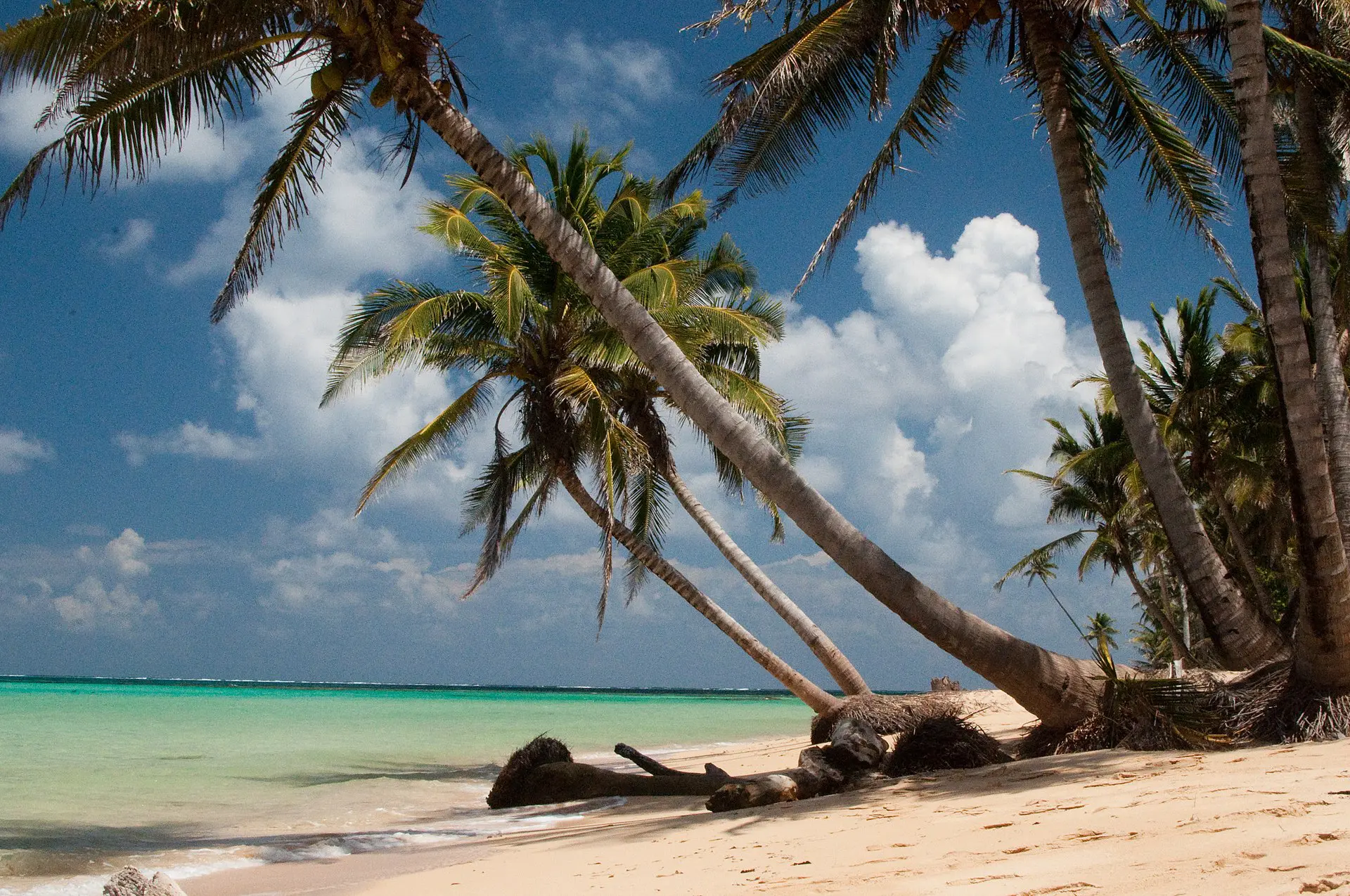
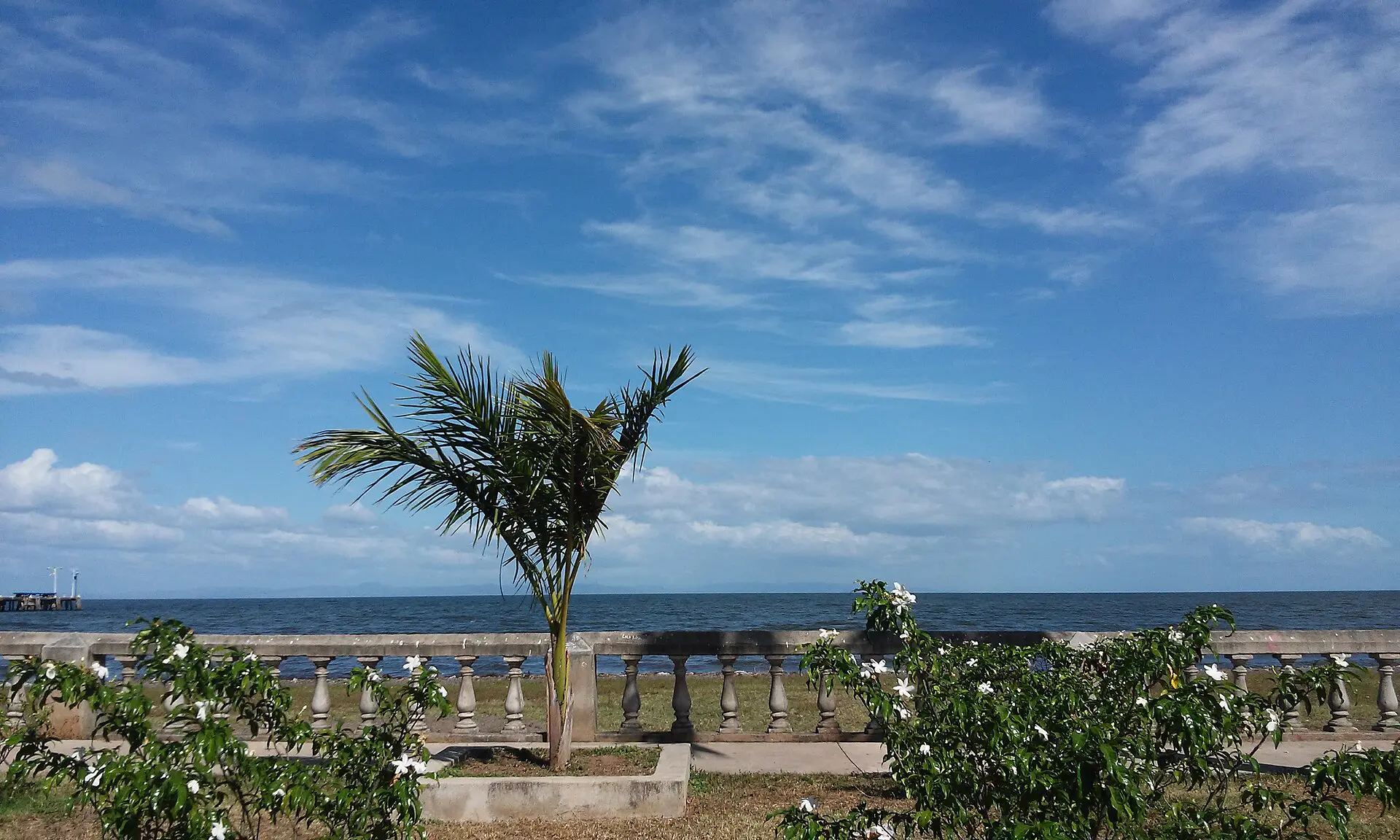
The best things to do in Nicaragua centre on its landscape. Known as the land of lakes and volcanoes, it is the largest country in Central America by area and the least densely populated, with Pacific beaches on one side, the Caribbean on the other and a chain of volcanoes between them. Lake Nicaragua, also called Cocibolca, is the biggest freshwater lake in Central America. The Wikipedia overview covers the history, including the Contra War and the political crackdown after the 2018 protests.
Nicaragua suits budget travellers, surfers, hikers and anyone who enjoys colonial towns without the crowds of Mexico or Costa Rica. Prices remain among the lowest in the region. It is less suited to travellers who want predictable infrastructure or who plan to discuss politics, because the government is authoritarian and visitors have been detained. Read the safety section and your government’s advice before you commit.
Best places to visit in Nicaragua
Most of the best places to visit in Nicaragua lie in the Pacific lowlands, within a few hours of Managua.
Granada
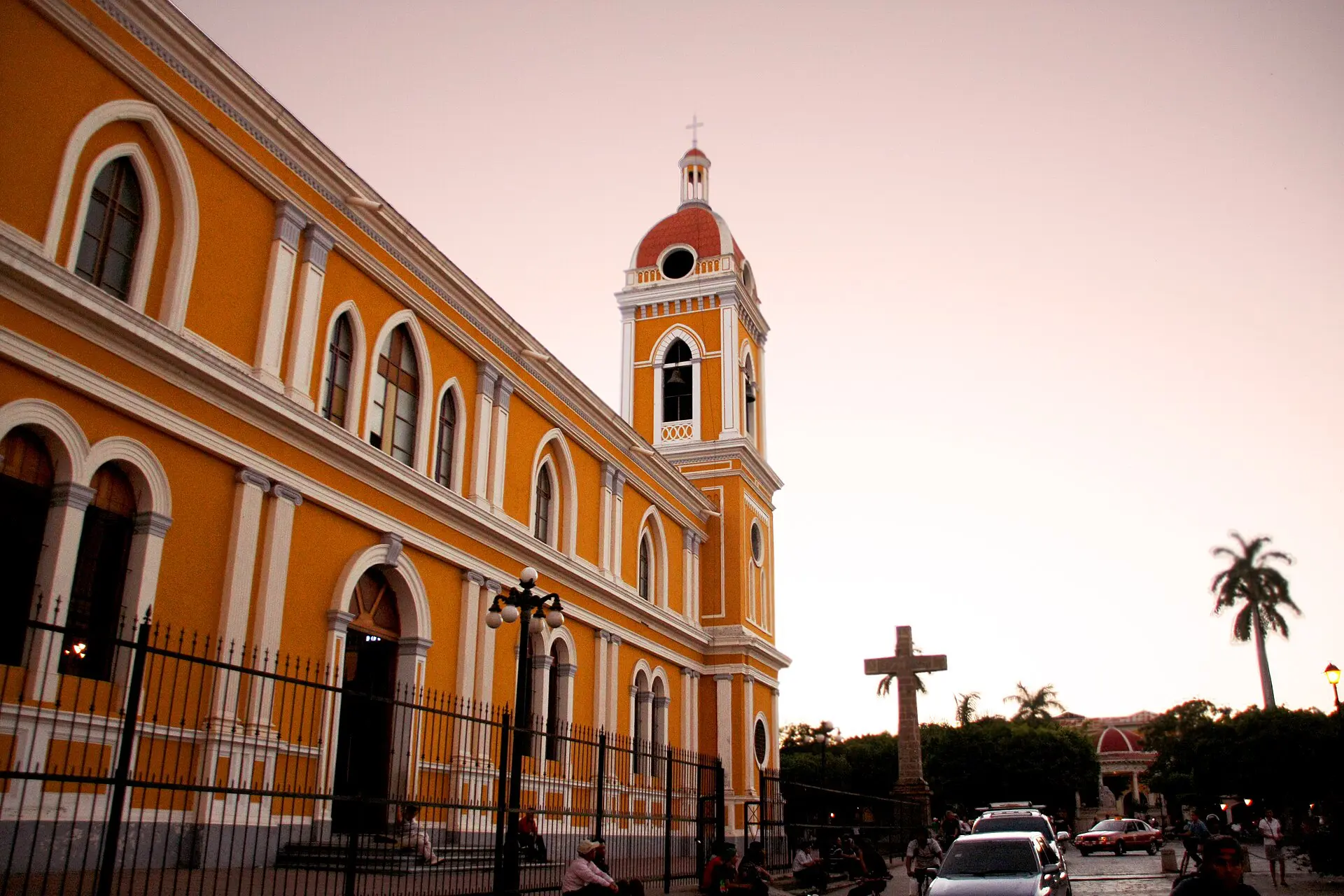
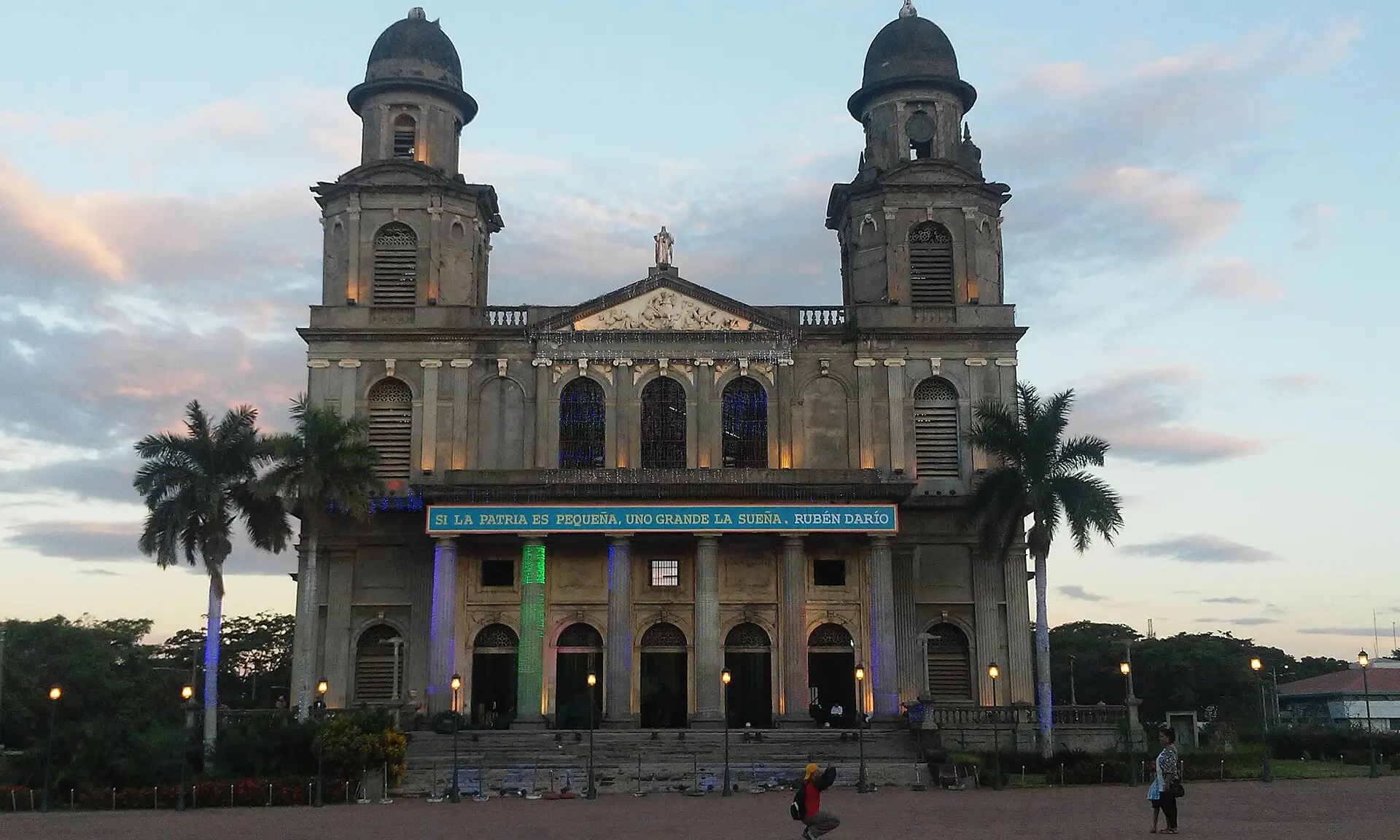
Granada is the most popular base, a colonial city on the shore of Lake Nicaragua with pastel buildings, a cathedral and the Calle La Calzada restaurant street. Boat trips visit the Isletas, small islands in the lake, and the Mombacho volcano is a short drive away.
León
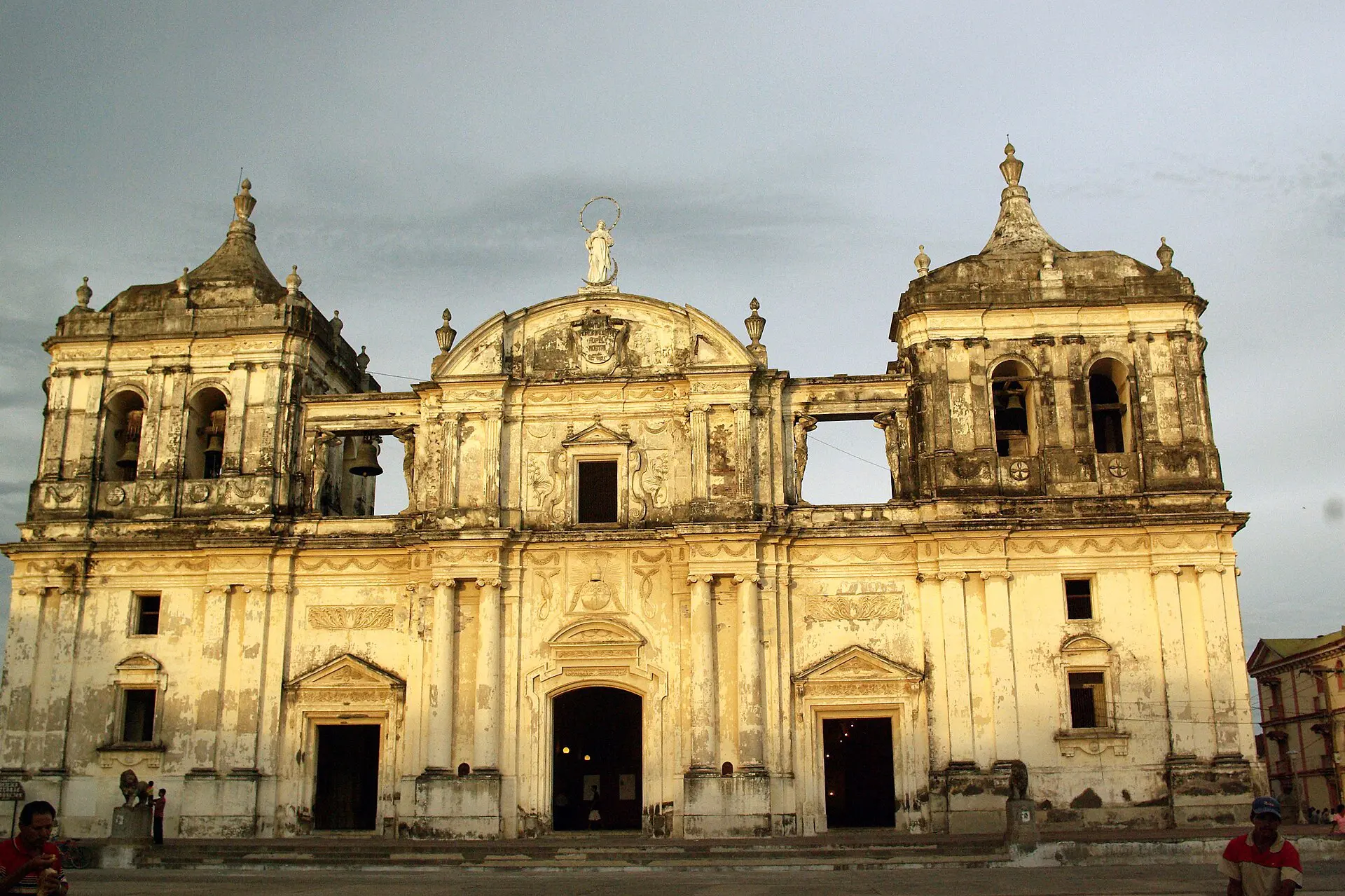
León is the intellectual and political heart of the country, with a large cathedral you can climb for roof views, murals, museums and a student feel. It is the base for volcano boarding on Cerro Negro and for beaches at Las Peñitas.
Ometepe Island
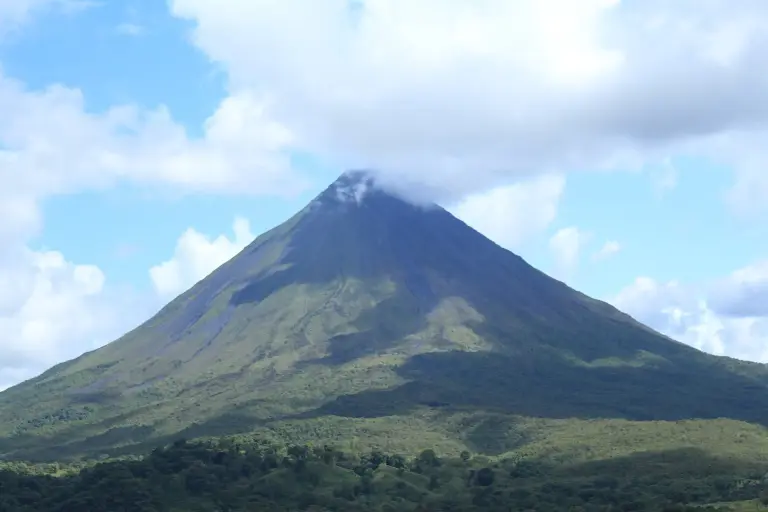
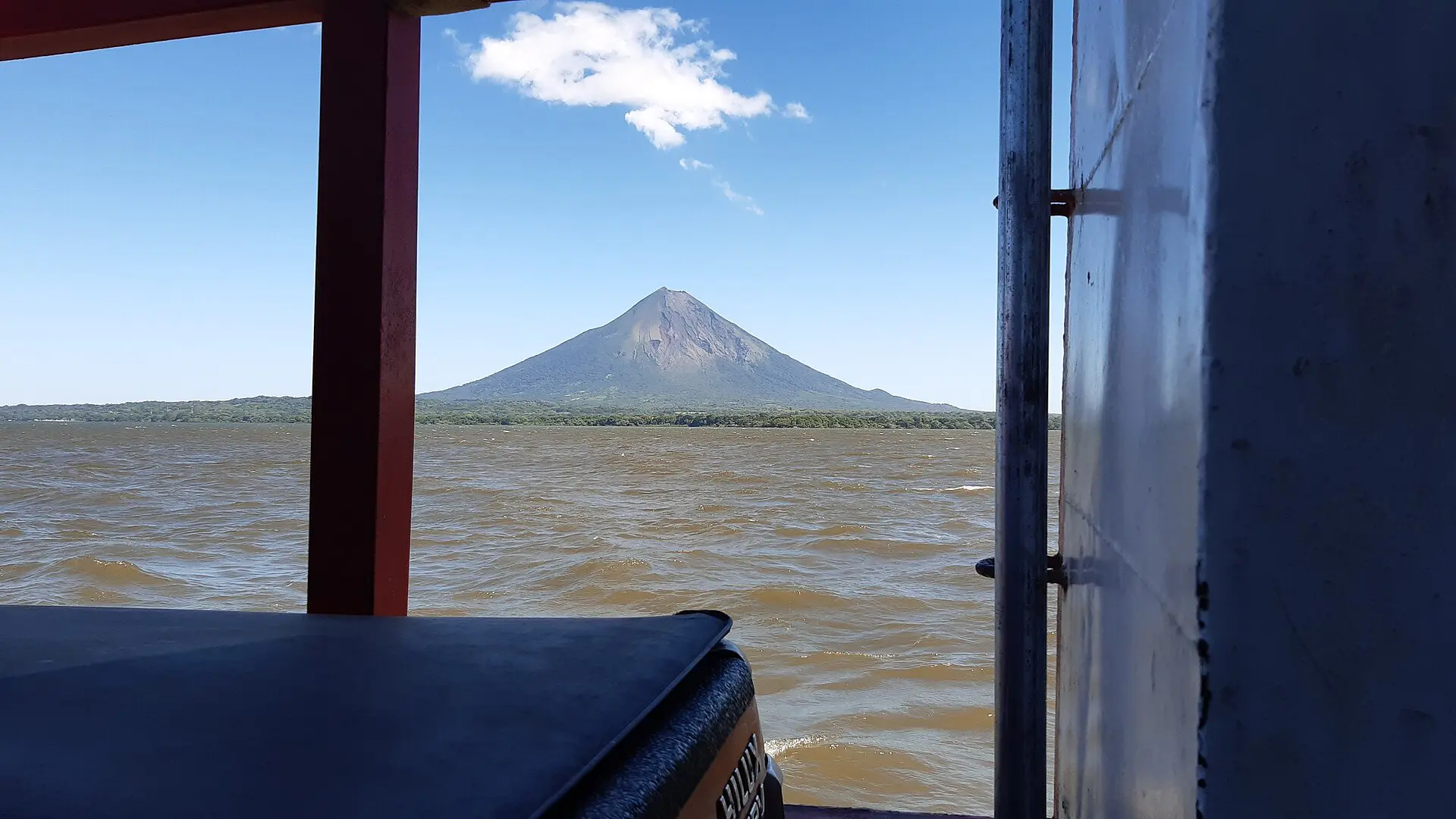
Two volcanoes, Concepción and Maderas, rise from Lake Nicaragua to form one island. Visitors hike, swim in freshwater pools and cycle between small villages. Reach it by ferry from San Jorge or Moyogalpa.
Masaya and the Pueblos Blancos
Masaya has a craft market and the active Masaya Volcano National Park, where gas rises from a crater. The nearby white villages specialise in pottery and plants.
San Juan del Sur
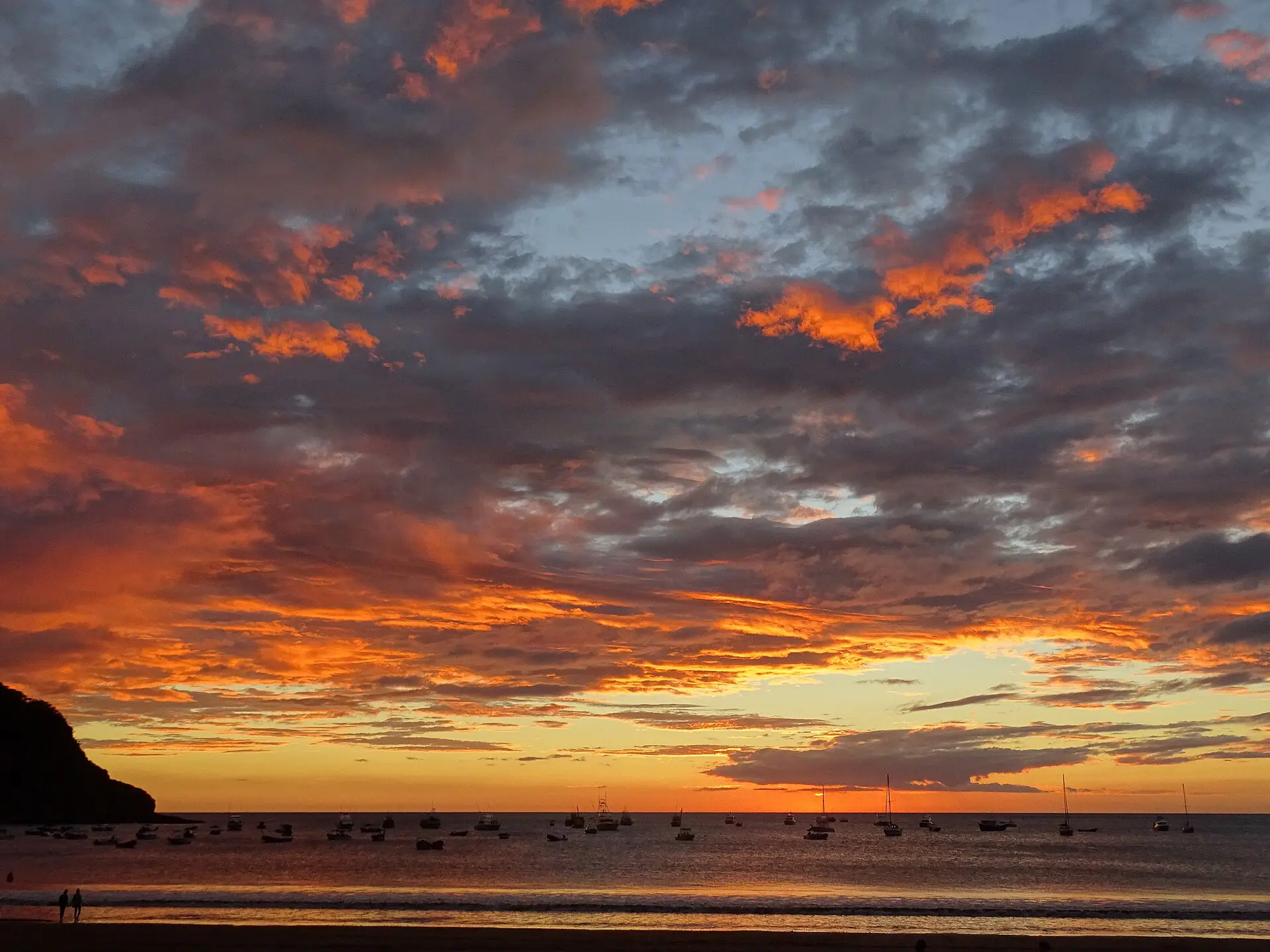
This surf town on the Pacific has sunset bars and nearby beaches, with the Cristo de la Misericordia statue above the bay.
Corn Islands and the north
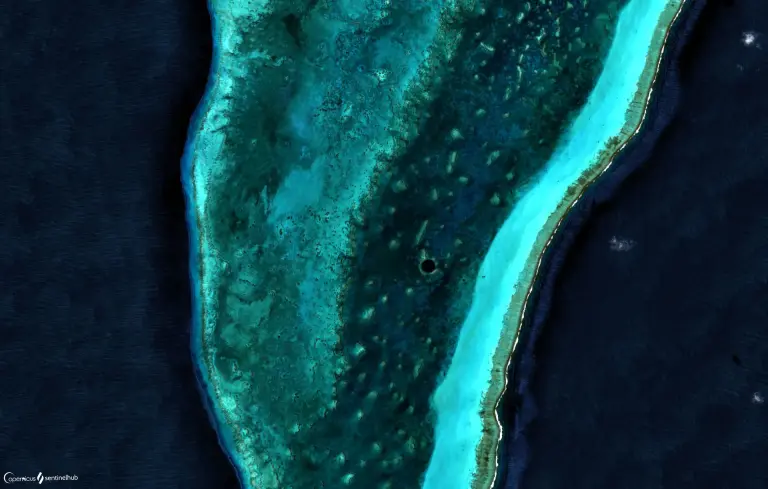
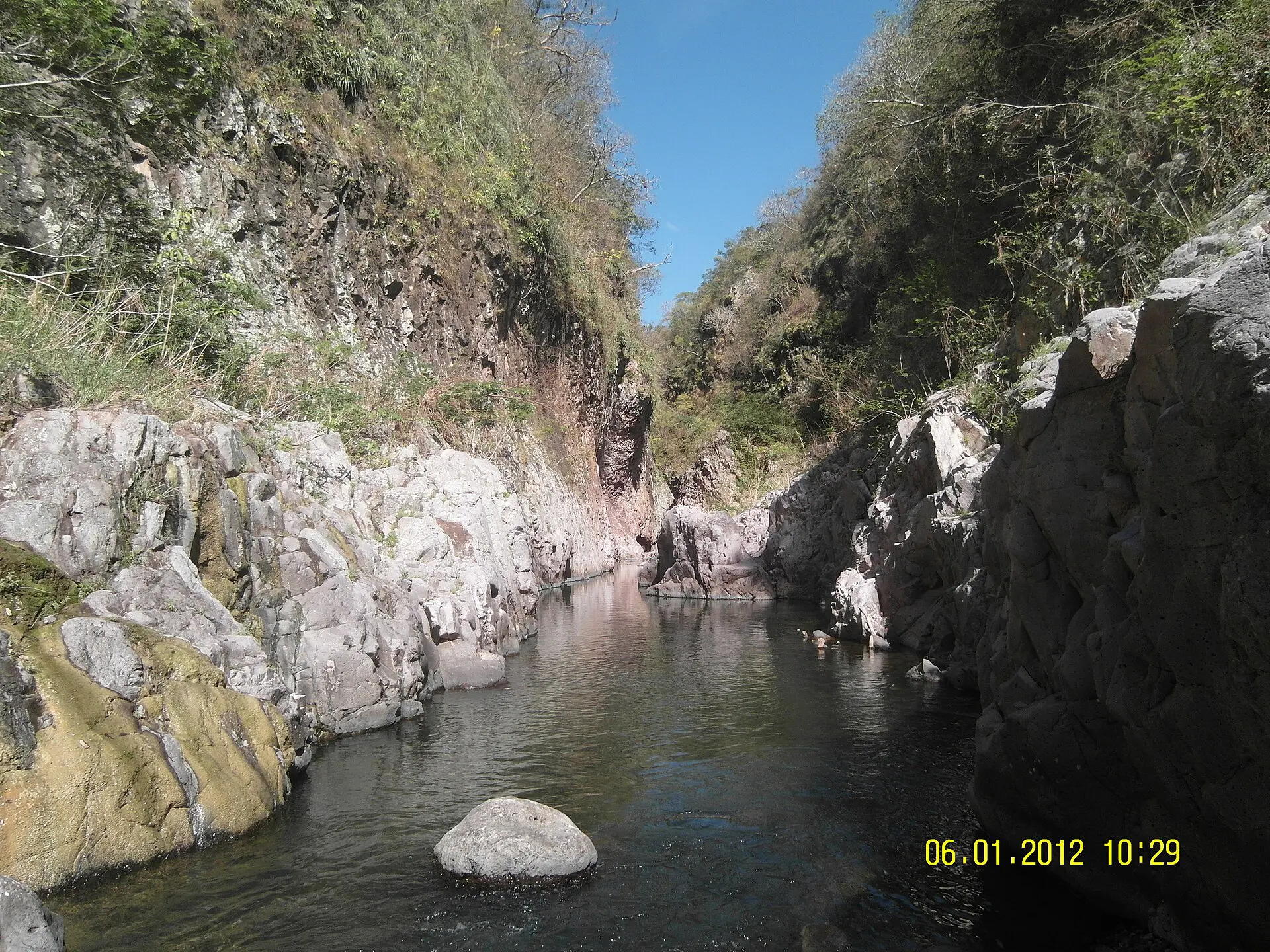
Big Corn and Little Corn on the Caribbean side have diving and no-fuss beaches. In the north, Matagalpa and Estelí offer coffee farms, cloud forest and the Somoto Canyon.
Top things to do in Nicaragua
The top things to do in Nicaragua are outdoors and cheap, and most can be booked on arrival through hostels and local operators.
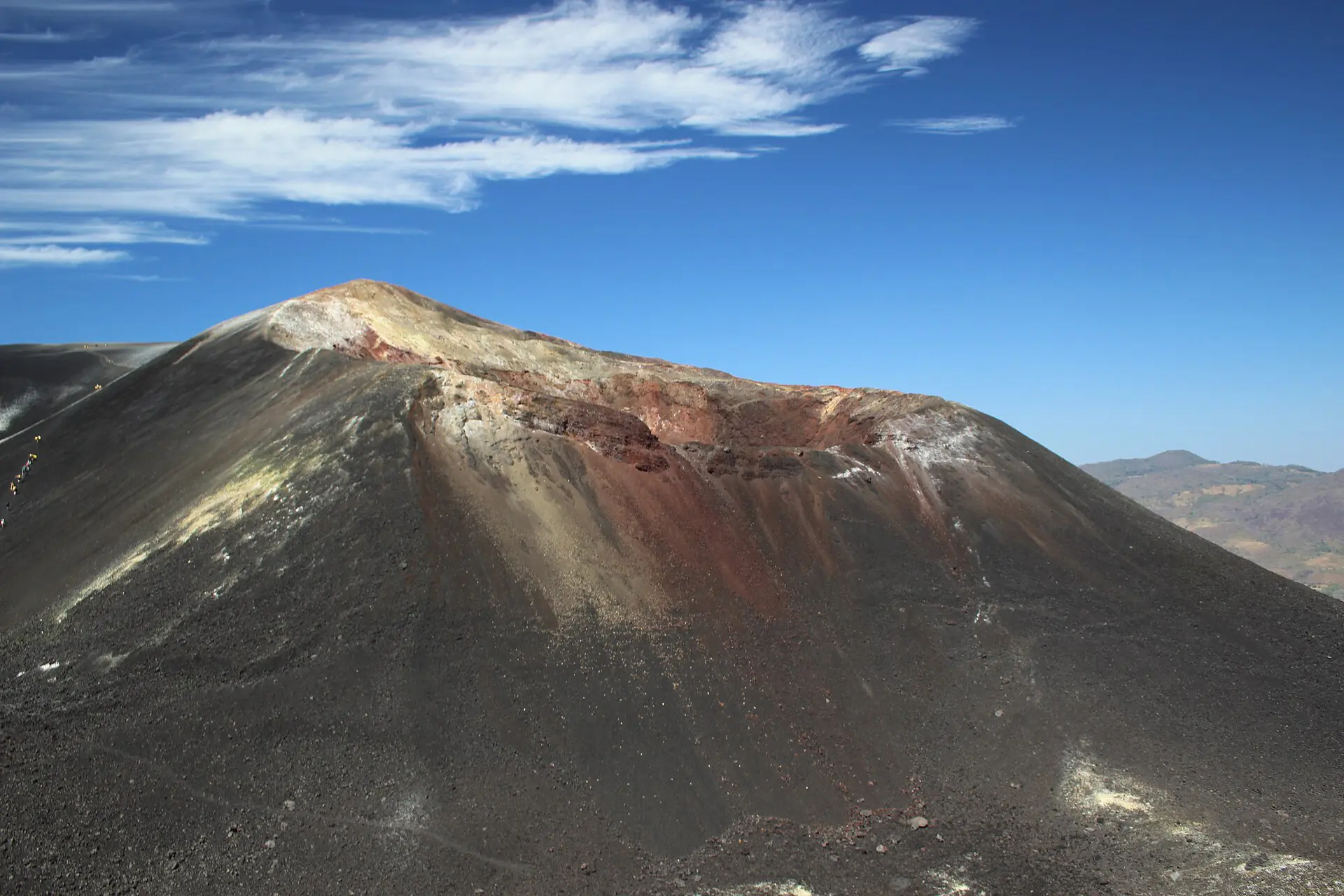
- Board down Cerro Negro: hike the black volcano near León and slide down on a wooden board with a guide.
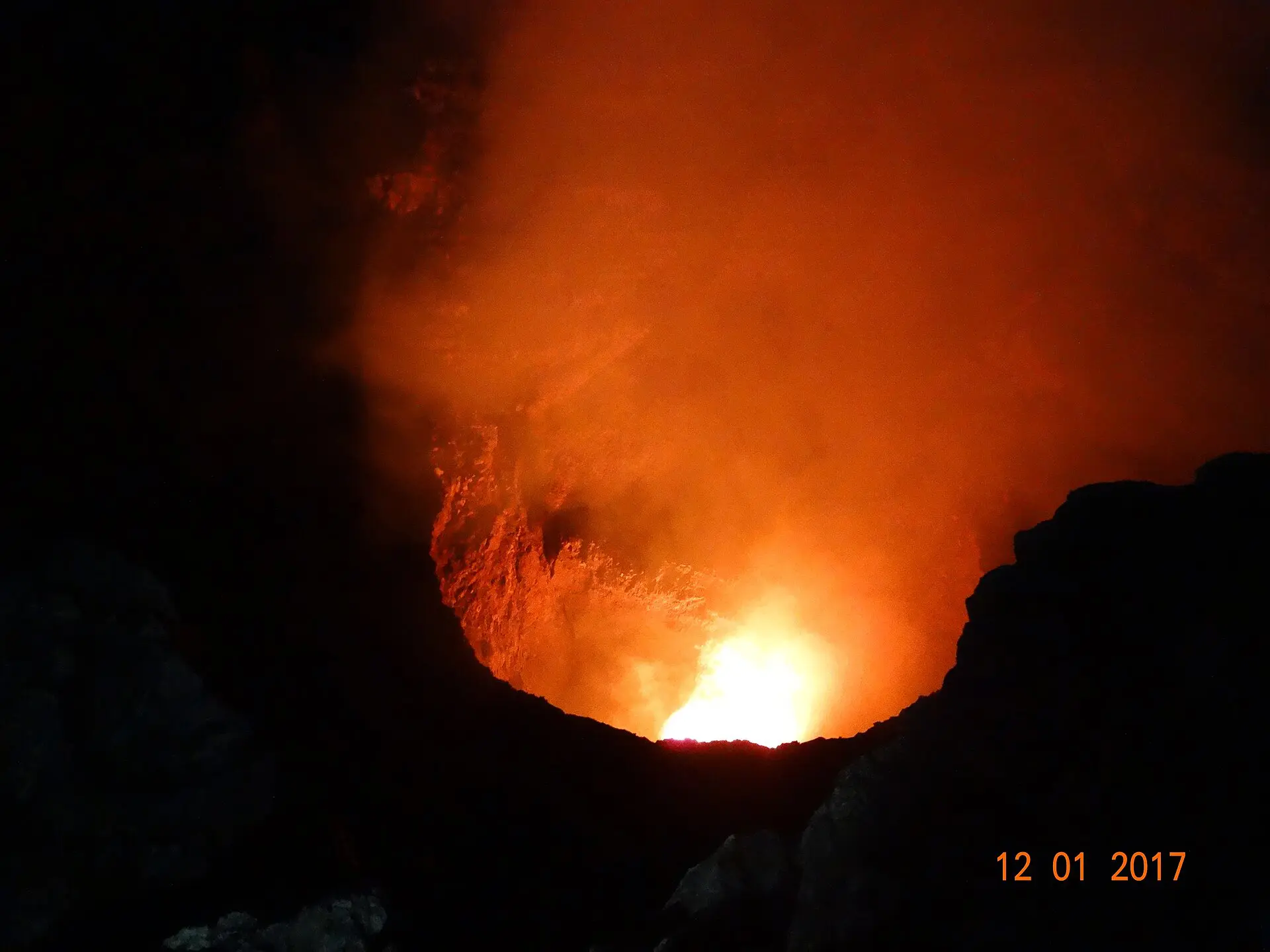
- Look into Masaya Volcano: evening tours show glowing lava when conditions allow, but access changes with gas levels.
- Climb a volcano on Ometepe: Maderas and Concepción both need a guide and a long day.
- Explore Granada by horse carriage and boat: the Isletas tour takes a couple of hours.
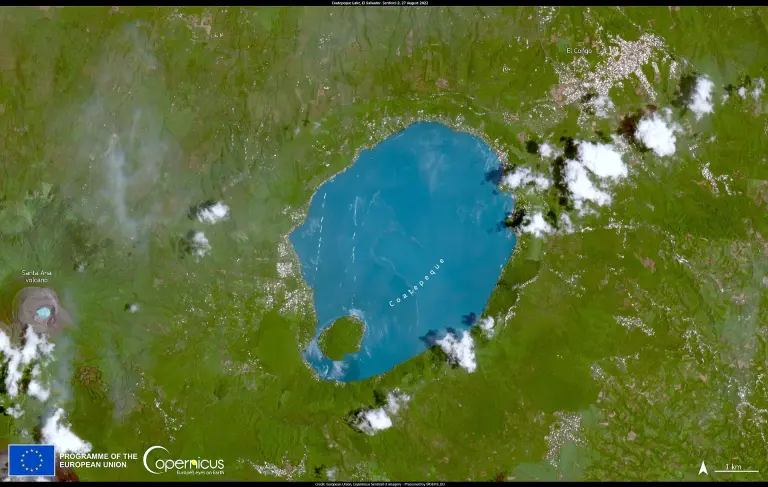
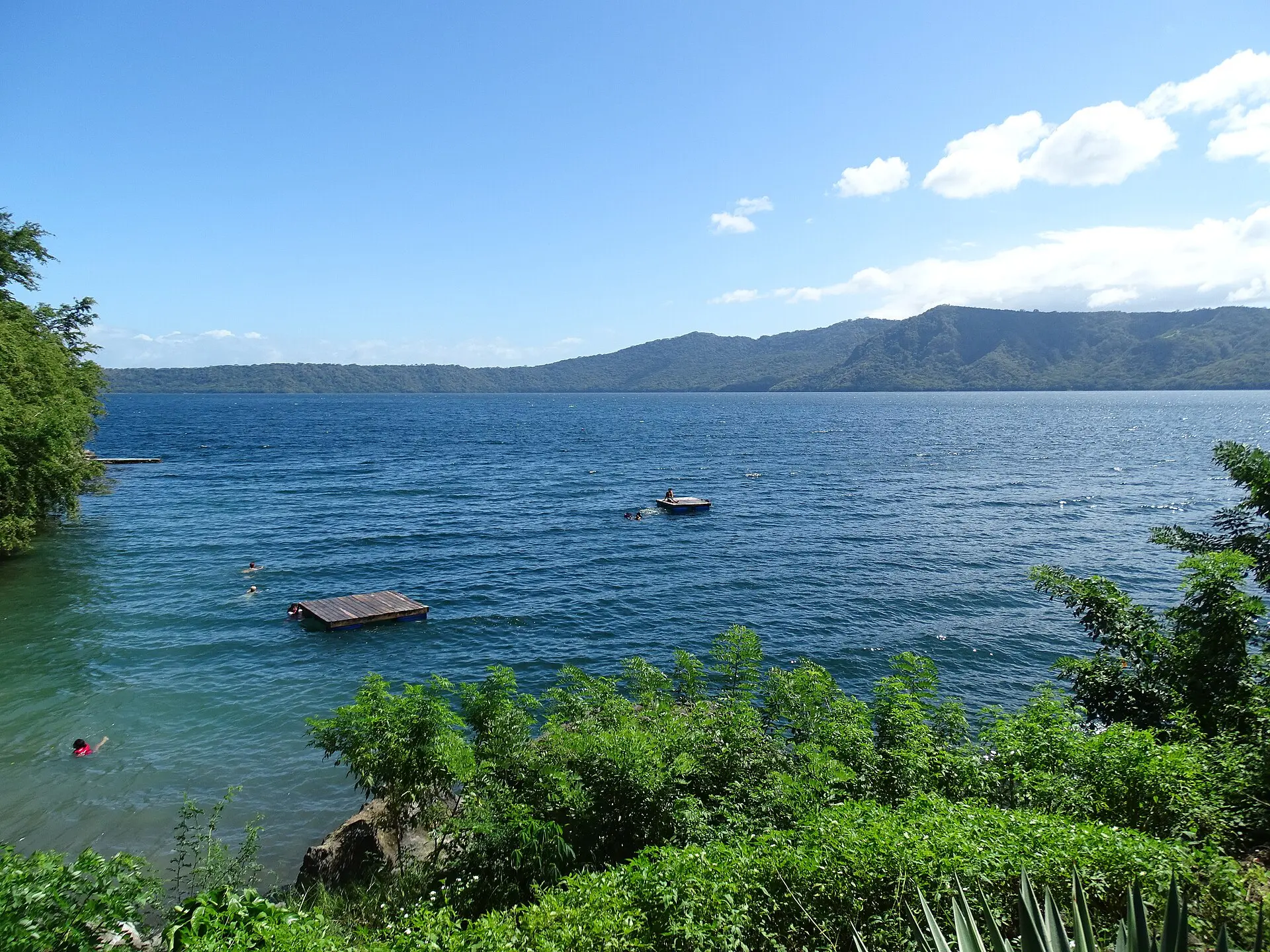
- Swim in Laguna de Apoyo: this warm crater lake has calm water and small lodges on its rim.
- Climb León Cathedral’s roof: the white rooftop looks over the city to the volcanoes.
- Surf near San Juan del Sur: breaks such as Playa Maderas suit beginners and intermediate surfers.
- Visit a coffee farm near Matagalpa: tours show picking, drying and roasting.
- Hike the Somoto Canyon: float and wade through a narrow canyon in the north.
- Relax on Little Corn Island: no cars, simple lodges and reef diving.
Best time to visit Nicaragua
The best time to visit Nicaragua is the dry season, from December to April, when skies are clear, roads are passable and beaches are at their best. March and April are hottest. The wet season, May to October, brings afternoon downpours, greener landscapes and lower prices, and it suits surfers because Pacific swells are bigger.
| Season | Weather | Crowds and prices | Good for |
|---|---|---|---|
| Dry (Dec-Apr) | Hot, sunny, little rain on the Pacific side | Highest, especially Christmas and Easter | Beaches, hiking, Corn Islands |
| Early wet (May-Jul) | Short afternoon storms, lush scenery | Falling | Surfing, budget travel |
| Peak wet (Aug-Oct) | Heavy rain, risk of flooding | Lowest | Quiet towns, cloud forest |
| Late wet (Nov) | Drying out, occasional storms | Rising | Early dry-season trips |
The Caribbean coast is wetter all year. Hurricane season runs June to November, and Nicaragua is not usually in the main path, though heavy storms have caused damage.
Is Nicaragua safe to visit?
Is Nicaragua safe? Ordinary street crime is lower in most tourist areas than in several neighbouring countries, but the political situation makes it a more serious choice than a typical beach destination. Since the 2018 protests and the 2021 election, the government has restricted civil liberties, and some foreign visitors have been detained, questioned or refused entry. Governments including the US and UK urge caution or reconsideration of travel, so read their pages before booking.
Politics. Do not join protests, photograph police or military sites, or post political comments online. Carry your passport copy, and expect checkpoints on roads.
Crime. Petty theft and bag snatching happen in Managua, markets and bus stations. Use registered taxis, avoid walking at night and keep valuables out of sight. Avoid remote beaches after dark.
Roads and nature. Night driving is risky because of animals, unlit vehicles and poor surfaces. Earthquakes and volcanic activity are real hazards, so follow guides and park rules. Swell and rip currents affect Pacific swimmers.
Health. Dengue is present, so use repellent. Drink bottled or filtered water. Carry insurance with medical evacuation, because quality care is limited outside Managua.
Nicaragua visa and entry requirements
Entry rules depend on your nationality, and they have changed several times in recent years. Many visitors, including citizens of the US, Canada, the UK and most EU countries, have been able to enter without a visa and stay up to 90 days, often paying a small tourist card or entry fee at the border or airport. Some nationalities need a visa. Nicaragua is part of the CA-4 agreement with El Salvador, Guatemala and Honduras, so your 90-day allowance is generally shared across those countries.
Bring a passport valid for at least six months, proof of onward travel and evidence of accommodation. Airlines may check these before boarding. Immigration officers have discretion, and some visitors have been refused entry or questioned at length, so keep your itinerary simple and your answers factual.
Confirm the current rules and fees with the Nicaraguan immigration authority or your nearest embassy. For heritage background, the UNESCO page for Nicaragua lists the World Heritage sites, though it does not cover entry rules.
Getting to and around Nicaragua
Most visitors fly into Augusto C. Sandino International Airport in Managua. Others cross overland from Costa Rica at Peñas Blancas or from Honduras. International bus companies run between the capitals, but border waits can be long, and some flight options have changed in recent years, so check current schedules.
Nicaragua has no passenger rail. Buses are the main option: slow chicken buses and faster minibuses connect towns. Shuttle services link Granada, León, San Juan del Sur and Managua airport at modest cost. Typical times are Managua to Granada about an hour, Granada to San Juan del Sur around two hours, and Managua to León about two hours.
Ferries cross Lake Nicaragua to Ometepe from San Jorge, around an hour. Small planes and slow boats serve the Corn Islands from Managua and Bluefields. Taxis are cheap, but agree the fare first. Driving is on the right, and a rental car helps in the north, though night driving is not advised.
How much does a trip to Nicaragua cost?
Nicaragua is one of the cheapest destinations in the Americas. The currency is the Nicaraguan córdoba (NIO), but US dollars are accepted by many hotels, tours and taxis. Figures below are rough per-person guides for 2026 and may change with inflation.
- Budget: around USD 25 to 45 per day, using hostel dorms, local buses and market meals.
- Mid-range: around USD 45 to 85 per day, with private hotel rooms, shuttle transfers, restaurant dinners and one tour per day.
- High-end: from around USD 120 per day, with boutique hotels, private drivers and lodge stays.
Accommodation is the main variable, followed by tours: a guided volcano climb on Ometepe or a Cerro Negro boarding trip typically costs a modest amount per person. Ferries and buses cost very little. Flights to the Corn Islands are comparatively expensive. Meals at local comedores cost a few dollars, while Granada’s restaurants cost more. Some places add a service charge, and cash is still common.
Nicaragua food and drink
Nicaragua food is simple, filling and built on corn, beans, rice, plantain and grilled meat, with seafood on the coasts. Meals at street stalls and comedores are cheap, and portions are large.
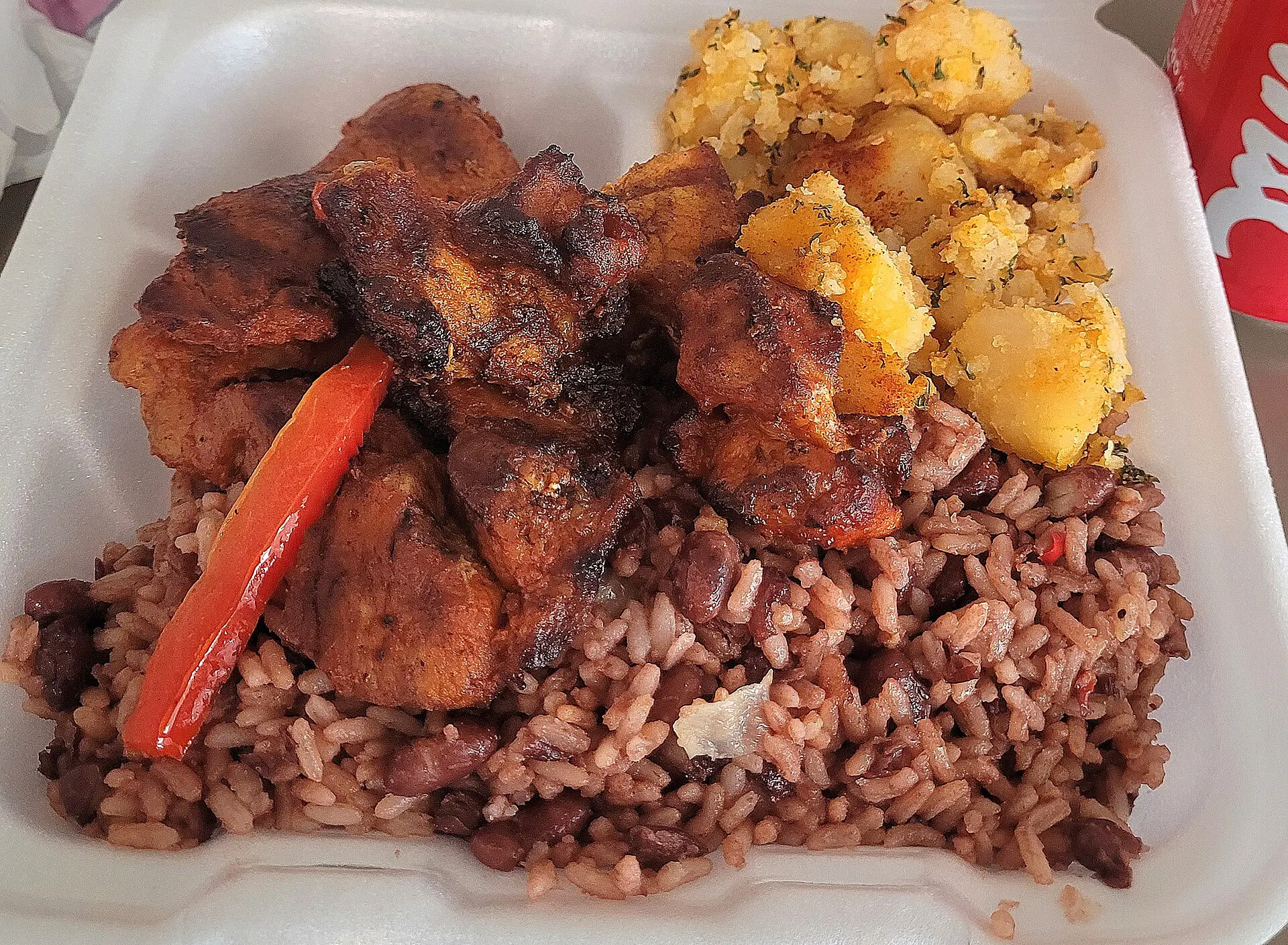
- Gallo pinto: rice and red beans fried together, eaten at breakfast with eggs, cheese or fried plantain.
- Nacatamal: a large corn dough parcel with pork, rice and vegetables, steamed in banana leaf, traditionally a weekend breakfast.
- Vigorón: Granada’s street dish of boiled yuca, cabbage salad and crispy pork skin.
- Quesillo: a tortilla filled with soft cheese, onion and cream, sold at roadside stalls.
- Indio viejo: a shredded beef and corn stew.
- Rondón: a Caribbean coconut stew with fish or lobster, common on the Corn Islands.
- Drinks: Flor de Caña rum, Toña and Victoria beer, fresh fruit juices and cacao drinks such as tiste.
Vegetarians can eat well from beans, rice, cheese and fruit, although many dishes use lard or meat stock. Street food carries a stomach risk, so choose busy stalls and drink bottled or filtered water.
Culture, language and etiquette in Nicaragua
Spanish is the official language and almost universal on the Pacific side. On the Caribbean coast, Miskito, Creole English and other languages are also spoken. English is limited outside tourist places, so a little Spanish helps greatly. Nicaragua is proud of its poets, especially Rubén Darío, and baseball matters more than football.
Nicaraguans are polite and informal. A greeting before any request is expected, and a handshake or light cheek kiss is normal. Dress modestly in churches, and avoid beachwear in town centres. Religious festivals are central, especially La Purísima in early December and Holy Week.
Political topics are sensitive. Avoid commenting on the president, the 2018 protests or the Sandinista history, and do not photograph police, soldiers or government buildings. Ask before photographing people, especially children and market vendors. Haggle gently in markets but not in restaurants or at fixed-price shops. Be patient with time: schedules are flexible, and buses and tours may leave when full.
Nicaragua itinerary: a 7-day route
This route stays in the Pacific lowlands, the most visited and best-served part of the country, and avoids areas where government advice is more restrictive. It works from Managua airport and ends in León.
- Day 1, Granada: take a shuttle from the airport (about an hour), walk the cathedral square and eat on Calle La Calzada.
- Day 2, Masaya and Apoyo: visit the Masaya craft market and volcano, then swim in Laguna de Apoyo.
- Day 3, Ometepe: drive to San Jorge (about 1.5 hours), take the ferry and settle on the island.
- Day 4, Ometepe: take a guided hike on Maderas or cycle to swimming spots at Ojo de Agua.
- Day 5, San Juan del Sur: go back to the mainland and travel about 45 minutes south to the coast for sunset.
- Day 6, Managua to León: transfer by shuttle, about four hours, and climb the cathedral roof.
- Day 7, Cerro Negro: board down the volcano in the morning, then go to Managua airport, about two hours away.
Skip the Corn Islands and northern backroads unless you have extra time and current local advice. During the wet season, replace Ometepe summits with lower walks.
Practical tips for Nicaragua
- Money: carry small US dollar bills and córdobas. ATMs work in larger towns, but some run out of cash or reject foreign cards, and many small places take only cash.
- SIM and eSIM: prepaid SIMs from Claro or Tigo are cheap, and coverage is good on the Pacific side. An eSIM works if your phone is unlocked.
- Plugs: types A and B at 120 V, as in North America.
- Tipping: around 10 percent in restaurants, unless a service charge is already added. Give small change to drivers and guides.
- Health: check vaccinations with a travel clinic, use repellent for dengue and bring sunscreen. Carry insurance with medical evacuation.
- Packing: light, quick-dry clothes, a rain jacket from May to October, closed shoes for volcano hikes and a copy of your passport.
- Documents: keep your passport copy and entry stamp with you, because police may ask for ID at checkpoints.
For wider background, see the Wikivoyage Nicaragua guide.
FAQ
Q1What is Nicaragua food like?
Nicaragua food is hearty and simple: gallo pinto (rice and beans), nacatamal, vigorón, quesillo and grilled meat, with coconut-based seafood stews on the Caribbean coast. Meals are cheap, vegetarian options exist but often use lard, and Flor de Caña rum and fresh juices are the main drinks.
Q2Is Nicaragua safe?
Street crime is moderate in tourist areas, but political repression is the main concern, and some foreigners have been detained or refused entry. Governments urge caution. Avoid politics and protests, use registered taxis, do not drive at night and check your government's advice before travelling.
Q3What are the best things to do in Nicaragua?
Popular choices are volcano boarding on Cerro Negro, visiting Masaya Volcano, staying on Ometepe Island, exploring Granada and León, swimming in Laguna de Apoyo, surfing near San Juan del Sur and visiting coffee farms near Matagalpa. Most trips combine several in the Pacific lowlands.
Q4What is the best time to visit Nicaragua?
December to April is the best time, with sunny weather and few road problems. The wet season, May to October, is cheaper and greener but has afternoon storms and more mud. Surfers often prefer the wet months, and the Caribbean coast is rainy year-round.
Q5Do I need a visa for Nicaragua?
It depends on your passport. Citizens of the US, Canada, the UK and the EU have generally entered visa-free for up to 90 days, sometimes paying a small tourist fee. Some nationalities need a visa, and rules change, so confirm with the official Nicaraguan source before booking.
Q6How many days do you need in Nicaragua?
Seven days covers Granada, Masaya, Ometepe, San Juan del Sur and León at a steady pace. Ten days to two weeks allows time for the Corn Islands or the northern coffee highlands, and a longer stay suits surfing or Spanish classes.