Why visit Monaco
Anyone searching for things to do in Monaco will find that the principality is more a concentrated sightseeing stop than a long holiday. It is the second smallest sovereign state in the world after the Vatican, with an area of about two square kilometres, yet it holds a medieval old town on a rock, a famous 19th-century casino, a world-class aquarium museum and the Formula 1 street circuit. The Wikipedia overview of Monaco covers the House of Grimaldi, which has ruled here since 1297.
Monaco suits travellers who want a glamorous day or weekend on the French Riviera, motor-racing fans, architecture and garden lovers, and anyone curious about how a microstate with no personal income tax works. It does not suit budget travellers who want to stay overnight, but it is easy to visit cheaply on a day trip from Nice or Menton.
Best places to visit in Monaco
The best places to visit in Monaco are its districts, all within walking distance or a short lift ride of each other, so the choice is mainly about hills and views.
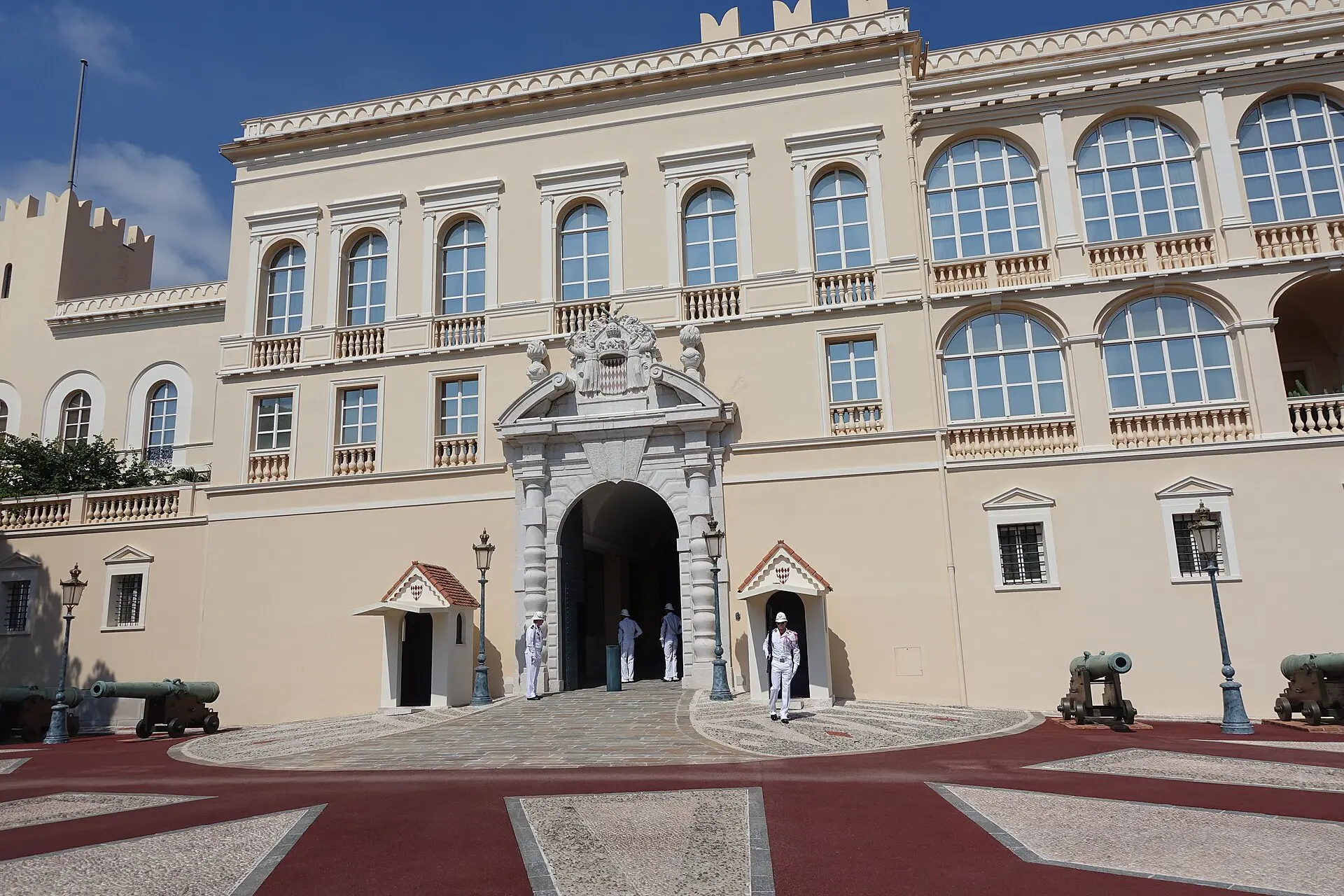
Monaco-Ville (the Rock)
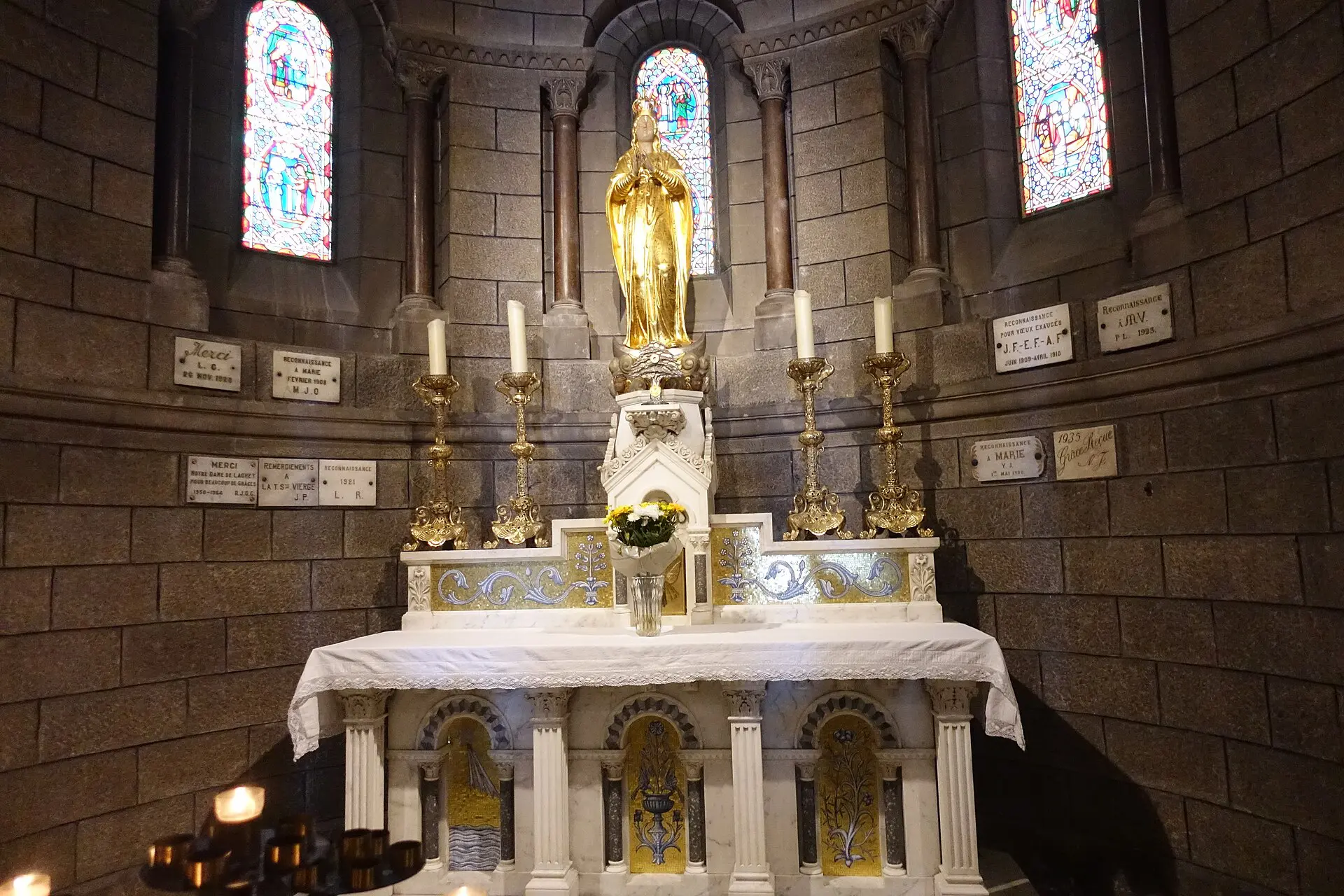
The old town sits on a limestone promontory above the sea. Narrow lanes lead to the Prince’s Palace, the cathedral where Prince Rainier III and Princess Grace are buried, and gardens with sweeping views of the harbour.
Monte-Carlo
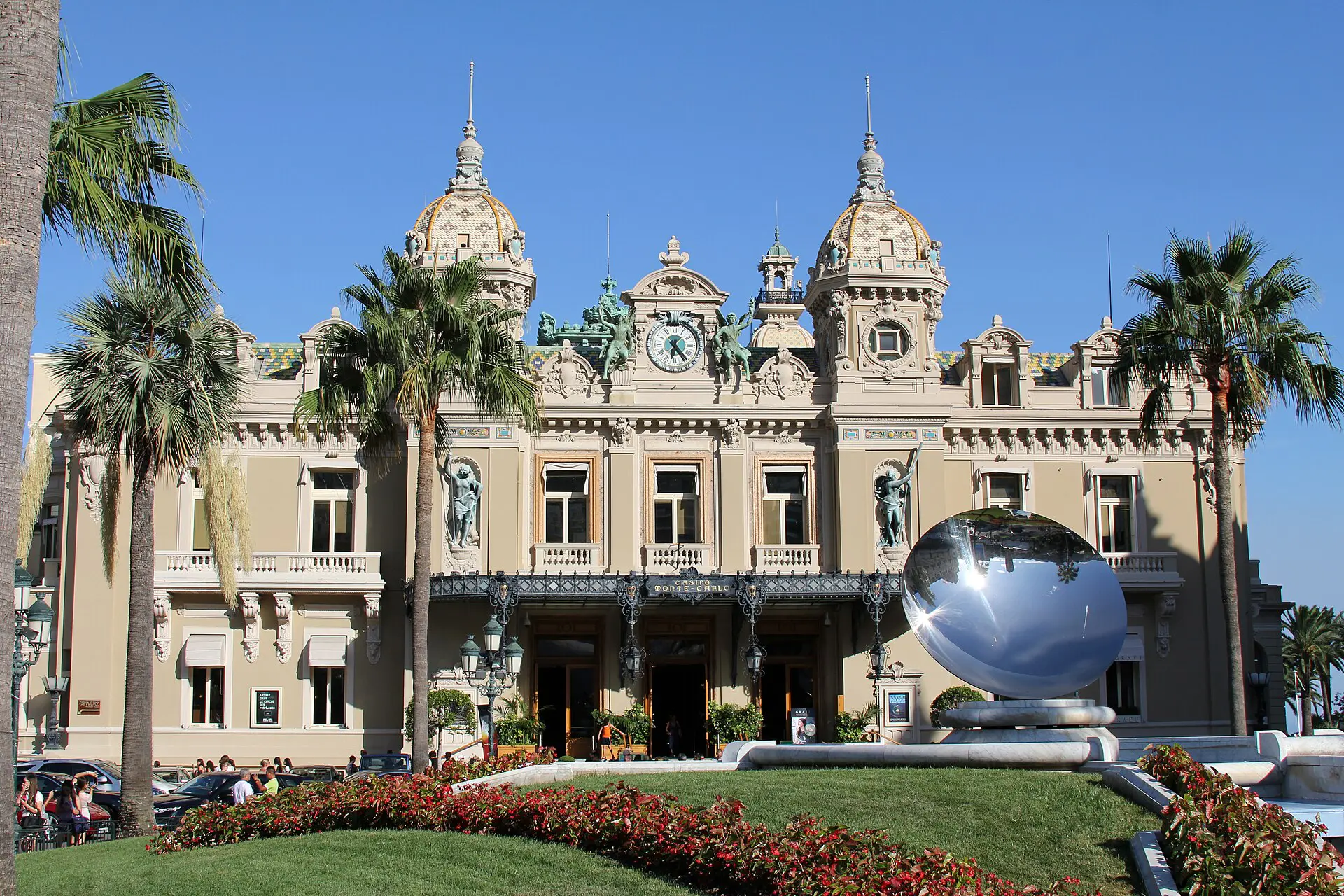
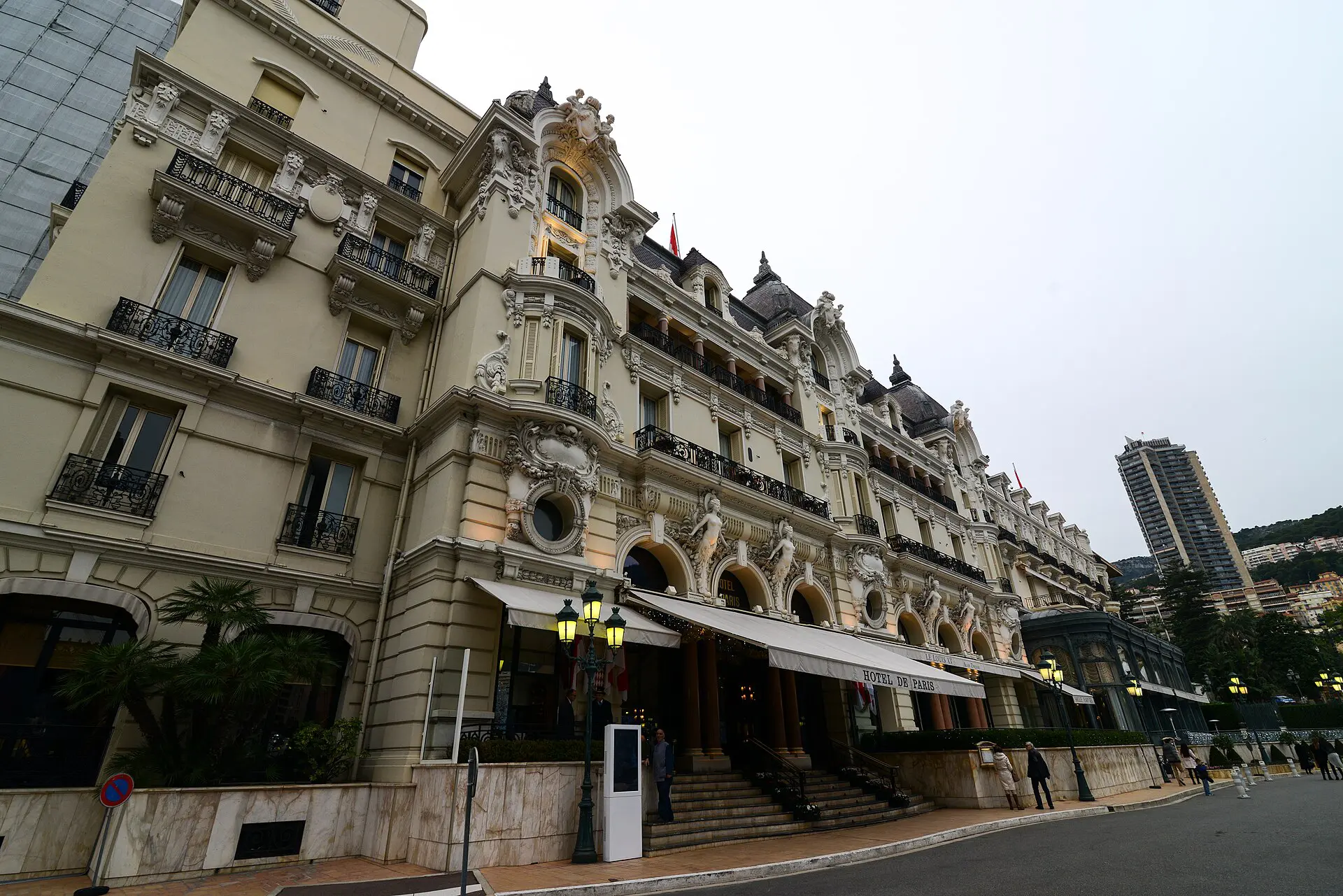
The best-known district holds the Casino de Monte-Carlo, the Hôtel de Paris and the Café de Paris around Place du Casino. It is the centre of Monaco’s luxury shopping, opera and nightlife.
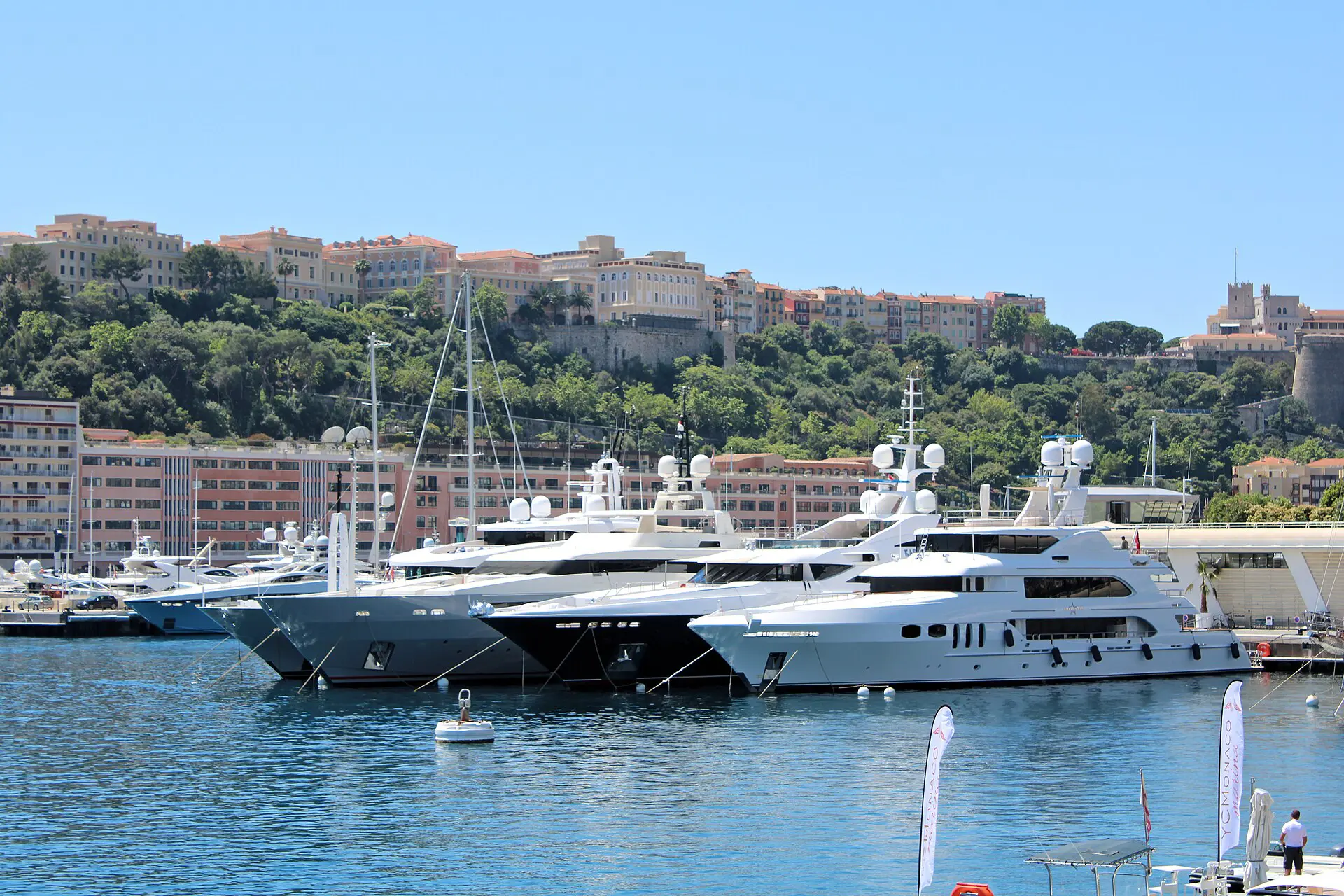
La Condamine and Port Hercule
The port quarter has the main harbour, the covered market on Place d’Armes and many restaurants. It is the easiest area for a relaxed lunch after the climb from the station.
Fontvielle
Built on land reclaimed from the sea, Fontvielle has the Princess Grace Rose Garden, a small football stadium and a quieter residential feel.
Larvotto
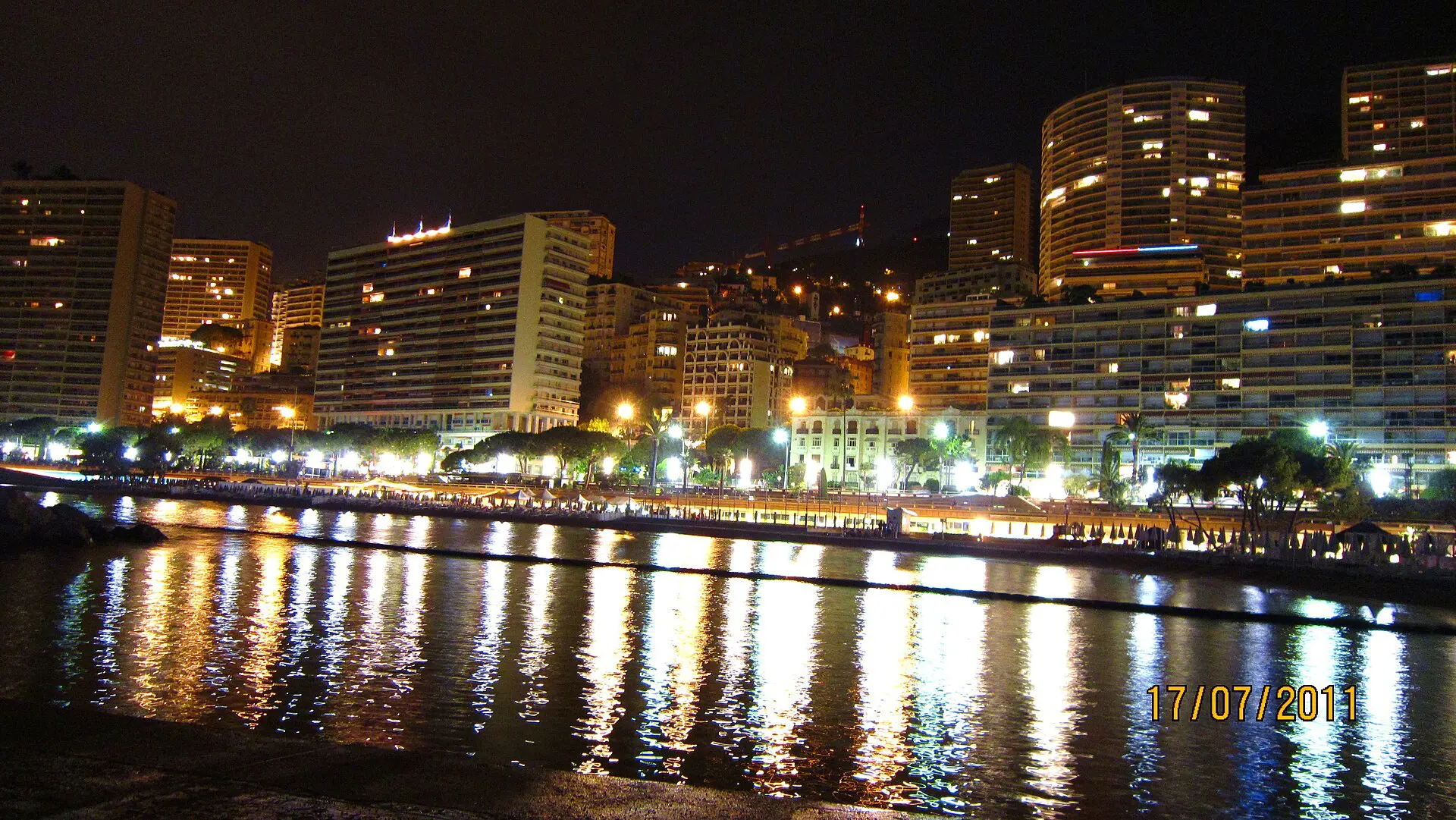
The main public beach area in the east is known for its imported sand and its seafront promenade, and it has the Grimaldi Forum conference centre nearby.
Day trips nearby
Nice, Èze and Menton in France are each reachable by train within about 30 minutes, and give a less expensive view of the Riviera.
Top things to do in Monaco
The top things to do in Monaco are mostly walkable, and many are free. Opening hours change by season, so check each attraction before you go.
- Walk Monaco-Ville: wander the old lanes and gardens of the Rock, with views over the harbour.
- Watch the palace guard: the changing of the guard at the Prince’s Palace takes place at around 11:55 on most days, weather permitting.
- See the Casino de Monte-Carlo: the atrium and building are impressive; gaming rooms require ID and smart dress, with a minimum age of 18.
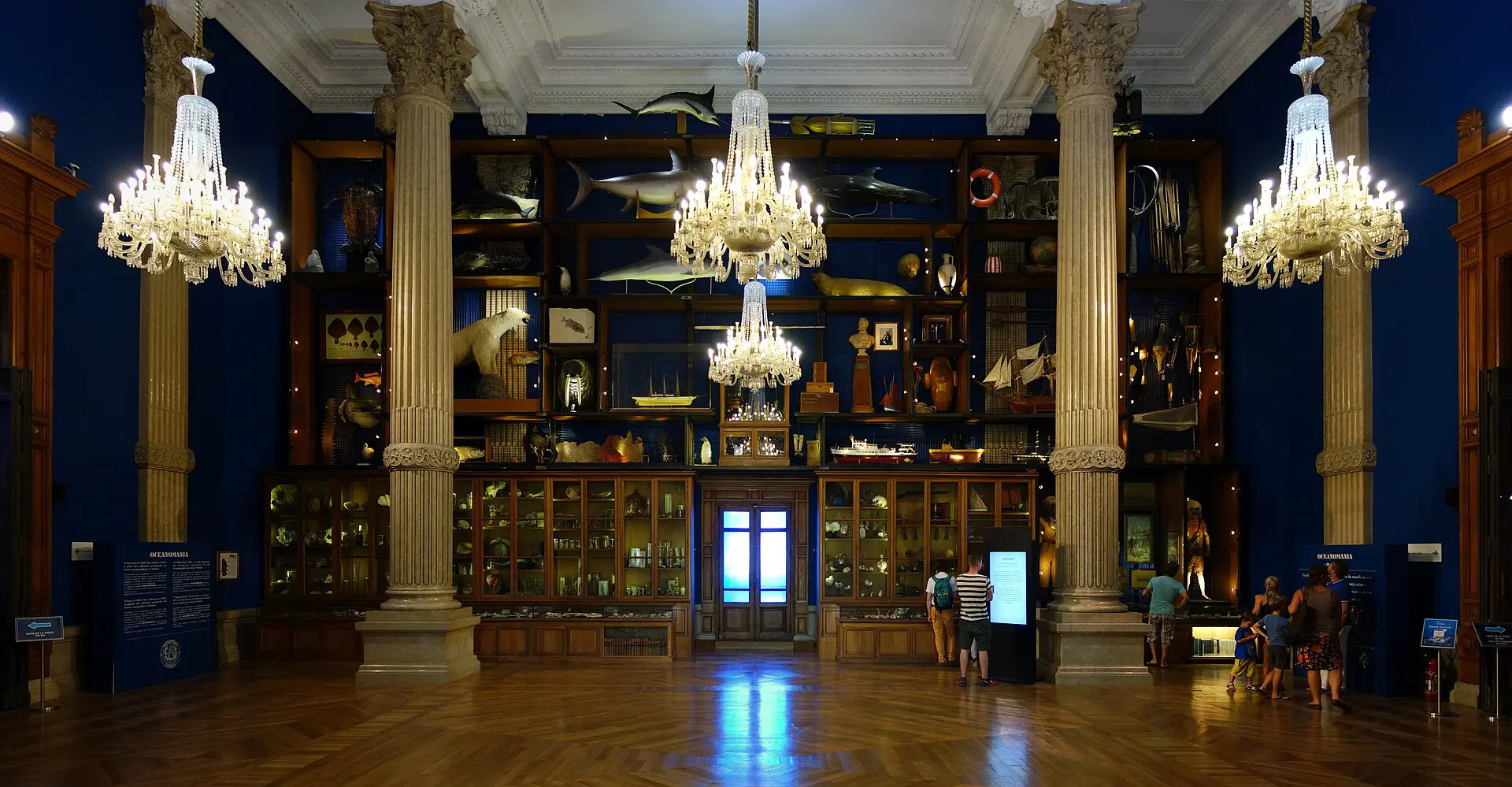
- Visit the Oceanographic Museum: the clifftop building holds aquariums and a rooftop terrace, and was once directed by Jacques Cousteau.
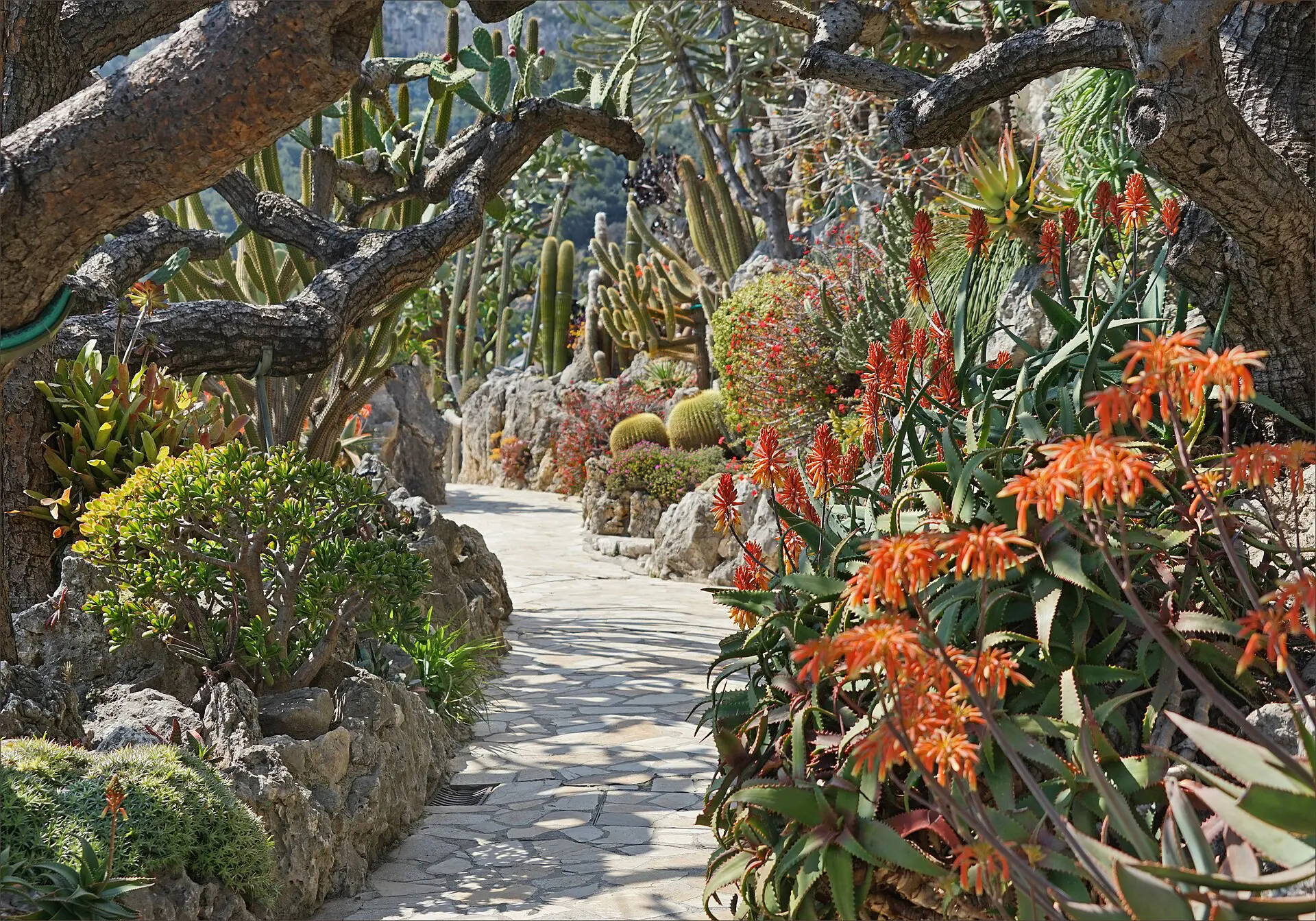
- Tour the Jardin Exotique: a hillside garden of cacti and succulents with views and a cave.
- Stroll Port Hercule: the superyachts are the main attraction, particularly during the yacht show in September.
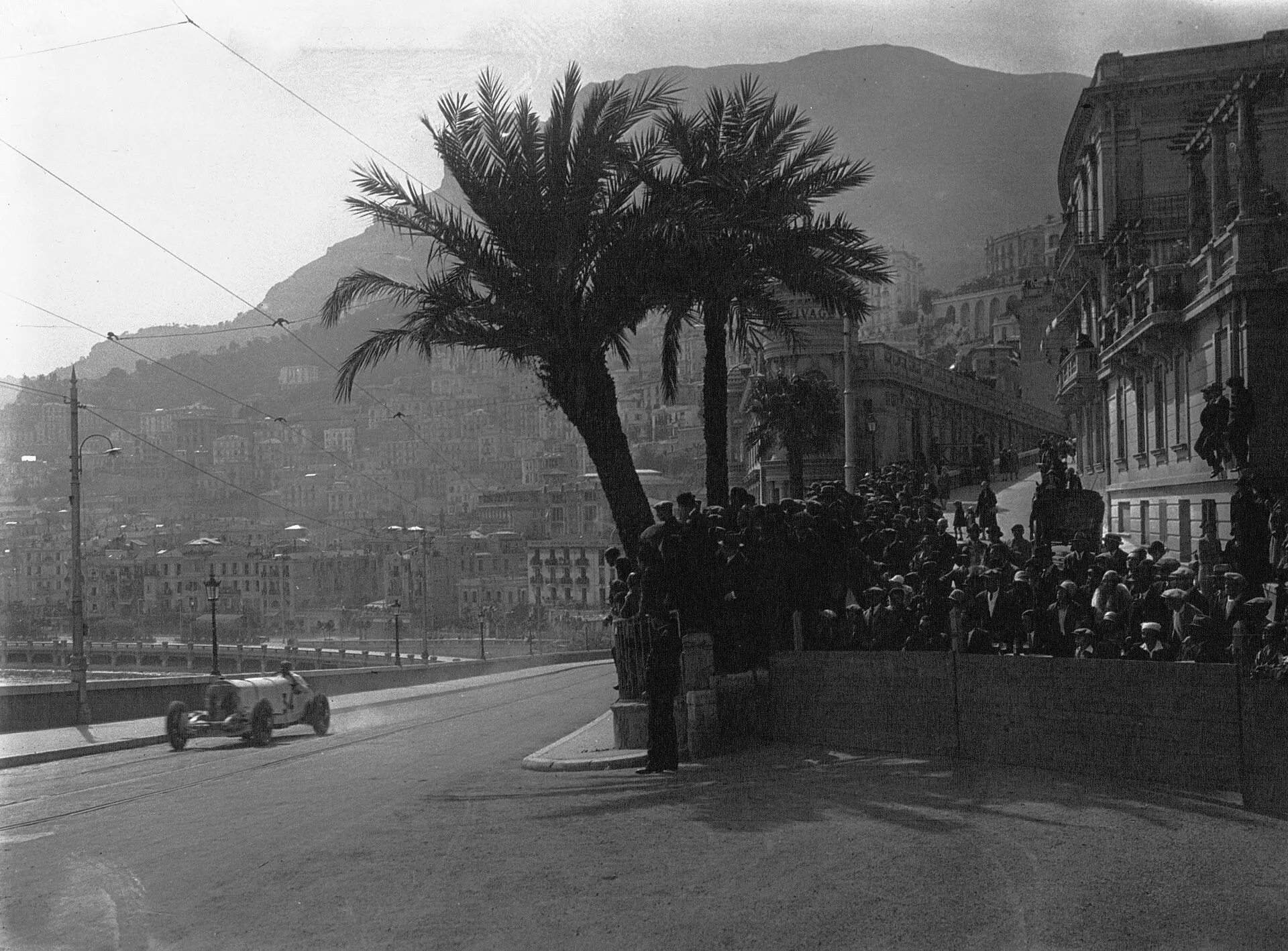
- Walk the Grand Prix circuit: the streets are open to traffic outside race week, so you can follow the Casino Square, tunnel and harbour bends.
- Swim at Larvotto: a public beach with free areas and paid beach clubs.
- Attend an opera or concert: the Opéra de Monte-Carlo and the Grimaldi Forum host performances through the year.
- Browse the Marché de la Condamine: a covered market with local snacks and produce.
Best time to visit Monaco
The best time to visit Monaco is May to June and September to early October, when the weather is warm, the sea is pleasant and prices are below the July and August peak. Winters are mild but quieter, and some beach clubs close. Race weeks and big events push hotel prices sharply higher.
| Season | Weather | Crowds and prices | Good for |
|---|---|---|---|
| Spring (Mar-May) | Mild, increasingly sunny | Moderate; very high during Grand Prix week | Walking, gardens, motor racing |
| Summer (Jun-Aug) | Hot and dry, often around 28 C | High prices and crowds | Beaches, evenings by the port |
| Autumn (Sep-Oct) | Warm, some showers | Moderate; high during the yacht show | Sightseeing, swimming in September |
| Winter (Nov-Feb) | Mild, sometimes rainy | Lowest hotel prices | Museums, the opera, quiet walks |
The Formula 1 Grand Prix takes place in late May or early June, and the Monaco Yacht Show takes place in late September. Book well ahead if your trip overlaps either.
Is Monaco safe to visit?
Yes, Monaco is one of the safest places in Europe for visitors. Violent crime is very rare, the police presence and camera coverage are heavy, and most streets feel secure at night. Check your government’s current travel advice, such as the UK FCDO or the US State Department, before you travel.
Theft. Pickpocketing happens in crowded areas such as Casino Square, the port during events and the train station. Keep phones and wallets in zipped pockets.
Taxis and prices. Taxi fares are high, and airport transfers by taxi can be pricey, so agree a price or use an app. Check restaurant and bar bills, as service charges and cover charges vary.
Event periods. During the Grand Prix and the yacht show, streets close, crowds are dense and phone networks can be congested.
Health. Healthcare is good, though costs for visitors are high, so travel insurance is sensible. Slopes and steps are steep, so wear comfortable shoes in summer heat.
Visa and entry requirements for Monaco
Monaco is not part of the Schengen Area, but it has open borders with France, so in practice you enter by crossing from France with no routine border check. Monaco does not issue its own visas and accepts a Schengen visa, so the rules depend on your nationality. Check them with a French embassy or consulate before you travel. The Wikivoyage Monaco page summarises entry basics.
Many visitors, including those from the EU, UK and US, have generally been able to enter France and Monaco without a visa for short tourist stays, but this is subject to change, and new European entry systems may apply, so confirm the current rule for your passport. Carry a valid passport or ID card in case of spot checks.
If you arrive by boat from outside the Schengen Area, border control applies. Stays longer than 90 days require a residence permit from the Monaco authorities.
Getting to and around Monaco
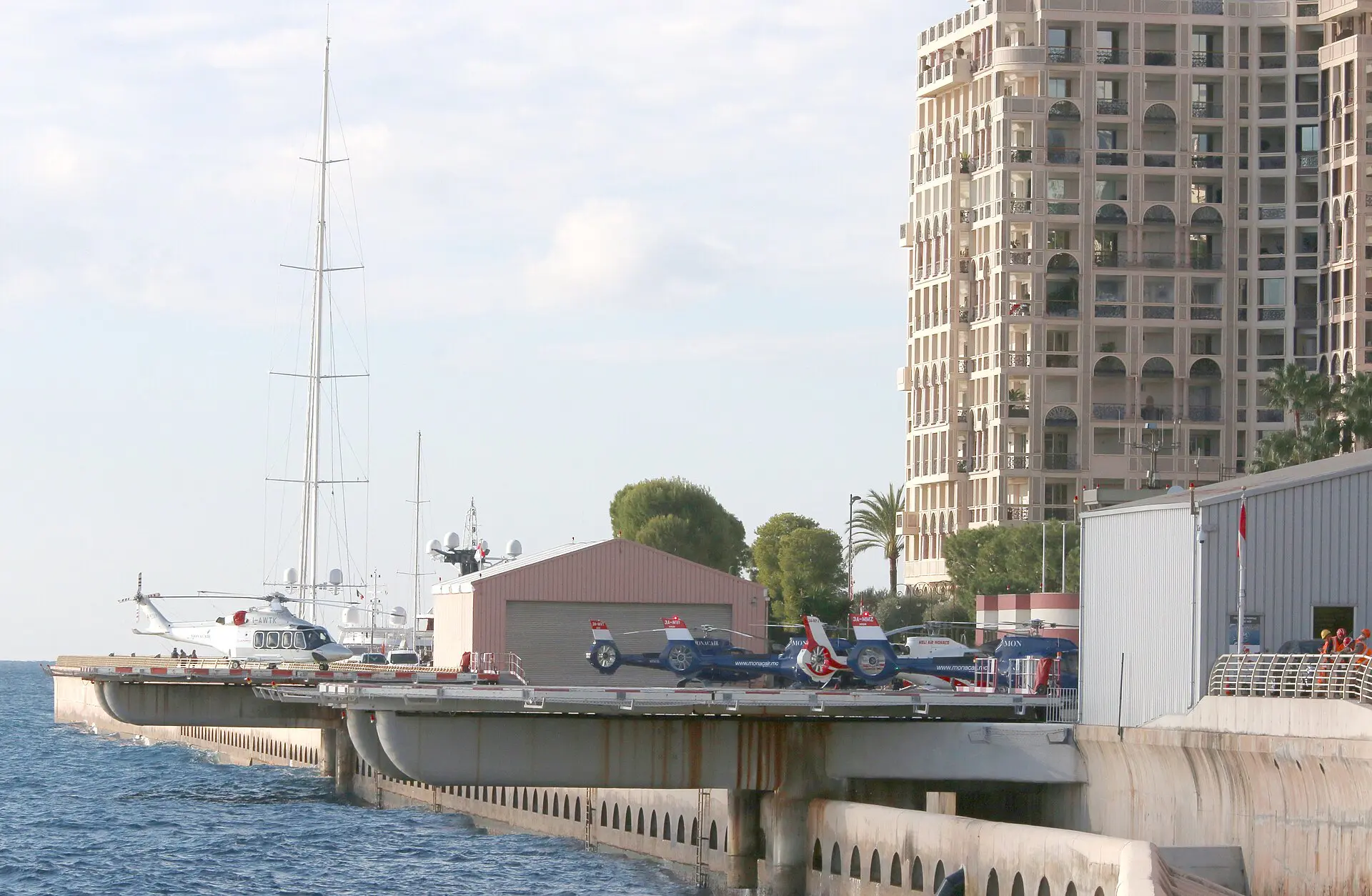
The nearest airport is Nice Côte d’Azur (NCE), about 40 km away. From there you can take a shuttle bus, a tram plus train, a taxi or a rideshare, and the trip is typically 30 to 50 minutes. A helicopter service runs between Nice airport and the Monaco heliport in about eight minutes at a high price.
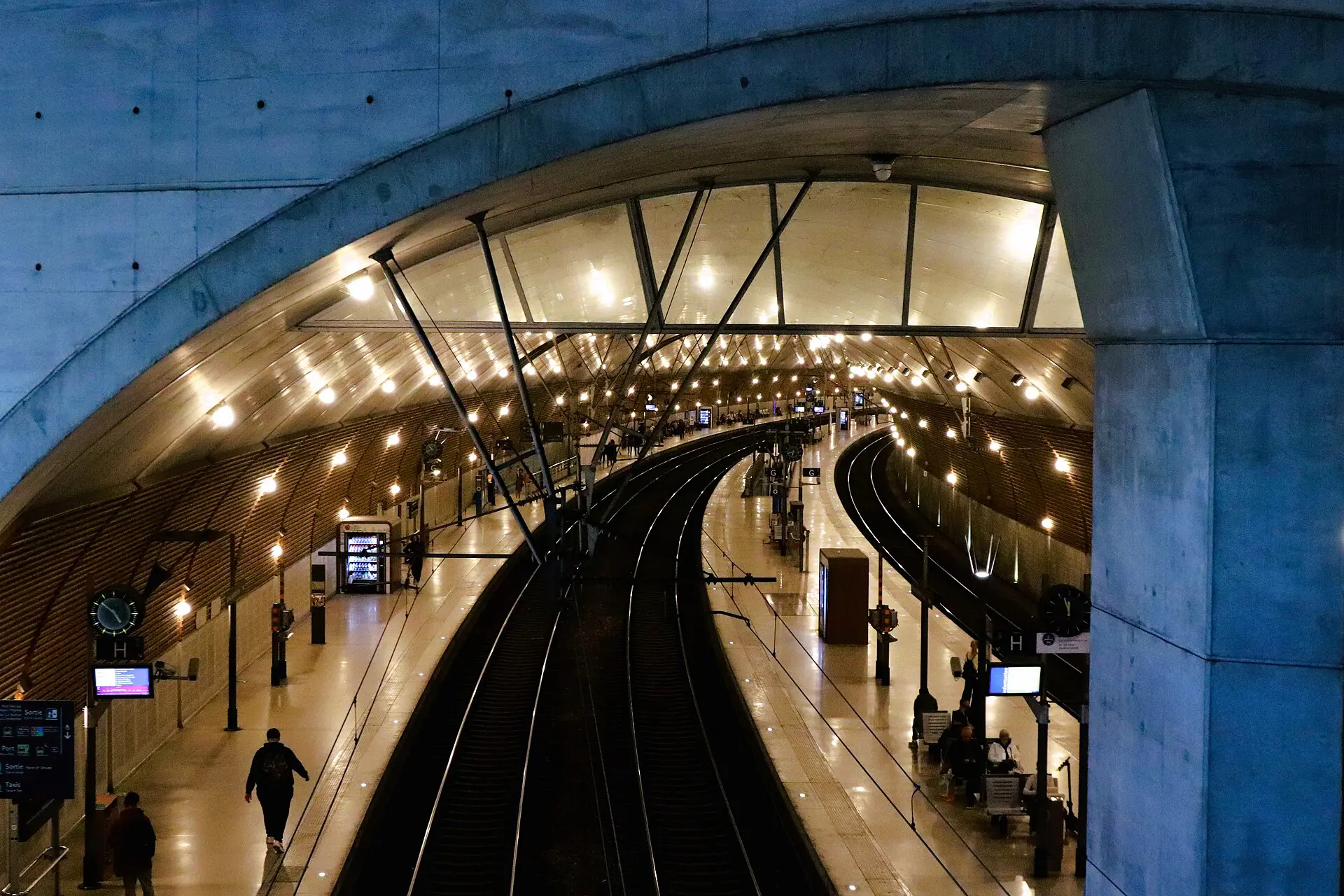
The train is the best value. Regional trains run along the coast from Cannes through Nice to Ventimiglia in Italy, with several services an hour, and Nice to Monaco takes around 20 minutes. The station is underground, and signs lead to lifts up to street level.
Inside Monaco, almost everything is walkable. Public lifts and escalators connect the steep levels, and a small bus network covers longer routes. Parking is expensive, and the principality is easiest without a car. Taxis are available but pricey, and ride-hailing apps operate.
How much does a trip to Monaco cost?
Monaco is among the most expensive destinations in Europe, and the euro is the only currency. The figures below are rough guides for 2026 and change sharply around the Grand Prix and the yacht show.
- Day trip from Nice or Menton: around EUR 60 to 120 for train, a museum ticket, lunch and a coffee.
- Mid-range stay: around EUR 350 to 600 per night for a hotel room, plus EUR 80 to 150 for meals.
- High-end: from EUR 1,000 per night, with palace-view suites, fine dining and private transfers.
Accommodation is the main driver, so staying in Nice or Menton and visiting by train saves the most. Many sights are free, including the old town, gardens and the changing of the guard. Museums and the Jardin Exotique charge entrance fees, and restaurants near the casino cost more than those in La Condamine.
Monaco food and drink
Monaco food blends Provençal, Ligurian and French Riviera cooking, and fine dining is a major draw. Traditional dishes appear in small restaurants in La Condamine and the old town, and many are inexpensive compared with the principality’s reputation.
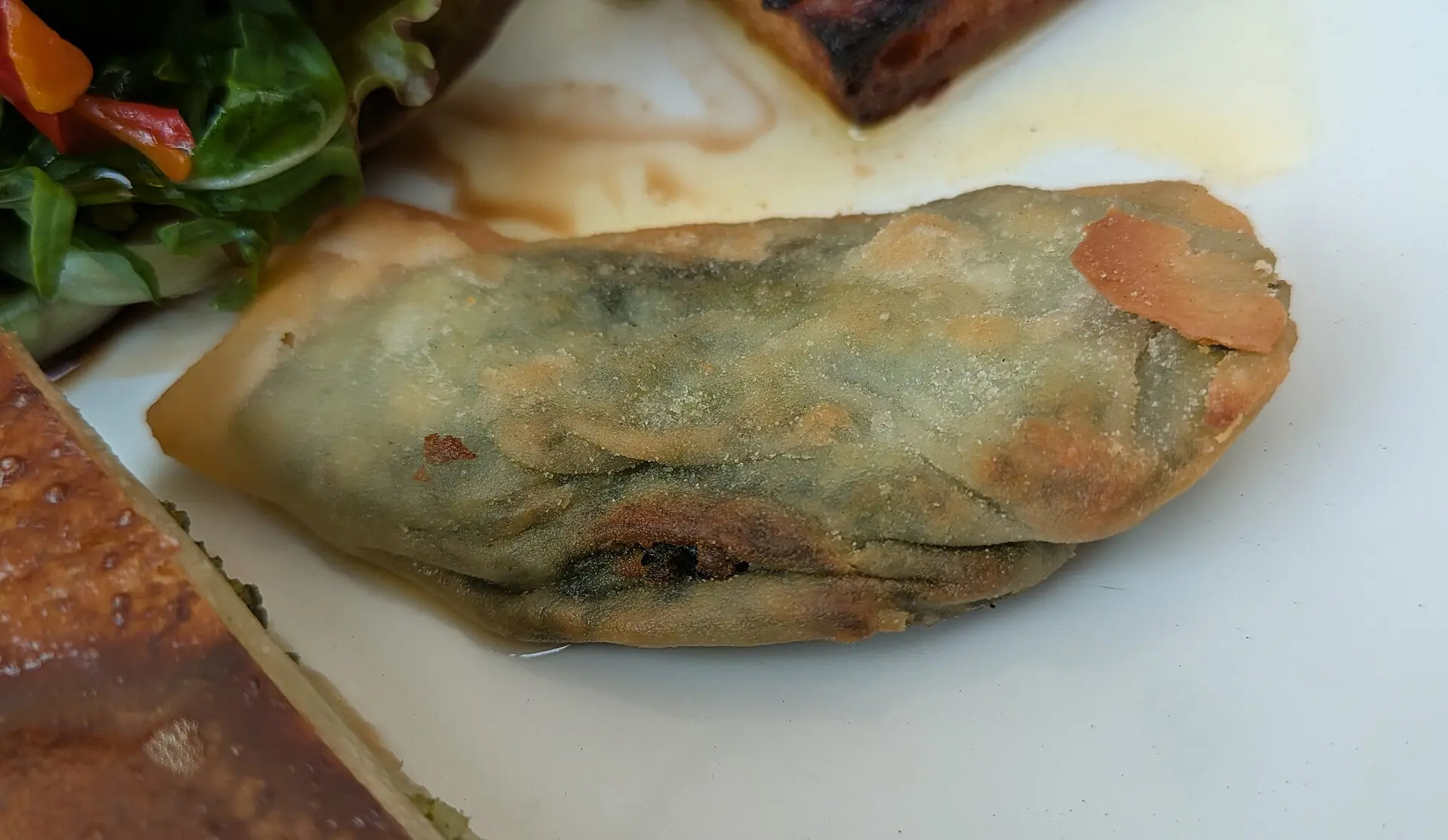
- Barbajuan: a small fried pastry stuffed with Swiss chard, ricotta and herbs, and the national snack.
- Socca: a chickpea pancake from the nearby Nice area, served hot with pepper.
- Fougasse: a lightly sweet brioche-style bread, often flavoured with orange blossom, linked to Monaco festivals.
- Stocafi: stockfish stewed with tomatoes and olives.
- Pissaladière: an onion, anchovy and olive tart.
- Fresh seafood: grilled fish and shellfish at harbour restaurants.
- Riviera wines: light rosé and white wines from Provence are the usual choice.
Set lunch menus are the best way to eat well for less, and vegetarians can order salads, pasta and vegetable dishes. Cafés near the casino charge premium prices for a coffee, so walk a few streets away for a better price.
Culture, language and etiquette in Monaco
French is the official language, and English is widely understood in hotels, restaurants and shops. Italian is also common, and Monégasque, the historic local language, appears mostly on street signs and in official use. Fewer than a third of residents are Monégasque nationals, so the population is international.
Monaco is a principality ruled by Prince Albert II, and the House of Grimaldi is a source of national pride. The national day, on 19 November, is celebrated with ceremonies and fireworks. Keep comments on the royal family respectful.
Dress is smarter than in most Riviera towns. Beachwear is for the beach only, and covering your swimwear on the streets is expected. Casino gaming rooms have dress rules, and many restaurants and clubs expect smart-casual dress. Photograph the palace guards from a respectful distance, and speak quietly in the cathedral, which is an active church.
Monaco itinerary: a 7-day route
Monaco itself needs one or two days, so this route uses it as a base for the French and Italian Riviera. Staying in Nice or Menton is cheaper, with Monaco visited by train.
- Day 1, Monaco-Ville: arrive by train, climb to the Rock, see the palace and cathedral, and visit the Oceanographic Museum.
- Day 2, Monte-Carlo and the port: see the casino atrium, walk the Grand Prix route, then relax at Larvotto.
- Day 3, Jardin Exotique and Fontvielle: visit the garden in the morning and the Rose Garden in the afternoon.
- Day 4, Èze: take the train and a short bus to the hilltop village of Èze, about 20 minutes from Monaco.
- Day 5, Nice: spend a day on the Promenade des Anglais and in the old town, with a Niçoise lunch.
- Day 6, Menton: visit the lemon-coloured old town and the seafront, about 10 minutes by train.
- Day 7, Italy or departure: take a short train to Ventimiglia for the Friday market, or return to Nice airport.
For a one-day visit, combine Monaco-Ville in the morning with the casino square and port in the afternoon.
Practical tips for Monaco
- Money: the euro is used; cards are accepted almost everywhere, and ATMs are plentiful.
- SIM and eSIM: mobile coverage is excellent. EU roaming rules may not apply in Monaco, so check your plan or buy a local eSIM.
- Plugs: types C and E at 230 V, as in France.
- Tipping: service is normally included in the bill, but leaving a few euros for good service is appreciated.
- Health: bring travel insurance and an EHIC or GHIC if you are eligible, since coverage in Monaco may be limited.
- Packing: comfortable walking shoes for the hills, a smart outfit for the evening and sun protection in summer.
- Timing: book accommodation months ahead for the Grand Prix and the yacht show, and aim for early morning at the palace and the Rock.
- Calling code: +377 for Monaco numbers.
For wider planning, see the Wikivoyage Monaco guide.
FAQ
Q1What are the best things to do in Monaco?
Top picks are the Prince's Palace and old town on the Rock, the Casino de Monte-Carlo, the Oceanographic Museum, the Jardin Exotique and a walk around Port Hercule. Many are free or cheap, and all are within walking distance, so one or two days is enough.
Q2What is Monaco food like?
Monaco food mixes Provençal, Ligurian and French Riviera cooking. Try barbajuan (a fried chard and ricotta pastry), socca, stocafi, pissaladière and fresh seafood. Set lunch menus in La Condamine are the cheapest way to eat well, and fine dining is available in Monte-Carlo.
Q3What is the best time to visit Monaco?
May to June and September to early October are best: warm weather, swimmable sea and lower prices than July and August. Avoid Grand Prix week in late May or early June and the yacht show in late September unless you want the events, because hotels cost far more.
Q4Is Monaco safe to visit?
Yes. Monaco has very low violent crime and a strong police presence. The main risks are pickpockets in crowds, high taxi fares and busy streets during major events. Keep valuables secure and check your government's current travel advice before you go.
Q5Is Monaco safe at night for solo travellers?
Monaco is generally considered safe at night, including for solo travellers and women, because streets are well lit and patrolled. Use normal precautions in crowded bars and near the casino, and use a licensed taxi or an app for late rides.
Q6Do you need a visa for Monaco?
It depends on your nationality. Monaco has open borders with France and accepts Schengen visas, so travellers who can enter France can usually visit Monaco. Many visitors need no visa for short stays, but confirm with a French embassy or the official immigration sources.
Q7How many days do you need in Monaco?
One full day covers the main sights, and two days allow a slower pace with the museums, garden and beach. Because hotels are expensive, many visitors stay in Nice or Menton and add a day trip to Èze or Ventimiglia.