Why visit Luxembourg
The things to do in Luxembourg are surprisingly varied for a country with an area of just 2,586 square kilometres, according to the Wikipedia overview. Luxembourg City sits on a rock cut by two deep river valleys, the north has forested hills and medieval castles, the east has sandstone gorges, and the south-east has Moselle vineyards. Distances are so short that you can sleep in one place and reach almost everything by day trip.
Luxembourg suits city-breakers, history readers, hikers, wine drinkers and anyone on a stopover between Paris, Brussels, Germany and the Rhine. It is also a practical base for families, because the country has free public transport and safe, compact towns. It does not suit budget travellers, since it is one of the most expensive countries in Europe, and nightlife is modest. Two to four days covers the city and one or two regional highlights.
Best places to visit in Luxembourg
The best places to visit in Luxembourg combine a spectacular capital with castle towns and countryside, all reachable in under two hours from the city.
Luxembourg City
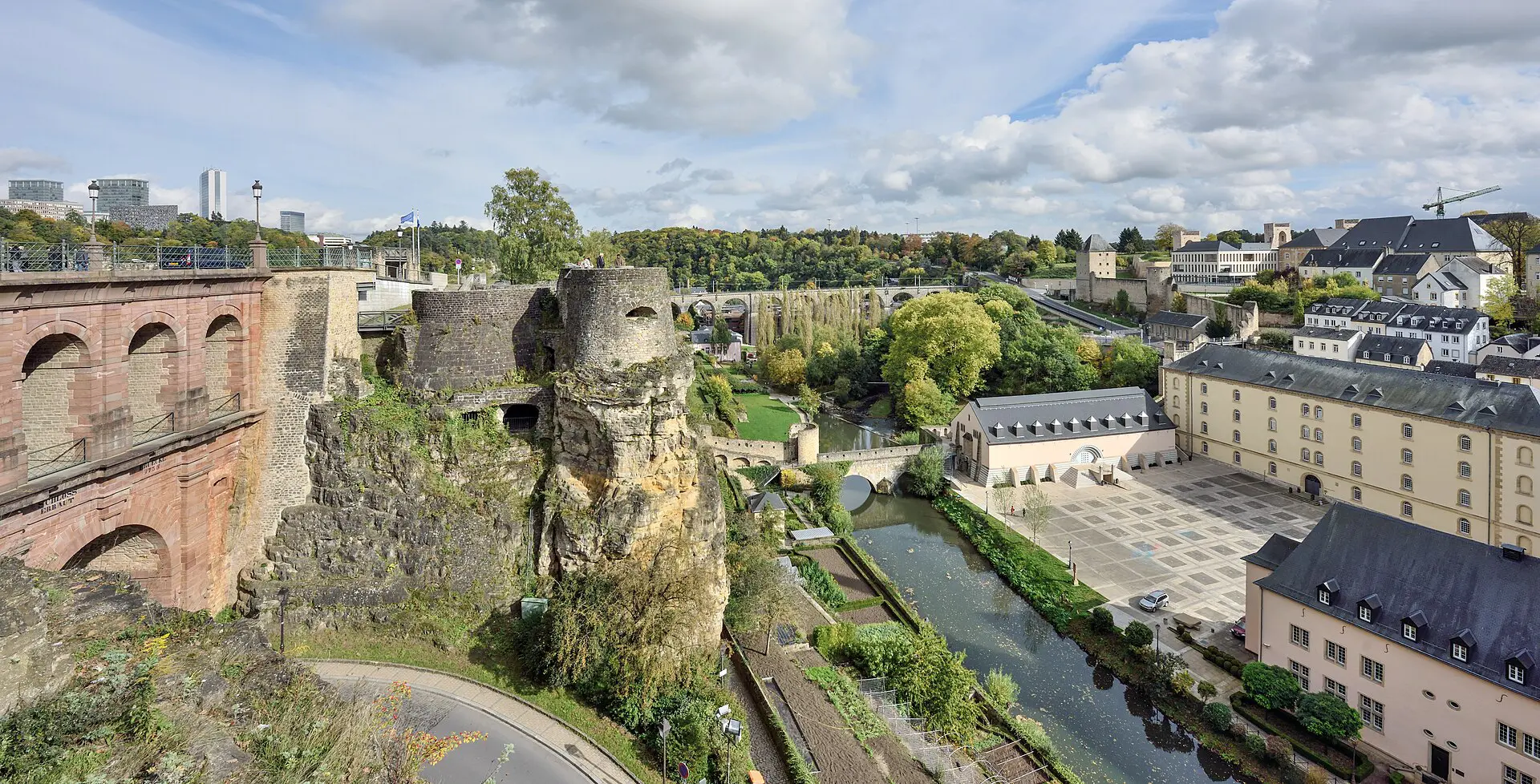
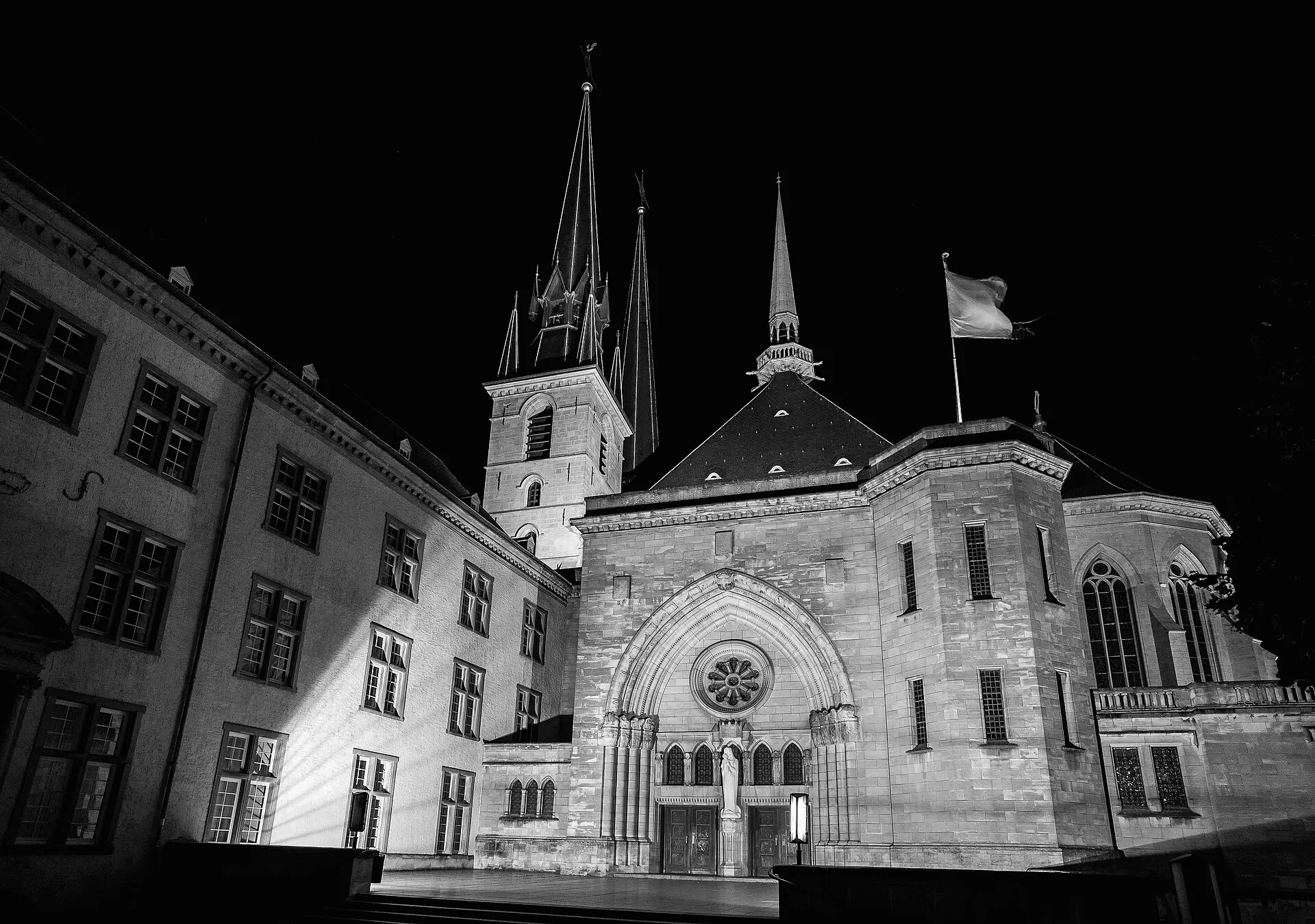
The capital is built on cliffs above the Alzette and Pétrusse rivers, with a UNESCO-listed old quarter and fortifications. Key stops are the Bock Casemates, the Chemin de la Corniche, the Grand Ducal Palace and the riverside Grund district below. Plan at least a full day.
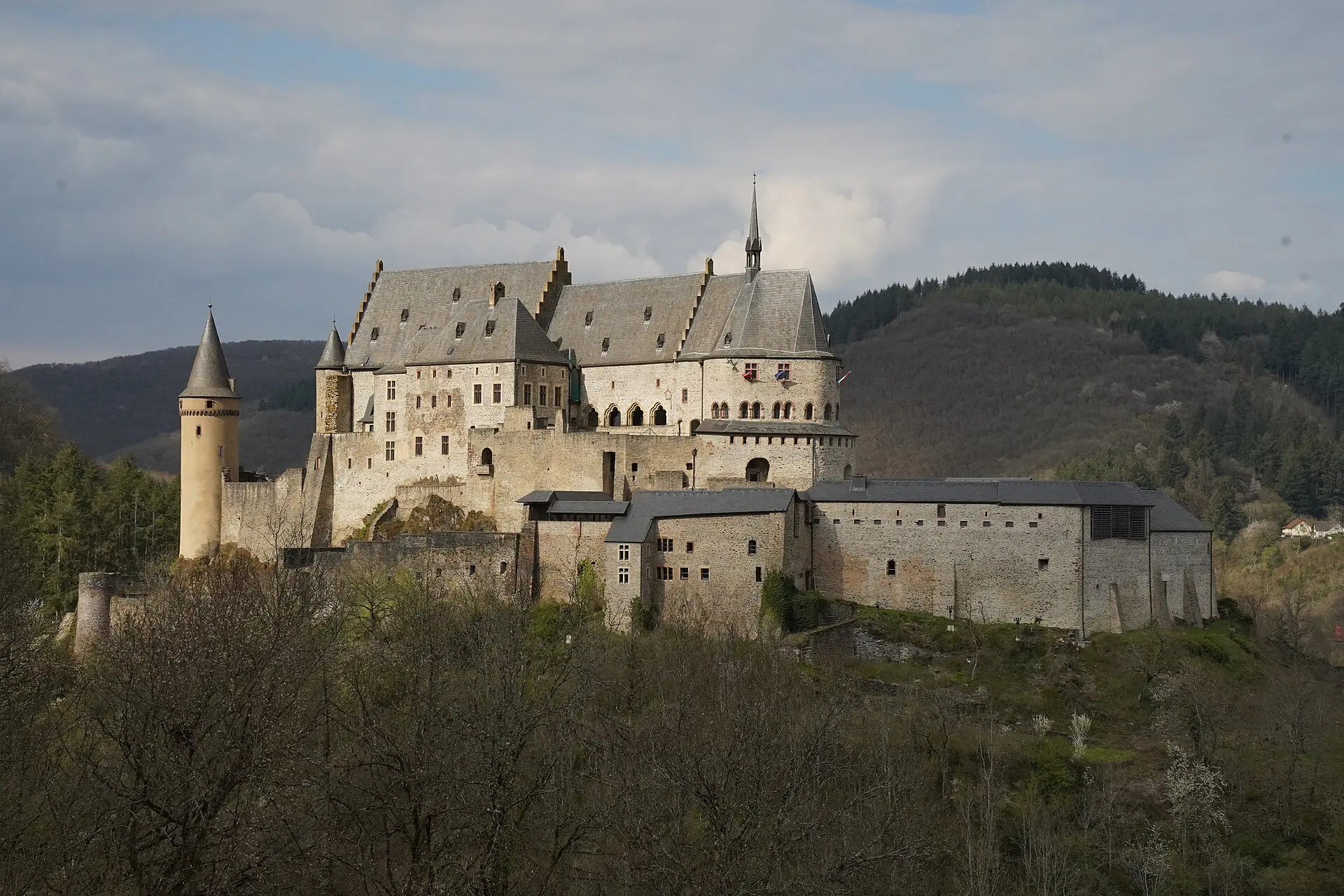
Vianden
Vianden is a small town on the river Our in the northeast, dominated by a large restored castle. Cobbled lanes, a chairlift to the hilltop and the former home of Victor Hugo give it a fairy-tale feel.
Echternach and the Mullerthal
Echternach, the oldest town in the country, has a basilica and an abbey with a long history. Nearby, the Mullerthal region, called Little Switzerland, has sandstone rock formations and forest trails.
Clervaux and the Ösling
The north has a castle at Clervaux, which houses the famous Family of Man photography exhibition. Nearby Esch-sur-Sûre is a village in a river loop beneath ruined castle walls, close to the lake of the Upper Sûre.
The Moselle valley
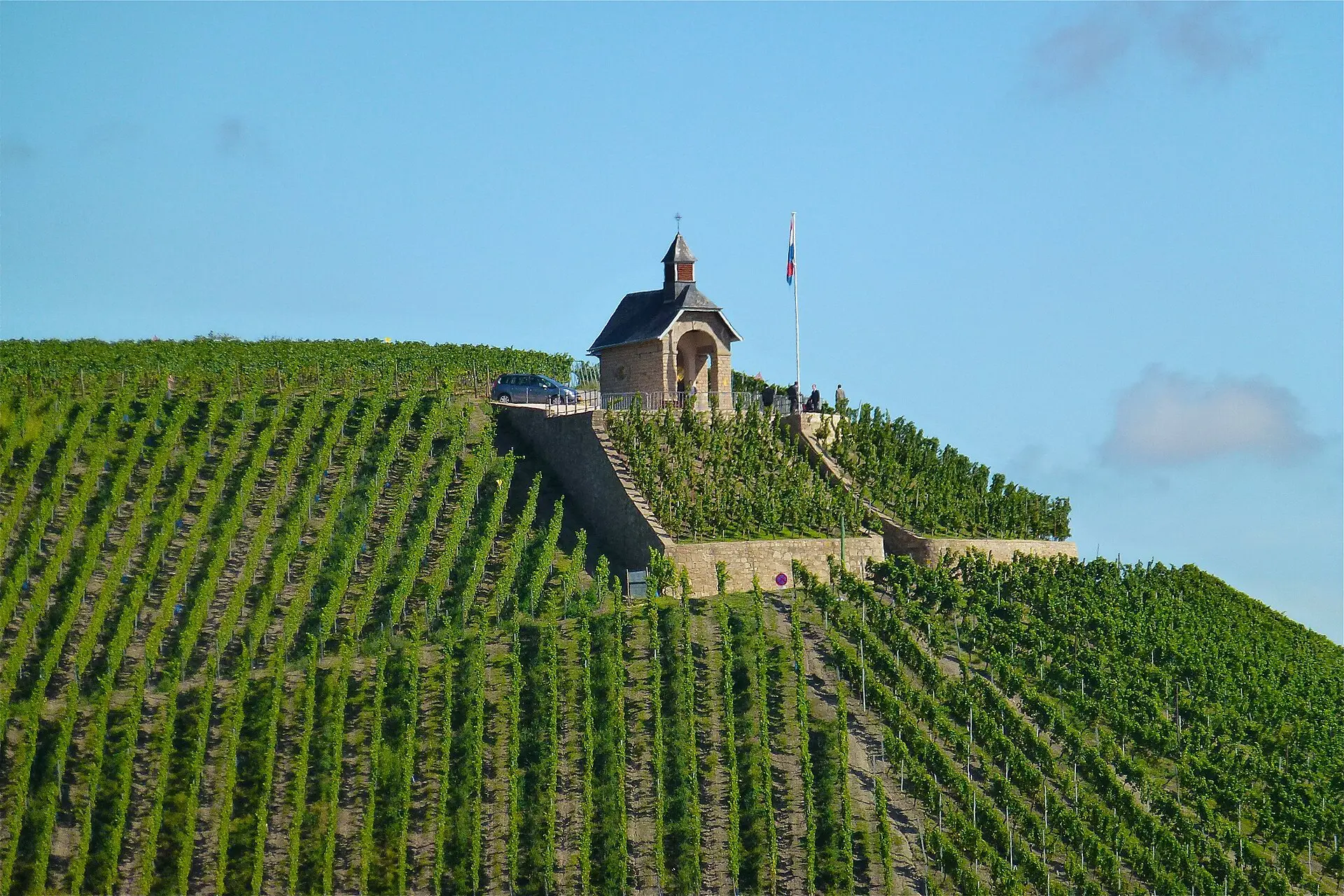
Remich, Grevenmacher and Schengen sit on the river in the south-east, with vineyards, wine cellars and cycle paths. Schengen is the village where the border-free area was named in 1985.
Top things to do in Luxembourg
The top things to do in Luxembourg centre on the capital’s fortifications but extend into hiking, wine and castles.
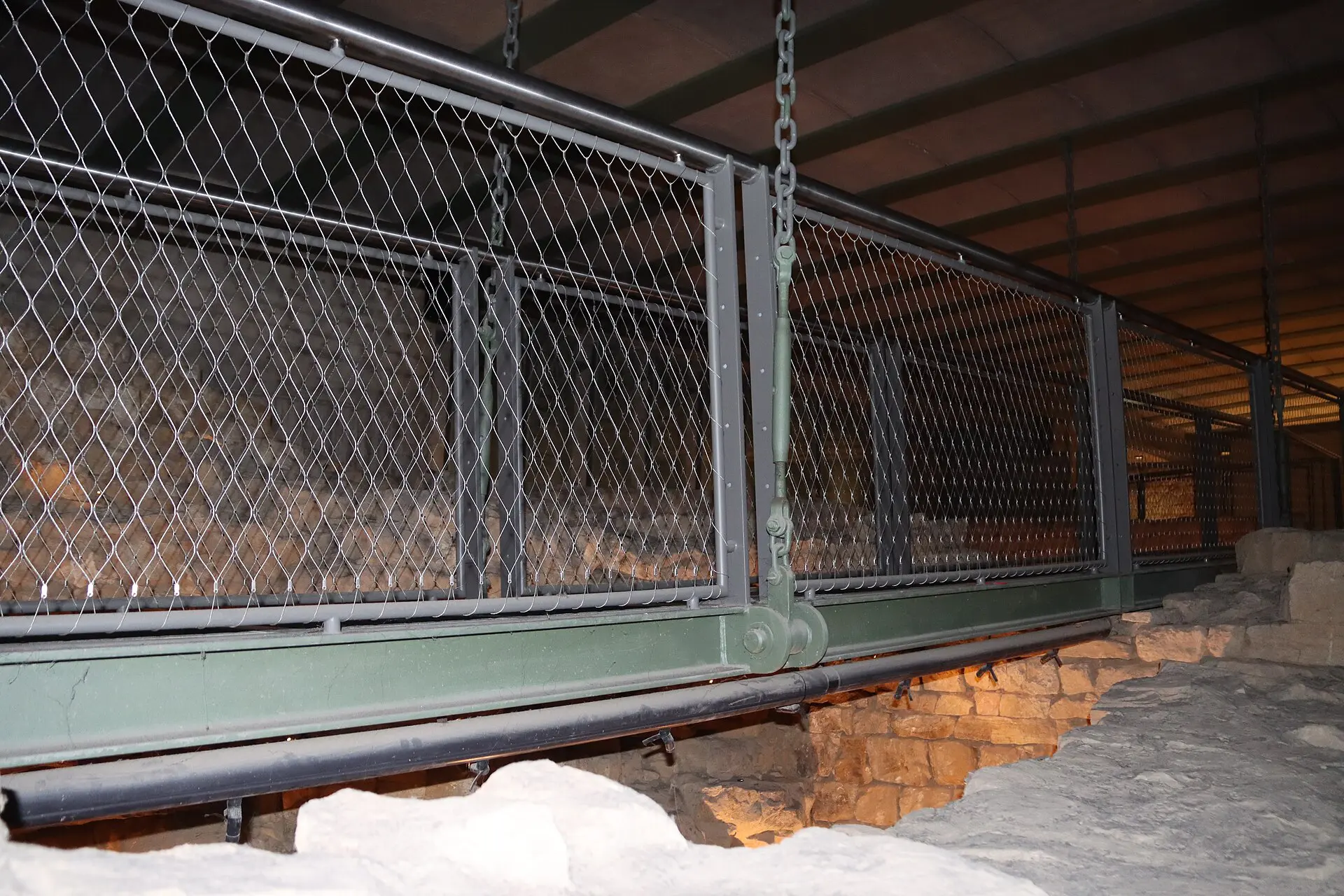
- Explore the Bock Casemates: a network of tunnels cut into the rock beneath the old fortress, with views over the Grund.
- Walk the Chemin de la Corniche: often called the most beautiful balcony in Europe, this promenade follows the old ramparts above the valley.
- Visit Vianden Castle: tour the restored halls and ride the chairlift for the view over the town.
- Hike the Mullerthal Trail: a long-distance route through rocky forest, with shorter circular walks to rock formations and gorges.
- Wander the Grund and Pétrusse Valley: take the free public lift down from the old town and follow the riverside paths.
- Taste Moselle wine: cellars in Remich, Wormeldange and Grevenmacher offer tours and tastings.
- See Esch-sur-Sûre: a small village in a river bend with castle ruins and lake views.
- Visit the Family of Man at Clervaux: the photography collection is one of the best-known exhibitions in the country.
- Walk to Schengen: the European Museum explains the border-free agreement.
- Visit a modern art museum: Mudam in Luxembourg City sits next to the old Fort Thüngen.
Best time to visit Luxembourg
The best time to visit Luxembourg is May to September, when the days are long and gardens, terraces and hiking trails are at their best. July and August are the warmest months, usually between 15 and 25 C with a few hot days. April and September are often mild, and autumn brings the Moselle grape harvest.
| Season | Weather | Crowds and prices | Good for |
|---|---|---|---|
| Spring (Mar-May) | Mild, changeable, some rain | Moderate, rising in May | Gardens, city walks, cycling |
| Summer (Jun-Aug) | Warm, occasional heat and storms | Busiest, with festivals | Hiking, terraces, wine, castles |
| Autumn (Sep-Oct) | Cool to mild, colourful forests | Quiet, good value | Wine harvest, Mullerthal trails |
| Winter (Nov-Feb) | Cold, around 2 C in January, snow in the north | Low outside December | Christmas markets, museums |
The north is a few degrees colder and gets more snow. National Day on 23 June brings concerts and fireworks in the capital, so book early if you want to be there.
Is Luxembourg safe to visit?
Yes, Luxembourg is one of the safest countries in Europe, and violent crime against tourists is very rare. The most common issue is petty theft, such as phone and wallet snatching around the main station and busy shopping streets. Check your government’s current travel advice, such as the UK FCDO page, before you go.
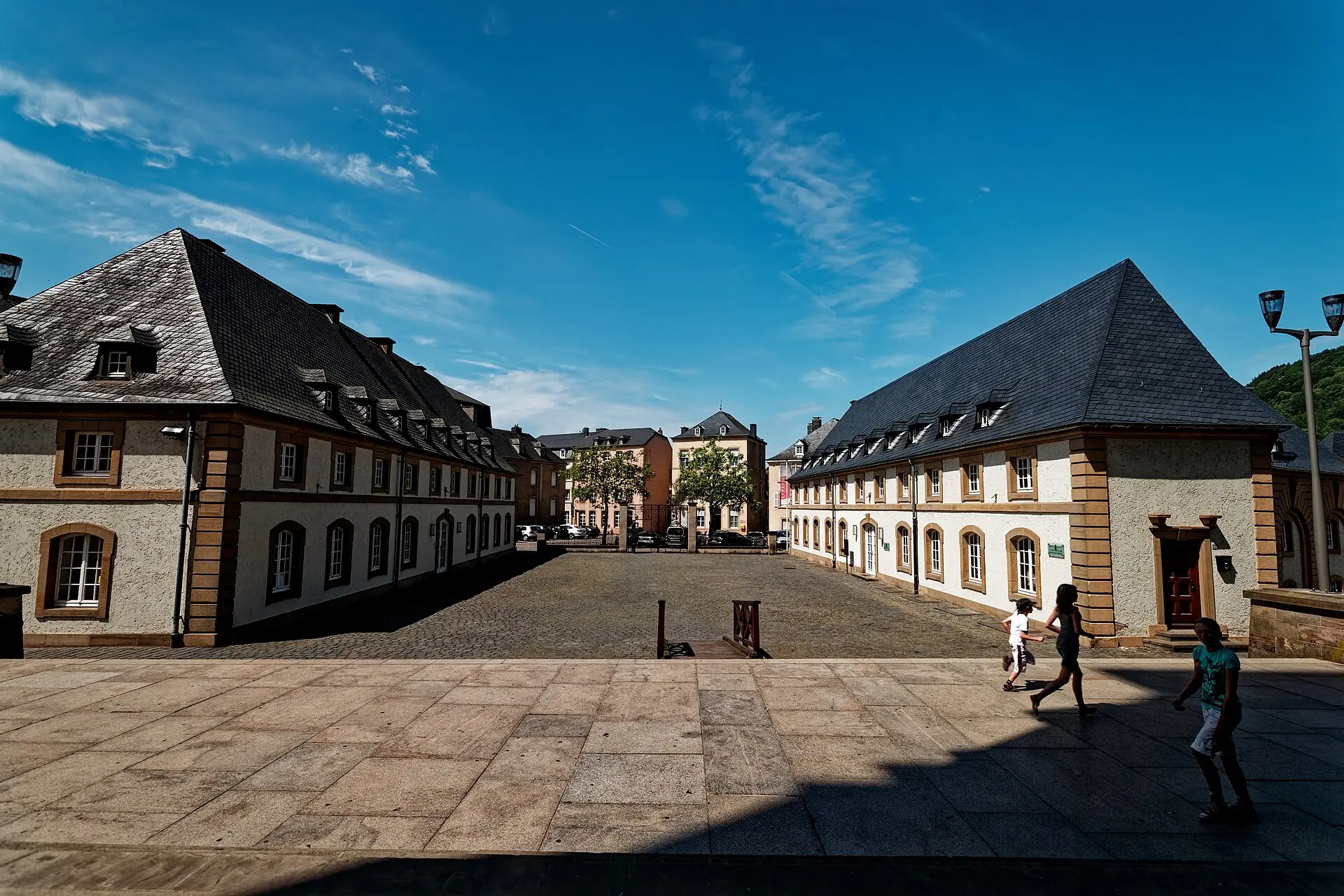
Everyday safety. The area around Luxembourg City’s main railway station has more drug-related and petty crime than the old town, so stay alert there at night. Keep bags closed on trams and trains, and do not leave valuables in parked cars.
Roads. Traffic is heavy at rush hour, with many commuters crossing the borders, and drivers are generally disciplined. Winter conditions can be icy in the north.
Hiking. Mullerthal paths cross rocks and roots, and are slippery when wet, so wear boots. Cliffs along the old fortifications have railings but still call for care with children.
Health. Tap water is safe and healthcare is excellent. EU travellers should carry a European Health Insurance Card, and others should take travel insurance, because treatment can be expensive.
Luxembourg visa and entry requirements
The Luxembourg visa position follows the Schengen rules, because the country is a member of the Schengen Area and, as Wikivoyage notes, has no routine controls at its borders with Belgium, France and Germany. EU, EEA and Swiss citizens need only a valid passport or ID card. Many other nationalities, including the US, UK, Canada and Australia, have generally been able to visit visa-free for up to 90 days in any 180, while others need a Schengen visa.
A European travel authorisation system (ETIAS) is planned for visa-exempt visitors, with a start date that has changed more than once, so check the official EU and Luxembourg government sources for the current position. Your passport usually must be valid for at least three months beyond your departure from Schengen.
Although there are no regular border checks, you should carry your passport or ID, because temporary controls can be introduced and airlines and rail operators may check identity. If you plan to stay longer than 90 days, you need a national residence permit, which is outside the scope of tourism rules.
Getting to and around Luxembourg
Most air travellers arrive at Luxembourg Airport (Findel), about 6 km from the city centre, with links to many European hubs. Many visitors also use airports in Brussels, Frankfurt-Hahn or Paris and continue by train or bus. Trains run from Luxembourg City to Brussels (around three hours), Paris (around two hours by high-speed service) and Trier, Metz and Liège.
Since March 2020, public transport in Luxembourg has been free on trains (second class), trams and buses within the country, though international trains and first class still require tickets; check the current rules before travelling. The tram connects the station, the old town plateau and the airport area, and a free lift links the old town with the Grund.
Train and bus services reach most towns. Luxembourg City to Vianden takes about 1 hour 15 minutes by train and bus, to Echternach about 45 minutes by bus, to Clervaux about an hour by train, and to Remich about 40 minutes by bus. A car is useful for the Mullerthal and the north but not needed in the city, where parking is costly. Cycling is popular, and cycle paths follow the Moselle.
How much does a trip to Luxembourg cost?
Luxembourg is one of the most expensive countries in Europe, and uses the euro. Figures below are rough per-person guides for the 2026 season, and hotel rates in the capital are high on weekdays when business travellers arrive.
- Budget: around EUR 70 to 100 per day, with hostel dorms, supermarket meals and free transport.
- Mid-range: around EUR 120 to 200 per day, with a hotel room, restaurant meals and museum entry.
- High-end: from around EUR 300 per day, with a boutique hotel, fine dining and car hire.
Accommodation is the biggest cost, and many visitors save money by staying in a smaller town, in a hostel, or across the border in Trier, Metz or Thionville. A casual restaurant main course often costs EUR 18 to 30, and a coffee EUR 3 to 4. Free public transport is a major saving, and many old-town walks and viewpoints are free. Some museums have free entry on the first Sunday of the month or on certain evenings, so check before you go.
Luxembourg food and drink
Luxembourg food blends French finesse with German heartiness and a strong Portuguese and Italian influence. Traditional dishes are rustic and meaty, while the city has everything from bistros to Michelin-starred restaurants.
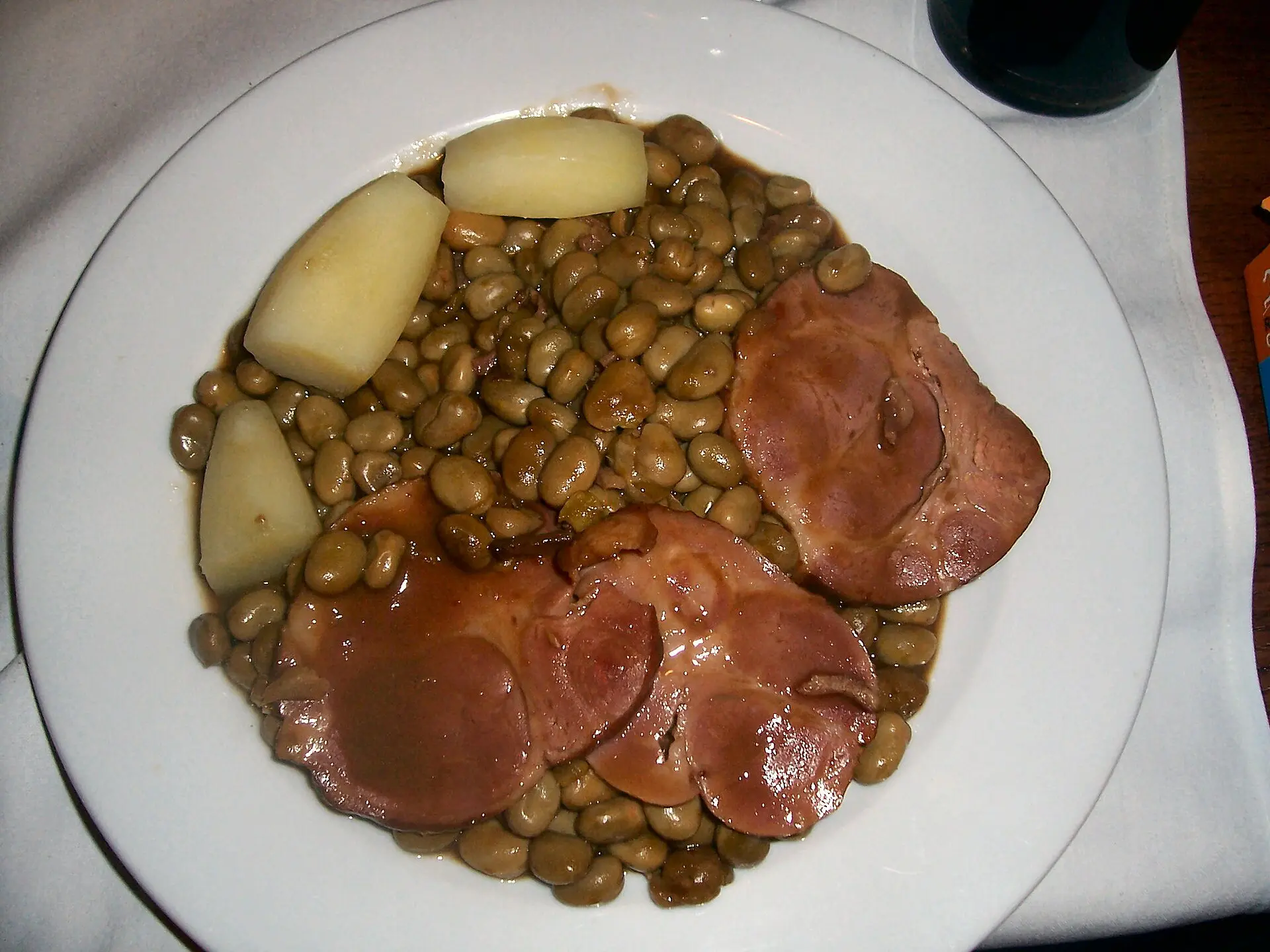
- Judd mat Gaardebounen: smoked pork collar with broad beans and potatoes, widely seen as the national dish.
- Bouneschlupp: a green bean soup with potatoes, bacon and cream.
- Kniddelen: small flour dumplings, often served with bacon and cream sauce.
- Gromperekichelcher: crisp potato fritters, sold at fairs and Christmas markets.
- Träipen: blood sausage, served in autumn with mashed potatoes and apple sauce.
- Quetschentaart: a plum tart in late summer and early autumn.
- Moselle wine and Crémant: Riesling, Pinot Gris, Auxerrois and sparkling Crémant from the Moselle valley.
- Beer: local brewers such as Bofferding and Mousel are common in pubs.
Lunch menus (plat du jour) are good value, and Portuguese restaurants offer fish and cod dishes at lower prices. Vegetarians can find options in the capital, though traditional menus lean heavily on pork. Many kitchens close between lunch and dinner, so check hours.
Culture, language and etiquette in Luxembourg
Luxembourg has three official languages: Luxembourgish, French and German. French is the most common on street signs and menus, German is universally understood, and English is widely spoken, especially in the capital. Useful words are moien (hello) and merci (thank you). Foreign nationals make up nearly half the population, and Portuguese is also widely heard.
Luxembourgers are polite, reserved and punctual. Greet shopkeepers and staff on entering, shake hands in formal settings and use titles in business. The national motto, Mir wëlle bleiwe wat mir sinn, means “We want to remain what we are”. Luxembourg is a constitutional monarchy headed by the Grand Duke, and the royal family is popular.
Most people are Catholic, and church holidays and Sundays are quiet, with shops often closed on Sundays. Dress is smart casual, and tourists should dress modestly in churches. Tipping is modest because service is included, and rounding up or leaving up to ten percent is enough. National Day on 23 June is a major public celebration.
Luxembourg itinerary: a 7-day route
This route uses free public transport and starts and ends in Luxembourg City, with day trips from a few bases.
- Day 1, Luxembourg City: arrive, walk the old town, Place d’Armes and Chemin de la Corniche.
- Day 2, Luxembourg City: visit the Bock Casemates, take the lift to the Grund and see Mudam or the City History Museum.
- Day 3, Moselle: take a bus to Remich or Schengen, visit a wine cellar and cycle along the river.
- Day 4, Echternach and Mullerthal: bus to Echternach, see the basilica and hike a short Mullerthal circuit.
- Day 5, Vianden: travel about 1 hour 15 minutes, tour the castle and ride the chairlift.
- Day 6, Clervaux and Esch-sur-Sûre: visit the Family of Man exhibition, then continue to the village and lake.
- Day 7, return: go back to Luxembourg City for shopping and the airport or onward train, allowing about an hour.
With only three days, combine days 1 and 2, then choose Vianden or the Moselle. In winter, replace the Mullerthal hike with museums and a Christmas market.
Practical tips for Luxembourg
- Money: the currency is the euro. Cards and contactless payments are accepted almost everywhere, and ATMs are widespread.
- Transport: public transport is free in the country, but keep your ticket for international trains and check first-class rules.
- SIM and eSIM: EU roaming applies for EU plans, and visitors can buy a local SIM or eSIM. Mobile coverage is excellent.
- Plugs: types C and F at 230 V.
- Tipping: service is included, but rounding up or leaving 5 to 10 percent is common for good service.
- Health: tap water is safe, and pharmacies are plentiful. Bring insurance, especially outside the EU.
- Packing: a waterproof jacket, comfortable shoes for cobbles and hills, and warm layers for evenings.
- Opening hours: many shops close on Sundays and public holidays, and some museums close on Mondays.
For heritage planning, see the UNESCO page for Luxembourg, which lists the old quarters and fortifications of the capital.
FAQ
Q1What are the best things to do in Luxembourg?
Walk the Chemin de la Corniche and Bock Casemates in Luxembourg City, descend to the Grund, visit Vianden Castle, hike the Mullerthal trails, taste Moselle wine in Remich and see the Family of Man exhibition in Clervaux. Public transport is free, so day trips are cheap.
Q2What is Luxembourg food like?
Luxembourg food mixes French, German and Portuguese influences. Try judd mat gaardebounen (smoked pork with broad beans), bouneschlupp (bean soup), kniddelen dumplings, potato fritters and plum tart. Moselle Riesling and Crémant are the main local drinks. Vegetarian choices are limited in traditional restaurants.
Q3Is Luxembourg safe?
Yes. Luxembourg is one of the safest countries in Europe, and violent crime against visitors is rare. Take care of phones and wallets near the main station and busy streets, and check your government's travel advice before you go.
Q4What is the best time to visit Luxembourg?
May to September is best, with warm weather, long days and open terraces. September and October suit wine and hiking, and December has Christmas markets. Winters are cold, with snow in the north, but museums and cafés remain open.
Q5How many days do you need in Luxembourg?
Two days cover Luxembourg City. Three to four days allow a trip to Vianden, the Moselle or the Mullerthal. Seven days lets you visit most of the country at an easy pace, using free public transport and a few bases.
Q6Do I need a visa for Luxembourg?
It depends on your nationality. Luxembourg follows Schengen rules, so EU, EEA and Swiss citizens need only ID, and many other nationalities can visit visa-free for up to 90 days in 180. Others need a Schengen visa. Confirm with official sources before booking.
Q7Is public transport free in Luxembourg?
Yes, within the country, trains (second class), trams and buses have been free since March 2020. International trains and first-class travel still need tickets, and the rules can change, so check current terms before you travel.