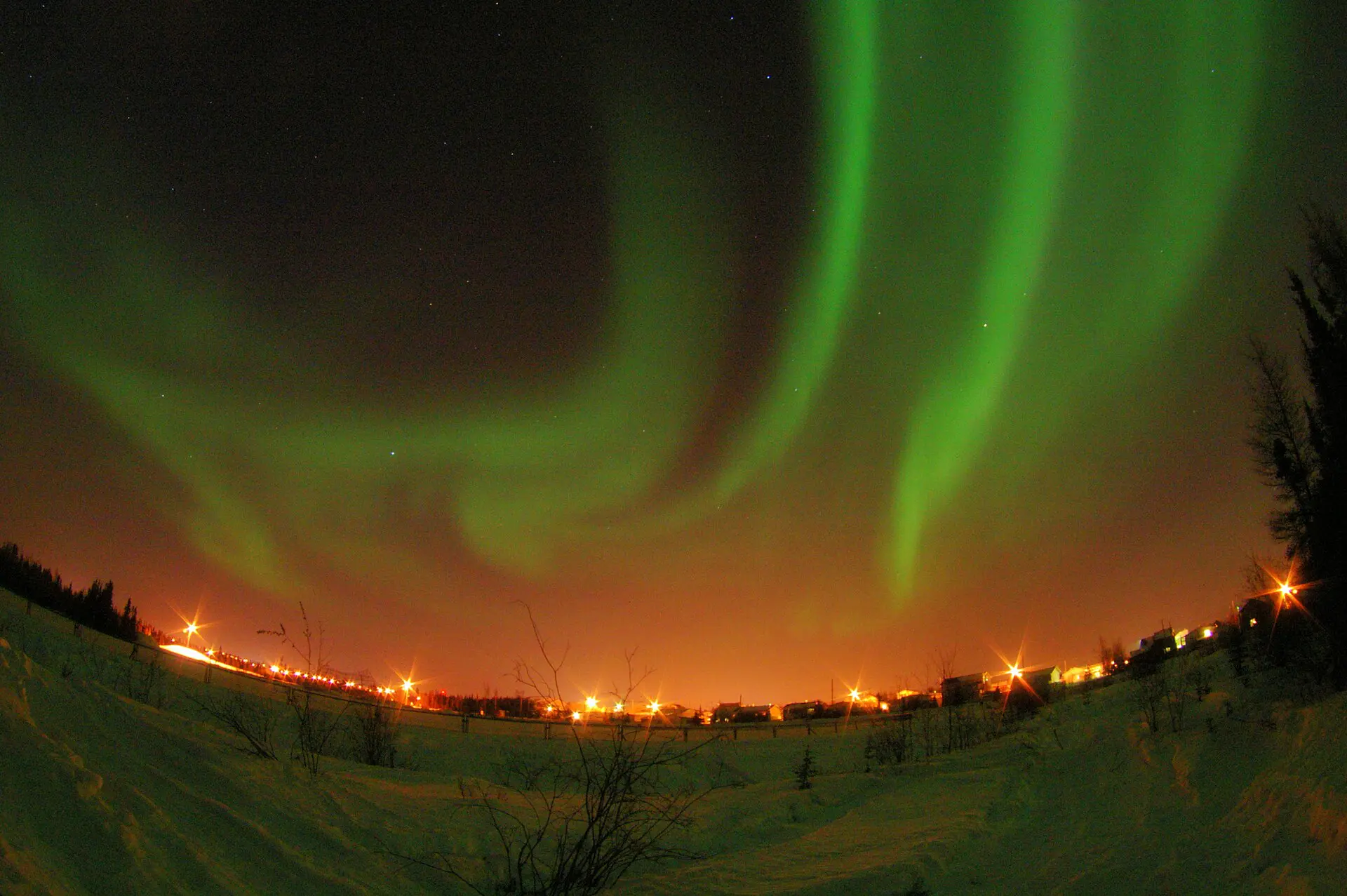
Yellowknife aurora winter travel comes down to three things: clear sky, clothing that works at minus 30, and enough nights to beat the cloud. Book at least 4 nights. Fly in: the road is long and demanding in winter. The lights are common here, but they need darkness and a break in the cloud, and neither is guaranteed on any one night.
Getting to Yellowknife in winter
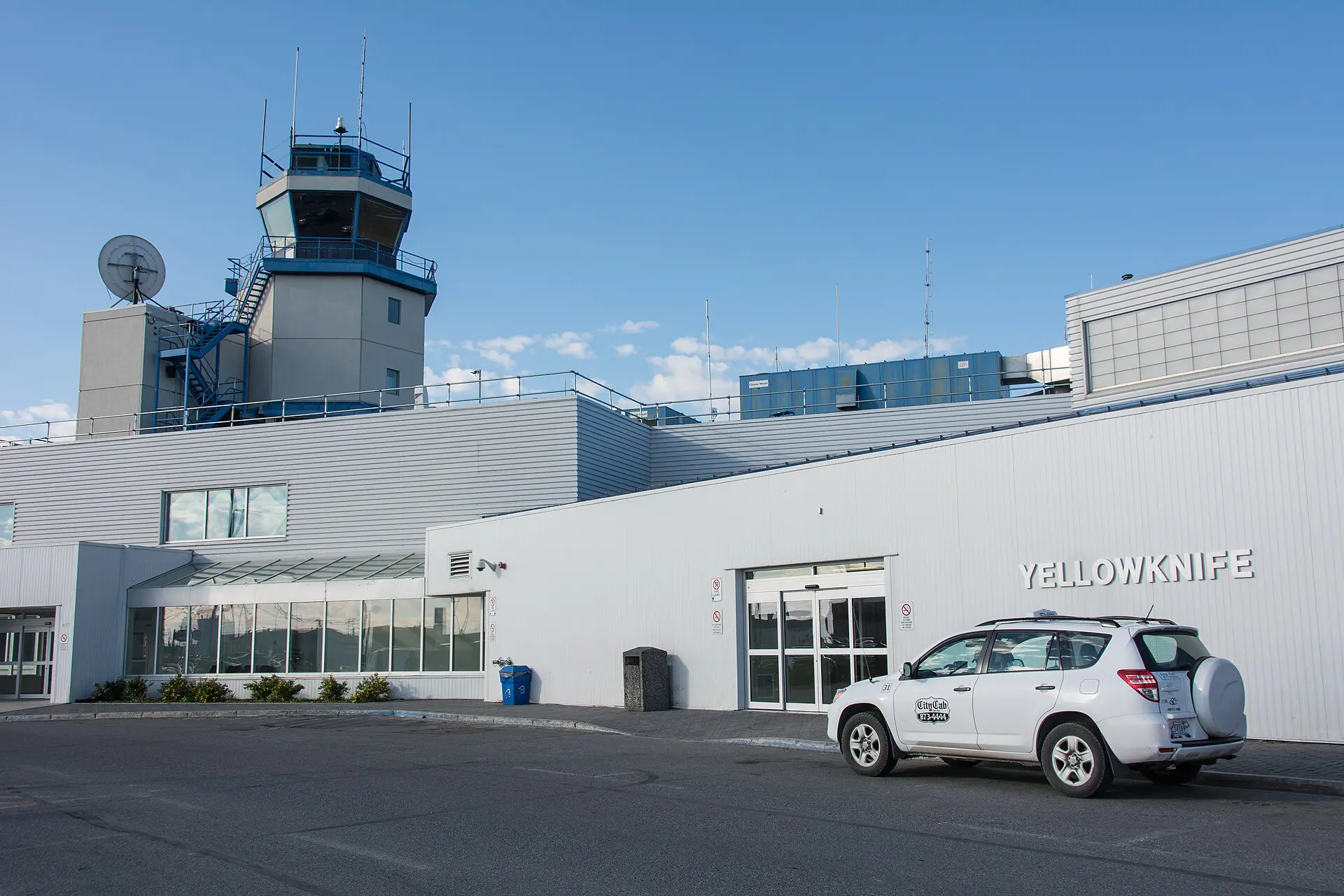
Most visitors fly. Scheduled flights reach Yellowknife from southern hubs such as Edmonton and Calgary, with onward links from the rest of Canada. Flights are usually 2 hours or so from Edmonton. Winter storms and fog delay or cancel flights, so avoid tight connections on the way out; leave a spare day before any international departure.
The road route is long. From Edmonton, the highway through northern Alberta and the Northwest Territories is roughly 1,500 km, about 2 days of driving in winter conditions, with long gaps between fuel and food. The Mackenzie River is crossed by a bridge, so no winter ferry or ice crossing is needed on the main route. Check road reports, carry survival gear, and treat a winter drive as a project, not a shortcut. Prices and schedules change; check before you go. Plan any Yellowknife aurora winter travel by road with a daily fallback to a flight.
Transport and terrain in Yellowknife
The city is compact, but the best dark sky is outside it. Distances are approximate and winter conditions change the times.
| Route | Distance | Time | Reliability | Notes |
|---|---|---|---|---|
| Airport to downtown | about 5 km | 10 to 15 min | High | Taxi or pre-booked transfer; confirm before landing |
| Downtown to Old Town | about 2 km | 5 to 10 min by car | High | Walkable if dressed for it, but icy |
| Ingraham Trail, first lakes | about 20 to 70 km | 20 to 60 min | Moderate | Plowed road; services are minimal; fuel up first |
| Dettah by ice road | short crossing | 10 to 20 min | Seasonal | Opens only when ice is thick enough; no road if not |
| Guided aurora viewing site | 20 to 40 km | 30 to 45 min | Weather-dependent | Run in the evening; often cancel when sky is solid cloud |
Key routes and day plans for Yellowknife in winter
1. Aurora from the edge of town
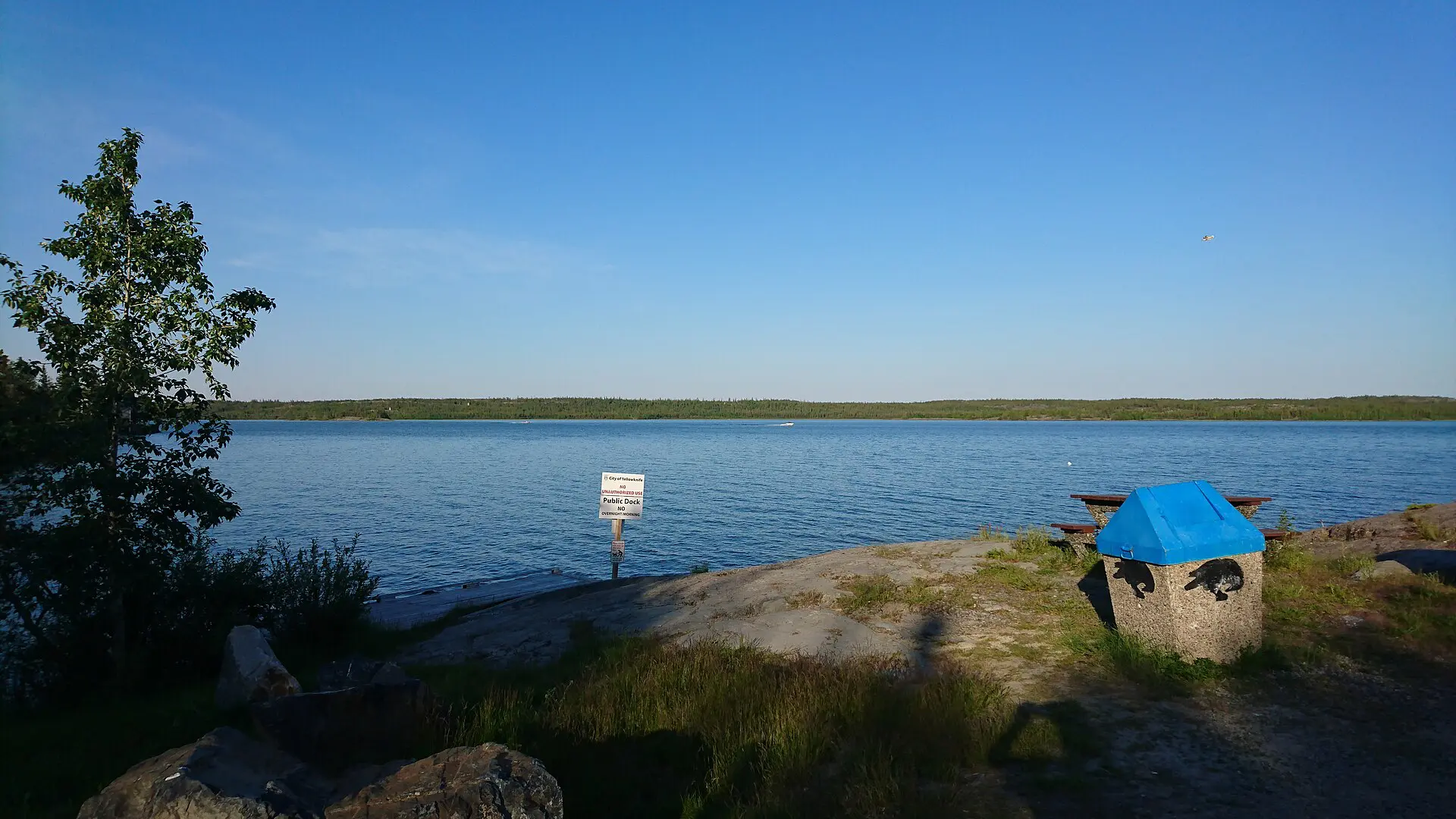
You do not need a long drive. A dark, open spot with a lake view will do on an active night. Yellowknife sits under the auroral oval, so activity is frequent; cloud, not solar activity, is the usual limit. Check a cloud forecast each afternoon, and plan to be outside between roughly 10 p.m. and 2 a.m.
2. Ingraham Trail by day
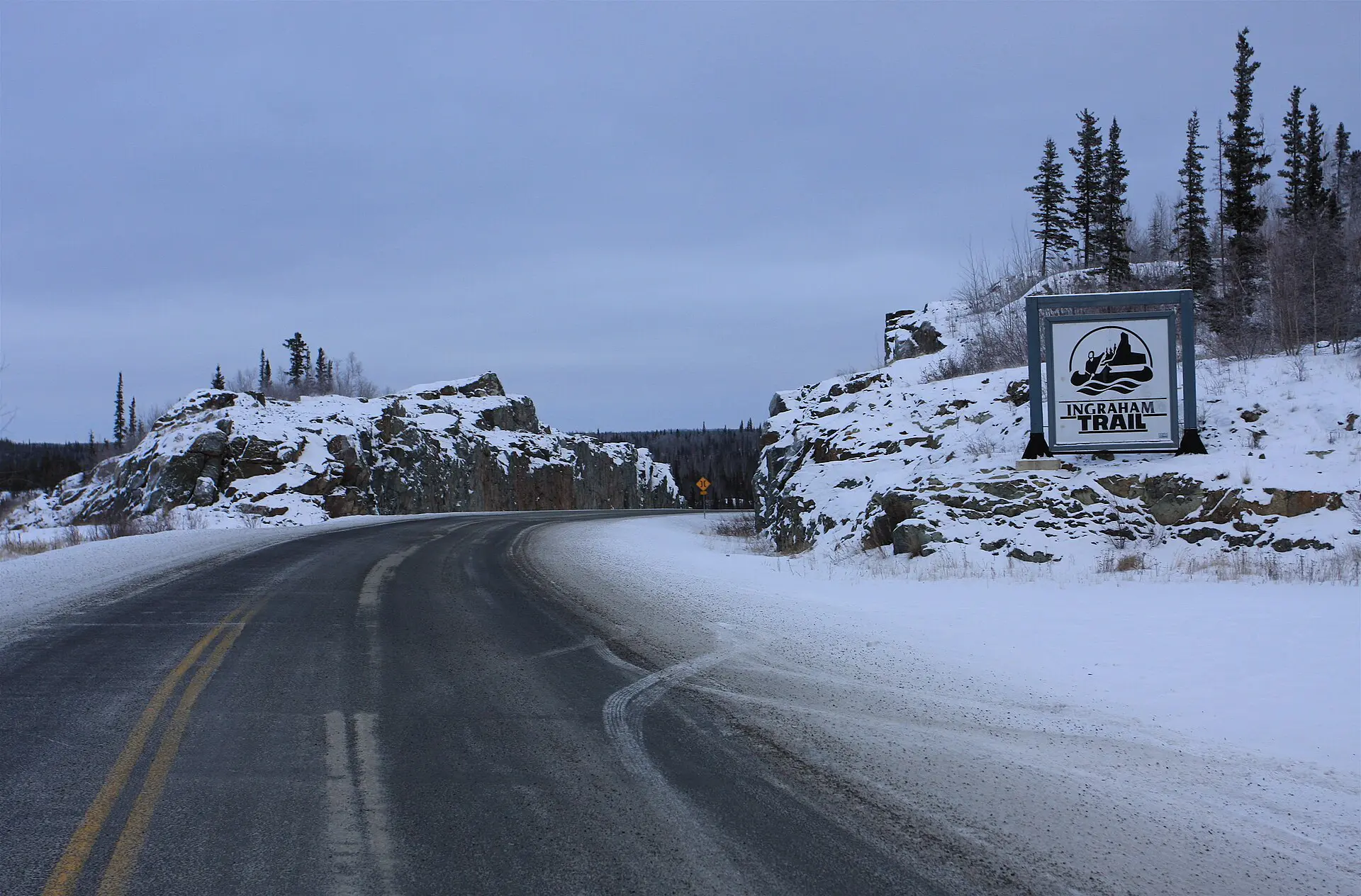
The Ingraham Trail runs east from the city past a chain of lakes and trailheads. In winter it is plowed for a distance, with frozen lakes, spruce forest and short walks. Go in daylight for the landscape, and come back before the cold peaks at dusk. Do not drive it without a full tank and a warm layer in the car.
3. Old Town and the houseboats
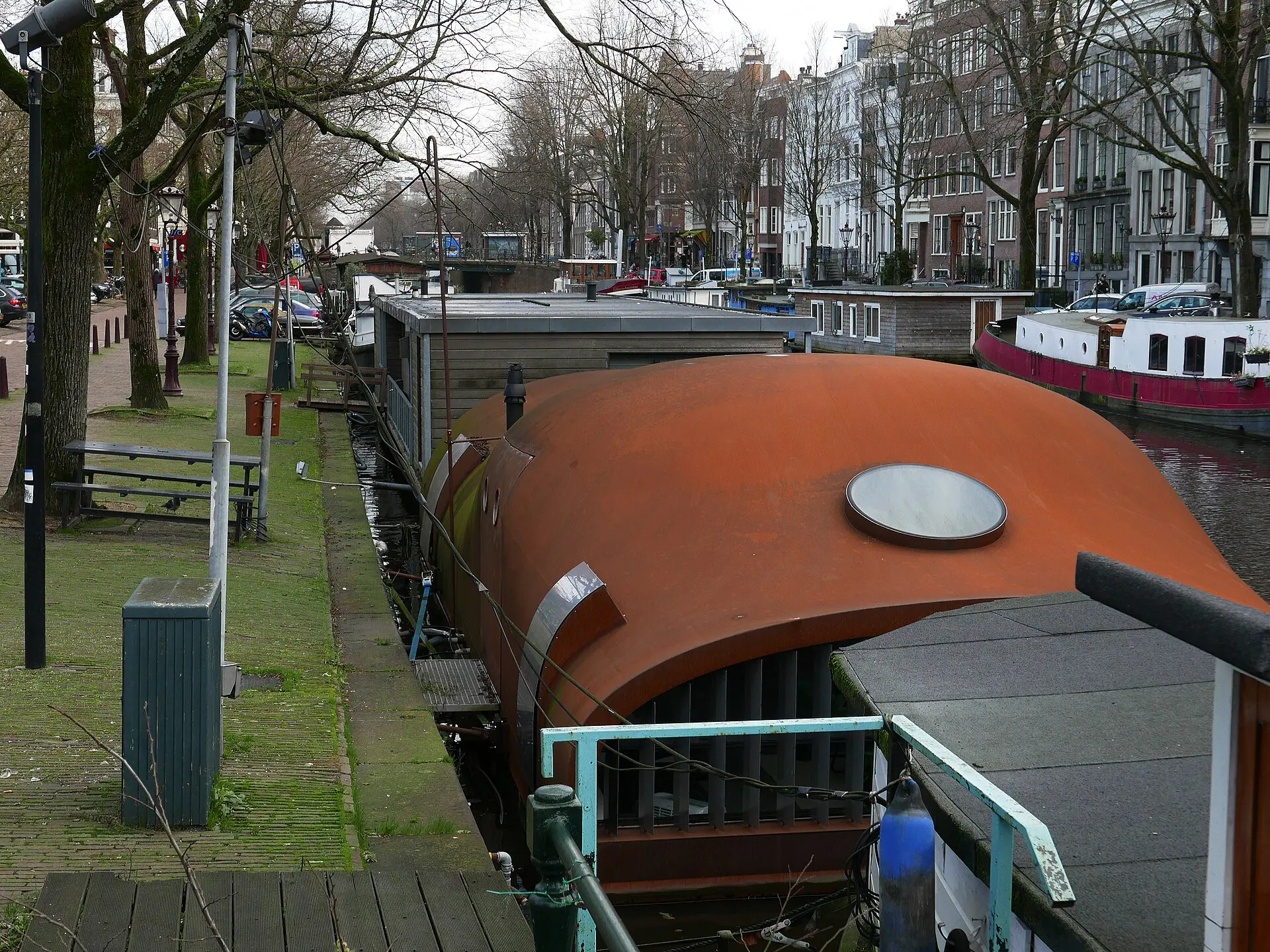
Old Town sits on the bay and holds the bush-pilot history of the city. Houseboats are moored in the ice for the winter. It is a short walk, so it suits a 2-hour block before dinner. Footing is icy; wear grips on your boots.
4. Frame Lake and the city trails
Paths around Frame Lake are cleared in parts and let you stretch your legs without a car. The lake is open and exposed, so wind chill hits hard. Use it as a short walk, not an outing, and turn back when your fingers start to go numb.
5. The Dettah ice road
When the ice is thick enough, a seasonal road crosses the bay to the community of Dettah. It is a short, flat drive that gives an open view over the lake. Access depends on ice reports, usually posted by the territorial government. If it is shut, the view from the shore is the fallback.
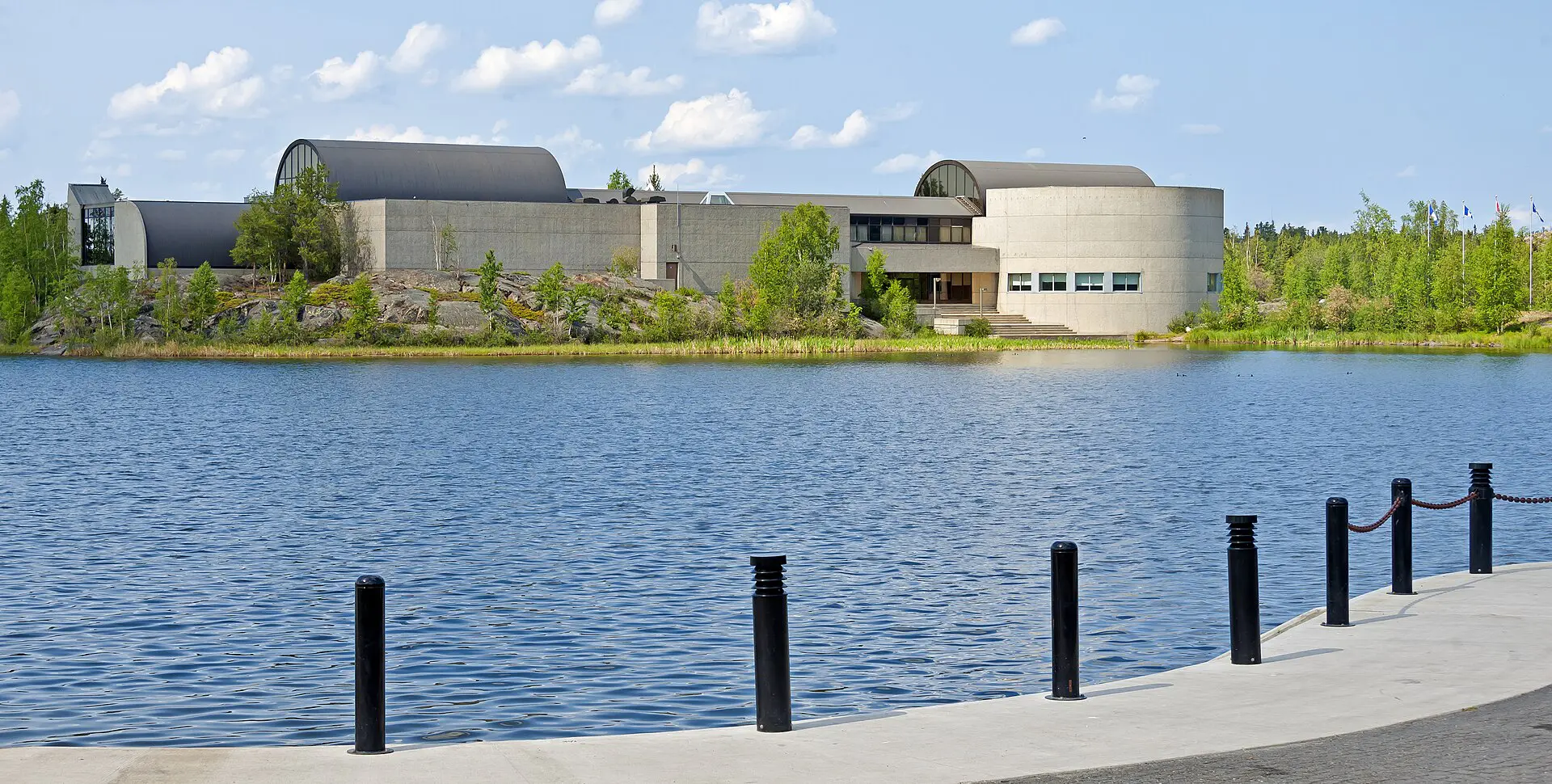
6. The Prince of Wales Northern Heritage Centre
This is the territorial museum and a good indoor block on a cloudy day. Check opening days and hours before you go. It covers Dene and Inuit cultures, northern history and natural science, and takes about 1 to 2 hours.
Best time for Yellowknife aurora winter travel
- Late August to October: dark enough for the lights, mild weather, open water. Less cold, more cloud.
- November to early December: cold sets in, days are very short, the lake starts to freeze.
- Mid-December to February: deepest cold, often minus 25 to minus 35 C at night, with the clearest, driest air. Best for ice roads, worst for batteries.
- March to early April: still cold, longer days, good sky. A strong option for fewer layers.
Dates also shape cost. Holiday weeks and peak aurora months fill tours and rooms early, and fares rise; check availability well ahead and prefer flexible bookings for a trip that depends on weather.
Moon phase matters: a full moon washes out faint displays. Check the calendar when you pick dates.
Fallbacks for each Yellowknife plan
Every plan here depends on weather, so each one needs a second option.
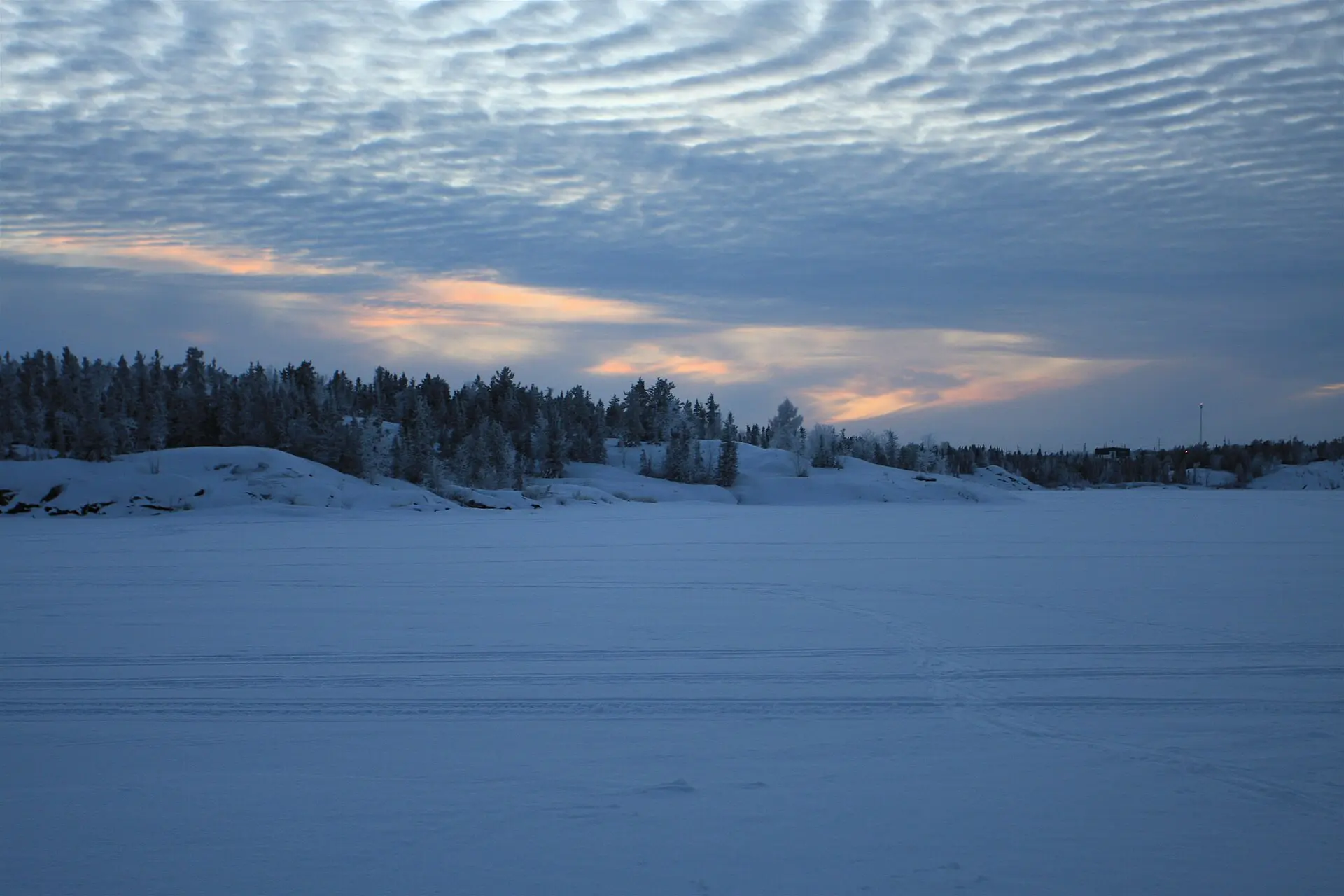
- Cloud on one night: a 4 to 5 night stay gives you several tries. Do not rely on a single booked tour night. Use the daylight hours to sleep, so you can stay out late on the clear night.
- Cloud for the whole stay: use the museum, Old Town and a daytime trip on the Ingraham Trail, and keep the aurora as a bonus.
- Flight delayed or cancelled: leave a spare day at the end, keep flexible fares, and carry medication and a warm layer in your hand luggage.
- Ice road closed: go to the shore instead, or skip Dettah.
Where to sleep in Yellowknife
Pick by what you need at 11 p.m. in the cold. A hotel downtown puts you near food and taxis, which is the lowest-risk option. A lodge or cabin outside town gives darker sky, but you need transport, a plugged-in vehicle and a plan if the cold stalls the engine. Aurora-tour operators often include pick-up from town. For general planning, see the Canada travel guide. Prices vary by season and rise around holidays.
Skip Yellowknife in winter if
- You cannot give it at least 4 nights.
- You dislike deep cold or have circulation problems; minus 30 C bites hands, feet and nose in minutes.
- You need a fixed result. Aurora is weather, not a scheduled event.
- You cannot afford the cost of a delay, since storms often disrupt flights.
Pack: insulated boots rated to minus 40 C, a parka, a base layer of wool or synthetic, a balaclava, liner gloves under mittens, and spare batteries kept in an inside pocket. Many outfitters rent parkas and boots; check what is included before buying. For background, see the Yellowknife guide on Wikivoyage and the Yellowknife article on Wikipedia.
FAQ about Yellowknife aurora winter travel
How many nights do you need in Yellowknife for the aurora?
Plan 4 nights at minimum, and 5 if you can. Cloud decides most failures, and several tries raise your odds a lot. The result is still not guaranteed, so treat a clear night as a bonus rather than a promise.
What is the best month to see the aurora in Yellowknife?
The season runs roughly from late August to early April. Many visitors pick late winter, when skies are clearer and the cold is bearable. Fall has milder temperatures but more cloud. Avoid the full moon if you can.
How cold does Yellowknife get in winter?
Typical winter nights fall between minus 20 and minus 35 C, and colder snaps occur. Wind chill makes it feel worse. Dress in layers, protect skin, limit time outside without a break, and warm up in a vehicle or a heated shelter.
Can you drive to Yellowknife in winter?
You can, by the highway from Alberta, about 1,500 km from Edmonton. It needs a winter-ready vehicle, fuel planning and emergency kit. Most visitors fly instead. If you do drive, check road reports daily.
Do you need a tour to see the aurora?
No. You can watch from dark spots near town with a clear forecast. A tour helps with transport, heated shelters and warm clothing, and it removes the risk of driving on icy roads at night. Check that the operator has a rebooking policy for cloud.