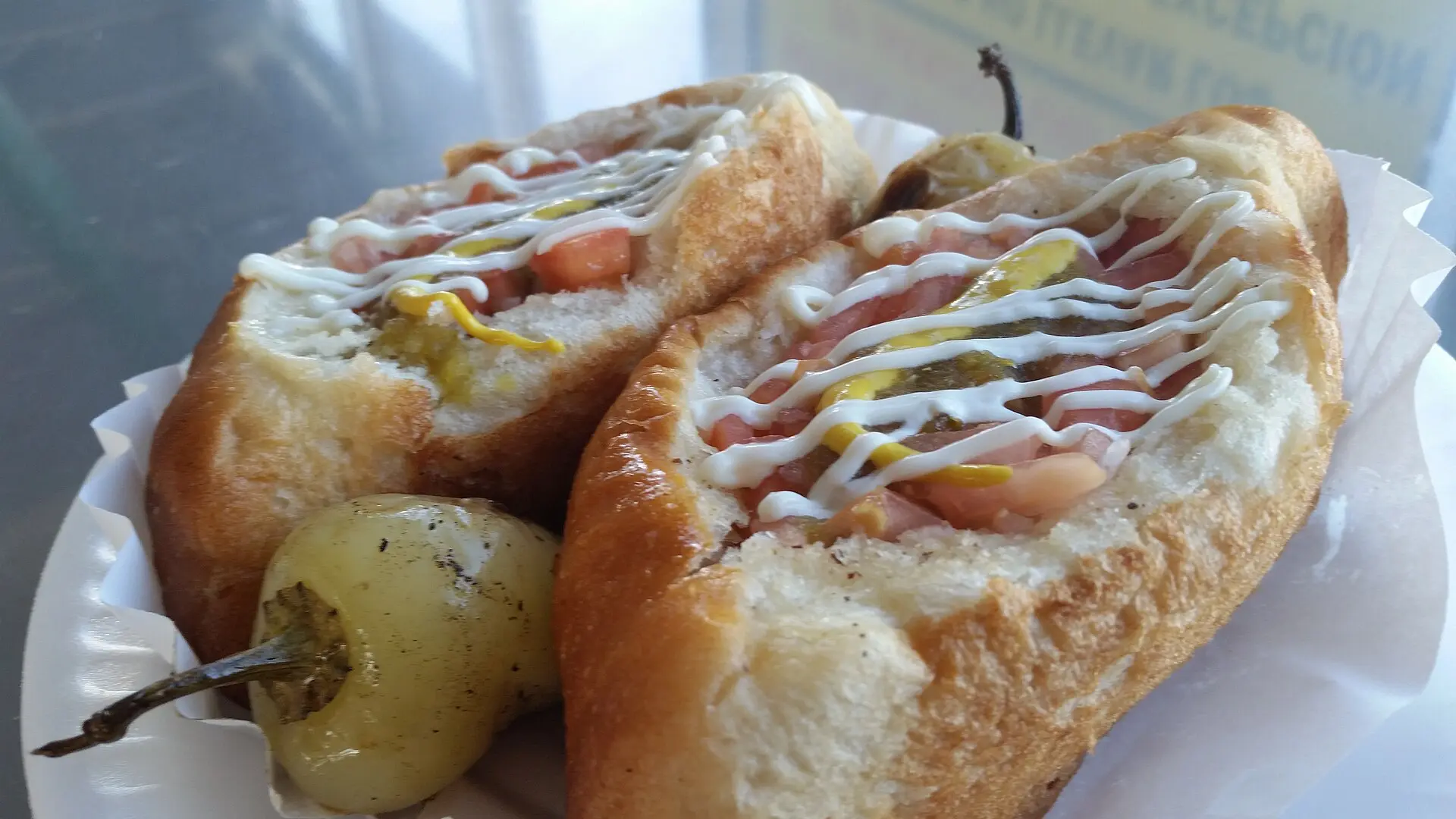
Order a Sonoran hot dog first. It is the dish Tucson food is built around: a bacon-wrapped frank in a soft roll, topped with beans, onion, tomato and sauces, sold from carts and small stands from late afternoon. After that, follow the grain. Tucson was named the first UNESCO City of Gastronomy in the United States in 2015, and the case rests on desert crops that were farmed here for centuries. Below: what to order, when, and roughly what it costs.
How does eating work in Tucson?
The desert shapes the clock. From late spring to early autumn, daytime highs are very hot (98 to 102 °F is the typical summer range), so the sensible meals are early breakfast, a long lunch indoors and a late dinner. In the cooler months the pattern loosens and outdoor markets and carts are comfortable at any hour.
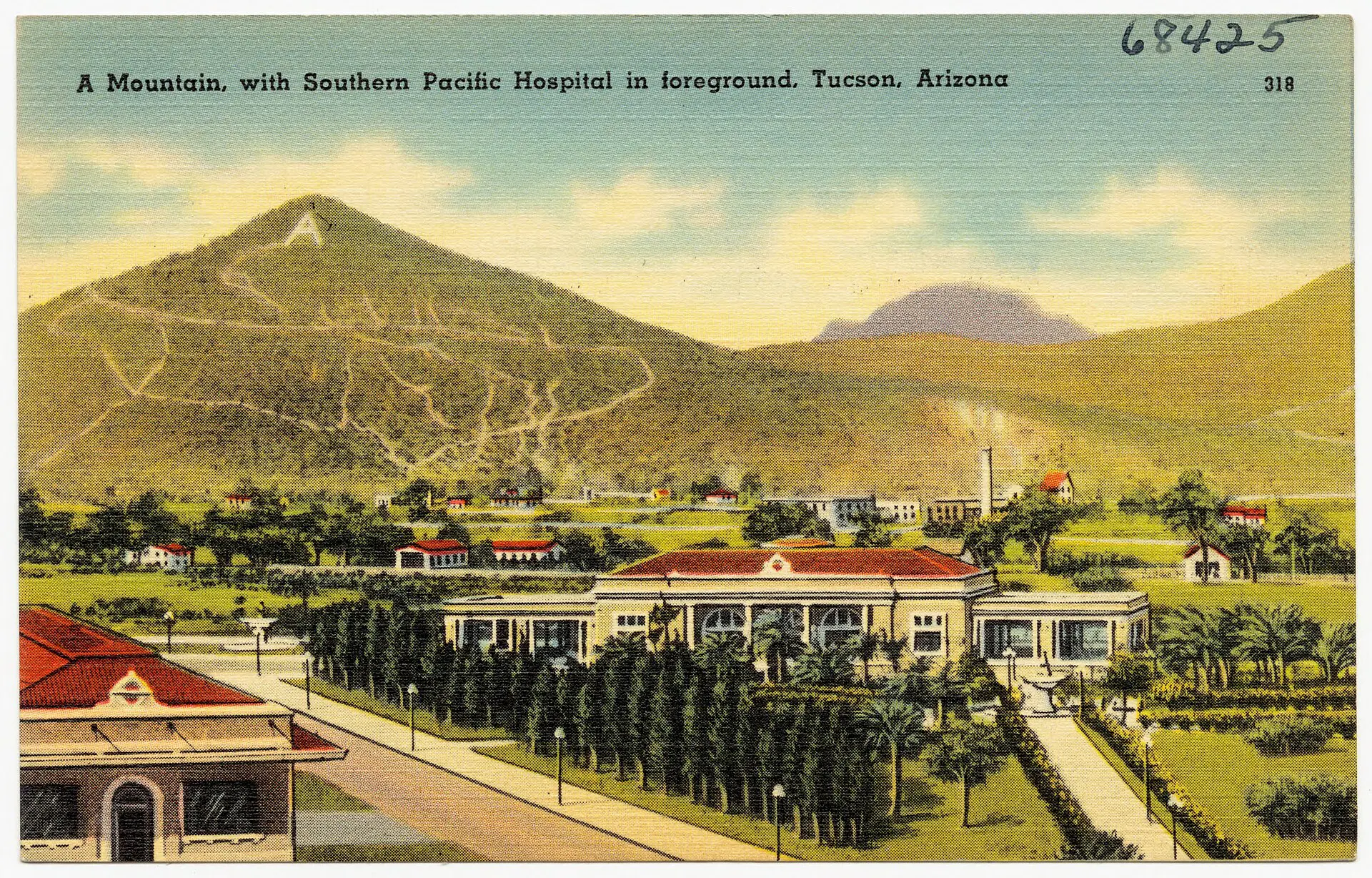
The food system is the story. People have farmed the Santa Cruz River floodplain for more than 3,000 years, growing corn, beans and squash with irrigation canals. Sonoran cooking, from across the nearby Mexican border, then added wheat, cattle and cheese. The result is a cuisine of flour tortillas, beans, dried beef and chiles, with native desert ingredients layered in.
Look for these ingredients on menus and at markets, because they explain most of what you will be served:
- White Sonora wheat: a heritage wheat brought by Spanish missionaries, used for soft flour tortillas and bread.
- Tepary beans: a small, drought-tolerant bean grown by the O’odham peoples; earthy and slightly sweet.
- Mesquite flour: ground from desert seed pods, with a sweet, malty note that suits baking.
- Cholla buds and prickly pear: cactus buds and pads, cooked in savoury dishes, plus the fruit in drinks and sweets.
- Chiltepin: a tiny wild chile with sharp, fast heat, used as a table seasoning.
Tucson market and meal timing
Hours change by season and by operator, so treat this as a pattern, not a timetable. Check a market’s own page before you go.
| Time | Where | What to order |
|---|---|---|
| Early morning (7:00-10:00) | Weekend farmers markets and neighbourhood bakeries | Fresh tortillas, pastries, coffee, seasonal produce |
| Late morning (10:00-13:00) | Family-run Mexican kitchens on the south side | Breakfast burrito, menudo on weekends, chilaquiles |
| Midday (12:00-14:00) | Sit-down Sonoran restaurants | Carne seca, tepary bean dishes, cheese crisp |
| Afternoon (15:00-17:00) | Fruit and snack carts, paleta shops | Raspados, fruit cups, fresh juices |
| Evening (17:00-late) | Hot dog carts and taco stands in parking lots | Sonoran hot dog, tacos al pastor, carne asada |
What to order in Tucson
1. Sonoran hot dog
A bacon-wrapped hot dog in a bolillo-style roll, stuffed with pinto beans, then topped with chopped onion, tomato, mayonnaise, mustard and a green jalapeño sauce. The roll is soft inside and lightly crisp outside, built to hold the wet toppings. Expect roughly 4-9 USD, often with a grilled chile on the side.
2. Cheese crisp
A large, thin flour tortilla toasted until crisp, then covered with melted cheese and sometimes beans, green chile or avocado. It is a shareable starter, closer to a Sonoran pizza than a snack. Roughly 6-14 USD depending on toppings and size.
3. Carne seca
Beef that is sun-dried or air-dried, then shredded and cooked with onion, tomato and chile. The drying concentrates the flavour, a technique from the days before refrigeration. Order it in a burrito, a taco or on a plate with beans. Roughly 12-20 USD for a plate.
4. Tepary beans
Ask for tepary beans where they are listed, either as a side or folded into stews and salads. They cook to a creamy texture and hold their shape, and they are the clearest taste of the city’s agricultural heritage. A side is usually a few dollars, and a dish built around them roughly 10-18 USD.
5. Flour tortilla burrito or chimichanga
Sonoran flour tortillas are thin and stretchy, made with wheat rather than corn. They carry shredded beef, beans, rice and cheese, and a chimichanga is the same filling deep-fried. Tucson claims the chimichanga as a local invention, though the origin is disputed. Roughly 9-16 USD.
6. Tacos and tamales
Corn tortilla tacos with grilled beef, marinated pork or slow-cooked meat are sold by the piece, so order two or three. Tamales, corn dough steamed in husks, are a cool-weather and holiday tradition. Tacos are roughly 2-5 USD each, tamales a few dollars apiece.
7. Raspado and prickly pear drinks
A raspado is shaved ice soaked in fruit syrup, sometimes with fresh fruit or sweet cream on top, and it is the right answer to a hot afternoon. Prickly pear gives a magenta syrup that tastes lightly of melon. Roughly 3-7 USD.
Tucson food prices by meal
These are hedged per-person ranges in USD, as of 2026. Tips and tax are extra, and prices vary with location and season.
| Meal | Casual (cart, counter) | Sit-down |
|---|---|---|
| Breakfast | About 6-12 USD | About 12-20 USD |
| Lunch | About 8-15 USD | About 15-25 USD |
| Dinner | About 8-16 USD | About 20-40 USD |
| Snack or drink | About 3-7 USD | About 6-12 USD |
A food-focused day can therefore run from about 30 USD at carts and counters to about 80 USD and up with table service. Portions in Sonoran restaurants are generous, so sharing is normal.
Etiquette when eating in Tucson
- Tip table service: 18-20% is the usual expectation in sit-down restaurants. At carts and counters, a dollar or two in the jar is appreciated but not required.
- Carry small bills: many carts and market vendors prefer cash, though card readers are common.
- Ask about heat: salsas and chile sauces vary widely. Ask for sauce on the side if you are unsure.
- Eat standing or in the car: at a cart, this is normal. Take your trash with you or use the bin provided.
- Be polite with Spanish: a simple “gracias” and an order by dish name go a long way, and menus are bilingual in many places.
Where to eat in Tucson by type of place
A few kinds of place cover most of the city, and none of them needs a name to be found.
- South Tucson and the south side: a dense cluster of family-run Mexican kitchens, taquerias, bakeries and tortilla makers. This is the best area for a first-time eating tour.
- Downtown and the university area: a mix of cafes, brunch rooms, modern Sonoran restaurants and bars, with the widest choice of cuisines.
- Parking-lot hot dog stands: they cluster around evening traffic corridors and open late. Look for a grill, a cart and a queue.
- Weekend farmers markets: the best place to taste heritage ingredients, buy tortillas and meet growers.
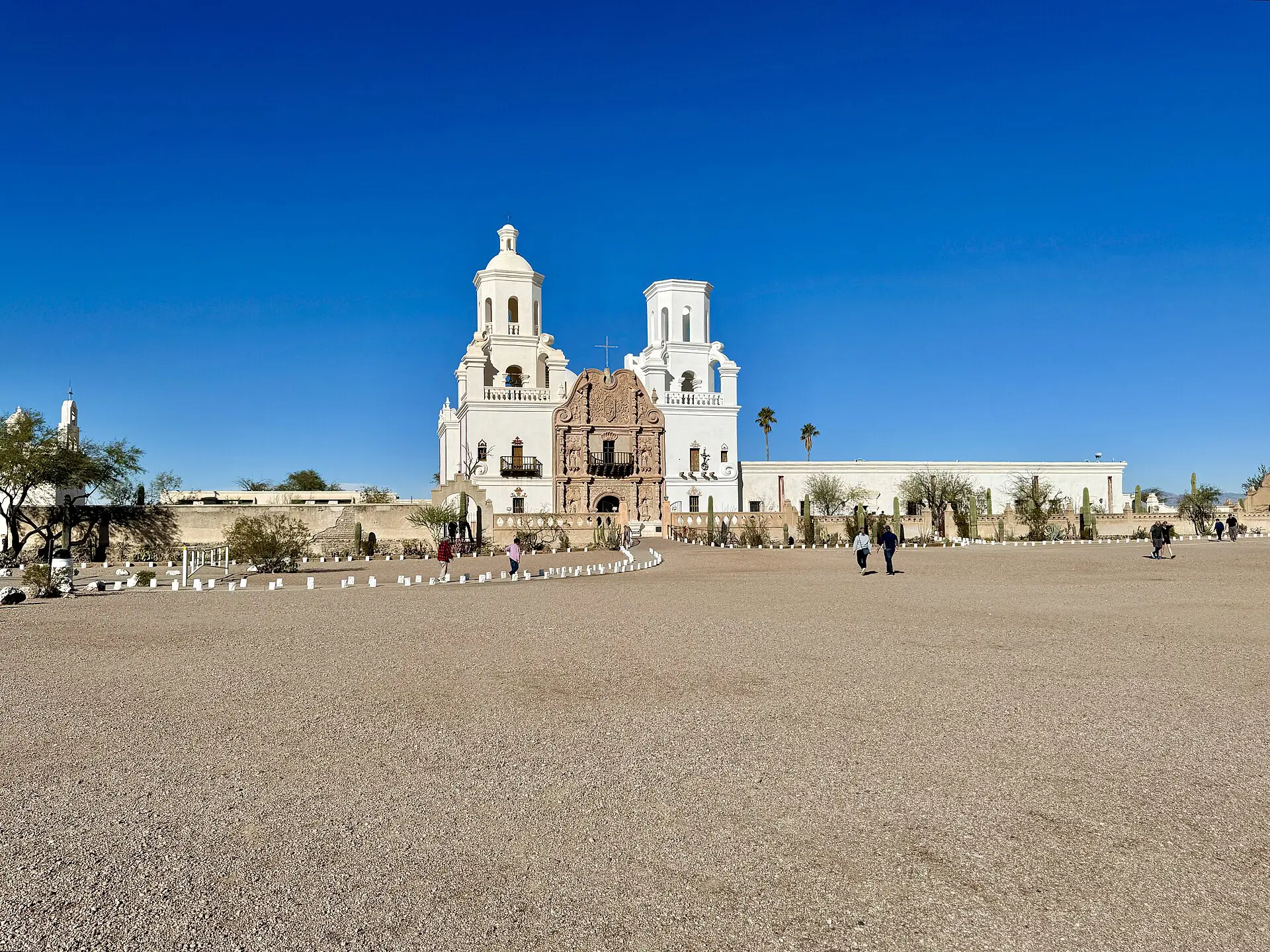
- Mission-area bakeries and fry-bread stands: near the historic mission to the southwest, local vendors sell Native American fry bread.
What to skip when eating in Tucson
I would skip eating outdoors in the middle of a summer afternoon; heat stroke is a serious concern, and indoor lunch is wiser. Skip chain restaurants on the main roads if you want local flavour, because most of the city’s food identity sits in small, independent kitchens. Do not fill up on chips and salsa before the main dish arrives. And avoid assuming that every “Southwestern” menu uses local ingredients: ask whether the beans, wheat or chile are grown in the region.
FAQ about Tucson food
Why is Tucson a UNESCO City of Gastronomy?
UNESCO designated Tucson in 2015, the first US city to be recognised. The designation reflects a long agricultural history, from ancient Santa Cruz River farming to heritage crops such as tepary beans and White Sonora wheat, plus a strong local food community.
What should I order first in Tucson?
Start with a Sonoran hot dog from an evening cart, then a cheese crisp or carne seca at lunch. If you only have one meal, choose a dish with tepary beans or heritage wheat to taste what the designation is about.
Is Tucson food expensive?
Not at the casual end. Carts, taquerias and counters typically charge a few dollars to about 15 USD per person, as of 2026. Sit-down dinners with drinks cost more, often 20-40 USD and up. Check current menus before you go, as prices vary.
When is the best time to visit Tucson for food?
Autumn through spring is the most comfortable season, with mild weather for markets and outdoor carts. Summer is very hot, and storms arrive in the monsoon season, so plan around early mornings and indoor meals.
Is Tucson food the same as Mexican food?
Not exactly. It is Sonoran-style cooking, shaped by northern Mexico, Native American crops and Arizona ranching. Expect flour tortillas, dried beef, beans and cheese. For more on the city, see Wikivoyage’s Tucson guide and the United States travel guide.