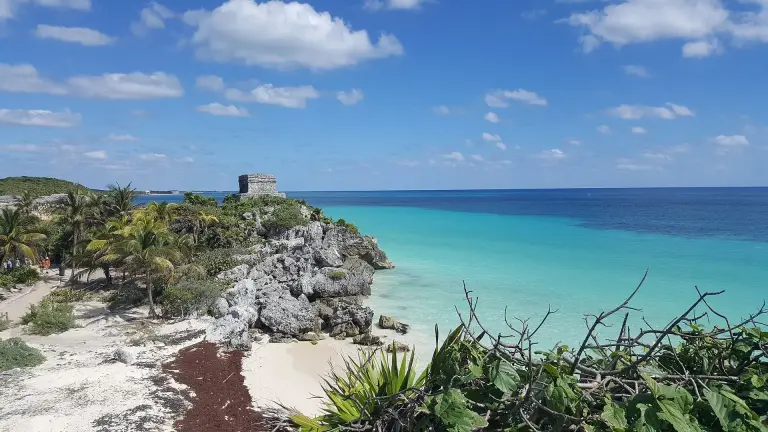
The best things to do in Nevis are cheap or free: Pinney’s Beach, the Bath hot springs, Charlestown’s history sites and a guided walk up the volcano. What costs money is the bed, not the activities. This guide ranks ten options by value, shows where paying more is worth it and where to save, and gives rough daily costs in US dollars. Nevis is small, about 93 square kilometres, so you can see most of it in three or four days without a car for every day.
Best time to visit Nevis
Timing moves your bill more than any activity choice. Room rates can swing by a third or more between seasons.
| Season | Weather | Crowds and prices | Good for |
|---|---|---|---|
| Mid-December to April | Dry, warm, breezy | Busiest, highest room rates | Beach days, hiking, easy planning |
| May to June | Hotter, a little more rain | Quieter, rates often drop | Best value before the peak of hurricane season |
| July to November | Hot, humid, wetter; hurricane season | Lowest rates, some places close | Deep discounts if you accept weather risk |
My pick for value is late April to June: dry-season conditions are fading, but peak pricing has gone.
Top things to do in Nevis
1. Spend a day at Pinney’s Beach
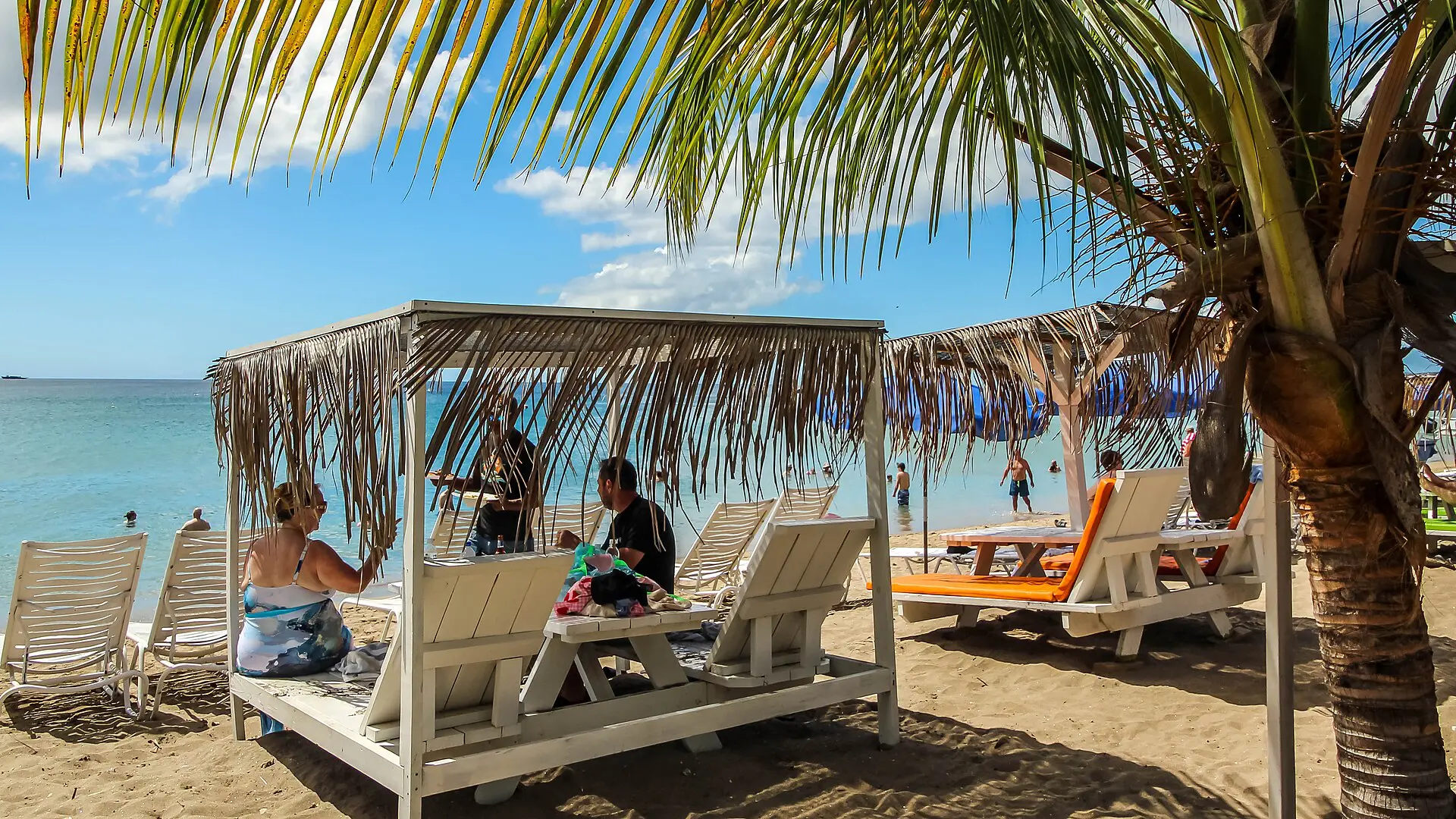
This is the island’s main beach, a long stretch of sand on the west coast, lined with calm Caribbean water and a handful of beach bars. Access is free. A lunch plus a couple of drinks tends to run around $25 to $45 a person. Sunbed hire, where offered, is a small extra. It needs no booking and no gear.
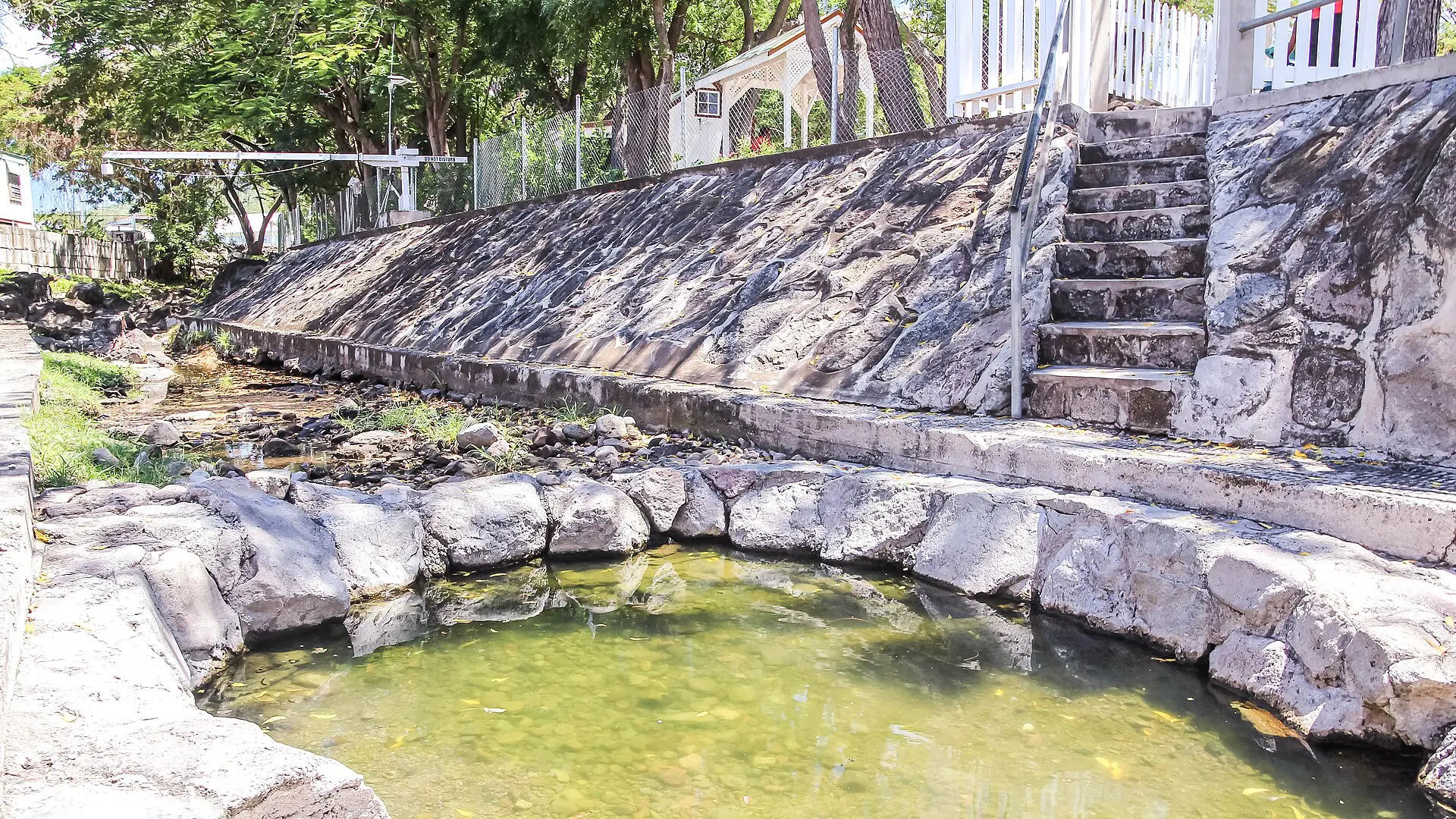
2. Soak in the Bath hot springs
Just south of Charlestown, the volcanic hot springs at Bath are very hot, salty and said to be restorative. Entry to the outdoor bathing spots was EC$5 as of 2025, which is under $2 at the usual exchange rate. That makes it the cheapest sight on the island. Nearby are the ruins of the 18th-century Bath Hotel. Allow an hour. Go early, because midday heat makes a hot soak less appealing. Check current entry fees locally, since small charges change without notice.
3. Walk Charlestown
The capital is a small port town whose main street is lined with Georgian stone buildings, many with wooden upper floors and balconies. You can cover it on foot in a couple of hours at no cost. Banks, shops and government offices often have lines, and ferries rarely leave on the minute, so build slack into the morning. Pair it with the museum below for a full half day.
4. Visit the Alexander Hamilton birthplace museum
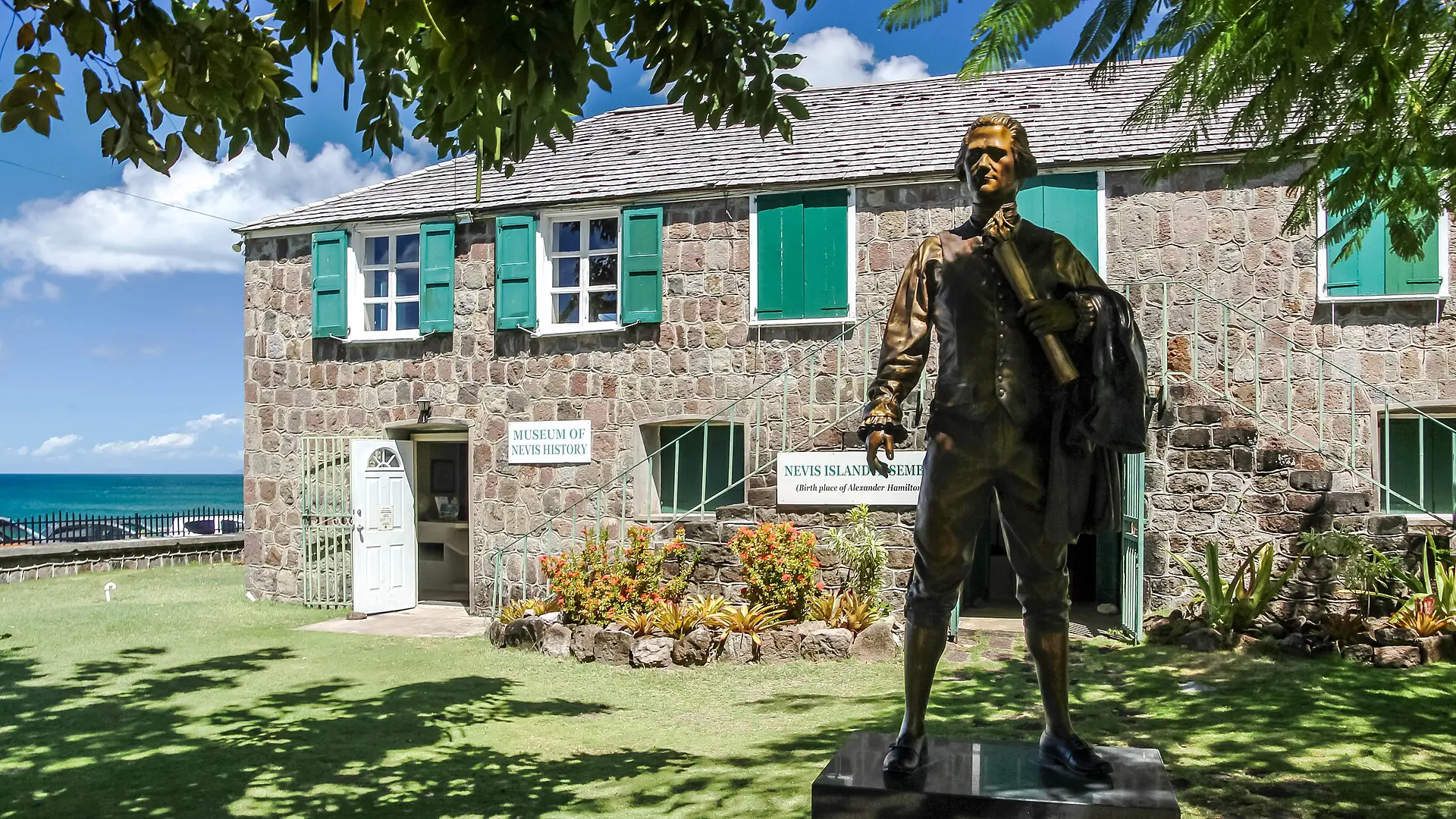
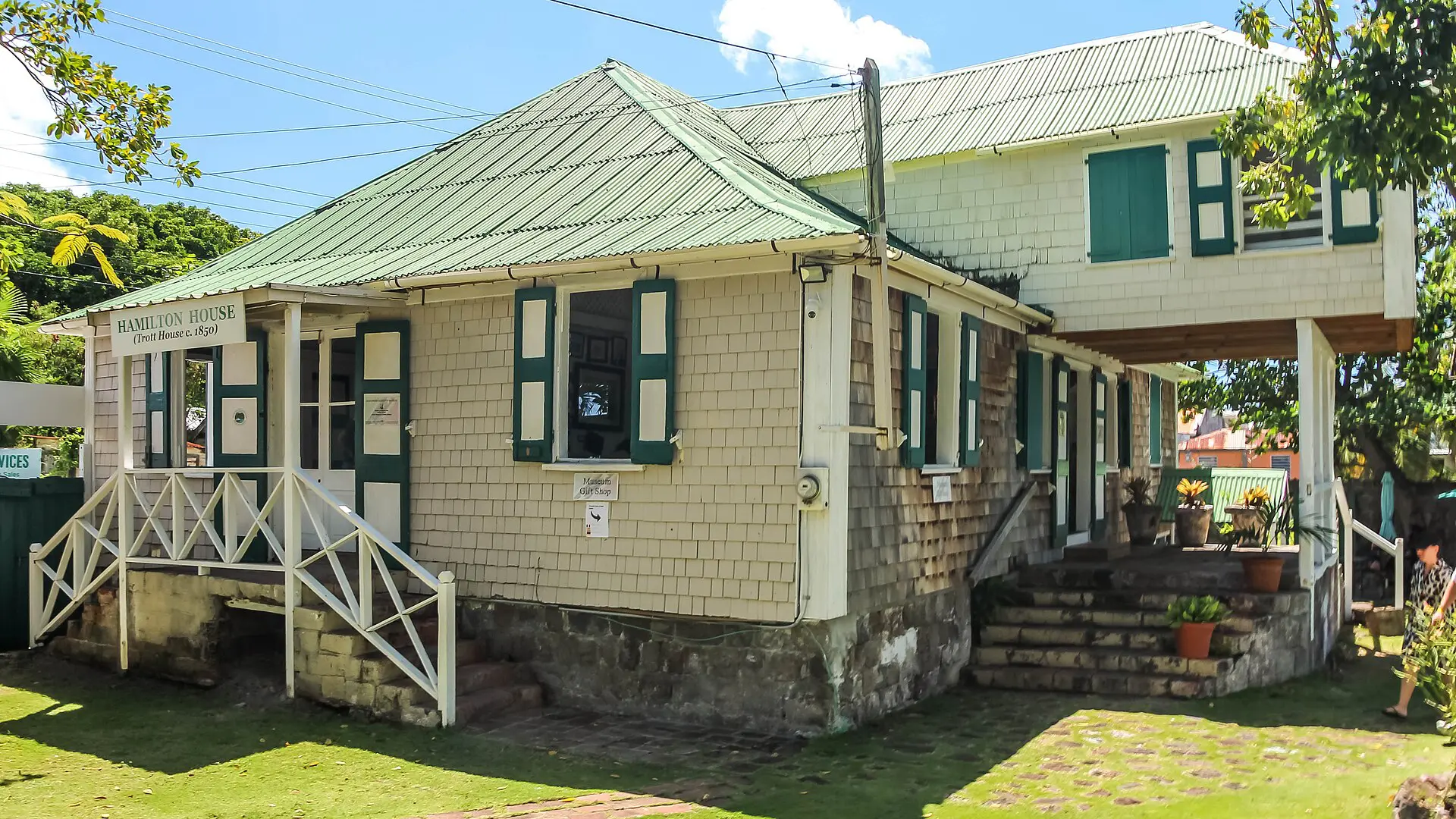
Nevis was the birthplace and childhood home of Alexander Hamilton, and the Museum of Nevis History in Charlestown is where the island tells that story. It also covers the wider colonial and sugar-era past. Admission is typically a few dollars, hedged here because fees change. For the price it is one of the better history stops in the eastern Caribbean, and it works well on a rainy day when the beach is off the table.
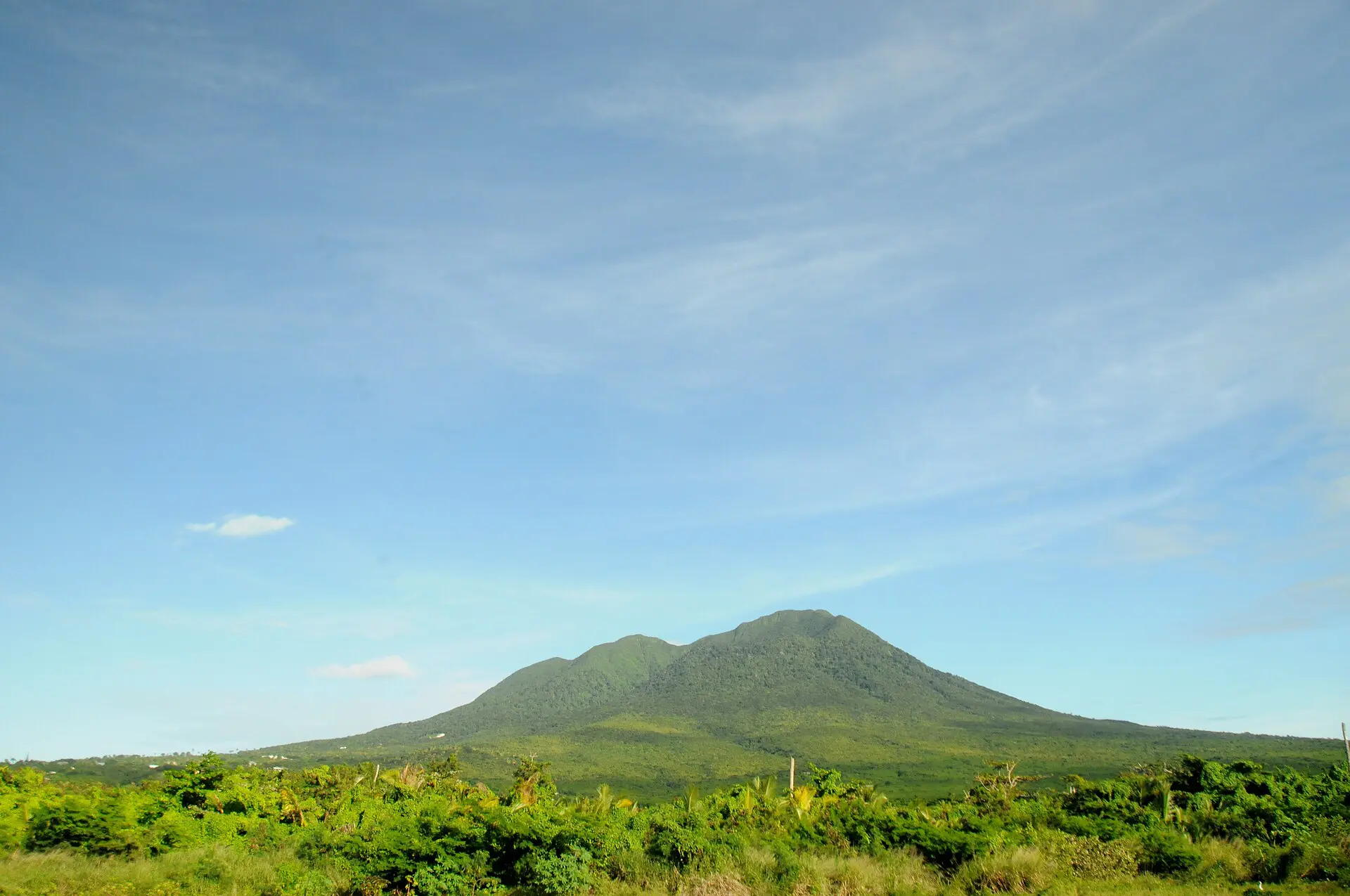
5. Climb Nevis Peak with a guide
The dormant volcano at the centre of the island is the main outdoor challenge, and its summit route is steep and often muddy, with ropes in places. This is where paying more is worth it: a local guide costs perhaps $60 to $120 per person or group depending on arrangement, and the route is not one to attempt unguided. Start early, and bring water and shoes with grip. Lower-slope walks are a cheaper, easier alternative.
6. Follow the old sugar ruins
Almost every gentle slope on Nevis was once sugar plantation, and the conical stone mills still dot the landscape. You can see many from the road while travelling between sights, which makes this a free add-on rather than a separate trip. Treat the ruins as a theme running through your days, not a single destination.
7. See Fig Tree Church
This small church in St John parish is tied to Horatio Nelson, who was stationed here as a young captain and married the plantation widow Fanny Nisbet. It is a short, free stop on a drive around the island. I would not make a special trip, but it pairs well with the ruins.
8. Browse Newcastle Pottery
In the north, near the airport, Newcastle Pottery makes items from the local red clay. Prices are modest and the pieces make useful souvenirs, though check what fits in your luggage. It sits next to the airport, so fit it into a gap before a flight.
9. Snorkel and paddle at Oualie Beach
The northwest coast near Oualie and Cades Bay is a calmer base for water sports. Snorkel and paddleboard rentals are usually sold by the hour or half day, often in the range of $15 to $40 for basic gear, though rates vary. A guided boat trip costs more, and for first-timers it is a sensible spend because the guide finds the clear spots. Bring your own mask if you plan several swims.
10. Take a day trip to St Kitts
Because the neighbouring island is only about 3 kilometres away across the Narrows, ferries run between Charlestown and Basseterre. Passenger crossings take roughly 45 minutes, and fares are low, typically in the range of $10 to $15 each way, so check current schedules. It suits anyone building a list of things to do in St Kitts and Nevis together, though you lose a day of beach time.
Where to stay in Nevis
Nevis has no big resort strip, and accommodation is spread around the coast. Choose by what you plan to do, not by the brochure.
- Charlestown and south: best for walkers and budget stays, with shops and the ferry close by. Beaches need a short ride.
- Pinney’s Beach area, west coast: the sweet spot for most visitors, with sand, beach bars and decent mid-range choices.
- Oualie and Cades Bay, northwest: suits water-sports fans and ferry users, with a quieter feel.
- Estate inns in the hills: pay more for views, gardens and history, but expect to rely on taxis.
Pay more for the beach-side location on stays under five nights, because transport costs eat the saving. Save on longer stays with a self-catering unit.
Getting around Nevis
Most visitors arrive via the small airport at Newcastle, usually on a connecting flight through a larger Caribbean hub, or by ferry from St Kitts. On the island, taxis are the default for short trips. Rates are often set rather than metered, so agree the fare before you go. Minibuses run on the main road and are very cheap but not frequent. Renting a car gives freedom on a four-day stay, and driving is on the left. A rental usually beats taxis from the third day onward.
How much does a trip to Nevis cost?
Figures here are rough estimates in US dollars per person per day and assume two people share a room. They change with season and exchange rates, so check before booking.
- Budget: about $90 to $150, using guesthouses or self-catering, local food and buses or shared taxis.
- Mid-range: about $200 to $350, with a good room near the beach, restaurant dinners and a rental car for part of the stay.
- High-end: $600 and up, mostly driven by luxury resort rates.
Accommodation is the main lever. Activities rarely exceed $30 to $50 a day once you skip organised tours, and most of the best options in this list cost less than that.
Is Nevis worth visiting?
Yes, if you want a quiet, low-development island where the best days are cheap and unscheduled. It is also safer than many Caribbean islands. The trade-off is that nothing is cheap to reach: flights usually involve two legs, and rooms cost more than the activities. The Wikivoyage guide to Nevis covers local manners, including greeting people you pass.
Skip it if you want nightlife, big shopping or a packed activity list. Skip it too if you are watching every dollar and need a tropical beach: other Caribbean islands, and parts of Central America, are cheaper to reach.
FAQ about Nevis
How many days do you need in Nevis?
Three to four days covers the beach, the hot springs, Charlestown and either the volcano or a day on St Kitts. A week suits you if you want slow beach days and a rental car.
Is Nevis cheaper than St Kitts?
Not reliably. Both islands price rooms by season and style, and Nevis has fewer budget options. Activities on Nevis are cheap, but the bed sets the bill, so compare total cost for your dates, including ferry fares if you split your stay.
What is the best month to visit Nevis?
For weather, January to April. For value, May and early June. Hurricane season runs June to November, with the greatest risk in late summer and early autumn, so travel insurance that covers weather disruption is worth the small premium.
Do you need a car in Nevis?
Not on a short stay. Taxis handle one or two trips, and buses are very cheap. For four days or more, a rental often costs less than repeated taxi fares and lets you reach hot springs, ruins and quiet beaches at your own pace.
Is Nevis the same as St Kitts?
No. They form one country, the Federation of Saint Kitts and Nevis, but each island has its own government and feel. They are separated by a 3-kilometre channel. For background on the island, see the Wikipedia entry on Nevis.