The best things to do in La Paz are on or beside the water: the malecon at sunset, a boat day to the islands, snorkelling with sea lions and a beach with turquoise shallows. This guide is about La Paz in Baja California Sur, Mexico, not the Bolivian city of the same name. It is a calm, walkable city of around a quarter of a million people, and we think it works well for a working stay. Below: what to do, where to base yourself and what a month costs.
Best time to visit La Paz
La Paz is a desert city on the Sea of Cortez, so it is sunny for much of the year. Summers are very hot and humid, and late summer and early autumn is hurricane season on this coast. Check forecasts and your booking terms, because storms can cancel boats and flights.
| Season | Weather | Crowds and prices | Good for |
|---|---|---|---|
| November to March | Warm days, cool evenings | Busiest, higher prices | Whale sharks, boat trips, working outdoors |
| April to June | Hot and dry, warm water | Quieter | Snorkelling, kayaking, early starts |
| July to August | Very hot and humid | Quiet, lower prices | Warm sea, indoor working hours |
| September to October | Hot, storm risk | Low, flexible rates | Cheap stays if you can be flexible |
For a working month, winter and early spring give the best mix of comfortable temperatures and active boat tours.
Top things to do in La Paz
1. Walk the malecon at sunset
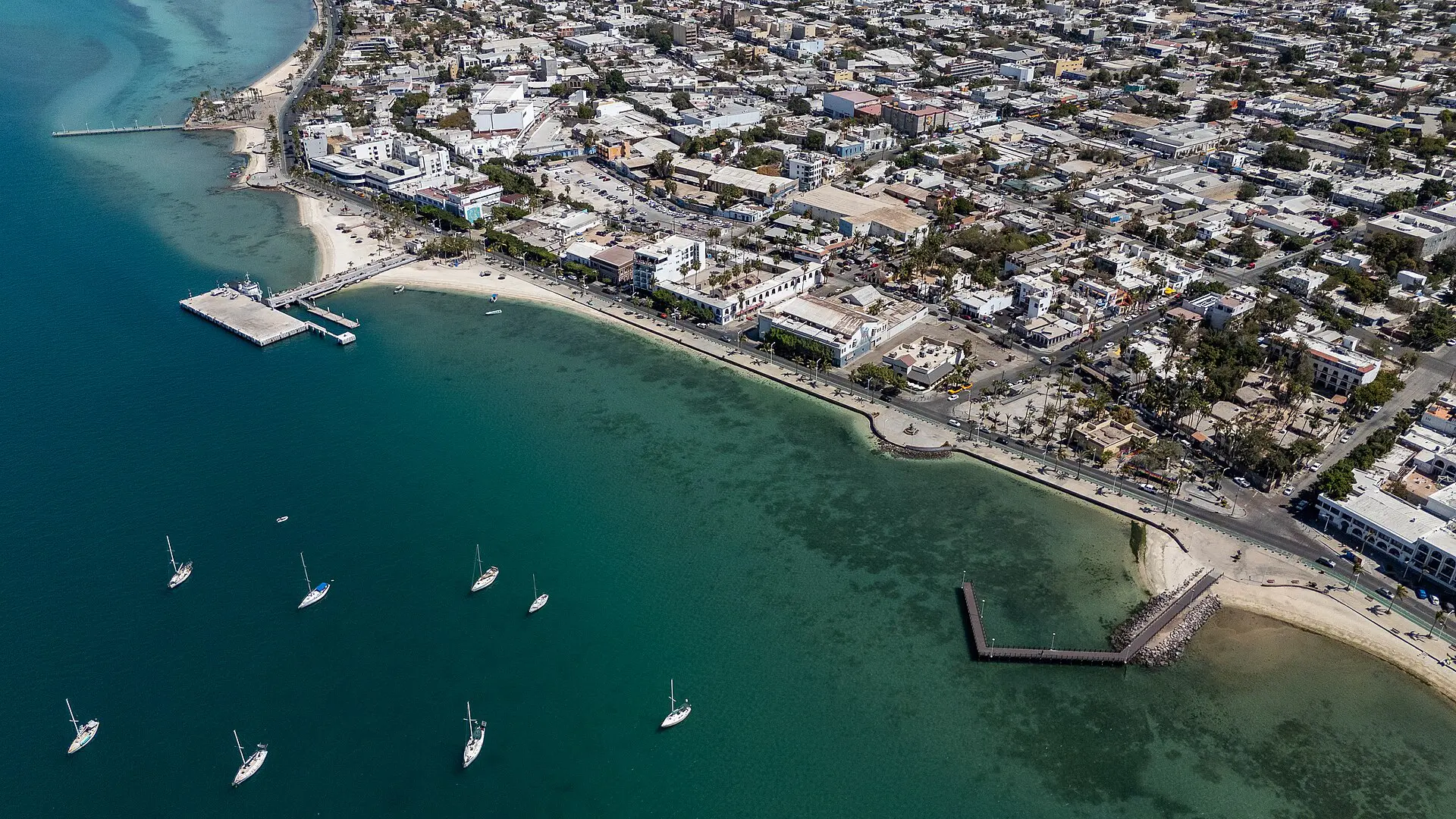
The waterfront promenade is the city’s living room. It runs along the bay with benches, sculptures and ice cream stands, and locals jog, cycle and stroll here in the evening. The sun sets over the water, which suits the end of a workday. The waterfront is wonderful, and it is also free. Go earlier in summer to avoid the heat.
2. Sit in the plaza by the cathedral
The main plaza and the cathedral sit a few blocks from the waterfront and give you a quick view of the old centre. It is a small area with trees, benches and cafes, so a coffee stop and a short stroll is enough. Keep a hand on your phone in crowds, as anywhere.

3. Visit the regional museum
The Museo Regional de Antropologia e Historia covers the peninsula’s indigenous peoples and later history, including the pearls that drew early Spanish explorers to the bay. It is a good rainy or very hot day plan, and it gives context to the rest of your stay. Opening hours and entry fees change, so check before you go, and expect an hour at a relaxed pace.
4. Spend a day at Balandra Beach
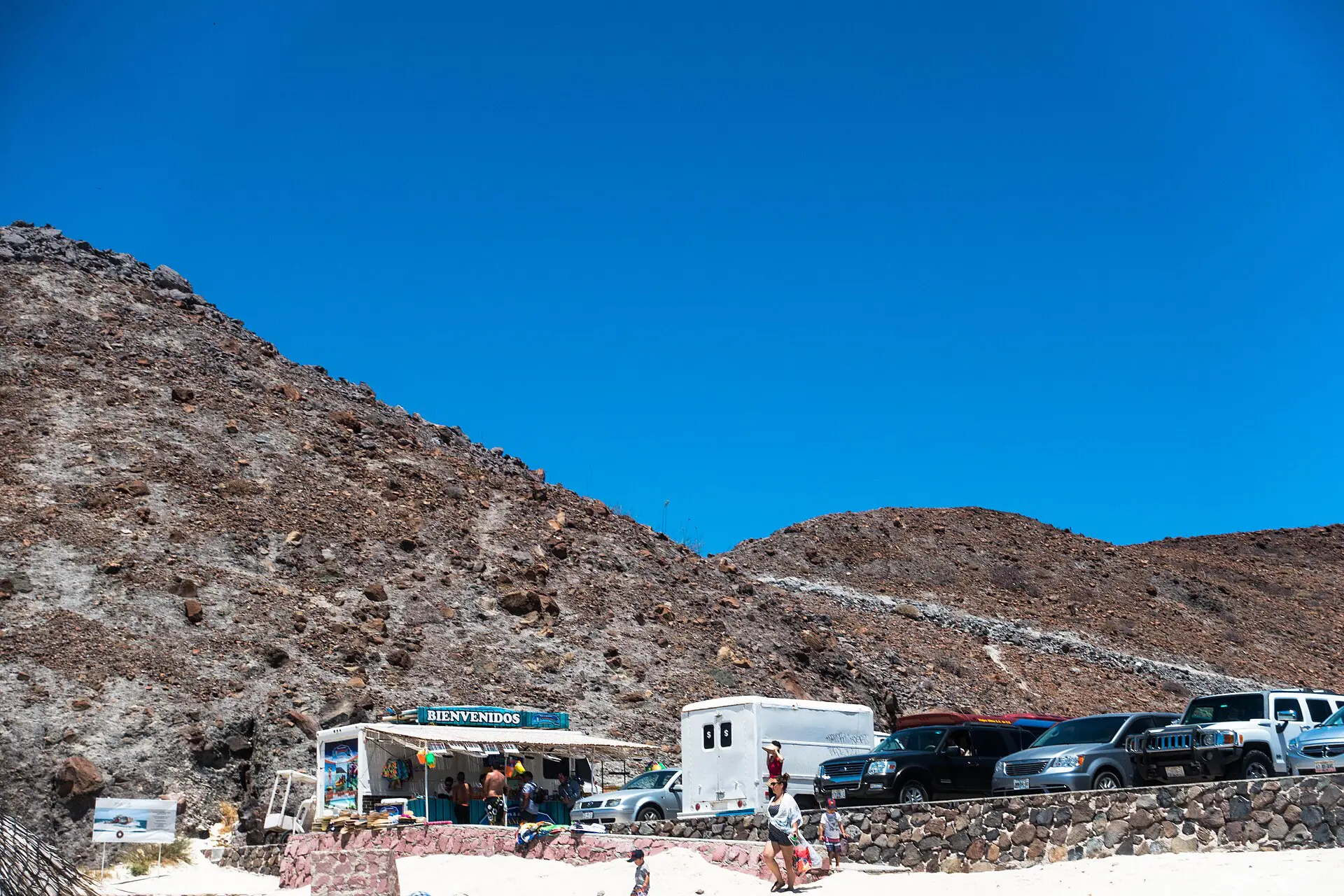
Balandra is a shallow, bright bay north of the city, known for pale sand and calm water. Access is regulated to protect the area, so visitor numbers, entry rules and schedules are controlled, and you may need to book or arrive early. Follow the rules, bring water and shade, and check current conditions before you plan around it. It is a short taxi ride from town.
5. Take a boat to Espiritu Santo Island
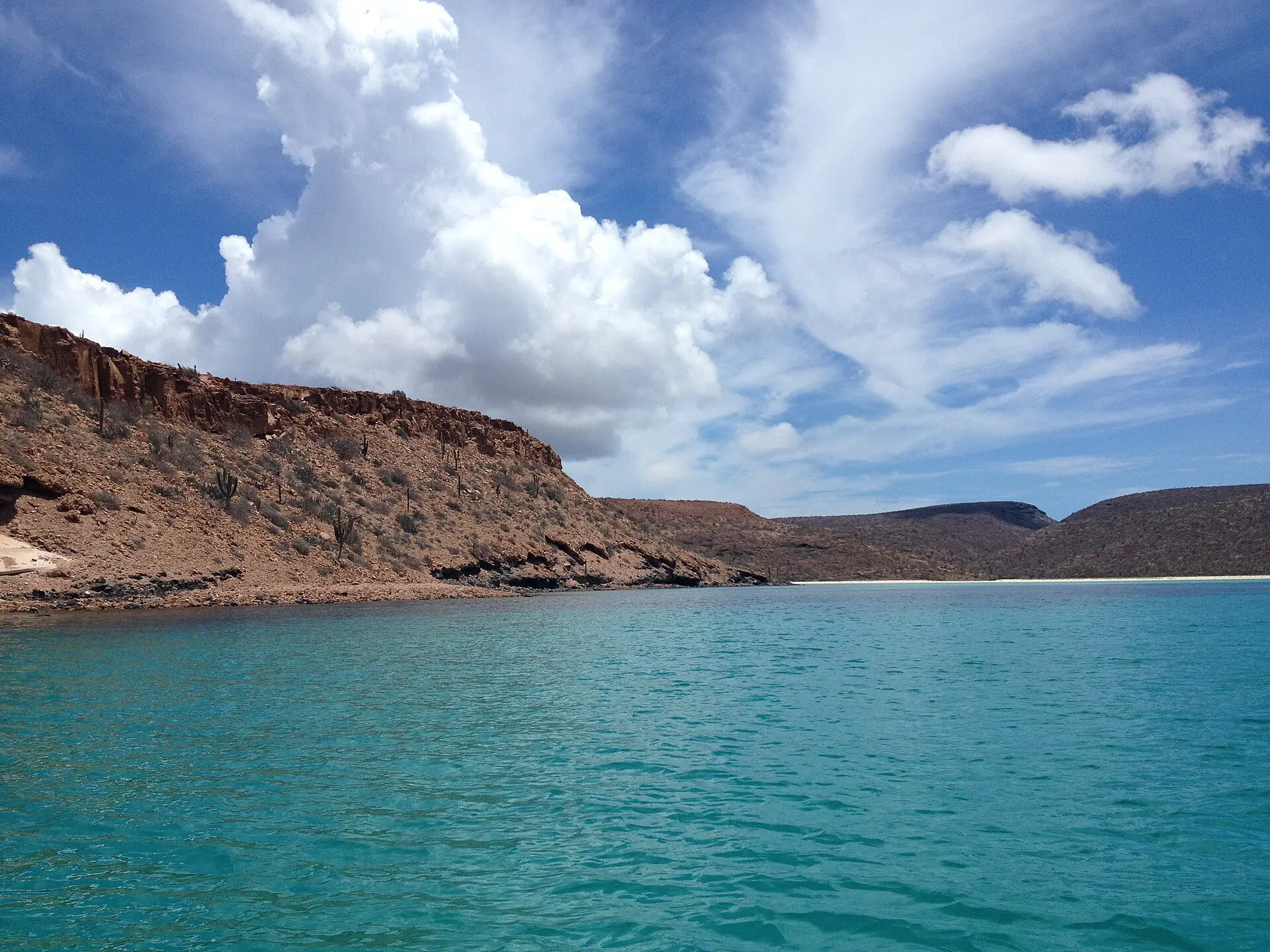
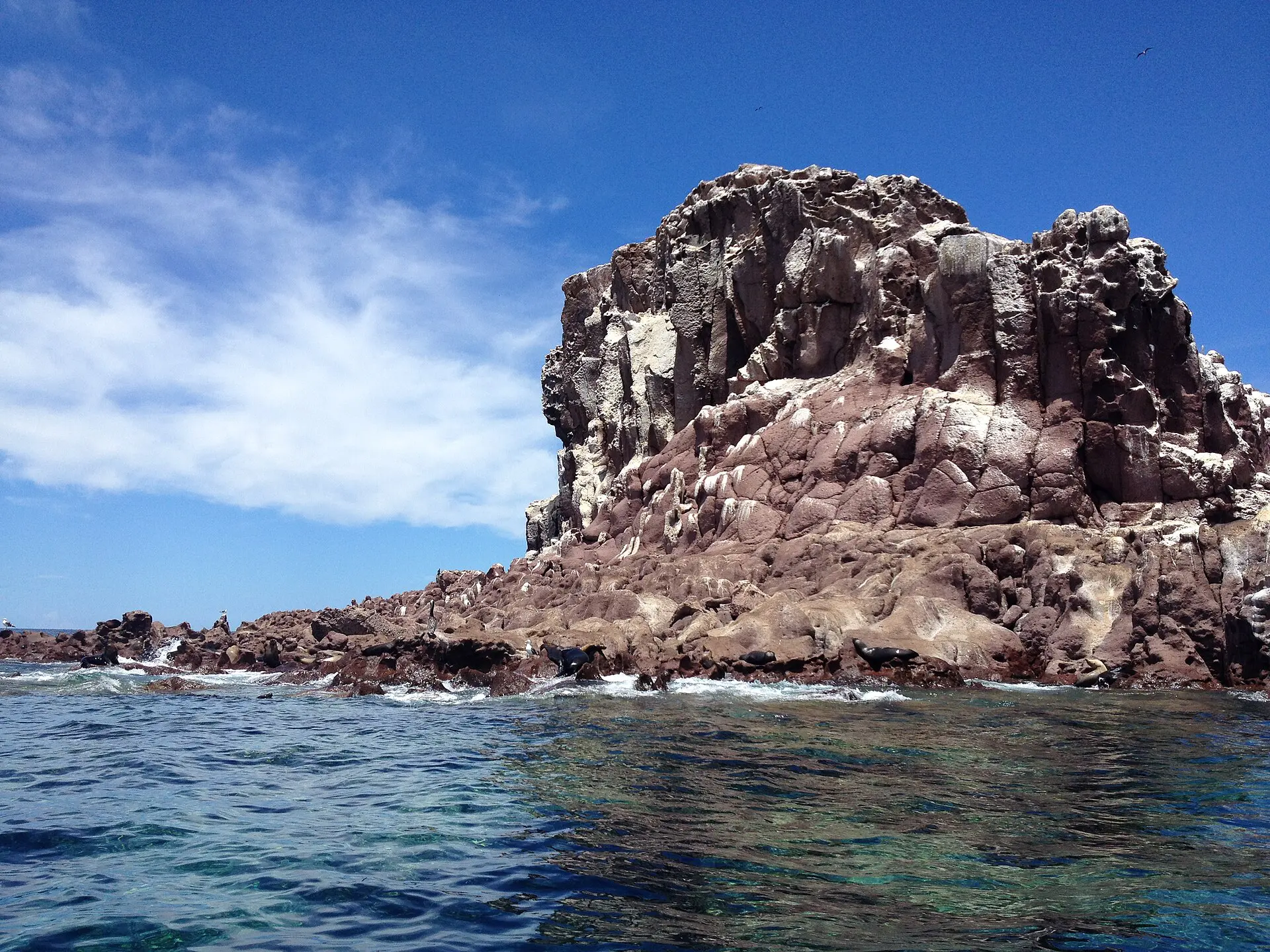
Espiritu Santo is the big island group offshore, known for rock formations, pale coves and clear water. Boat tours leave from La Paz and nearby marinas and usually include snorkelling and a beach stop, sometimes lunch. Pick an operator with a licence, insurance and small groups, and ask what the tour includes. Keep a spare day in case the sea cancels trips.
6. Snorkel with sea lions at Los Islotes
Los Islotes is a rocky islet near Espiritu Santo with a sea lion colony, and many island tours include a stop to snorkel with them. The animals are wild, so keep your distance, do not touch them and follow the guide. It is a good reason to book the island boat day on a clear morning.
7. Swim with whale sharks
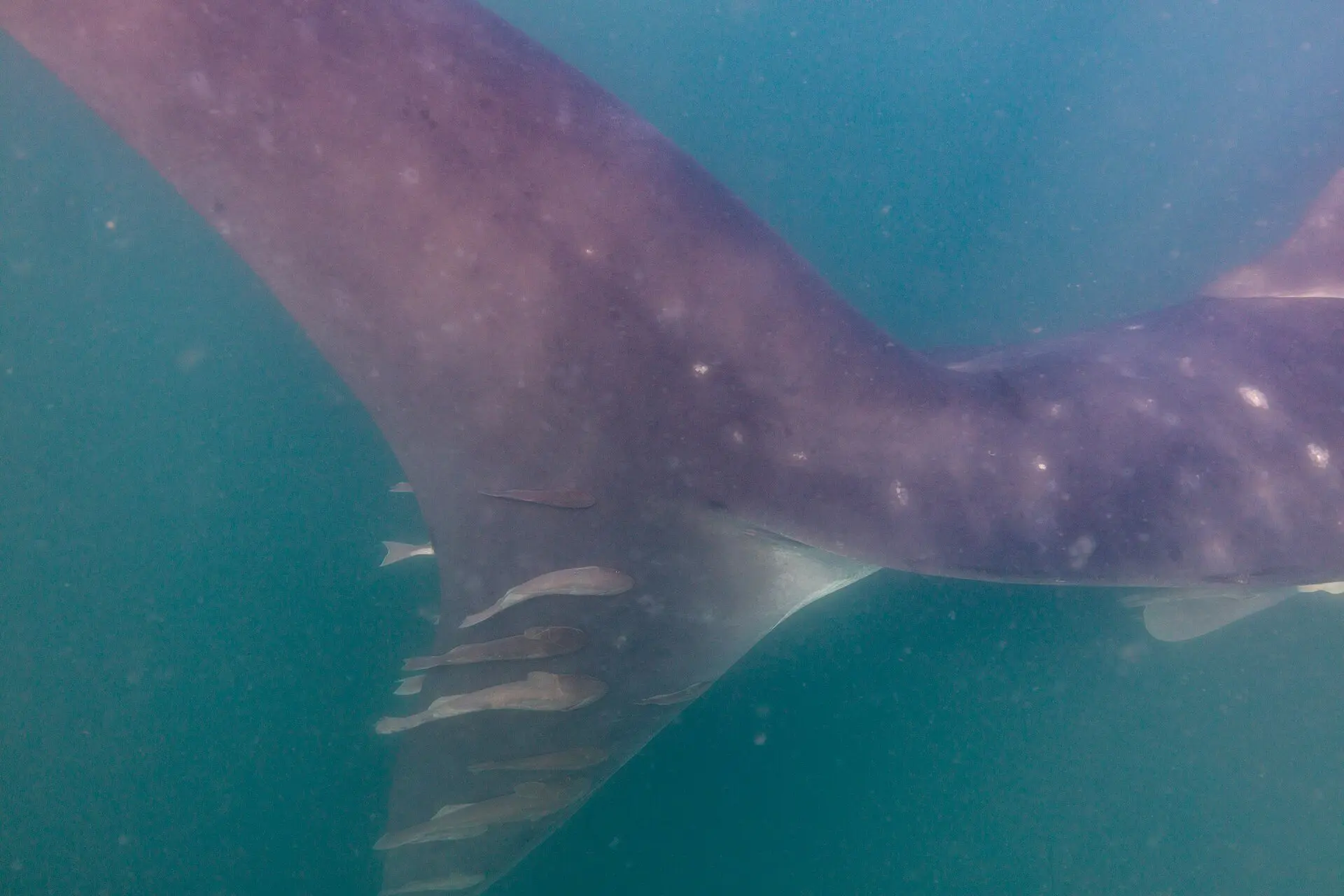
In the cooler months, usually from around October to April, whale sharks gather in the bay of La Paz, and licensed boats take small groups out to swim beside them. Rules are strict about distance and numbers, which is good for the animals. Check the season and choose a responsible operator, and take motion sickness tablets if you are prone.
8. Eat fresh seafood and fish tacos
Seafood is the thing to eat here: ceviche, grilled fish, shrimp and fish tacos from small stands and casual restaurants near the malecon. Look for busy places and fresh catch. For a month-long stay, eating locally is the biggest saving and the easiest way to settle into a routine.
Where to stay in La Paz
- Centro and the malecon: the best choice for first stays. Cafes, restaurants, the waterfront and the plaza are all within walking distance, and many monthly apartments are here. Evenings can be a bit lively.
- Quieter residential streets inland: cheaper rentals, a more local feel and good for long stays, though you will rely on taxis or ride-hailing in the heat.
- Along the bay toward Pichilingue: calmer, near beaches and boats. Good if you want sea views and have a car, less so if you rely on walking.
For work, ask about a dedicated desk, backup power and the internet provider before you commit. We cannot vouch for specific connections, so run a speed test on arrival.
Getting around La Paz
The centre is flat and walkable. Taxis are plentiful and usually cost about US$5 to 10 across town, and Uber is available; agree on the price before you get in and confirm it is not per person. The airport is a fair distance from downtown, and the Wikivoyage La Paz guide lists preset airport fares. Ferries from mainland Mexico arrive at Pichilingue, about 30 minutes north of the city. Rental cars are useful for beaches, but insurance can be expensive.
How much does a trip to La Paz cost?
Rough daily figures in US dollars, hedged and as of 2026:
- Budget, around US$50 to 80 a day: a simple room or shared apartment, local food, buses and taxis.
- Mid-range, around US$100 to 180 a day: a good apartment or hotel, restaurants, one tour a week.
- High, around US$250 and up: a beachfront hotel, private boats and multiple tours.
A one-month band for a single working traveller is roughly US$1,800 to 3,000, with rent as the main variable. Winter prices run higher than summer.
Is La Paz worth visiting?
Yes, especially if you want a calm Mexican city with real marine life nearby and a pace that suits a working month. The Wikipedia entry on La Paz gives the history. Who should skip it? If you want big-resort nightlife, Los Cabos is a better fit. If you need dense nightlife, museums or fast public transport, a larger mainland city works better. Summer heat is also hard for some people, so plan around it.
FAQ about La Paz
Is La Paz, Mexico safe?
It is clean, safe and attractive, and many visitors find it relaxed. Use normal city precautions, keep valuables out of sight and check current travel advice before you go. Conditions can change.
What is the difference between La Paz, Mexico and La Paz, Bolivia?
They are different cities in different countries. This one is the capital of Baja California Sur, at sea level on the Sea of Cortez. The Bolivian city is a high-altitude Andean capital, so altitude is only a concern there.
How many days do you need in La Paz?
Three days covers the malecon, a boat day and Balandra. Add a few more for whale sharks, kayaking or a slower pace. Remote workers often stay a month or longer because the routine is easy.
Is La Paz good for digital nomads?
Many like the calm, the sea and the affordable daily life, with cafes and apartments in the centre. Internet quality varies by building, so test before you commit. Check visa rules for your passport and the maximum stay.
How do you get to La Paz?
Most visitors fly into La Paz airport, with some connections from the US and mainland Mexico, or fly into Los Cabos and take a bus of roughly two to two and a half hours. Overnight ferries come from Mazatlan and Topolobampo.