The best things to do in Curaçao are beach mornings, a half day in Willemstad and one boat or cave outing, and that is enough for a week. The island is 444 square kilometres, dry, windy and warm all year, so the real planning question is how to fit sun, swimming and rest into a day that works for children. Below you will find twelve ideas with stamina notes, a sensible base, costs, and a tired-day fallback for each stretch of the trip.
Best time to visit Curaçao
Curaçao sits outside the hurricane belt and averages about 27°C, with trade winds from the east. Rain is short and usually falls at night, mostly from October to February. For families the main variables are crowds, prices and school holidays, not weather.
| Season | Weather | Crowds and prices | Good for |
|---|---|---|---|
| Mid-December to April | Dry, breezy, sunny | Busiest, highest rates | Easy beach days, calm planning |
| May to August | Hot, still sunny | Moderate, school-holiday peaks in July and August | Snorkelling, long pool afternoons |
| September to mid-December | Warm, occasional night showers | Quieter, better deals | Flexible plans, lower budgets |
Whenever you go, book the longer outings early and keep the afternoons light. Check the forecast before you go, as general weather sites are reported to be unreliable for the island.
Top things to do in Curaçao
1. Walk the Willemstad waterfront in Punda
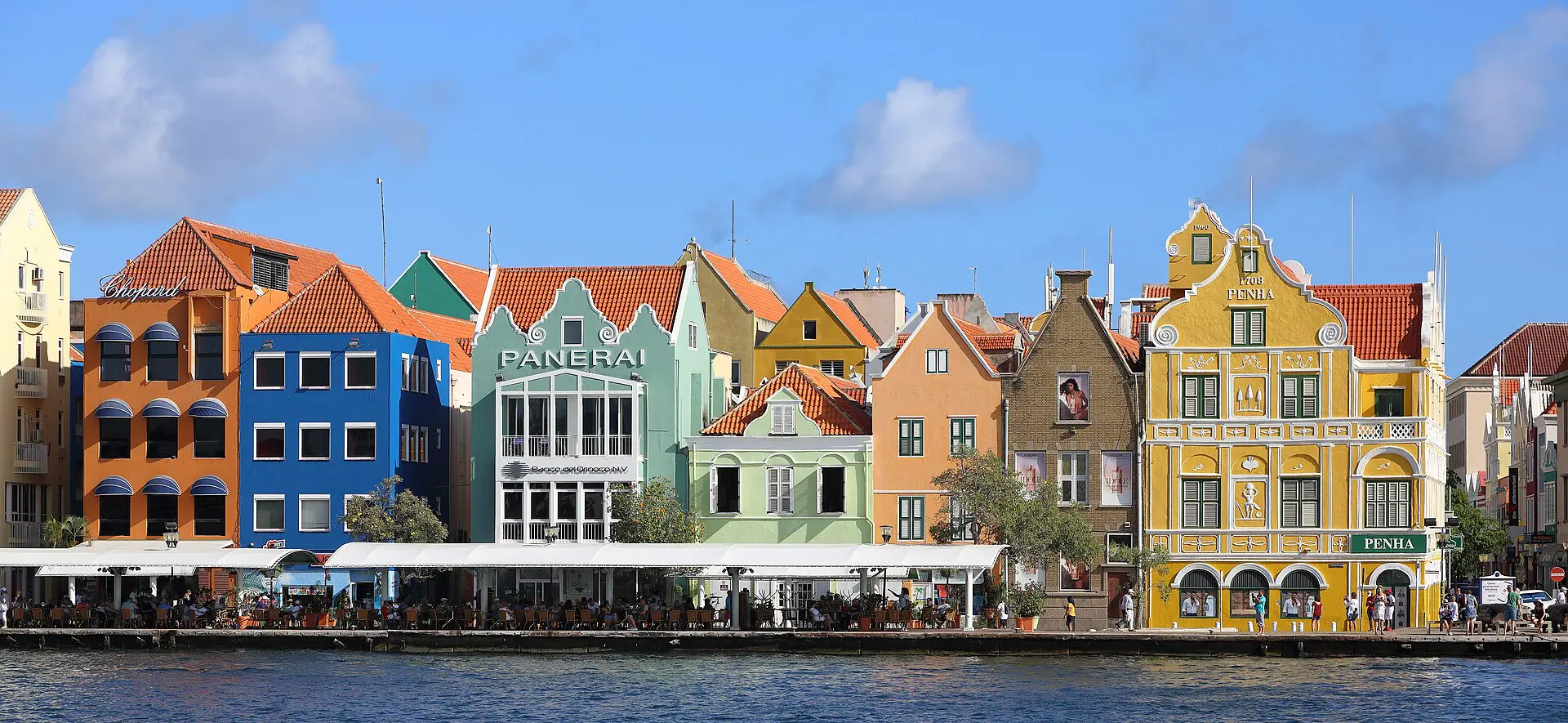
The pastel Dutch-style buildings along the harbour are the image most people have of Curaçao, and the old centre is a UNESCO World Heritage site. Go early, before the heat and any cruise-ship crowds, and plan for about 90 minutes. Stamina: flat and shaded in patches; fine for a five-year-old, but carry water. Finish with an ice cream or a cold drink rather than a museum, and be back at your base by lunchtime.
2. Cross the Queen Emma pontoon bridge
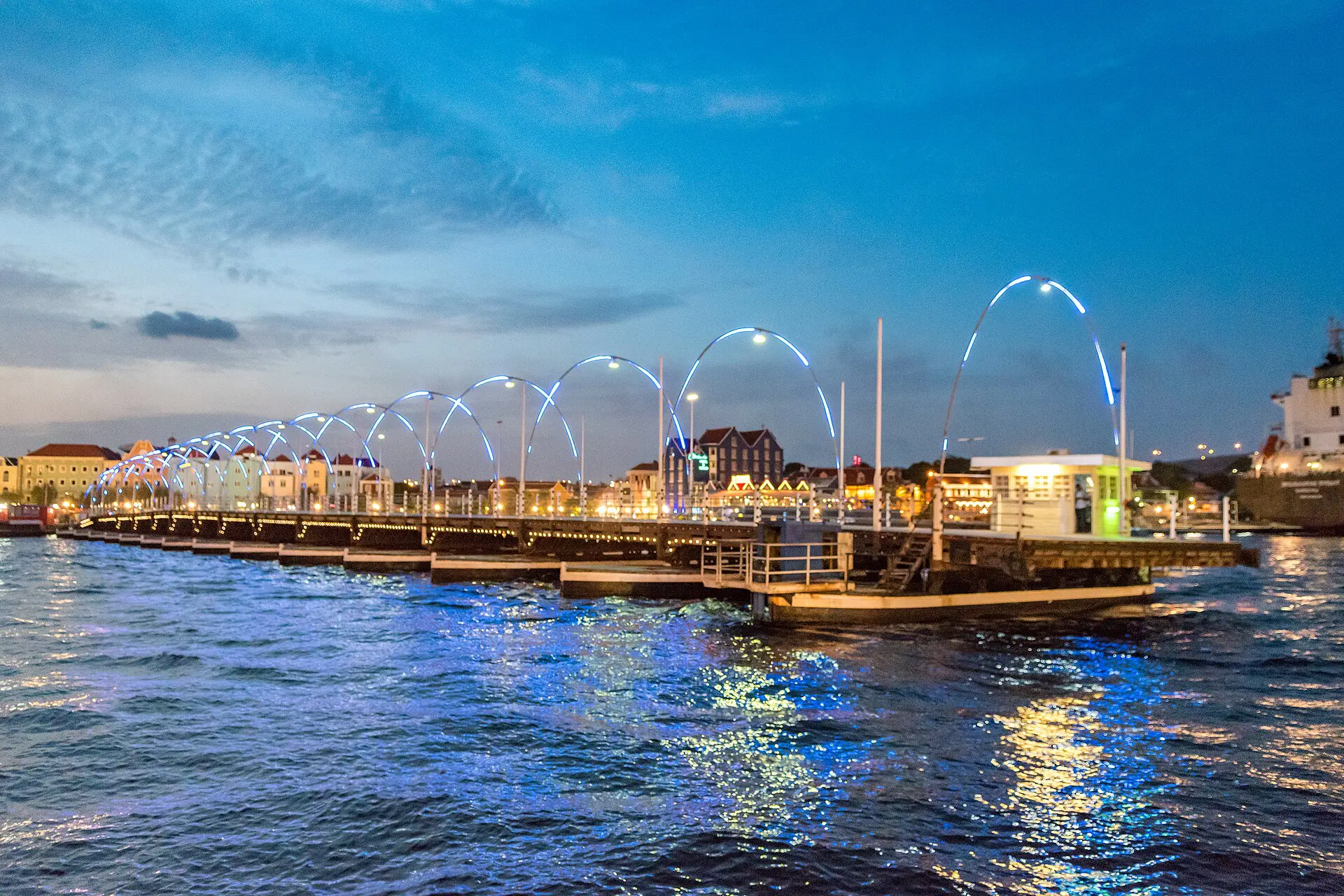
The floating footbridge links Punda and Otrabanda and swings open to let ships through the harbour. Children tend to remember it more than any museum. Watch the opening from the bank if the timing suits you, and ask your hotel about when it is likely to open, since schedules vary. If small legs are tired, use the free ferry that runs when the bridge is open. It takes ten minutes, so there is no need to build a plan around it.
3. Spend a morning at Playa Kenepa (Grote Knip)
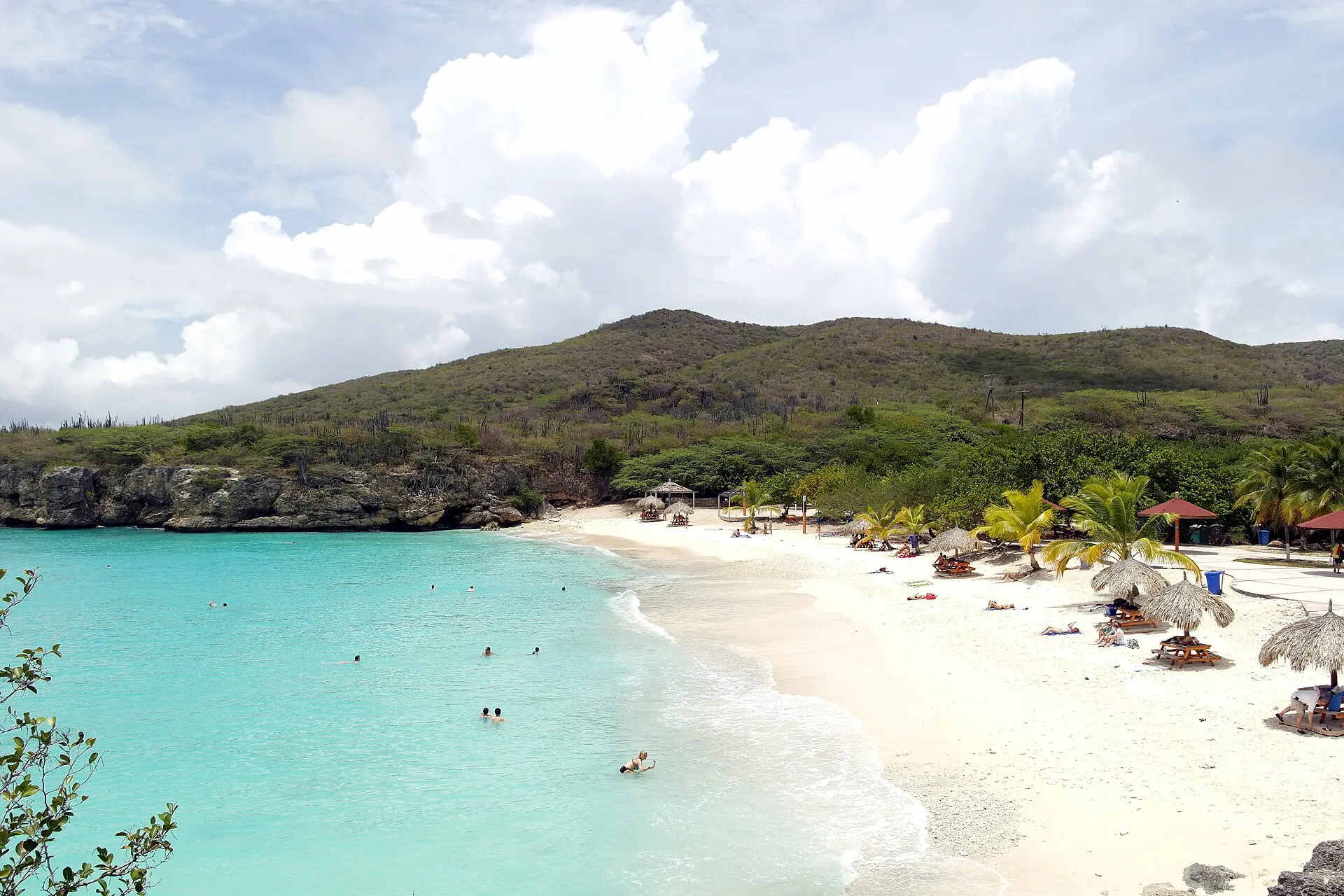
This is the island’s best-known cove, with pale sand and clear shallow water on the west side. It is also busy by late morning, so aim to arrive near opening time. Stamina: there are steps down, and facilities are basic, so bring your own shade, snacks and a bag for rubbish. Budget two to three hours, then drive to lunch. Weekend and holiday crowds are heavier, so use a weekday if you can.
4. Snorkel with turtles at Playa Piskado or Cas Abou
Playa Piskado, near Westpunt, is the spot most often suggested for sea turtles in the shallows, and Cas Abou has easy entry and some shade. Both suit a child who is confident with a mask in calm water. Use a flotation vest for younger swimmers, and keep sessions to 45 minutes. Rest anchor: sit down with a snack and shade afterwards. Conditions change, so check the sea state on the day before you commit.
5. Visit the Curaçao Sea Aquarium and its animal encounters
This is a good option for a hot, low-energy half day, and many families keep it as the main indoor-ish backup. Sections include shallow lagoons, feeding sessions and optional encounters with sea lions or dolphins at extra cost. Check the daily schedule and book timed encounters ahead in busy months. Stamina: mostly flat and paved, with lots of shade nearby. Allow three hours and plan lunch afterwards.
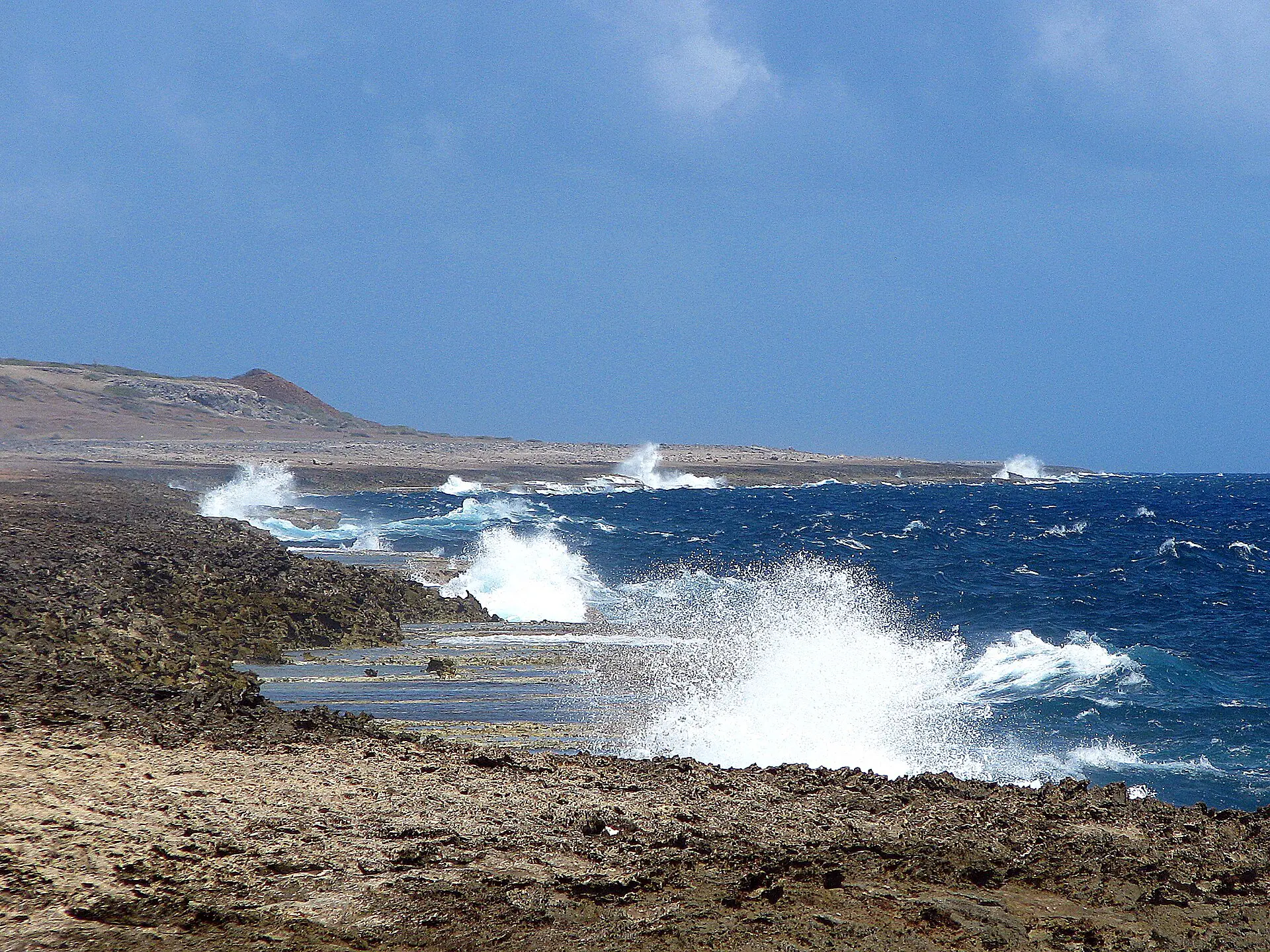
6. Take the Shete Boka National Park loop
Shete Boka means seven inlets, and here the Atlantic crashes into narrow limestone coves on the north coast. It is dramatic rather than relaxing: the sea is not for swimming, and the rocks near the edges are uneven, so hold hands on the viewing sections. Allow an hour. It suits children aged about six and up who can follow a simple rule about staying behind the markers. Combine it with a drive to Westpunt.
7. Climb part of Christoffel National Park
Mount Christoffel, at about 375 metres, is the island’s highest point, and the park has shorter trails for those who do not want the summit. Go at opening time, since the climb is exposed and the heat builds quickly. Stamina: the summit route is for older children with decent energy, while the shorter loops and a drive-through of the park suit younger ones. Bring a litre of water per person.
8. Explore the Hato Caves
The limestone caves near the airport are a cooler, shaded activity when the sun is strong, and guided tours explain the formations and the bats. They involve stairs and some low ceilings, and the humidity is high, so wear closed shoes and keep expectations modest for toddlers. Tours are short, roughly an hour, and they fit well into a morning on the day you arrive or leave.
9. Visit the Landhuis Chobolobo liqueur distillery
The orange-peel liqueur that carries the island’s name comes from the dried skin of the laraha, a bitter citrus that grows here. The distillery and its old house give adults a short, curious stop, and children can look at the colourful stills. It will not fill half a day, so treat it as an hour on the way to or from Willemstad. Choose a day with a nap or rest break built in.
10. Do a late afternoon at Mambo Beach or Jan Thiel
These two stretches near the city have easy parking, sunbeds, calm shallow water and restaurants within reach. That makes them good for the end of the day, when the heat eases and everyone wants a swim without the packing. Food anchor: an early dinner by the beach works better than a late one, especially if you have a child who tires at seven. Some areas are lively in the evening, so check which side you prefer.
11. Walk Pietermaai and Scharloo at golden hour
Pietermaai, east of Punda, has restored colonial houses, and Scharloo, nearby, has the grand merchant streets from the late nineteenth century. A slow 45-minute walk and an early dinner make a gentle evening. Stamina: flat, with little shade after sunset and uneven pavements in places, so a light stroller works only on the main streets. Keep this for a day when the morning was active.
12. Try a donkey sanctuary or ostrich farm visit
Wild donkeys, goats and iguanas are part of the island, and several small farms and sanctuaries let children feed animals under supervision. Treat them as short stops of around an hour, helpful on a slow day. Check opening days and any entrance fee before driving, and keep hands and fingers well away from beaks and mouths. They are an easy yes for ages three to eight and rarely worth a long drive.
Day trips from Curaçao
Klein Curaçao by boat
The small uninhabited island to the south-east is reached on organised boat trips, which are usually a full day, with a long crossing each way. The water is clear and snorkelling is good, but the sea can be rough, and there is limited shade. I would take this with children of eight and older who are comfortable on boats, and bring motion-sickness medicine for everyone. Book early in high season.
West coast loop to Westpunt
A drive of roughly an hour from Willemstad, with beach stops at Playa Kenepa, Playa Lagun and Playa Porto Mari. Leave by 8:30, swim before the heat, lunch at Westpunt, and head back mid-afternoon. It is the most reliable full-day plan on the island because you can drop any stop without breaking anything. Pack a cooler with water.
East side by car: Santa Barbara and Spanish Water
The south-east has calmer, more sheltered bays and the Spanish Water inlet, which is useful for kayaks or paddleboards if you like to be on the water. It is a short drive from most bases, so it works well as a half day when children are still sleepy. Check the wind first, since the exposed stretches can be rough.
Where to stay in Curaçao
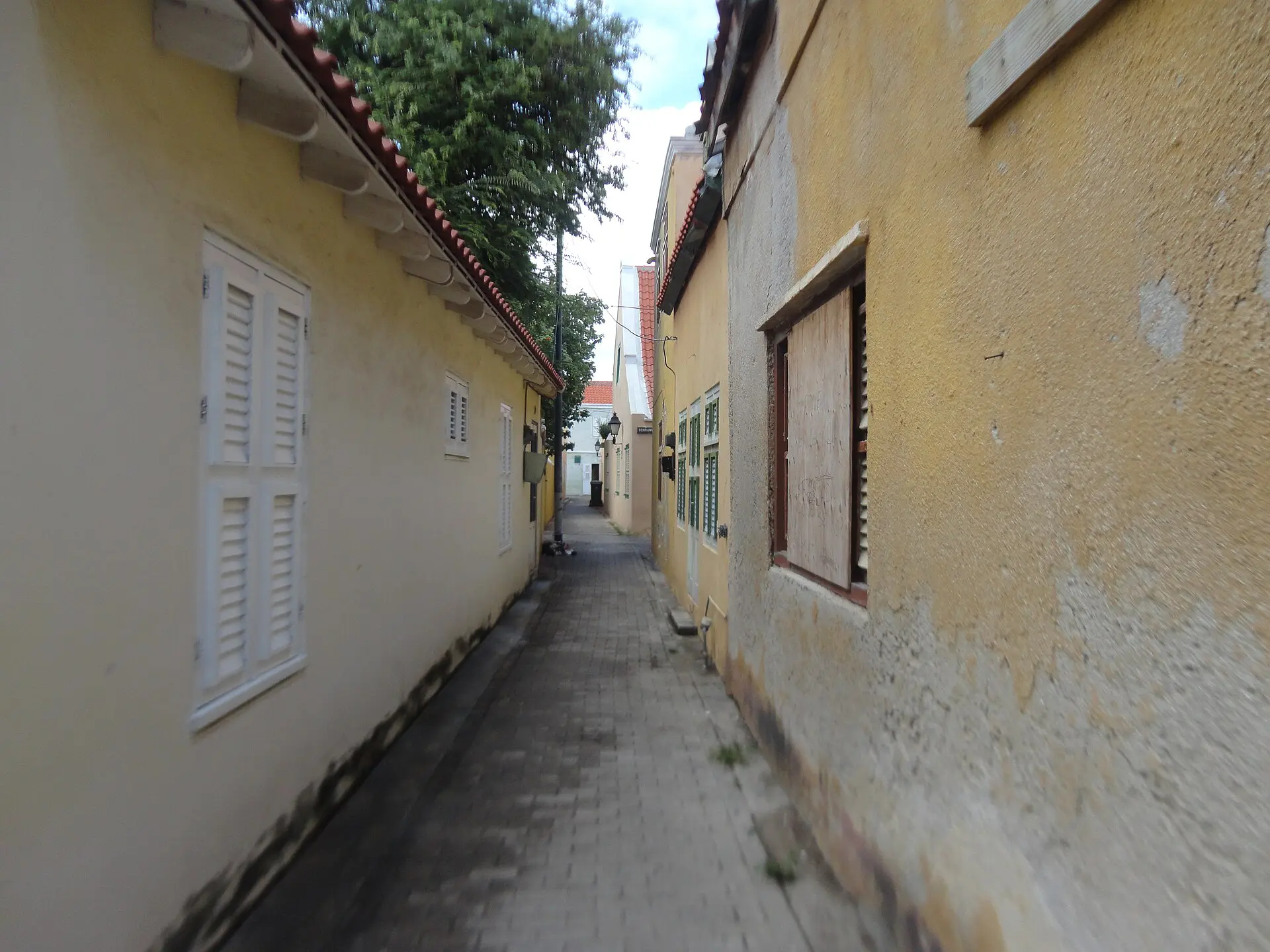
- Willemstad (Pietermaai, Punda, Otrabanda): best for walking, restaurants and history. Beaches are a short drive away, and some older streets have little shade. Suits families with school-age children who like to wander in the evening.
- Jan Thiel and Spanish Water area: resorts, apartments and calm beaches, around 15 minutes from the city. Suits younger children and anyone who wants a quiet base with a car.
- Mambo Beach and Seaquarium area: close to the aquarium, restaurants and lively evenings. Suits families who want activities close by and do not mind some noise.
- West coast (Westpunt, Playa Kenepa area): quiet, with the best beaches on the doorstep but few shops and long drives to the airport. Suits calm, nature-focused trips with a rented car.
Getting around Curaçao
A car is close to essential. Buses reach most places, but departures can be one to two hours apart, and the western beaches are hard to reach without a vehicle. Rental cars are often around US$45 per day, though rates vary by season. Drive on the right, expect assertive local driving, and watch for donkeys, goats and iguanas. Taxis between the airport and Willemstad commonly cost US$20 to US$60. Read the Wikivoyage Curaçao guide for the current bus notes.
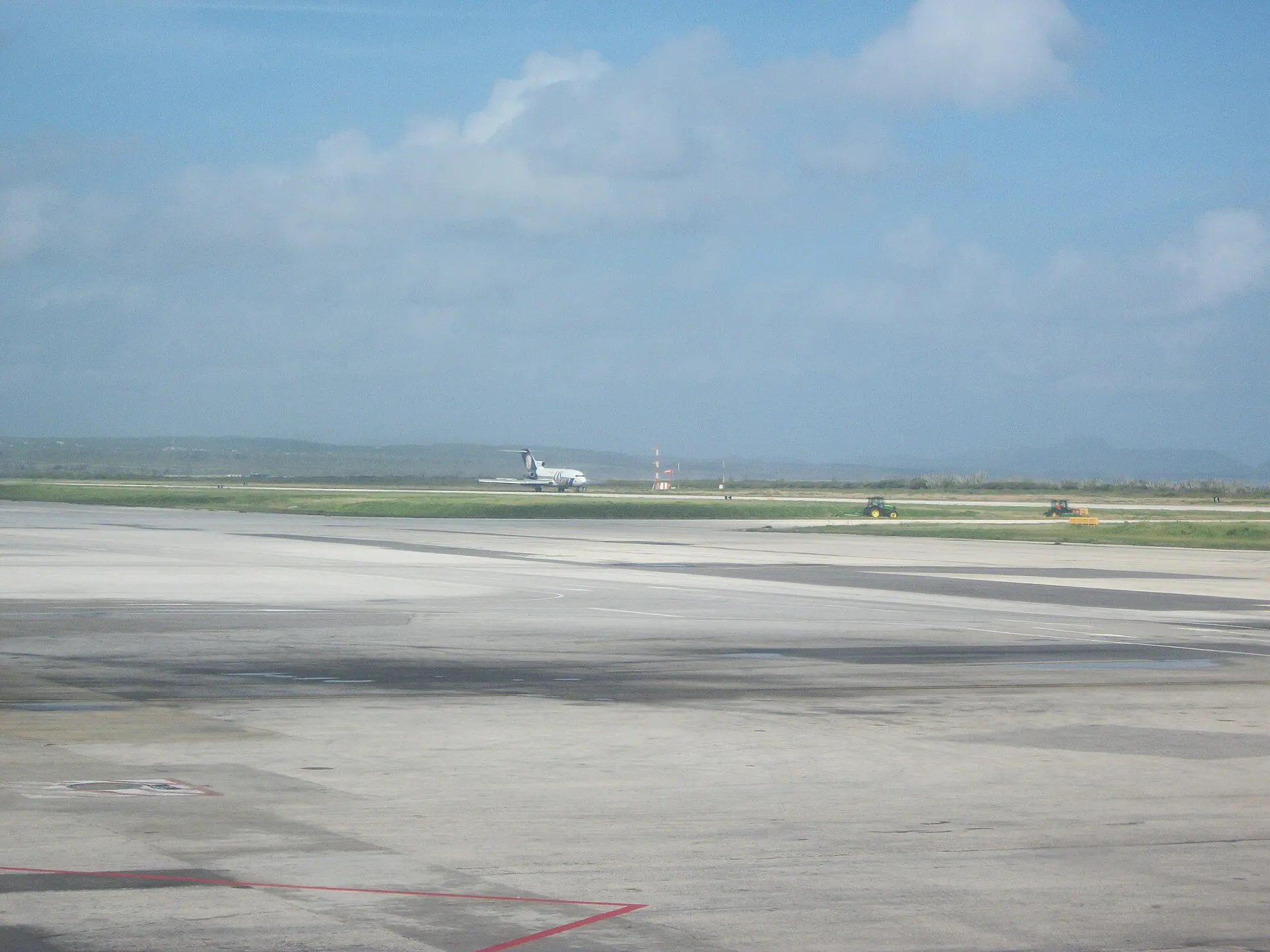
Before flying, check for the Digital Immigration Card, which has been required at least 48 hours before departure, and allow time at immigration, which can run long on busy arrival days.
How much does a trip to Curaçao cost?
These are rough per-day figures for a family of four in US dollars as of 2026, excluding flights, so treat them as ranges to check before you go.
- Budget: about US$200 to US$300. Apartment stays, self-catering lunches, free beaches, one paid outing.
- Mid-range: about US$350 to US$550. Resort or boutique stay, rental car, a restaurant dinner most nights, one or two tours.
- High: US$700 and up. Beach resorts, boat trips and private transfers.
The car and the accommodation tend to be the two biggest lines. Prices climb in the dry season and school holidays.
Is Curaçao worth visiting?
Yes, if you want a warm, dry island with easy beaches, good snorkelling and a distinctive Dutch-Caribbean town, without needing long transfers. It suits a week with a rental car and a loose plan better than a packed itinerary.
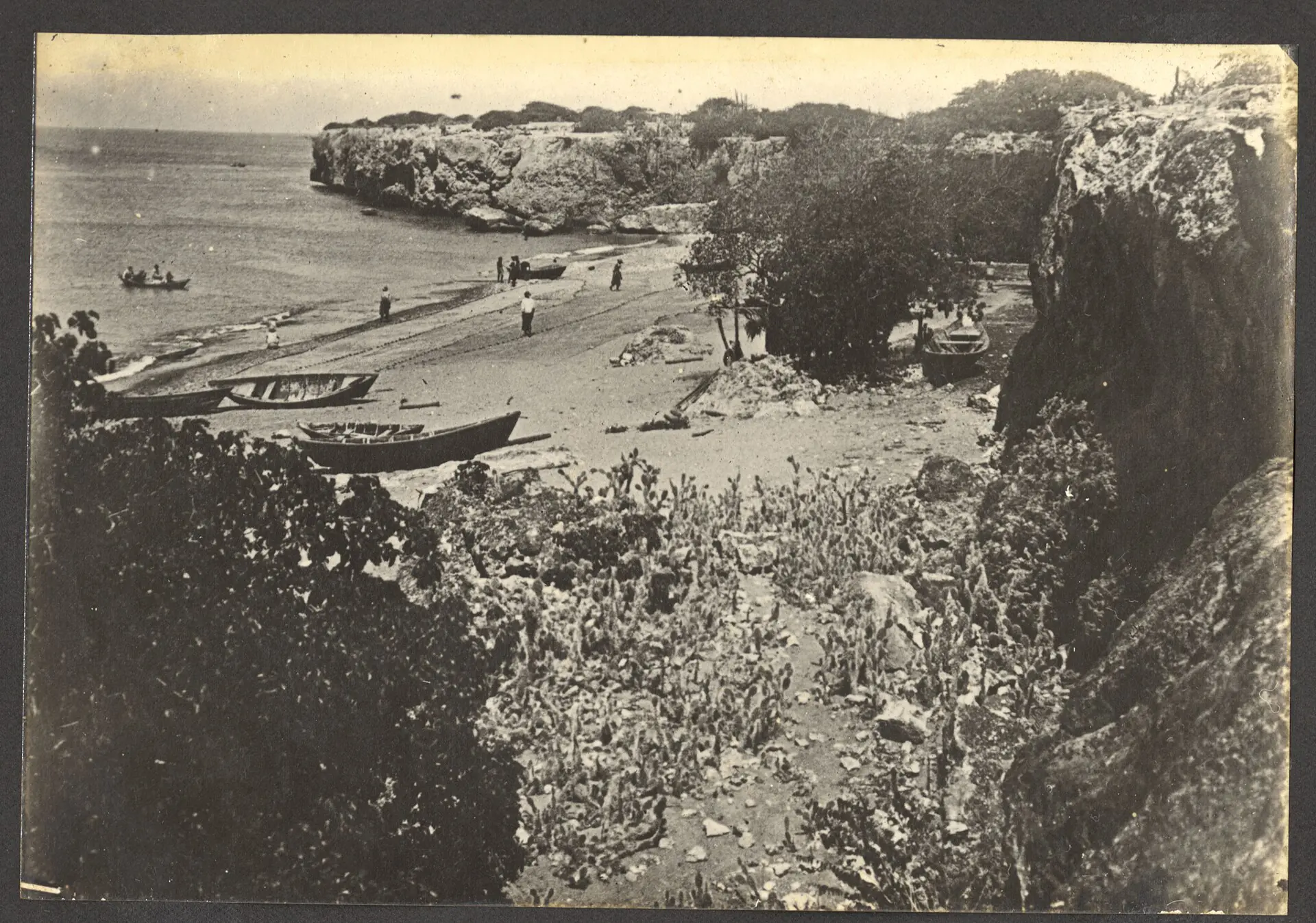
Skip it if you want white-sand resort beaches directly outside your door at every location, as many of the best beaches are coves with steps and limited facilities. Also reconsider it if you do not want to rent a car or drive on narrow roads, or if a long flight on a short break is the main concern. A useful background summary is available.
FAQ about Curaçao
What language do they speak in Curaçao?
Dutch is official, and Papiamentu is the everyday local language. English and Spanish are widely spoken, so visitors rarely have trouble. A word or two helps: danki means thank you, and dushi is a general word for something nice.
How do you pronounce Curaçao?
English speakers usually say it roughly as KYOOR-uh-sow. Locals call the island Kòrsou in Papiamentu, which sounds more like KOR-sow. Either version will be understood, and nobody will mind if you try.
How many days do you need in Curaçao?
Five to seven days is comfortable with children: two or three beach mornings, one Willemstad half day, one boat or west-coast day, plus spare time. With a shorter trip, skip Klein Curaçao and do Willemstad plus the west coast.
Is Curaçao in the hurricane zone?
It lies outside the usual hurricane belt, and no hurricane has been recorded making landfall since tracking began. Tropical storms can still affect the island from time to time. The wetter months run from October to February, and showers are usually short.
Do you need a car in Curaçao?
For beaches and day trips, yes. Public buses exist but run infrequently, and taxis between distant sites become expensive. If you stay in Willemstad and only do city days, you can manage with taxis, walking and the ferry.
What is a good rainy-day plan in Curaçao?
Choose the Sea Aquarium, the Hato Caves or a slow Willemstad morning with a long lunch. Showers tend to be brief, so a pool afternoon often works too. Keep one flexible day each week for tired legs or weather.