The best things to do in Bermuda are short, close together and easy to rearrange: a pink-sand beach morning, a ferry ride, a cave or fort, and an early dinner. No part of the island is far from any other, so you can run a relaxed itinerary from one base with no rental car. The planning issues are the season, the cost and how you use buses and ferries. This guide covers fourteen options with stamina notes, a sensible place to stay and a plan for rain.
Best time to visit Bermuda
Bermuda is in the North Atlantic, not the Caribbean, so it is cooler in winter and more seasonal than most beach islands. Spring to autumn is the best window, though hurricane season runs from June to November. For children, sea temperature is the practical limit: swimming is comfortable from late spring into autumn, and cold in winter.
| Season | Weather | Crowds and prices | Good for |
|---|---|---|---|
| December to March | Mild, breezy, sometimes windy and showery | Quiet, lower rates, few cruise ships | Museums, walking, no swim plans |
| April to June | Warm, increasingly settled | Rising, shoulder prices | Beach days with fewer people |
| July to September | Hot, humid, best for swimming | Busiest, highest rates, cruise days | Snorkelling, long beach days |
| October to November | Warm, storm risk lingers | Quieter, better deals | Flexible, budget-aware trips |
If you must travel in hurricane season, buy flexible tickets and keep plans local. Check the forecast before each outing. Winter can also bring gales and strong winds, which cancel ferries and beach plans more often than rain does, so keep your first and last days free of fixed bookings.
Top things to do in Bermuda
1. Spend a morning at Horseshoe Bay Beach
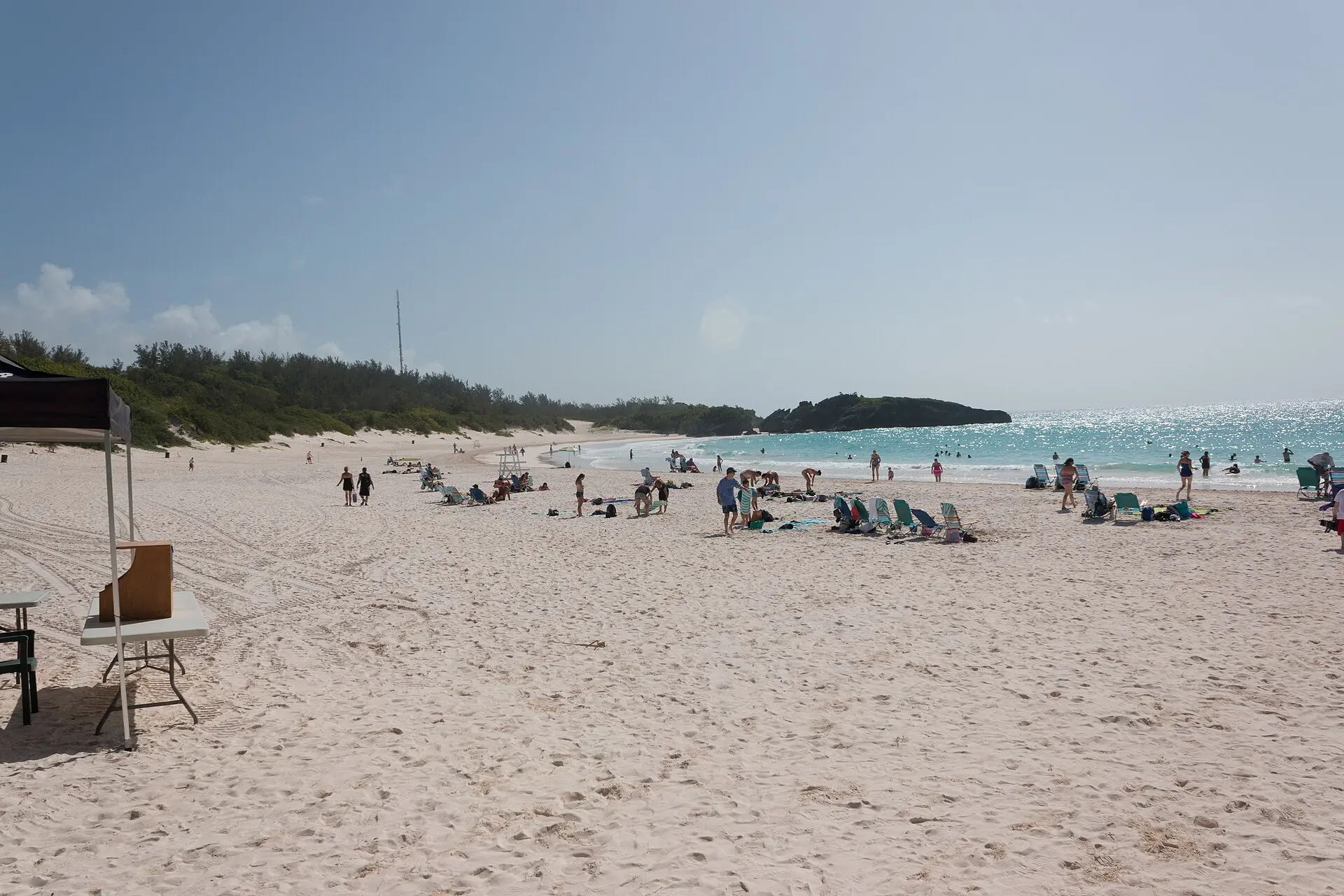
This is the island’s best-known south-shore beach, with pink-tinged sand, a sheltered curve of water and small coves at either end for quiet play. Arrive by mid-morning in summer, before the beach fills and the bus stops get crowded. Stamina: easy for any age, with facilities nearby, but the sun is strong, so shade and rest matter. The sea can have waves and swell on windy days, so check the flags. Rest anchor: take lunch before noon, rest in the shade until about two, then return for a last swim when the light softens and the crowd thins.
2. Walk Warwick Long Bay and the Jobson’s Cove path
Warwick Long Bay is a long, quieter stretch of pink sand, and the path along the cliffs leads to the small cove of Jobson’s. Choose it when Horseshoe Bay feels busy. Stamina: it is about a 20-minute walk between the two, with sand and a few steps, which suits a school-age child but not tired toddlers in the afternoon. Bring water and a hat, because shade is limited.
3. Snorkel at Church Bay
Church Bay, on the south-west, has reef fish a short swim from shore, and the rocks are good for confident children with masks. The sea is calm on most days but not all, so check conditions. Keep sessions to 45 minutes and stop on a shaded patch for snacks. I would pick this over a paid boat snorkel for a first trip with children under eight, because you can leave the moment anyone is cold.
4. Visit the Royal Naval Dockyard
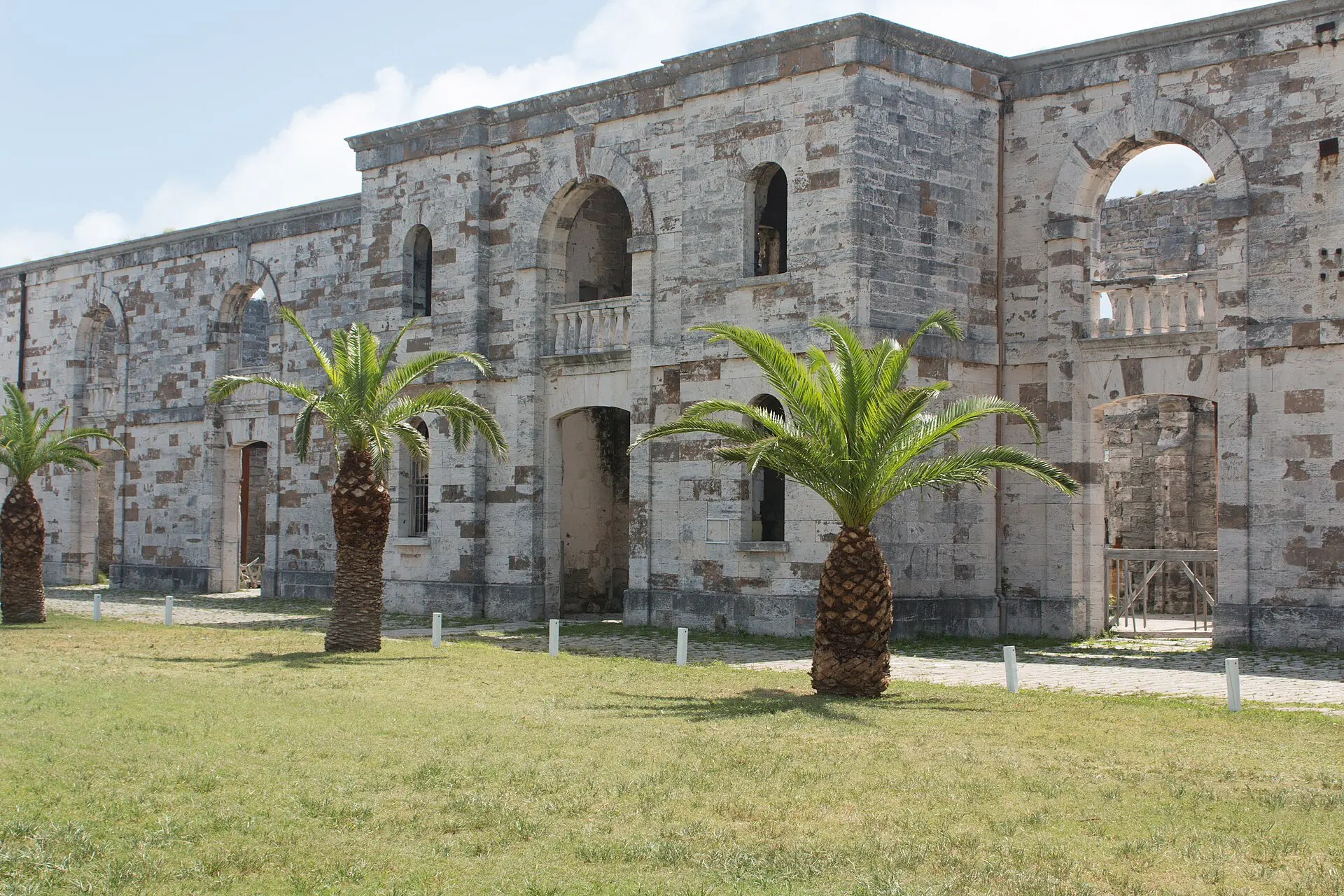
At the West End, the old Royal Navy dockyard holds the National Museum of Bermuda, shops, cafes and open space for children to run. It is the easiest all-weather base on the island, and the fast ferry from Hamilton adds a sea crossing to the plan. Allow half a day, with lunch built in, and use it as your wet-weather fallback because most of it is under cover.
5. Explore the National Museum of Bermuda
The museum sits inside the dockyard’s old fort, and the ramparts, cannons and displays on shipwrecks, naval history and island life keep a school-age child interested. Stamina: there are slopes and steps, with many shaded rooms. Spend 90 minutes, then eat. Check opening hours and the ticket price before you go, as both change.
6. Descend into Crystal Caves and Fantasy Cave
Near Bailey’s Bay, these limestone caves have clear underground pools and stalactites, reached by steps and walkways. The temperature is cooler than outside, which suits a hot day. Tours are short, roughly 30 to 40 minutes, and the stairs can be steep, so it works best for children of about five and up with steady legs. Book ahead in July and August to avoid waiting. Leave pushchairs at the entrance, wear shoes with grip because the floors are damp, and remember that the cooler air makes a short sleeve feel thin after a few minutes.
7. Climb Gibbs Hill Lighthouse
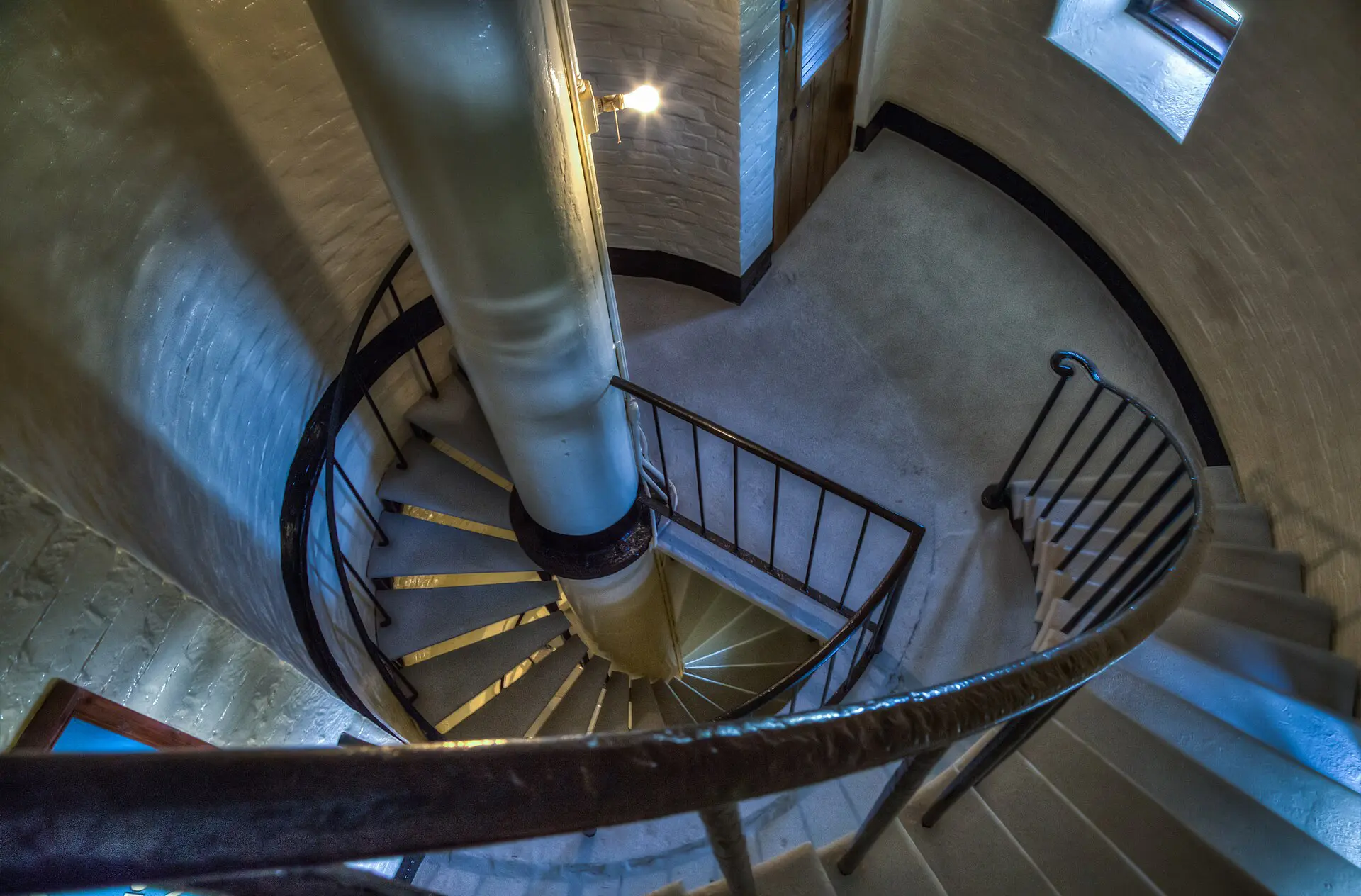
The cast-iron lighthouse, built in the mid-nineteenth century, stands on one of the highest points in Southampton and gives wide views over the reef and the Great Sound. The climb is long, with well over 100 steps, so it suits school-age children who like a challenge, and not very young ones. Go in the morning for cooler air, and allow 45 minutes. Check that it is open before you set out.
8. Wander the streets of St George’s
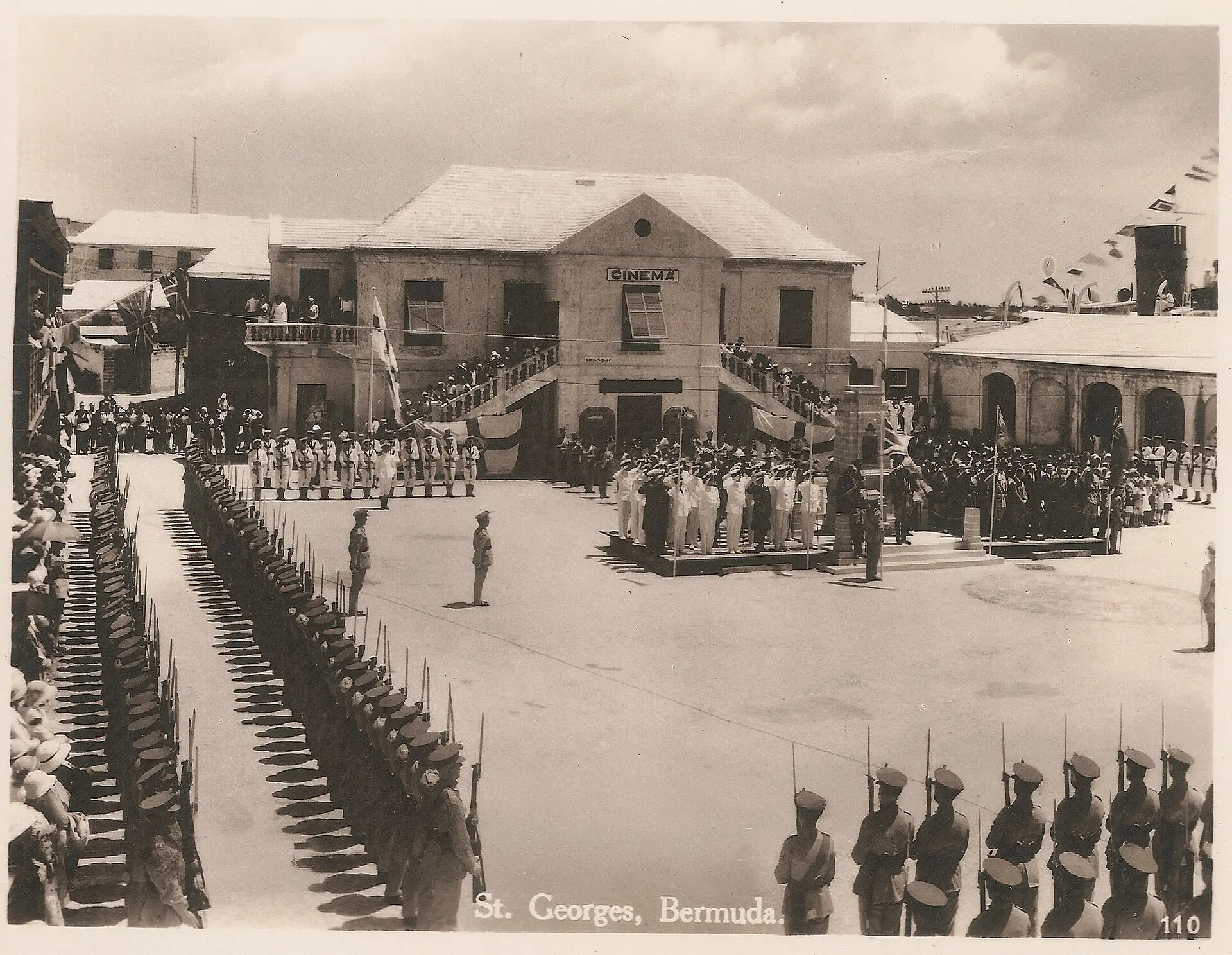
The historic town at the east end, the first capital, is a UNESCO World Heritage site, with narrow lanes, old stone buildings, the Unfinished Church ruin and small squares to rest in. Plan for two to three hours, wear sun hats and take a break at a cafe. Stamina: mostly flat, with some cobbles. It is a good day to pair with Crystal Caves, as the two are fairly close.
9. Visit the Bermuda Aquarium, Museum and Zoo
In Flatts, the aquarium shows reef fish, turtles and seals, and a small zoo adds a few hours of animals and shade. It is useful as a low-effort morning when everyone is tired from beach days, and as a rainy-day option, because many displays are indoors. Check ticket prices and opening hours before you go. Combine it with a stop by the water at Flatts Inlet.
10. Walk part of the Bermuda Railway Trail
The old railway line has been turned into a walking and cycling trail that runs across the parishes, with sections beside the coast and through quiet woods. Choose a short stretch near your base, flat and shaded, with children of any walking age. Pace: 40 minutes out and back, then lunch. There are no big views to chase, which is the appeal when energy is low.
11. Visit Spittal Pond Nature Reserve
This is Bermuda’s largest nature reserve, with a pond, shoreline paths and birdlife that changes through the year. It is a gentle walk, and the rocky south shore has dramatic water. Keep young children back from the cliff edges and wear closed shoes. A one-hour visit is plenty. Bring binoculars if you have them, and let children count birds rather than hunt for specific species.
12. Take a ferry across the Great Sound
The ferries between Hamilton and the West End, and other routes, are cheap, scenic and a treat for children, with the bonus of no traffic. A single crossing can take a bit under half an hour, depending on the route. Check the current timetable, because services run on set schedules and may be reduced in winter. Use a ferry day as a way to see the coast without walking. It is also the best tired-day plan: sit, watch the water, eat a snack and let the boat do the moving.
13. Spend an hour in Hamilton
The capital is small, with Front Street, the harbour, shops and a few historic buildings. It is best used as a transport hub and a lunch stop. Stamina: flat and easy, though hot at midday. Visit in the morning, and keep an eye on closing times, as many shops close early in the evening and on Sundays. Do not plan more than a couple of hours here.
14. Take a glass-bottom boat or snorkel cruise
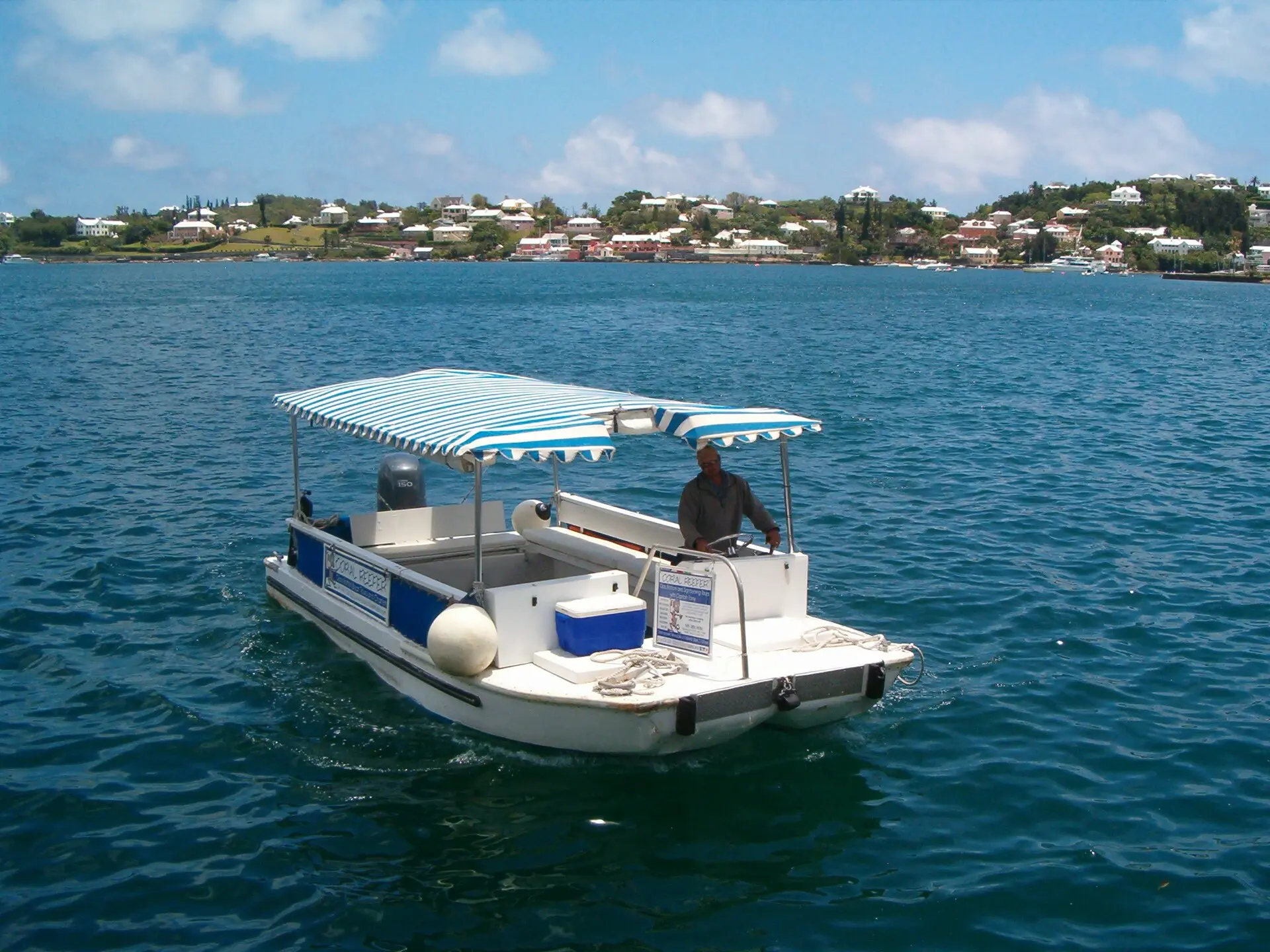
Operators run trips over the reef and wrecks. Glass-bottom boats suit all ages, because children can watch without getting in the water, while snorkel cruises suit confident swimmers of about eight and up. Check the age and safety rules with the operator, and look at wind and swell before booking. Book one such outing for the whole trip, not one per day, and keep it away from nap time.
Day trips from Bermuda
On an island this small, a day trip is an outing to another parish, not a separate journey. These three work well.
West End day: Dockyard, snorkelling and the ferry home
Take the ferry or bus to the dockyard in the morning, spend 90 minutes at the museum, have lunch, and rest or swim before the ferry back. It is a full day, but with long breaks.
St George’s and the east
Start with the caves at Bailey’s Bay, then continue to St George’s for lunch and a slow walk. This pairs well with the airport on arrival or departure day, since the airport is in the east and the town is nearby.
South shore beach circuit
Choose two beaches, such as Horseshoe Bay and Warwick Long Bay, and spend the day moving between them with a lunch stop. Keep a dry plan ready, and take the bus or a short taxi when legs tire. Do not add a third beach. Two swims, one lunch and one rest in the shade is a full day for children under ten, and it leaves energy for dinner.
Where to stay in Bermuda
- Hamilton and Pembroke: best for ferries, restaurants and shops. It is not a beach base, but transport is easiest. Suits first-time visitors and families who want to use buses and ferries.
- South shore (Warwick, Southampton): close to the best beaches and some of the larger resorts. Suits families who prioritise swimming and a pool.
- West End (Sandys, Dockyard area): quieter and closer to the museum, ferries and calm bays. Suits relaxed trips with school-age children.
- St George’s and the east: historic, calmer and close to the airport and caves. Suits those who prefer a quieter base and slower evenings.
Accommodation is among the most expensive costs, so check what is included before booking. Breakfast and kitchen access can lower daily food spending. Whichever area you pick, check the walking distance to the nearest bus stop, since a ten-minute hill with luggage and children is a different trip from a flat two-minute walk.
Getting around Bermuda
Visitors generally cannot rent standard cars, which surprises many families. The usual choices are public buses, ferries, taxis and small rental vehicles such as scooters or electric two-seaters, and the minimum rental age and licence rules apply. Buses and ferries are the practical choice with children, and day passes are often available. Check the current timetable and fare options before you go, as some systems are cash-free or use cards.
Taxis are expensive but useful for late arrivals, and the airport is in St George’s Parish, nearer St George’s than Hamilton. No part of the island is far from any other, so transfers are manageable. See the Wikivoyage Bermuda page for more on entry, flights and getting in.
How much does a trip to Bermuda cost?
Bermuda is expensive, mostly for hotels and food. These are rough daily figures for a family of four in US dollars as of 2026, excluding flights. Check each line before you go.
- Budget: about US$300 to US$450. Guesthouse or apartment, shared groceries, bus passes, free beaches.
- Mid-range: about US$550 to US$850. Resort or cottage stay, a mix of restaurants, ferry and attraction tickets.
- High: US$1,000 and up. Beachfront resorts, taxis, private tours.
Flights are also priced high compared with many Caribbean islands. There is an airport tax of around US$50 per passenger, so check whether it is included in your ticket.
Is Bermuda worth visiting?
Yes, for families who enjoy a compact, safe-feeling island with good beaches, short distances and a mix of history and sea. It is easy to build slow days, and it is close to the US East Coast, which makes it a short flight for many.
Skip it if the budget is tight, if you want warm swimming in winter, or if you like to drive yourself everywhere. The cost of hotels, food and flights is the main drawback, and the weather outside summer limits beach time. The Wikipedia entry on Bermuda gives useful background on the island’s history and government.
FAQ about Bermuda
Is Bermuda a country?
No. Bermuda is a self-governing British Overseas Territory, with its own parliament and premier, while the United Kingdom is responsible for foreign affairs and defence. It has about 64,000 people and is often discussed alongside the Caribbean, though it lies in the North Atlantic.
Is Bermuda in the Caribbean?
No. It is in the North Atlantic, roughly 1,000 km from North Carolina, so its climate is cooler and more seasonal. Its culture has links with the Caribbean, and it is an associate member of CARICOM, but it is not in the Caribbean Sea.
How many days do you need in Bermuda?
Four to six days is comfortable with children. That gives you two beach mornings, a dockyard day, a day in St George’s, and a spare day for rain or tired legs. A long weekend can work with one base and one outing per day.
Can tourists rent a car in Bermuda?
Generally no, as visitors cannot rent standard cars. Use buses, ferries and taxis, or rent a scooter or small electric vehicle if you meet the age and licence rules. With children, public transport is simpler and less stressful.
When is the water warm enough to swim in Bermuda?
Most families find the sea comfortable from around late May through October, with the warmest swimming in summer and early autumn. Winter and early spring are cool. If swimming is the priority, plan for summer and check current sea temperatures.
What is there to do in Bermuda when it rains?
Go to the Royal Naval Dockyard and its museum, the aquarium in Flatts, or Crystal Caves. A ferry ride is also fine in light rain. Keep one slack day in the schedule, since showers are usually short and a pause often solves the problem.