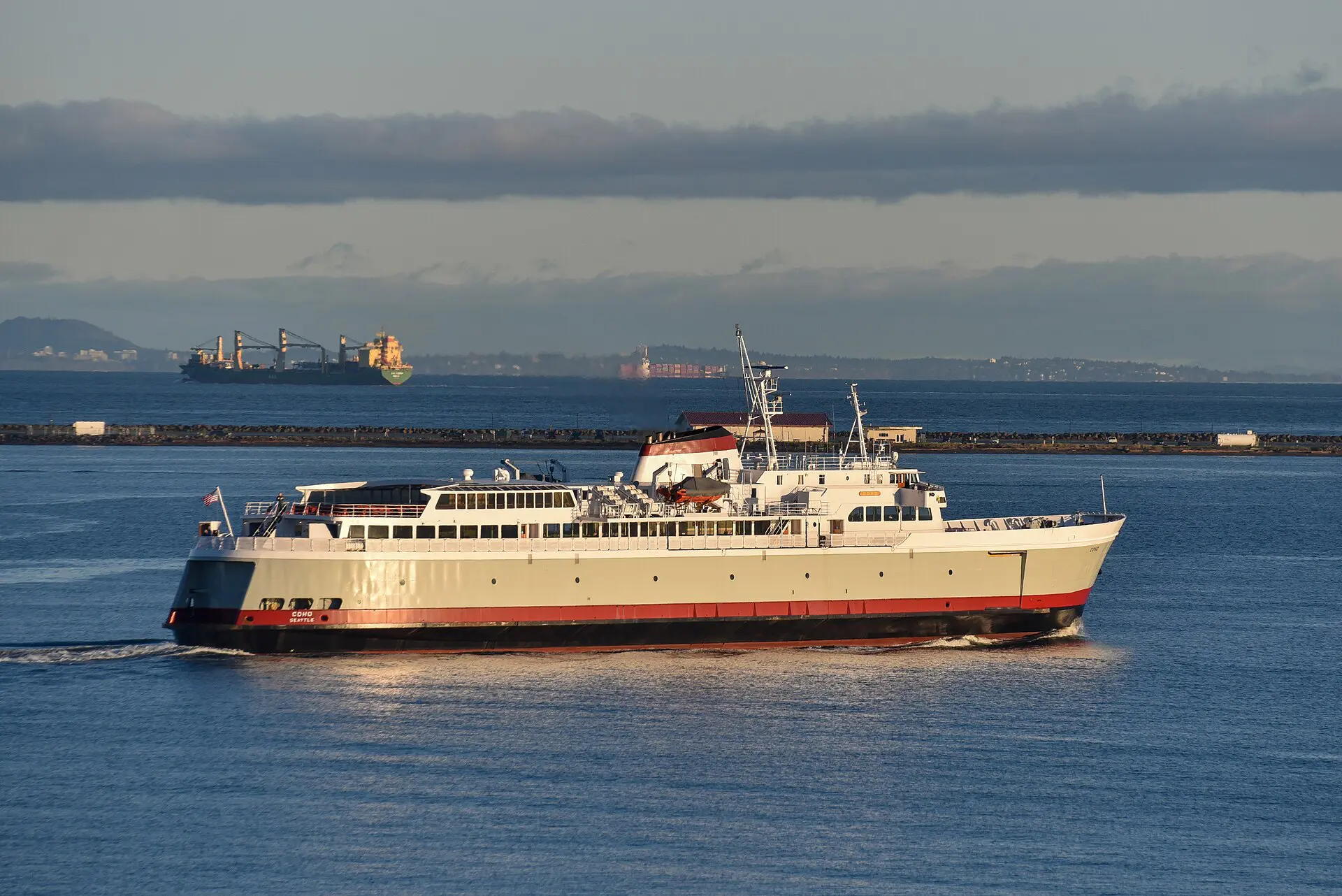
The Port Angeles to Victoria ferry crosses the Strait of Juan de Fuca in roughly 90 minutes, carrying vehicles and foot passengers on the MV Coho. Sailings are fewer in winter and more frequent in summer, and the crossing is a short one that still gets cancelled by wind, fog or maintenance. Book a vehicle space ahead, arrive early for border checks, and keep a fallback route in mind. Below: what the crossing costs in time, what stops it, and what to do when it does.
Routes and operators from Port Angeles and nearby
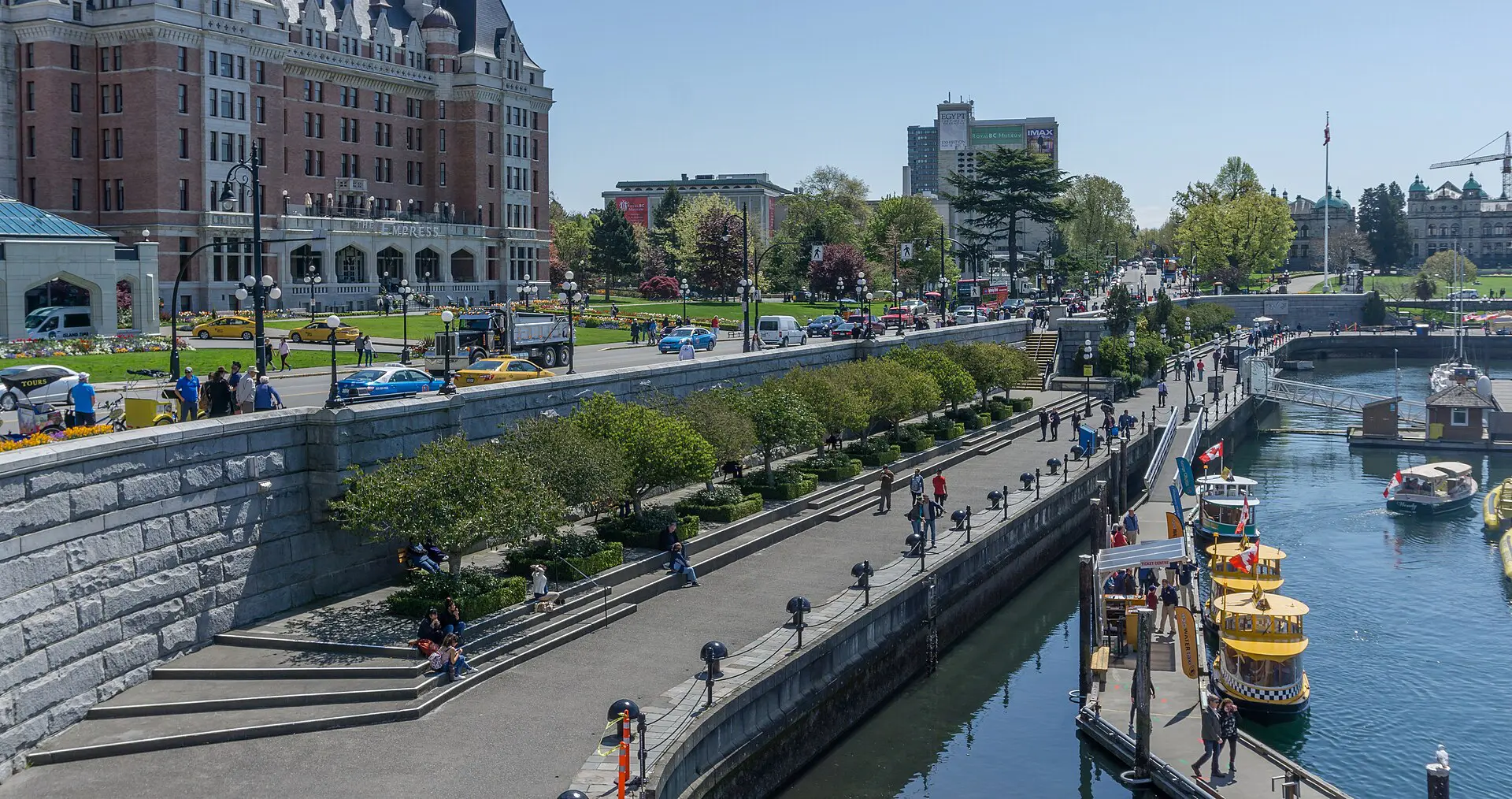
There is one main year-round vehicle ferry on this crossing, the MV Coho, from Port Angeles on Washington’s Olympic Peninsula to Victoria’s Inner Harbour on Vancouver Island. A passenger-only boat has run on the same route in summer in some years; whether it operates in 2026 and on which dates is something to check, not assume. Both land you in downtown Victoria, a short walk from the centre.
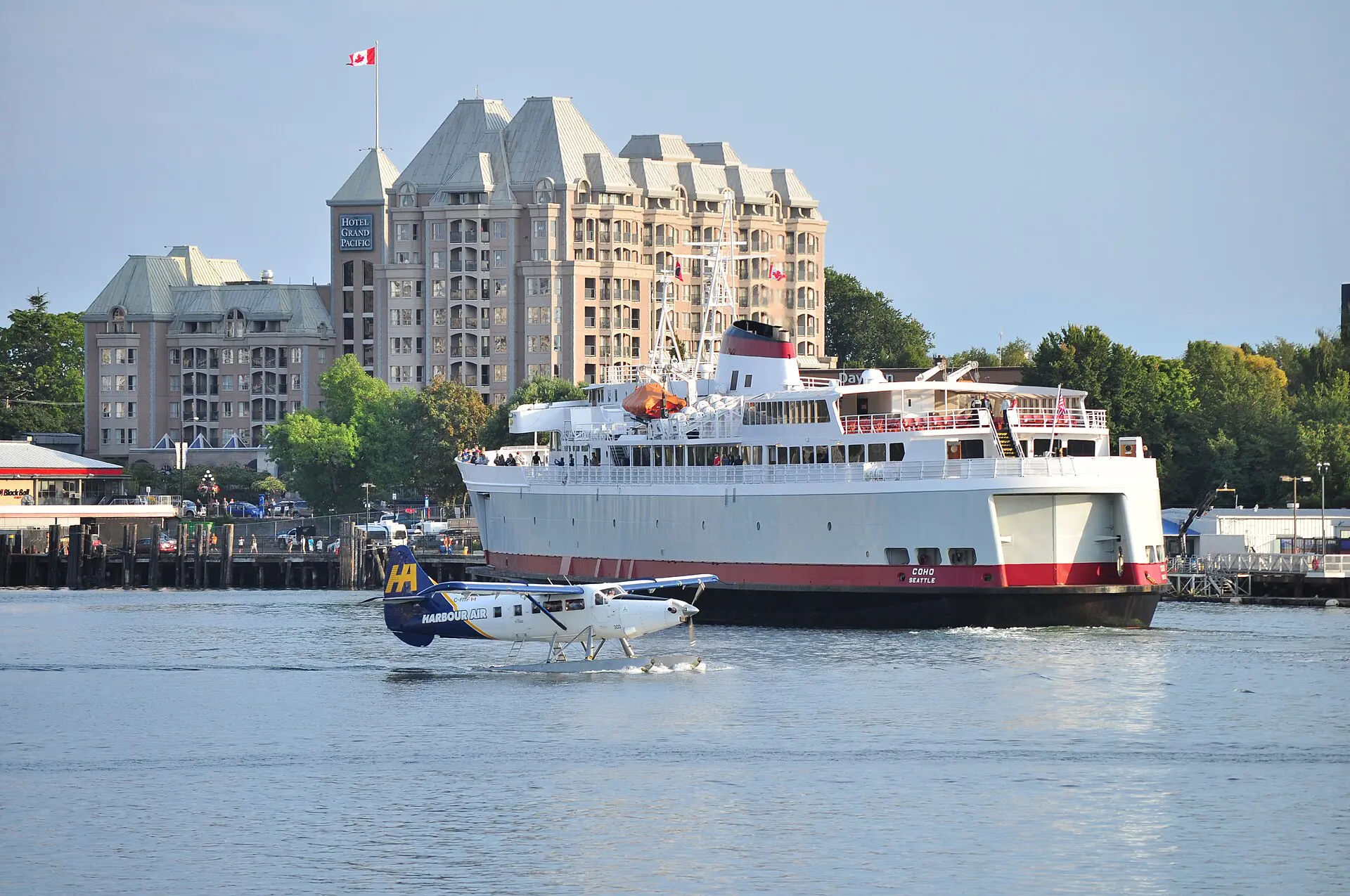
If the Port Angeles boat is full or off, the other crossings are from Seattle (a passenger-only fast ferry of roughly 2.5 to 3 hours, seasonal in parts) and from Anacortes to Sidney, north of Victoria, on a larger state ferry. Sailing times and fares change every season: confirm directly with each operator.
Port Angeles to Victoria: routes, times and what cancels them
Times are typical and rounded. Schedules vary by season and year.
| Route | Typical crossing | Frequency by season | What cancels it |
|---|---|---|---|
| Port Angeles to Victoria (vehicle and foot) | About 90 minutes | Several daily in summer; fewer in winter | High wind and swell, dense fog, mechanical faults, annual maintenance |
| Port Angeles to Victoria (passenger only, when running) | About 1 hour | Seasonal, usually summer | Smaller boat: wind and swell cancel it first |
| Seattle to Victoria (passenger only) | About 2.5 to 3 hours | Daily in peak season; reduced off-season | Weather, tide and mechanical faults |
| Anacortes to Sidney (vehicle and foot) | About 3 hours | Limited, often once or twice daily, and seasonal | Weather and low demand cuts |
How cancellations work on the Port Angeles to Victoria ferry
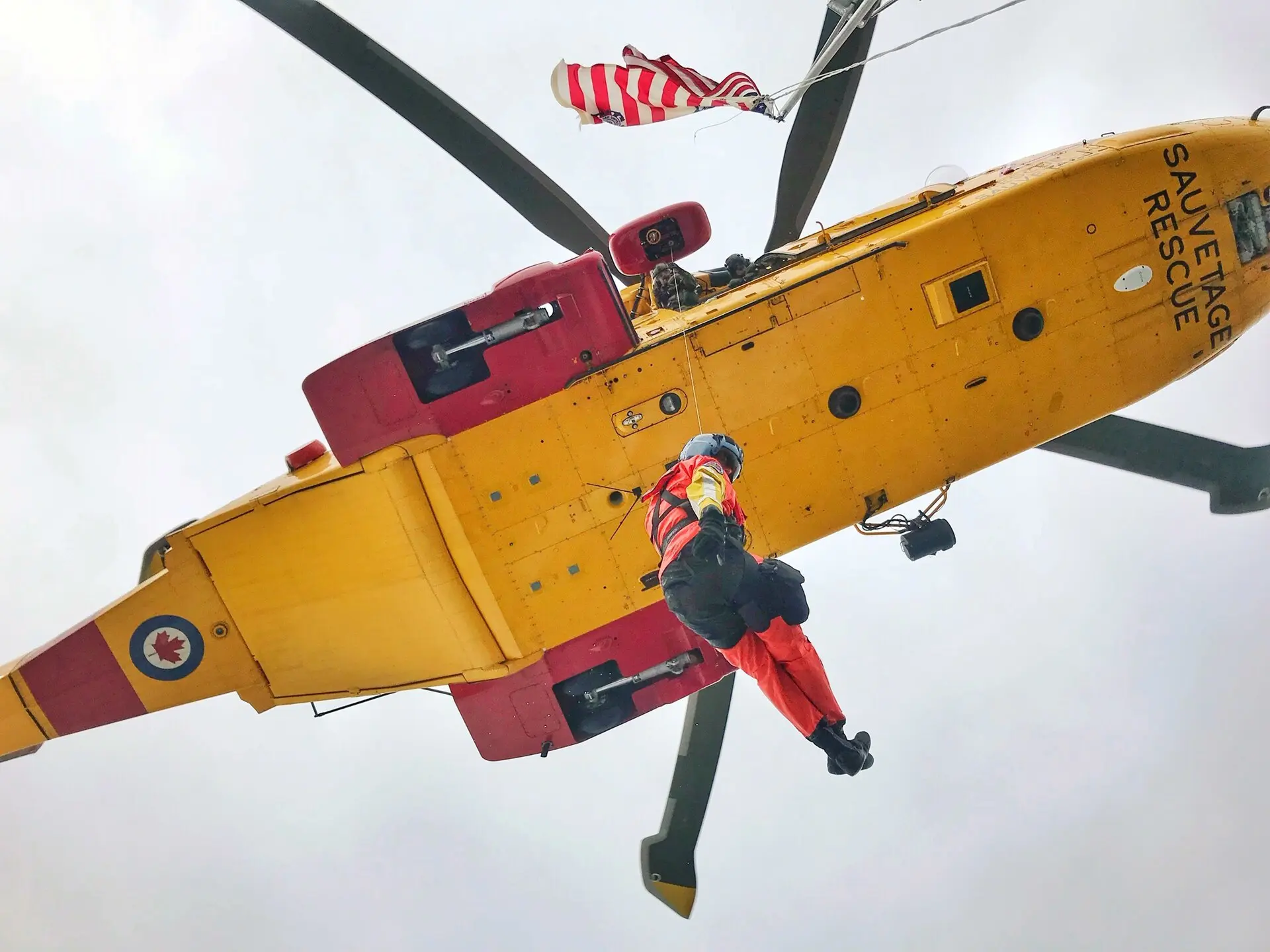
The Strait of Juan de Fuca is open water, with strong westerly wind, tidal currents and frequent fog in late summer and autumn. A cancellation usually comes from wind and swell, from fog that stops the crew navigating safely in the harbour approach, or from a mechanical fault. The most predictable gap is the annual maintenance period, often in winter, when the boat is out of service for some weeks. Check the operator’s published dates.
When a sailing is cancelled, the operator generally offers a rebooking or refund, but conditions vary by ticket type. Read the terms before you pay for a non-refundable fare. Sign up for the operator’s alert service if one is offered, and look at the status page on the morning of travel, not the night before.
Getting to the Port Angeles ferry terminal
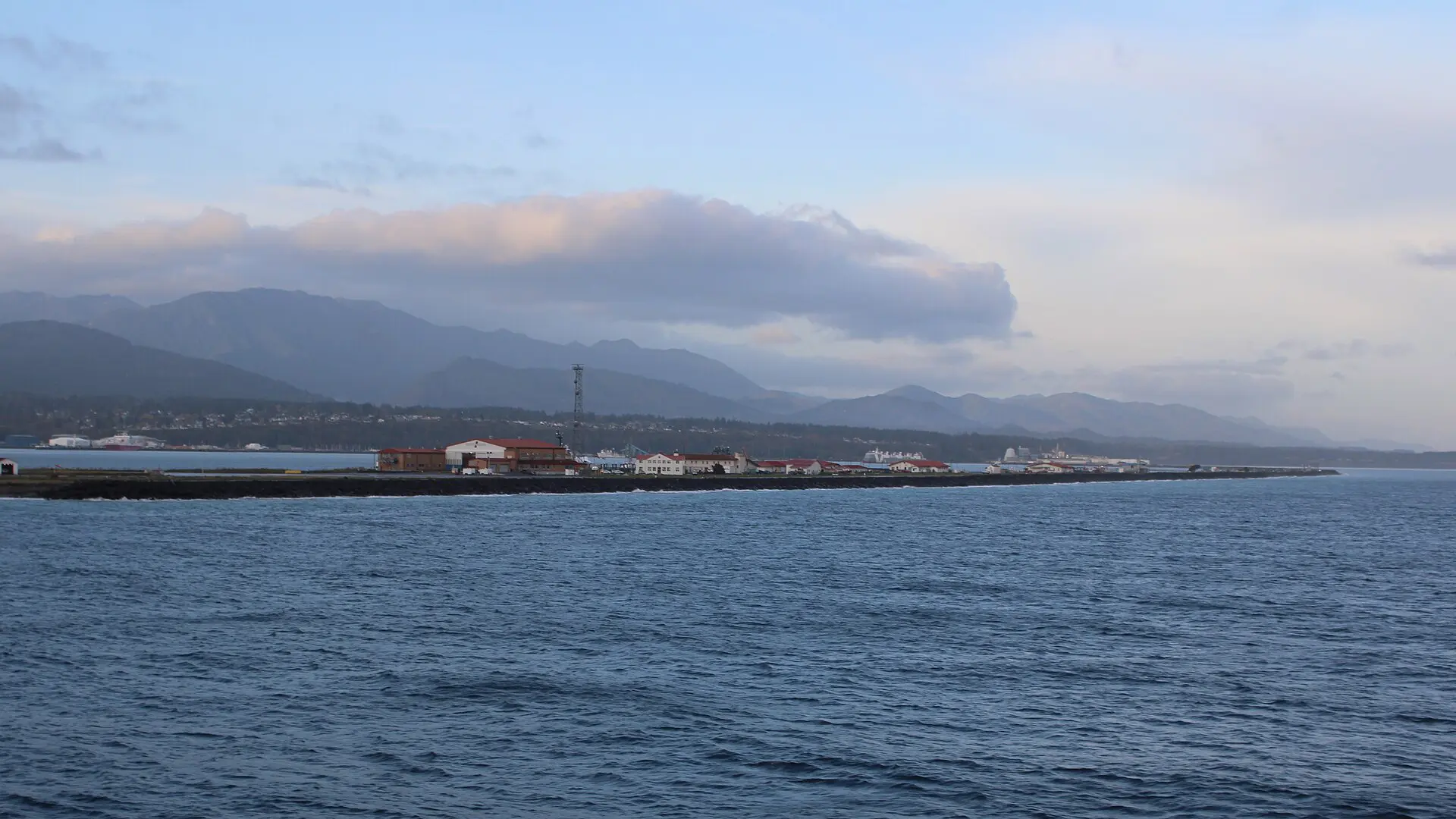
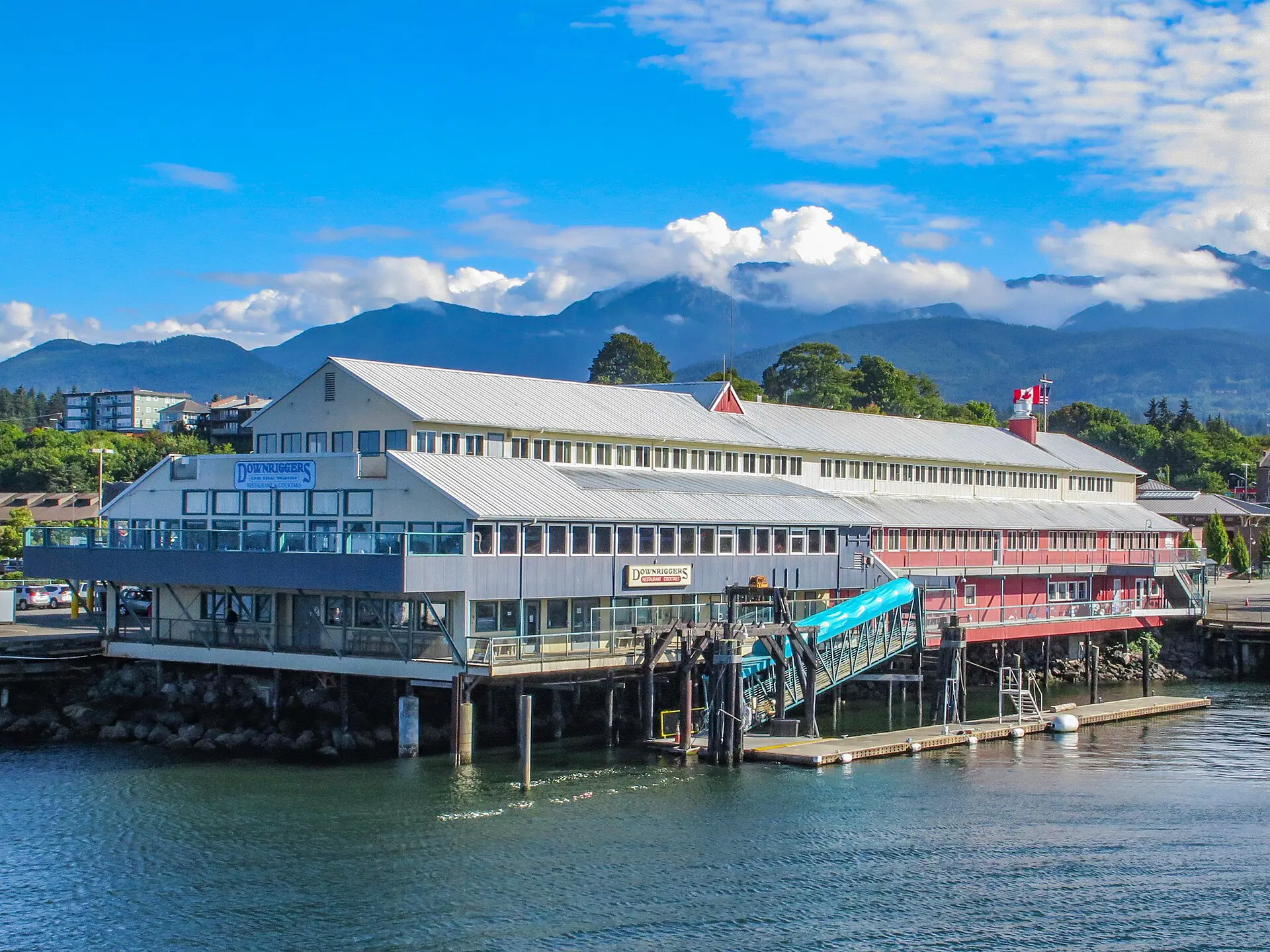
The terminal is on the downtown waterfront in Port Angeles, the largest city on the Olympic Peninsula (about 20,000 residents), with an airport and bus connections. From Seattle, the trip by road and the Seattle-area ferries takes roughly 2.5 to 3.5 hours, depending on queues for the Puget Sound crossing. Allow an extra 60 minutes on summer weekends, and plan to reach the terminal at least 60 to 90 minutes before a vehicle sailing.
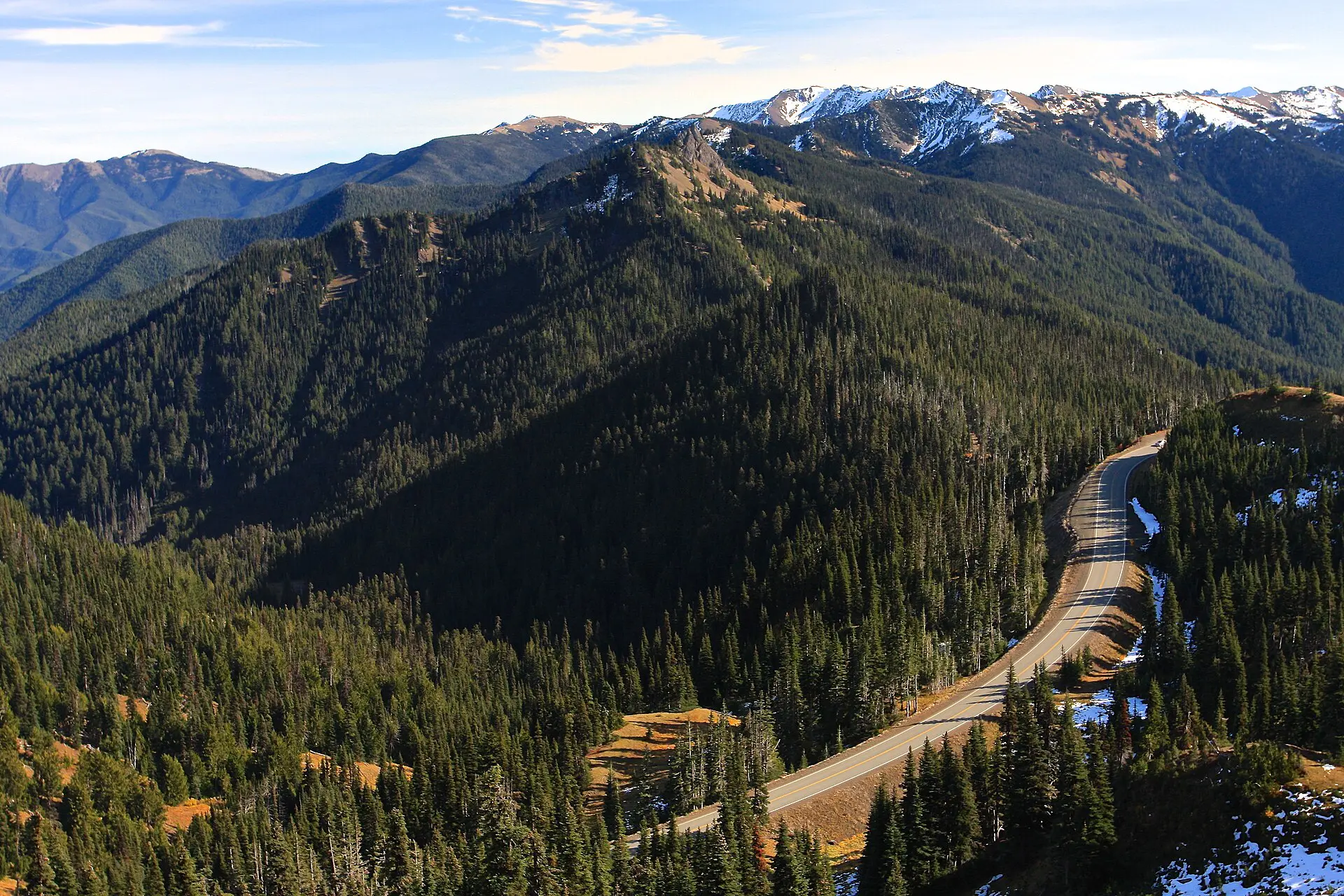
Port Angeles is also the main gateway to Olympic National Park. The Hurricane Ridge road starts about 30 minutes to an hour from town, depending on traffic and snow. If you are combining the park with Victoria, do the park first and the ferry on a day with slack time. You will need a valid passport or other accepted travel document for Canada and for the return to the United States, and vehicles are subject to border checks at both ends. Check the United States travel guide and official border pages for the current rules.
Buffer-day rules and what to book flexible
- Add a buffer day on both ends if you have a flight, a hire-car return or a non-refundable hotel. A one-day gap costs less than a rebooked international flight.
- Book flexible fares if the price difference is small. Non-refundable tickets are the main trap.
- Do not stack the last ferry with the last flight. Take the first sailing of the day when you have a connection.
- Arrive early: the check-in cut-off for vehicles is typically well before departure, and border queues can add time. Check the exact window.
- Book accommodation on the Victoria side flexibly, since a cancelled sailing can push your arrival to the next day.
Fallback options if the ferry is off
1. Take the next sailing
If it is a single missed sailing, rebook for the following one. Contact the operator first: space on the later boat can run out in summer, so do it as soon as you know.
2. Switch to the Seattle fast ferry
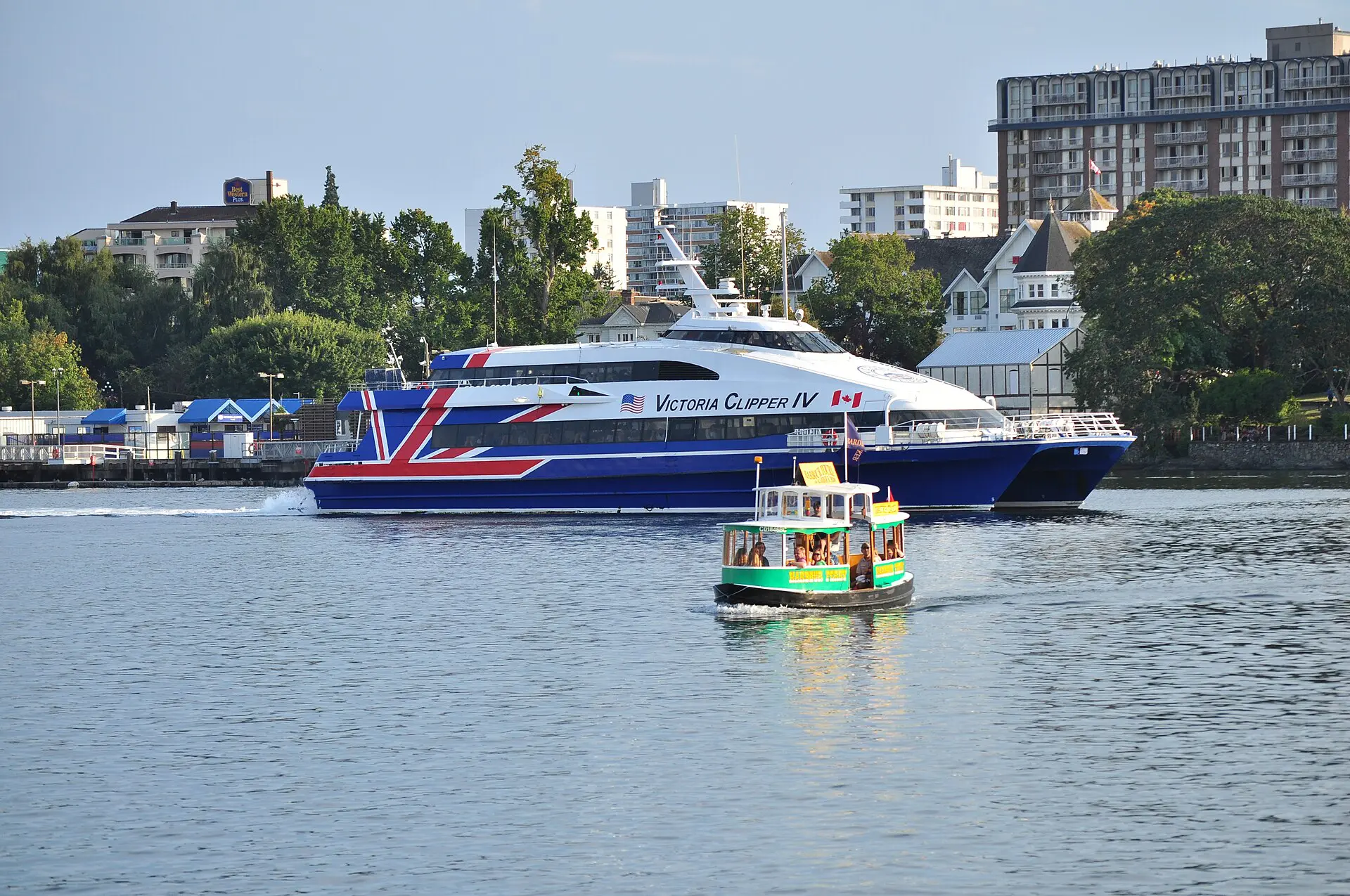
Drive or take a bus to Seattle and cross on the passenger-only service. It is slower overall, and it takes foot passengers only, so you leave a vehicle behind. It is the best option when the Port Angeles boat is out for maintenance.
3. Use the Anacortes to Sidney route
This is the choice if you have a vehicle and the Port Angeles boat is not running. It adds a long drive north, and sailings are limited, so look up the current timetable before changing plans.
4. Cross at the land border and use BC Ferries
Drive to the mainland border near Vancouver, then take a BC Ferries sailing to Vancouver Island. It adds hours and a larger ferry fare, but the larger vessels are less affected by weather. Check border wait times first.
5. Fly or use a seaplane
Scheduled seaplane and small-aircraft services connect Seattle with Victoria, and flights run from Seattle to Victoria Airport. Fares are higher than the ferry, and floatplanes are also weather-dependent, but they are fast when conditions are right.
Skip this if…
Skip the Port Angeles crossing if you have a tight international connection on the same day, or if you get seasick on open water. Skip it in winter without a spare day. If you only want Victoria for a few hours, a day trip is possible but leaves little margin. I would choose the first sailing of the day, and not plan anything non-refundable for the evening you arrive. For general background, see the Port Angeles article on Wikipedia.
FAQ about the Port Angeles to Victoria ferry
How long is the ferry from Port Angeles to Victoria?
The vehicle ferry takes about 90 minutes on the water. Allow more time for check-in and border formalities on both sides, so a realistic door-to-door figure is 3 to 4 hours. A passenger-only boat, when it runs, is faster at roughly an hour.
Do you need a passport for the Port Angeles to Victoria ferry?
Yes, you cross an international border, so you need a valid passport or other accepted travel document, plus any visa or electronic travel authorisation Canada requires for your nationality. Carry the documents on you, not in a checked bag. Rules change, so check the official border pages before you travel.
Can you take a car on the Port Angeles ferry?
Yes, the MV Coho carries vehicles, and booking a space ahead is advised in summer and at weekends. Rental agreements may restrict taking a car into Canada, so check with your hire company. Fares depend on vehicle length and season, so look up the current tariff.
What happens if the ferry is cancelled?
The operator normally offers a later sailing or a refund, depending on the fare type. The weather is the most common cause, and the winter maintenance break is a known gap. Keep a buffer day and read the terms of your ticket before you pay.
Is the ferry from Port Angeles to Victoria worth it?
It is the shortest way to Victoria from the Olympic Peninsula and drops you in the harbour downtown, with no need for a car on the Canadian side. It is not the cheapest route and it is exposed to weather, so it suits travellers with a flexible schedule.