Outer Banks with kids works when you treat the trip as a rental week: an easy arrival day, two anchor outings, and the rest as beach and rest days. The islands stretch about 200 miles, but most visitors use only the stretch from Corolla to Hatteras, and a long drive on a single road is the main hazard. Pick one beach zone, keep outings short and plan for wind and rain as well as sun.
Is Outer Banks good with kids?
Yes. It has wide beaches, shallow water in calm weather, lighthouses, dunes and a handful of short attractions, which suits a week at a pace set by the children. It is not a destination with many rainy-day options, so the plan needs a small stock of indoor stops.
- Toddlers and pre-schoolers (1 to 4): very good. Sand, shallow water and short outings. Wind and sun are the main strain.
- Primary-school age (5 to 10): the best fit. Dune climbing, lighthouses, boogie boards and wildlife viewing.
- Pre-teens and teens (11 and up): good with surf lessons or paddling, but limited evening activity in the quieter villages.
Best time to go to the Outer Banks with children
Summer, from mid-June to August, has the warmest water and the busiest roads. Late May, early June and September offer lighter crowds and mild water, though the weather can be less settled. Hurricane season runs from June to November, with the highest risk in late summer, so buy flexible bookings and watch the forecast. Winter is quiet and many places close.
| Period | Sea and weather | Planning note |
|---|---|---|
| June to August | Warm, humid, storms | Book early, rentals often run Saturday to Saturday |
| May and September | Mild, breezy | Quieter, some services reduced |
| October to April | Cool to cold | Lighthouses, walks, few open attractions |
A week in the Outer Banks with kids
Rental changeover is commonly on Saturday or Sunday, so use the structure below and shift it to your dates. Each day has a rest block and a swap.
- Day 1, arrival. Check-in is often mid-afternoon. Groceries, a short walk to the beach and an early night. No outings. Swap: a pool if the house has one.
- Day 2, beach day. Morning on the sand, lunch indoors, a long rest, then a late paddle.
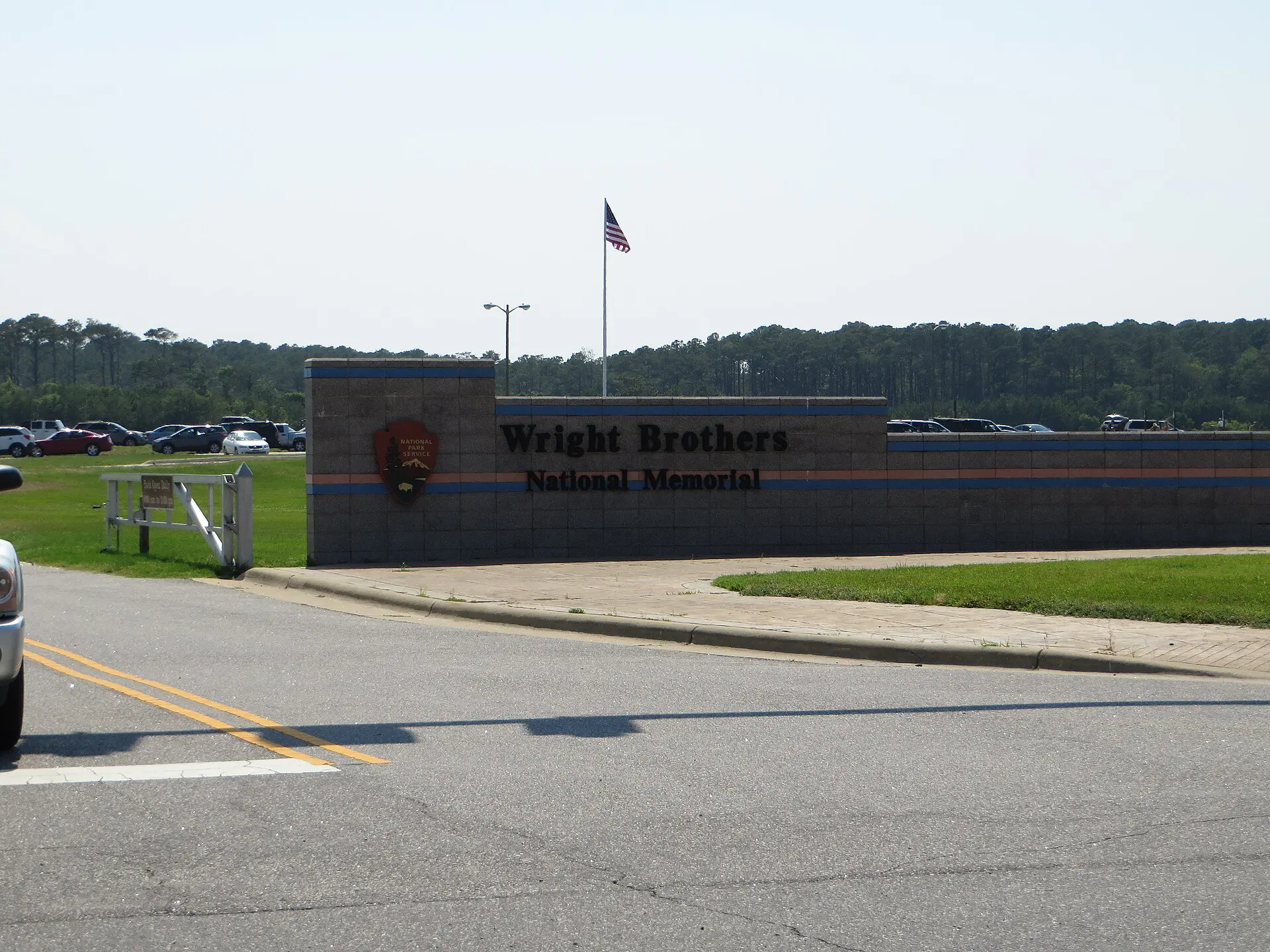
- Day 3, anchor one. Jockey’s Ridge in the morning, Wright Brothers site after a rest. Wind swap: the Wright Brothers visitor centre, indoors.
- Day 4, rest day. Beach or pool only. Nothing else goes in.
- Day 5, anchor two. Roanoke Island and the aquarium, a short drive back. Rainy-day swap: do this as the first outing instead.
- Day 6, south or north day. Bodie Island Lighthouse and Pea Island, or Corolla and its wild horses. Keep the drive under 90 minutes each way.
- Day 7, departure. Pack in the morning, a last beach walk and then leave on the quietest road time you can.
Top things to do in the Outer Banks with kids
1. Jockey’s Ridge State Park
At Nags Head, this is the largest living sand dune system on the Atlantic coast, and children climb, run and slide on it. It is also a place for kite flying. Age and stamina: the climb is sandy and steeper than it looks, so go for the early or late hours when the sand is cool. A carrier is easier than a stroller. Take water and a hat.
2. Wright Brothers National Memorial
At Kill Devil Hills, this site marks the first powered flight in December 1903, with a monument, markers showing the lengths of the early flights and a visitor centre. Age and stamina: flat, open and wind-exposed, so suitable for ages three and up. An hour is enough, and the visitor centre is a good wet-day shelter.
3. A beach day at Nags Head or Kill Devil Hills
These central beaches have wide sands, rental houses and lifeguards on some beaches in season. They are the best base for a first visit. Age and stamina: every age, with strong sun and wind. Use a beach tent or umbrella, and stay within arm’s reach of young swimmers. Rip currents occur here, so check the flags and ask a lifeguard.
4. North Carolina Aquarium on Roanoke Island
This is a mostly indoor aquarium, ideal for a wet or windy day. Age and stamina: good from toddlers up, with ramps for strollers. Allow two hours and check current hours and exhibits before you go. Roanoke Island is also home to Fort Raleigh and a small-town feel at Manteo.
5. Bodie Island Lighthouse
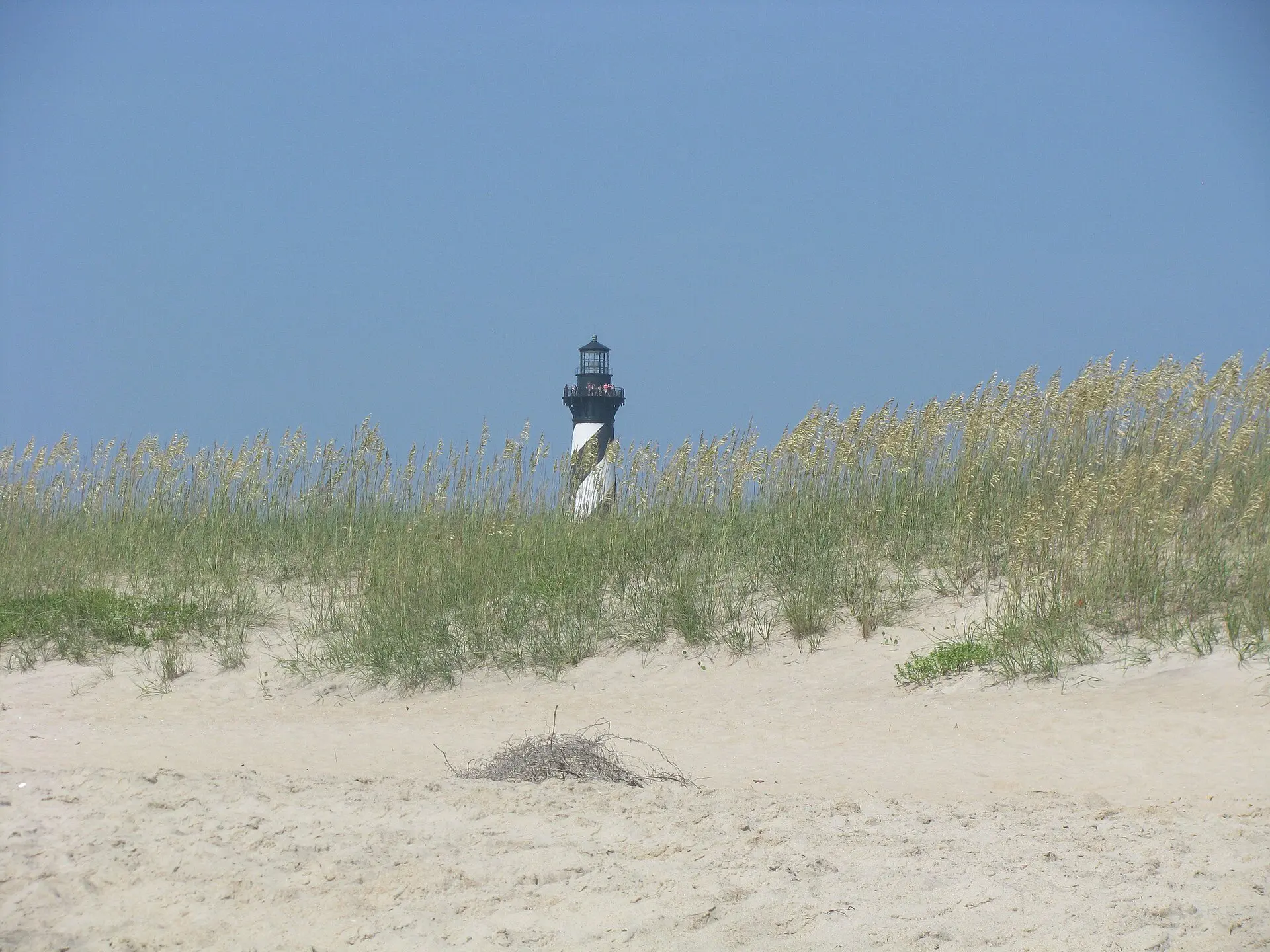
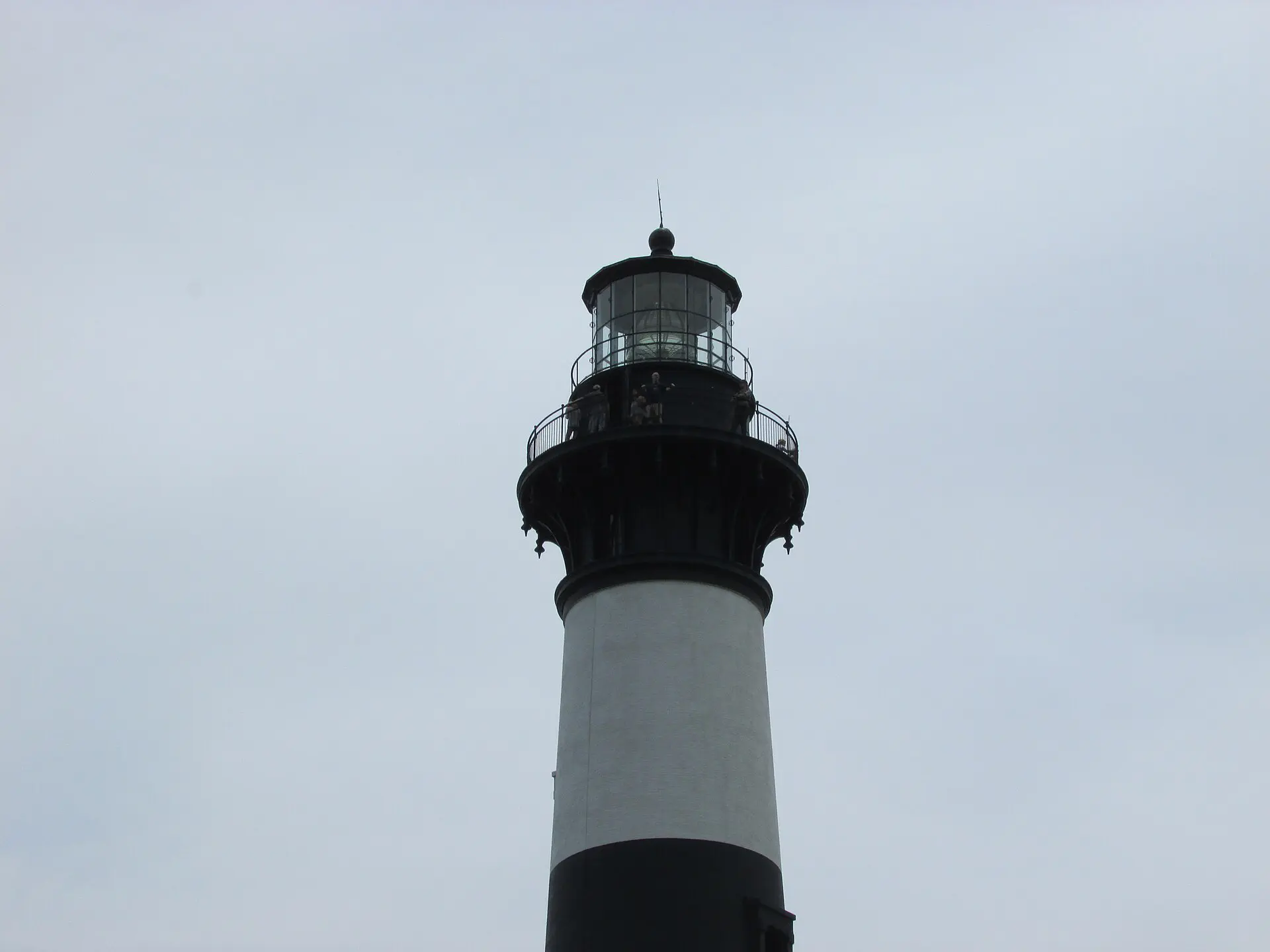
A black-and-white striped lighthouse on the road south of Nags Head, with a boardwalk across the marsh. Climbing is offered in season, often with a minimum height for children, so check before you go. Age and stamina: the marsh boardwalk is easy for all ages, and the climb is for older children who can manage many stairs.
6. Cape Hatteras Lighthouse
The tallest brick lighthouse in the United States stands at Buxton on Hatteras Island. It was moved inland in 1999 because of erosion. Age and stamina: the grounds suit all ages, and the climb is long and aimed at older children, with limits on age and season. Budget half a day including the drive from the central beaches.
7. Pea Island National Wildlife Refuge
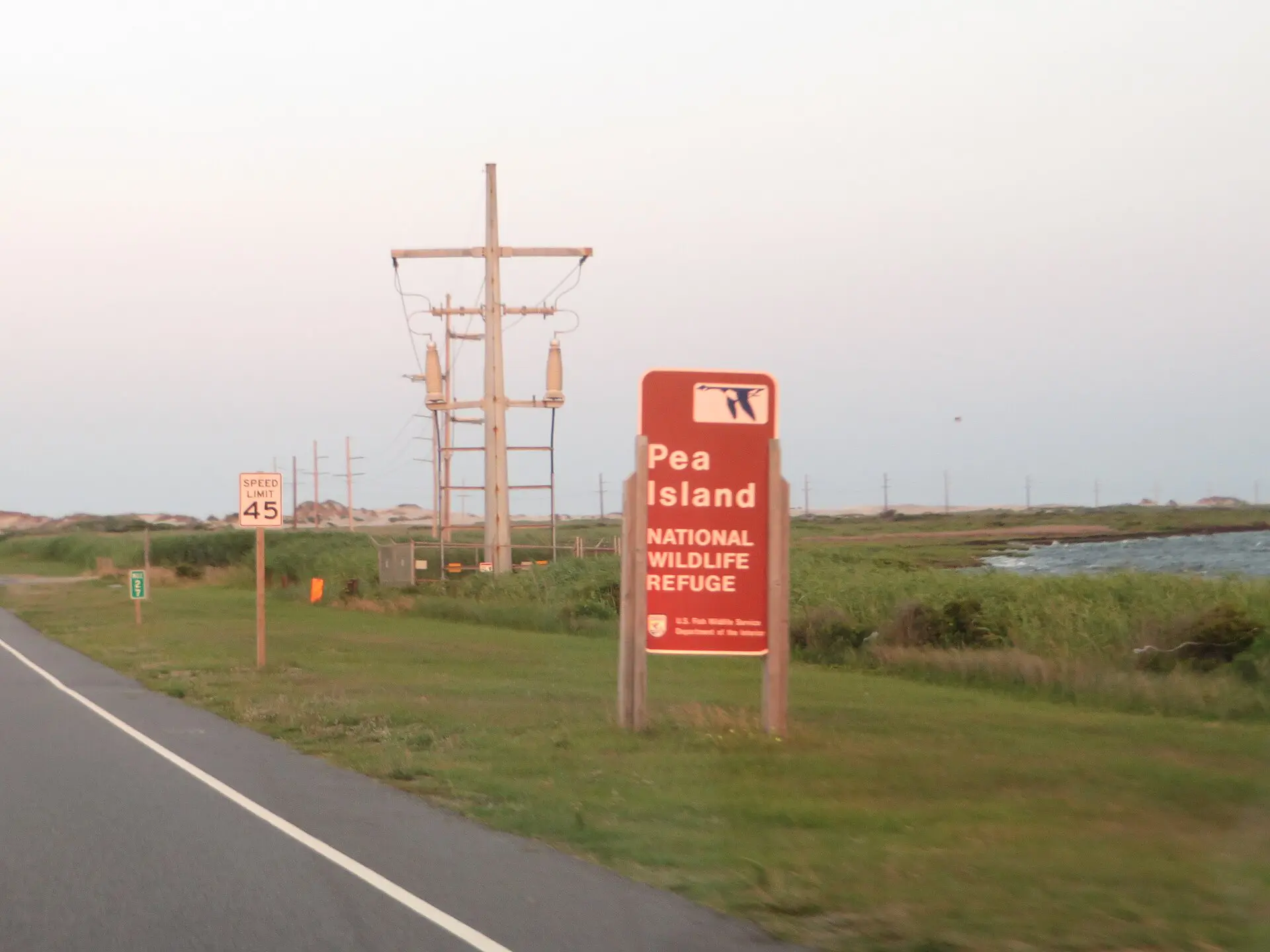
South of Oregon Inlet, the refuge has walking trails, birds and quiet beaches. Age and stamina: short flat walks that suit children from about four. Bring insect repellent in summer and binoculars if you have them. The road across the island can be cut by storm surge, so check conditions.
8. Corolla wild horses and Currituck Beach Lighthouse
The north end has wild horses on the beaches north of the paved road. Access is typically by four-wheel drive or a guided tour, and rules about keeping a distance are strict. The Currituck Beach Lighthouse is a red-brick tower in Corolla. Age and stamina: good for ages five and up. Plan a half day and do not approach the horses.
Where to stay in the Outer Banks with kids
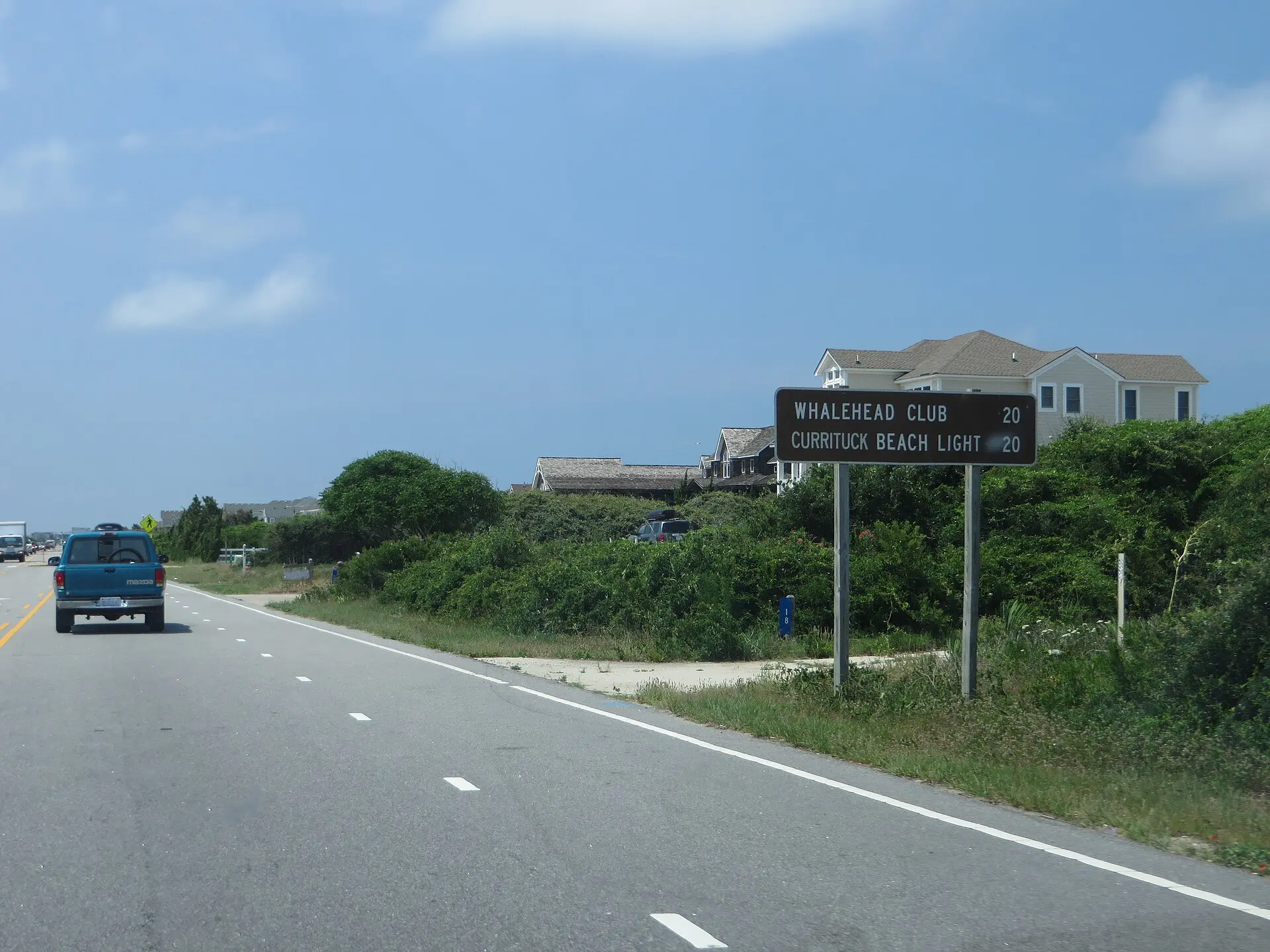
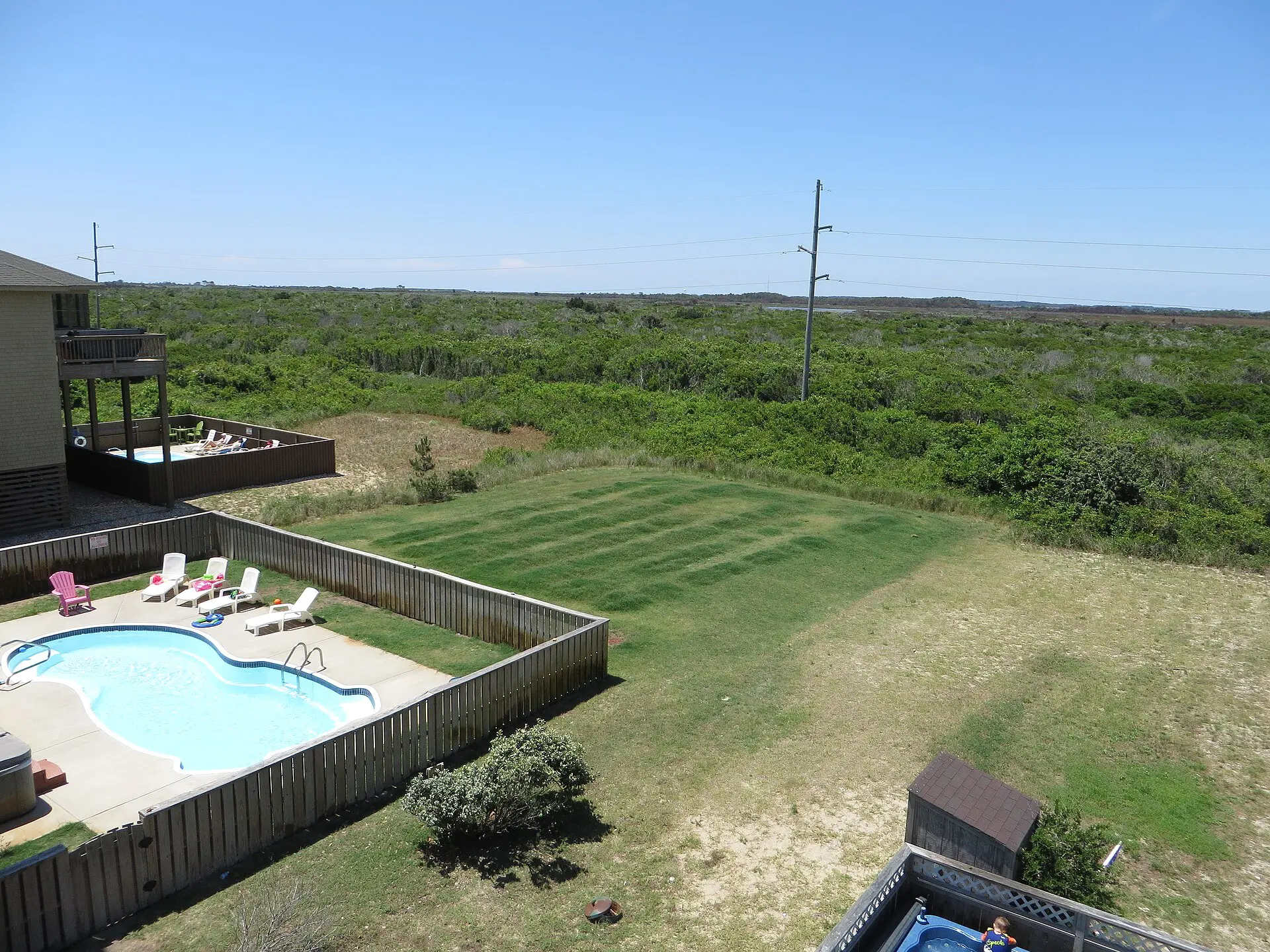
- Corolla and Duck (north): quieter and upscale, with sound-side shops and the horses. Best for older children and larger groups.
- Kitty Hawk, Kill Devil Hills and Nags Head (central): close to the main attractions, shops and cafes, with the shortest drives. Best for a first visit with younger children.
- Hatteras Island (south): remote and quiet, with long beaches and few indoor options. Best for beach-focused weeks, with a longer drive to anything else.
Getting around the Outer Banks with children
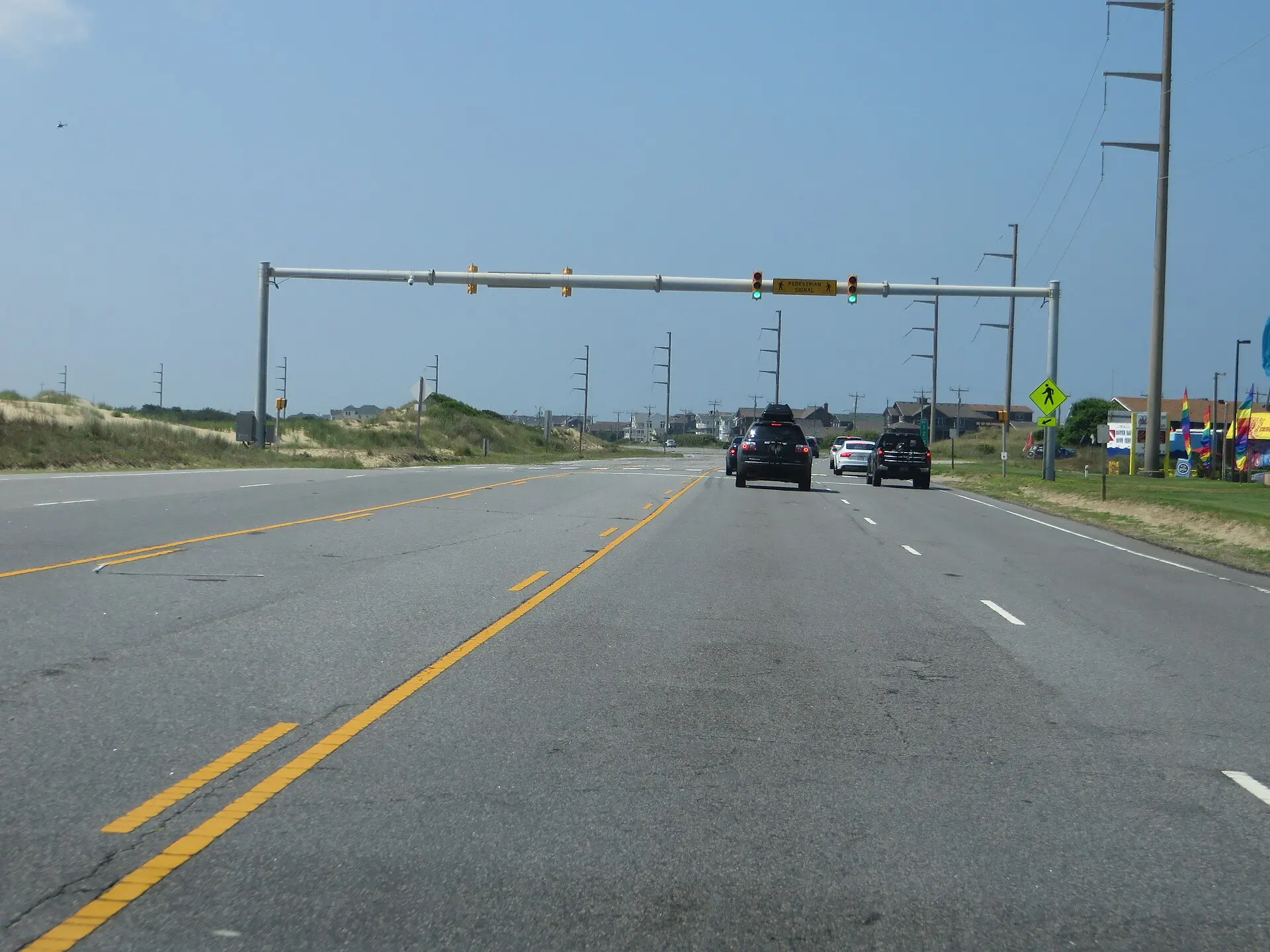
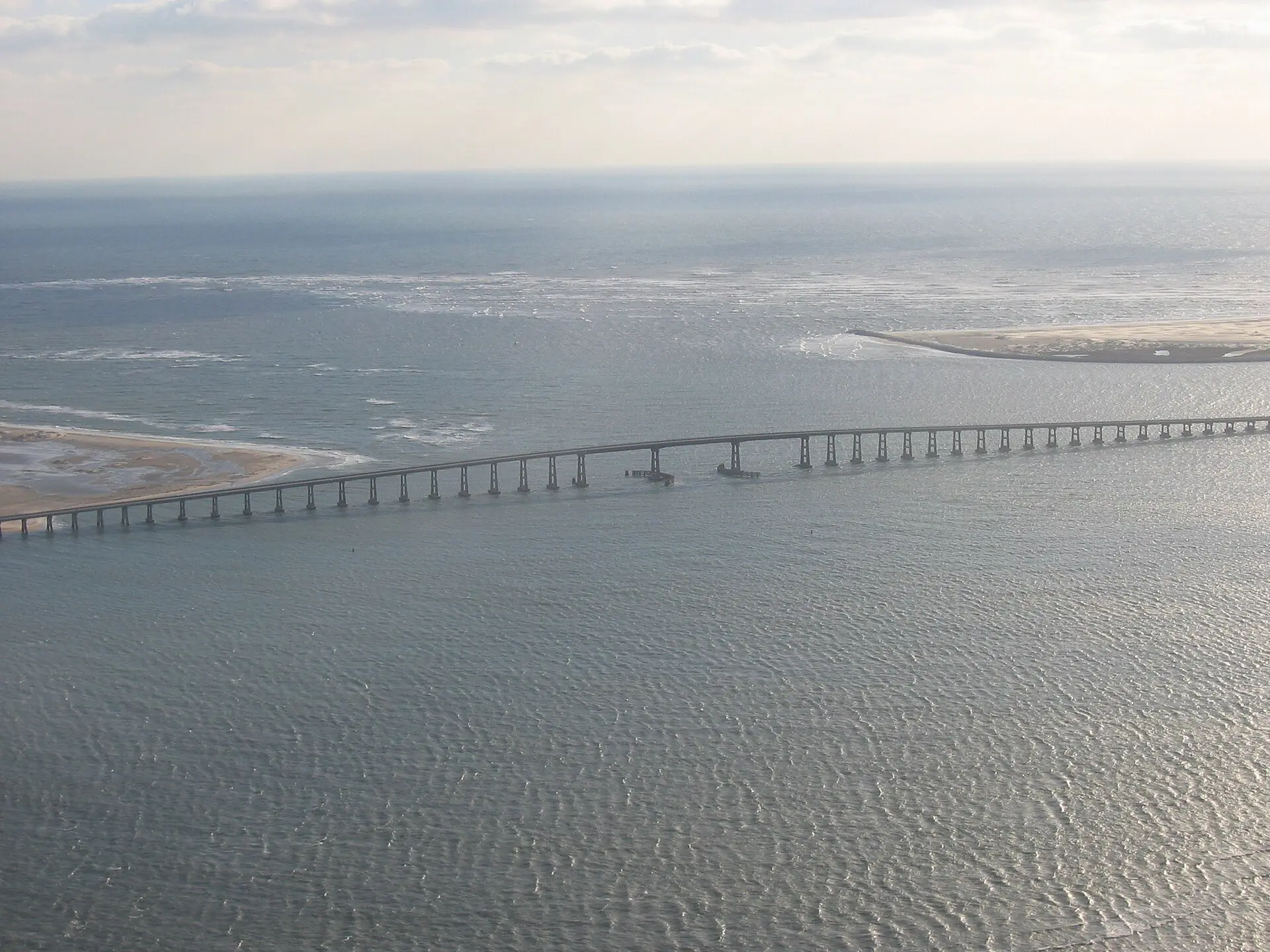
A car is necessary. The main routes are Highway 158 and the coast road, and traffic can be heavy on summer changeover days. Drive times add up quickly: a trip from Corolla to Hatteras can take well over two hours. Keep outings to one drive of under 90 minutes, with a stop planned halfway. For Ocracoke, you need a ferry, which can run late, so I would treat it as a separate trip. Car seats are required, so reserve them with the rental.
Food and rest anchors by type
- Breakfast: in the rental, which saves time and money.
- Lunch: a cooler on the beach or a sandwich counter. Eat in the shade by noon.
- Snack anchor: ice cream or a bakery treat after the rest block.
- Dinner: seafood shacks and casual family restaurants, with waits at peak times. Go early or order takeaway to eat at the house.
Rainy-day plan for the Outer Banks with kids
Choose the aquarium, the Wright Brothers visitor centre or a lighthouse museum, and keep one board game or film for the evening. On windy days the beach is difficult, with blowing sand, so swap to the sound side, where the water is calmer, or to an indoor stop. After heavy rain, check the road for flooding before a long drive.
How much does the Outer Banks cost with kids?
These are rough weekly figures for a family of four as of 2026, excluding flights or fuel. Rentals are the main cost, and peak-summer rates are far higher than the shoulder season.
- Budget: about US$2,000 to US$3,000 a week. A modest rental in a shoulder month, groceries and free beaches.
- Mid-range: about US$3,500 to US$6,000. A larger house in summer, with a few paid outings.
- Higher: US$7,000 and up. Oceanfront houses and extra activities.
FAQ about the Outer Banks with kids
How many days do you need in the Outer Banks with kids?
A week matches the rental pattern and gives enough room for rest days. A long weekend can work if you stay in the central zone and pick two stops. Four days is enough to see the main stops without much driving.
What is the best part of the Outer Banks for young children?
The central zone, around Kitty Hawk, Kill Devil Hills and Nags Head, has the shortest drives and the most facilities. The north is quieter, and Hatteras is remote. Choose by your tolerance for driving and the need for shops.
Is the water safe for children in the Outer Banks?
Calm days can be good, but rip currents and shore break occur. Swim near a lifeguard where possible, stay in arm’s reach of young children and follow flag warnings. If the sea looks rough, choose the sound side or the pool.
What can you do in the Outer Banks on a rainy day?
Visit the North Carolina Aquarium, the Wright Brothers visitor centre or a small museum, then keep the evening free. Rain often passes in an hour or two, so a flexible afternoon matters more than a full schedule.
Do you need a car for the Outer Banks with kids?
Yes. The villages are spread along one main road, and public transport is limited. Use the United States travel guide for wider planning, the Wikivoyage Outer Banks guide for towns, and the Wikipedia article on the Outer Banks for background.