The museums in DC that repay a short trip are the National Air and Space Museum, the National Museum of Natural History, the National Gallery of Art, the National Museum of African American History and Culture, the Smithsonian American Art Museum and the National Archives. Most Smithsonian museums charge no admission, so the real cost is your time. If you only have one day, choose two museums on the National Mall, book any timed entry first, and keep an hour for the Mall itself.
How to use your days: anchor museum, one outdoor block
Wikivoyage describes Washington, D.C. as having an unparalleled collection of free, public museums. Free entry removes the usual pressure to get your money’s worth, which is a trap: visitors stack four museums in a day and see none of them. Plan two substantial museums per full day, with the Mall between them.
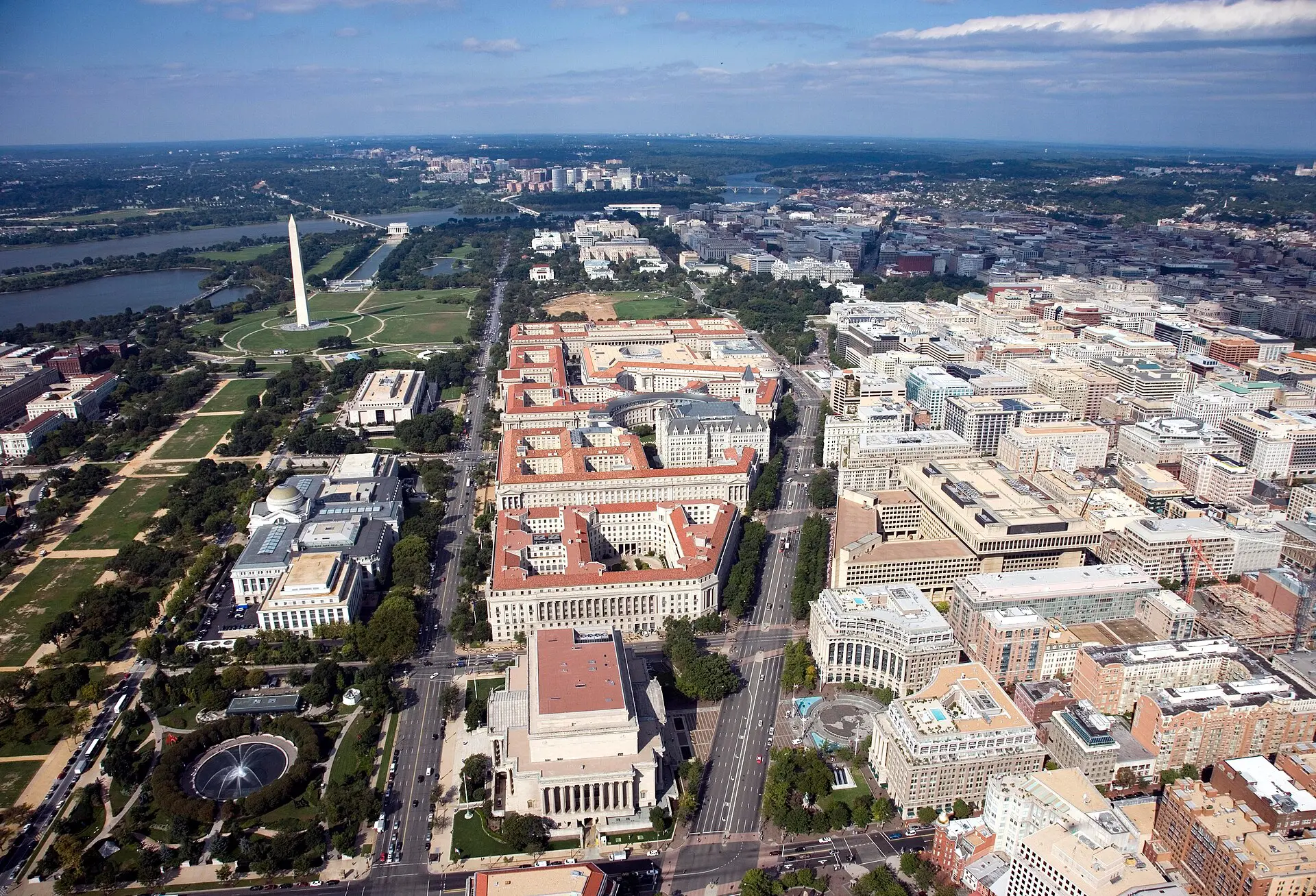
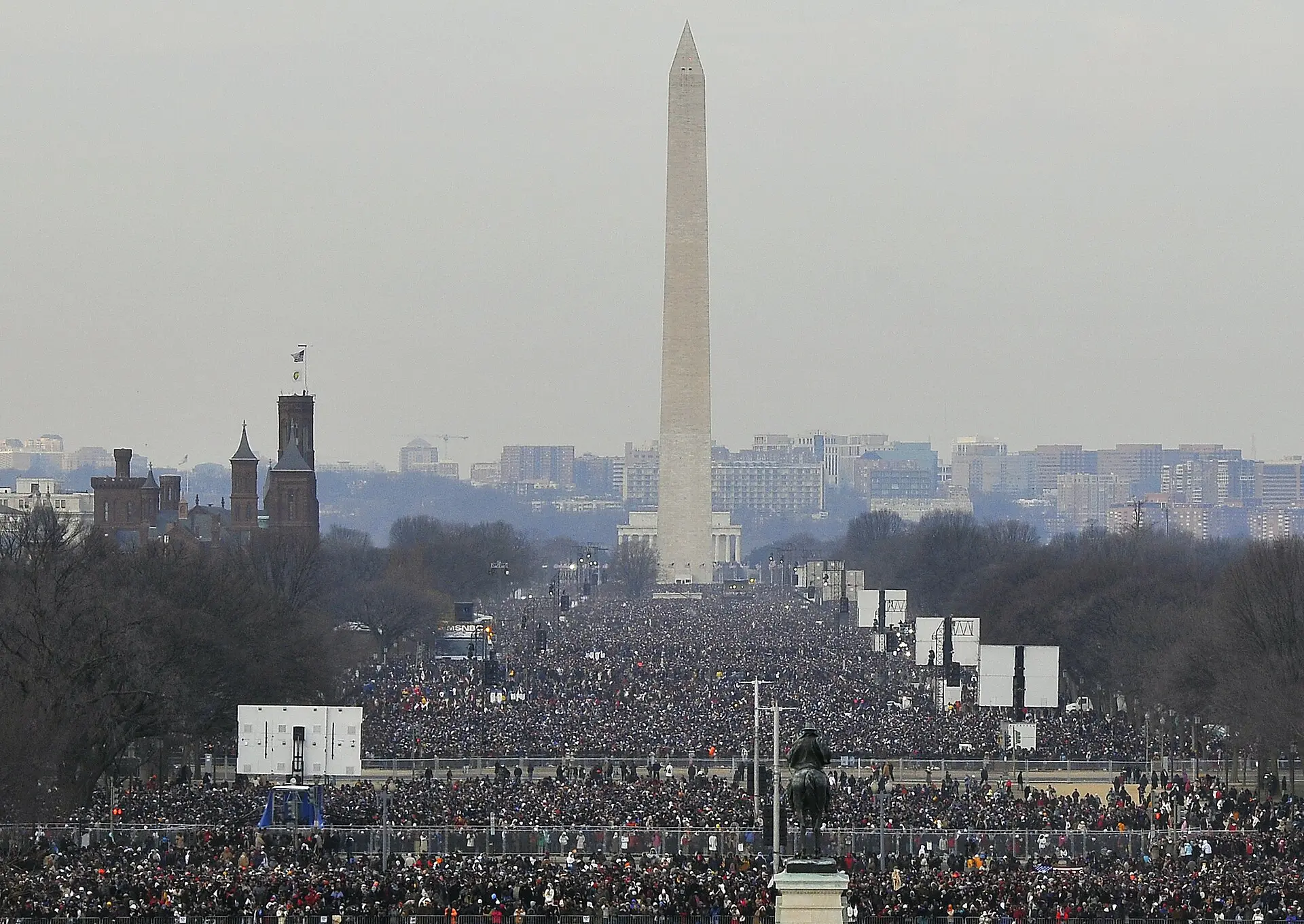
The National Mall is about two miles long, so the walking adds up. Group your museums by position along it and use the open ground, monuments and food trucks or cafes as the unscheduled second half of each block. Opening hours, entry passes and closing days change, so confirm each one on the museum’s own site before you go.
Museums in DC, time-blocked
Each block is a half-day. One day uses blocks one and two. Two days uses the first four, and a third day covers the rest.
1. Morning: National Air and Space Museum
This is the museum most visitors want first, and it is the one most likely to need advance planning. Entry has at times required a free timed pass, so check whether one is needed on your date. Allow two to three hours, which covers four or five galleries. Choose the galleries you care about before you arrive, because the building is large and sections can be closed for renovation.
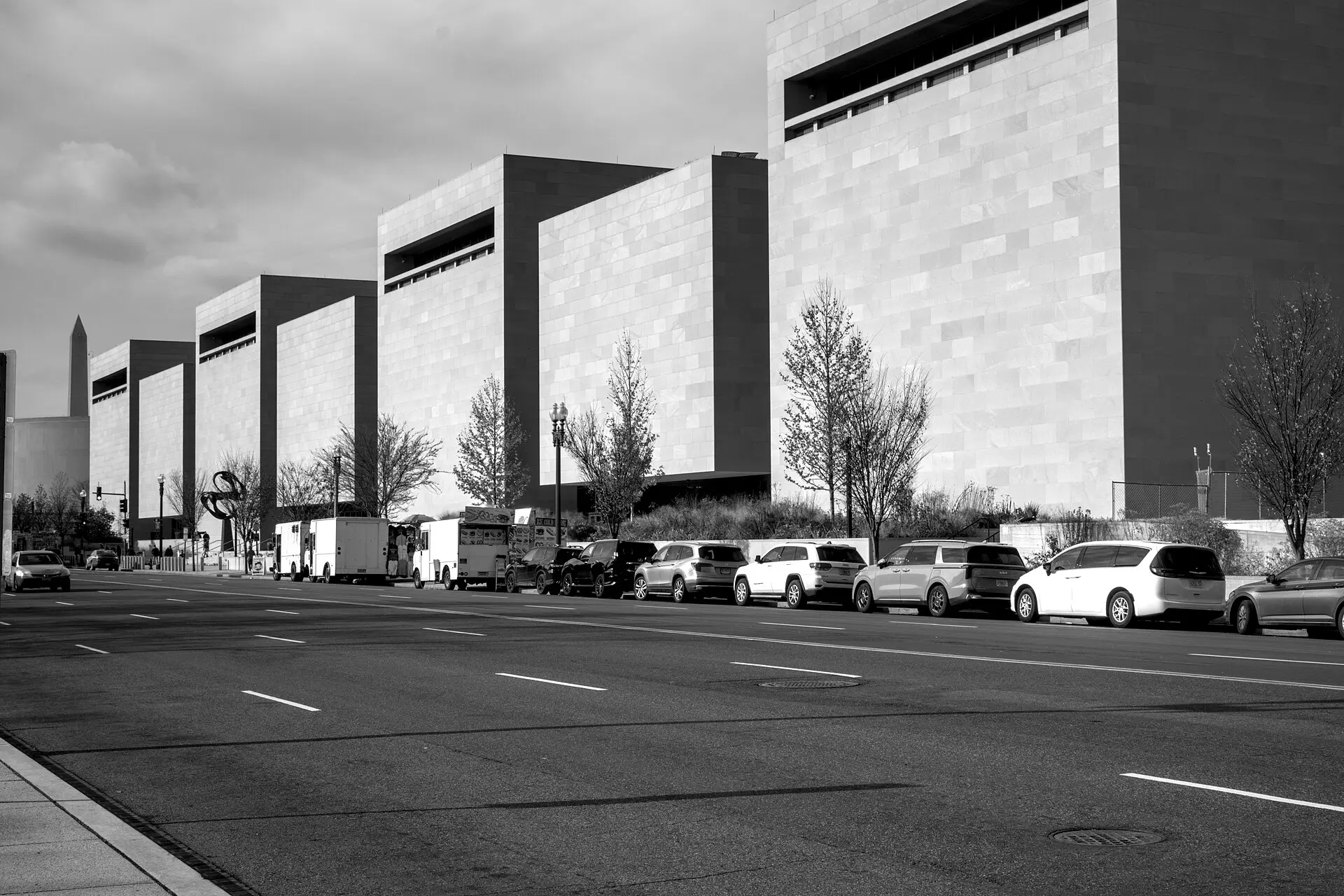
The pairing is the Mall itself. Walk west with the Capitol behind you and take a coffee break before the next block. Arrive at opening, because the first hour is the quietest.
2. Afternoon: National Museum of Natural History
The natural history museum is the busiest on the Mall, with a large public rotunda, fossil halls and a gem collection. Allow two and a half hours, and visit late in the day if you want fewer groups. School trips cluster in the morning on weekdays during term.
Pair it with the open lawn of the Mall. Eat outside on a dry day rather than queueing at the museum cafe at noon. I would skip the souvenir shops here and spend that time in the galleries.
3. Half-day: National Gallery of Art
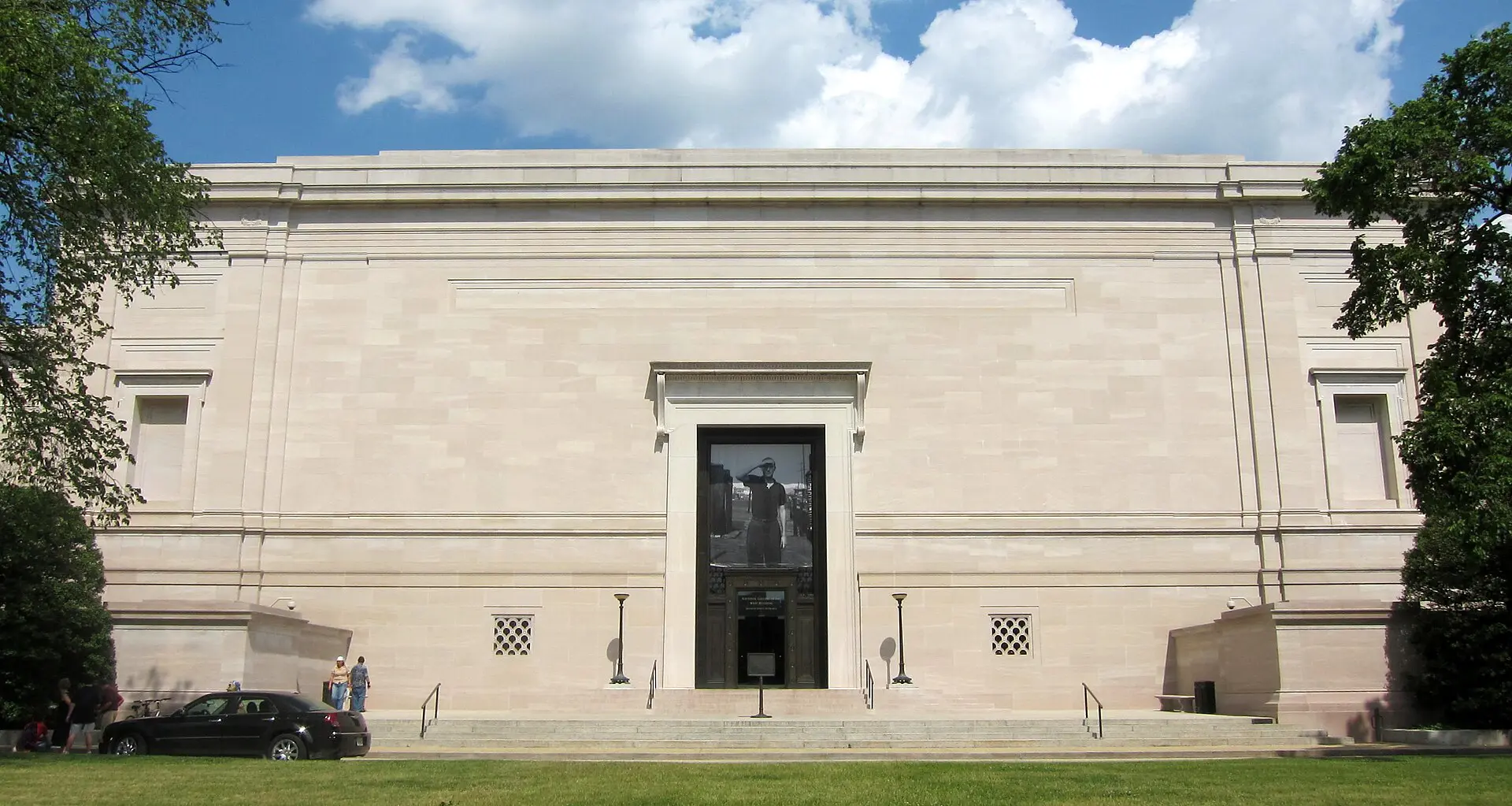
The National Gallery has a West Building for older European and American art and an East Building for modern work, joined by an underground concourse. Allow three hours for both, or two for one. It is a calmer choice than the natural history museum and is a good fallback in bad weather.
The sculpture garden next door is the outdoor pairing, and it is free to enter. Check seasonal hours, since some outdoor features operate on a limited schedule.
4. Half-day: National Museum of African American History and Culture
This museum is among the most visited in the city, and entry has often required a timed pass. Reserve ahead and expect to book days or weeks in advance in busy periods. The history galleries start below ground and work upward, so allow three to four hours for a proper visit and plan nothing heavy afterwards.
Because the visit is emotionally and physically demanding, give it a half-day on its own. Walk back through the Mall or sit in the grounds before your next stop.
5. Half-day: Smithsonian American Art Museum and the National Portrait Gallery
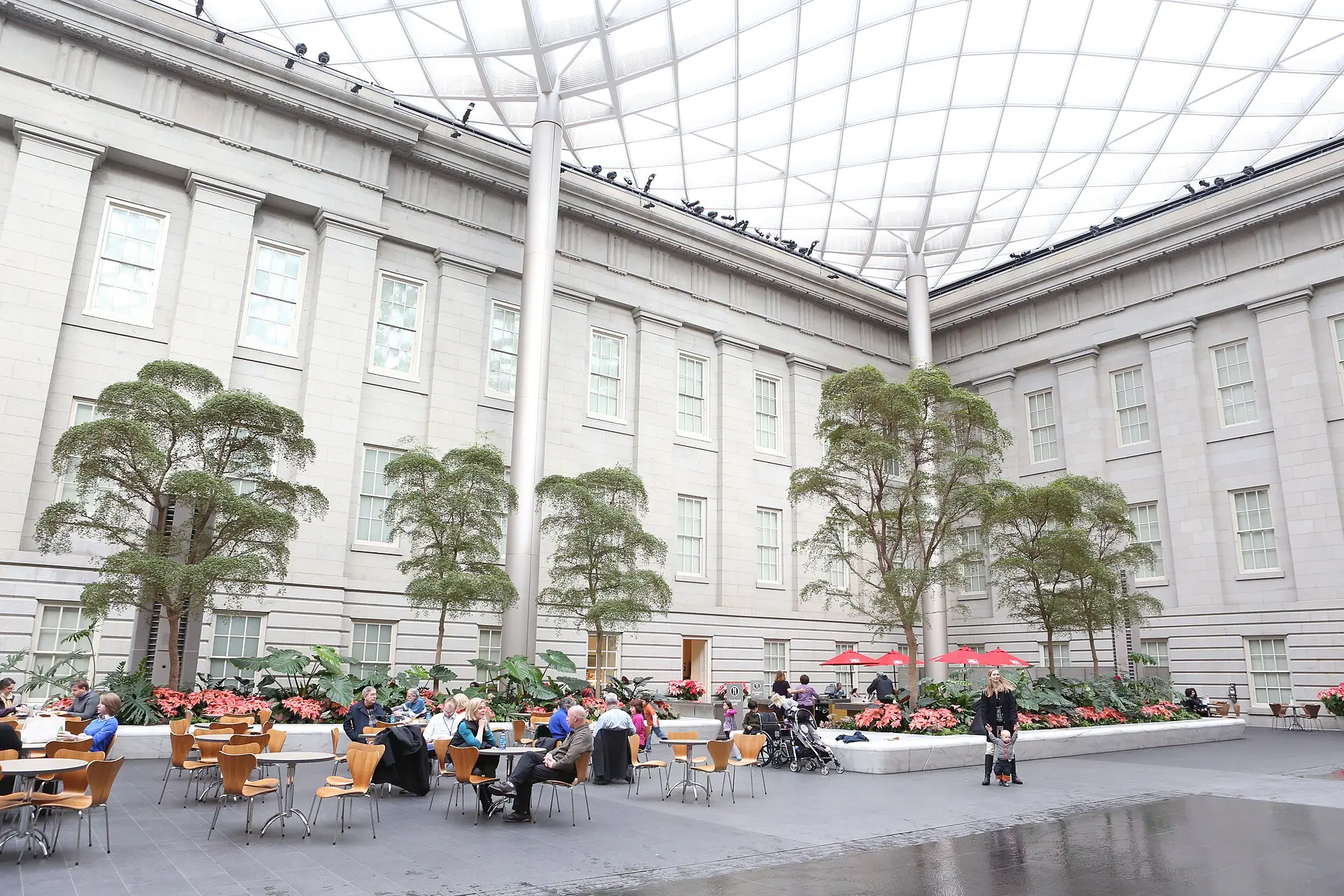
These two museums share a historic building in the Penn Quarter area, around a glass-roofed courtyard that makes a good rest stop. Allow two hours each, or three hours for a selective visit across both. They are quieter than the museums on the Mall, which makes them a sensible choice on a busy weekend.
The street pairing is the surrounding Penn Quarter blocks, with plenty of lunch options. Late afternoon is a calm time to visit. Check the opening hours, which can differ from the Mall museums.
6. Half-day: National Archives and the Capitol area
The National Archives holds the founding documents of the United States, displayed in a rotunda. Allow 60 to 90 minutes. Lines can be long in spring and summer, so go close to opening. Reserved entry may be offered; check the official site.
From here it is a short walk to the Capitol grounds and the nearby Smithsonian buildings. Tours of the Capitol itself need separate arrangements, so decide in advance whether you want one.
Queue-avoidance timing for DC museums
Go on a weekday where you can. Mornings are busiest on school days from about 10am, and spring is the peak period for school and tour groups. Cherry blossom season and summer weekends are the most crowded of all.
- Timed-entry museums: book as soon as dates are known and arrive within the window.
- Everyone else: be at the door at opening or arrive after 2pm.
- Security checks: expect bag screening at every entrance, so carry little.
- Lunch: eat early or late, since museum cafes fill from noon.
Getting around DC museums
The main Smithsonian museums are within walking distance of each other, but distances are longer than they look. The Mall is flat and open, so heat and cold are the main factors. Metro stations at Smithsonian, L’Enfant Plaza, Federal Triangle and Archives cover the area. Check the current fare system and line status before you travel.
Wikivoyage notes that many attractions sit just beyond the city borders, in places like Arlington and Alexandria. Treat those as a separate day. The United States travel guide covers the wider trip, and the Wikivoyage guide to Washington, D.C. has district detail.
Where to stay for DC museums by area
- Penn Quarter and Downtown: central for the Mall, the art museums and the Metro. Quiet at weekends, and rooms are costly midweek.
- Capitol Hill: residential and walkable to the east end of the Mall. Fewer hotels.
- Foggy Bottom and Dupont Circle: good transit links and a wider choice of rooms. A longer walk to the museums.
- Arlington, Virginia: slightly lower hotel taxes and direct Metro access, per Wikivoyage, but you will commute into town.
What to skip if you are short on time
Skip the third and fourth museum of any single day. The Mall invites overreach, and a few galleries seen well beat a dozen skimmed. If you must cut, drop the National Archives and the Portrait Gallery first and keep one science museum, one art museum and one history museum. The airport-style security lines also eat time, so choose entrances with the shortest queue.
A reasonable two-day shape: Air and Space plus Natural History on day one, the National Gallery plus the African American History museum on day two, and the Penn Quarter pair or the Archives only if energy remains. Keep a 30-minute gap between blocks for security lines and the walk.
Do not try to add the monuments to the same day as a museum-heavy plan. Visit them in the evening, when the Mall is lit and quieter.
FAQ about museums in DC
Are museums in DC free?
Most Smithsonian museums and the National Gallery of Art have no admission charge, as of 2026. Some require a free timed pass, and special exhibitions or independent museums may charge. Check each museum’s site before you go.
How many days do you need for museums in DC?
Two full days cover the main Mall museums at a sensible pace. One day allows two museums plus a walk. Three days let you add the smaller galleries, the Archives and a Capitol visit without rushing.
Which DC museum should you see first?
Air and Space or Natural History if you want the classic choice, and the National Gallery of Art if you prefer calm. If you have limited time, book whichever requires a timed pass first, and fill the rest around it.
Which days are museums in DC closed?
Most Smithsonian museums are open daily except 25 December, though hours vary and some galleries rotate closures. Independent museums often close on Mondays or Tuesdays. Always verify the date you plan to visit.