Mexico digital nomad life works because the country offers several different bases, not one: a high-altitude capital, colonial highland cities, a Yucatan hub, beach towns and a Baja port. Rents run from modest to as high as a North American city, depending on where you land. Stay length depends on your passport and an officer’s decision, so verify it officially. This guide compares seven bases, gives a one-month budget band and lists what to test in week one.
Mexico digital nomad visa and stay length
This is the part to verify, not trust. Many nationalities can enter Mexico as visitors without a visa and receive a tourist permit, often called the FMM, for up to 180 days. In practice the officer at the border decides the number of days, and it may be fewer than you ask for. Check what is stamped or recorded on arrival, and keep proof of your permit and dates.
Mexico has not, to our knowledge, had a dedicated nomad visa in the way some countries do. A temporary resident visa, applied for at a consulate, is the usual route for longer stays, with income or savings thresholds that change. Visitor status also generally does not allow you to work for a Mexican employer. Working for foreign clients while visiting is a grey area, so read the immigration rules and, if unsure, ask an adviser.
Verify everything with the National Institute of Migration, the Mexican foreign ministry and your nearest Mexican consulate. Rules change, and so does enforcement.
What does a month in Mexico cost?
These are rough monthly ranges for one person in US dollars, as of 2026, for a mid-range single. Costs differ widely by city, so the table gives a low band for a lower-cost highland or inland base and a high band for a beach resort or capital hotspot. Check live listings. We priced types of spending, not specific venues.
| Item | Lower-cost bases | Higher-cost bases |
|---|---|---|
| Furnished studio or one-bedroom | about US$500 to 900 | about US$900 to 2,000 |
| Utilities and cleaning | about US$50 to 120 | about US$100 to 250 |
| Mobile data and home internet | about US$20 to 40 | about US$30 to 60 |
| Groceries and cooking | about US$200 to 350 | about US$300 to 500 |
| Eating and coffee out | about US$200 to 450 | about US$400 to 800 |
| Coworking desk (if you use one) | about US$70 to 150 | about US$120 to 250 |
| Local transport and taxis | about US$30 to 100 | about US$60 to 200 |
| Total, comfortable single | about US$1,100 to 2,100 | about US$1,900 to 4,000 |
Neighbourhood matters more than city. A neighbourhood popular with visitors can cost double a few streets away.
Where to base yourself in Mexico
Mexico is large. Wikivoyage lists weather from snow-capped mountains to jungle and desert, and the country covers 1.97 million square kilometres, so the base you pick shapes your whole month. Seven options by work style follow.
1. Mexico City, for the biggest scene and the most infrastructure
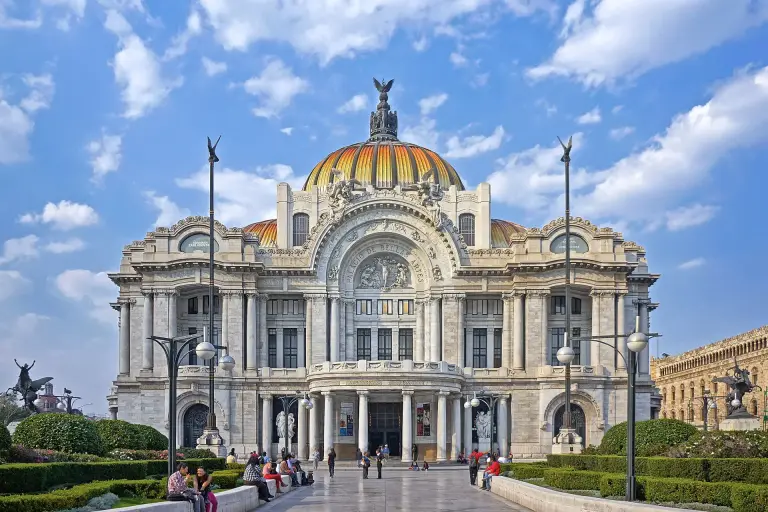
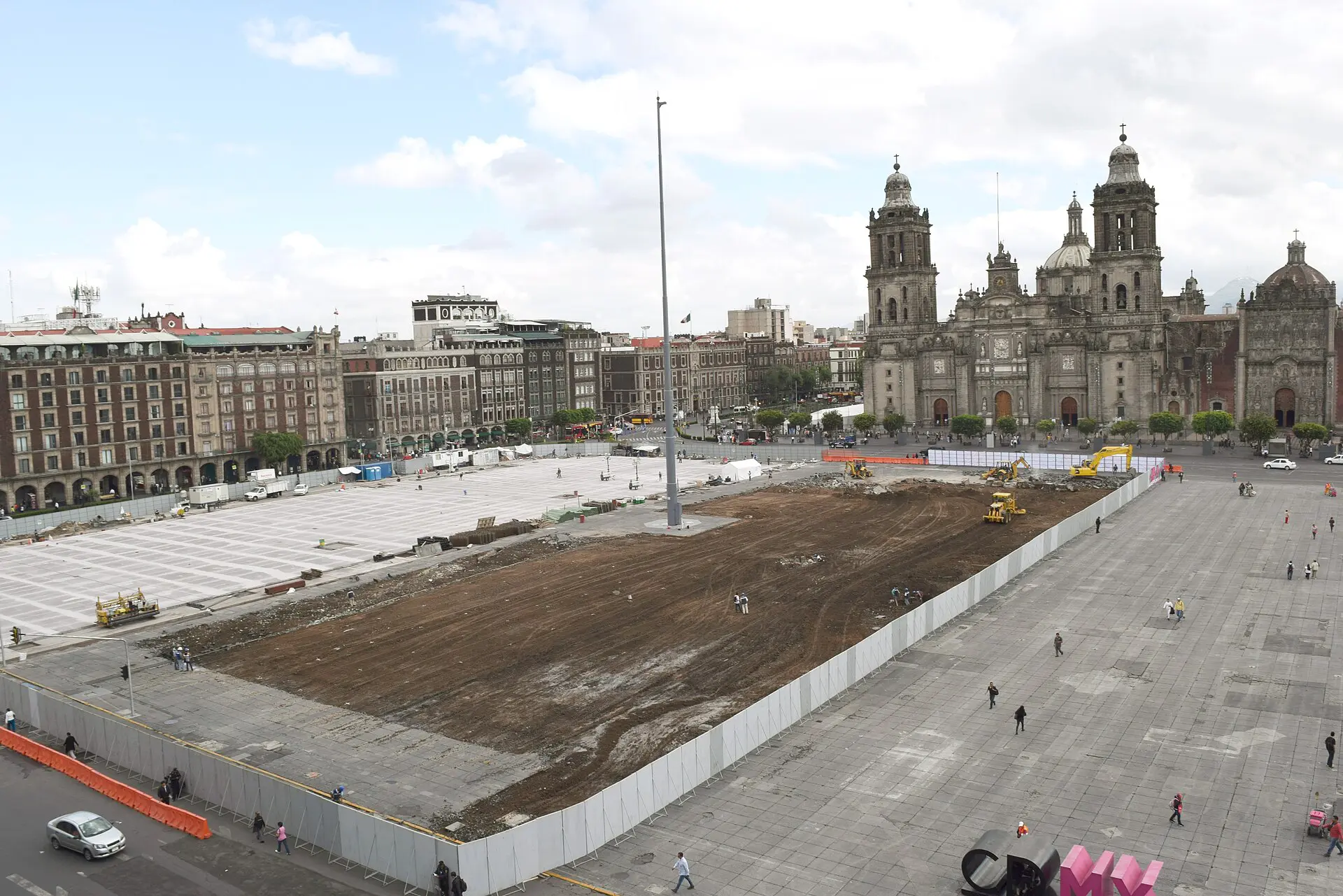
The capital has the most coworking, flights and events, and its central neighbourhoods are the best known among remote workers. It sits at roughly 2,240 m, so expect mild days, cool nights and some adjustment to the altitude. Rents are the highest of the inland bases, and air quality and traffic vary. Good for people who want choice and a community.
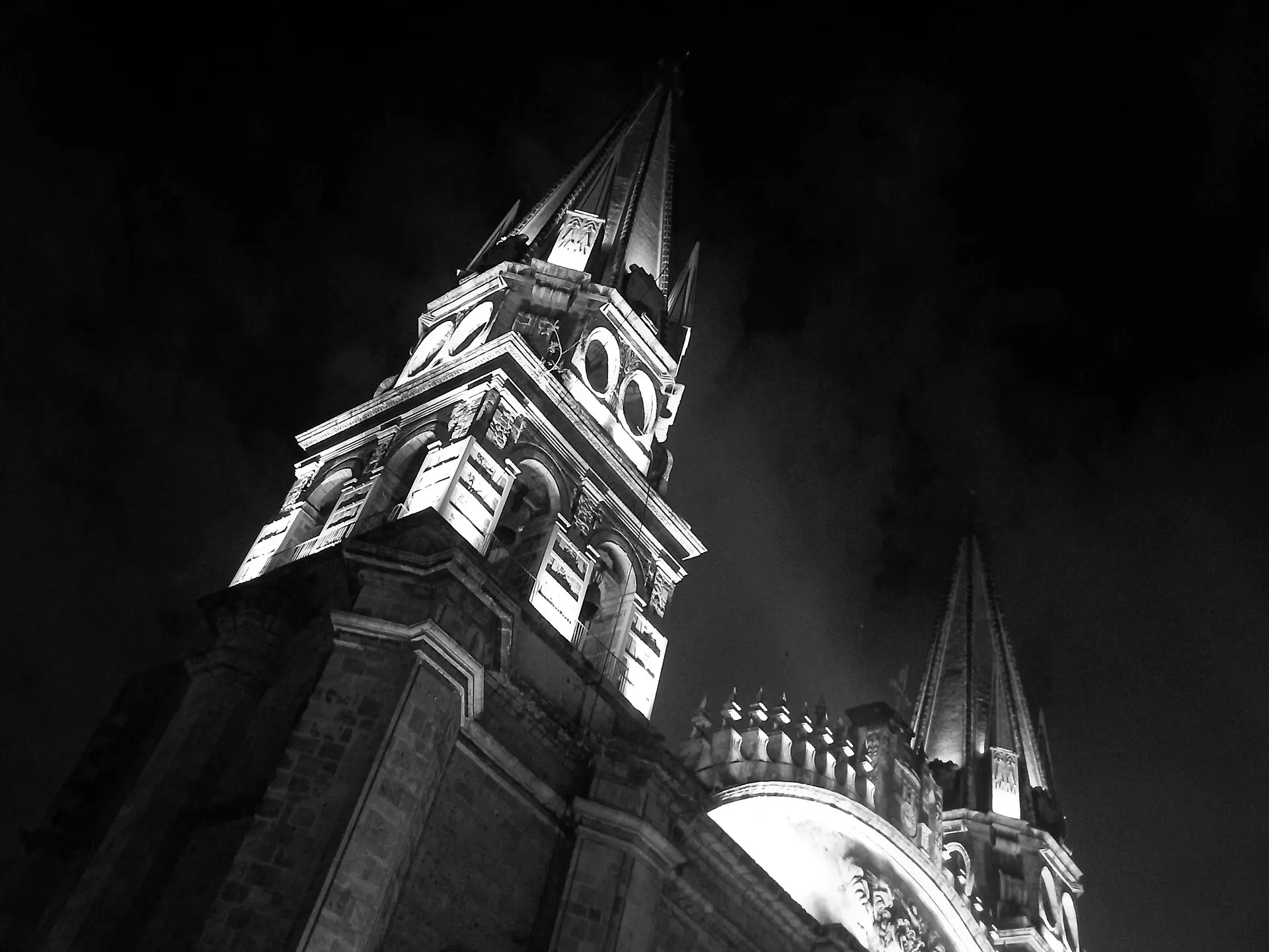
2. Guadalajara, for a big city with a calmer pace
It is a traditional city with a graceful colonial downtown and mild weather. It is large enough for coworking and services, with generally lower rents than the capital. A solid middle option.
3. Mérida, for a Yucatan base with heat and calm
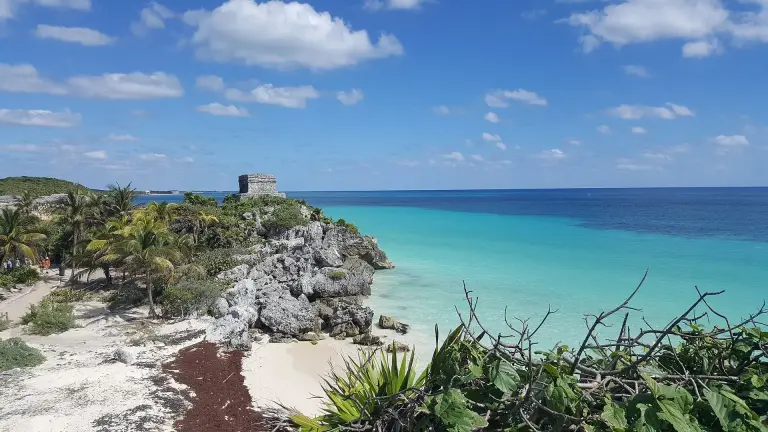
A colonial city in the Yucatan, known for a quieter pace than the coast. It is hot and humid for much of the year, so you will plan work around the climate. Good for people who want a settled routine and access to Mayan sites and cenotes.
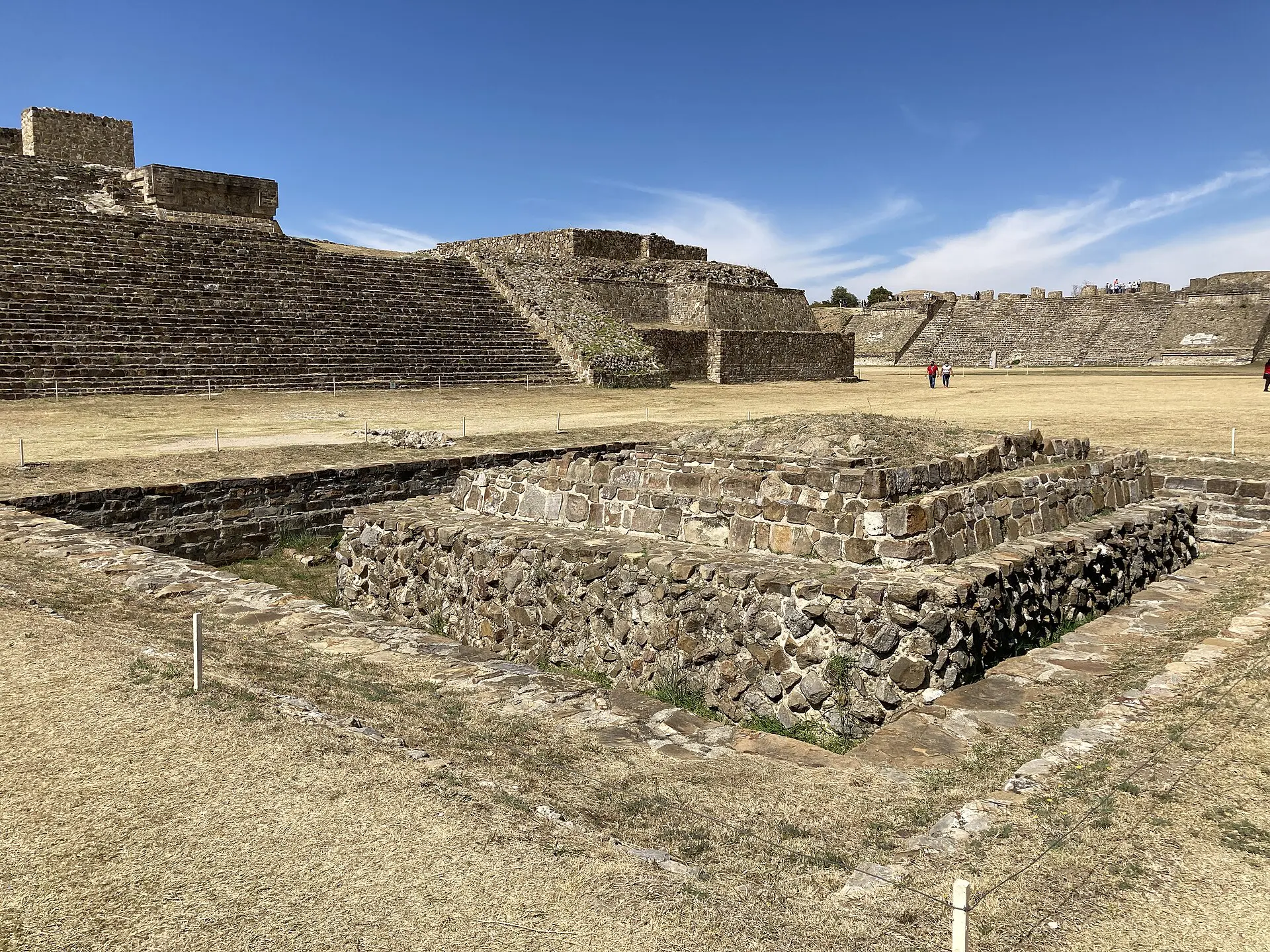
4. Oaxaca City, for culture and a slower rhythm
A highland city with strong food and craft traditions and Zapotec heritage nearby, such as Monte Albán. Connectivity and coworking are thinner than in the big hubs, so test your internet before you commit. Good for people who want a focused, atmospheric month.
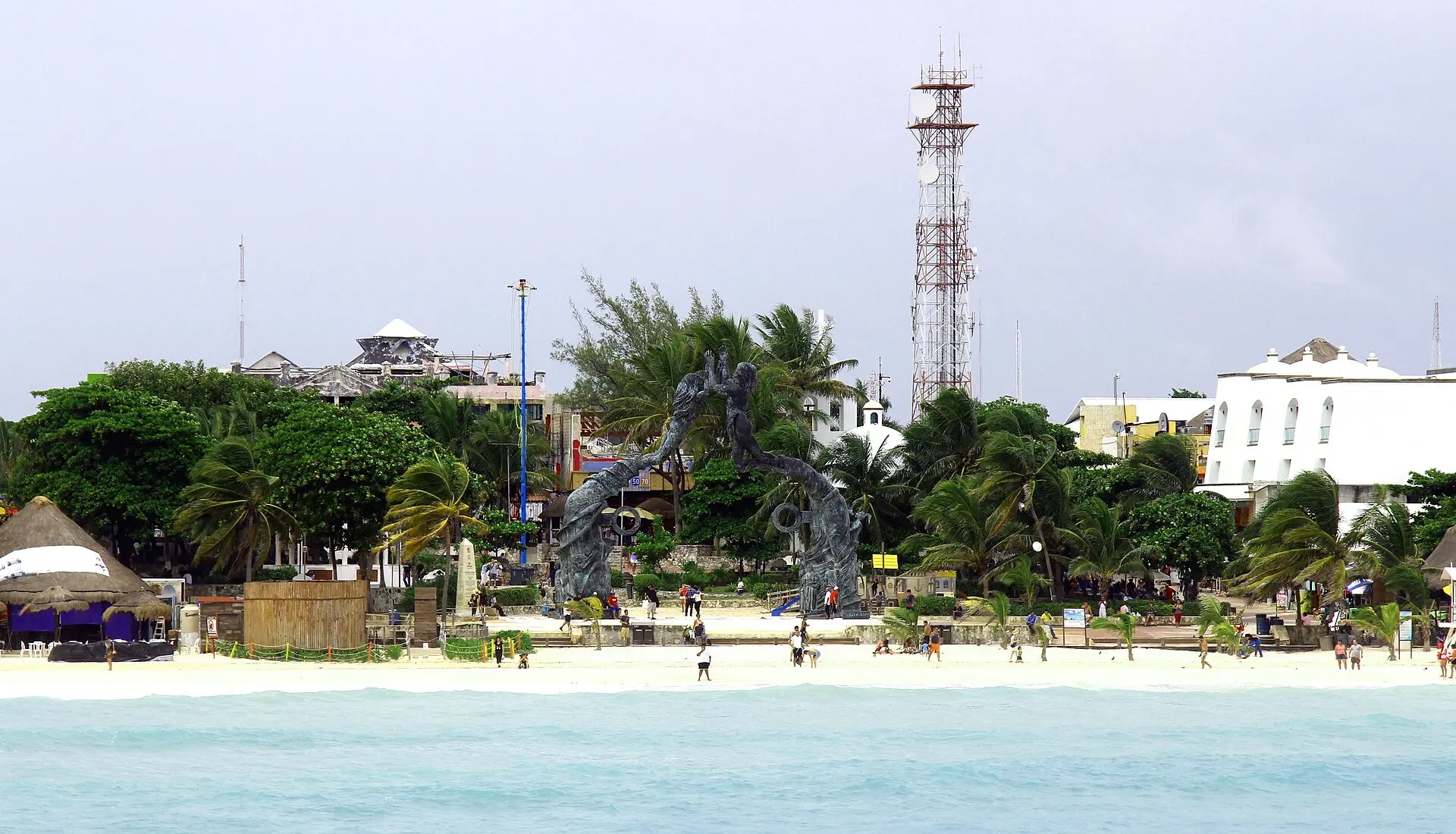
5. Playa del Carmen, for the Caribbean and a large foreign crowd
Playa del Carmen is a busy Caribbean-coast town south of Cancun with many international visitors. It has beaches, flights and an established expat scene, but prices are among the highest and the tourist overlay is strong. Check summer heat, humidity and storm season.
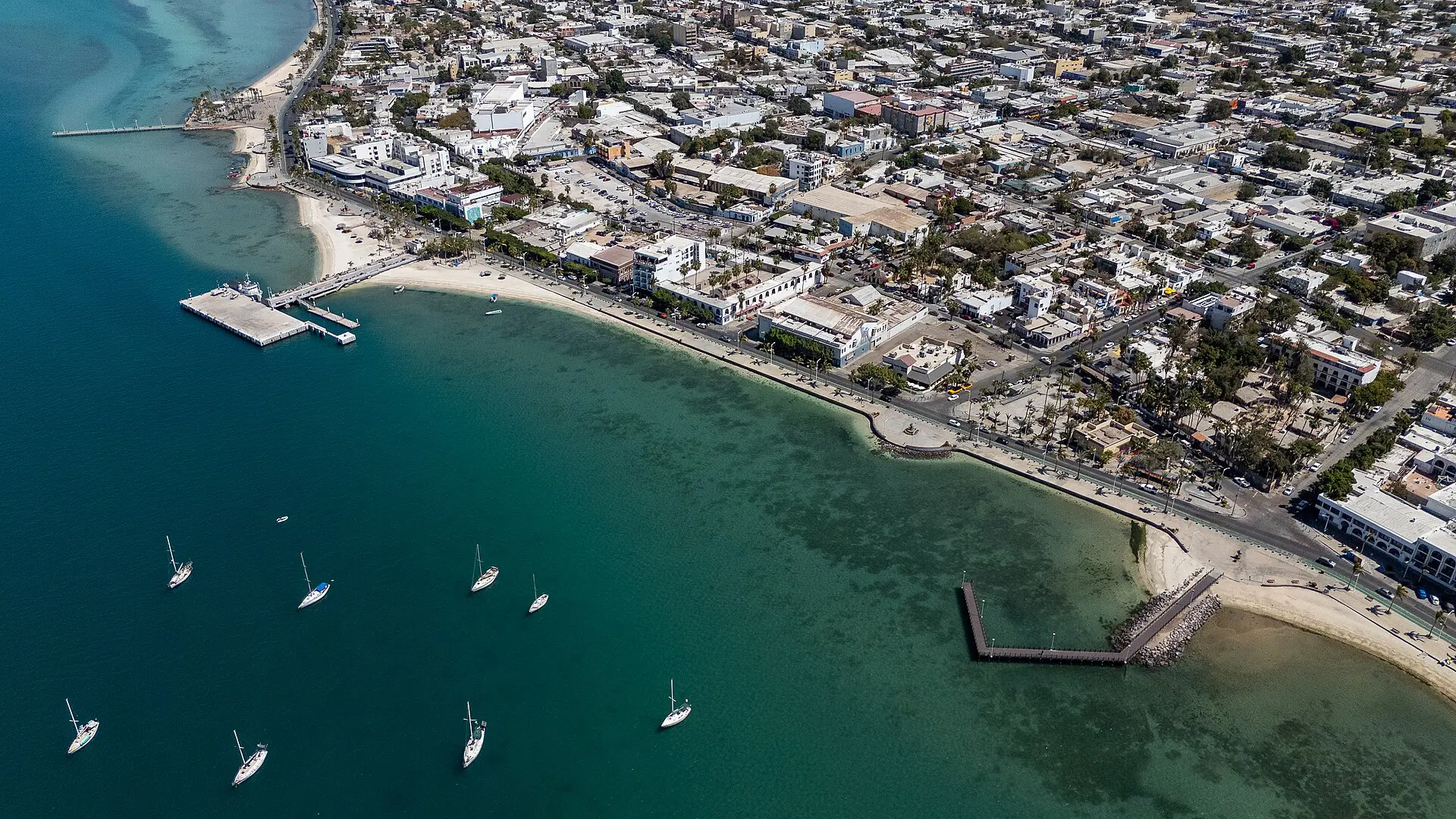
6. La Paz, for the Baja coast and quieter water
The capital of Baja California Sur on the Sea of Cortez. It is calmer and less resort-like than the Caribbean towns, with whale and sea-kayaking excursions nearby. Flights are fewer, so check connections and summer heat.
7. Puerto Vallarta, for a Pacific beach town with services
A beach base with an established foreign community, restaurants and flights. Higher prices in peak season and a strong hotel-zone feel. Good if you want a beach routine without giving up services.
Work-friendly setups by type
Setups matter more in Mexico than in a compact European city, because distances are longer and power or connection quality varies by building and district.
We are not naming venues, because hours, desk policies and wifi change. Look for these types.
- Coworking spaces: best in Mexico City, Guadalajara and the Caribbean hubs. Ask about day passes, trial days, backup power and meeting rooms.
- Cafes: good for two or three hours. Check sockets, shade, noise and connection, and order regularly. Calls are rarely a good idea.
- Apartment desk: the most reliable. Ask the host for photos of the desk and chair, and whether there is backup power.
- Hotel or resort lounges: sometimes workable on beach bases, but policies differ, so ask first.
Month-to-month cost volatility
Mexican rents and prices move with season, exchange rate and demand. High season on the coasts runs roughly winter to spring, when North American visitors arrive, and prices for monthly lets can rise noticeably. Summer is hotter and rainier, and rents can soften, though hurricane season affects the coasts.
The exchange rate also matters. If your income is in dollars or euros, a stronger peso makes the same month cost more. Ask hosts whether the rent is quoted in pesos or dollars, and keep a buffer of 10 to 20 percent for surprises.
Admin friction: banking, SIM and taxes
Expect more paperwork than in much of Europe. We cannot give legal or tax advice, so treat this as a checklist of questions.
- Banking: use a card with low foreign fees, withdraw from bank ATMs and decline conversion offered by the machine. Opening a local account usually requires residency documents.
- SIM: a local SIM or eSIM is usually easy, though registration and ID rules can change.
- Rent and deposit: expect a deposit and sometimes a long minimum stay. Get terms in writing.
- Taxes: work done while in Mexico may create obligations at home or abroad. Ask an adviser.
- Health: check your insurance for coverage in Mexico, for altitude if relevant and for evacuation if you base yourself far from a major hospital.
Routine and recovery in Mexico
Pick a base, then build a daily rhythm. Work in the morning, take a long lunch, and use afternoons for walks and errands. For safety, check current government travel advice and local guidance for your base, because conditions vary a lot by region. Our solo female travel in Mexico guide lists cities with easy social entry, a useful lens for any solo remote worker.
For the country in general, see the Mexico travel guide. For background, Wikipedia gives a population around 131 million and describes Mexico City as the capital and largest city.
Test your Mexico base in the first week
- Run a speed test at 9am, 2pm and 8pm, and note upload speed.
- Take one video call from the desk and one from a cafe or coworking space.
- Check whether the building has backup power or a second connection.
- Walk your commute at the hour you would use it.
- Test for night noise, heat and altitude effects on sleep.
- Shop for three days and compare the total with the table.
- Confirm your permit days and set a reminder before they end.
- Decide by day 7 whether to extend.
Mexico digital nomad FAQ
How long can I stay in Mexico as a digital nomad?
Many nationalities receive a tourist permit of up to 180 days, but the officer decides the number of days and it can be fewer. Longer stays generally need a temporary resident visa. Verify with the National Institute of Migration or a consulate before you travel.
What is the best city in Mexico for digital nomads?
It depends on how you work. Mexico City and Guadalajara have the most infrastructure, Mérida and Oaxaca offer a slower pace, and the beach towns suit sea-first routines. Pick by internet, climate and cost, and test in the first week.
Is Mexico cheap for digital nomads?
It can be, depending on location. Inland and highland bases are generally cheaper than beach resorts and some capital neighbourhoods. Rents swing by season and exchange rate. Use the budget band above as a frame and check live prices.
Can I legally work remotely on a tourist permit in Mexico?
This is a grey area, and the rules and enforcement can change. A visitor permit generally does not allow you to work for a Mexican employer. Working for foreign clients is less clear. Ask an immigration adviser or the official source before relying on it.
Is Mexico safe for remote workers?
Conditions vary widely by region and neighbourhood. Check current government travel advice, ask your host about local conditions and choose a base in an area with an established visitor and resident community. Use licensed taxis or ride apps at night.