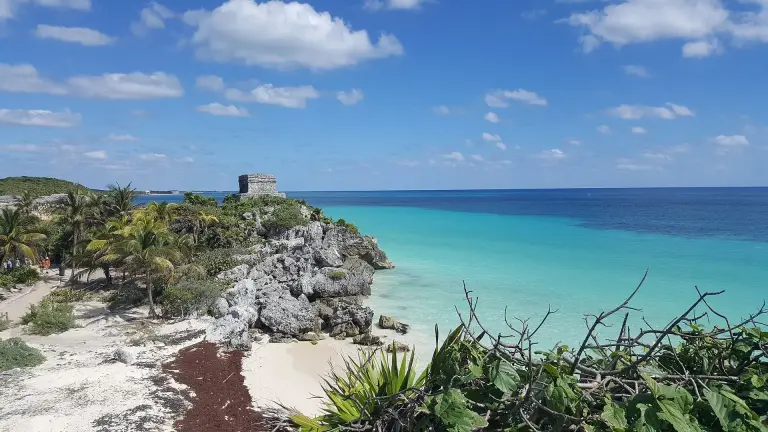
Is La Paz Mexico safe? For most solo travelers, yes, with ordinary city habits. It is the capital of Baja California Sur, a calm waterfront city of about 250,000 people, and it has a reputation as one of the easier places in Mexico to arrive alone. That does not mean zero risk. Petty theft, taxi pricing, sun and sea conditions are the things that actually catch people out. This guide covers each one, plus where to sleep and what to do on night one.
Is La Paz Mexico safe for solo travelers?
Short answer: it is a manageable, low-drama city, and travel writers who know it describe it as clean, safe and attractive. I would still treat that as a starting point, not a guarantee. Here is the honest breakdown.

Petty crime. Phone and wallet theft is the realistic risk anywhere crowds gather, including the Malecón on a busy evening. Keep your phone in a front pocket or a zipped bag, not on a table edge or in a back pocket.
Scams. Mostly small ones: unagreed taxi fares, “per person” pricing, and inflated tour offers on the street. Agree the price first, say out loud that it is the total, and book boat trips through your accommodation or a reviewed operator rather than from someone on the pavement.
Transport. Taxis are plentiful and Uber is available, so you rarely need to wait on a dark corner. Highway driving outside town is where the real danger sits, covered below.
Night. The waterfront stays lively into the evening and feels relaxed. Side streets a few blocks inland empty out quickly. After dark, ride rather than walk once you leave the main promenade.
Health. Heat is the big one. Summers are hot and humid, so carry water, use sun protection and avoid drinking tap water. Hurricane season runs roughly from late summer into autumn, so check forecasts and your insurance if you travel then.
Scenario risks. Sea swimming, kayaking and island trips carry the same risks as anywhere: currents, wind that picks up in the afternoon, and boats without enough lifejackets. Nationally, Mexico has areas with serious crime that make headlines. For the current picture, check the current advice from your government before you book, and read it for Baja California Sur specifically, not just the country.
What actually helps: arrive in daylight, use an official airport taxi voucher, keep a charged phone with offline maps, and tell your hostel or hotel where you are going for the day.
Where to stay in La Paz, and areas to treat with care
For a first solo trip, stay in the centre near the Malecón, the waterfront promenade. You can walk to restaurants, the bus station on Álvaro Obregón sits near the kiosk on the seafront, and taxis queue at obvious points. Hostels and small hotels here make it easy to meet other travelers, which is half the safety plan for a woman travelling alone.

Rooms further out give you quiet and beach access, but you will depend on taxis for every meal. That is fine if you are comfortable booking rides, less good if you want to wander at 9 pm.
Treat with care: poorly lit streets away from the waterfront after dark, empty beach stretches at night, and any road out of town after sunset. Ask your host which blocks they would avoid walking at night. A local answer beats a map.
Getting around La Paz safely
Taxis are the default and reasonably priced. Travel writers put most rides around US$5 to US$10, but confirm the fare before you get in and say it is for the whole car. Uber is available too, which gives you a fixed price and a record of the driver and plate.
The airport is a fair distance from the centre. Airport taxis run on preset fares sold at a counter inside the terminal, so buy the ticket there rather than negotiating outside. As a rough guide, expect US$15 to US$20 to reach downtown, though prices change, so check before you fly. Ferries from the mainland arrive at Pichilingue harbour, about 30 minutes north of the city, where public transport is limited and taxis are the practical choice.
If you rent a car for beaches and day trips, read the insurance terms carefully: policies can be expensive and the card hold large. I would skip driving long distances at night, because animals and unlit road hazards are common on rural highways.
Who La Paz suits, and who should skip it
- It suits: first-time solo travelers who want a small city with a walkable waterfront, easy boat trips to the islands and a slower pace than the Los Cabos resorts.
- It suits: anyone who likes snorkelling, kayaking and beaches, and is happy to book a day tour to meet people.
- It suits: budget travelers who can use hostels and share taxis with new friends.
- Skip or think twice: if you want big nightlife, a dense social scene or lots of museums, you may find it quiet.
- Skip or think twice: if you are travelling in peak summer heat and dislike humidity, or during storm season without flexible bookings.
Note that “La Paz” is also a city in Bolivia. If you searched is la paz bolivia safe, that is a different place with different issues, including high altitude. This article is only about the Mexican city on the Sea of Cortez.
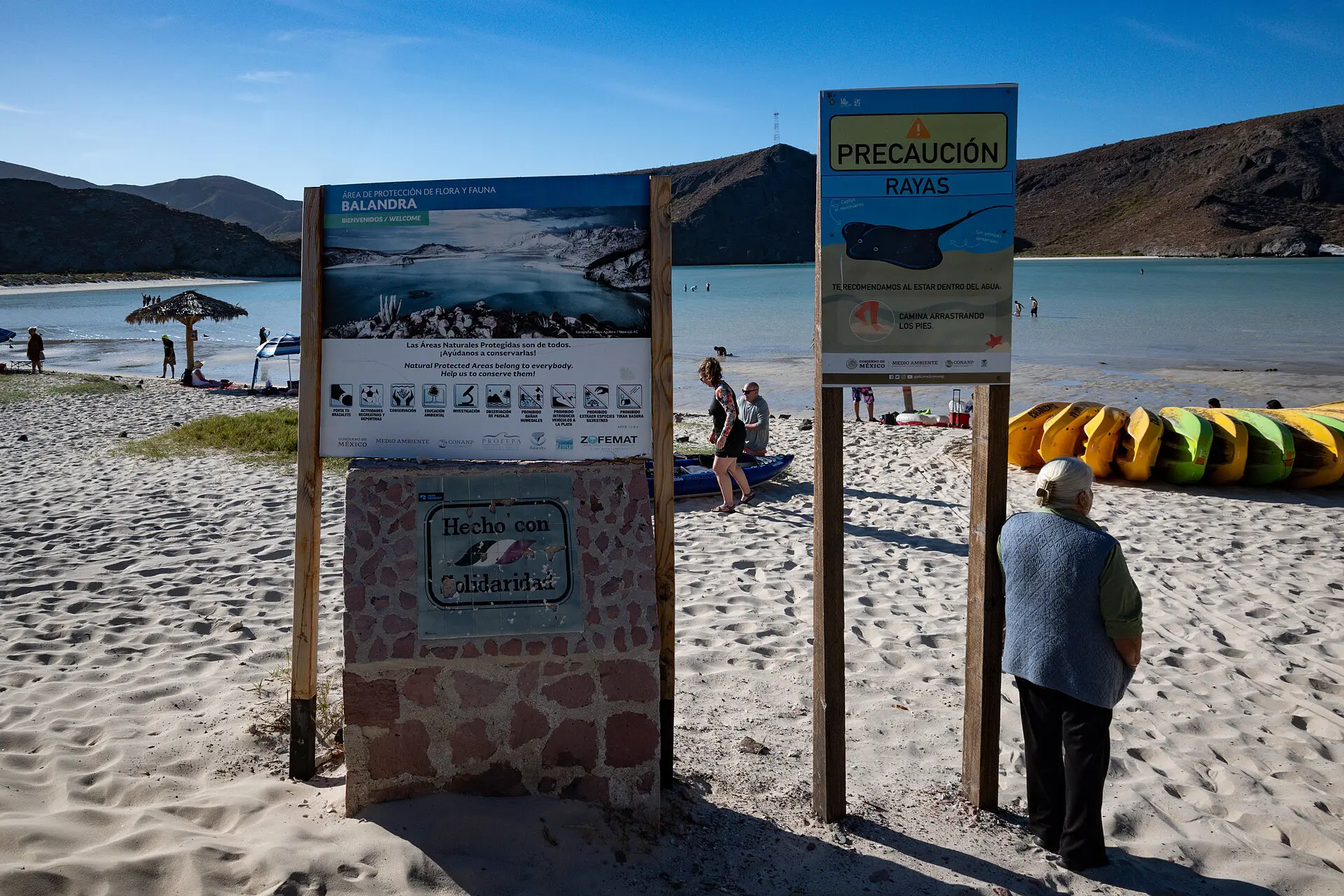
Your first 24 hours in La Paz: practical rules
- Land in daylight if you can. If not, pre-book your hotel and a transfer.
- Buy the fixed-fare taxi ticket at the airport counter or use an app you have already set up.
- Carry some pesos in small notes for taxis and snacks.
- Screenshot your accommodation address in Spanish and keep an offline map.
- Walk the Malecón once in daylight to learn the layout.
- Drink bottled or purified water only.
- Put sun protection on before you leave the room, even on cloudy days.
- Share a live location with one person at home.
- Eat dinner where other people are, and take a taxi back if it is late.
- Ask your hostel about a group day trip so day two has people in it.
One more habit that pays off: on day two, book a small-group boat or snorkel trip through your accommodation. You get time on the water, a few new contacts for dinner and a ready-made reason to be back before dark.

Is La Paz worth visiting?
Yes, if you want an easy, relaxed first step into Mexico. The city is pleasant rather than flashy, the waterfront is the main event, and the islands and beaches outside town are the real reason to stay several days. It is not risk-free, and I would not pretend any Mexican city is. But the risks here are specific and manageable: watch your phone, fix your taxi fare, mind the sun and sea, and avoid night driving. For deeper background, see the Wikivoyage guide to La Paz and the Wikipedia entry for La Paz, Baja California Sur.

La Paz safety FAQ
Is La Paz Mexico safe at night?
The Malecón and the central streets around it are generally fine in the evening when people are out. Away from the waterfront it quiets down fast. Use a taxi or app for the ride home rather than walking a long way alone.
Is it safe for a woman to travel alone in La Paz?
Many women do it. Expect some attention and catcalling, which is usually best ignored. Stay in a central place, keep your first nights social, share your plans with your hostel or hotel, and trust your instincts about bars and taxis.
Is the tap water safe to drink?
Plan on bottled or purified water, including for brushing teeth if you have a sensitive stomach. Ice in busy restaurants is usually made from purified water, but ask if unsure. Fruit and salads washed in tap water are the other thing to watch, so favour busy places with high turnover.
Is La Paz, Baja California Sur the same as La Paz, Bolivia?
No. They share a name only. This one is a coastal Mexican city at sea level. The Bolivian city is a high-altitude Andean capital, so safety and health advice differs. Check you are reading guidance for the right city before you plan, especially for altitude and health.
Should I check government travel advice before going?
Yes. Check the current advice from your government for Mexico and for the specific state before you book, and again before you travel, because conditions can change. Read the section on Baja California Sur specifically, not just the national summary, and note any warnings about road travel or hurricane season.