A workable Guadalajara 3 day itinerary runs on one idea: markets in the morning, murals and museums by late morning, neighbourhoods in the afternoon. The Centro Histórico holds the cathedral, the main plazas and several murals by José Clemente Orozco within about 2 km of each other. If you only have one day: cathedral and Palacio de Gobierno murals first, Mercado San Juan de Dios for lunch, then the Hospicio Cabañas before it closes.
How to use your Guadalajara 3 day itinerary
Guadalajara is Mexico’s second-largest city, and the historic centre is flat and walkable. The sequencing matters more than the distances. Markets are at their best early, before the midday heat. Museums and mural sites have fixed hours and often a weekly closing day, so they go in the middle of the day.
- Day 1: cathedral, plazas, Palacio de Gobierno murals and the regional museum.
- Day 2: the big market, then the Hospicio Cabañas and the Orozco route.
- Day 3: Tlaquepaque, with Tonalá as an option on market days.
The rainy season runs roughly from June to September, with storms common in the late afternoon. Keep indoor blocks in reserve for then.
Guadalajara 3 day itinerary: the time-blocked plan
1. Day 1 morning: cathedral, Plaza de Armas and the Palacio de Gobierno
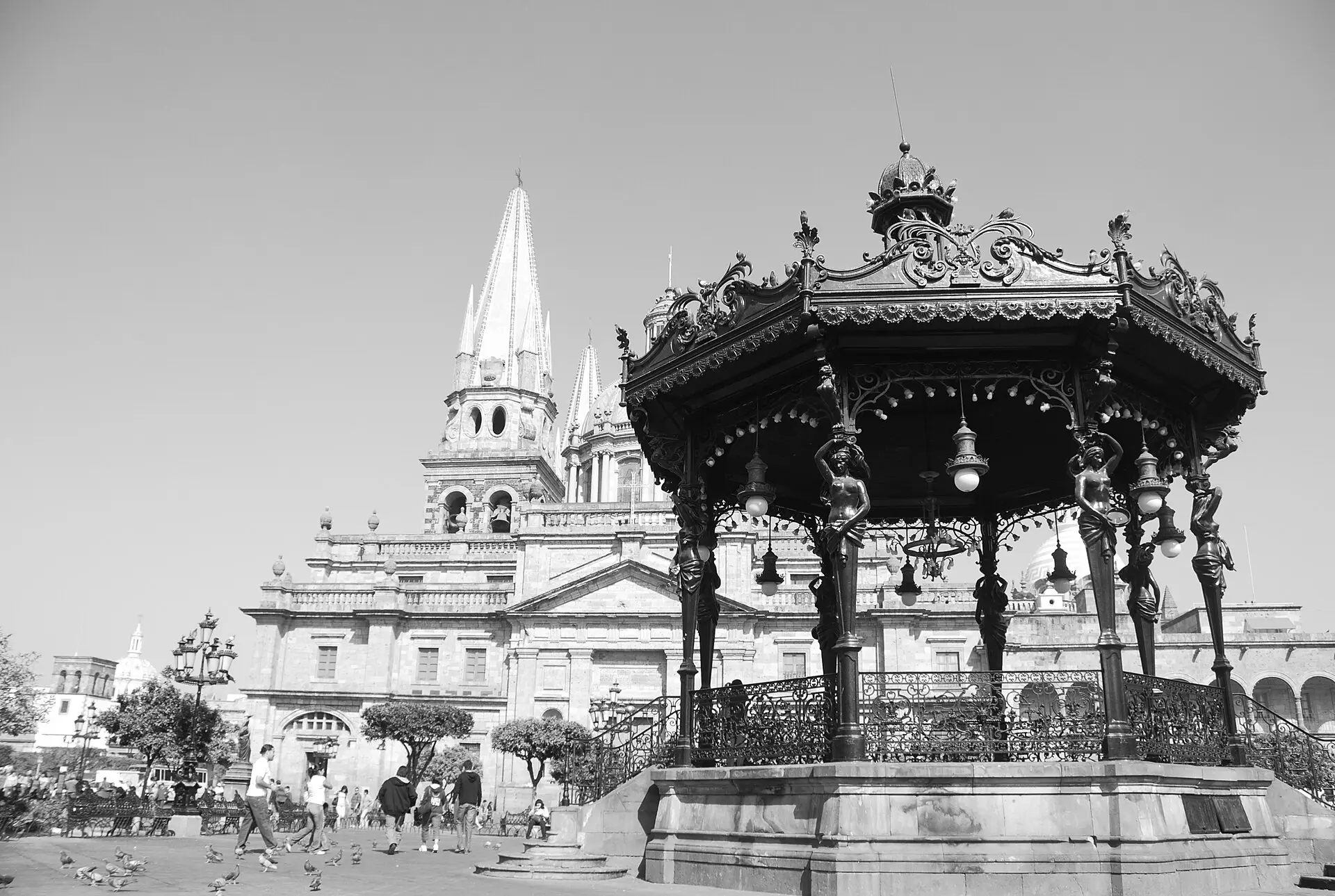
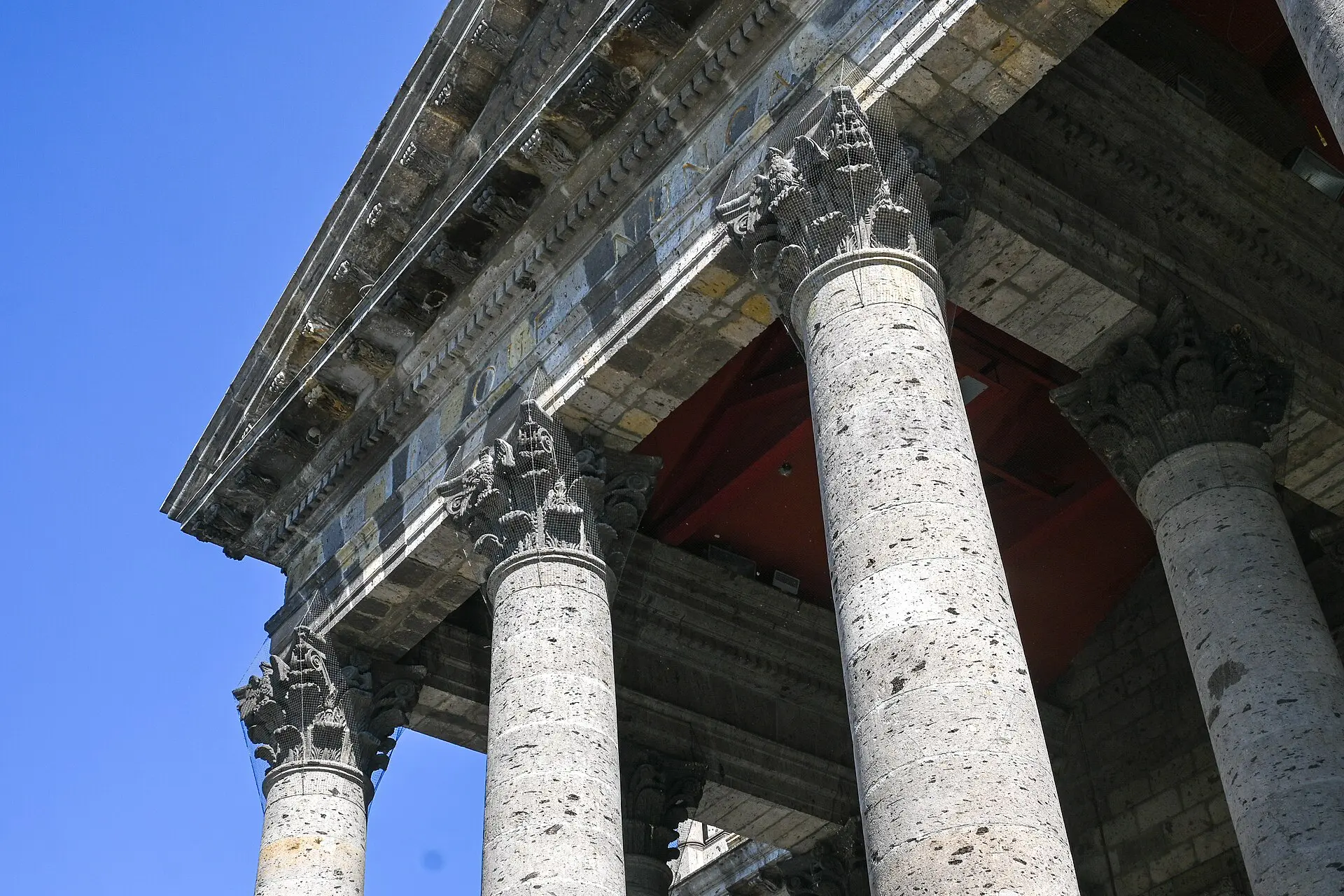
Start at the cathedral, whose twin towers define the skyline, then cross the Plaza de Armas to the Palacio de Gobierno. Inside, a stair-wall mural by Orozco depicts Miguel Hidalgo, and entry is usually free. This is the first stop on the mural route, and the order matters: you see the politics of the story here, then the larger works later in the day. Allow two hours. Check opening hours, since government buildings can close for events.
Before you leave the plaza, look at the cathedral’s exterior from the Plaza de la Liberación side, where the towers frame the view down the pedestrian axis. The plazas around the cathedral are open all day and are at their best in the early morning, when sweepers and coffee carts outnumber visitors.
2. Day 1 afternoon: Teatro Degollado and the regional museum
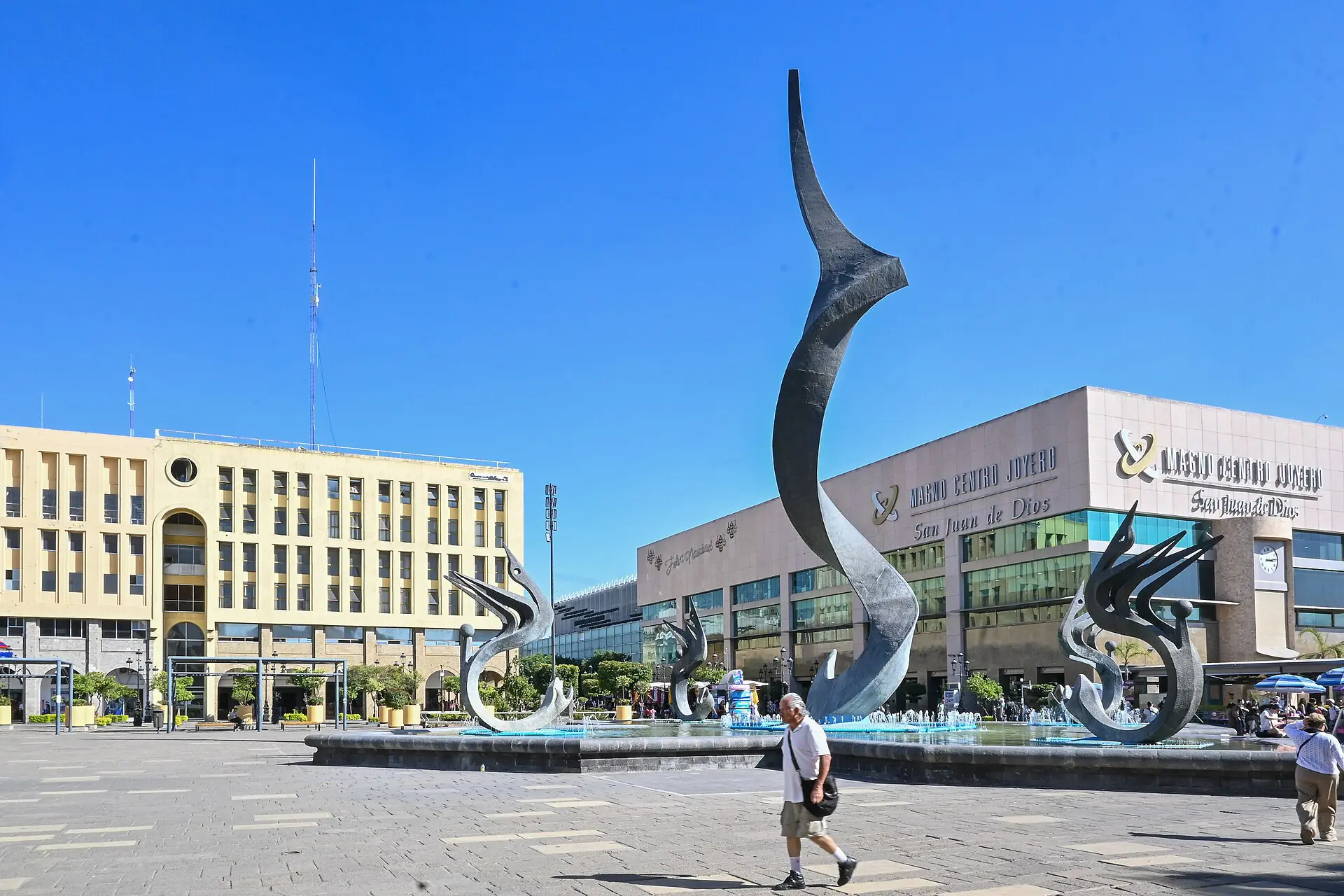
The Teatro Degollado is a neoclassical opera house a short walk from the cathedral. You can usually see the interior on a short visit, subject to rehearsals and events. The Museo Regional de Guadalajara, nearby, covers the history of the region from pre-Hispanic times. Many Mexican museums close one day a week, often Monday, so confirm before you set out. End on the pedestrian Plaza Tapatía, a long, open walk toward the Hospicio.
3. Day 2 morning: Mercado San Juan de Dios
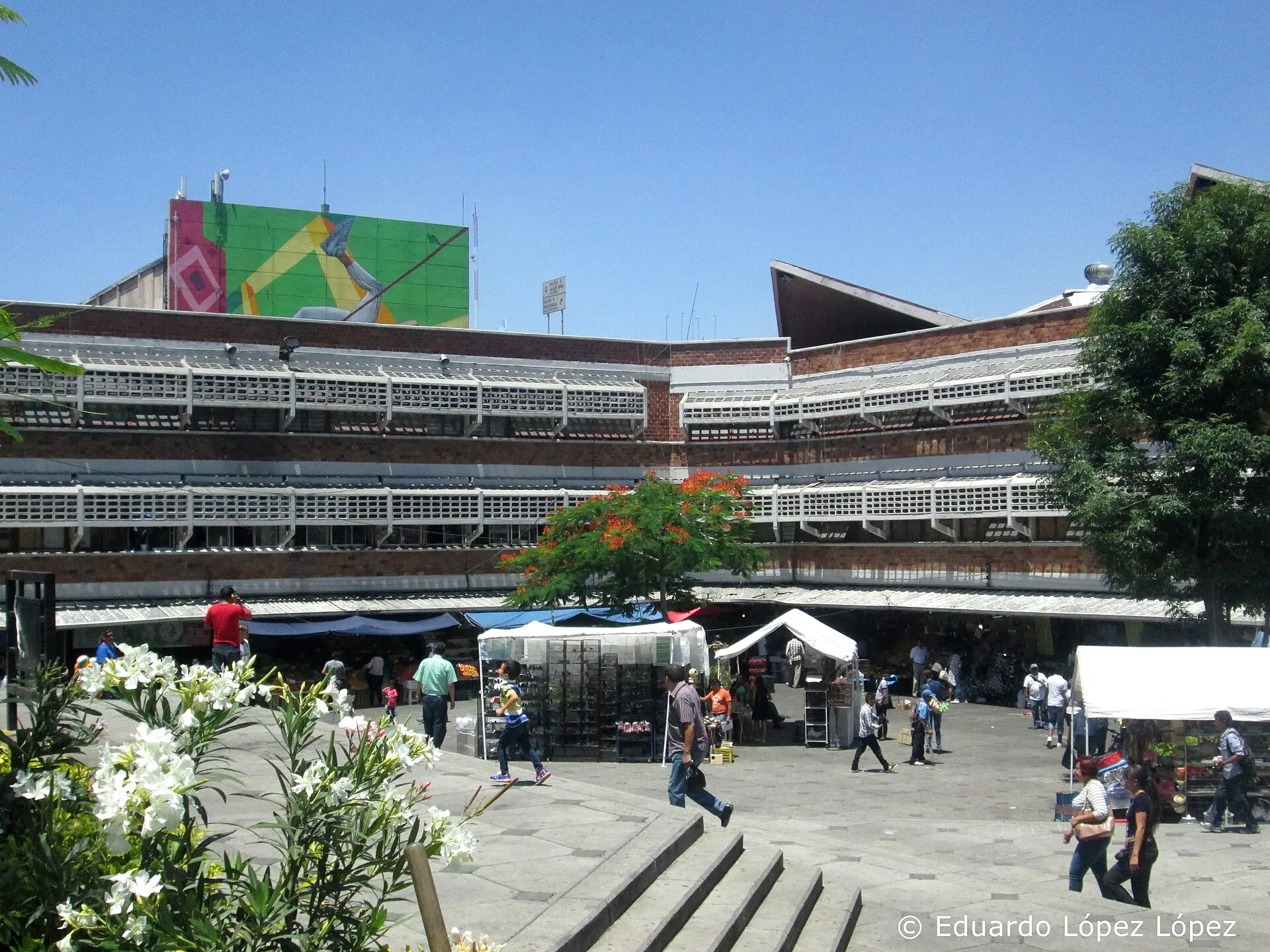
Guadalajara’s largest market, also known as Mercado Libertad, is a three-storey building with stalls selling food, clothes, crafts, herbs and household goods. Go before 10am, while it is cool and the food stalls are fresh. Walk the upper floors first, then eat on the ground floor. Keep your bag zipped and close, as in any dense market. The market runs daily; opening hours vary by stall, so arrive early for the widest choice.
4. Day 2 late morning: Hospicio Cabañas
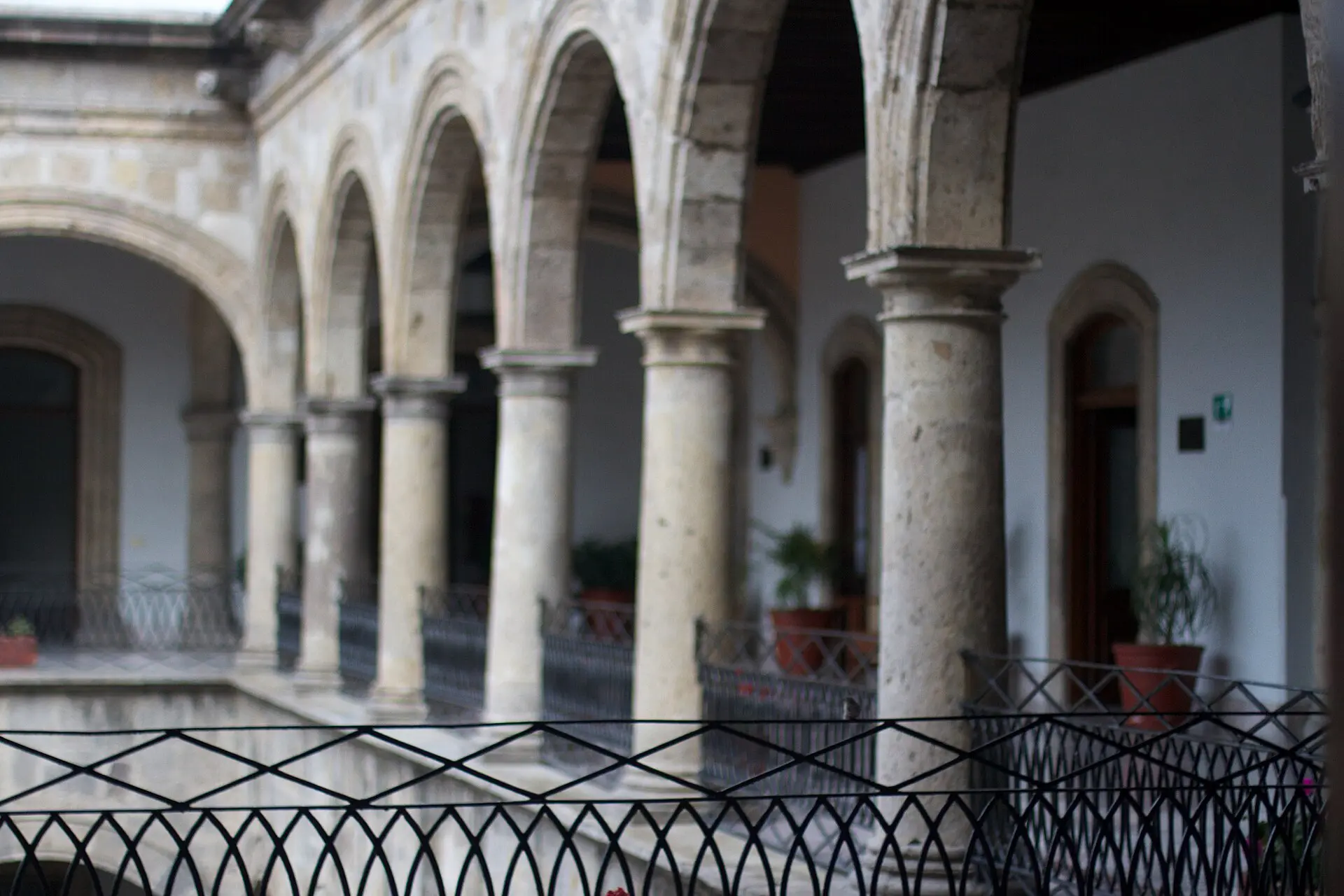
This UNESCO-listed former orphanage is the anchor of the city. Its chapel holds Orozco’s best-known murals, including the figure of the Man of Fire in the dome. Look up: the dome is the point of the visit. Allow 90 minutes. The museum is commonly closed on Mondays, and ticketing and hours can change, so check the official site. Visit before noon: the chapel is quiet then and the light is better.
The side galleries hold changing exhibitions, and the courtyards connect the building’s many wings, so use the plan at the entrance rather than wandering. The Hospicio is about 1 km from the cathedral along the Plaza Tapatía, which makes it easy to walk from the morning block without a taxi. If the line at the ticket desk is long, ask whether online tickets are offered for the day.
5. Day 2 afternoon: Colonia Americana and Avenida Chapultepec
After the murals, switch to a modern block. The Colonia Americana, west of the centre, has tree-lined streets, cafes, small galleries and early 20th-century houses. Take a taxi or ride-hail, or the light rail, and walk it for two hours with a coffee stop. Avenida Chapultepec is the main strip, busy in the evening. This is the best place to eat dinner if you want a break from the old centre.
Restaurants here keep later hours than those in the Centro, so a 9pm table is normal. Weekends are busy, so arrive before 8pm if you do not want to wait.
6. Day 3: Tlaquepaque, with Tonalá as an option
Tlaquepaque is a pedestrian town of craft shops, pottery workshops and plazas, about 8 km southeast of the centre. Go in the morning, before the tour groups and the heat. Many shops open late and close on Sunday evenings, so plan for mid-morning to mid-afternoon. Tonalá, a short ride further, holds a large street market on certain days, usually Thursdays and Sundays; confirm before you go. Return to the centre by late afternoon.
If you prefer a quieter day, skip Tonalá and spend the extra time in Tlaquepaque’s workshops, where several studios show how pottery and blown glass are made. Taxis and ride-hailing apps are easier than buses for the return trip, particularly after a day of carrying purchases.
Queue-avoidance timing in Guadalajara
Queues are rarely long, but crowds, heat and closing days shape the day.
- Markets first. The big market is calm early and crowded by noon.
- Museums at opening. The Hospicio chapel is quietest in the first hour.
- Siesta window. Many smaller shops pause in the early afternoon; use it for lunch.
- Weekends. Plazas and markets fill on Sundays, while some museums offer free entry for residents; check the rules for foreign visitors.
Getting around Guadalajara
Walk the Centro Histórico. The cathedral, theatre, Plaza Tapatía and Hospicio are all within about 2 km of each other. For the Colonia Americana, Tlaquepaque and Zapopan, use ride-hailing apps, taxis or the Tren Ligero light-rail lines; check current routes and fares as of 2026. Buses are cheap but harder for visitors to follow.
The airport is about 20 km south of the centre, roughly 30 to 45 minutes by taxi depending on traffic. See the Wikivoyage Guadalajara guide for district descriptions and further transport notes.
Where to stay in Guadalajara
- Centro Histórico: best for the first two days; walkable to every anchor, quiet at night on some blocks and busy at midday.
- Colonia Americana and Lafayette: cafes, restaurants and a more local feel; a short ride from the centre.
- Chapultepec corridor: well connected, with many dining options and bars.
- Tlaquepaque: quiet in the evenings; a good choice if crafts matter most.
For the full picture of the city, see our Guadalajara city guide, and for meals see what to eat in Guadalajara.
What to skip in Guadalajara if you are short on time
I would skip a tequila day trip on a three-day culture itinerary: it takes most of a day and adds little to the mural route. I would also skip the shopping malls and any attempt to see every church in the centre. Zapopan basilica is a good extra, but only if you have a spare afternoon.
The one-day cut, in order:
- 9am: cathedral and Palacio de Gobierno mural.
- 11am: Mercado San Juan de Dios, with an early lunch.
- 1pm: Hospicio Cabañas and its chapel murals.
- 4pm: Plaza Tapatía walk back to the centre.
FAQ about Guadalajara
Is three days enough for Guadalajara?
Yes. Three days covers the historic centre, the Hospicio Cabañas and its murals, the main market and Tlaquepaque, with a slow afternoon in the Colonia Americana. Two days works if you drop Tlaquepaque or combine the museum blocks.
Which day should I avoid for museums in Guadalajara?
Many Mexican museums close on Mondays, including some in Guadalajara, and hours differ by site. Check each museum’s official page before you travel, and keep Mondays for markets, plazas and walking.
What is the best time of day for the market?
Go between 8am and 10am. The stalls are fully stocked, the building is cool and the aisles are manageable. By midday the crowd thickens and the heat rises, especially on the upper floors.
Is Guadalajara safe for tourists?
The Centro Histórico and Colonia Americana are popular with visitors, and standard city precautions apply: keep valuables out of sight, use licensed taxis or ride-hail at night, and check official travel advice before your trip.
For the wider picture, see our Mexico guide and the Wikipedia entry on Guadalajara.