The cost of living in Panama for one remote worker is roughly 1,300 to 2,800 US dollars a month, as of 2026, depending mostly on rent and whether you live in Panama City, a beach town or the highlands. Panama uses the US dollar, which removes exchange-rate guessing but also means prices are not as low as in much of Asia. Treat the figures here as planning ranges and verify them against live listings.
Cost of living in Panama: a monthly budget band
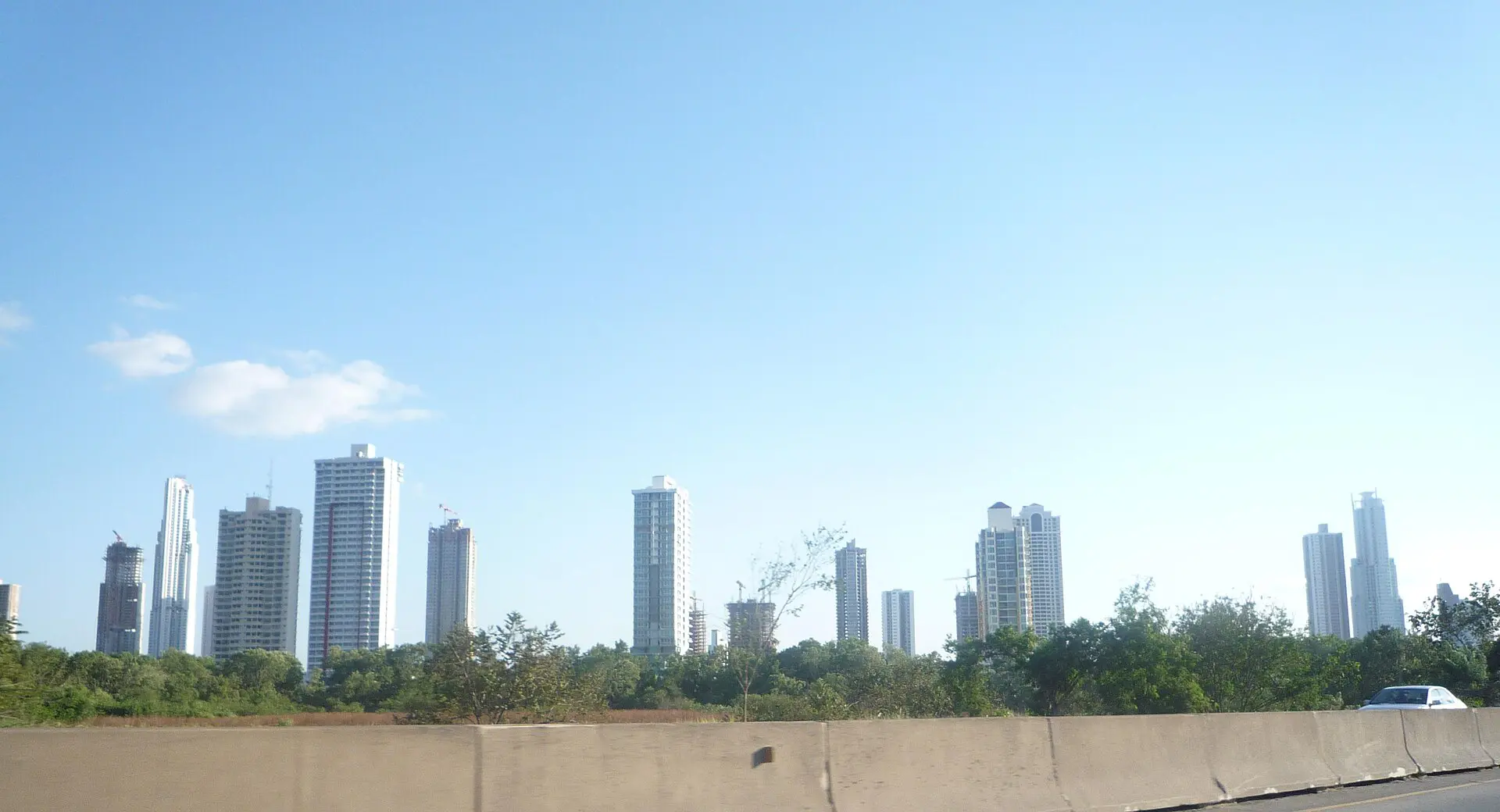
Panama is a middle-priced base: cheaper than the United States or Western Europe for rent and eating out, dearer than Colombia or Mexico for imported goods and groceries. Panama City has a modern high-rise rental market, while islands such as Bocas del Toro cost more for food because almost everything arrives by boat. The table gives daily and ten-day totals for one person, hedged for 2026.
| Budget level | Daily range | 10-day total | What it covers |
|---|---|---|---|
| Lean | around US$40 to 65 | around US$400 to 650 | A room or small apartment outside the prime areas, local fondas, buses and the metro |
| Comfortable | around US$80 to 130 | around US$800 to 1,300 | A furnished one-bedroom in a good neighbourhood, cafe work, restaurant meals, rideshare |
| Easy | around US$150 to 240 and up | around US$1,500 to 2,400 and up | A modern high-rise apartment, a coworking desk, imported groceries, trips to the islands |
The daily and 10-day figures are for a short stay at nightly rates. Over a month the daily cost falls, because long-stay rents are lower, so use the monthly figures for a longer stay.
For a one-month band, we would plan on about US$1,300 to 1,800 for a lean to comfortable month in the highlands or a smaller town, US$1,800 to 2,800 in Panama City, and similar or higher on the islands. Rent is the line to confirm first.
Where to base yourself by work style
Panama City is the practical choice if you need reliable internet, coworking, hospitals and the main airport, and it has the strongest nomad community. Beach towns on the Pacific coast and the Caribbean island of Bocas del Toro suit people who want a slower day and can accept patchier power and connections. Highland towns such as Boquete are cooler and quieter, with a long-stay expat community. If your work depends on video calls, start in the capital, then move out once you know what your connection can handle. The Panama travel guide covers the regions.
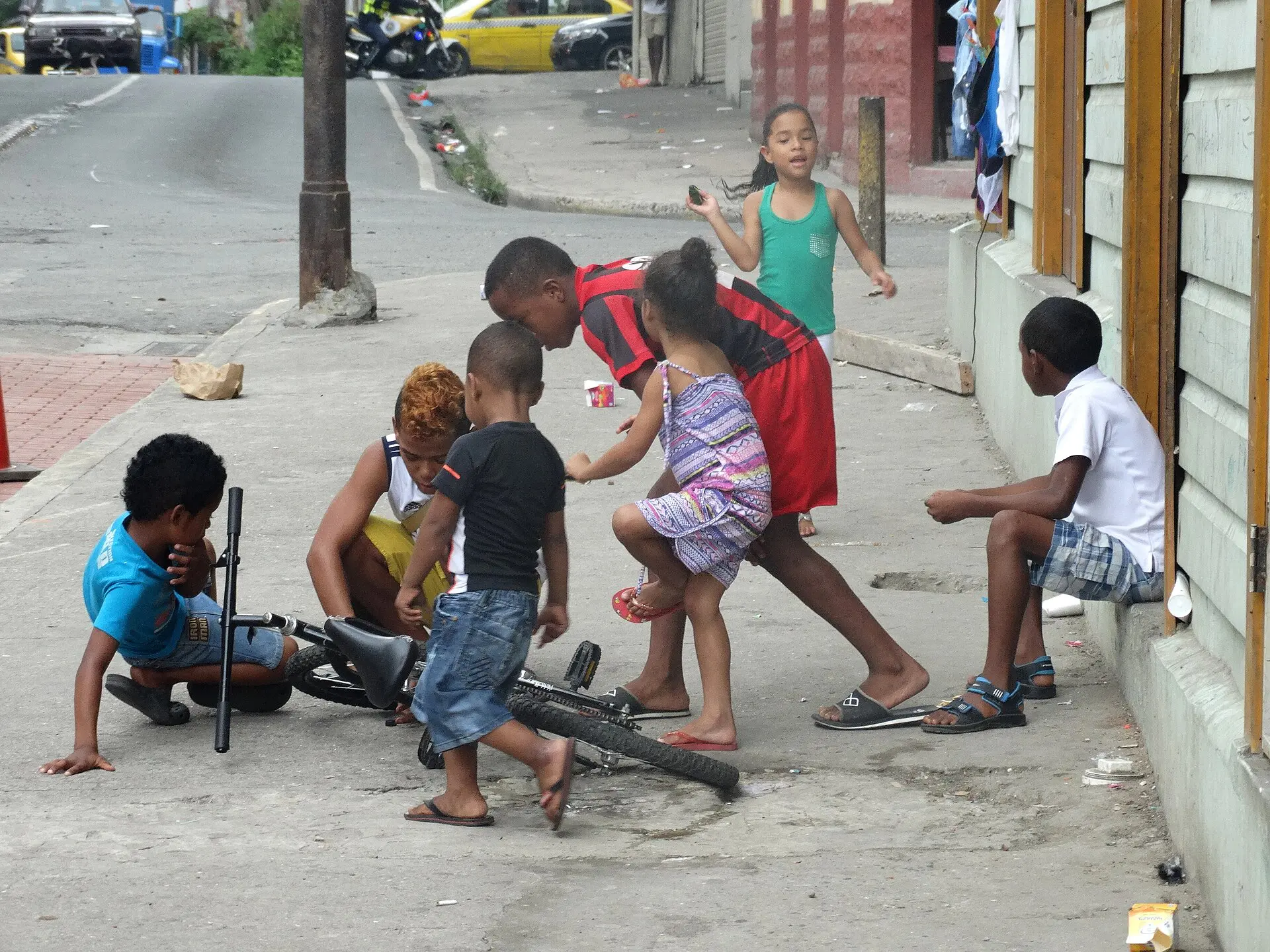
Work-friendly spots by type in Panama
We have not tested any specific space, so here is what to look for by type rather than a ranking. Coworking spaces in Panama City tend to cluster in the business districts and cost more than elsewhere in the country, with day passes useful for a trial. Cafes in the capital range from air-conditioned chains with steady sockets to open-air places where the heat and street noise decide your day.
Hotel lobbies and apartment-building lounges can work for a quiet morning. On islands and in smaller towns, ask your host which cafe or bar copes with video calls, then test it with a real call before relying on it. Always have a mobile hotspot ready.
Where paying more pays off in Panama
Panama punishes the cheapest choice more than most places, because infrastructure outside the capital is uneven. These are the lines where we would spend.
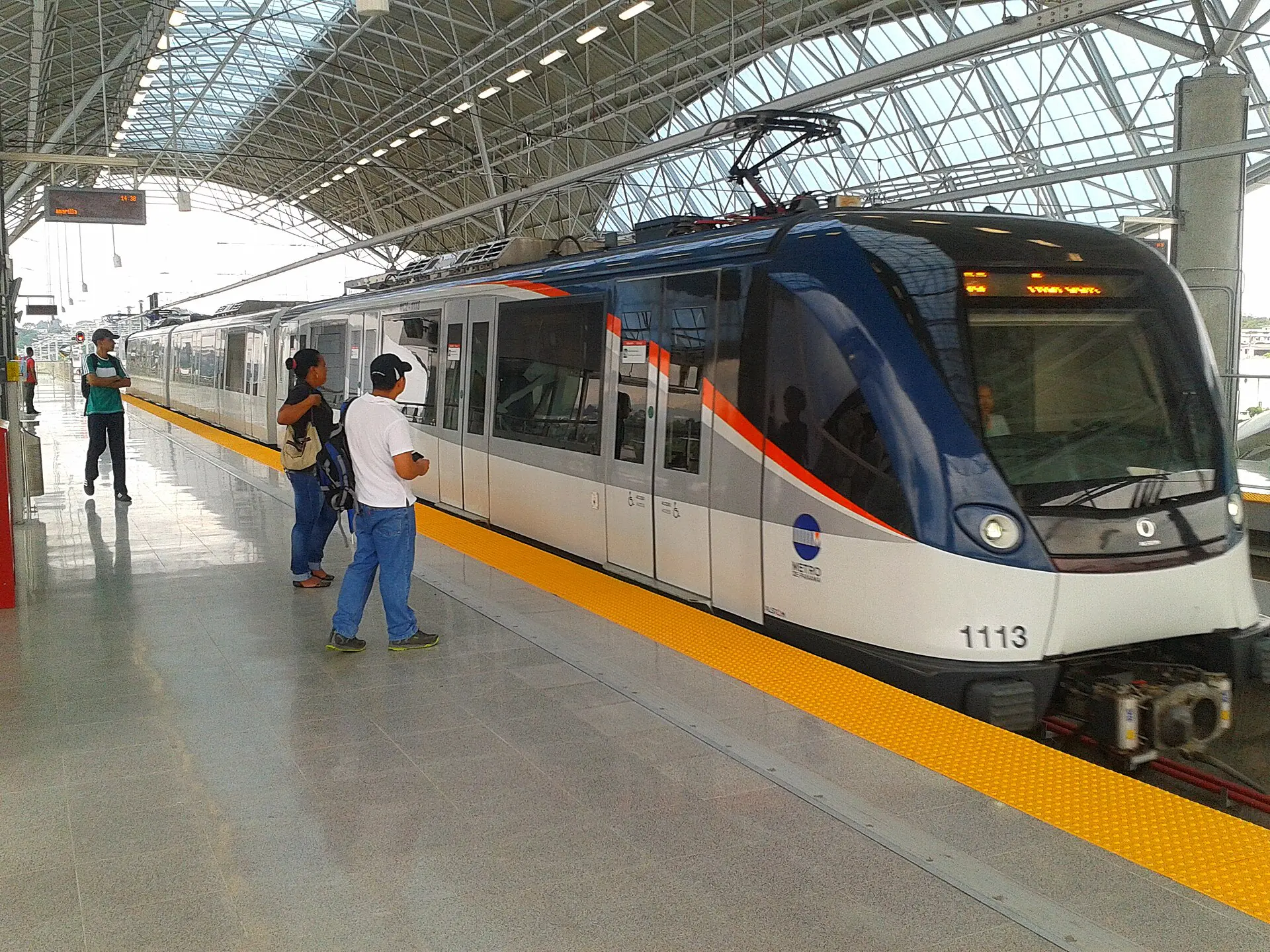
1. Reliable internet and a backup
Fibre is common in Panama City, but speeds and reliability vary by building. In islands and smaller towns, connections can drop and power cuts happen. Pay for the better plan, ask for a recent speed test, and carry a local mobile data plan as backup. Verify yourself on arrival; do not rely on a listing.
2. A good apartment in a safe, walkable area
In Panama City, a furnished apartment in a well-served area costs more than a cheaper one in a harder-to-reach district, but it can save on taxis and make evenings easier. Check current travel advice, ask locals about specific streets and visit before signing a longer lease.
3. Air conditioning that works
Panama is hot and humid all year. A place with efficient air conditioning will raise your electricity bill, but working without it is hard. Ask what past bills looked like and who pays for repairs.
Where to save in Panama
These habits cut the cost of living in Panama without wrecking the routine.
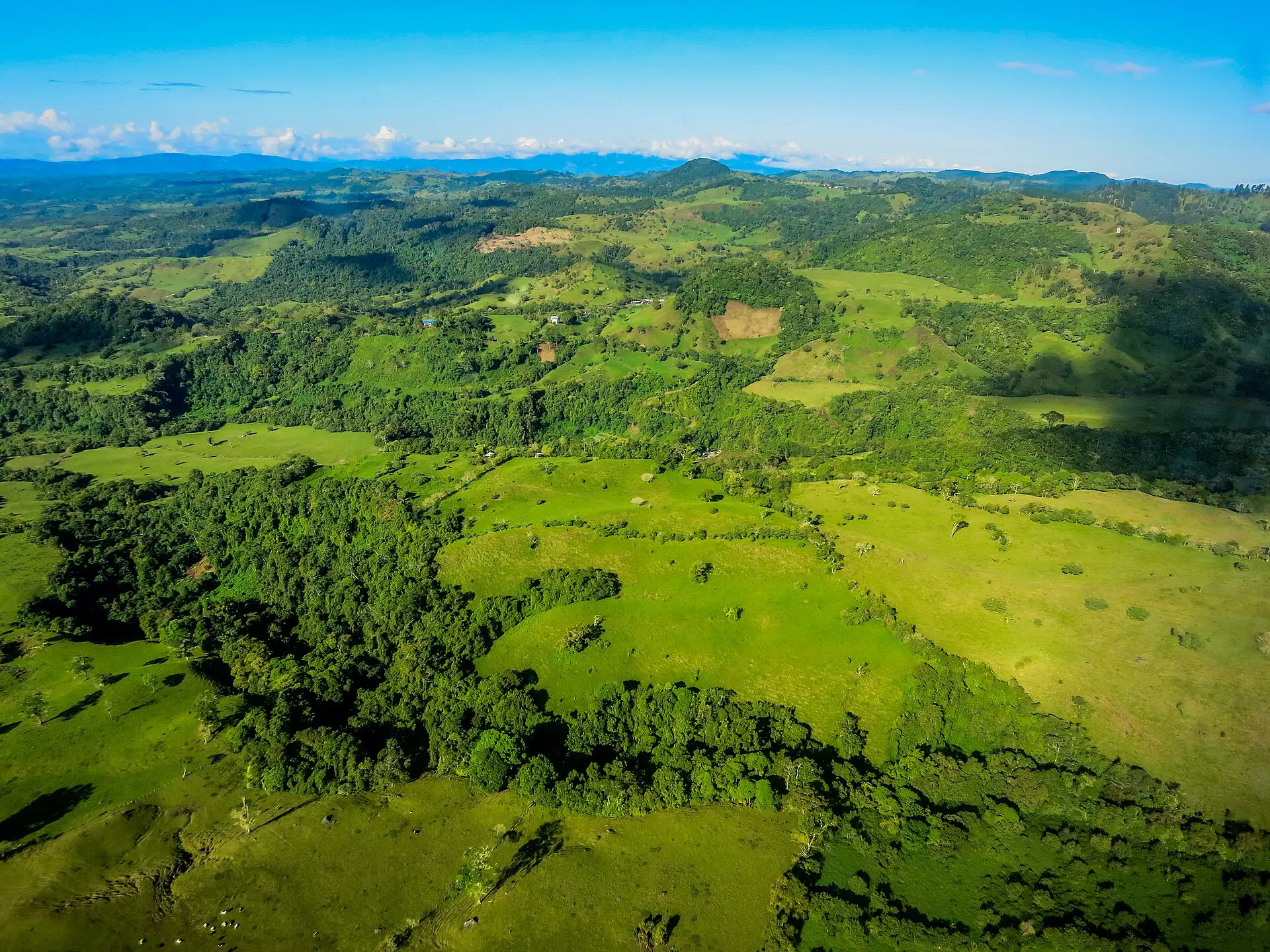
4. Eat at local fondas
Small local restaurants serve a set plate of rice, beans, chicken or fish and a drink for far less than a tourist-area meal. As of 2026, expect a few dollars for a basic plate outside prime districts, though prices vary. Make this your default lunch.
5. Use the metro, buses and rideshare sparingly
Panama City has a metro and a bus network that cost little compared with taxis. Rideshare and taxis add up, especially at night. Agree the price before getting into an unmetered taxi.
6. Rent for a month or more
Long-stay rates are generally lower than nightly rates, and landlords often prefer a monthly tenant. Compare a monthly rental with serviced-apartment pricing, and ask what is included in the rent.
7. Live outside the most expensive districts
Newer high-rise areas in the capital cost the most. Slightly older neighbourhoods with metro access can be cheaper. In the highlands and interior, rents are often lower still, but you need transport and may lose reliable connectivity.
Transport and booking windows
Getting around Panama City is straightforward by metro, bus and rideshare. The harder part is leaving it. Many visitors want Bocas del Toro, and that is one of the most searched trips from the capital. You can fly from Panama City to Bocas del Toro, or go overland by bus to the coast and take a boat across. Flights are quicker but cost more and can sell out in holiday weeks. The bus and boat route is slower and cheaper.
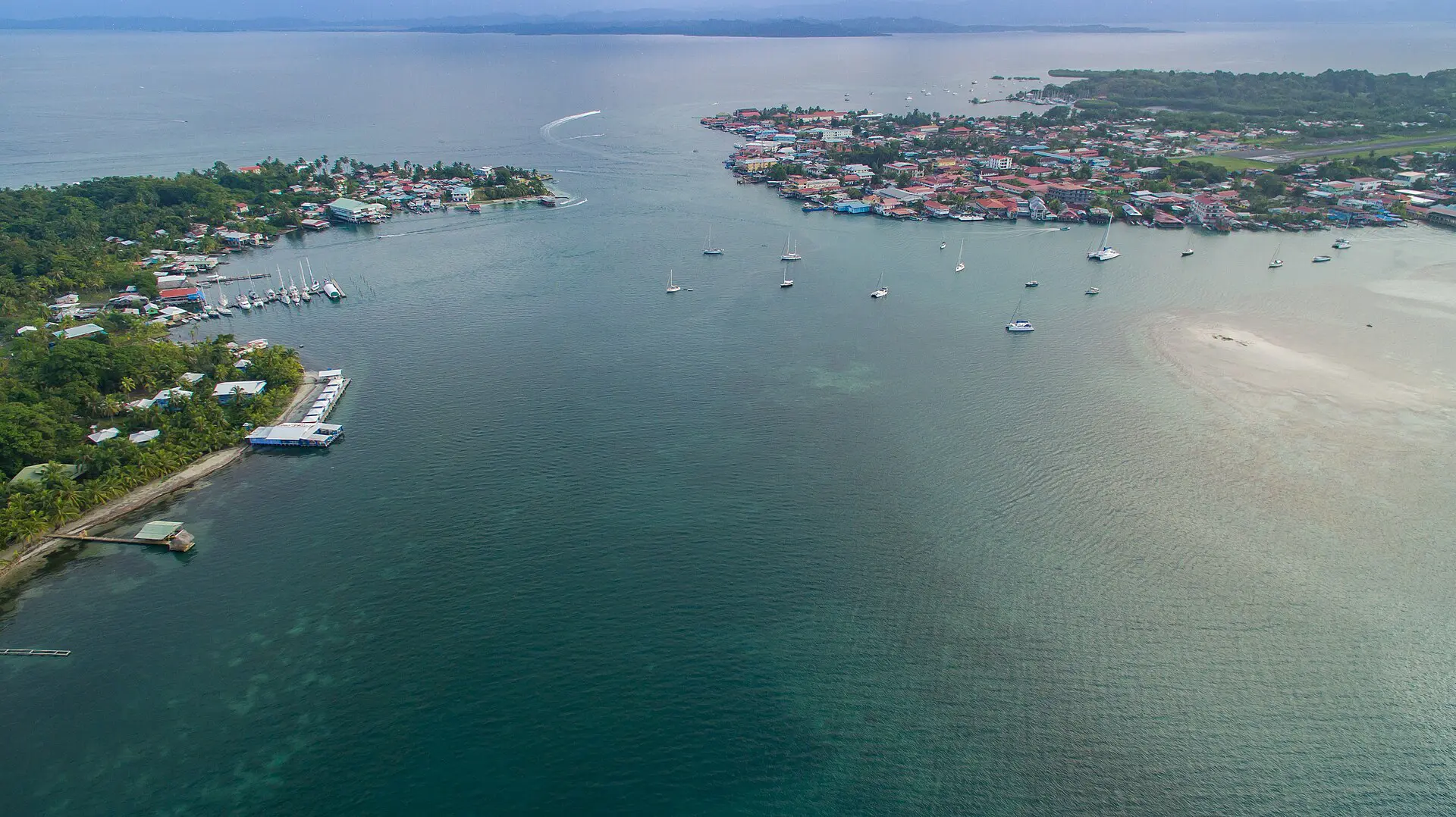
Check current schedules and prices with the operators, because both change. In the dry months and around public holidays, book flights and boats a few weeks ahead. Buses and boats can be disrupted by weather, so keep a spare day before a deadline or an important call. Plan the move around your work calendar, not the other way round. Our Panama travel guide has more on regions and routes.
Best months for value
Panama has a dry season, roughly December to April, and a wet season for the rest of the year. The dry months are the most comfortable and the busiest, so rents and flights are at their highest, and island accommodation is hardest to find. The wet season brings daily downpours, but prices are lower and the highlands stay green. For a first month, we would aim for the shoulder at either end of the dry season, then check the forecast for the specific coast you choose. Regions differ: the Caribbean side has a different rain pattern from the Pacific.
Test-it-yourself checklist before you commit
Run these checks in your first week, ideally before paying a long deposit.
- Test speed and latency at your desk at several times of day, and check what happens during a power cut.
- Make a real video call, not just a speed test.
- Walk from your door to a supermarket, a cafe and a transit stop, at the hour you would normally go.
- Spend one workday in a cafe and one in coworking, then compare noise and sockets.
- Price a normal weekly shop and three dinners, then compare with your budget.
For regional background, the Wikivoyage page on Panama is a useful companion.
FAQ about cost of living in Panama
How much money do you need to live in Panama per month?
A single person might plan on about US$1,300 to 2,800 a month as of 2026, with the capital and islands at the upper end. Residence visas can carry income or deposit requirements, so verify the current figure with the official source rather than relying on a blog.
Is Panama cheaper than Costa Rica?
Often a little, especially for rent and eating out in the capital and the highlands, though the gap depends on where you live. Both use higher prices for imported goods. Compare listings and grocery prices for your target area rather than relying on country averages.
Is Panama City expensive?
It is the most expensive part of Panama for rent, with modern high-rise apartments priced well above the rest of the country. Eating at local places and using public transport keeps daily costs manageable. Many people find it good value compared with a major US or European city.
Is the US dollar used in Panama?
Yes. Panama uses the US dollar alongside its own balboa coins, which match US coin sizes. That removes currency exchange for American visitors, though foreign cards still charge fees. Carry small notes for taxis, markets and island businesses that do not take cards.
What is the cheapest place to live in Panama?
Smaller interior and highland towns tend to be cheapest for rent, while islands and beach towns cost more for food. The trade-off is weaker internet and fewer services, so test the connection and healthcare access before committing. The Wikipedia article on Panama gives context on the geography.