The best time to visit Alaska for value is mid-May to early June, or late August to mid-September. Both windows sit either side of the peak summer rush that runs from mid-June through July. Weather is workable, daylight is long or still generous, and cruise, hotel and tour prices are often noticeably lower than in July. This guide sets out the months by price and crowds, shows where paying more is worth it, and says when to book. All figures are rough and change by year.
Best time to visit Alaska: month by month
Most of Alaska’s visitor economy runs from May to September. Outside that window, many lodges, tours and some road services close or cut back. Price level below is relative: 1 is cheapest, 5 is dearest.
| Month | Weather | Price level | Crowds | Verdict |
|---|---|---|---|---|
| January to February | Very cold, short days | 2 | Low | Aurora and winter sports only; limited services |
| March to April | Cold, lengthening days, melting | 1 to 2 | Low | Good for aurora and events; muddy shoulder |
| May | Cool, mostly dry, long days | 2 to 3 | Rising late in month | Strong value; some services still opening |
| June | Mild, near-24-hour light in the north | 4 | High | Best light, early-June cheaper than late |
| July | Warmest, can be rainy on the coast | 5 | Highest | Peak pricing; book early or skip |
| August | Mild, wetter, dark returns | 4 to 5 | High, easing late | Wildlife and salmon; prices drop after mid-month |
| September | Cool, autumn colour, first frost | 2 to 3 | Low to moderate | Best value overall if you accept some closures |
| October to December | Cold, snow, little daylight | 2 | Low | Few services; for winter-focused trips |
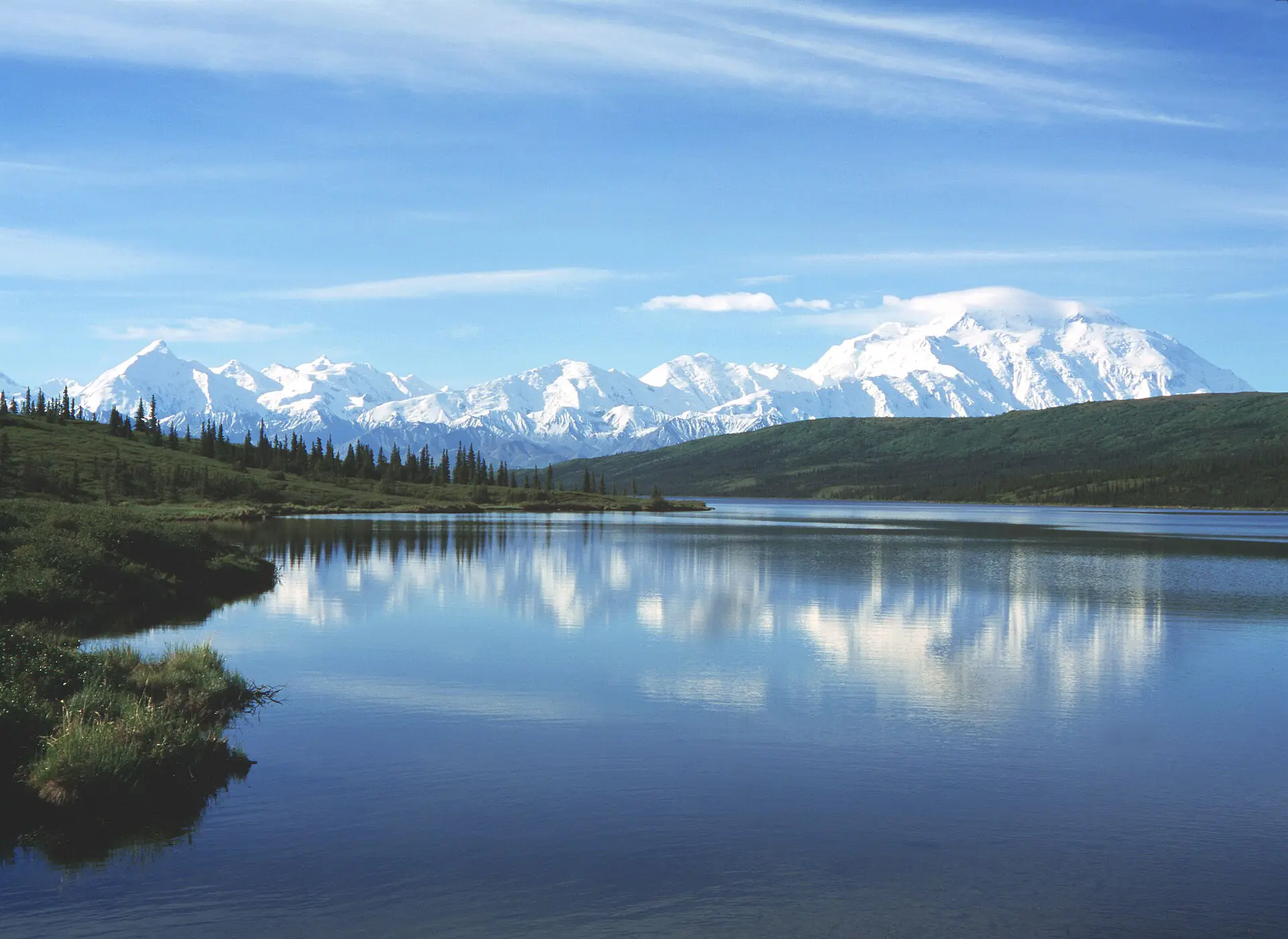
Alaska is huge, so conditions vary. Southeast coastal towns stay damp and mild, the interior is drier with bigger temperature swings, and the Arctic stays cold most of the year. Wikivoyage notes that the state spans rainy southern climates and ice desert in the far north.
Pay more for / save on by season
Alaska is one of the few places where paying more for a specific month buys a specific thing, and the rest of the year is better value.
- Pay more for: late June to July if midnight sun, the warmest air and every tour running matter most. This is when Denali park shuttle and wildlife tours are most reliably operating.
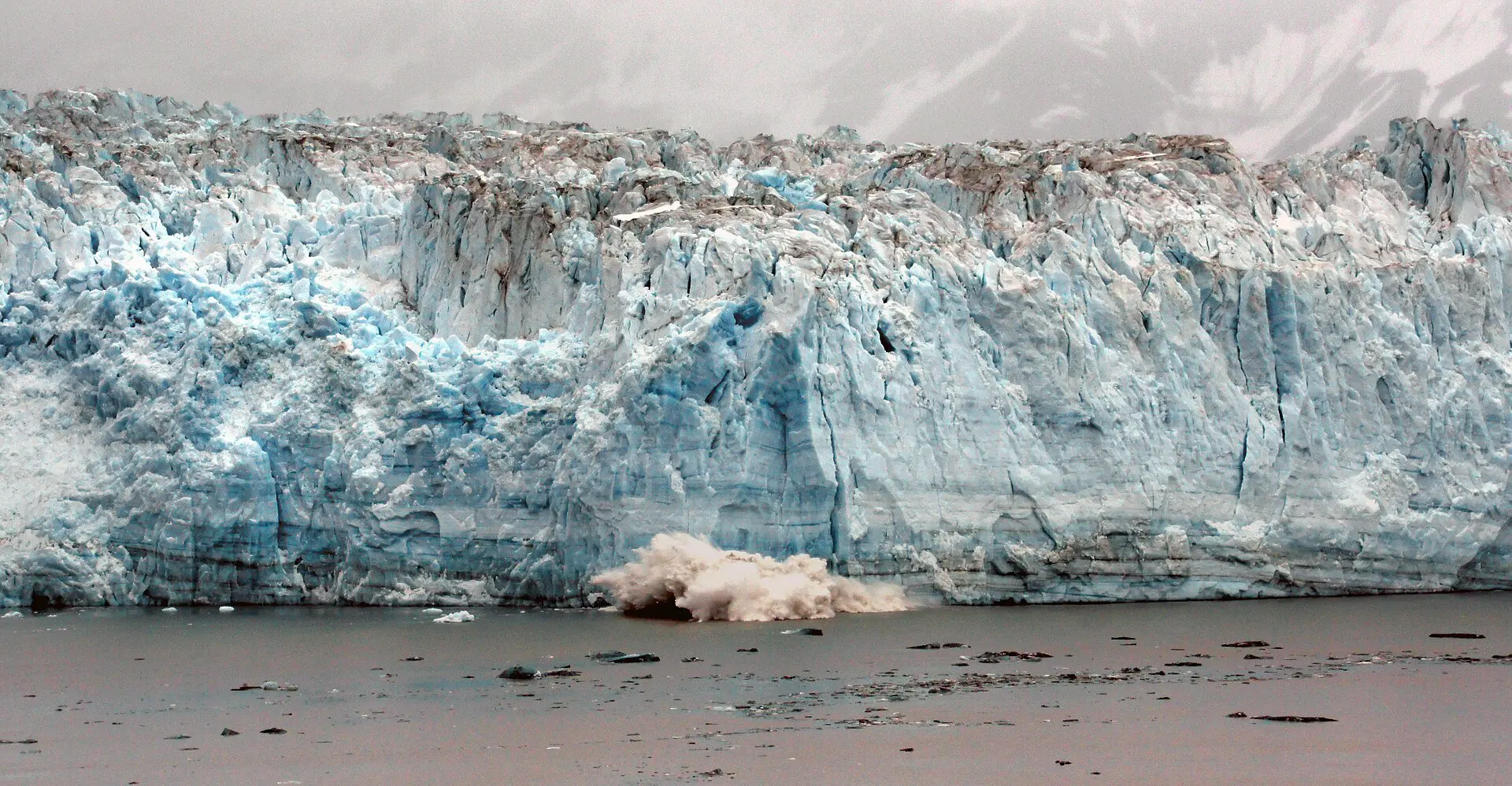
- Pay more for: cabin or window upgrades on a glacier-focused cruise, since views of tidewater glaciers are the point of the trip.
- Save on: May and September cruises. Fares are often well below July, though a few ports or excursions may run a shorter schedule.
- Save on: inside-cabin rates on a cruise where most of the day is spent on deck or ashore.
- Save on: flights by avoiding the weeks around US school holidays and the Fourth of July.
- Save on: rental cars outside July, when demand pushes prices up sharply. A mid-size car can swing from around $60 to $200 a day depending on dates and availability.
The best value window for visiting Alaska
Two windows give the best balance. The first runs from mid-May to the first week of June: days are already long, snow is gone from main roads, and hotel and cruise prices have not reached summer levels. The second runs from roughly August 25 to mid-September, when the crowds thin and the first autumn colour arrives in the interior.
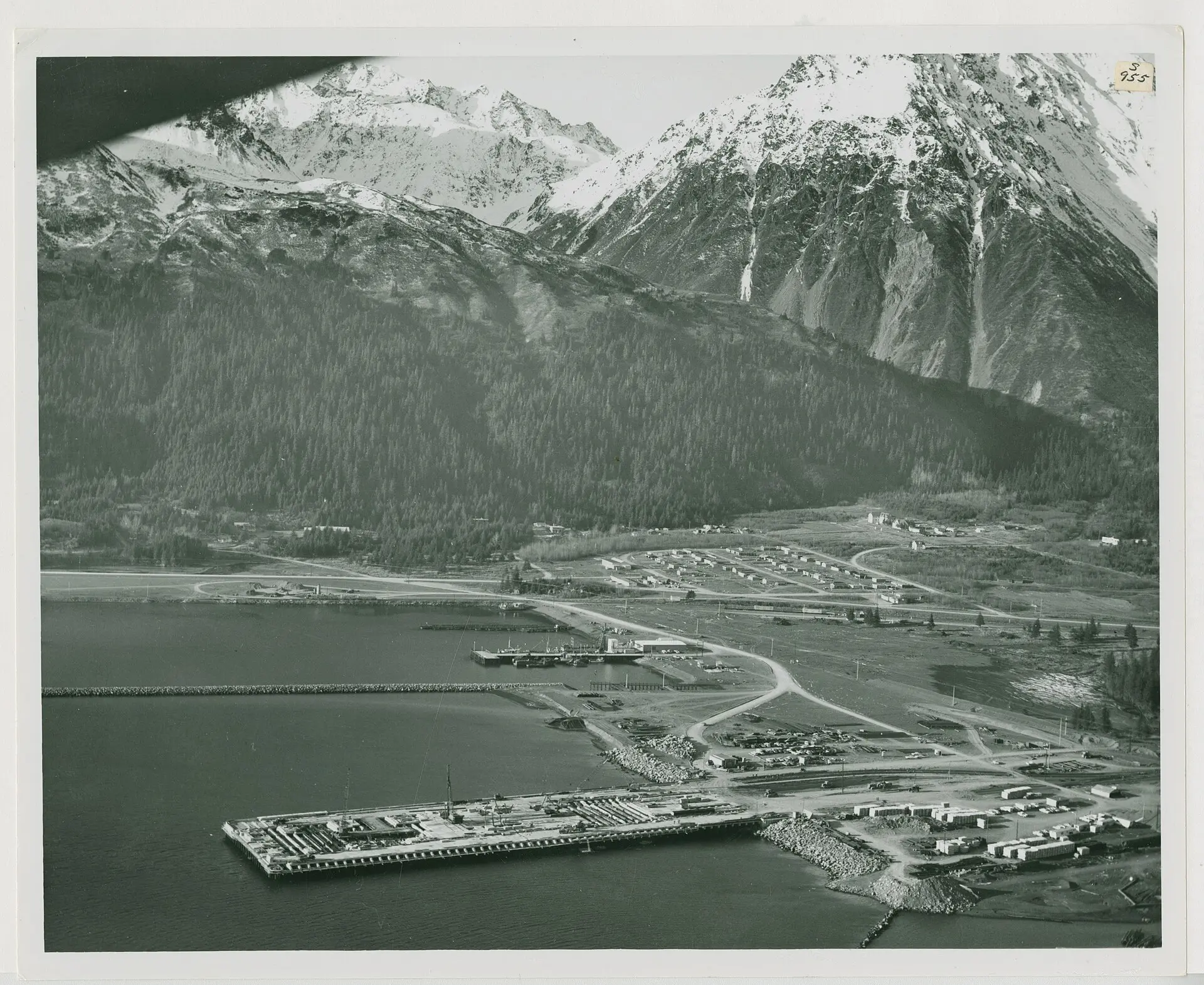
A rough price comparison for one person on a seven-night Inside Passage cruise, as of 2026, is $700 to $1,500 for shoulder weeks against $1,200 to $3,000 and up for peak July weeks, depending on cabin and line. Land trips follow the same pattern: lodges and package tours often cost 20 to 40 percent less in the shoulder windows.
Months to skip
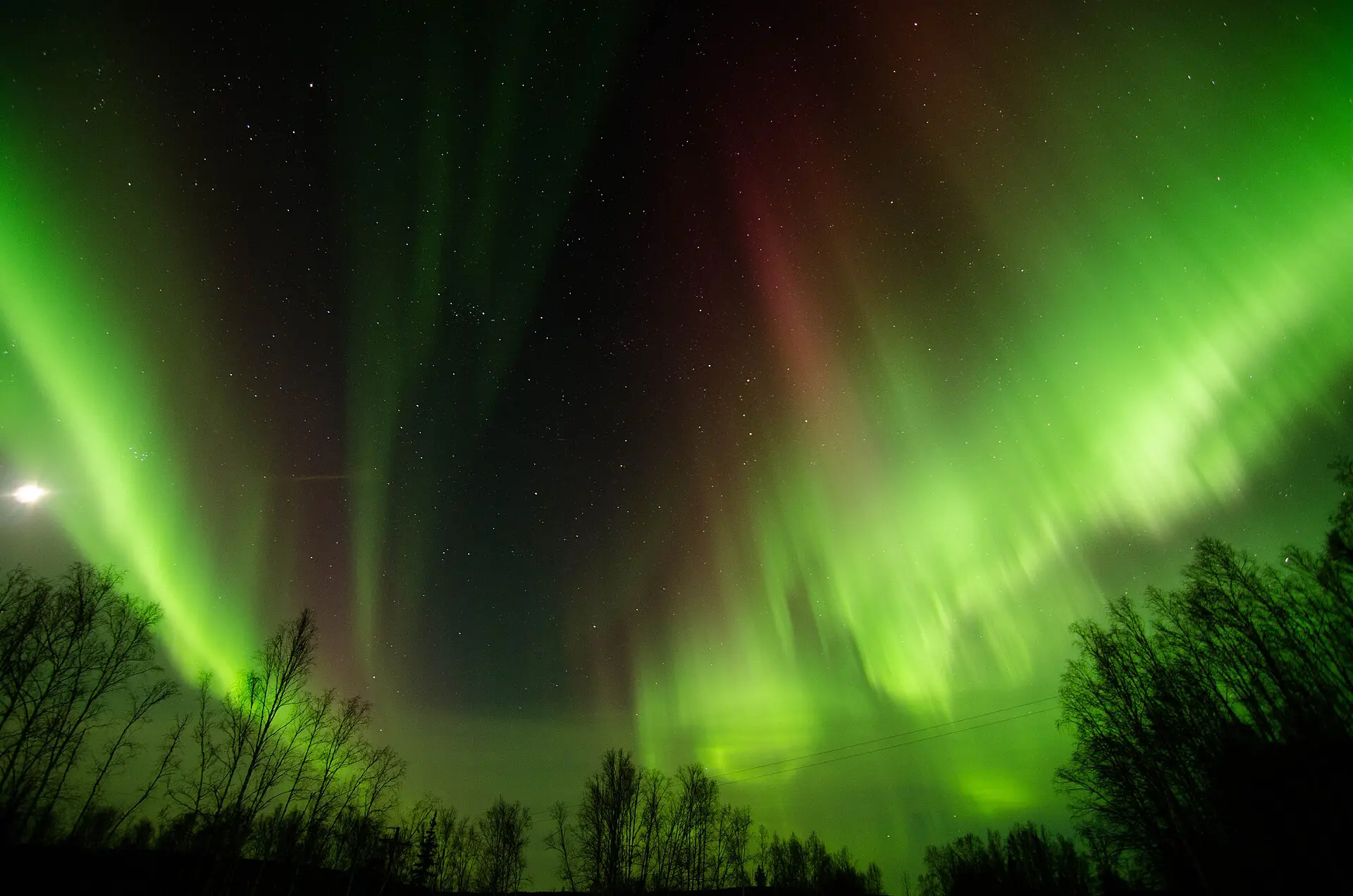
Skip July if you are watching cost and have flexible dates. Prices peak, rental cars sell out, and popular lodges fill months ahead. Skip early April and late October to November unless you want winter conditions: melting snow and closed roads make travel awkward, and many tours do not operate. In the far north, winter means deep cold and very short days. For aurora watching, the main season runs roughly from late August to April, and cold clear nights from September to March give the best chances.
I would also avoid the mid-July peak for the coastal rainforest areas if rain bothers you. The wettest stretch in Southeast usually comes from late summer into autumn, so shoulder-month savings come with some weather risk.
Booking timing for an Alaska trip
Alaska’s supply is tight and seasonal, so timing matters more than hunting for last-minute deals.
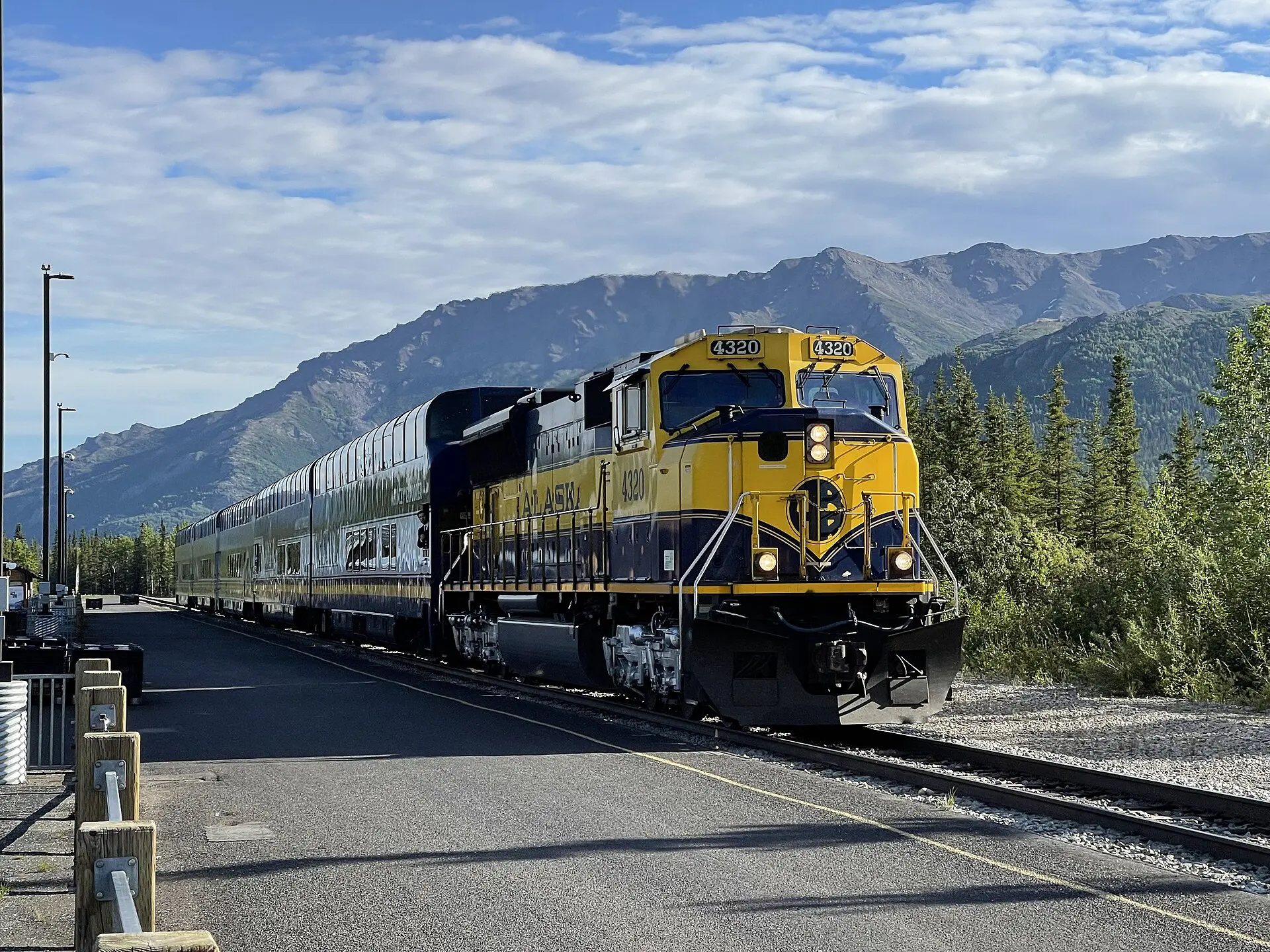
- Peak summer (June to August): book eight to twelve months ahead for lodges, Denali access and train seats, and four to eight months for cruises.
- Shoulder (May, September): three to six months ahead is usually enough.
- Flights: six to ten weeks out is a common sweet spot for domestic fares, though prices vary by route.
- Wave season: cruise lines often run sales between January and March, though check what the fare includes.
Read cancellation terms. Travel insurance matters more in remote areas, because a missed flight can strand you for a day or more.
Event spikes that raise prices in Alaska
Events squeeze local beds, so check dates before you lock in a trip.
Fur Rendezvous, Anchorage (February)
A winter festival that fills Anchorage hotels for a week or so. Book early if you are going in the cold months, and expect higher rates on festival weekends.
Iditarod start, early March
The sled dog race begins around the first weekend of March. Anchorage and Willow see a spike in demand, and rates rise for the start days. The rest of March is cheaper.

Fourth of July weekends
Seward’s Mount Marathon race and the holiday itself fill Kenai Peninsula lodging. Prices rise and rooms sell out well ahead, so expect a premium or avoid it.
Salmon runs, July and August
Fishing is a major draw on the Kenai and in southcentral rivers. Guides and lodges cost the most during the peak runs. Pick a shoulder week within the run for a lower rate.
Alaska State Fair, late August
Held at Palmer near Anchorage, it lifts demand and rates around the end of August and Labor Day weekend. Plan around it if you want the cheaper late-season window.
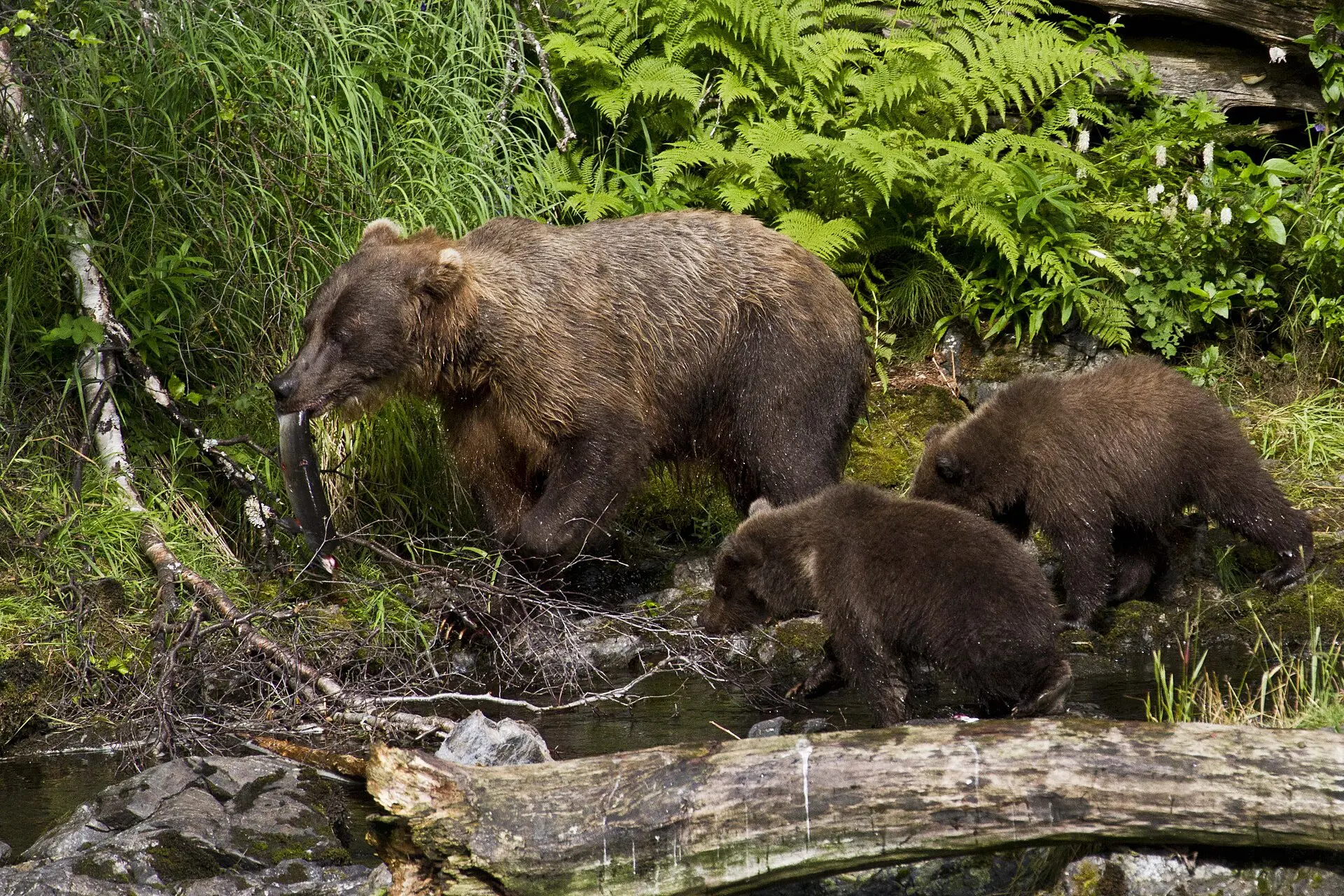
Aurora peaks, autumn and winter
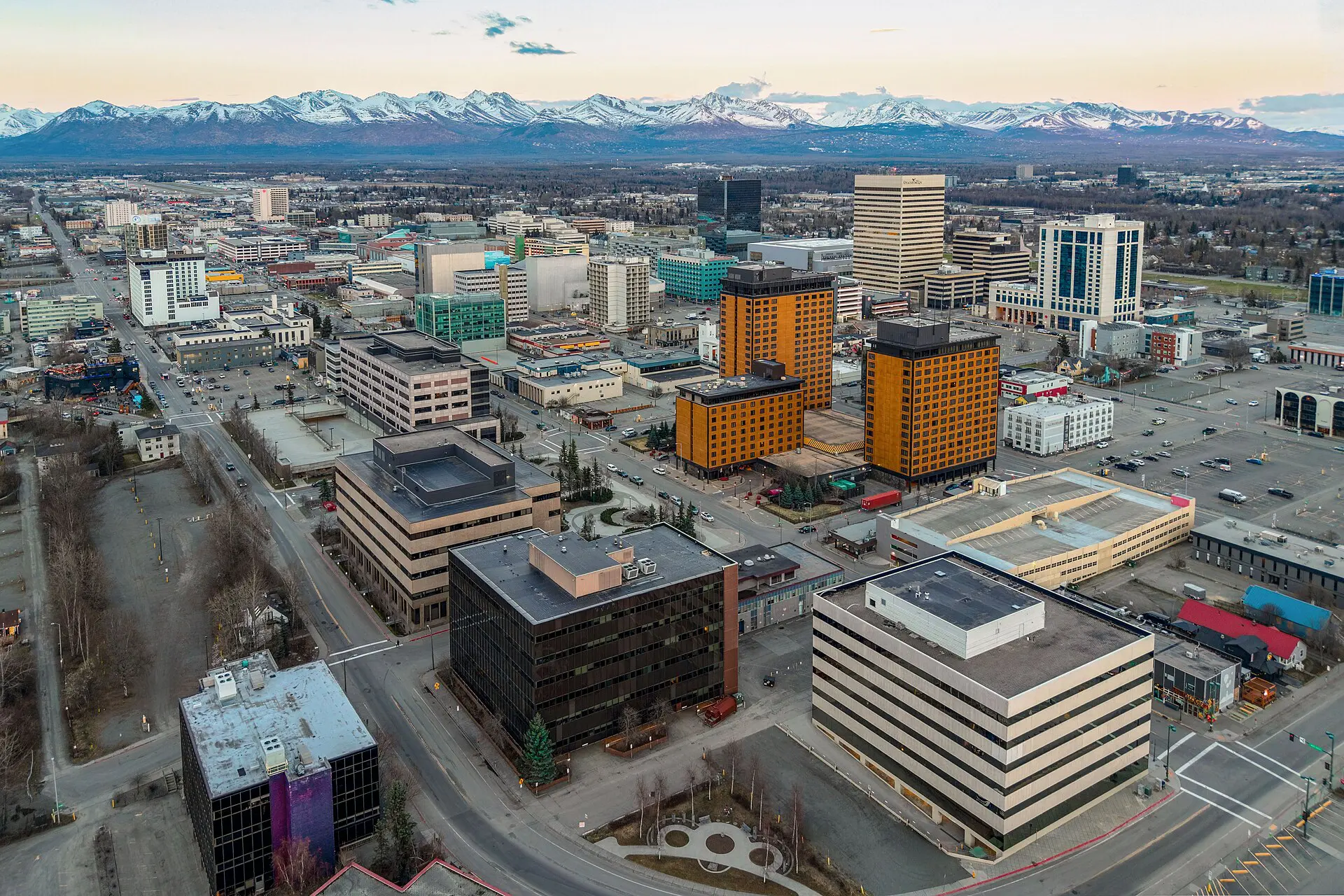
Aurora tours around Fairbanks are the main winter draw. Demand is steady from late August through March, with premiums around clear-weather forecasts and weekends. Book flexible accommodation so you can stay extra nights if the sky is cloudy.
FAQ about the best time to visit Alaska
What is the cheapest month to visit Alaska?
Late April and early May, and late September, are among the cheapest in the main season, with winter months also low. Services may be limited in those periods, so confirm that your lodge, tour and rental car are operating.
What is the best month to see wildlife in Alaska?
June to August is the most reliable for bears, whales and salmon runs. Late May and September can still be strong and cost less. Wildlife tours often sell out in July, so book well ahead.
Is a cruise or a land trip cheaper in Alaska?
Cruises can be cheaper per day because lodging and meals are included, but shore excursions add up. Land trips cost more per day yet reach Denali and the interior, which most cruises do not. Compare the full trip cost for the same route.
When can you see the northern lights in Alaska?
Roughly late August to April, with dark, clear nights giving the best chances. Fairbanks and the interior are popular because the skies tend to be drier. There is no guarantee on any night, so build in extra evenings.
How many days do you need in Alaska?
Seven to ten days works for Anchorage, Denali and either Seward or a cruise segment. For a broader view of the state, see the Wikivoyage guide to Alaska and our United States travel guide. The Wikipedia entry on Alaska covers geography and history.