Why visit Venezuela
This Venezuela travel guide starts with a caveat: the country has some of South America’s most spectacular scenery, but it is also one of the hardest places on the continent to travel in safely, and governments warn against it (see the Wikipedia overview for background). Read the safety section before the rest. The case for going rests on geography. Venezuela covers about 916,000 square kilometres, with Caribbean coast and islands, the northern end of the Andes, the Orinoco plains and the tabletop mountains of the Gran Sabana.
It suits experienced, well-prepared travellers who are comfortable with risk, speak some Spanish and prefer to go with a trusted local operator. It is not suited to first-time visitors to South America, to anyone who needs reliable medical care, or to travellers whose insurance excludes countries under government advisories. Many people who visit do so for nature trips to Canaima and Los Roques, rather than for city sightseeing.
Best places to visit in Venezuela
The best places to visit in Venezuela are mostly nature areas that are reached by small plane or organised transfer, and conditions at each can change, so check current advice before choosing.
Canaima National Park and Angel Falls
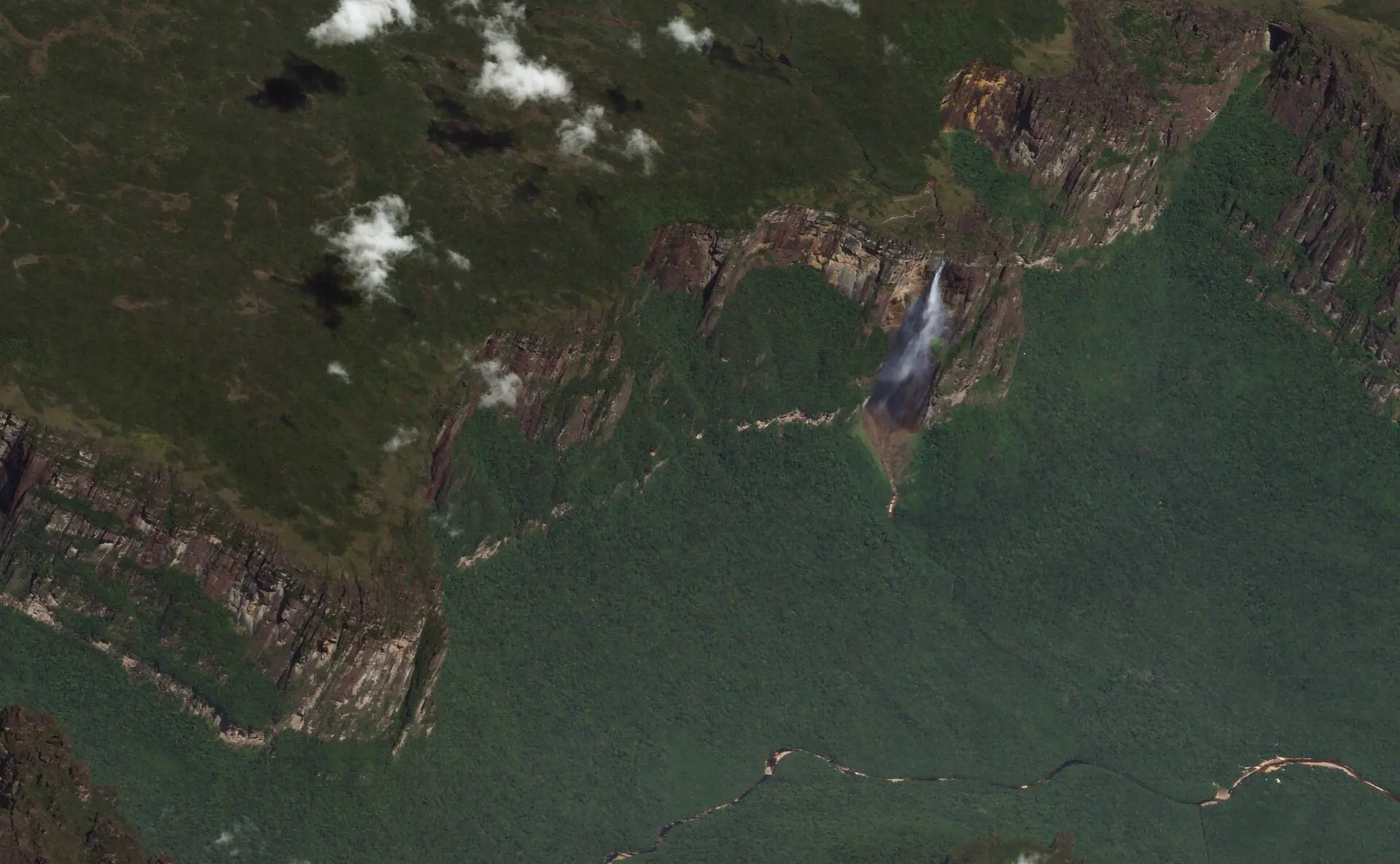
This UNESCO-listed park in the Gran Sabana holds Angel Falls, the highest uninterrupted waterfall in the world at about 979 metres, and tabletop mountains known as tepuis. Visits usually start with a flight to Canaima village and a boat trip upriver.
Los Roques
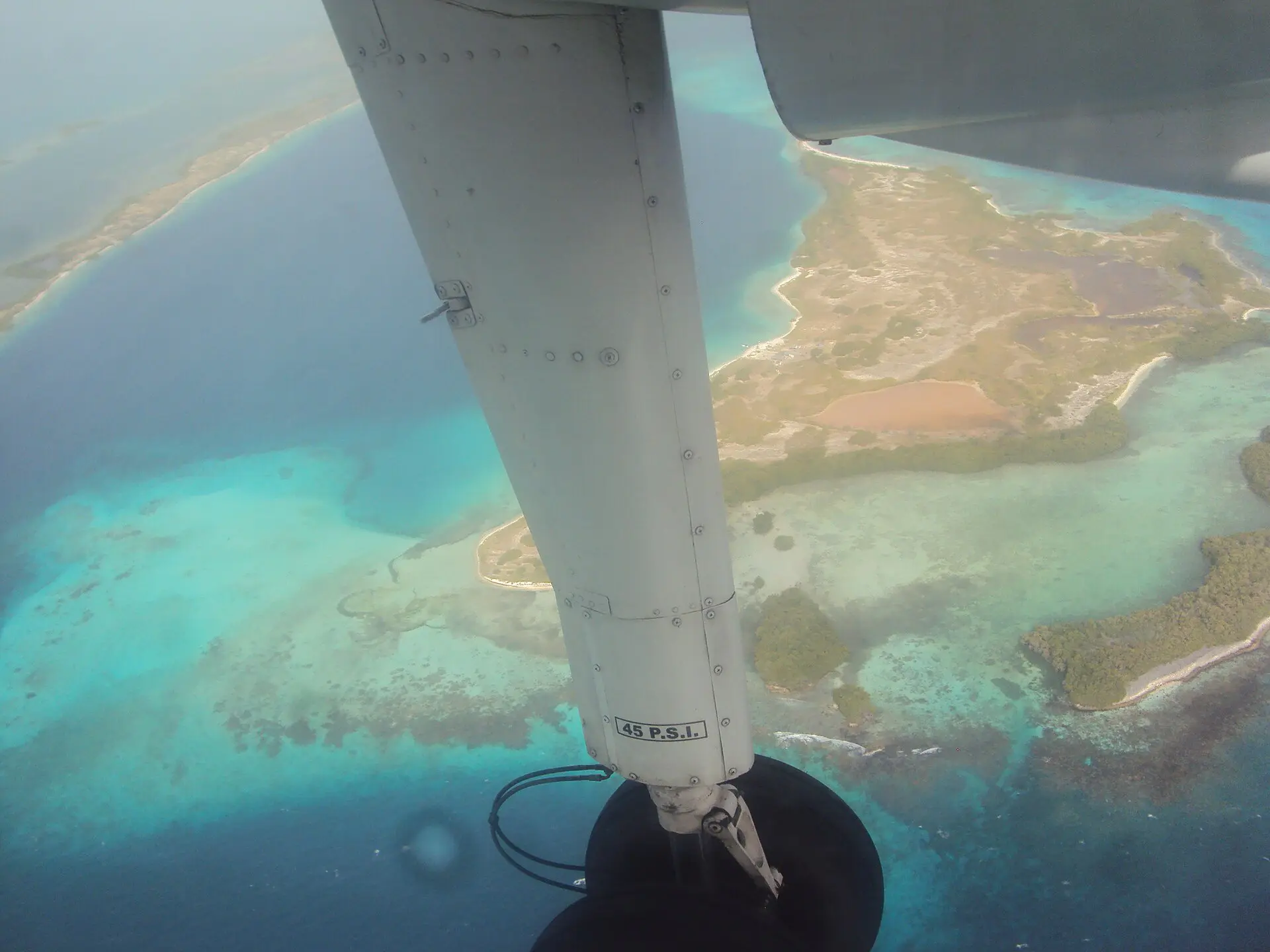
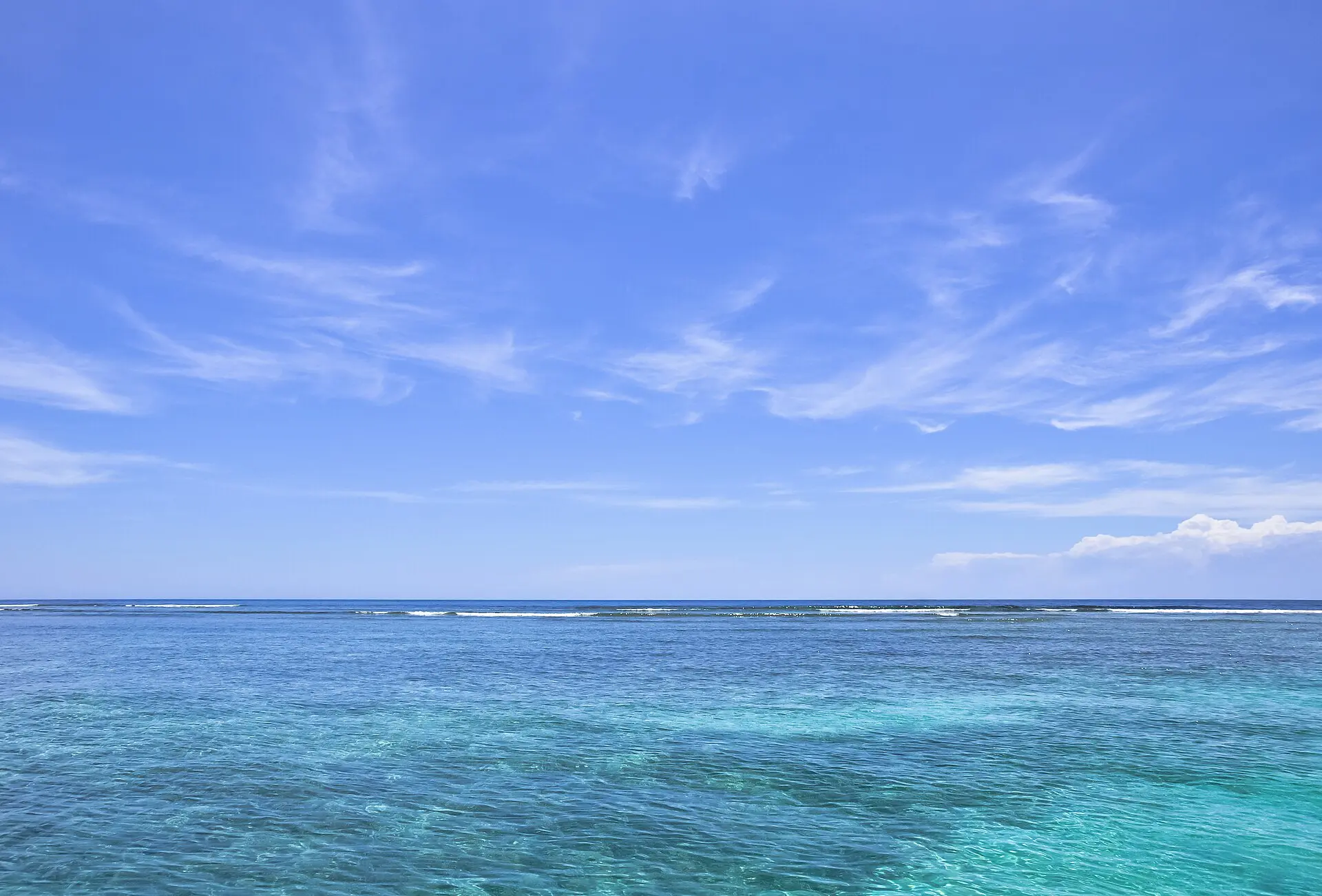
This Caribbean archipelago, about 130 kilometres off the coast, has white-sand cays, clear water and reef snorkelling. It is reached by small plane from the mainland and is known for kitesurfing and fishing.
Mérida and the Andes
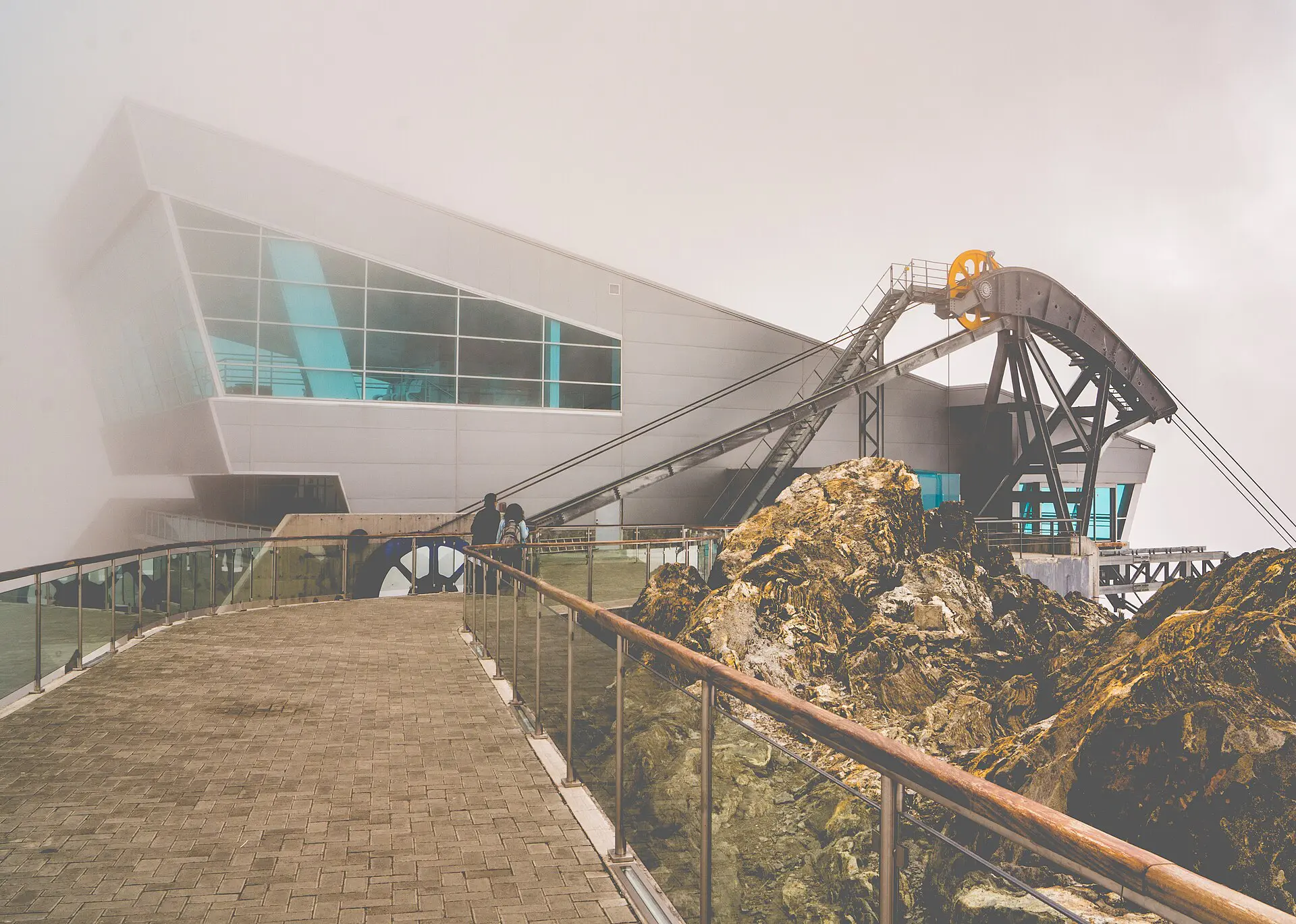
Mérida is a university city in the Andes, with a cable car system that once reached high peaks, hiking, paragliding and mountain villages. Check whether the cable car is operating before planning around it.
Mount Roraima
The famous tepui on the border with Brazil and Guyana is a multi-day trek with a guide, starting from the Gran Sabana, and is one of the country’s classic adventures.
Caracas and the coast
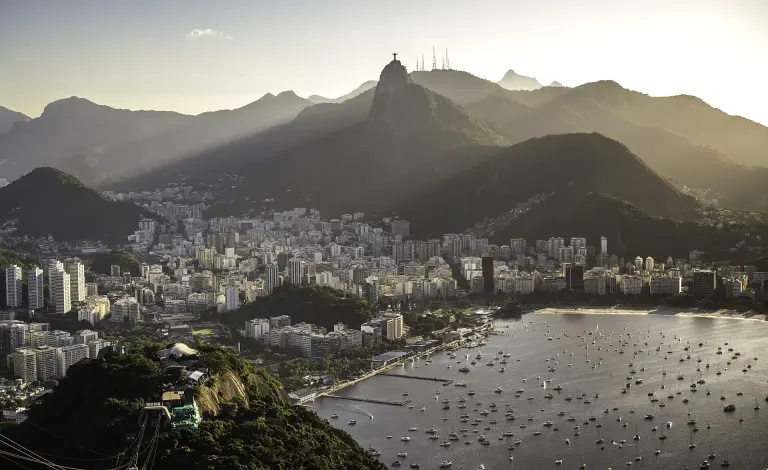
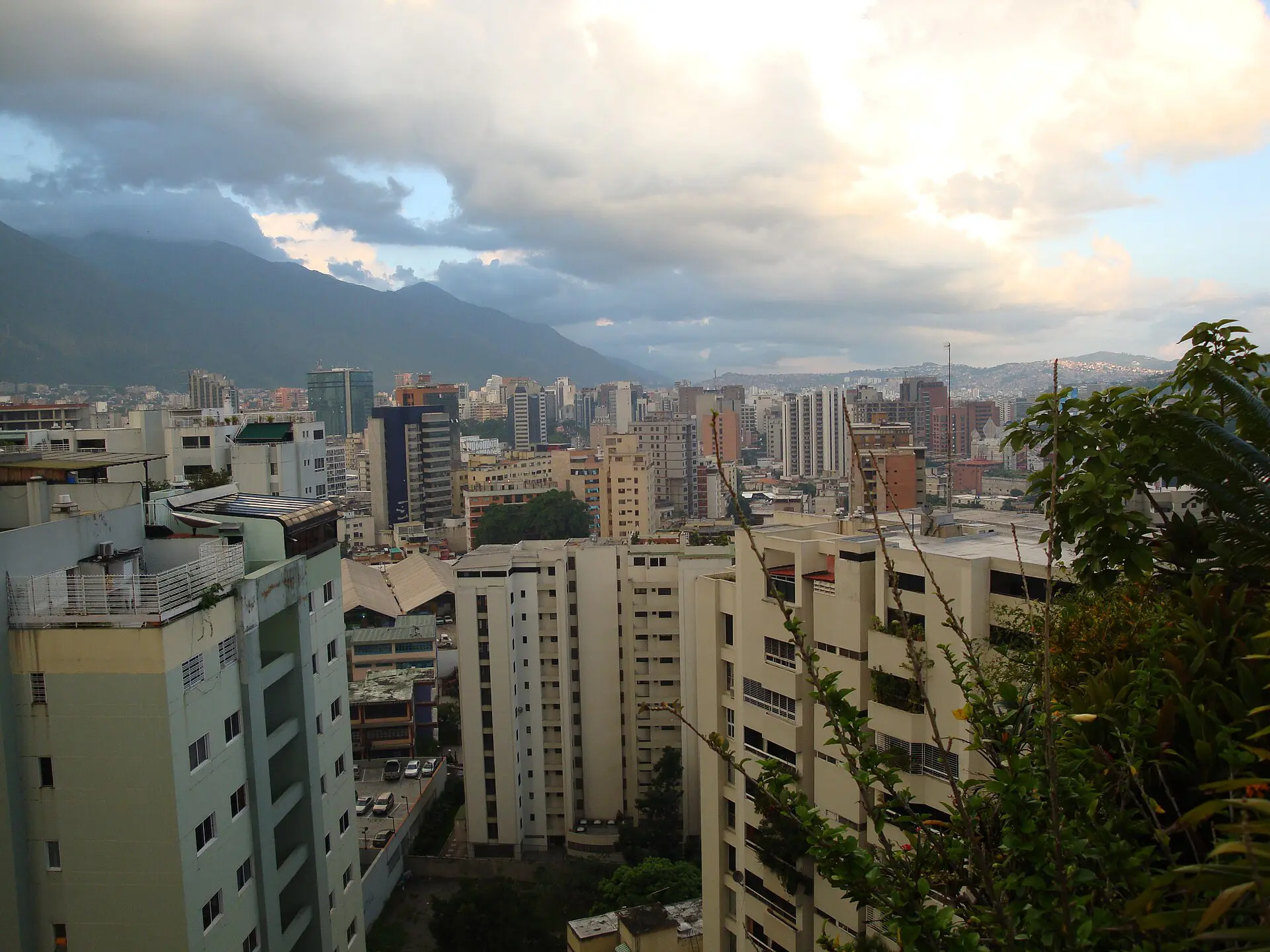
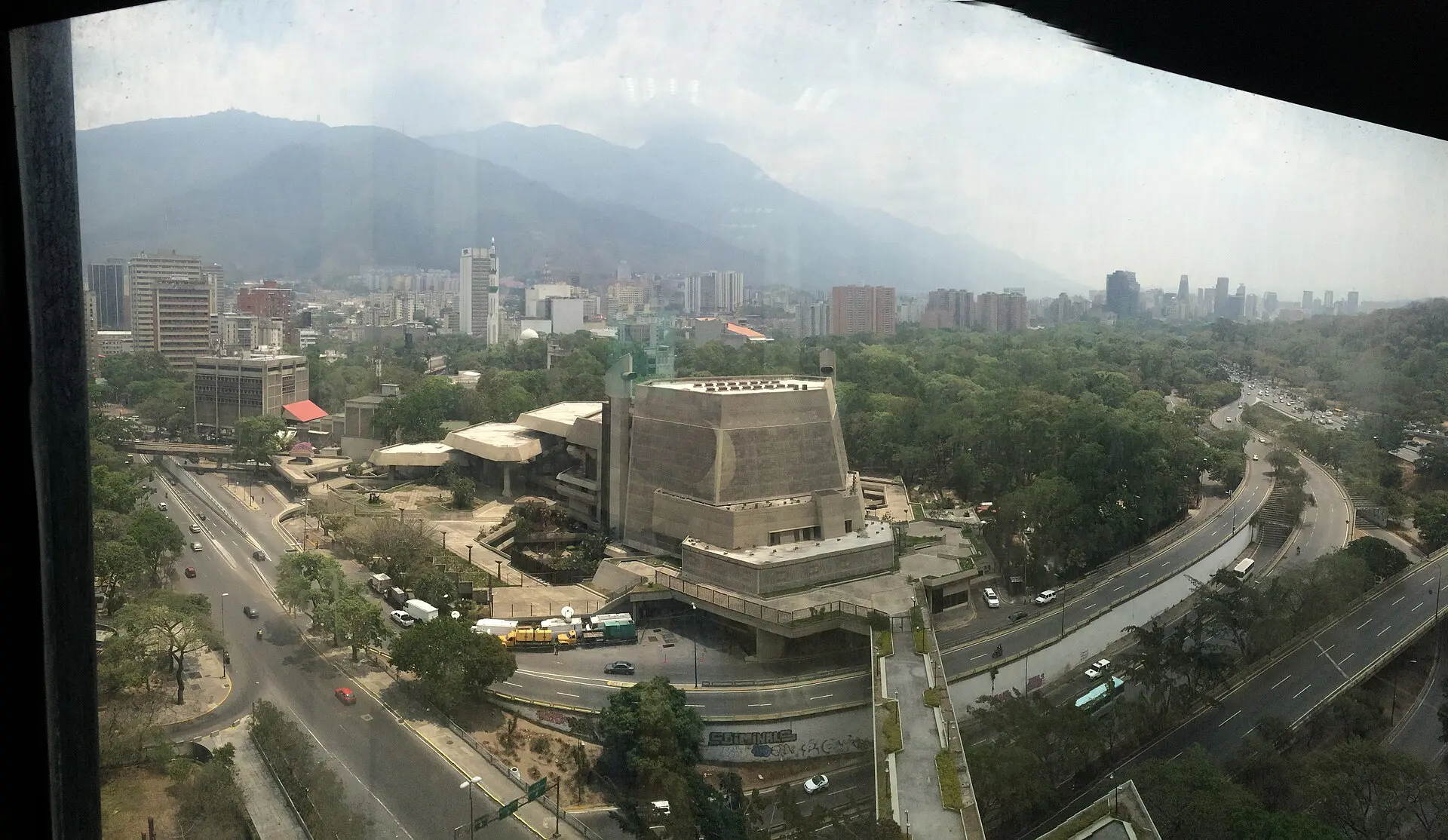
The capital lies in a valley below Mount Ávila, with museums and a cable car, but it has high crime. The colonial town of Choroní and Morrocoy National Park offer quieter beaches, and Coro and its port are on the UNESCO list.
Top things to do in Venezuela
The top things to do in Venezuela are mostly outdoor and nature-based, and many are best arranged through a licensed local operator.
- See Angel Falls: boat trips from Canaima in the rainy season, roughly June to November, reach a viewpoint at the base.
- Fly over the Gran Sabana: small planes give a view of tepuis, rivers and waterfalls.
- Snorkel at Los Roques: reefs and shallow cays are accessible by boat from the main island.
- Trek Mount Roraima: the tabletop summit takes five to six days with guides and porters.
- Ride the Mérida cable car: the system has had closures, so confirm that it is running before you go.
- Visit Morrocoy National Park: boats take visitors to cays with white sand and mangroves.
- Walk Choroní and Puerto Colombia: a coastal village with colonial houses and cacao plantations nearby.
- Spot wildlife in the Llanos: the plains have capybaras, caimans, river dolphins and many birds on guided trips in the wet and dry seasons.
- Hike Pico Humboldt: a long mountain route near Mérida, for experienced trekkers with guides.
- Try a local rum or cacao tasting: chocolate and rum are among the country’s best-known products.
Best time to visit Venezuela
The best time to visit Venezuela is the dry season, December to April, when the Caribbean coast, Los Roques and the Andes have sunny weather. The rainy season, roughly May to November, brings heavy showers, but it is also the best time for Angel Falls, which carry the most water from about June to November. Temperatures at sea level stay warm all year, and the mountains are cooler.
| Season | Weather | Crowds and prices | Good for |
|---|---|---|---|
| Dry season (Dec-Apr) | Hot and sunny on the coast, cooler in the Andes | Highest; peak around Christmas and Easter | Los Roques, beaches, Roraima trekking, Andes |
| Early wet (May-Jun) | Showers building, humid | Lower | Wildlife in the Llanos, fewer visitors |
| Peak wet (Jul-Oct) | Frequent heavy rain, high rivers | Low | Angel Falls at full flow, Llanos wildlife |
| Late wet (Nov) | Rain easing | Moderate | Canaima with fewer crowds |
Some trails and boat trips are closed in heavy rain, so allow flexible dates. Weather can disrupt small plane flights, which also run less often in the wet season.
Is Venezuela safe to visit?
Venezuela is not considered safe for general independent tourism, and several governments advise against all or all-but-essential travel. The US State Department has used its highest warning level, and the UK FCDO has also advised against travel to most or all of the country. Check your government’s current advice, because conditions and rules have changed quickly and insurance may be invalid where travel is advised against.
Crime. Violent crime, robbery, kidnapping and street theft are serious risks, particularly in Caracas and large cities and at night. Avoid displaying phones, jewellery or cash, avoid walking after dark and use pre-arranged transport rather than street taxis.
Detention and politics. Foreign visitors have been detained, and consular support is limited. Avoid political events and photography of military or government sites. Border areas, especially near Colombia, have armed groups and are the most dangerous.
Health and supplies. Hospitals face shortages of medicines and equipment. Yellow fever vaccination is recommended, malaria is present in the south and fuel and power shortages occur. Bring prescription medicine and make sure your insurance covers medical evacuation.
If you decide to go, use a reputable local operator, share your itinerary and avoid independent travel by road.
Visa and entry requirements for Venezuela
Entry rules depend on your nationality and have changed repeatedly. Many visitors, including citizens of the EU, UK and US, have needed a tourist visa or authorisation in advance, while some Latin American and a few other nationalities can enter more easily. Confirm the current rule for your passport with the Venezuelan consulate, and check your own government’s travel advice, before you book anything.
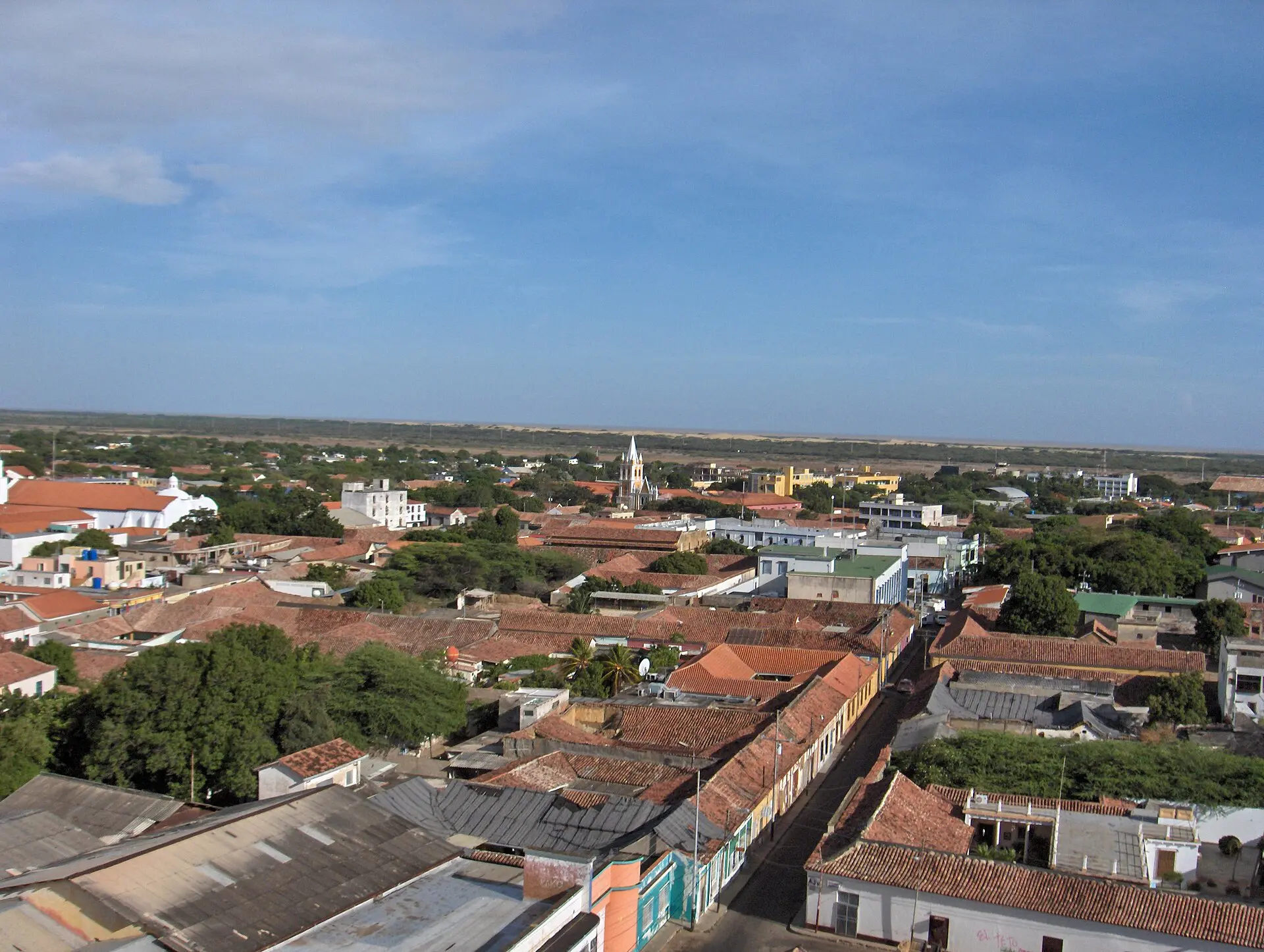
Bring a passport valid for at least six months, proof of accommodation, return or onward tickets and, where required, a yellow fever vaccination certificate. Border officials can ask for these. Consular services for foreign visitors are limited in Venezuela, and some embassies have been closed or operate remotely, so you may have little help if something goes wrong.
Some governments warn that dual nationals and people with ties to certain countries face extra risks of detention or entry problems. Land borders with Colombia and Brazil have been closed or restricted at times, so check before planning a crossing. The UNESCO page for Venezuela lists the country’s World Heritage sites, though it does not cover entry rules.
Getting to and around Venezuela
Most visitors fly into Simón Bolívar International Airport at Maiquetía, which serves Caracas, about 25 kilometres from the city. International flight connections have been limited and have changed repeatedly, with routes suspended and resumed, so check current schedules and the status of airlines before you book. Land crossings from Colombia and Brazil exist, but they are not recommended for independent travellers without up-to-date advice.
Domestic flights are the safest way to reach the main nature areas. Small planes connect the mainland to Los Roques and to Canaima, and flights between cities save long, risky road journeys. Schedules are subject to cancellation, and fares are often paid in cash dollars through agencies.
Long-distance buses link major cities, but travel by road at night is discouraged because of crime and poor road conditions. Fuel shortages have affected some regions, so a rental car can be difficult. Within Caracas, the metro is cheap but can be crowded and unsafe at some times, and pre-booked transfers and ride-hailing services are preferred over street taxis. Allow extra time for delays.
How much does a trip to Venezuela cost?
Costs in Venezuela are unpredictable. The official currency is the bolívar soberano (VES), which has suffered severe inflation, and US dollars in cash are widely used for hotels, tours and flights. Foreign cards often do not work, ATMs may be unreliable, and you will need to carry enough small-denomination cash for the trip. Figures below are rough per-person guides and may change quickly.
- Budget: around USD 30 to 60 per day, with simple guesthouses, local food and limited tours.
- Mid-range: around USD 70 to 150 per day, with private hotel rooms, restaurant meals and some organised transport.
- High-end: from around USD 250 per day, with resort stays, charter flights or private guides.
Nature trips are the biggest cost. Packages to Angel Falls, Los Roques or Roraima are priced in dollars, and small flights are expensive. Everyday items such as meals and local transport can be cheap, but prices differ between shops and restaurants. Ask for the price in advance, bring clean, undamaged notes and keep cash hidden. Do not rely on a card as backup.
Venezuela food and drink
Venezuela food is built around corn, beans, plantain, rice and meat, with Caribbean and Andean influences and a strong tradition of cornmeal arepas. Street food and home cooking are the best of it, though shortages have affected menus and prices.
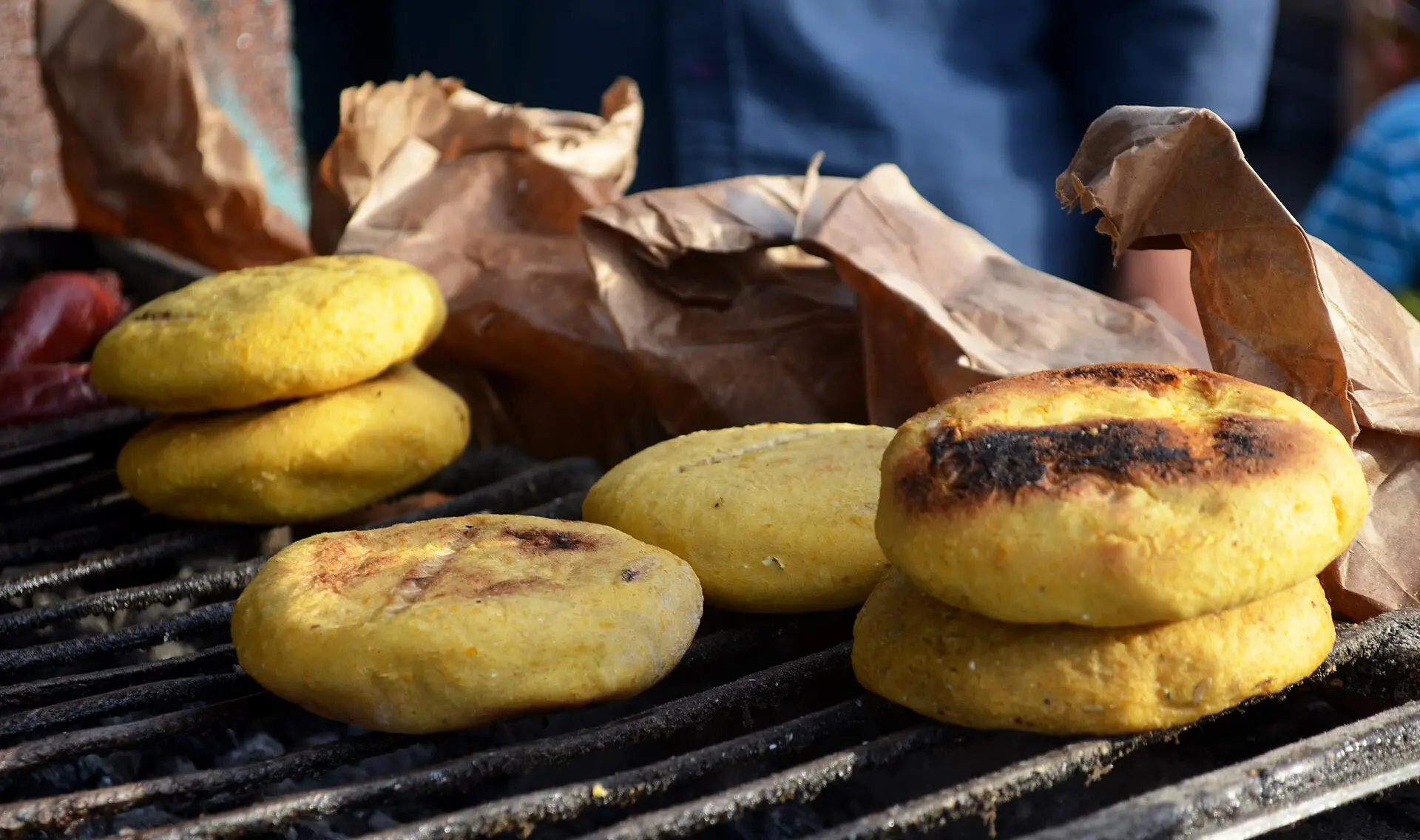
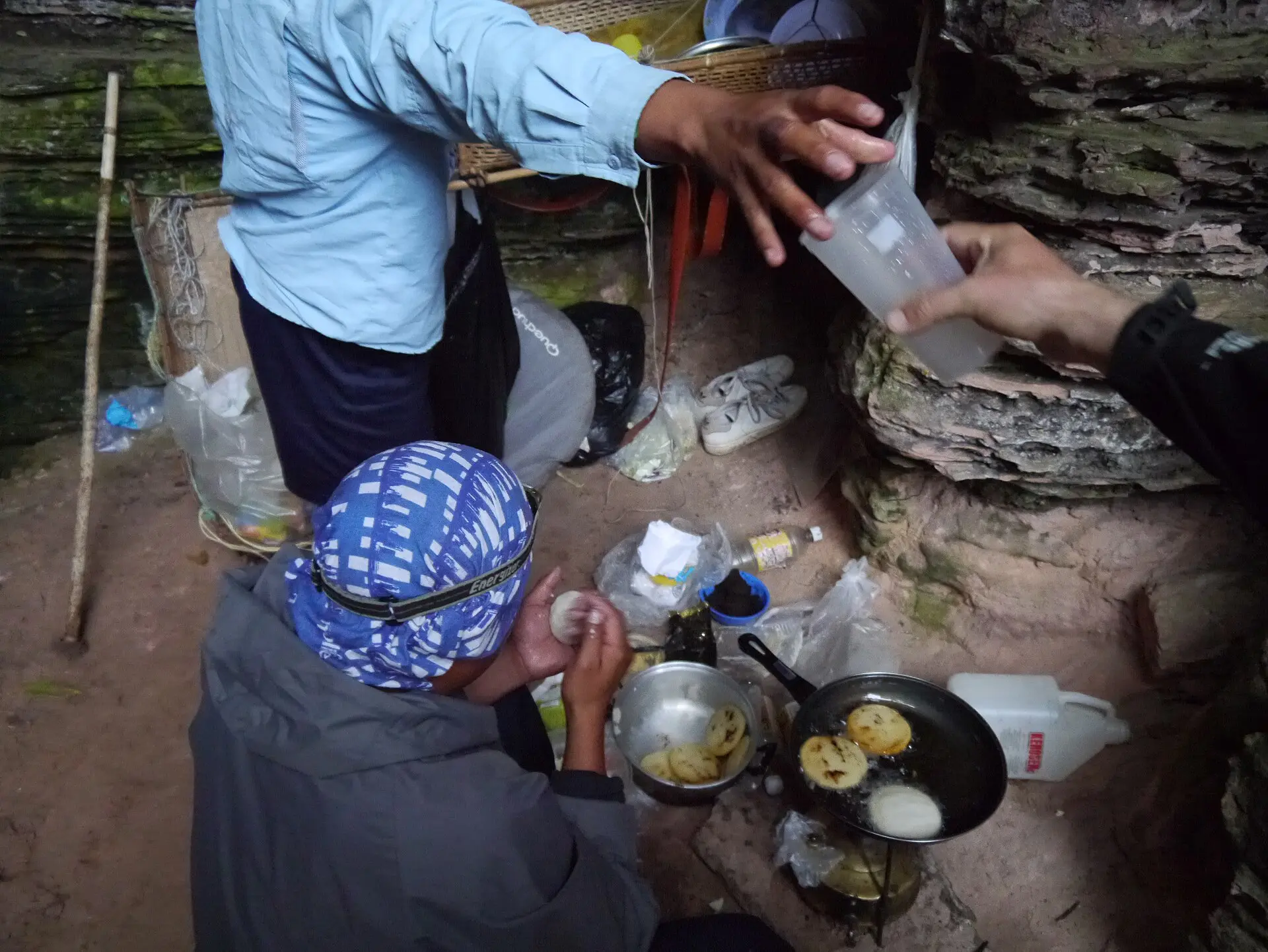
- Arepa: a grilled or fried cornmeal patty, split and filled with cheese, beans, shredded beef or avocado.
- Pabellón criollo: the national dish of shredded beef, black beans, rice and fried plantain.
- Cachapa: a sweet corn pancake folded around soft white cheese.
- Hallaca: a Christmas parcel of corn dough, stew and olives wrapped in banana leaves and boiled.
- Tequeños: fried cheese sticks in pastry, a popular party snack.
- Fresh seafood: fried fish, shrimp and ceviche-style dishes in coastal and island restaurants.
- Cacao and rum: Venezuelan chocolate is highly regarded, and aged rum is a national tradition.
- Papelón con limón: a cold drink of unrefined cane sugar and lime.
Vegetarians can eat arepas with cheese or beans, cachapas, salads and fried plantain, but meat is common. Eat at busy places and avoid raw salads or tap water where hygiene is uncertain.
Culture, language and etiquette in Venezuela
Spanish is the national language, spoken with a rapid Caribbean accent, and indigenous languages such as Wayuu are spoken in some regions. English is rare outside the tourism industry, so basic Spanish is very useful. Venezuelans are generally warm, talkative and expressive, and greetings are friendly, with a handshake or a kiss on the cheek between friends.
Culture mixes indigenous, African and Spanish influences, seen in music such as joropo, salsa and gaita, and in baseball, which is more popular than football. Most Venezuelans are Catholic, and religious festivals and Christmas traditions such as hallacas are central.
Politics is a sensitive topic, since the country is deeply divided and many families have been affected by economic collapse and emigration. Avoid arguing about politics and listen rather than comment. Dress casually but neatly, avoid showing off valuables, and ask before photographing people, military sites or government buildings. Punctuality is relaxed socially but expected for tours and flights.
Venezuela itinerary: a 7-day route
Independent travel across Venezuela is not currently advisable for most visitors, and this route is meant only for travellers whose government advice and insurance permit it. It uses short flights and a licensed local operator, avoids border areas and overland journeys and keeps city time to a minimum.
- Day 1, arrival in Caracas: arrive at Maiquetía with a pre-arranged transfer, stay in a secure hotel and avoid walking after dark.
- Day 2, fly to Los Roques: take a small plane of around 40 minutes, and settle into a guesthouse on Gran Roque.
- Day 3, Los Roques: take boat trips to nearby cays, snorkel and swim.
- Day 4, Los Roques to Caracas: fly back and connect onward, with a buffer for weather delays.
- Day 5, fly to Canaima: take a flight via the operator, then see the lagoon and waterfalls.
- Day 6, Angel Falls: take a boat trip upriver in the rainy season, and trek to the viewpoint with guides.
- Day 7, return: fly back to Caracas and your international flight, with spare days if possible.
For any longer trip, consider Mérida and the Andes only after checking current local conditions. If government advice does not allow travel, consider visiting neighbouring countries with similar tepuis, such as Guyana or Brazil.
Practical tips for Venezuela
- Money: carry enough US dollars in clean, small notes for the whole trip, since foreign cards and ATMs are unreliable. Keep cash in several places and avoid showing it.
- SIM and eSIM: local SIMs are available, and coverage varies. Consider a satellite messenger or offline maps for remote areas, and expect power and internet outages.
- Plugs: types A and B at 120 V, so bring an adaptor and check your devices accept 120 V.
- Tipping: around 10 percent in restaurants where service is not included, and a small tip for guides.
- Health: have a travel clinic review yellow fever, hepatitis, typhoid and malaria advice, and bring prescription medicine and a first-aid kit.
- Insurance: check that your policy covers a country with a travel advisory, including medical evacuation.
- Communication: share your itinerary with someone at home and register with your embassy if possible.
- Packing: light clothing, rain gear, insect repellent, water purification tablets and a small torch.
For wider background, see the Wikivoyage Venezuela guide.
FAQ
Q1Is Venezuela safe?
Not for general tourism. Several governments, including the US and the UK, advise against all or most travel, citing violent crime, detention risks and shortages of medicine. If you go, use a licensed local operator, avoid night travel and check current government advice and insurance cover.
Q2What is the best time to visit Venezuela?
December to April is the dry season and best for the coast, Los Roques and the Andes. Angel Falls flow strongest from about June to November, in the rainy season. Plan flexible dates, since rain and weather can disrupt small flights and boat trips.
Q3What are the best things to do in Venezuela?
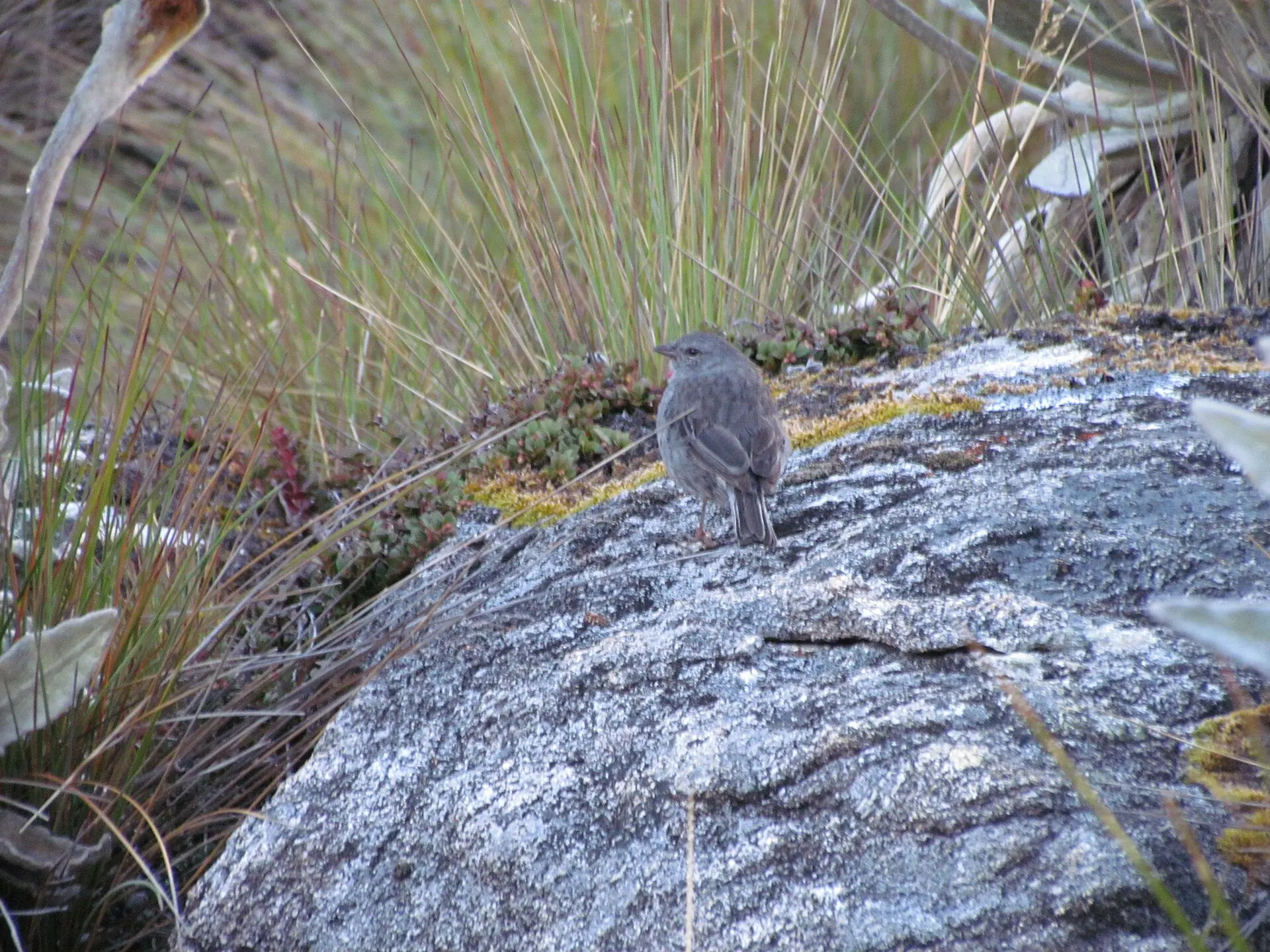
Top picks are seeing Angel Falls in Canaima National Park, snorkelling at Los Roques, trekking Mount Roraima, exploring the Andes near Mérida, visiting Morrocoy and Choroní beaches and trying arepas and cacao. Most nature trips need a local operator.
Q4Do I need a visa for Venezuela?
It depends on your nationality, and many visitors, including those from the EU, UK and US, have needed a visa or authorisation in advance. Rules change often, so confirm with the Venezuelan consulate and your own government before you book.
Q5What are the best places to visit in Venezuela?
Canaima National Park and Angel Falls, Los Roques, Mérida and the Andes, and Mount Roraima are the main draws. Morrocoy, Choroní and Coro suit those who want coast and colonial towns, while Caracas is mostly a transit point.
Q6Is Venezuela cheap to travel in?
It can be cheap for meals and local transport, but tours and flights are priced in dollars and are not cheap. Mid-range travellers should plan for roughly USD 70 to 150 per day in cash dollars, and prices change quickly.
Q7How many days do you need in Venezuela?
Seven days covers Los Roques and Angel Falls using short flights, with Caracas only as a transit stop. Add several days for Mount Roraima or the Andes. Leave spare days for flight cancellations, and avoid overland travel between regions.