Why visit Suriname
This Suriname travel guide starts with what makes the country unusual: it is the smallest sovereign state in South America, yet more than 90% of it is rainforest, and its people descend from Indigenous groups, Dutch colonists, enslaved Africans, and indentured workers from India and Java (see the Wikipedia overview). Dutch is the official language, and the country looks toward the Caribbean as much as toward its South American neighbours.
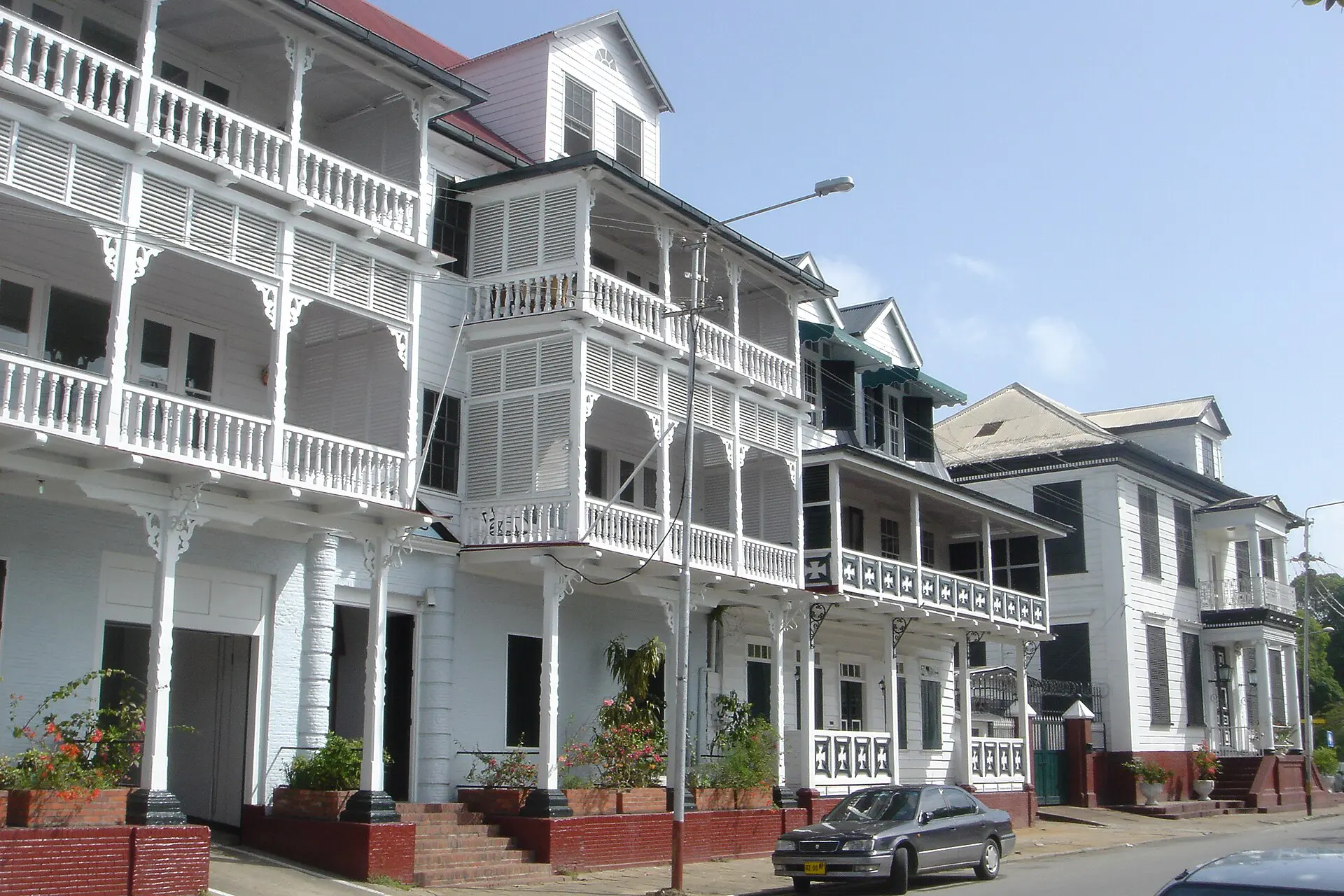
Suriname suits travellers who prefer quiet to spectacle. Paramaribo’s wooden inner city is a UNESCO World Heritage Site, the interior offers river trips and Indigenous and Maroon villages, and the food is a blend you will not find elsewhere. Tourism infrastructure is limited, so it rewards flexible, self-reliant visitors, and it is a strong add-on to a Guyana or French Guiana trip.
Best places to visit in Suriname
The best places to visit in Suriname are concentrated around the capital and the northern coast, with a few remote interior destinations that need organised transport.
Paramaribo
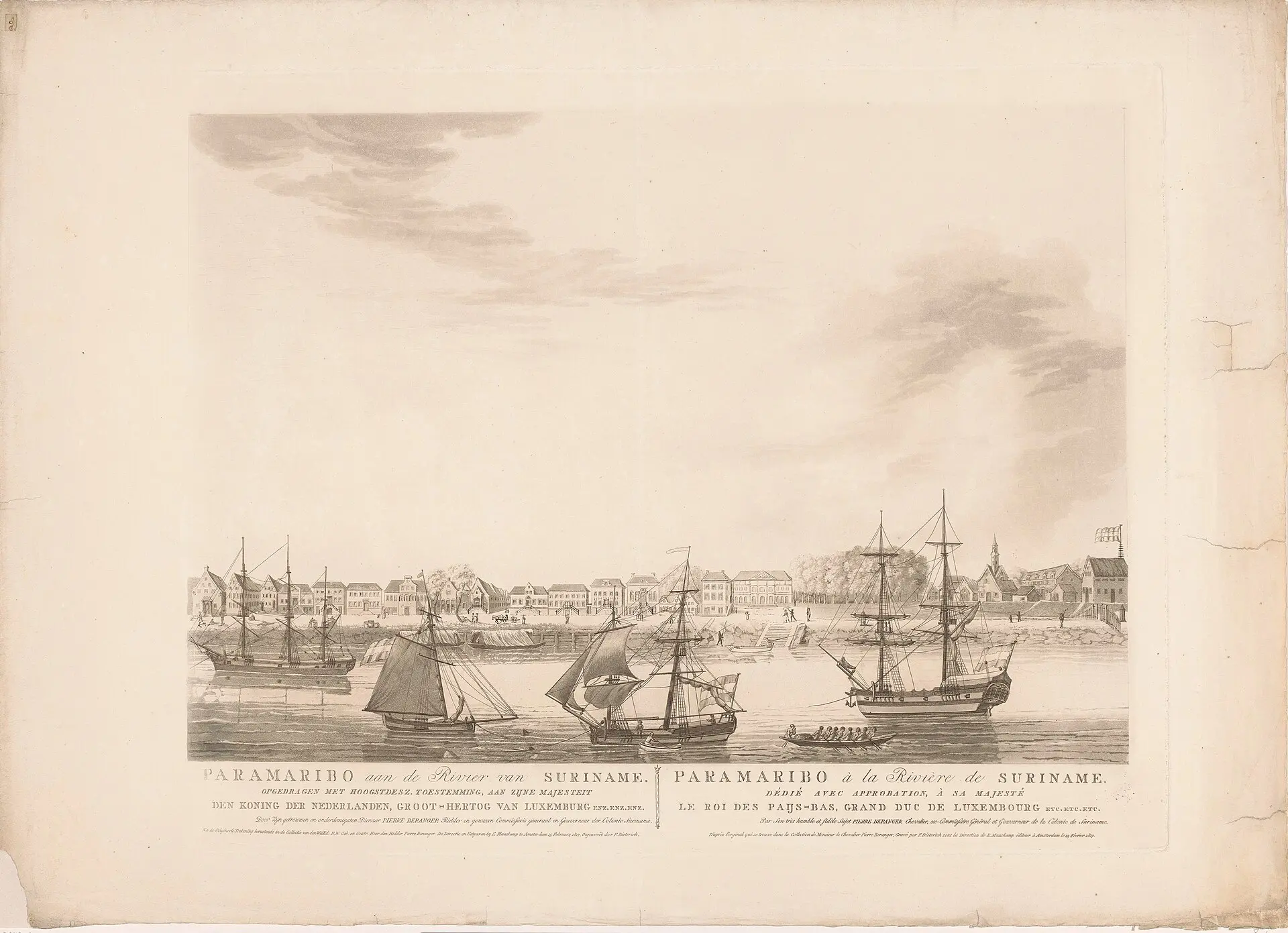
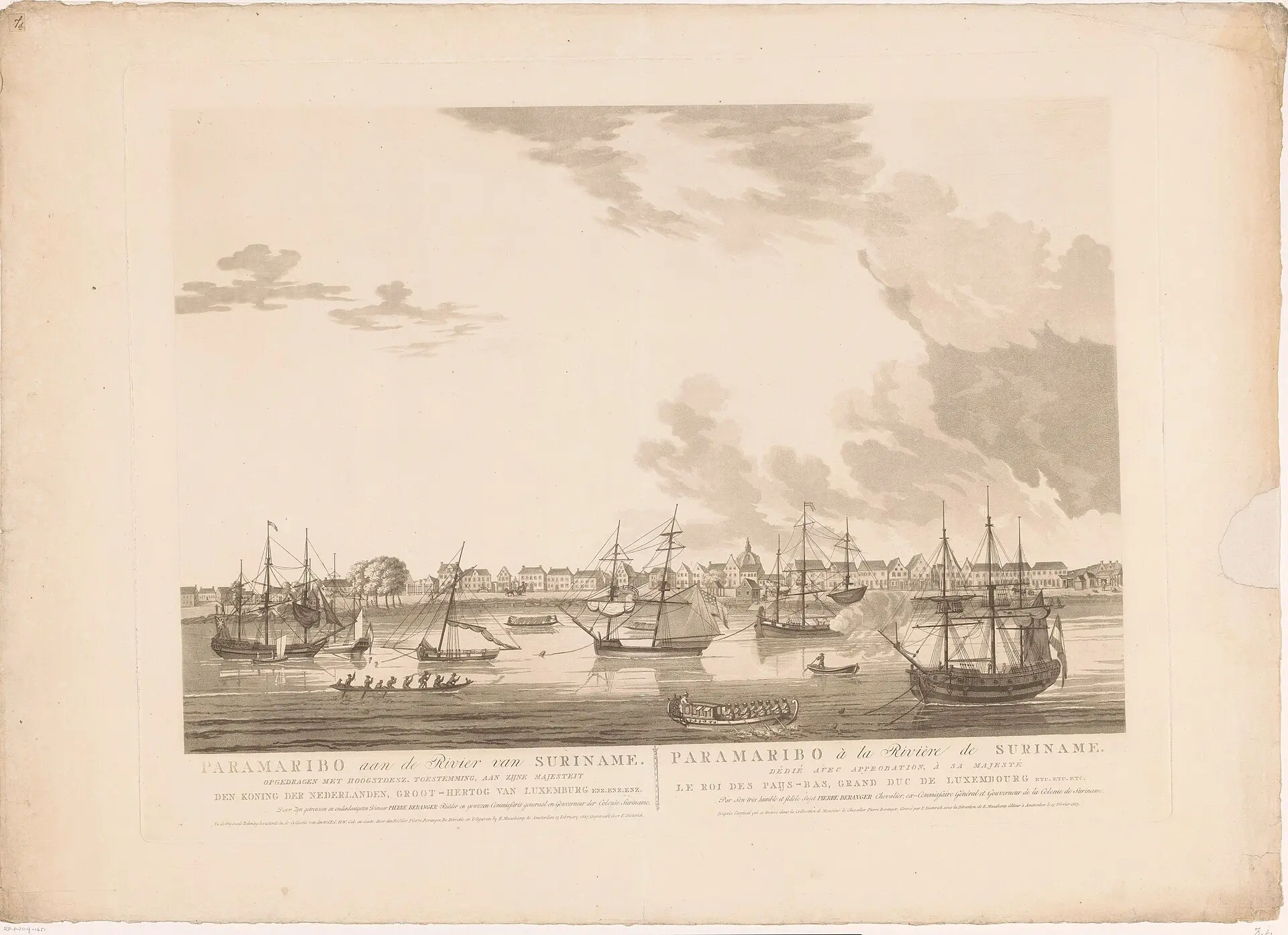
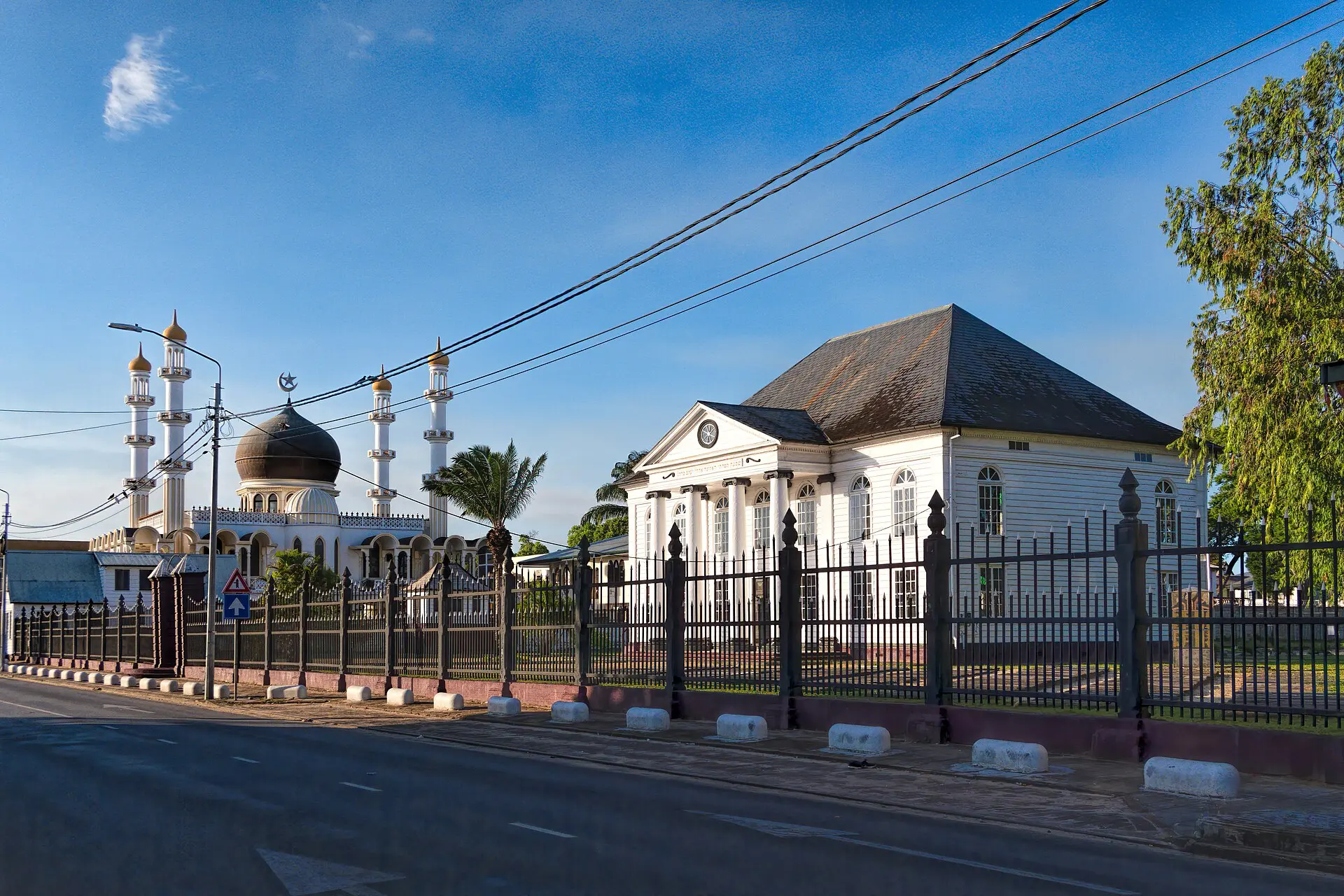
The capital holds roughly half the country’s people. Its inner city, listed by UNESCO, is a grid of wooden Dutch colonial houses around Independence Square and the Palm Garden. A mosque and a synagogue stand almost side by side on Keizerstraat, a symbol of the city’s mixed heritage.
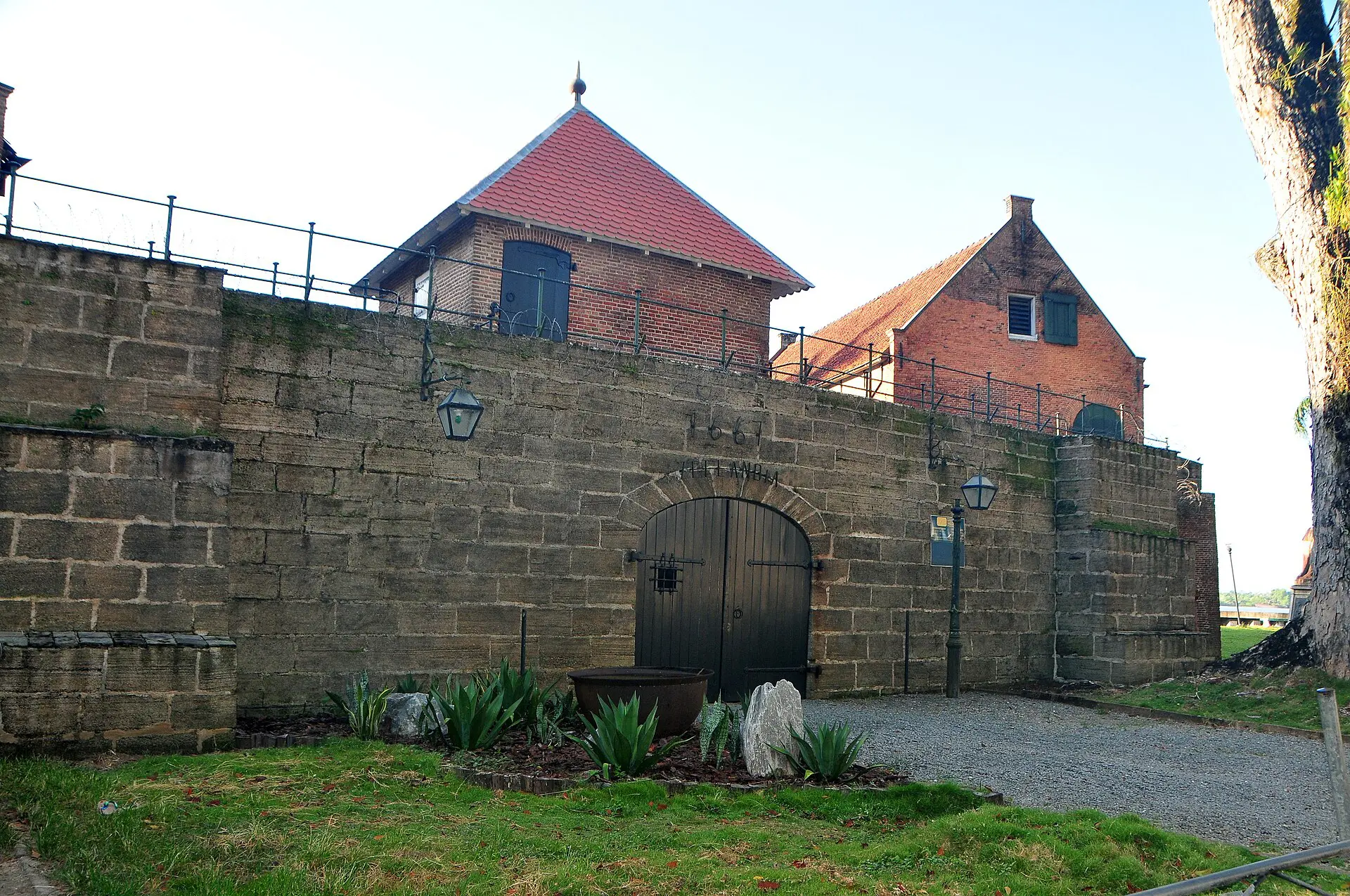
Fort Zeelandia and the Suriname River waterfront
The 17th-century fort on the river is now a museum and the best single stop for colonial history. Riverside promenades are lively in the evening.
Commewijne
Across the river, former plantations such as Peperpot offer cycling, birdwatching and history. It is an easy half-day trip by ferry from the capital.
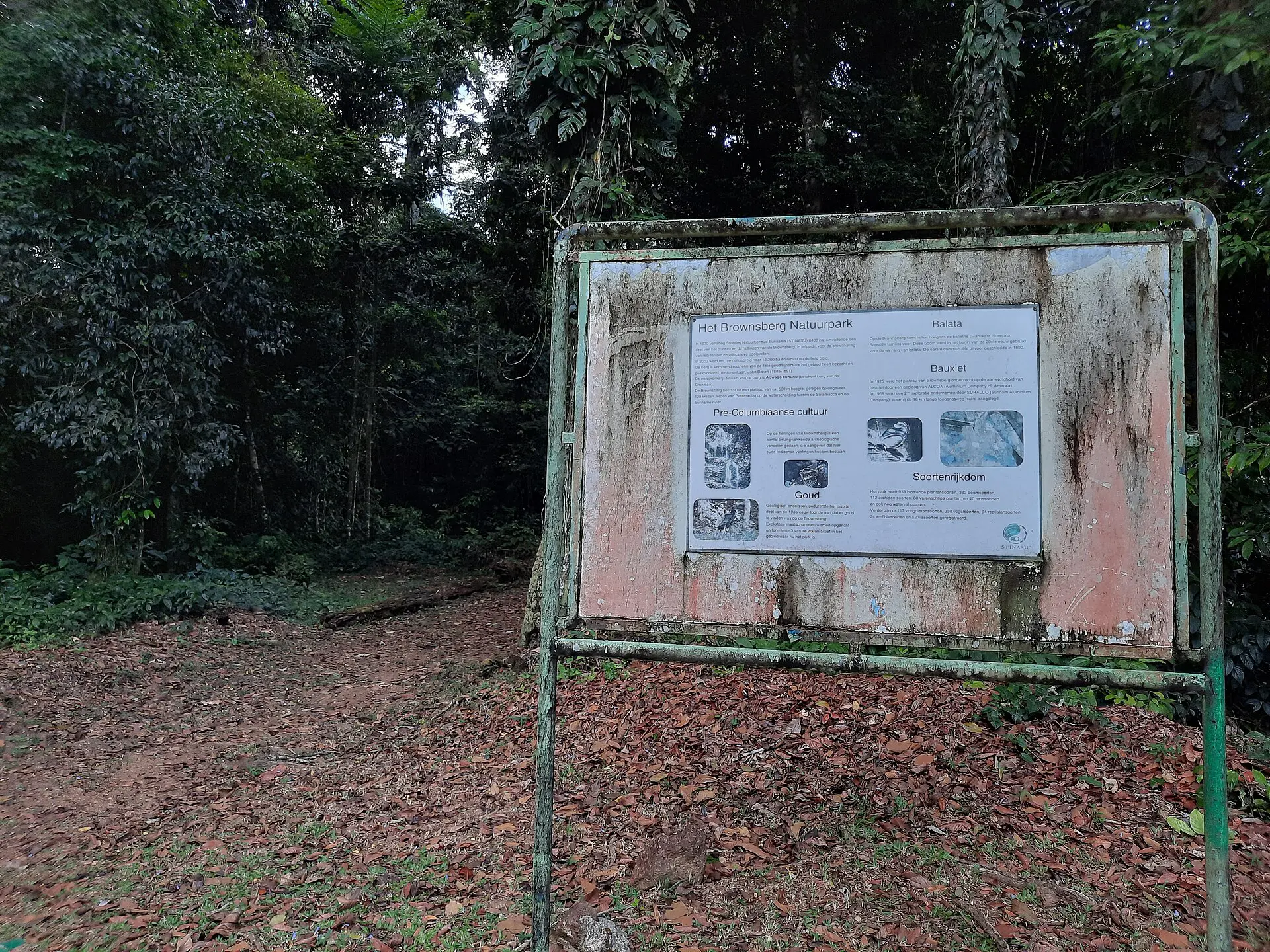
Brownsberg Nature Park
A plateau above Brokopondo Lake with waterfalls, howler monkeys and hiking trails. Most visitors go on a tour from Paramaribo, around two hours each way.
Galibi and the Atlantic coast
Galibi, in the northeast, is a turtle-nesting beach reached by boat and used mainly between roughly February and July, when sea turtles come ashore. Book through a licensed operator.
Upper Suriname River
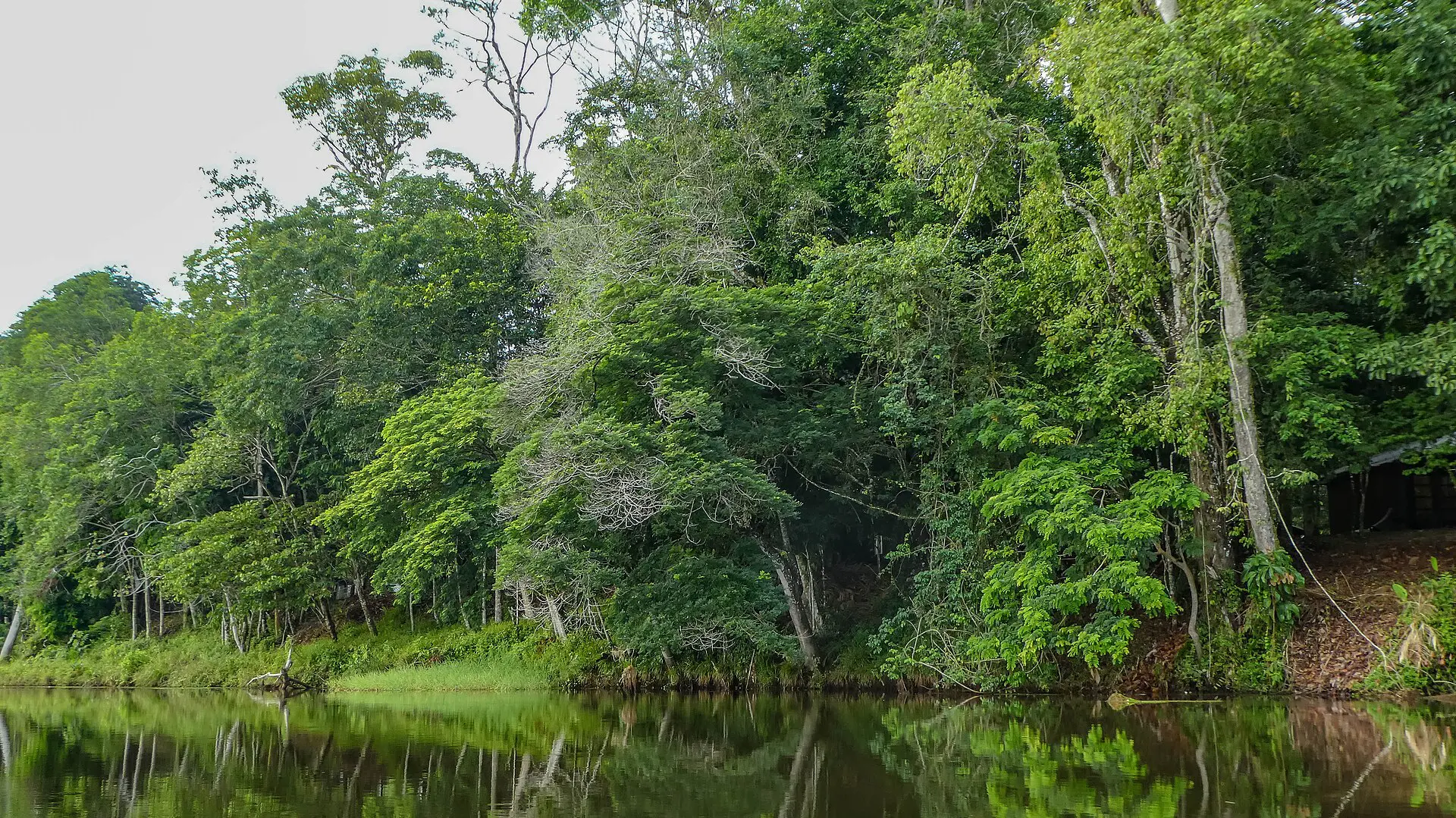
Maroon villages and jungle lodges lie along the river, reached by road then dugout canoe. Trips usually last two to four nights.
Top things to do in Suriname
The top things to do in Suriname combine city history, rainforest time and food, and most can be arranged from Paramaribo.
- Walk the Paramaribo inner city: follow Waterkant, Independence Square and the wooden facades on Keizerstraat.
- Visit Fort Zeelandia: the museum covers the colonial period and the later history of the fort.
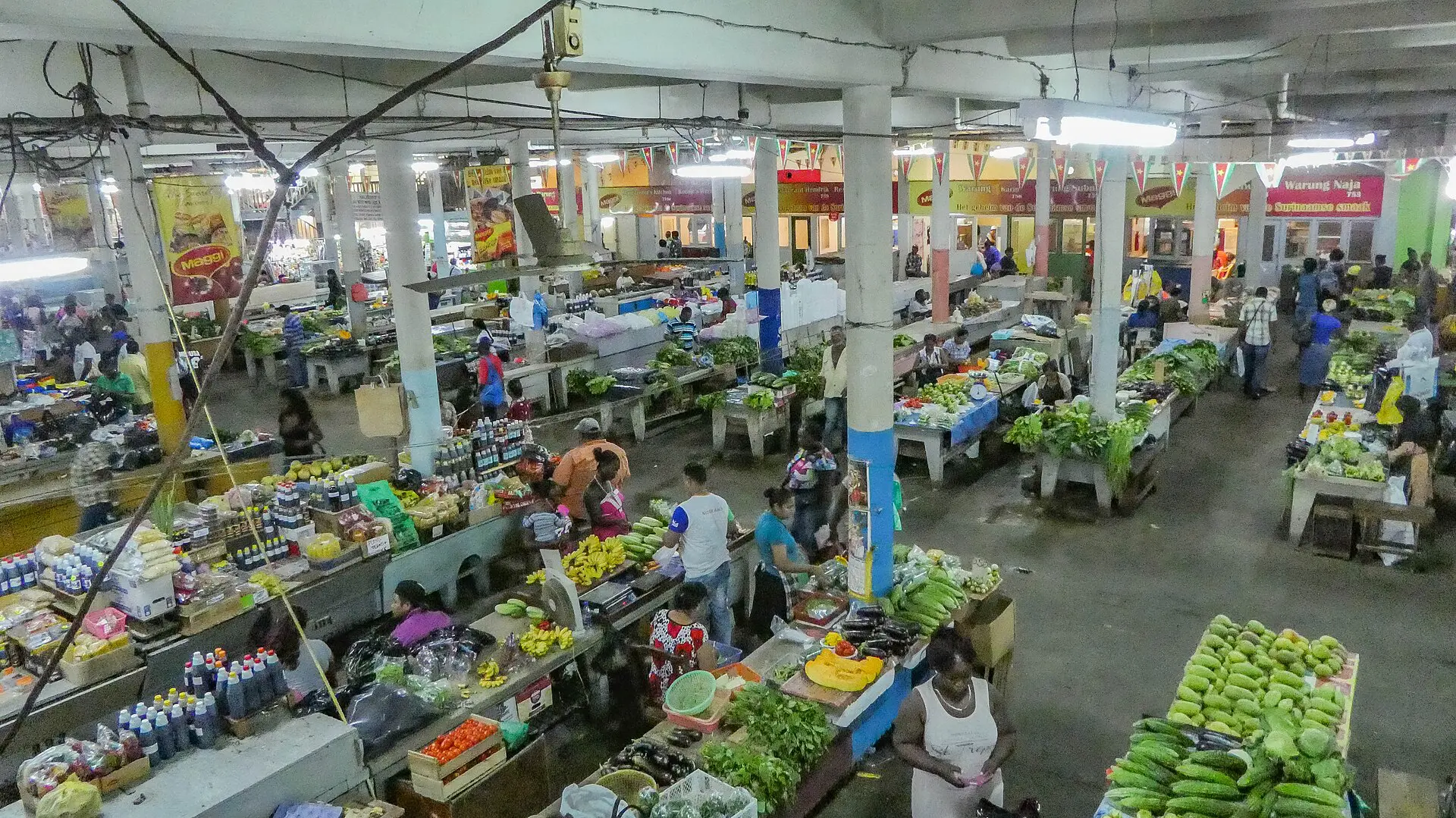
- Browse the central market: the covered market on the river is the place to see produce, spices and everyday trade.
- Cycle through Commewijne: old plantation roads are flat and quiet.
- Hike at Brownsberg: trails lead to viewpoints over the lake and to waterfalls.
- Take a dugout canoe on the Upper Suriname River: stay in a village lodge and learn about Maroon culture.
- Watch sea turtles at Galibi: nesting season runs roughly from February to July, depending on the species.
- Go birdwatching at Peperpot: a former plantation turned reserve with many species close to the capital.
- Eat at a roti and warung stall: try Javanese and Hindustani dishes side by side.
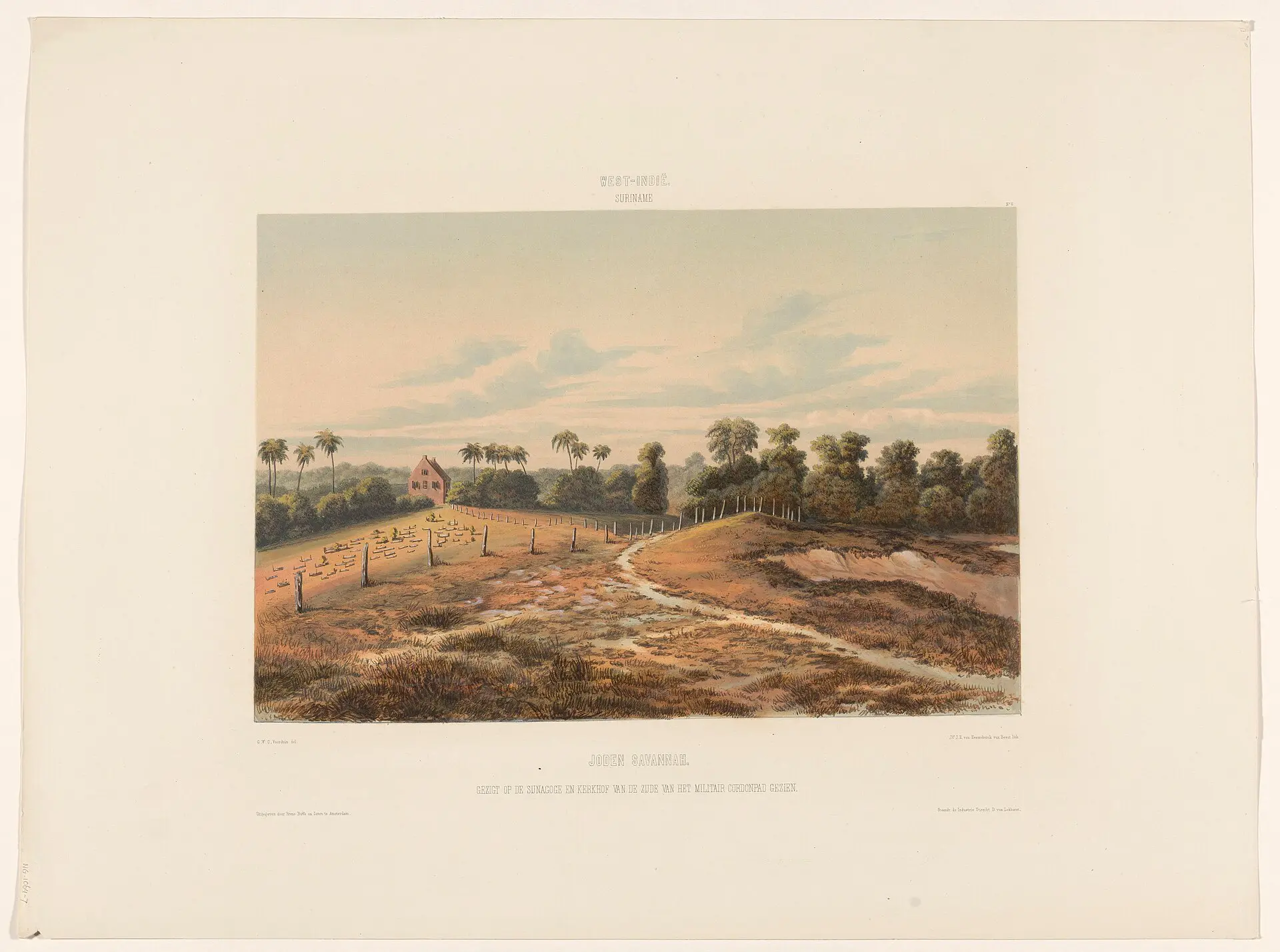
- Visit Jodensavanne: the ruins of a historic Jewish settlement in the forest, reached on a day tour.
Best time to visit Suriname
The best time to visit Suriname is during the two drier periods: roughly February to April and August to November. The climate is hot and humid year-round, with temperatures around 27 to 32 C, and the two rainy seasons (roughly December to January and May to July) bring heavy showers that can make interior travel slower. Dates shift from year to year.
| Season | Weather | Crowds and prices | Good for |
|---|---|---|---|
| Short rains (Dec-Jan) | Warm, frequent showers | Low to moderate | City, festivals, New Year |
| Short dry (Feb-Apr) | Hot, drier, humid | Moderate | Turtles, river trips, hiking |
| Long rains (May-Jul) | Heavy rain, high rivers | Low | Turtle season on coast, birding |
| Long dry (Aug-Nov) | Hot, driest | Highest | Interior lodges, wildlife, hiking |
Fewer international visitors come than to neighbouring countries, so crowds are rarely an issue, but interior lodges are small and book out in the dry season.
Is Suriname safe to visit?
Suriname is generally considered manageable for visitors, but it is not risk-free. The main concerns are petty crime and occasional robberies in Paramaribo, mosquito-borne disease, and hazards on rivers and roads. Check your government’s current travel advice, such as the UK FCDO page, before you go.
In Paramaribo, avoid walking alone after dark outside busy areas, keep phones and cameras out of sight, and use a taxi arranged by your hotel. Do not leave belongings visible in parked cars. Drive carefully: roads outside the capital can be poorly lit, vehicles drive on the left, and animals and slow trucks appear without warning.
Health matters more than crime for many visitors. Yellow fever vaccination is commonly required or recommended, and dengue, malaria in the interior and other mosquito-borne diseases are present, so see a travel clinic well before departure. Use repellent, drink bottled or treated water in rural areas, and carry any medicines you need.
River travel in the interior is by wooden boat and rapids are real hazards; book established operators and wear life jackets. Hurricanes rarely reach Suriname, but flooding in the rainy seasons can cut roads.
Visa and entry requirements for Suriname
Entry rules for Suriname depend on your nationality, and they have changed in recent years, so treat this as a general picture only. Many visitors, including citizens of the EU, the UK and North America, have in the past needed either a tourist card or an e-visa obtained before travel, rather than simply arriving visa-free. Some nationalities are exempt.
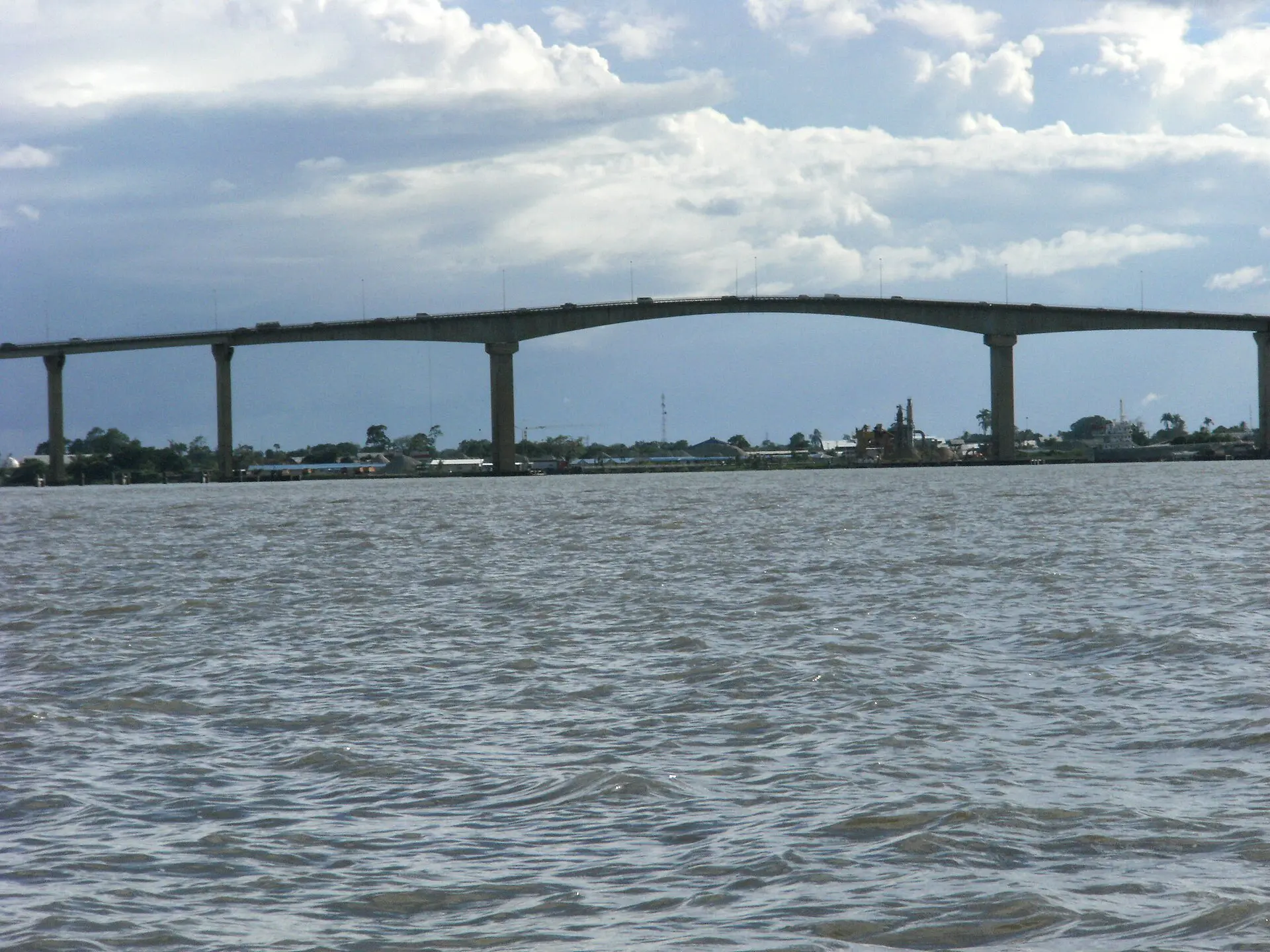
Plan to hold a passport valid for at least six months, a return or onward ticket, and proof of accommodation or funds. Yellow fever vaccination proof is often requested, particularly if you are arriving from, or have recently been in, a country where the disease is present. Check this early because certificates take time to become valid.
Land borders are with French Guiana (via the Marowijne River crossing at Albina), Guyana (via the Corantijn ferry at South Drain) and Brazil (no road crossing). Crossings can have limited hours and ferry schedules that change, so confirm times locally.
Always confirm current requirements on the official Surinamese immigration or foreign ministry website, or with the nearest embassy, before booking flights.
Getting to and around Suriname
Most visitors arrive at Johan Adolf Pengel International Airport, about 45 kilometres south of Paramaribo, with direct flights from Amsterdam and connections through regional hubs such as Miami, Panama City, Port of Spain and Curacao. A taxi to the city takes roughly 45 minutes. Zorg en Hoop airport in Paramaribo handles smaller domestic and regional flights.
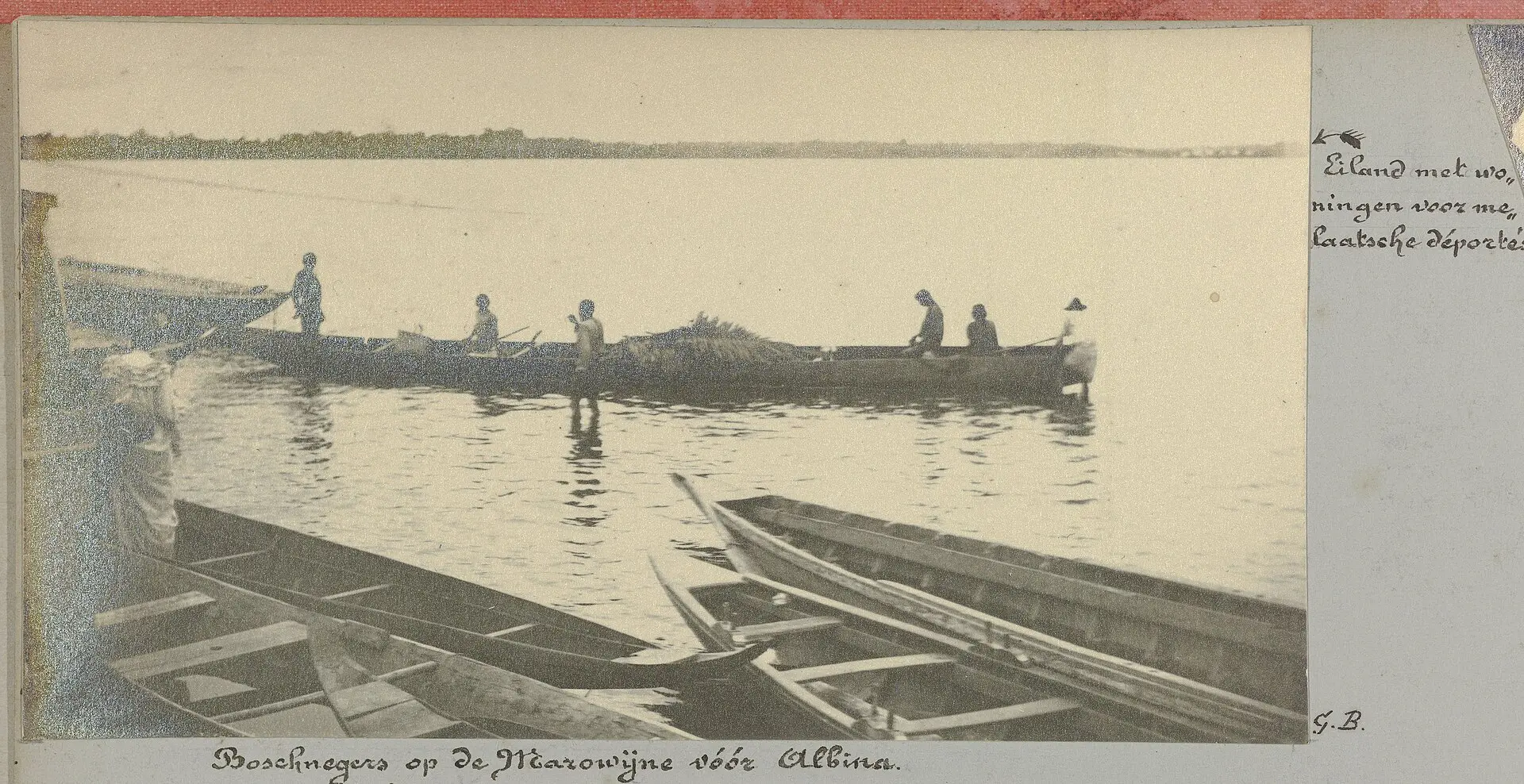
By land, overland routes link Paramaribo with Albina on the French Guiana border (about three hours by road) and with Nieuw Nickerie in the west, near Guyana (about three to four hours). Both involve river ferry crossings.
Within Paramaribo, you can walk the inner city. Taxis are plentiful but often unmetered, so agree the fare first. Minibuses serve main routes and are cheap but crowded. Rental cars are available for trips to Commewijne and Brownsberg, and traffic drives on the left. Bear in mind that interior roads are mostly unpaved and can flood.
The interior is reached by organised tour, 4×4 or small plane to airstrips, then canoe. Flights and river trips are usually arranged by lodges or tour operators.
How much does a trip to Suriname cost?
A trip to Suriname costs more than many visitors expect for the region, mostly because interior travel is logistically expensive. Prices below are rough bands as of 2026 and are best checked against current rates; the Surinamese dollar has seen large swings, and many hotels and tours quote in US dollars or euros.
- Budget (about USD 40-70 per day): guesthouse or dorm bed, street food and roti stalls, minibuses, free sights in Paramaribo.
- Mid-range (about USD 70-140 per day): a comfortable hotel with air conditioning, restaurant meals, taxis and the occasional day tour.
- High (USD 150 and up per day): boutique stays, private transport, guided tours and jungle lodges.
The biggest cost drivers are interior packages. Multi-night river lodge trips typically include transport and meals and can run into the hundreds of dollars per person, so budget separately for them. Domestic flights to remote airstrips also add up.
Meals in local warungs and markets are inexpensive, while Western-style restaurants cost more. Cash is common outside hotels and larger restaurants, and card acceptance can be inconsistent, so carry some euros or US dollars to exchange.
Food and drink in Suriname
Food and drink in Suriname reflect its mixed population, with Javanese, Hindustani, Creole, Chinese and Indigenous influences on one menu. Eating at a warung (a small family-run Javanese restaurant) is one of the best ways to taste it.
- Pom: a baked casserole of grated pomtajer root and chicken, a Creole dish often served at celebrations.
- Roti with chicken curry: a flatbread served with curry and potatoes, introduced by the Hindustani community.
- Bami and nasi goreng: Javanese noodle and fried rice dishes, often with egg, chicken and sambal.
- Saoto soup: a Javanese chicken soup served with noodles, egg and potato sticks.
- Moksi alesi: a Creole rice dish cooked with meat or fish and vegetables.
- Pindakaas and cassava breads: common sides and snacks, alongside fried plantain.
- Parbo beer and fresh juices: Parbo is the main local lager, and tropical juices are widely available.
Restaurants cluster around the Waterkant and in the inner city. Vegetarian options are easiest at Hindustani and Javanese places, since much cooking uses vegetables and tofu, but check for fish sauce or shrimp paste. Tap water is not always recommended, so ask locally and prefer bottled or filtered water.
Culture, language and etiquette in Suriname
Dutch is the official language and is used in government and schools, but the everyday language is Sranan Tongo, an English-based creole understood nearly everywhere. Javanese, Sarnami Hindustani, Maroon languages and Indigenous languages are also spoken. English is understood in tourism, though less widely than you might expect, so a few Dutch or Sranan phrases help.
The population is roughly one third Hindustani, a significant Creole and Maroon share, Javanese, and smaller Indigenous, Chinese and other communities. Religious diversity is visible in daily life, and religious holidays from Diwali and Holi to Eid and Christmas are celebrated by many. Keti Koti, on 1 July, marks the end of slavery.
Etiquette is relaxed. Greet people before asking a question, dress modestly when visiting mosques, mandirs and villages, and ask before photographing people, particularly in Maroon and Indigenous communities. Village visits in the interior often involve paying a small fee or coordinating through the local captain (the village leader), usually arranged by your tour operator. Punctuality is flexible, and Surinamese people tend to be polite and hospitable with visitors.
Suriname itinerary: a 7-day route
This Suriname itinerary keeps travel simple by basing you in Paramaribo for the first part and then moving into the interior with a tour operator. Book interior days in advance.
- Day 1, Paramaribo: arrive, walk the Waterkant and Independence Square, dinner at a riverside warung.
- Day 2, Paramaribo: Fort Zeelandia, the Palm Garden, the central market and the mosque and synagogue on Keizerstraat.
- Day 3, Commewijne: take the ferry across the river, cycle plantation roads and visit Peperpot.
- Day 4, Brownsberg: day trip by road for hiking, waterfalls and monkeys; return to the capital.
- Day 5, Upper Suriname River: transfer by road and canoe to a river lodge, with a village visit in the afternoon.
- Day 6, river: short rapids trip and a jungle walk with a guide; second night at the lodge.
- Day 7, return: boat and road back to Paramaribo, last meal and departure.
If you visit between about February and July, replace Day 4 with a Galibi turtle trip, which usually needs one or two nights.
Practical tips for Suriname
Practical tips for Suriname begin with money. The currency is the Surinamese dollar (SRD), and its value has changed rapidly in recent years, so check the current rate. Euros and US dollars are the easiest currencies to exchange, and ATMs exist in Paramaribo but can be unreliable for foreign cards. Carry cash for the interior.
- SIM and data: local SIM cards from the main operators are cheap and work in and around Paramaribo; interior coverage is patchy, so download maps offline.
- Power: the country uses types C and F sockets, with 127 V in some areas and 230 V in others, so check your devices and bring a universal adapter.
- Tipping: about 10% is normal in restaurants that do not add a service charge; round up for guides and drivers.
- Health: see a travel clinic for yellow fever, hepatitis and malaria advice, and carry repellent with DEET or picaridin.
- Packing: light breathable clothing, a rain jacket, sturdy shoes, a headlamp and dry bags for river trips.
- Time and dialling: the country code is +597, and local time is UTC-3.
For further reading, the Wikivoyage Suriname guide lists towns and practical details, and the UNESCO page for Suriname covers its World Heritage Sites.
FAQ
Q1Is Suriname safe to visit?
Mostly yes, with precautions. Petty crime and occasional robberies occur in Paramaribo, so avoid walking alone at night and use hotel-arranged taxis. Health risks such as dengue and malaria in the interior matter more, so consult a travel clinic and use repellent. Check your government's current travel advice before you go.
Q2What is the best time to visit Suriname?
February to April and August to November are the driest months and the best for hiking, river trips and interior lodges. Sea turtles nest at Galibi roughly from February to July. The wetter months, around December to January and May to July, bring heavy showers but fewer visitors.
Q3What are the best things to do in Suriname?
Walk Paramaribo's UNESCO wooden inner city, visit Fort Zeelandia, cycle through Commewijne's former plantations, hike at Brownsberg, take a dugout canoe up the Upper Suriname River and watch sea turtles at Galibi. Eating at Javanese warungs and Hindustani roti stalls is a highlight.
Q4Do I need a visa for Suriname?
It depends on your nationality. Many visitors need a tourist card or e-visa arranged before arrival, while some nationalities are exempt. Rules have changed in recent years, so confirm on the official Surinamese immigration website or with an embassy. Yellow fever vaccination proof is often requested.
Q5What language is spoken in Suriname?
Dutch is the official language, used in government and education. Sranan Tongo, an English-based creole, is the common everyday language, and Javanese, Sarnami Hindustani and Maroon and Indigenous languages are also spoken. English is understood in hotels and tour offices but is less common elsewhere.
Q6How much does a trip to Suriname cost?
Roughly USD 70 to 140 per day mid-range, around USD 40 to 70 on a tight budget. Interior lodge and river packages are the main extra cost and can run to hundreds of dollars per person for several nights. Prices fluctuate with exchange rates, so confirm quotes before booking.
Q7Which side of the road do they drive in Suriname?
Traffic drives on the left in Suriname, which is unusual in South America (Guyana does the same). Many cars are imported, so some have the steering wheel on either side. Interior roads are often unpaved and can flood in the rainy seasons.