Why visit Paraguay
The best things to do in Paraguay are quiet, uncrowded and inexpensive, which is why a growing number of travellers are adding the country to South American routes. Landlocked between Argentina, Brazil and Bolivia, it covers about 407,000 square kilometres, with 18th-century Jesuit mission ruins, Itaipú, one of the world’s largest hydroelectric dams, tropical wetlands and the remote Chaco (see the Wikipedia overview). It is also one of the few places where an Indigenous language, Guaraní, is spoken by most of the population alongside Spanish.
Paraguay suits travellers who value authenticity over famous landmarks: overlanders crossing between Argentina and Brazil, history fans, birdwatchers and food lovers. Tourist infrastructure is basic by regional standards, public transport is slow and English is limited, so it rewards flexible visitors who speak a little Spanish. Expect friendly locals, relaxed schedules and very few other tourists.
Best places to visit in Paraguay
The best places to visit in Paraguay are clustered around the capital and the southeast, with the remote Chaco as an adventurous extra.
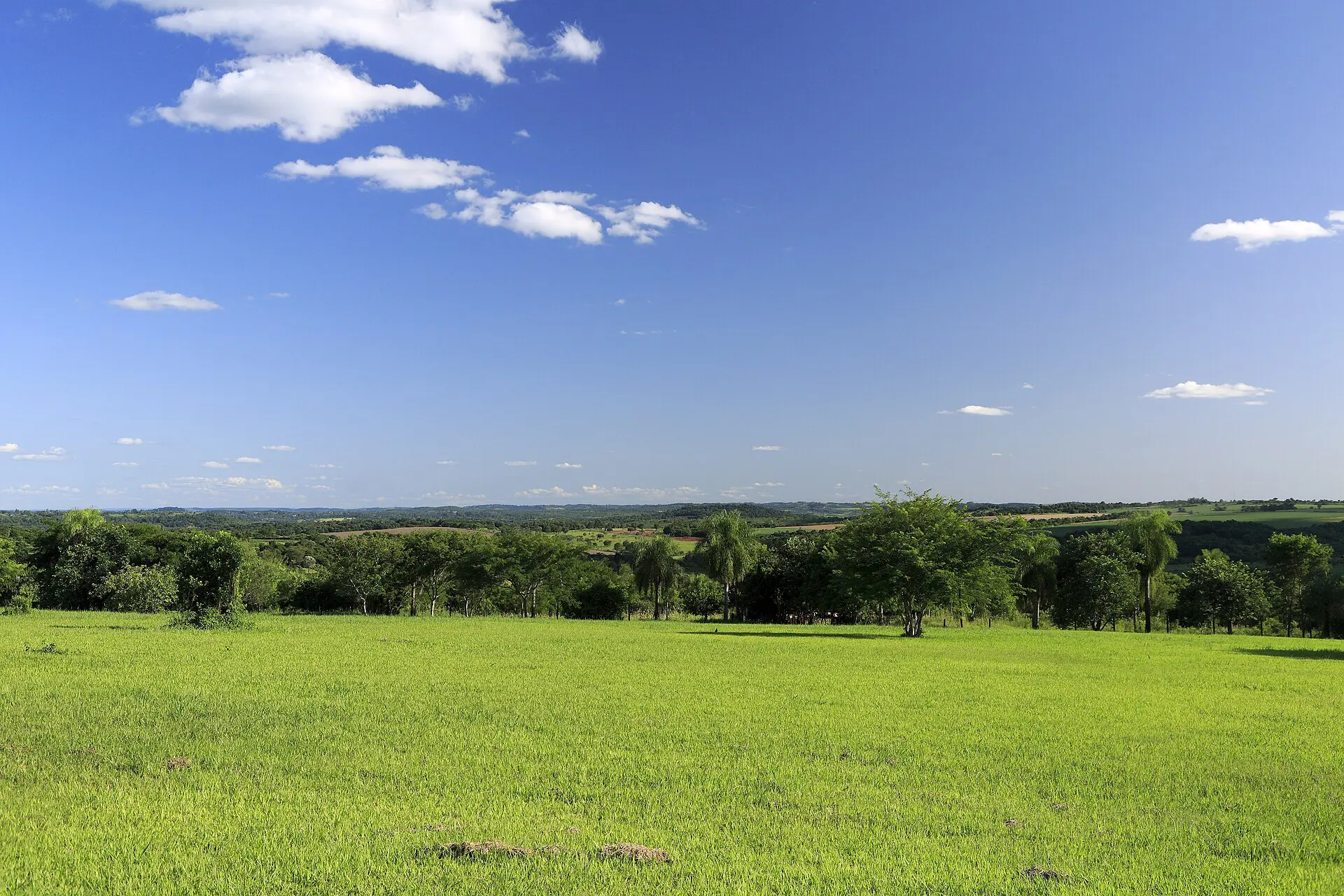
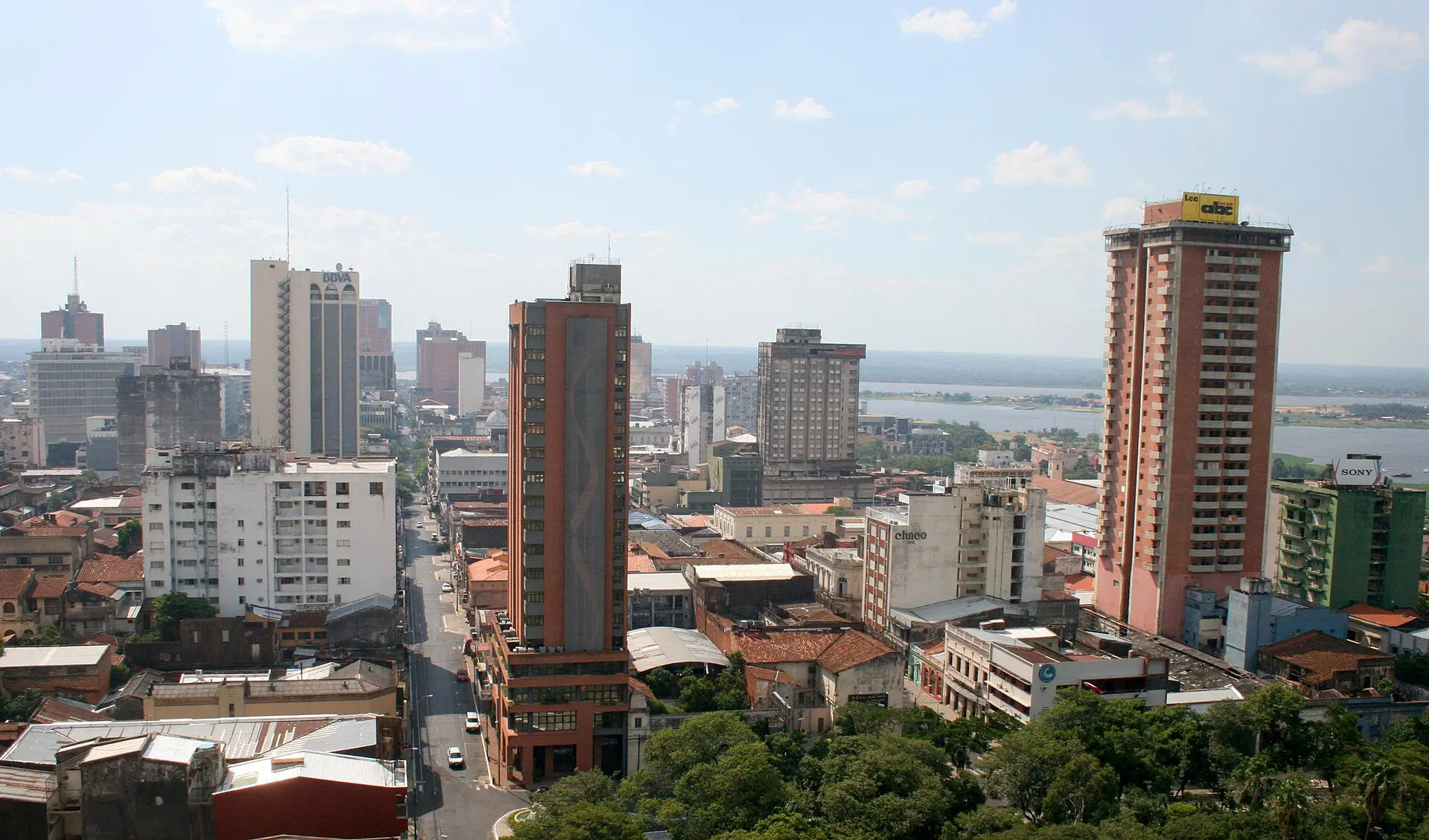
Asunción
The capital sits on the Paraguay River and has a colonial centre with the Palacio de López, the Pantheon of Heroes and lively markets. It has good museums, cafés and nightlife. Two days are enough for the main sights.
Encarnación and the Jesuit missions
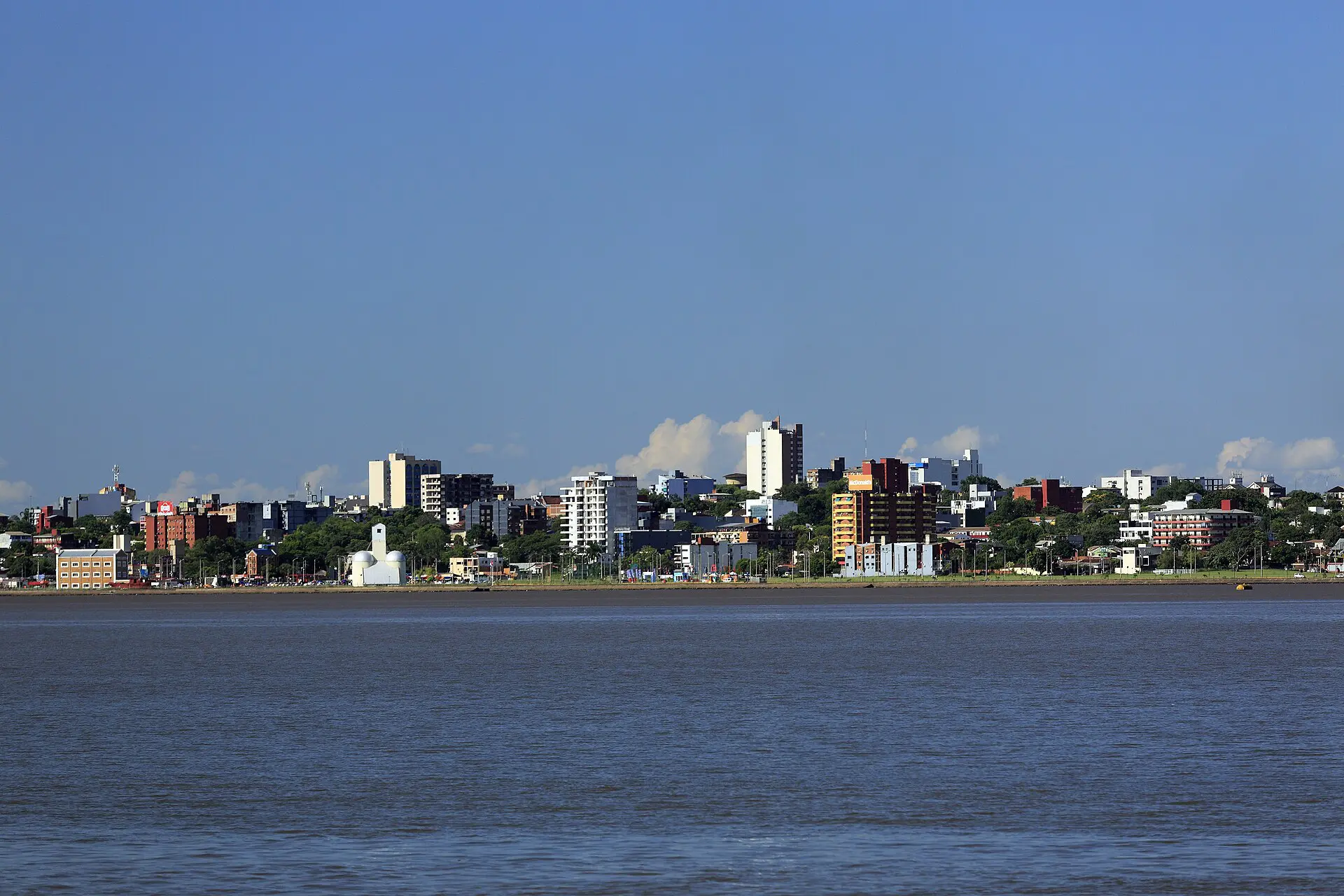
Encarnación is the base for the Jesuit reductions of La Santísima Trinidad de Paraná and Jesús de Tavarangué, both UNESCO World Heritage sites with striking red sandstone churches. The city also has a riverside promenade and beaches in summer.
Ciudad del Este and Itaipú
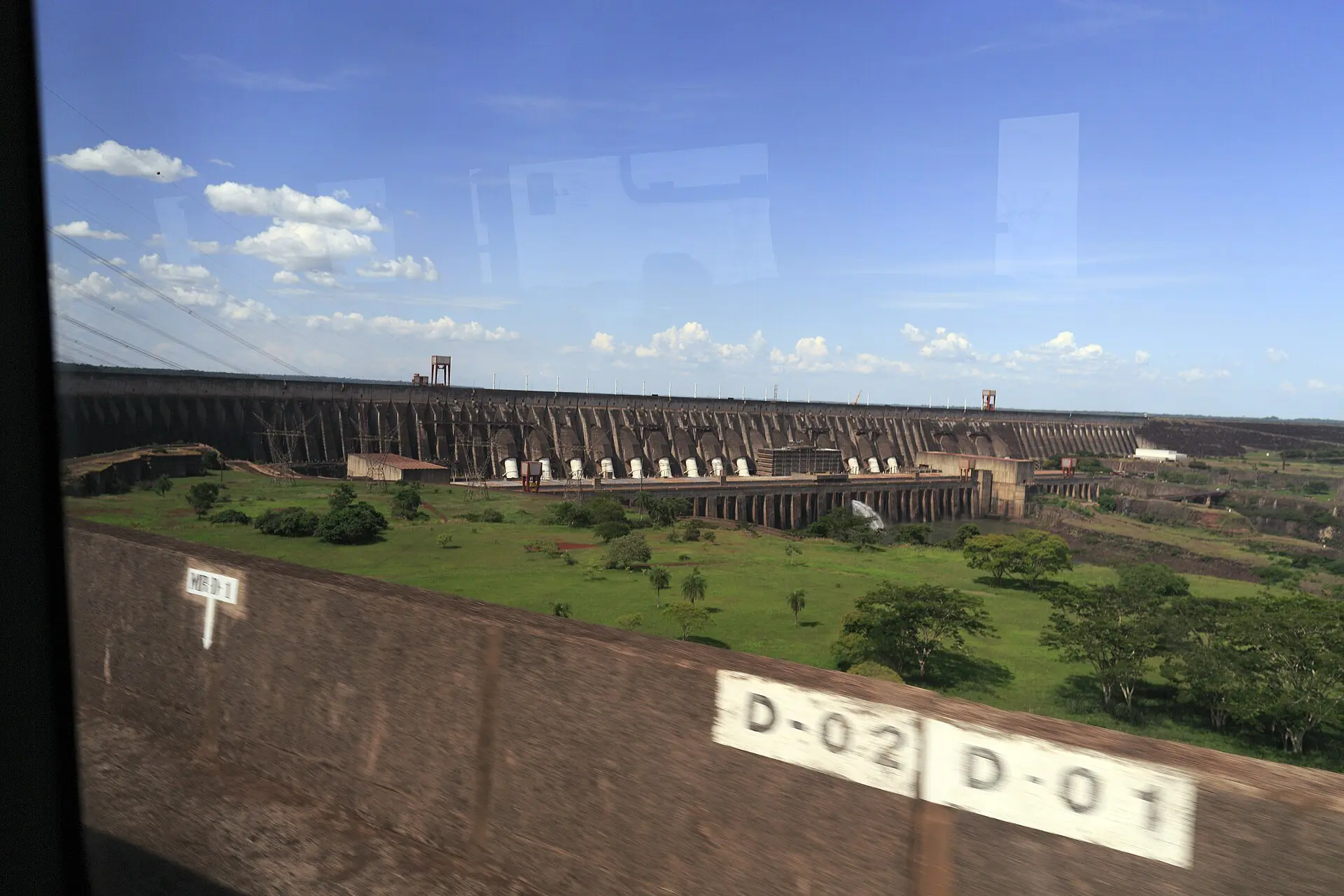
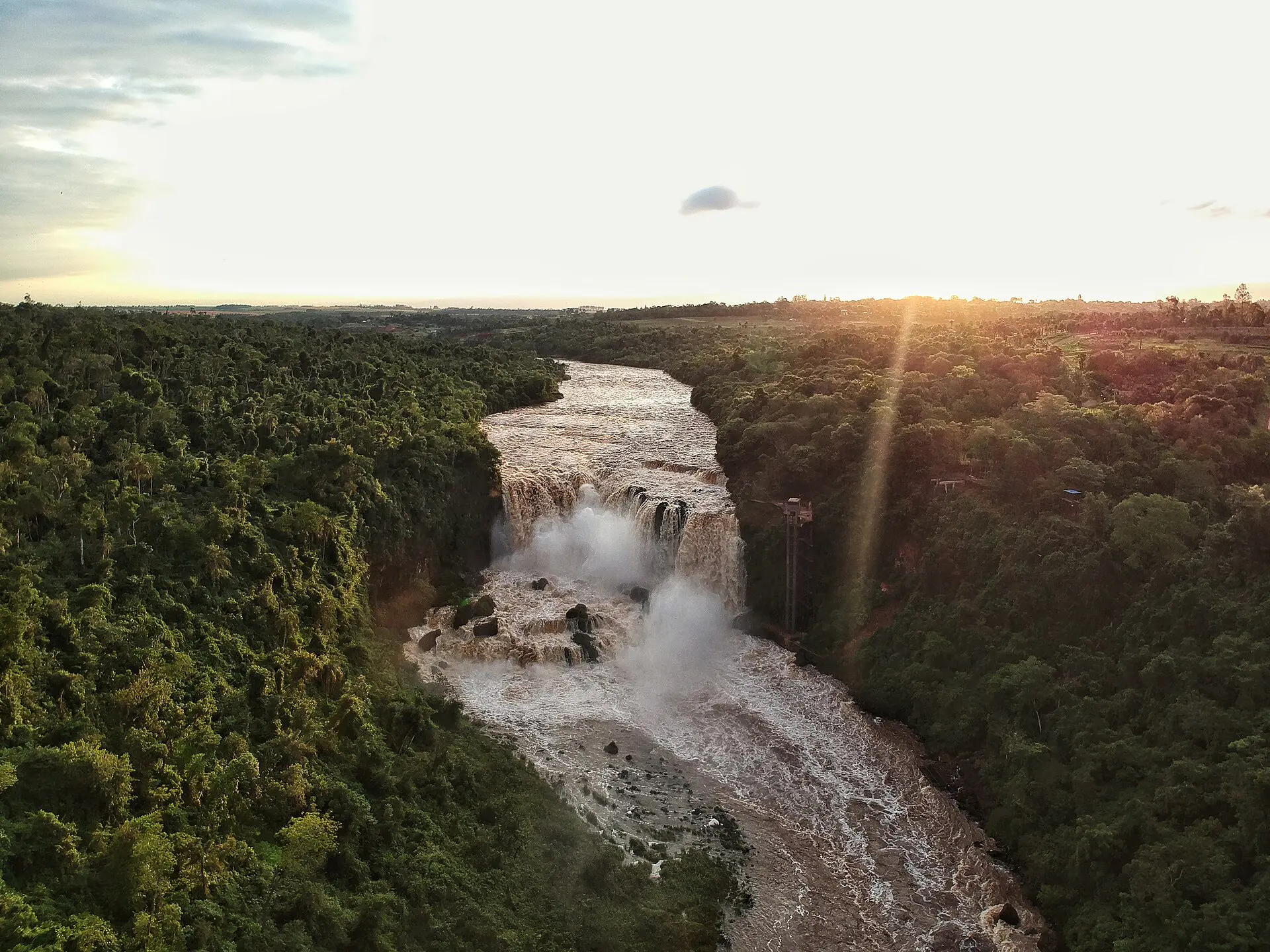
The border city is a major shopping hub. The Itaipú Dam, shared with Brazil, offers guided tours of the powerhouse and spillway, and the Monday Falls (Saltos del Monday) are close by.
Ybycuí National Park
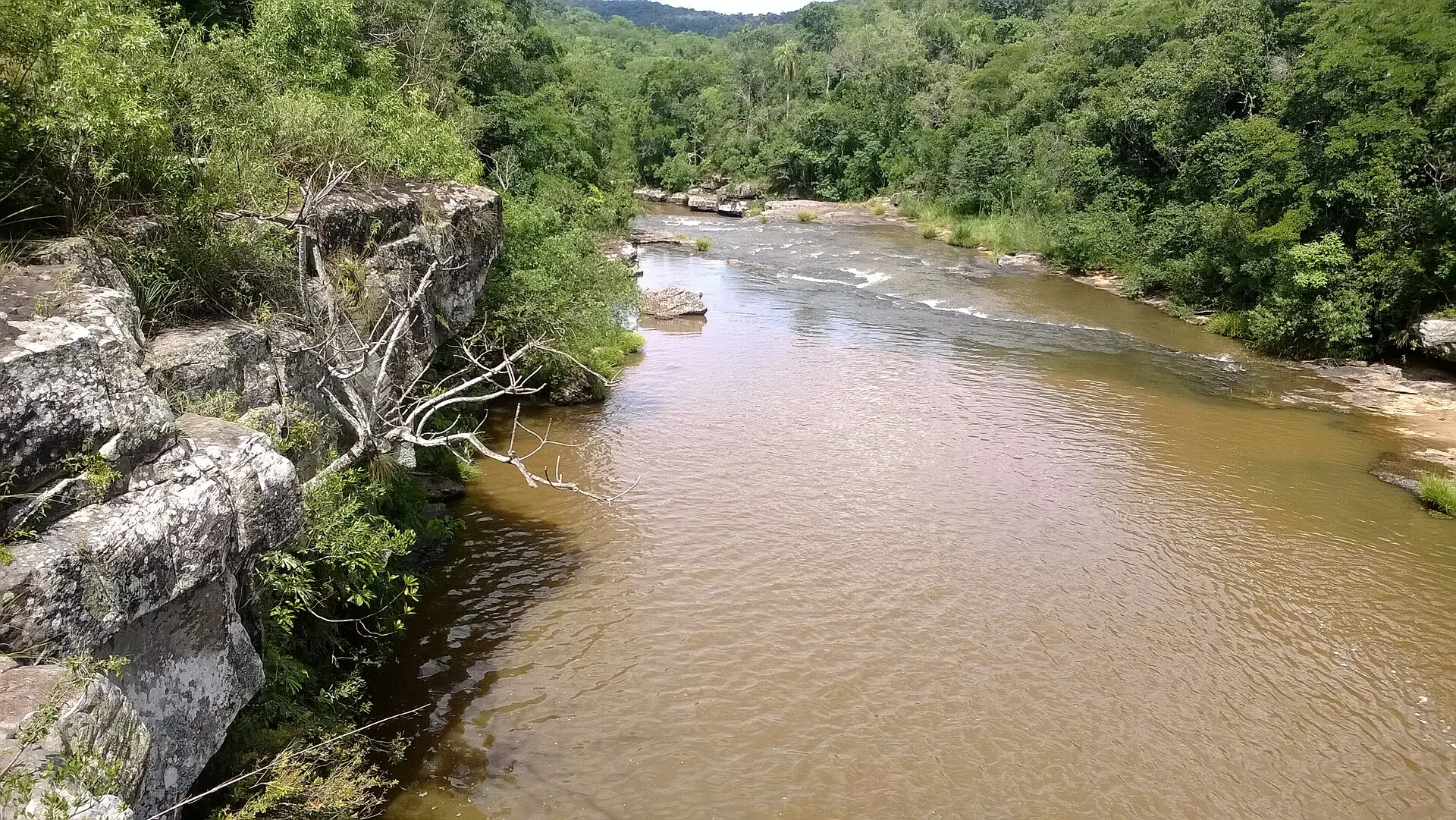
This forest park has waterfalls, trails and the ruins of an early iron foundry. It is a good day trip or overnight stay from Asunción.
Lake Ypacaraí and the Cordillera
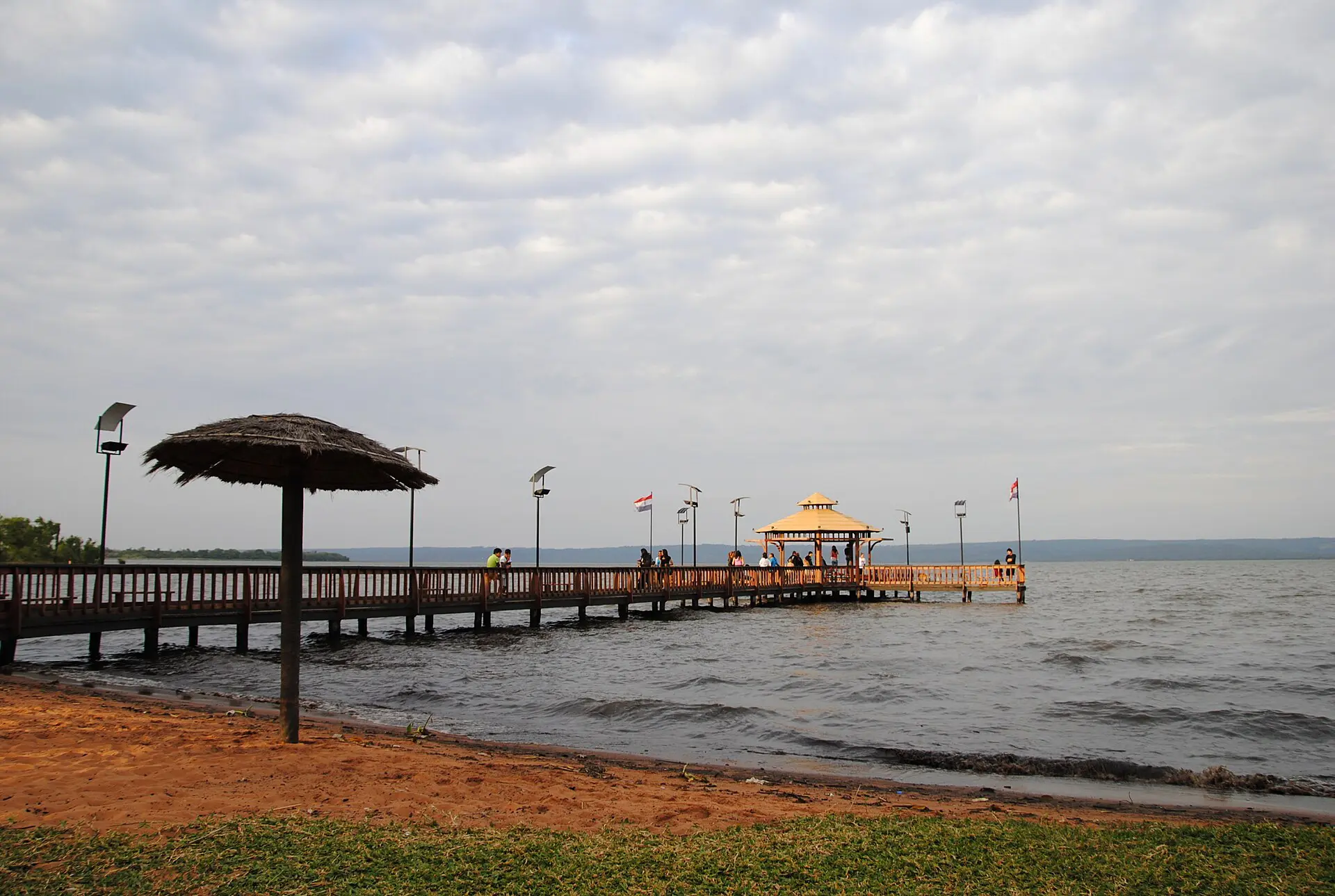
San Bernardino, Areguá and Caacupé form a cultural loop: lakeside resorts, craft towns and the country’s main pilgrimage basilica.
The Chaco
The vast dry forest and wetland region in the northwest has Mennonite colonies and wildlife, but travel is long and demanding.
Things to do in Paraguay
The top things to do in Paraguay mix heritage, nature and local culture, and most can be done independently with a little Spanish.
- Visit the Jesuit missions: tour the ruins of Trinidad and Jesús, which show baroque-Guaraní architecture.
- Tour the Itaipú Dam: book the guided panoramic tour of one of the world’s largest hydroelectric plants.
- Walk Asunción’s centre: visit the Palacio de López, the Panteón de los Héroes and the riverside Costanera.
- Hike in Ybycuí National Park: swim near waterfalls and walk the forest trails.
- See Caacupé Basilica: the country’s main Catholic shrine draws huge crowds on 8 December.
- Shop for ñandutí lace in Itauguá: the town is known for intricate spider-web lace.
- Relax at Lake Ypacaraí: take a lakeside stroll in San Bernardino and Areguá.
- Drink tereré with locals: join a group sharing cold yerba mate in the shade.
- Watch a guaraní music or folk dance show: Paraguayan harp music and polka paraguaya are national traditions.
- Explore the Chaco or Pantanal: take a guided wildlife trip for birds, caimans and jaguar signs.
Best time to visit Paraguay
The best time to visit Paraguay is April to October, when temperatures are comfortable and rain is lighter. Summer, from December to February, is extremely hot and humid, often above 35 C, with heavy storms. Winter, from June to August, is mild in the day and can be cool at night, with the occasional cold snap. The Chaco is best visited in the drier months, as roads can become impassable after rain.
| Season | Weather | Crowds and prices | Good for |
|---|---|---|---|
| Autumn (Mar-May) | Warm to mild, fewer storms | Quiet, stable prices | Missions, cities, hiking |
| Winter (Jun-Aug) | Mild days, cool nights | Low | Sightseeing, the Chaco, Itaipú |
| Spring (Sep-Nov) | Warm, rising heat and rain | Moderate | Waterfalls, Ybycuí, birdwatching |
| Summer (Dec-Feb) | Hot, humid, storms | Local holiday crowds, higher beach prices | Encarnación beaches, evening life |
Carnival in February and Easter week bring local festivals and busier transport.
Is Paraguay safe?
Yes, Paraguay is generally safe for tourists, and violence against visitors is rare. Most problems are petty crime and road hazards. Check your government’s current advice, such as the UK FCDO or US State Department, before you go, and ask locally about conditions in remote areas.
Theft. Pickpocketing and bag snatching occur in Asunción, especially around the central market and on buses. Do not use your phone openly on the street, keep valuables out of sight and use taxis or ride-hailing apps at night.
Border regions. The northern departments of Concepción, San Pedro and Amambay, near the Brazilian border, have drug-trafficking activity and some armed groups, and some governments advise against travel there. Ciudad del Este and Pedro Juan Caballero need extra caution.
Roads and nature. Rural roads can be poorly lit and have livestock or potholes, and heavy rain turns dirt roads in the Chaco impassable. Heat is a real hazard in summer.
Health. Dengue is present, so use repellent. Yellow fever vaccination is recommended for many travellers, and sometimes needed on arrival from risk countries. Drink bottled water outside the capital and carry insurance.
Visa and entry requirements for Paraguay
Entry rules vary by nationality. Many visitors, including citizens of the EU, UK and most Latin American countries, have generally been able to enter for short tourist stays without a visa, while some nationalities need a visa in advance. Rules change, so confirm the current requirement for your passport with Paraguay’s migration authority or your nearest consulate before you book.
Bring a passport valid for at least six months, and keep proof of onward travel in case you are asked. A yellow fever vaccination certificate may be requested if you arrive from a risk country. Land borders with Argentina, Brazil and Bolivia are open, and crossing at Ciudad del Este, Encarnación or Clorinda is straightforward but can have long queues. Brazil and Argentina have their own visa rules if you plan to cross.
If you rent a car, check that your licence is accepted and that insurance covers cross-border travel. The UNESCO page for Paraguay lists the Jesuit missions and other World Heritage sites.
Getting to and around Paraguay
Most visitors fly into Silvio Pettirossi International Airport (ASU) near Asunción, with regional flights from Buenos Aires, São Paulo, Santiago, Lima, Panama City and Madrid. Many arrive overland from Argentina via Encarnación and Posadas, or from Brazil via Ciudad del Este and Foz do Iguaçu. There are no usable passenger trains.
Long-distance buses are the main transport. They are comfortable, frequent and cheap, and leave from Asunción’s main terminal: Asunción to Encarnación takes about five to six hours, and to Ciudad del Este about four to five. Local buses are crowded and slow. A rental car is useful for Ybycuí, the Cordillera and rural missions, though night driving is not recommended, and police checkpoints are common. Domestic flights are limited. Taxis and ride-hailing apps operate in Asunción and larger towns. A boat trip on the Paraguay River connects the capital with Concepción for those with time.
How much does a trip to Paraguay cost?
Paraguay is one of the cheapest countries in South America. The currency is the guaraní (PYG), which comes in large denominations, so prices look high but are low in dollars. Figures below are rough per-person guides for 2026.
- Budget: around USD 25 to 40 per day, with hostels, buses, market meals and free sights.
- Mid-range: around USD 40 to 80 per day, with private hotel rooms, restaurant meals, taxis and tour entries.
- High-end: from around USD 120 per day, with boutique hotels, rental cars and guided trips to the Chaco.
Accommodation, car hire and guided tours drive most of the cost, and flights in from outside the region are the largest expense. Meals are inexpensive, and a set lunch is often only a few dollars. Cash is more useful than cards outside Asunción and Ciudad del Este.
Paraguay food and drink
Paraguay food is hearty and corn-, cassava- and cheese-based, with strong Guaraní roots and plenty of grilled beef. Portions are generous and prices low.
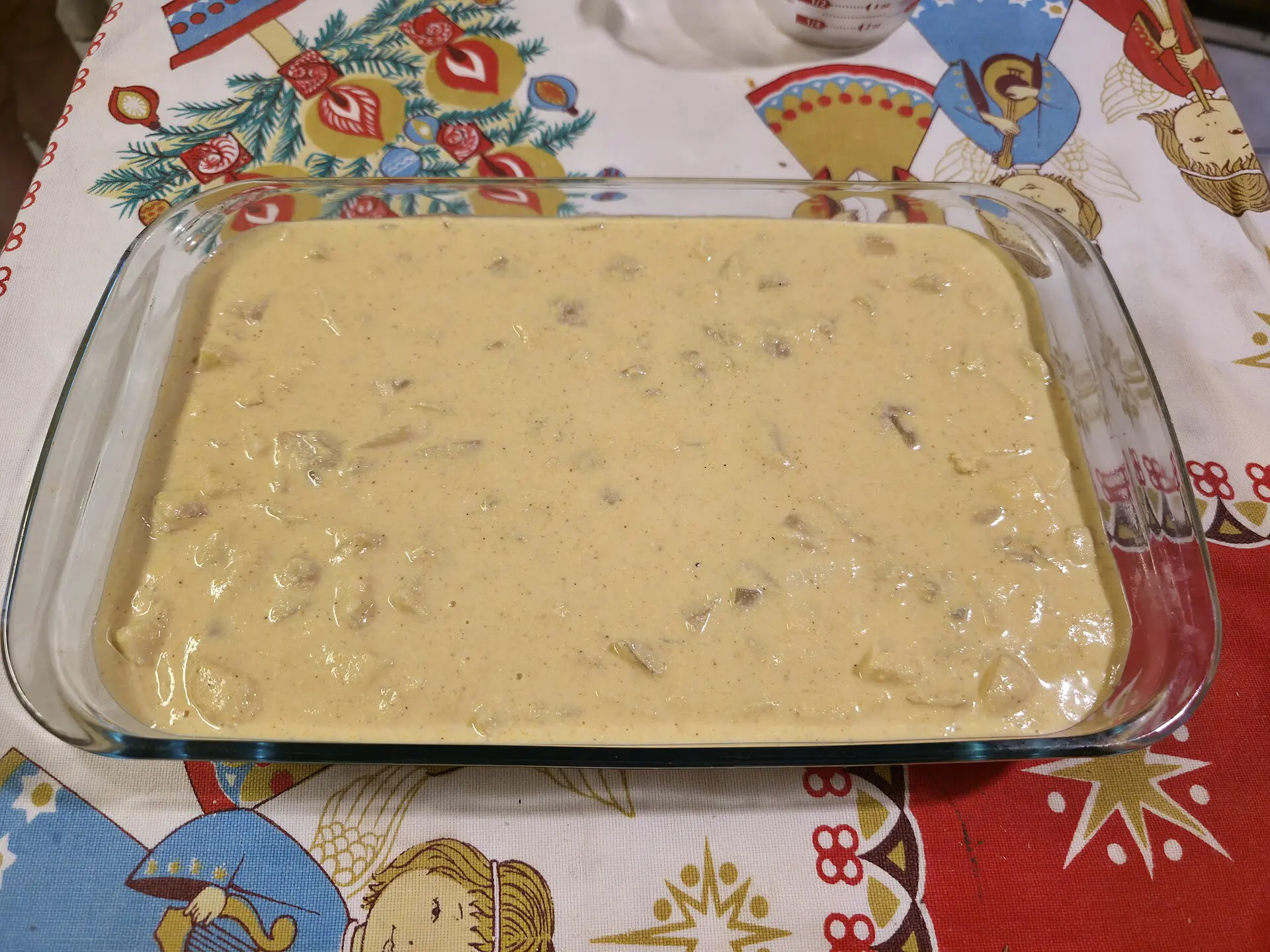
- Sopa paraguaya: a dense, cornbread-like cake with cheese and onion, despite its name, eaten as a side.
- Chipa: cheesy cassava bread rings, sold hot by street vendors and at bus stops.
- Chipa guasu: a corn and cheese casserole, often served with soup or stews.
- Mbejú: a cassava starch and cheese pancake, popular as a snack.
- Bori bori: chicken soup with cornmeal dumplings, a common comfort dish.
- Asado and milanesa: grilled beef and breaded cutlets are staples, along with chorizo.
- Tereré and mate: cold or hot yerba mate infusions drunk constantly, and the national drink; also try caña, a sugarcane spirit, and local Pilsen beer.
Vegetarians can eat chipa, sopa paraguaya, mbejú and salads, but many soups and stews contain meat. Street food is cheap, and busy stalls are usually a safe choice.
Culture, language and etiquette in Paraguay
Paraguay has two official languages, Spanish and Guaraní, and most people speak both or a mix called Jopará. English is uncommon outside tourism and business, so basic Spanish helps a lot. A few Guaraní words, such as mba’éichapa (how are you), are appreciated. The population is mostly mestizo, with Mennonite, Indigenous and immigrant communities, and the country is overwhelmingly Catholic.
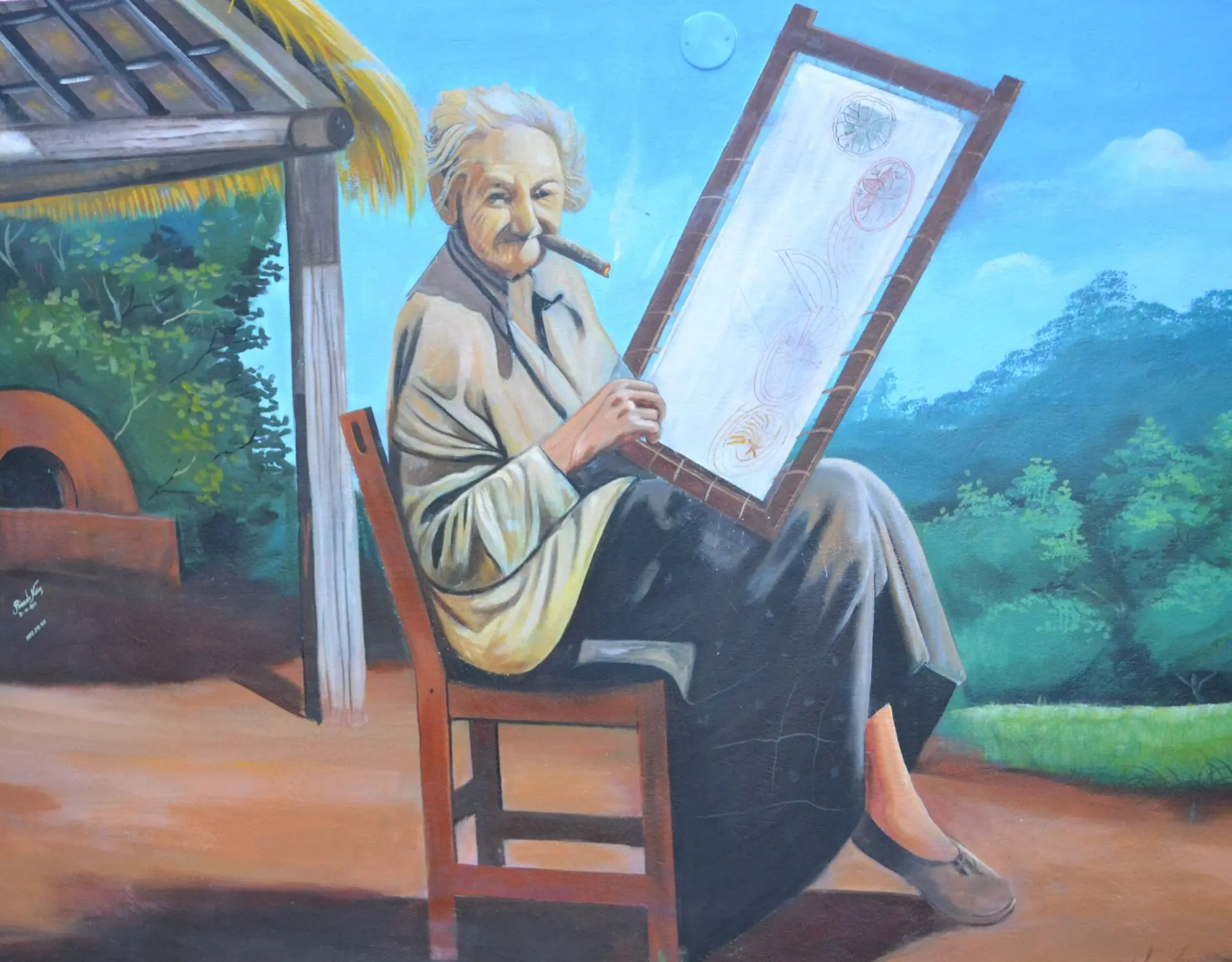
Greetings matter: shake hands or exchange a kiss on the cheek, and say hello when entering a shop. Tereré is a social ritual, passed around a circle from one shared cup, and being offered a turn is a sign of friendliness. If you accept, drink the cup in full before passing it back and say gracias only when you are done.
Dress is casual but tidy, and modest clothing is expected in churches. Plan for relaxed timekeeping and long lunches. Avoid discussing the Stroessner dictatorship or the Chaco War carelessly, as they remain sensitive topics. Football is a national passion, and Olimpia and Cerro Porteño are the biggest clubs.
Paraguay itinerary: a 7-day route
This route runs from Asunción to the southeast and back by bus or rental car, covering the best-known sights.
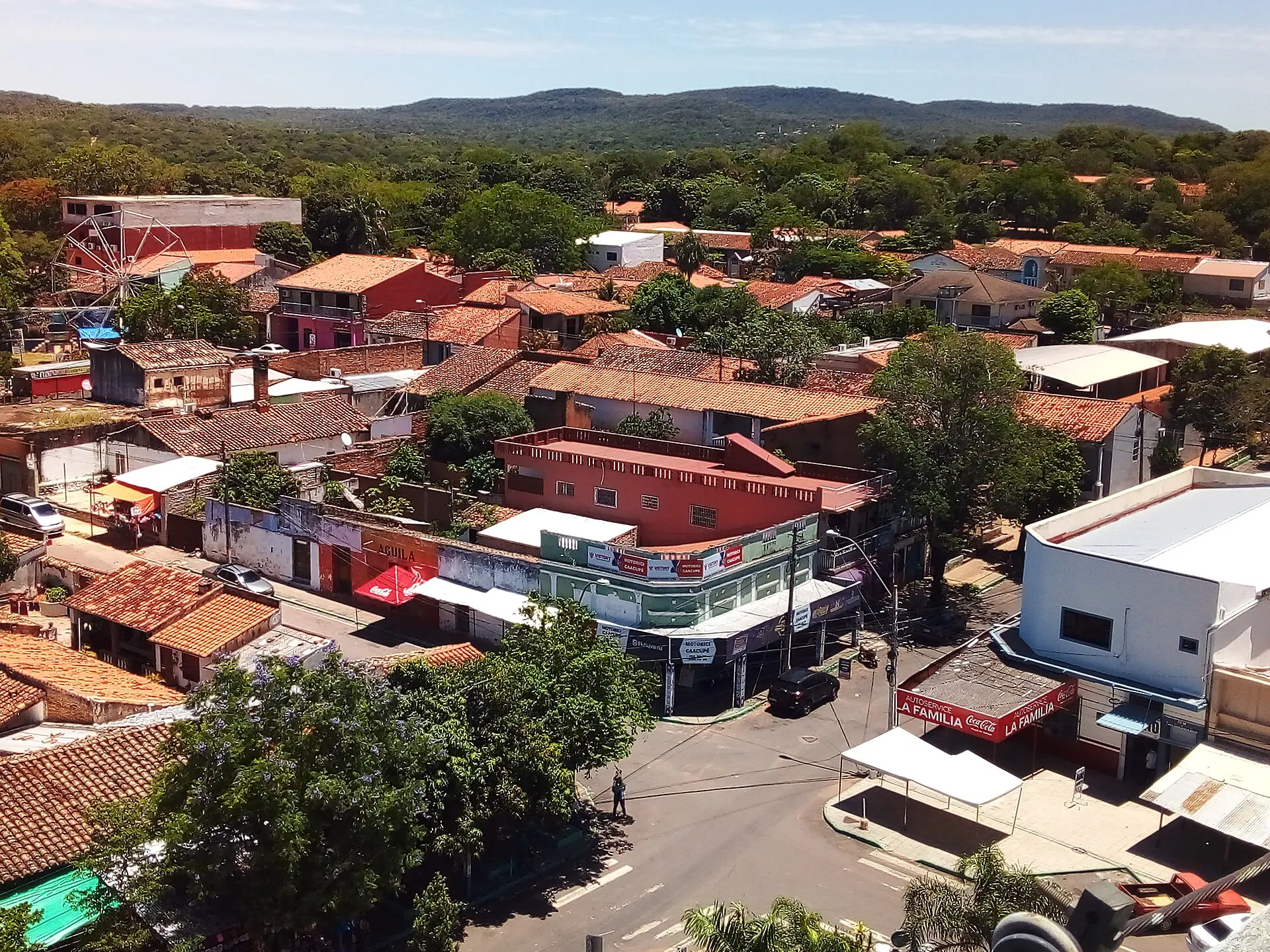
- Day 1, Asunción: arrive, walk the centre, see the Palacio de López and the Costanera, and eat dinner locally.
- Day 2, Lake Ypacaraí circuit: visit Itauguá for lace, Areguá for crafts and views, and stay in San Bernardino.
- Day 3, Caacupé and Ybycuí: visit the basilica, then continue to Ybycuí National Park for a forest walk and swim.
- Day 4, Encarnación: travel about five hours, walk the Costanera and settle in.
- Day 5, Jesuit missions: visit Trinidad and Jesús de Tavarangué, and return to Encarnación.
- Day 6, Ciudad del Este and Itaipú: go by bus, tour the dam and see the Monday Falls.
- Day 7, return: travel back to Asunción, about four to five hours, for a flight or onward bus.
With extra days, add the Chaco by organised tour or Concepción by river. In summer, shift outdoor sights to early morning.
Practical tips for Paraguay
- Money: the guaraní is the currency; ATMs are common in cities, and cards are accepted in hotels and larger restaurants. Carry cash for markets, buses and rural areas, and avoid street money changers.
- SIM and eSIM: local SIMs and eSIMs are cheap, with good coverage in towns and patchy coverage in the Chaco.
- Plugs: type C at 220 V, so European plugs work.
- Tipping: around 10 percent in restaurants if not included, and small tips for guides.
- Health: bring repellent, sunscreen and insurance; check yellow fever and routine vaccines with a travel clinic.
- Packing: light, breathable clothing, a rain jacket, sturdy shoes and a hat for the heat.
- Time: Paraguay uses UTC-3 year round in recent years, but confirm before booking tight connections.
- Language: download an offline Spanish dictionary and learn a few Guaraní phrases.
For further reading, see the Wikivoyage Paraguay guide.
FAQ
Q1What is Paraguay food like?
Paraguay food is hearty and based on corn, cassava, cheese and grilled beef. Try sopa paraguaya, chipa, mbejú, bori bori soup and asado, and drink tereré with locals. Street food is cheap, and vegetarians can eat cheese and corn dishes.
Q2What are the best things to do in Paraguay?
Visit the UNESCO Jesuit missions near Encarnación, tour the Itaipú Dam, walk Asunción's historic centre, hike Ybycuí National Park, see the Caacupé basilica and drink tereré with locals. The Chaco suits adventurous travellers on guided trips.
Q3Is Paraguay safe?
Mostly yes. Tourists rarely face violent crime, and the main risks are petty theft in Asunción, poor rural roads and dengue. Avoid the northern border departments, use taxis at night and check your government's advice before travelling.
Q4What is the best time to visit Paraguay?
April to October is best, with mild weather and less rain. December to February is very hot and humid, often above 35 C. Winter nights can be cool. Carnival and Easter bring local festivals and busier buses.
Q5Do I need a visa for Paraguay?
Many nationalities, including EU, UK and most Latin American citizens, can enter without a visa for short tourist stays, but some need one in advance. Rules vary by nationality and change, so check Paraguay's official migration source.
Q6Is Paraguay safe to visit for tourists?
Yes, in most places. Asunción, Encarnación, the Cordillera and the missions are visited without problems by independent travellers. Be careful in border cities such as Ciudad del Este and avoid the Concepción, San Pedro and Amambay areas. Keep valuables hidden.
Q7What are the best places to visit in Paraguay?
Asunción, the Jesuit missions at Trinidad and Jesús, Encarnación, Ciudad del Este for Itaipú, Ybycuí National Park and the Lake Ypacaraí towns are the main draws. The Chaco is for adventurous travellers with a guide.