Why visit Guyana
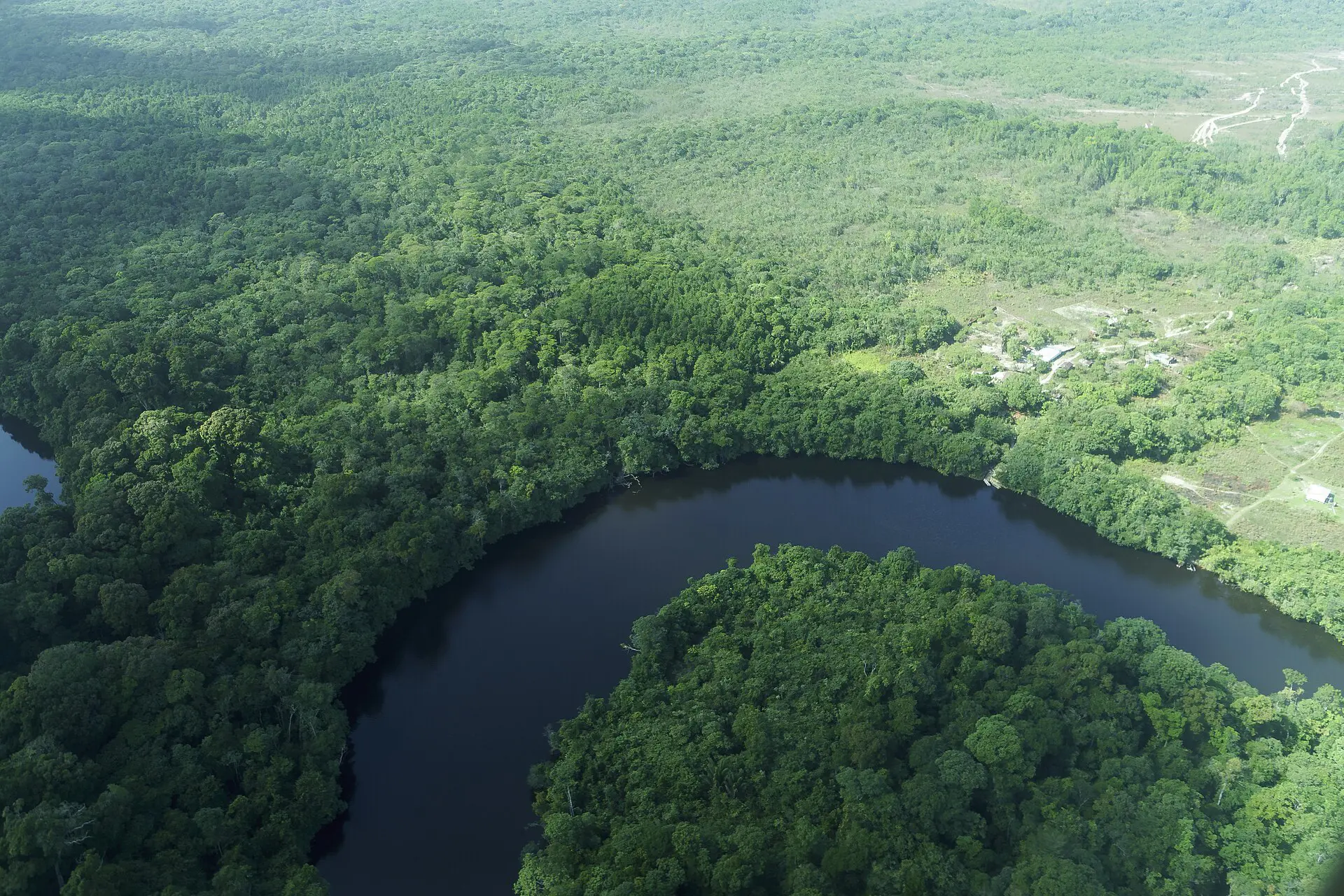
The things to do in Guyana are the reason to go: one of the world’s tallest single-drop waterfalls, large areas of intact rainforest, savannah ranches and Indigenous villages that welcome visitors. The country covers 214,969 square kilometres, is one of the least densely populated places on Earth and is the only mainland South American country with English as its official language (see the Wikipedia overview for background). It is part of the Guianas, with a Caribbean-style culture shaped by Indian, African, Indigenous and European communities.
Guyana suits nature lovers, birdwatchers, photographers and travellers who like to go where few tourists do. It is not a polished destination. Distances are large, roads outside the coast are rough, and many highlights need small planes, boats or 4×4 transport. Costs are higher than in neighbouring countries, because most visits rely on lodges and organised trips, but the rewards are quiet trails, wildlife and genuine local contact.
Best places to visit in Guyana
The best places to visit in Guyana are spread out, so plan two or three bases and use small planes where possible.

Georgetown
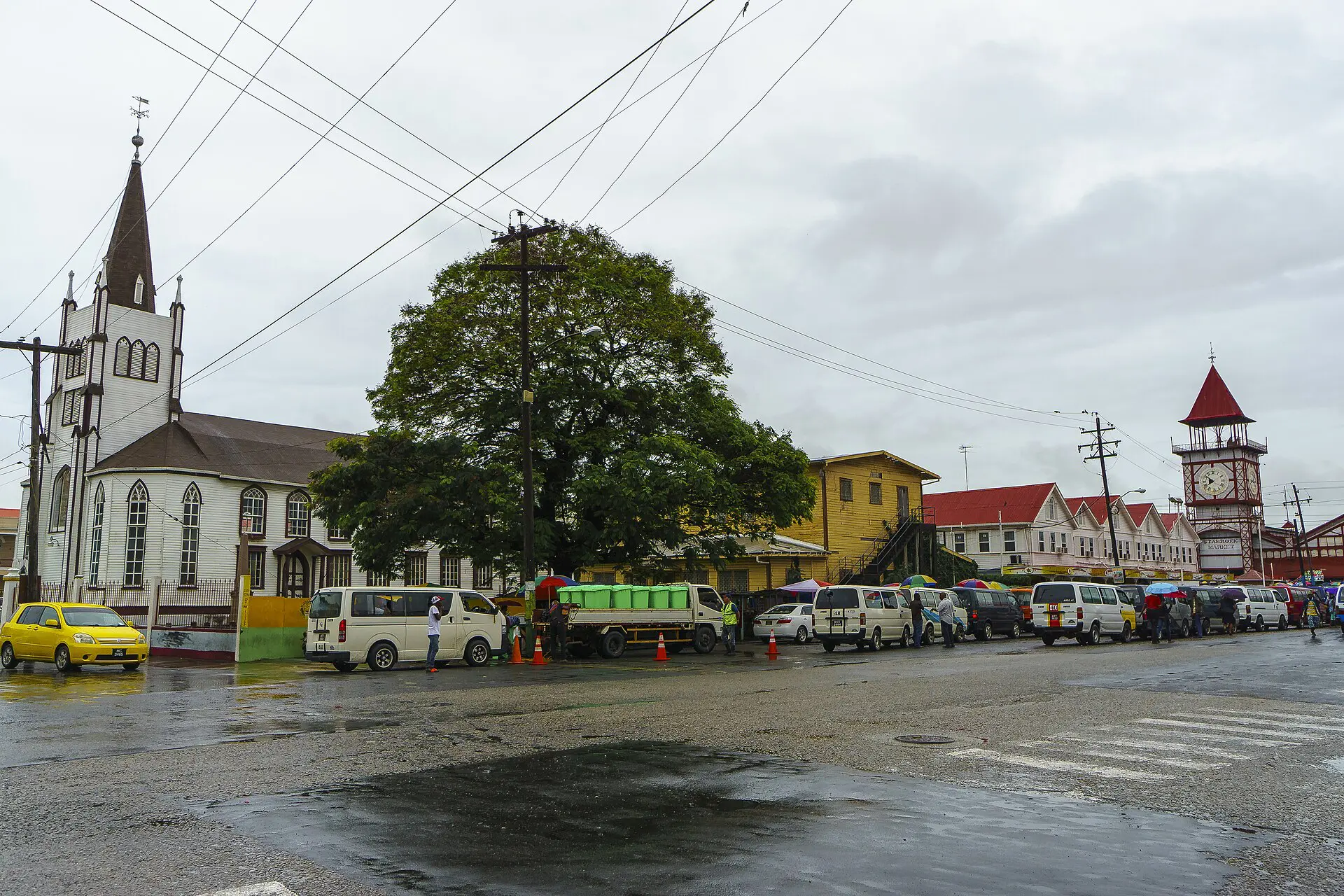
The capital is a low-rise city of wooden houses on stilts, canals and tropical gardens. St George’s Cathedral is among the tallest wooden buildings in the world, and Stabroek Market, the botanical gardens and the seawall are the main stops. Allow a day or two.
Kaieteur National Park
Kaieteur Falls drops about 226 metres in a single plunge, far higher than Niagara, surrounded by rainforest. Most visitors go on a day flight from Georgetown, often combined with Orinduik Falls.
Iwokrama Forest
This forest reserve in the heart of the country offers canopy walkway tours, river trips and some of the best wildlife viewing, including jaguars, giant otters and many bird species.
Rupununi savannah
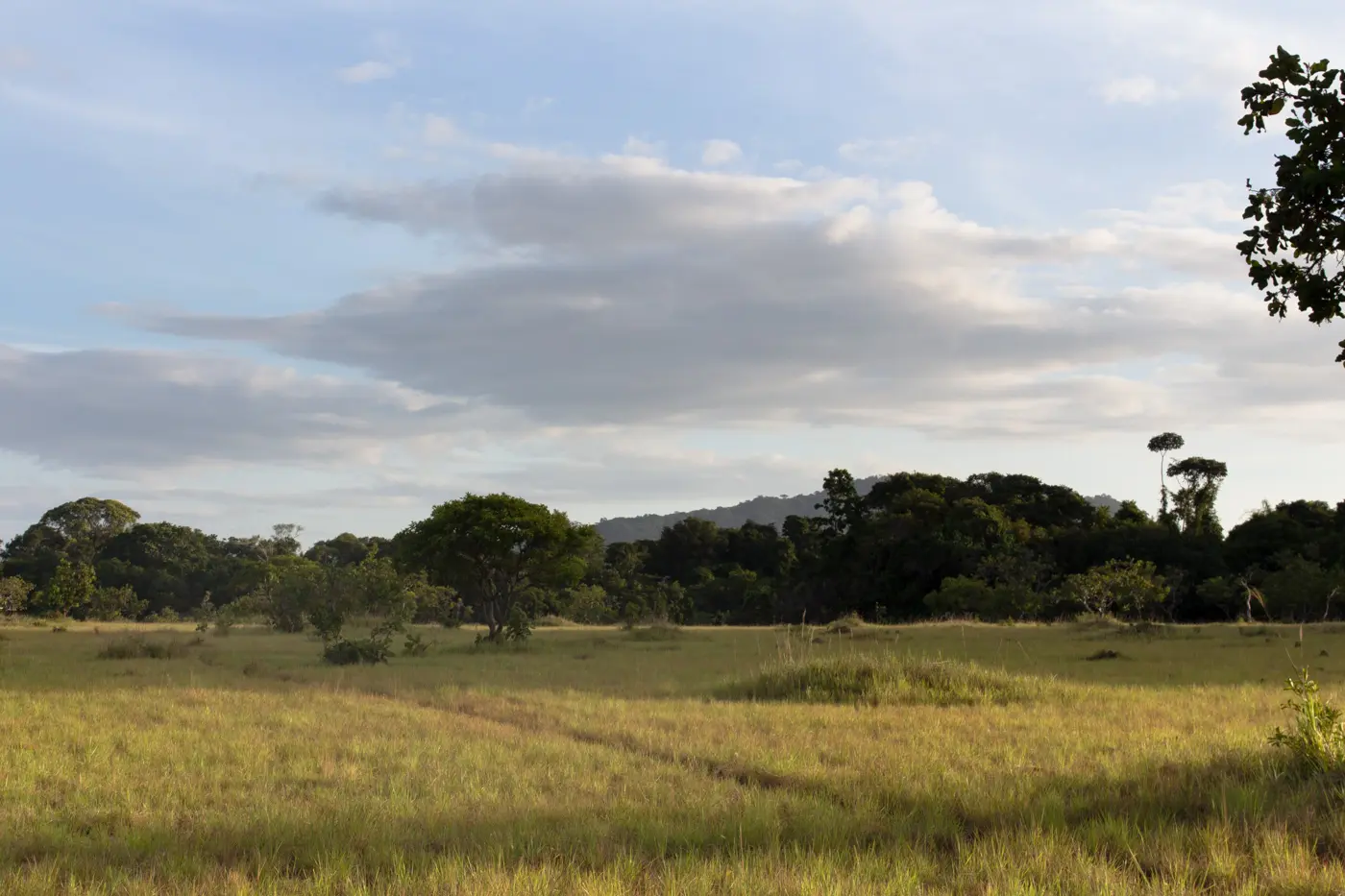
The southern grasslands around Lethem, Annai and Surama are home to ranches, Indigenous villages and giant anteaters. Rock View Lodge and Surama are popular bases.
Bartica and the Essequibo
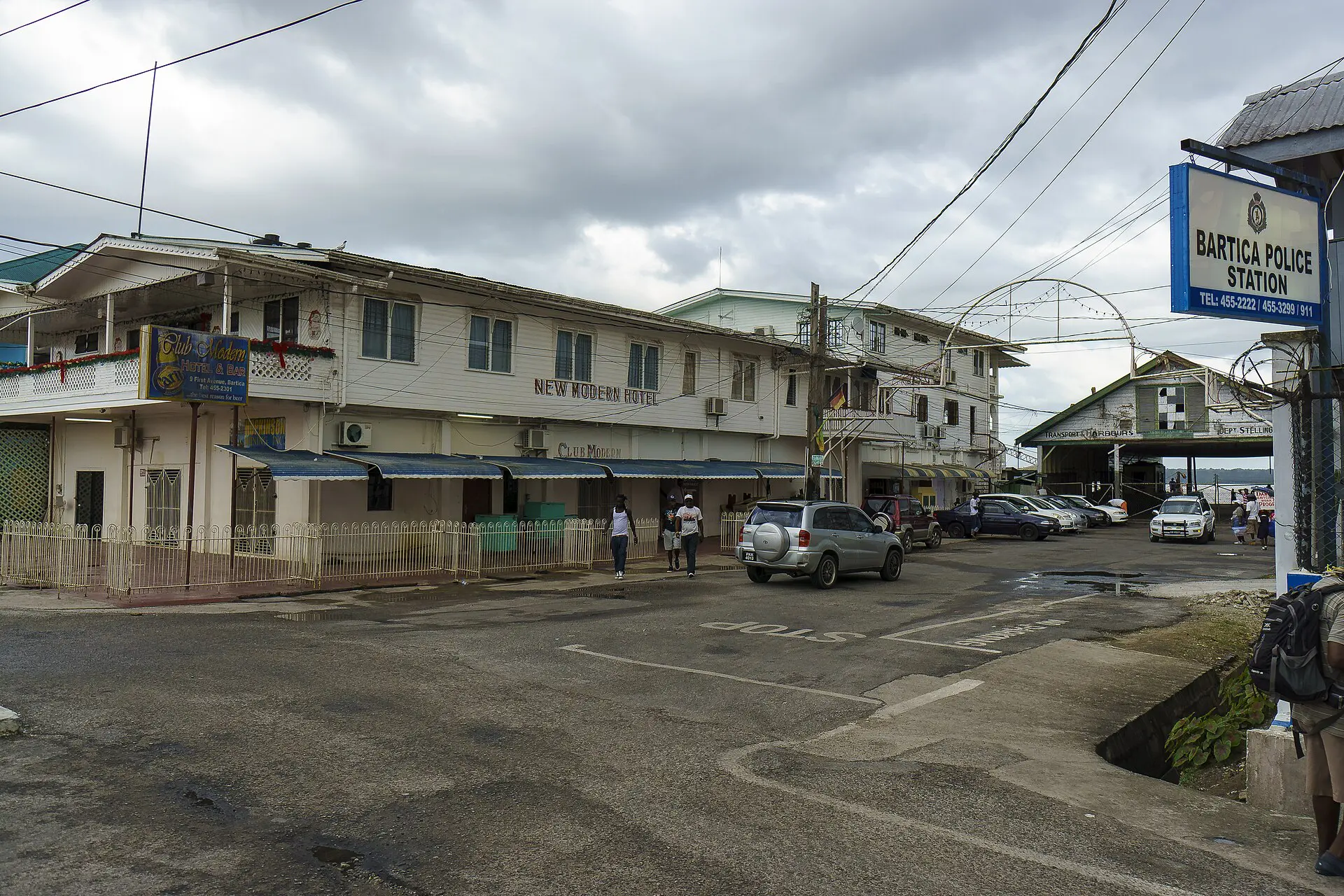
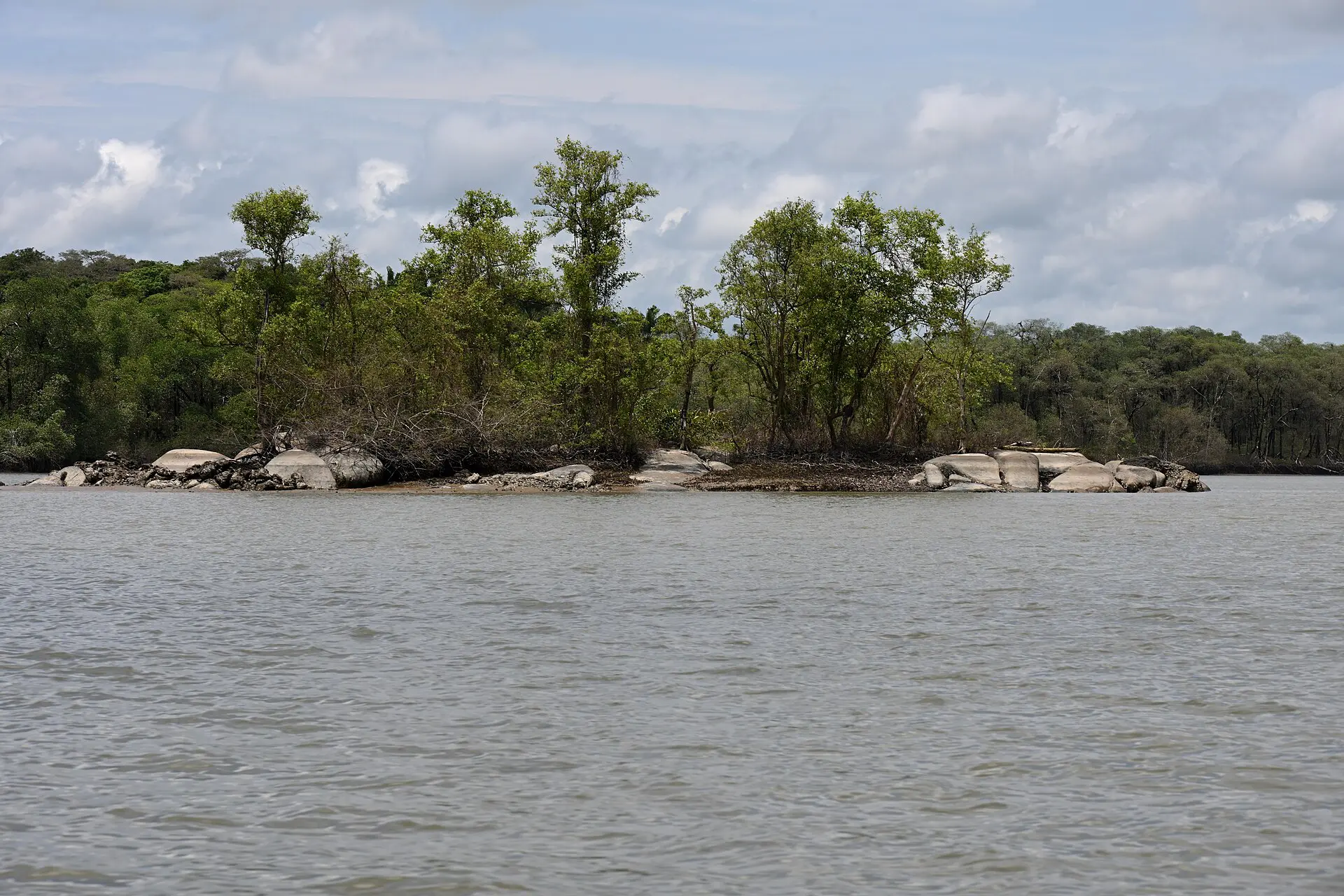
The gateway to the interior sits at the meeting of the Essequibo and Mazaruni rivers, with boats to islands and rapids.
Shell Beach
This remote coast near the Suriname border is a major turtle nesting area, usually visited with community guides.
Things to do in Guyana
Things to do in Guyana are mostly nature-focused. Many need a guide, a boat or a small plane, so book through a local operator or lodge.
- Fly to Kaieteur Falls: stand at the lip of the gorge and watch swifts dive behind the water.
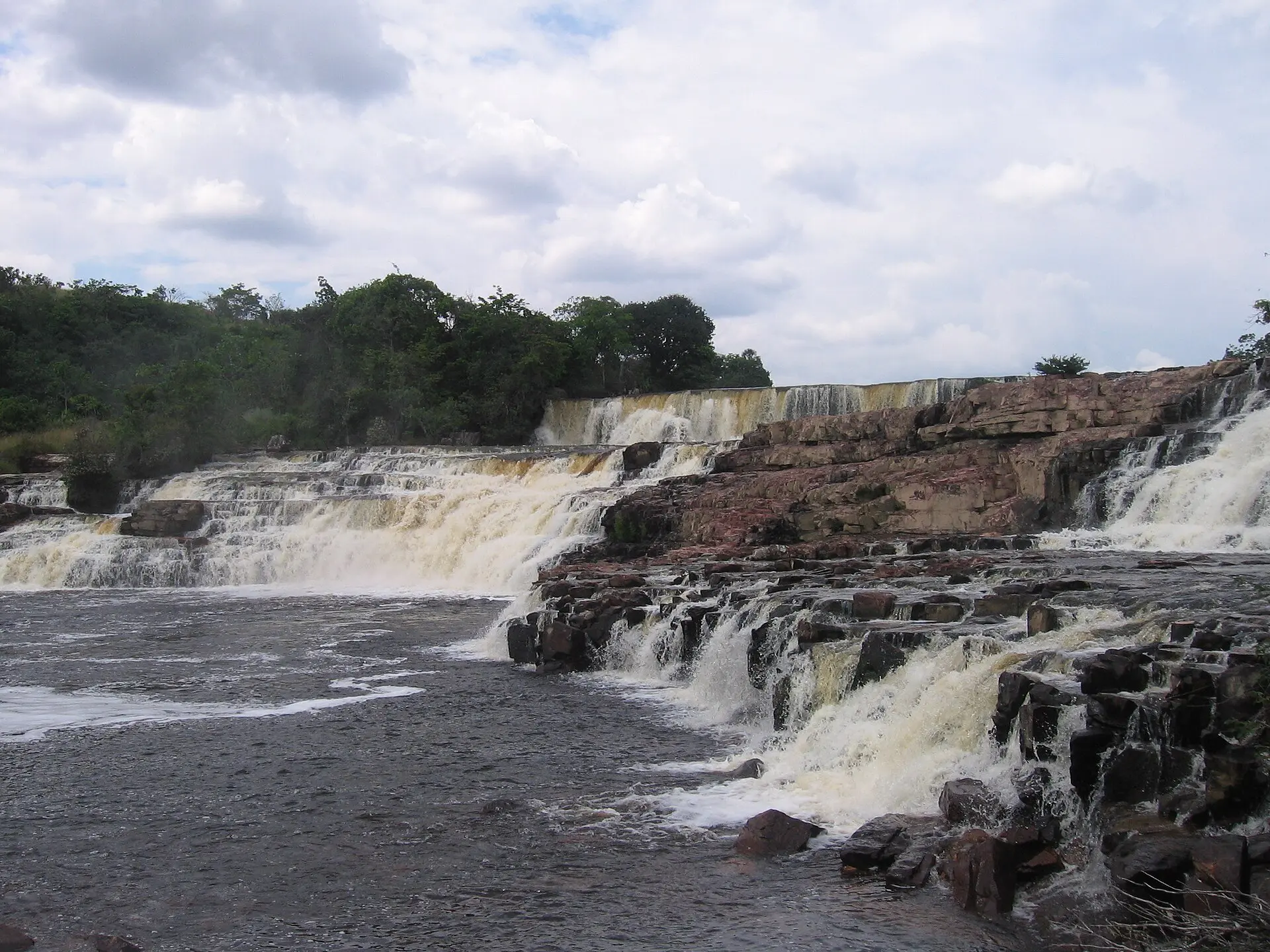
- Add Orinduik Falls: terraced rapids on the Ireng River near the Brazil border, often combined with Kaieteur.
- Walk the Iwokrama canopy walkway: suspension bridges give views of birds and monkeys above the forest floor.
- Look for jaguars: Iwokrama and the Rupununi offer some of South America’s better chances of seeing them.
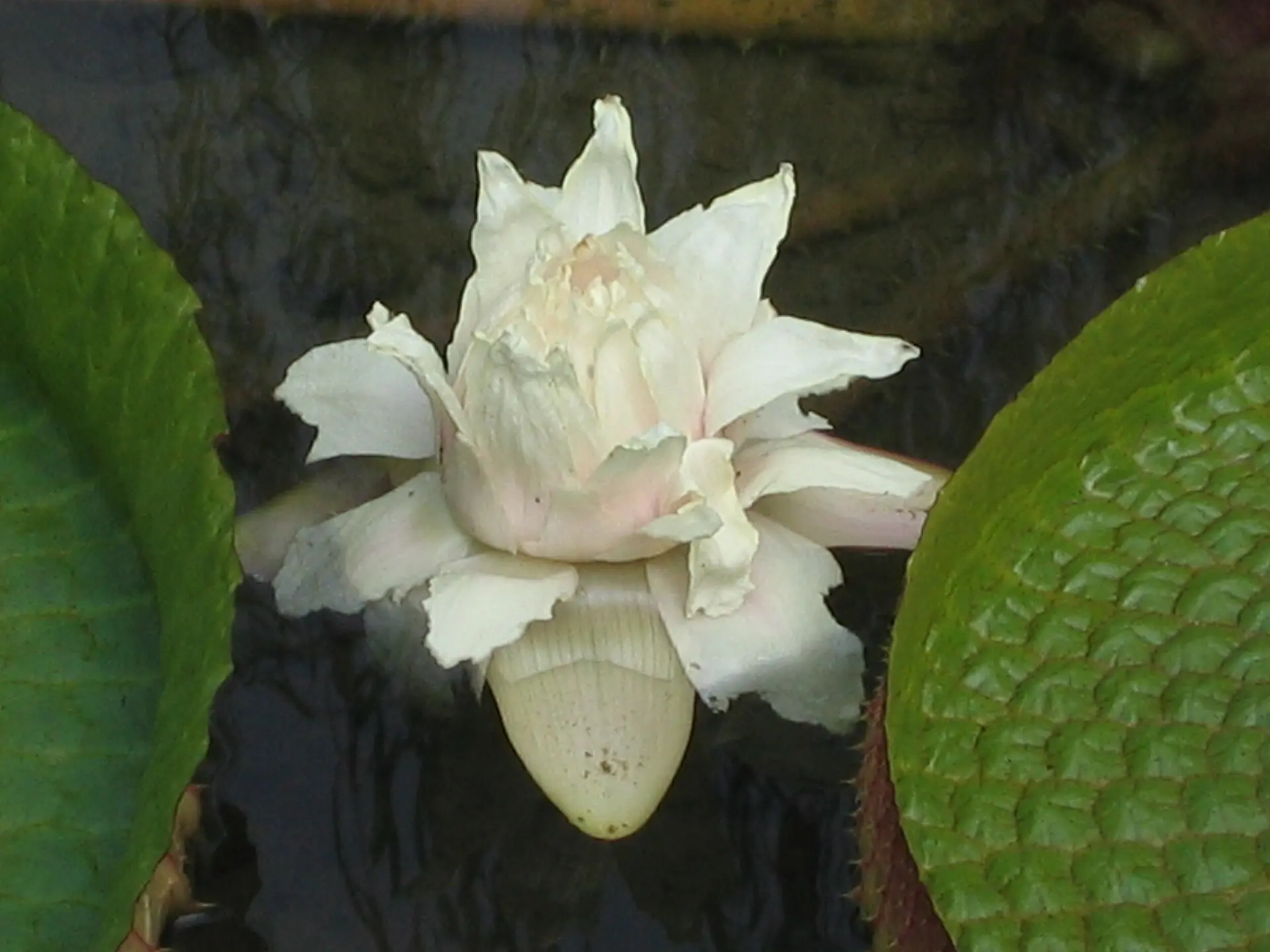
- Meet giant otters at Karanambu: the ranch has long run an otter rehabilitation project and a giant water lily pond.
- Stay in an Indigenous village: Surama and Rewa offer community-run eco-lodges, guided walks and river trips.
- Watch turtles nest at Shell Beach: leatherback and green turtles nest on the coast, mostly between March and August.
- Explore Georgetown’s markets and seawall: try street snacks and see the Stabroek clock tower.
- Join a cattle-ranch stay: Rupununi ranches offer horse riding and savannah birding.
- See Mashramani: the late February carnival fills Georgetown with floats, music and costumes.
Best time to visit Guyana
The best time to visit Guyana is February to April or September to October, when the weather is drier and trails and rivers are easier to travel. Guyana has two rainy seasons, roughly May to mid-August and November to January, with heavy downpours but also fuller waterfalls. Temperatures stay warm all year, around 25 to 32 C on the coast.
| Season | Weather | Crowds and prices | Good for |
|---|---|---|---|
| Feb-Apr | Drier, hot, some showers | Moderate; Mashramani in February | Wildlife, savannah, easy flights |
| May-mid Aug | Main rainy season, high rivers | Quiet | Powerful waterfalls, turtles at Shell Beach |
| Mid Aug-Oct | Drier, hotter inland | Moderate | Rupununi, birding, river trips |
| Nov-Jan | Shorter rainy season | Busy at Christmas | Georgetown festivals, forest lodges |
The Rupununi savannah is flooded in parts of the wet season and some tracks close. Kaieteur flights run year-round but may be cancelled for cloud and rain, so leave a spare day.
Is Guyana safe to visit?
Is Guyana safe?
Guyana is safe for most visitors on organised trips and in lodges, but crime in Georgetown and tension at the Venezuelan border mean you should plan carefully. Tourists on guided tours rarely have problems, while independent travellers in the capital should take sensible precautions. Check UK FCDO and US State Department advice before you book.
Crime in Georgetown. Robbery, bag snatching and mugging occur, especially after dark, and some neighbourhoods are best avoided. Do not walk at night, use a taxi recommended by your hotel, avoid displaying phones and jewellery, and stay away from the seawall after dark.
Border areas. Venezuela claims the Essequibo region, and some governments advise caution near the border, including around the Cuyuni River and parts of the north-west. Illegal mining areas can be dangerous. Stick to established tours and lodges.
Roads and nature. Traffic is chaotic, driving is on the left and interior roads can be hazardous. In the forest, follow guides’ advice about snakes, insects and river currents. Small planes are the normal way to reach Kaieteur.
Health. Malaria and dengue exist in the interior, so use repellent and ask your doctor about prevention. Carry a yellow fever certificate, drink bottled or filtered water and buy travel insurance with medical cover.
Visa and entry requirements for Guyana
Guyana visa rules depend on nationality. Citizens of many countries, including the US, UK, EU states, Canada and most Caribbean nations, have historically been able to enter without a visa for short tourist stays, while others must apply in advance through a Guyanese embassy or consulate. Rules change, so confirm the current process with the official Guyana immigration or foreign ministry source before you book flights.

Bring a passport valid for at least six months and a return or onward ticket. Proof of accommodation and funds may be requested. A yellow fever vaccination certificate is commonly required, especially if you come from, or have passed through, a risk country, and it is wise to carry it regardless.
If you travel overland from Brazil, you cross at Lethem near Bonfim, and the border has its own opening hours and procedures, so check them in advance. Land crossings to Suriname use a ferry across the Corentyne River. Because border sensitivities exist, do not enter or cross remote frontier zones without proper permission. The UNESCO page for Guyana lists the country’s World Heritage interests.
Getting to and around Guyana
Most visitors arrive at Cheddi Jagan International Airport, about 40 kilometres from Georgetown, which has flights to the US, Canada, the Caribbean and Panama. Ogle Airport, closer to the city, handles domestic and some regional flights. Overland routes link Brazil at Lethem and Suriname via the Corentyne ferry, but they need planning.
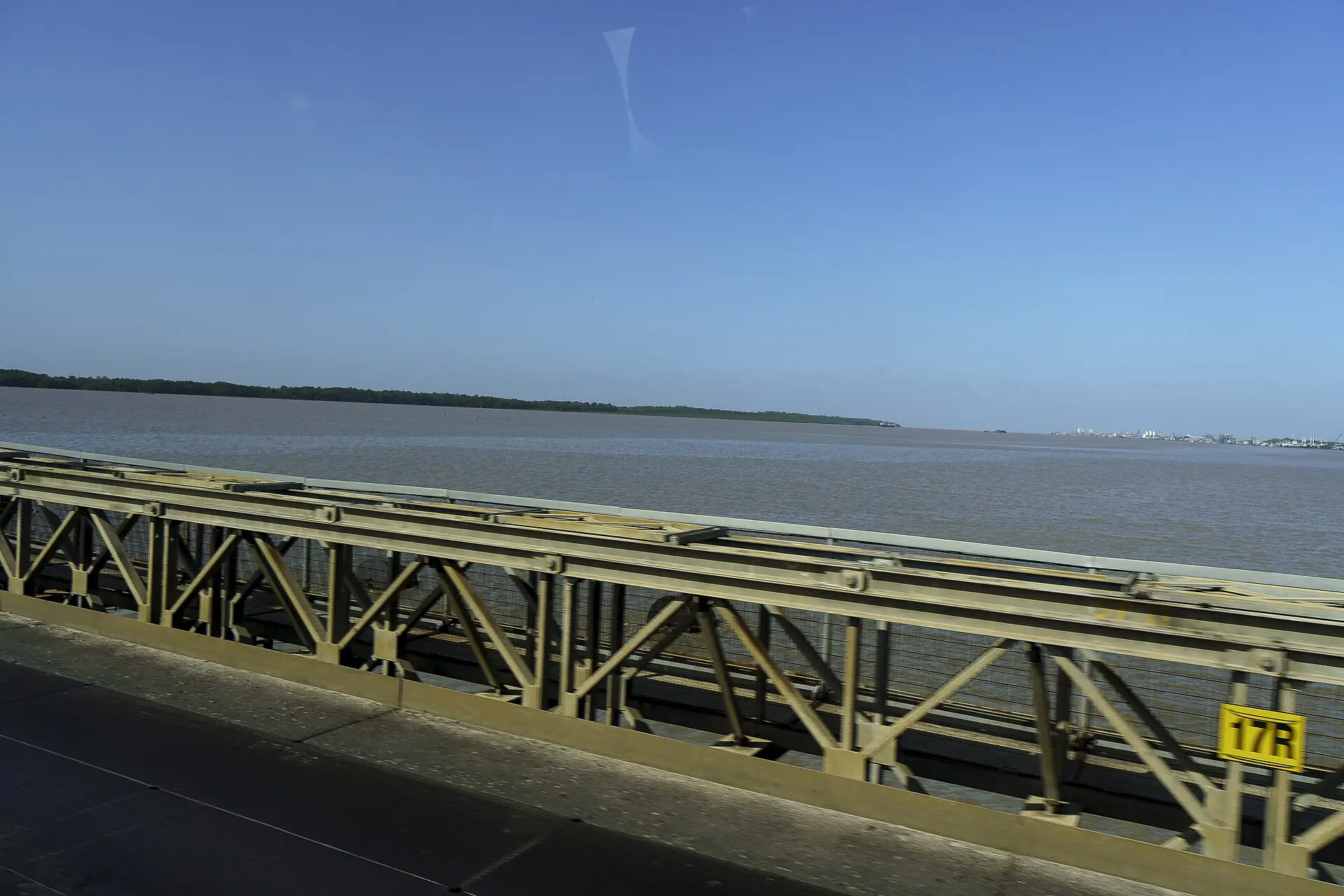
There are no railways. Within Guyana, small chartered planes and scheduled flights reach interior airstrips, such as Kaieteur, Annai and Lethem, and they are the most efficient way to see the country. Roads along the coast are paved, and minibuses and shared taxis run between Georgetown and towns such as New Amsterdam. The Demerara Harbour Bridge, a floating pontoon crossing, connects Georgetown to the west bank.
The road from Georgetown to Lethem via Linden is long, taking 12 hours or more, and may be impassable in the wet season. It is best done with a hired 4×4 and experienced driver. Driving is on the left, and car hire in the interior is limited. Use hotel-arranged taxis in Georgetown at night.
How much does a trip to Guyana cost?
Guyana is more expensive than many South American countries, mostly because interior travel involves lodges, boats and small planes. The currency is the Guyanese dollar (GYD), though lodges and operators often quote US dollars. Rates around 2026 have been roughly 200 to 220 GYD to one US dollar, so check the current rate. These bands are rough per-person guides.
- Budget: around USD 45 to 80 per day, with guesthouses in Georgetown, local food and public minibuses, but few excursions.
- Mid-range: around USD 80 to 160 per day, with comfortable hotels, restaurant meals and occasional guided trips.
- High-end: from around USD 250 per day, with interior eco-lodges, private guides and chartered flights.
The biggest costs are the Kaieteur day flight, often several hundred US dollars per person, and multi-day lodge stays that include meals and activities. Accommodation in Georgetown is pricey for its quality. Local food is cheap, and a roti and curry meal costs a few US dollars. Carry cash, because cards are accepted in main hotels but rarely in villages.
Guyana food and drink
Guyana food is a blend of Indian, African, Amerindian, Chinese and British cooking, and it is one of the country’s best reasons to visit. Meals are hearty, spicy and affordable, and Guyanese cuisine is closer to Caribbean cooking than to other South American cuisines.
- Pepperpot: a slow-cooked meat stew flavoured with cassareep, a cassava-based sauce, and often served at Christmas with bread.
- Cook-up rice: rice, beans and meat cooked in coconut milk, a Saturday classic.
- Roti and curry: flatbread, including dhal puri, served with chicken, duck or vegetable curry.
- Metemgee: a coconut-milk stew of root vegetables, dumplings and fish.
- Bake and saltfish: fried bread eaten for breakfast with salted cod and vegetables.
- Street snacks: pholourie, egg ball, cassava balls and sweet tamarind balls.
- Demerara rum and local beer: El Dorado rum is the best-known drink, and Banks beer is widespread.
Chinese-Guyanese dishes such as chow mein are also common, and fresh tropical fruit and juice are everywhere. Vegetarians do well with roti, dhal and vegetable curries, though some dishes use meat stock. Drink bottled or filtered water, and eat at busy places.
Culture, language and etiquette in Guyana
English is the official language, and Guyanese Creole is the language of everyday life, with local words and rhythms that may take time to follow. Indigenous languages such as Makushi and Wapishana are spoken in the interior, and Hindi and Bhojpuri influence remain in Indo-Guyanese communities. Visitors will have little trouble getting by in English.
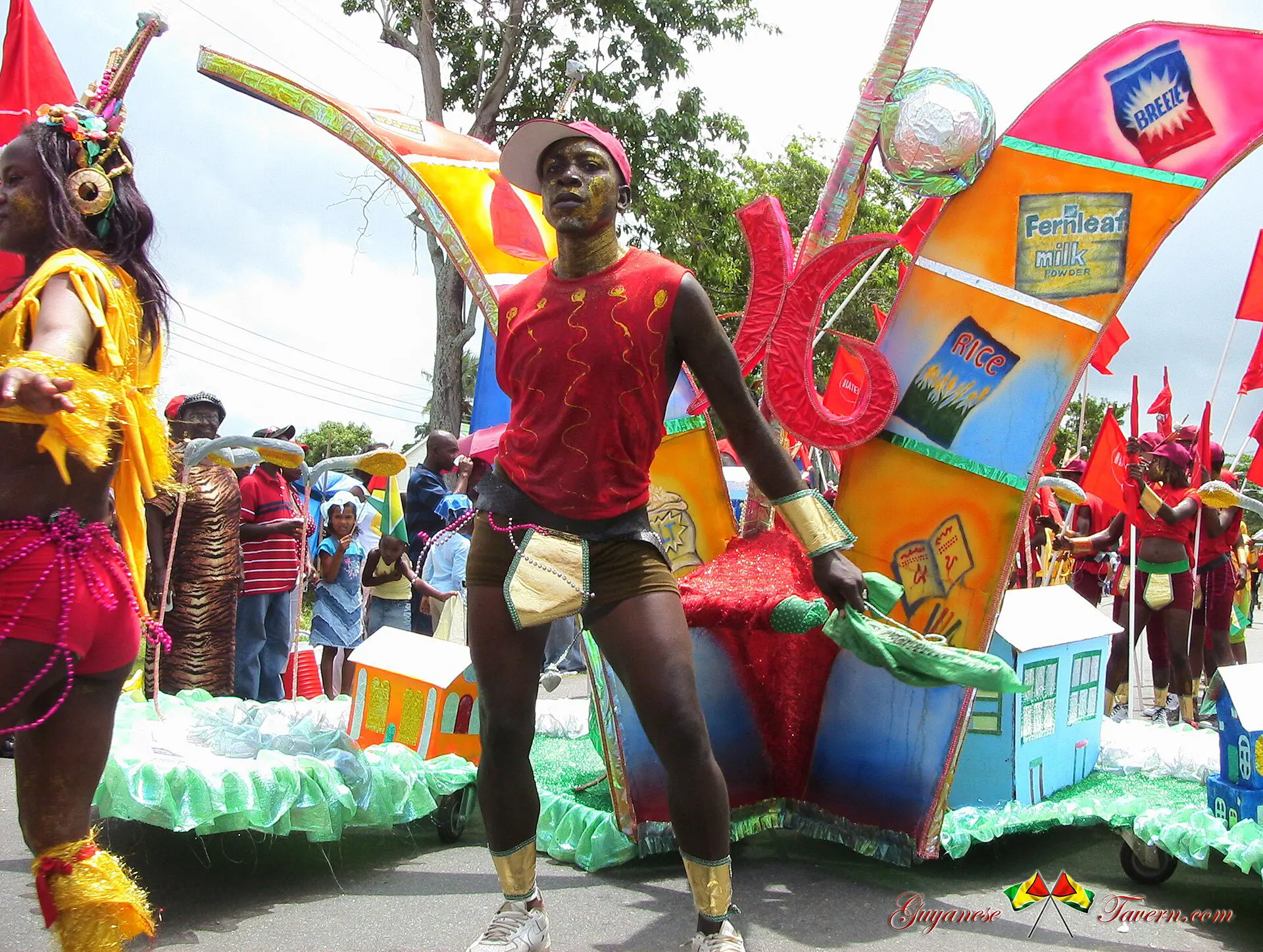
The population is diverse, with Indo-Guyanese, Afro-Guyanese, Indigenous, mixed and other communities, along with Hindu, Christian and Muslim faiths. Festivals reflect this mix: Mashramani in February, Phagwah (Holi) in March, Diwali in autumn and Emancipation Day in August. Cricket is the national passion, and a match is a fun way to meet people.
Greetings matter, so say good morning before asking a question. Dress modestly in temples, mosques and Indigenous villages, and ask permission before photographing people. In Indigenous communities, follow the village rules, hire local guides and respect sacred places. Politics and ethnic relations can be sensitive, so let locals raise the subject. Avoid buying products made from wildlife, such as feathers and skins, because laws protect many species.
Guyana itinerary: a 7-day route
This route mixes Georgetown, Kaieteur Falls and the Rupununi using flights to save long road journeys. It works best in the drier months and should be booked with a local operator.
- Day 1, Georgetown: arrive, then see St George’s Cathedral, the Stabroek Market and the seawall by day.
- Day 2, Kaieteur and Orinduik: take a morning flight to the falls, with a possible stop at Orinduik, and return in the afternoon.
- Day 3, fly to the Rupununi: take a flight to Lethem or Annai and travel on to a savannah lodge.
- Day 4, Rupununi: go on a guided safari for giant anteaters, birds and perhaps river otters.
- Day 5, Surama: stay in the Indigenous village, with a forest walk and a visit to the Burro-Burro River.
- Day 6, Iwokrama: visit the canopy walkway and take an evening boat trip in search of caiman.
- Day 7, return: fly back to Georgetown and connect with your international flight, leaving a buffer.
With a few more days, add Karanambu for giant otters or Shell Beach for turtles in season. In heavy rain, keep flexible dates, as flights and tracks can be disrupted.
Practical tips for Guyana
- Money: the Guyanese dollar is the currency, and US dollars are widely accepted by operators and lodges. ATMs work in Georgetown, but carry cash for the interior.
- SIM and eSIM: local prepaid SIMs and eSIMs are inexpensive, with good coverage on the coast and patchy service in the interior.
- Plugs: types A, B, D and G, at 120 V and 240 V depending on the location, so a universal adapter helps.
- Tipping: about 10 percent in restaurants if service is not included, and tip guides, boat drivers and lodge staff.
- Health: check vaccines including yellow fever, use repellent against mosquitoes and take malaria advice for the interior.
- Packing: light long clothing, a rain jacket, sturdy shoes, binoculars, a dry bag and plenty of insect repellent.
- Booking: reserve interior lodges and Kaieteur flights ahead, and keep spare days for weather.
For wider background, see the Wikivoyage Guyana guide.
FAQ
Q1What is Guyana food like?
Guyana food blends Indian, African, Amerindian and Chinese cooking. Try pepperpot with cassareep, cook-up rice, roti with curry, metemgee and bake and saltfish. Street snacks include pholourie and egg ball. El Dorado rum is the signature drink. Vegetarian roti and dhal are easy to find.
Q2Is Guyana safe?
Guyana is safe on organised tours and in lodges, but Georgetown has robbery and bag snatching, especially after dark. Use taxis at night, hide valuables and avoid remote border areas near Venezuela. Check the FCDO and US State Department advice before you go.
Q3What are the best things to do in Guyana?
Top experiences are flying to Kaieteur Falls, walking the Iwokrama canopy walkway, wildlife watching in the Rupununi, staying in Indigenous villages like Surama, meeting giant otters at Karanambu and seeing Georgetown's wooden architecture and markets.
Q4What is the best time to visit Guyana?
February to April and September to October are best, with drier weather and easier travel. The rainy seasons, about May to mid-August and November to January, give stronger waterfalls but muddy trails and some closed roads. Temperatures stay warm all year.
Q5Is Guyana safe to visit for tourists?
Yes, if you plan carefully. Tourists on guided trips rarely have problems, and the interior lodges are secure. Avoid walking in Georgetown at night, stay away from illegal mining areas and the Venezuelan border zones, and take malaria and yellow fever advice from your doctor.
Q6How much does a trip to Guyana cost?
Plan around USD 80 to 160 per day mid-range, since lodges, guides and flights are costly. A Kaieteur day flight often costs several hundred US dollars. Budget travellers can spend USD 45 to 80 in towns, but interior trips push costs up.
Q7How many days do you need in Guyana?
A week covers Georgetown, Kaieteur Falls and a few nights in the Rupununi or Iwokrama. Add three or four days for Karanambu, Shell Beach or longer lodge stays. Keep spare days, because flights and tracks are weather dependent.